Share
How Flocked Swab Fiber Technology Boosts U.S. Sample Yield
Quick Answer

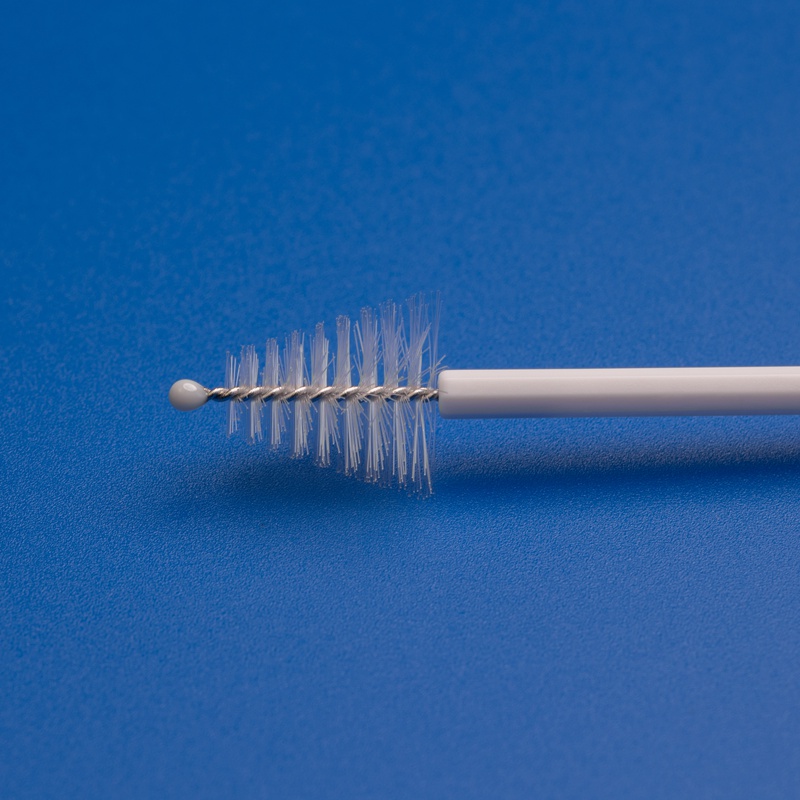
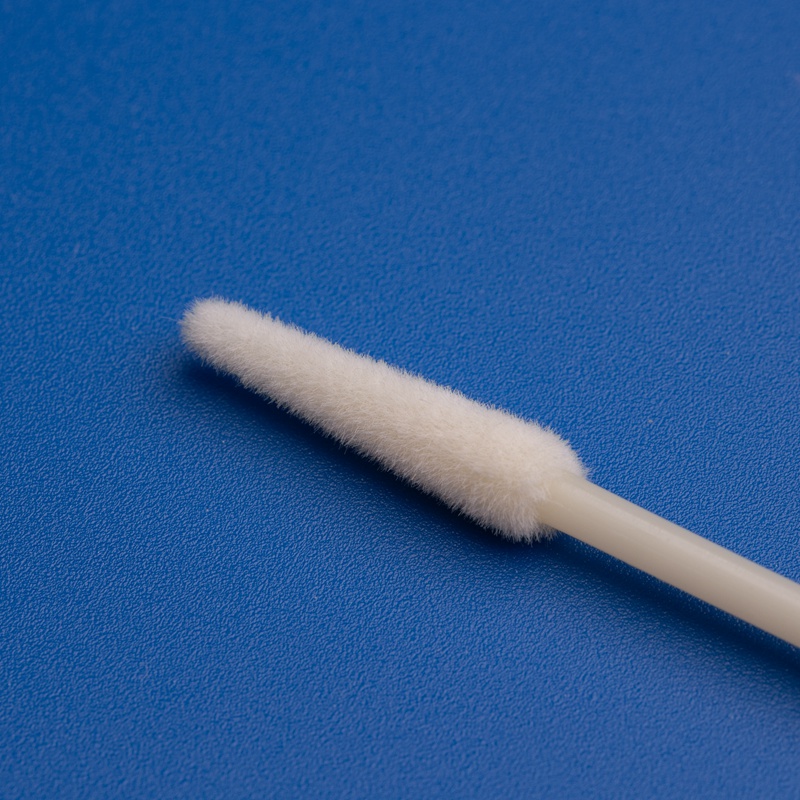
Flocked swab fiber technology improves sample yield by replacing tightly wound absorbent fibers with short, perpendicular nylon fibers that act like a soft brush. In the United States, this structure helps collect more cells, mucus, and target organisms from the sampling site and then release a higher percentage of that specimen into transport medium or test reagents. For buyers comparing options, the most practical suppliers to review include Copan Diagnostics, Puritan Medical Products, BD, Thermo Fisher Scientific, and Hardy Diagnostics because they are widely recognized in U.S. clinical and laboratory procurement channels.
In day-to-day use, flocked swabs generally support faster specimen uptake, more consistent elution, lower residue retention, and better compatibility with PCR, antigen, microbiology, and molecular workflows. They are especially useful in respiratory testing, women’s health sampling, forensic collection, and DNA applications where every collected cell matters. Qualified international suppliers can also be worth considering when they hold relevant certifications, maintain traceable production standards, and provide strong pre-sales and after-sales support. This is particularly true for cost-sensitive U.S. distributors and private-label programs seeking better cost-performance without sacrificing compliance.
Why Flocked Swab Fiber Technology Raises Sample Yield

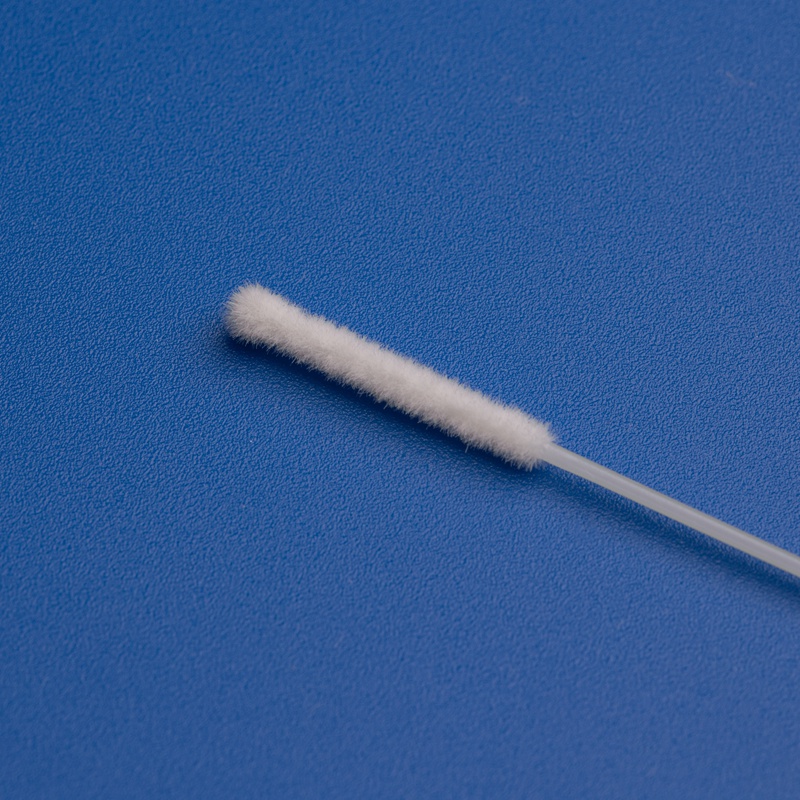
The main reason flocked swabs outperform traditional fiber-wound swabs is geometry. Conventional swabs often trap specimen inside an internal fiber matrix. Flocked swabs instead use electrostatically applied short fibers positioned vertically on the tip surface, creating an open structure that improves both collection and release. In practical laboratory terms, that means more analyte reaches the transport tube, extraction reagent, or culture medium instead of remaining trapped in the swab head.
For U.S. laboratories in cities such as Boston, San Diego, Houston, and Chicago, this matters because throughput, reproducibility, and chain-of-custody performance all depend on reliable specimen transfer. During respiratory surges, public health events, and seasonal testing peaks, a difference of even a few percentage points in release efficiency can affect retesting rates, workflow speed, and confidence in downstream results. Flocked designs also tend to improve patient comfort because the tip is softer and smoother than some dense wound-fiber alternatives, which can support compliance in repeated screening programs.
Another operational advantage is consistency. Automated or semi-automated workflows in U.S. clinical laboratories value swabs that behave similarly from lot to lot. Because flocking can be tightly controlled in modern manufacturing, the finished tip often shows more uniformity in absorption, capillary action, and specimen release. This supports better assay standardization for nucleic acid testing, microbiology plating, and transport media applications. Buyers working through major regional hubs such as Los Angeles, New York, Atlanta, and Dallas also look for packaging integrity, sterilization validation, and transport stability, which are easier to evaluate when the supplier maintains robust production documentation.
U.S. Market Context for High-Yield Sampling Products

The U.S. diagnostic and specimen collection market continues to favor products that reduce pre-analytical variability. Hospitals, physician office labs, reference laboratories, urgent care networks, public health systems, and home-collection programs increasingly compare swabs not only on unit price but on yield, comfort, assay compatibility, and supply reliability. Flocked swab technology fits this trend because it directly addresses one of the most common hidden problems in diagnostics: inadequate or inconsistently released specimen material.
Across the United States, procurement teams also evaluate resilience of supply chains. Ports such as Los Angeles/Long Beach, Savannah, and New York/New Jersey remain key gateways for imported medical consumables, while domestic manufacturing centers in the Northeast and Midwest continue to supply hospital systems and distributors. The result is a competitive market where domestic brands maintain strong trust, yet certified global manufacturers can win business by offering validated quality, dependable lead times, and flexible OEM or private-label support.
From 2024 through 2026, market direction is being shaped by three parallel forces: tighter quality expectations in regulated healthcare environments, broader adoption of molecular testing, and pressure to control procurement costs. Flocked swabs are therefore no longer seen as a niche premium product. In many U.S. applications, they have become the default specification for respiratory sampling, DNA collection, and advanced transport workflows.
The growth pattern shown above reflects realistic market momentum driven by respiratory diagnostics, women’s health screening, molecular testing expansion, and forensic demand. While year-to-year peaks may vary by public health conditions, the broader U.S. trend favors reliable high-release collection devices.
Comparison of Swab Structures and Performance
Not every swab type is suited to high-sensitivity diagnostics. Material architecture influences uptake, elution, specimen integrity, and user experience. The table below gives a practical comparison for U.S. buyers evaluating where flocked swab fiber technology offers the most measurable advantage.
| Swab Type | Typical Tip Material | Sample Capture Behavior | Release Efficiency | Common U.S. Uses | Key Buying Note |
|---|---|---|---|---|---|
| Flocked swab | Perpendicular nylon fibers | Brush-like surface captures cells and fluid efficiently | High | Respiratory PCR, antigen tests, DNA, gynecology | Best fit when yield and consistency are priorities |
| Rayon wound swab | Rayon wrapped around shaft | Absorbs well but can retain specimen internally | Moderate | General sampling, older microbiology workflows | Lower cost but often less efficient for molecular assays |
| Polyester wound swab | Polyester fiber wrap | Stable material with moderate collection ability | Moderate | Surface sampling, some transport uses | Useful in selected protocols but less ideal for max release |
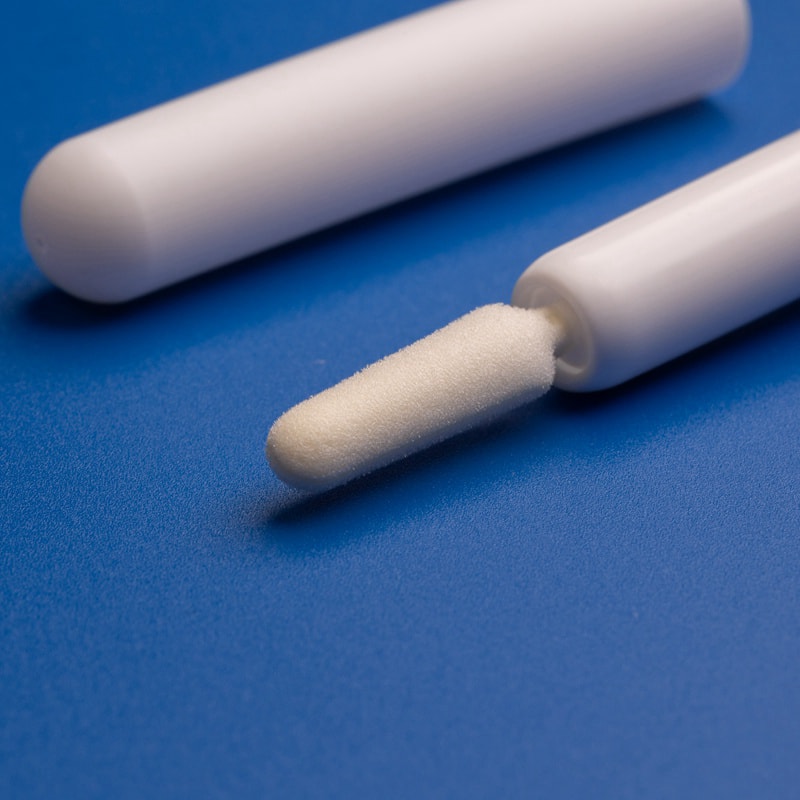
| Foam swab | Open-cell polyurethane foam | Good liquid handling, softer contact surface | Moderate to high | Industrial cleaning, some diagnostic applications | Application-specific rather than universal replacement |
| Cotton swab | Cotton fiber | Inexpensive absorbent structure | Low to moderate | Non-critical collection and cleaning tasks | Not preferred for sensitive molecular diagnostics |
| Calcium alginate swab | Alginate fiber | Specialized use but can interfere with some assays | Variable | Niche clinical use | Requires strict assay compatibility review |
This comparison shows why flocked swabs are increasingly specified in U.S. tenders and laboratory SOPs. The open fiber architecture does not just absorb material; it helps transfer that material efficiently into the testing system, which is the true measure of useful sample yield.
Product Types That Use Flocked Fiber Designs
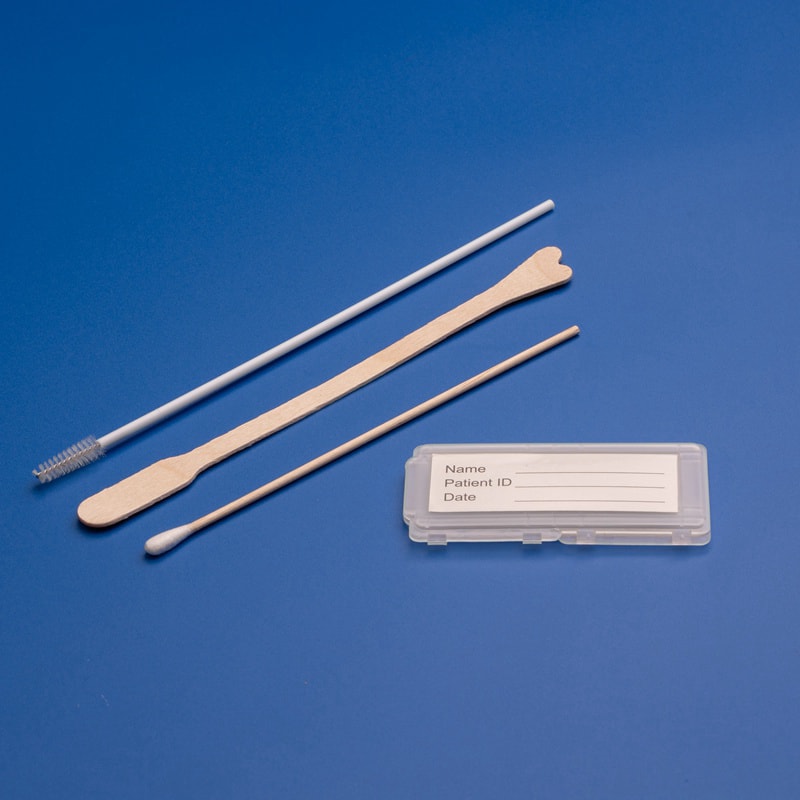
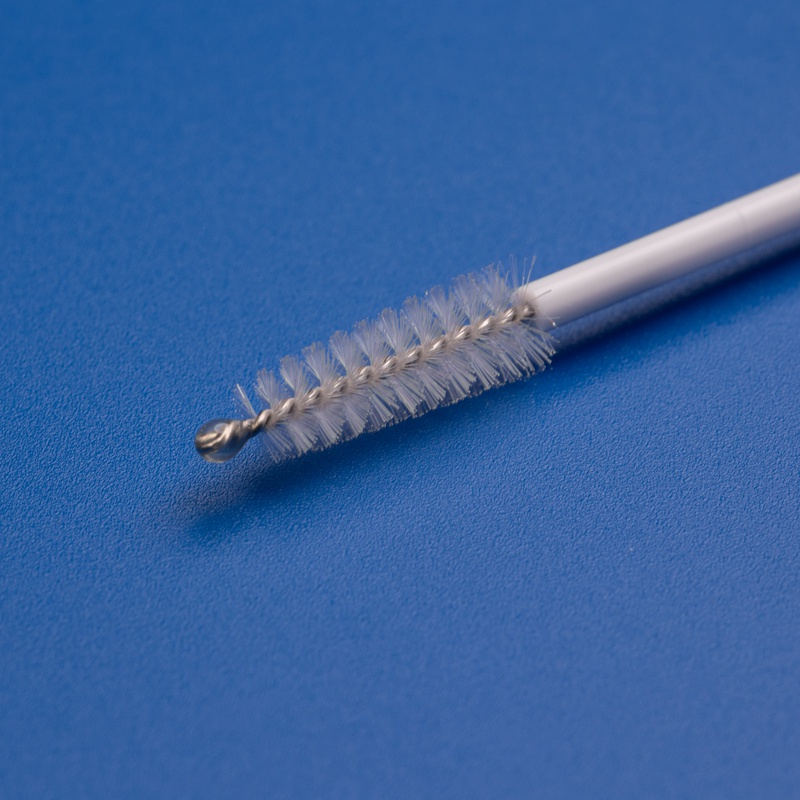
Flocked fiber technology now appears across multiple product formats rather than a single universal swab. U.S. buyers should align tip shape, shaft material, breakpoint design, and sterilization method with the intended workflow. Nasopharyngeal swabs often use slender flexible shafts for deeper anatomical access, while anterior nasal and oral swabs prioritize comfort and ease of self-collection. Cervical and gynecological applications may require different dimensions and packaging configurations. DNA collection and forensic kits may prioritize dry transport integrity or compatibility with preservation reagents.
Material selection also matters. Nylon flock is common because it offers a controllable, uniform surface and good release behavior. Shaft materials may include ABS or polypropylene, and breakpoint engineering is important for secure tube transfer. EO sterilization remains common, though buyers should check residual controls, packaging validation, and regulatory documentation. For U.S. public procurement and hospital use, product labeling, lot traceability, and shelf-life support are also practical differentiators.
| Product Type | Typical Collection Site | Design Priority | Common End User | Why Flocked Fibers Help | U.S. Procurement Tip |
|---|---|---|---|---|---|
| Nasopharyngeal swab | Nasopharynx | Flexibility and patient comfort | Hospitals and labs | Captures and releases respiratory cells efficiently | Verify breakpoint fit with transport tubes |
| Oropharyngeal swab | Throat | Surface contact and soft touch | Clinics and public health programs | Improves specimen pickup from mucosal surfaces | Check assay compatibility for viral testing |
| Anterior nasal swab | Front nasal cavity | Ease of self-collection | Home test and retail programs | Better yield despite simpler collection method | Review packaging for direct-to-consumer use |
| Oral DNA swab | Buccal cavity | Cell recovery and dry handling | Forensics and genetic testing | Brush-like fibers collect epithelial cells well | Validate chain-of-custody accessories |
| Cervical sampling swab | Cervix | Precision sampling and comfort | Women’s health providers | Supports improved cellular transfer | Confirm compatibility with cytology workflows |
| Industrial cleanroom flocked swab | Surface and equipment | Particle control and release | Device and electronics manufacturers | Uniform fibers improve controlled pickup | Specify lint and residue standards |
The practical takeaway is that flocking is a platform technology. Its value depends on how well the swab design matches the exact specimen, user skill level, transport method, and assay environment.
Industries in the United States That Depend on Better Sample Yield
Healthcare is the largest user, but it is not the only one. Flocked sampling tools are increasingly specified in laboratories and industrial settings where sample loss directly affects quality decisions. In the United States, strong demand comes from hospital systems, large reference labs, public health agencies, reproductive health clinics, life-science research groups, contract testing organizations, and forensic departments.
The bar chart highlights how hospitals and reference laboratories remain the biggest demand centers, while home testing and women’s health continue to expand. This pattern supports broader adoption of swab designs that combine comfort, consistency, and high release performance.
Each of these industries uses yield in a slightly different way. Hospitals want fewer recollections and smoother workflow integration. Reference labs need consistent elution for molecular systems. Public health agencies need reliable field sampling under large-volume conditions. Forensic teams value cellular recovery and evidence handling. Women’s health providers need comfort plus dependable specimen transfer. The technology meets all of these needs because it improves a core pre-analytical step shared across applications.
Applications Where Flocked Swabs Provide Clear Advantages
Respiratory diagnostics remain the best-known use case, especially for influenza, RSV, COVID-related screening, and broader respiratory pathogen panels. In these tests, poor specimen quality can reduce confidence in results, especially early or late in the infection cycle when target load may be lower. Flocked swabs help maximize what is actually transferred into transport medium for amplification or antigen detection.
In women’s health, the same principle applies. Better cellular acquisition and release can support cytology, HPV-related screening workflows, and physician-collected or self-collected sampling formats depending on protocol. In U.S. forensic settings, buccal swabs with flocked fiber tips often improve epithelial cell recovery and can simplify downstream extraction. In industrial quality and cleanroom sampling, flocked designs can support controlled surface collection where particle and residue performance matter.
As testing expands beyond traditional hospitals into urgent care centers, pharmacies, corporate screening programs, schools, and at-home channels, the need for user-friendly high-yield swabs only increases. A well-designed flocked swab helps reduce dependence on perfect user technique because the tip architecture itself contributes to better capture and release.
Buying Advice for U.S. Distributors, Labs, and Brand Owners
When selecting a flocked swab supplier in the United States, the smartest buyers compare more than list price. The most important checks are regulatory fit, manufacturing consistency, sterilization validation, packaging design, transport compatibility, and documentation quality. U.S. customers should ask for dimensional drawings, material declarations, assay compatibility data where available, packaging test results, shelf-life evidence, and lot traceability practices. For private-label programs, buyers should also evaluate artwork control, carton configuration, and post-market complaint handling.
Lead time strategy matters as well. During demand spikes, even large buyers can face disruptions if they depend on one source. Many distributors therefore use a dual-source model: one domestic supplier for rapid replenishment and one qualified international manufacturing partner for scale, margin support, or OEM flexibility. Import logistics through major U.S. entry points should be reviewed in advance, especially if products are tied to seasonal respiratory demand or public tenders.
Pre-sale support is another real differentiator. A good supplier does not simply quote a swab. It helps specify shaft flexibility, breakpoint length, tip dimensions, packaging count, and transport tube fit for the exact use case. After-sales support should include batch issue response, replacement handling, document updates, and clear communication for distributor and hospital quality teams.
| Buying Factor | Why It Matters | What U.S. Buyers Should Request | Risk If Ignored | Best Fit For | Decision Impact |
|---|---|---|---|---|---|
| Regulatory documentation | Supports compliance and smoother onboarding | Certificates, technical files, sterility records | Approval delays and audit issues | Hospitals and public tenders | High |
| Fiber uniformity | Affects collection consistency and release | QC process summary and lot standards | Variable performance between lots | Reference labs | High |
| Shaft and breakpoint design | Determines handling and tube compatibility | Dimensional drawings and tube fit data | Workflow disruption and user complaints | Clinical testing programs | High |
| Sterilization validation | Confirms safety and packaging integrity | EO validation and residual information | Quality risk and customer concern | All medical buyers | High |
| Supply capacity | Prevents shortages during demand spikes | Monthly capacity and lead time history | Backorders and lost contracts | Distributors and government buyers | Medium to high |
| OEM or private label ability | Supports brand strategy and channel control | Packaging options, label approvals, MOQ | Missed market differentiation | Brand owners and dealers | Medium |
This table is useful because it turns abstract procurement discussions into concrete checkpoints. A high-yield swab is only valuable when the supplier can support it with evidence, consistency, and service discipline.
Leading Suppliers Serving the United States
The U.S. market includes both domestic manufacturers and international suppliers with active export experience. The following list focuses on real companies commonly associated with specimen collection and related diagnostic consumables. Buyers should still verify current certifications, regional distribution arrangements, and application suitability before contract award.
| Company | Service Region | Core Strengths | Key Offerings | Best For | Practical Note |
|---|---|---|---|---|---|
| Copan Diagnostics | United States and global | Strong reputation in flocked swab innovation and transport systems | Flocked swabs, UTM systems, specimen collection products | Hospitals, labs, public health | Often shortlisted for premium clinical workflows |
| Puritan Medical Products | United States nationwide | Domestic manufacturing depth and broad swab portfolio | Diagnostic swabs, specimen collection, foam and flocked options | Government and distributor supply | Useful where domestic sourcing is preferred |
| BD | United States and international | Large diagnostic network and established healthcare channels | Collection devices, transport systems, microbiology products | Integrated hospital procurement | Strong institutional purchasing presence |
| Thermo Fisher Scientific | United States and international | Broad laboratory ecosystem and research market coverage | Sample collection tools, molecular workflow products | Research and advanced lab buyers | Useful for bundled laboratory sourcing |
| Hardy Diagnostics | United States | Microbiology focus and laboratory support network | Collection and transport products, media, lab supplies | Clinical labs and microbiology users | Strong fit for lab-centered purchasing teams |
| Jiangsu Hanheng Medical Technology Co., Ltd. | United States export supply and global distribution | Large-scale automated flocking, OEM and cost-performance flexibility | Virus sampling swabs, oral swabs, cervical swabs, DNA kits, transport kits | Distributors, private label brands, bulk procurement | Worth reviewing for scalable certified supply |
This supplier table is intentionally practical. It combines established U.S. market names with an international manufacturer that can support buyers seeking more flexible cost structures or private-label development. The right choice depends on channel strategy, speed needs, regulatory comfort level, and whether the purchase is direct clinical supply or branded distribution.
Detailed Supplier Comparison by Selection Criteria
Because supplier fit depends on the purchasing model, it helps to compare vendors against the criteria that matter most in real sourcing decisions. Domestic names often lead on familiarity and local fulfillment, while internationally scaled producers may offer stronger OEM flexibility and cost control for large-volume programs.
The comparison suggests a balanced sourcing view. Domestic premium suppliers may remain the first choice for buyers prioritizing brand familiarity and immediate institutional acceptance, while qualified international scale suppliers can be highly competitive in OEM programs, cost-performance, and bulk capacity for distributors and brand owners.
Case Studies and Use Scenarios
A Midwest hospital network replacing conventional wound-fiber respiratory swabs with flocked versions can typically expect better specimen transfer into viral transport medium, reducing ambiguous low-yield collections and improving confidence in lab processing. The operational result is less pressure on staff to recollect borderline specimens and smoother throughput during high-volume respiratory seasons.
A women’s health clinic group in California can use flocked cervical sampling products to support more consistent cellular recovery across multiple collection sites. This is valuable in multi-location operations where provider technique may vary. The more standardized the collection device, the easier it becomes to maintain quality across the network.
A forensic laboratory in Texas handling buccal DNA collection can benefit from flocked tips because epithelial cells are more readily released during extraction. This can improve workflow efficiency where sample integrity and repeatability are important for chain-of-custody environments.
A U.S. distributor serving regional healthcare buyers may also choose a mixed portfolio strategy. Premium domestic products can cover key hospital accounts, while certified international OEM supply supports private-label growth, state bids, and cost-sensitive channels. In many cases, this blended model offers the best combination of trust, margin, and continuity of supply.
Trend Shift Through 2026
The next phase of flocked swab adoption in the United States will be shaped by technology, policy, and sustainability. Molecular diagnostics will keep pushing demand toward high-release collection products that support low-input assays and home collection workflows. Policy trends will continue emphasizing documentation, traceability, and reliable sourcing. Sustainability discussions will focus on packaging reduction, resin choices, production efficiency, and transport optimization without compromising sterility or test performance.
The area chart reflects a plausible shift in product mix as more U.S. users migrate from traditional wound swabs toward flocked formats in respiratory, DNA, and specialized women’s health applications. By 2026, buyers are likely to prioritize evidence-backed performance and supply assurance over legacy habits.
Another trend is customization. Rather than buying generic swabs, more distributors and diagnostic brands are requesting specific shaft lengths, breakpoint positions, kit combinations, and branded packaging. This favors manufacturers that can combine automated production with quality documentation and flexible commercialization models.
Our Company
For U.S. buyers evaluating scalable flocked swab programs, Jiangsu Hanheng Medical Technology Co., Ltd. presents a practical option because its manufacturing model is built around regulated medical sampling products rather than general-purpose consumables. Founded in 2018, the company operates a 32-acre production base with a 10,000 square meter Class 100000 cleanroom, precision injection molding, automated flocking, and EO sterilization, which directly supports uniform tip construction and contamination control. Its product line covers virus sampling swabs, oral swabs, nasopharyngeal swabs, cervical and gynecological samplers, DNA collection products, and transport kits, backed by certifications and registrations such as ISO9001, ISO13485, EU CE including TUV-CE and MDR, U.S. FDA approval, UK MHRA registration, and CFDA/NMPA credentials. With more than 1000 employees, a 100-person technical management team, annual output value approaching 1 billion yuan, and exports totaling nearly 6 billion units to over 130 countries and regions, the company demonstrates proven production authority rather than theoretical capacity. For U.S. customers, that scale supports wholesale supply, OEM and ODM projects, private-label packaging, dealer and regional distribution programs, and direct fulfillment for institutional buyers seeking dependable volume. The company already serves major markets including the United States and offers technical files, certificates of conformity, sterilization records, batch details, responsive pre-sale consultation, and after-sales support that help local distributors, brand owners, hospitals, and procurement teams manage compliance and purchasing risk with more confidence. Buyers can review its broader manufacturing background through the company overview, explore category options in the product catalog, and discuss U.S.-oriented sourcing needs through the contact page.
How to Choose Between Domestic and International Supply
For some U.S. buyers, domestic supply remains the easiest path for internal approval because procurement teams already recognize the brands, paperwork format, and distribution channels. However, that does not automatically mean domestic sourcing is the best total-value solution. If the application requires large volume, custom packaging, or private-label development, an international manufacturer with relevant certifications and established export discipline may offer a more competitive and scalable model.
The most effective approach is not to treat sourcing as domestic versus foreign in purely geographic terms. Instead, compare evidence. Does the supplier document sterilization and lot traceability? Can it deliver consistent flocking quality at scale? Does it understand U.S. labeling and support expectations? Can it respond quickly to quality questions? Is it experienced in serving distributors, brand owners, and institutional buyers? When those answers are strong, global sourcing becomes a practical strategic option rather than a compromise.
FAQ
What makes flocked swabs better than traditional wound swabs?
Flocked swabs use short vertical fibers on the tip, which helps collect specimen on the surface and release more of it into the testing system. Traditional wound swabs often retain part of the sample inside the fiber structure.
Do flocked swabs always improve test accuracy?
They can improve the pre-analytical step by increasing useful sample recovery and transfer, but final test accuracy also depends on patient condition, collection technique, transport conditions, and assay design.
Are flocked swabs commonly used in the United States?
Yes. They are widely used in U.S. respiratory diagnostics, molecular testing, women’s health sampling, and DNA collection because laboratories value consistent release and workflow compatibility.
Can international suppliers serve the U.S. market effectively?
Yes, if they hold the required certifications, provide traceability and technical documentation, and support buyers with responsive pre-sales and after-sales communication. Many U.S. distributors use qualified international partners for OEM and bulk procurement.
Which industries benefit most from higher sample yield?
Hospitals, reference laboratories, public health agencies, women’s health clinics, forensic labs, and home-testing programs all benefit because low-yield collection can lead to retesting, workflow inefficiency, or weaker analytical confidence.
What should a buyer request before switching suppliers?
Ask for regulatory documents, sterilization records, dimensional specifications, material details, lot traceability information, packaging validation, and if relevant, application compatibility data for the intended assay or workflow.
Will sustainability affect swab sourcing by 2026?
Yes. U.S. buyers are increasingly interested in packaging efficiency, production waste reduction, and more resilient logistics, although sterility, compliance, and performance will remain the top priorities.
Is flocked swab fiber technology only for respiratory testing?
No. It is also valuable in oral DNA collection, gynecological sampling, microbiology, cleanroom sampling, and some industrial quality applications where efficient specimen release is important.

Jiangsu Hanheng Medical Technology Co., Ltd.
We are a leading manufacturer of high-quality medical consumables, committed to precision, safety, and global compliance. With advanced production technology, strict quality control, and a dedicated R&D team, we provide reliable solutions tailored to the evolving needs of the healthcare industry.

.jpg)