Share
Sterile Oral Sampling Swabs in the United States
Quick Answer

If you need sterile oral sampling swabs for buccal cell collection in the United States, the most practical starting point is to compare established medical and diagnostics suppliers with proven distribution capacity, regulatory familiarity, and stable inventory. For many U.S. buyers, Puritan Medical Products, COPAN Diagnostics, MWI Animal Health, Thermo Fisher Scientific, and Hardy Diagnostics are among the most visible names for oral specimen collection and related laboratory workflows. These companies are commonly considered by hospitals, clinical laboratories, public health programs, research institutions, and distributors that need dependable supply, traceable production, and documented sterility.
For buyers focused on large-volume sourcing, private labeling, or cost control, qualified international manufacturers can also be worth serious consideration. Suppliers such as Hanheng Medical can be competitive when the project requires OEM or ODM support, broad certification coverage, and strong pre-sales and after-sales coordination for the United States market. In practice, the right choice depends on whether your priority is domestic stock availability, specialty diagnostic compatibility, or cost-performance for long-term procurement.
- Puritan Medical Products: strong U.S. manufacturing reputation for specimen collection swabs and healthcare distribution.
- COPAN Diagnostics: widely recognized for flocked swab technology and diagnostic sampling systems.
- Thermo Fisher Scientific: suitable for institutions wanting integrated lab procurement and broad technical support.
- Hardy Diagnostics: relevant for microbiology-oriented workflows and laboratory purchasing channels.
- Hanheng Medical: attractive for bulk orders, OEM/ODM programs, and certification-backed sourcing for U.S. importers and brand owners.
United States Market Overview

The United States market for sterile oral sampling swabs is shaped by several overlapping demand drivers: clinical diagnostics, genetic testing, public health surveillance, academic research, direct-to-consumer DNA kits, forensic workflows, and decentralized specimen collection. Buccal cell collection remains popular because it is noninvasive, easy to administer, and suitable for both professional and self-collection in controlled protocols. As a result, buyers in healthcare hubs such as Boston, Chicago, Houston, Atlanta, San Diego, and the Research Triangle often evaluate swabs not only on unit cost, but also on sample release performance, user comfort, sterility validation, packaging configuration, and compatibility with downstream workflows.
In the United States, logistics also matter. Procurement teams in coastal gateways such as Los Angeles, Long Beach, New York, Savannah, and Seattle often balance domestic stock with imported supply to reduce lead time risk. Hospital systems may prefer distributors with regional fulfillment across the Midwest and East Coast, while kit assemblers near West Coast biotech clusters often prioritize custom packaging, lot traceability, and rapid replenishment. This practical purchasing environment means that sterile oral sampling swabs are no longer treated as simple commodities; they are now part of a quality-controlled specimen chain.
Regulatory expectations also influence supplier selection. Buyers typically expect ISO 13485-managed manufacturing, sterility records, biocompatibility data where relevant, and clear documentation for import and quality audits. Research-grade and clinical-use projects may have different thresholds, but both increasingly require consistency between batches. For this reason, U.S. buyers often shortlist suppliers that can provide data on collection efficiency, packaging integrity, sterilization method, and material composition.
Market Growth Trend

The U.S. demand outlook for sterile oral sampling swabs is supported by continued use in molecular testing, donor screening, precision medicine, telehealth-enabled specimen collection, and institutional biobanking. The market is also becoming more segmented: some buyers need standard sterile oral swabs for routine collection, while others require flocked tips, DNA-optimized designs, transport compatibility, or kit-ready formats.
Supplier Snapshot for U.S. Buyers
The table below gives a practical comparison of suppliers that U.S. buyers often review when sourcing sterile oral sampling swabs, buccal specimen collection swabs, and related sample-collection consumables. The emphasis is on service region, strengths, and purchasing fit rather than marketing language, so procurement teams can match supplier profiles to actual buying scenarios.
| Company | Primary Service Region | Core Strengths | Key Offerings | Best Fit |
|---|---|---|---|---|
| Puritan Medical Products | United States, North America | Domestic manufacturing reputation, healthcare channel reach, broad swab catalog | Specimen collection swabs, sterile swabs, transport systems | Hospitals, labs, government contracts |
| COPAN Diagnostics | United States, Europe, global diagnostics market | Flocked swab expertise, diagnostic sampling systems, laboratory familiarity | Flocked swabs, specimen transport systems, microbiology collection products | Clinical diagnostics, molecular testing labs |
| Thermo Fisher Scientific | United States, global laboratory market | Integrated procurement, technical support, broad life science portfolio | Sample collection consumables, lab accessories, molecular workflow products | Research institutions, larger procurement systems |
| Hardy Diagnostics | United States | Microbiology market presence, laboratory purchasing support, distribution strength | Swabs, transport media, microbiology supplies | Clinical labs, microbiology departments |
| MWI Animal Health | United States | Veterinary distribution network, sampling product availability | Collection swabs, diagnostic consumables, veterinary testing supplies | Veterinary labs, animal health distributors |
| Hanheng Medical | United States import market, global distribution across 130+ countries | High-volume manufacturing, OEM/ODM flexibility, broad certification portfolio | Oral sampling swabs, DNA saliva samplers, transport kits, custom-labeled products | Importers, distributors, brand owners, bulk buyers |
This comparison shows a common pattern in the U.S. market. Domestic and multinational brands are often preferred when buyers need immediate stock or direct field support, while certification-backed manufacturers with export experience can be a better fit for long-term cost control, customization, or private-label programs.
Product Types of Sterile Oral Sampling Swabs
Not all sterile oral sampling swabs are interchangeable. The correct product depends on whether the collection target is buccal epithelial cells, saliva residue, oral microbiology specimens, DNA extraction, or rapid screening support. Tip structure, shaft flexibility, breakpoint design, sterilization method, and packaging style can all affect usability and sample integrity.
| Product Type | Typical Material | Main Use | Advantages | Procurement Notes |
|---|---|---|---|---|
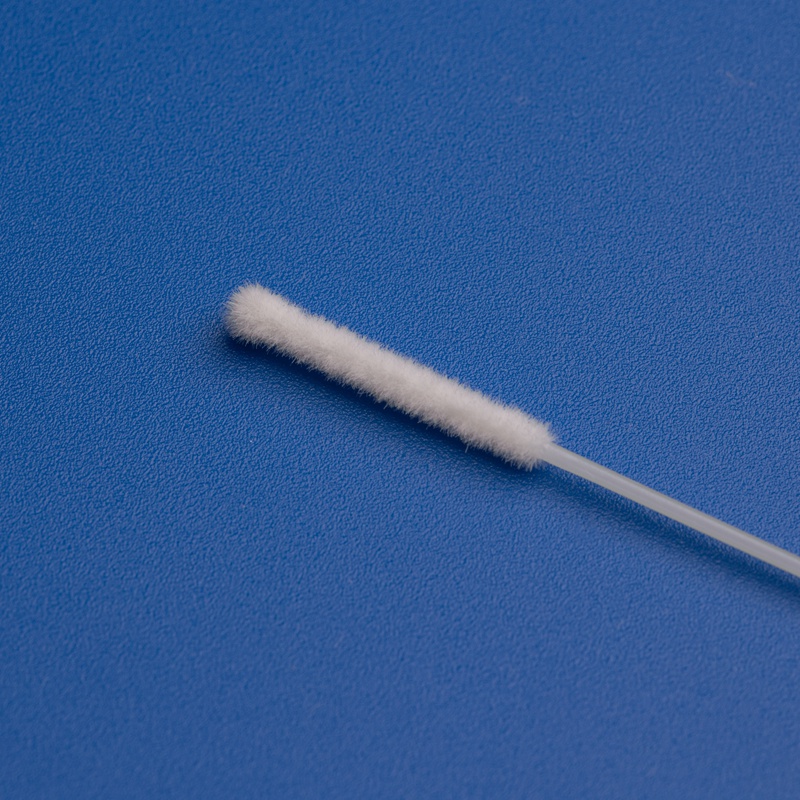
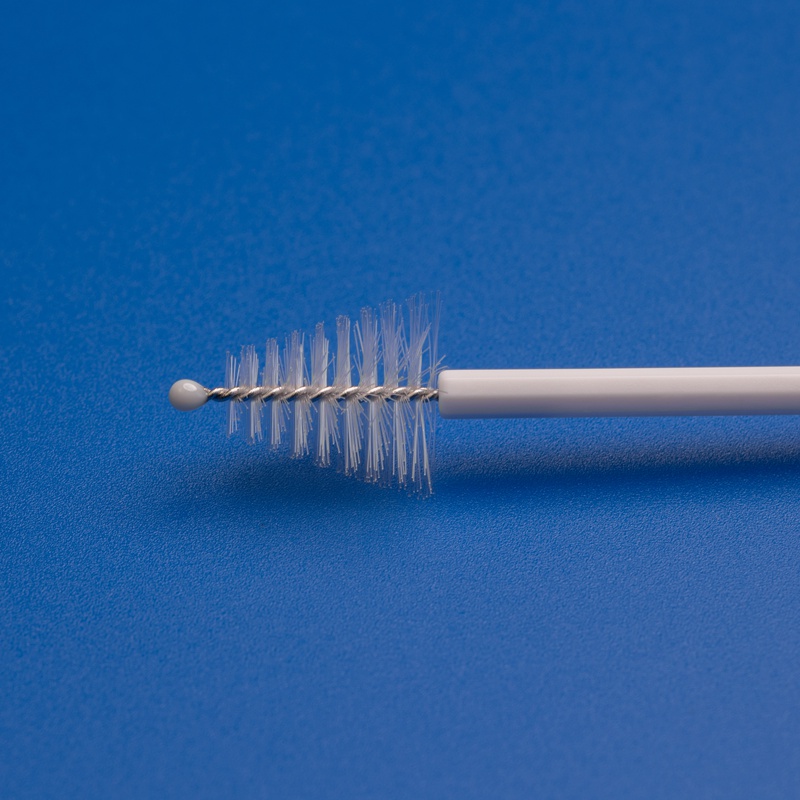
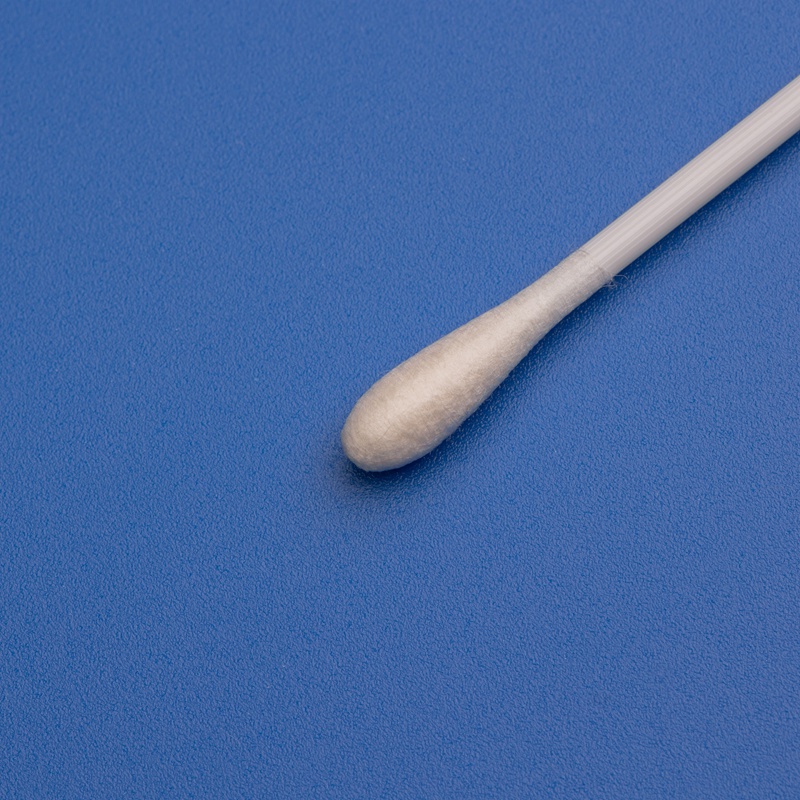
| Flocked oral swab | Nylon flocked tip with plastic shaft | Buccal cell and molecular sampling | High sample uptake and release efficiency | Useful for DNA, PCR, and kit-based workflows |
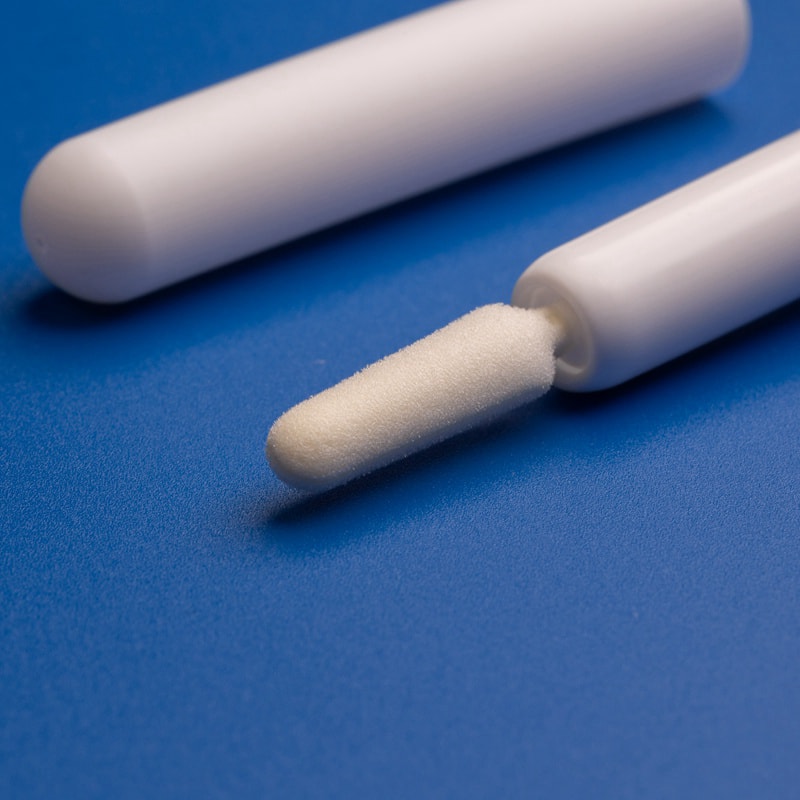
| Foam-tipped oral swab | Medical-grade foam with plastic shaft | Gentle oral cavity sampling | Soft contact and consistent absorption | Check compatibility with extraction protocol |
| Polyester oral swab | Polyester fiber tip | General specimen collection | Stable, cost-effective, familiar format | Often chosen for routine use |
| Rayon oral swab | Rayon fiber tip | Basic oral sample collection | Economical and widely available | Performance varies by workflow |
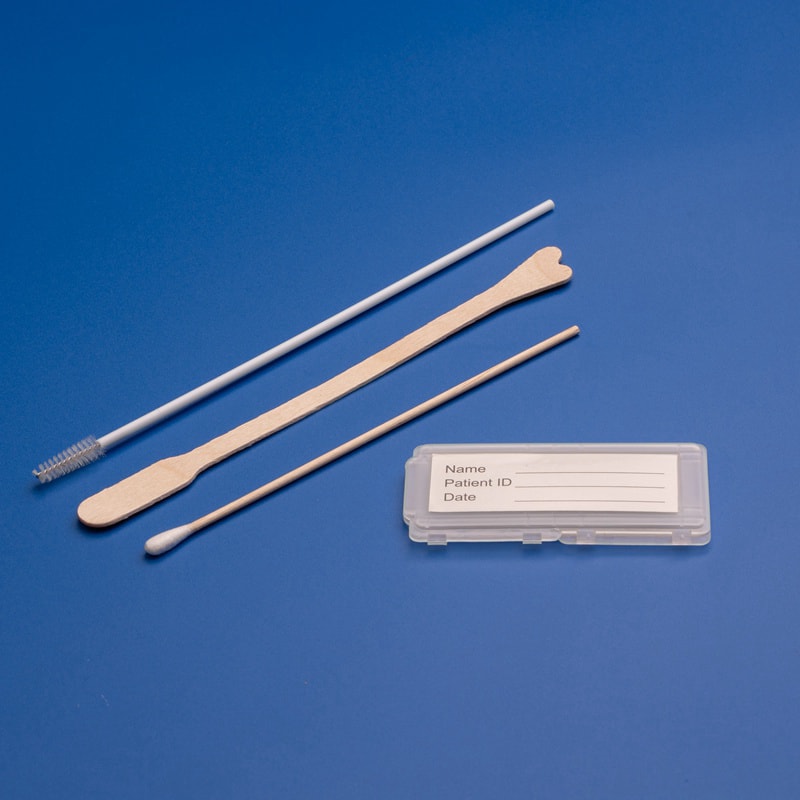
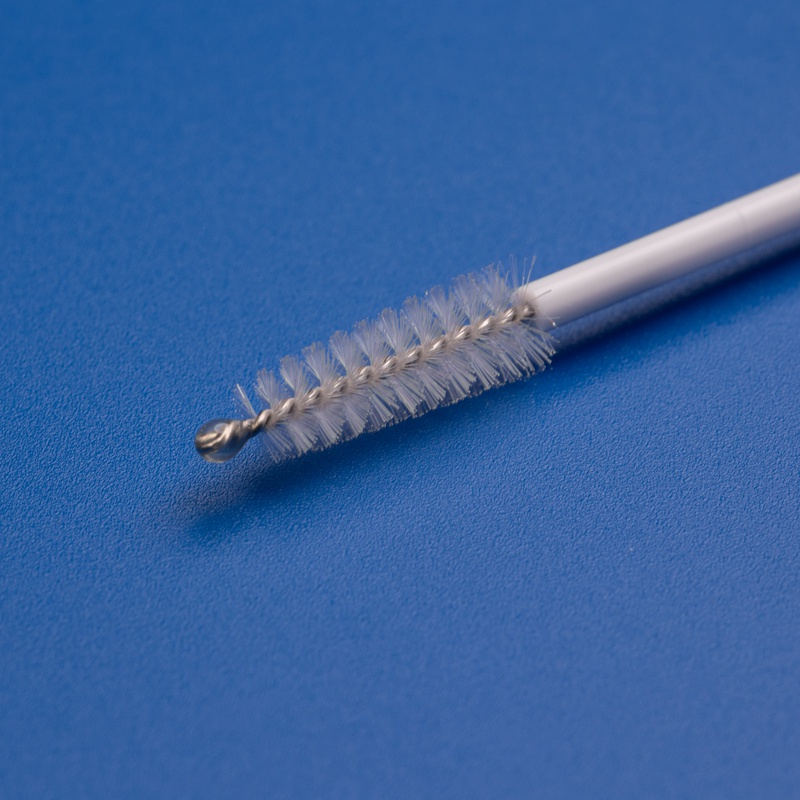
| DNA collection swab | Optimized synthetic tip and molded shaft | Genetic testing and identity verification | Designed for buccal cell recovery | Often paired with collection envelopes or stabilizers |
| Kit-ready sterile swab | Custom material combinations | Retail, lab kits, self-collection programs | Ready for branding and instruction inserts | Ideal for OEM and private-label projects |
For most U.S. buccal cell collection applications, flocked or DNA-optimized swabs are preferred because they can improve collection consistency and downstream release. However, lower-cost polyester or rayon formats still remain relevant for less specialized workflows or large public programs where budget discipline is critical.
Industry Demand in the United States
Demand is uneven across end-use sectors. Genetics, diagnostics, and public health continue to generate the strongest pull, but education, legal testing, and veterinary fields also contribute. Understanding industry concentration helps buyers estimate packaging needs, seasonal demand shifts, and documentation requirements.
How Buyers in the United States Evaluate Product Performance
U.S. laboratories and procurement teams usually compare sterile oral sampling swabs using a mix of technical and operational criteria. The technical side includes sterility validation, lot traceability, tip uniformity, sample elution, and whether the shaft remains stable during collection. The operational side includes carton configuration, lead times, warehouse inventory, customer response speed, and documentation support during onboarding or audits.
For buccal cell collection, one of the most important concerns is whether the swab releases enough cellular material for repeatable DNA extraction or amplification. A swab can look acceptable visually and still underperform in actual processing if the tip holds onto the sample too strongly or sheds fibers. Buyers also pay attention to patient comfort, especially in pediatric collection, elder care, and high-volume screening settings. Soft flocked or well-designed foam formats may reduce discomfort while preserving collection efficiency.
Another factor is packaging flexibility. Research programs may want individually wrapped sterile swabs in peel pouches. Distributors may prefer bulk inner packs. Direct-to-consumer brands usually need branded pouches, instruction sheets, barcode labeling, and lot-specific documentation. This is why manufacturers that can adapt packaging without disrupting quality systems often win repeat business.
Buying Advice for U.S. Procurement Teams
When purchasing sterile oral sampling swabs in the United States, it helps to think in terms of the entire workflow rather than the swab unit alone. Ask whether the swab is intended for hospital use, reference lab testing, self-collection kits, university studies, court-admissible chain-of-custody programs, or veterinary sampling. Each channel has different expectations for packaging, instructions, handling, and evidence retention.
| Buying Factor | Why It Matters | What to Verify | Common Risk if Ignored | Best Buyer Type |
|---|---|---|---|---|
| Sterility assurance | Protects sample integrity | Sterilization method, records, packaging seal | Contamination concerns or audit failure | Hospitals, labs, public health |
| Collection efficiency | Affects DNA or test yield | Tip material, release data, validation experience | Low recovery and retesting costs | Genetics, molecular diagnostics |
| Regulatory documentation | Supports importer and quality review | ISO certificates, CE or FDA-related records where applicable | Delayed approvals and onboarding | Importers, distributors, institutions |
| Packaging options | Drives usability and resale readiness | Individual wrap, kit assembly, private label support | Extra repacking costs | Brand owners, e-commerce kit sellers |
| Lead time stability | Prevents shortages | Production cycle, safety stock, shipping schedule | Interrupted programs or missed tenders | Distributors, large networks |
| After-sales response | Reduces operational risk | Complaint handling, replacement policy, technical support | Slow issue resolution | All buyer categories |
The most resilient strategy is usually dual sourcing: maintain at least one domestic or stocked supplier for urgent replenishment and one scalable manufacturing partner for cost-efficient medium- to long-term volume. This approach is especially useful for U.S. buyers that serve multiple states or need contingency planning during seasonal demand spikes.
Applications Across Industries
Sterile oral sampling swabs are used across more sectors than many first-time buyers expect. In healthcare, they are used for buccal sampling, oral microbiology collection, patient identity-linked molecular workflows, and low-burden specimen collection where noninvasive sampling is preferred. In genetic testing, they are standard tools for ancestry kits, family relationship testing, pharmacogenomic studies, and research enrollment. Public health programs use them in community outreach when ease of use and lower training burden are important.
Legal and forensic environments also rely on buccal collection swabs because they can support chain-of-custody collection and identity verification processes. Universities and biobanks use them for cohort studies where participant-friendly collection improves compliance. Veterinary and animal health channels may use oral or buccal sampling formats for species-specific testing and routine screening in clinics and field programs.
Application Trend Shift
U.S. buying patterns are gradually shifting from basic generic swabs toward higher-value formats that support self-collection, DNA recovery, and branded kit assembly. The area chart below illustrates a realistic trend shift in preference over time.
Detailed Local and International Supplier Analysis
The following table expands on practical sourcing choices for U.S. buyers. It includes domestic-facing suppliers and export-capable manufacturers that are relevant when the purchasing goal is stable supply, private label development, or regional distribution in the United States.
| Company | Headquarters / Market Base | Service Region | Core Strength | Key Offerings | Ideal U.S. Buyer Scenario |
|---|---|---|---|---|---|
| Puritan Medical Products | Maine, United States | U.S. nationwide | Established U.S. specimen collection manufacturing | Sterile swabs, collection devices, diagnostic supplies | Government, hospital systems, domestic sourcing preference |
| COPAN Diagnostics | California, United States / Italy group network | United States and global labs | Advanced flocked swab technology | Buccal and specimen collection swabs, transport systems | Molecular and microbiology laboratories |
| Thermo Fisher Scientific | Massachusetts, United States | United States and global | Integrated lab supply and technical procurement | Collection consumables, lab workflow products | Research buyers needing consolidated supply |
| Hardy Diagnostics | California, United States | United States | Microbiology channel expertise | Sampling swabs, culture and transport products | Clinical labs and lab distributors |
| Medline Industries | Illinois, United States | United States | National healthcare distribution reach | Medical consumables, sterile accessories, procurement support | Large healthcare systems seeking bundled sourcing |
| Hanheng Medical | Changzhou, China with active U.S.-oriented export service | United States importers, distributors, OEM partners | Scalable manufacturing, custom labeling, broad export compliance experience | Oral sampling swabs, DNA saliva samplers, VTM kits, customized medical sampling products | Bulk sourcing, brand development, distributor expansion |
This table highlights a useful reality for U.S. procurement: supplier fit depends on the business model. A hospital may prioritize domestic distribution and immediate replenishment, while a distributor may place higher value on margin, customization, and the ability to secure exclusive packaging for regional resale.
Supplier and Product Comparison
A comparison chart can help illustrate the tradeoff between domestic responsiveness, customization, volume scalability, and portfolio breadth. The values below represent a realistic relative scoring model used for procurement screening rather than official supplier ratings.
Case Studies and Real Buying Scenarios
A Midwest DNA testing company launching a new family relationship panel often starts with a domestic pilot run to validate user experience, then shifts part of the volume to a larger manufacturing partner once forecast visibility improves. In that model, the initial purchase may emphasize speed and technical onboarding, while the second phase emphasizes unit economics, custom packaging, and lot continuity.
A public health contractor in Texas may need individually wrapped sterile oral sampling swabs for community programs across multiple counties. In that case, packaging durability, shelf labeling, and shipping reliability to regional depots become just as important as swab design. A West Coast direct-to-consumer genetics brand may need pouches, cartons, inserts, and multilingual instructions shipped through Los Angeles or Long Beach, with barcode management and quick artwork revisions. For that buyer, OEM and ODM flexibility can be decisive.
A university biobank in the Northeast may care most about sample consistency and research reproducibility. That group is likely to request documentation on sterilization, material uniformity, and batch-to-batch stability before authorizing annual procurement. A veterinary network in Kansas or Missouri may focus on rugged packaging, distributor availability, and compatibility with decentralized field collection.
Why U.S. Buyers Also Consider Hanheng Medical
For buyers evaluating international sourcing alongside domestic supply, Hanheng Medical stands out because its oral sampling swab business is supported by a large-scale, highly controlled manufacturing system rather than ad hoc export trading. Founded in 2018, the company operates a 10,000 square meter Class 100000 cleanroom, integrates precision injection molding, automated flocking, and EO sterilization, and supports production under certifications and registrations such as ISO9001, ISO13485, EU CE including TUV-CE and MDR, U.S. FDA-related approval credentials, UK MHRA registration, and NMPA compliance, which gives U.S. buyers tangible evidence of process discipline and international benchmark alignment. Its oral sampling products sit within a wider testing consumables portfolio already supplied into more than 130 countries, with output measured in billions of units, showing real export experience rather than trial-stage capacity. From a cooperation standpoint, the company serves distributors, wholesalers, hospitals, government agencies, brand owners, and kit developers through direct manufacturing, bulk export, OEM/ODM programs, custom packaging, private labeling, and tailored product configuration, making it suitable for both established channels and new market entrants. For U.S. buyers, the service assurance is practical: technical files, certificates of conformity, sterilization records, batch details, pre-sales consultation, responsive after-sales support, and predictable shipping windows are already built into its export process, while its longstanding activity in key markets including the United States demonstrates that it is engaged in ongoing regional business rather than acting as a remote opportunistic seller. Buyers exploring custom or volume projects can review the broader portfolio through the product center or start a specification discussion via the U.S. inquiry channel.
How to Select the Right Supplier Model
There are four common supplier models for sterile oral sampling swabs in the United States. The first is the domestic manufacturer model, which suits buyers that prioritize origin visibility and faster routine fulfillment. The second is the lab-distribution model, ideal for institutions that want to consolidate procurement under one vendor relationship. The third is the specialty diagnostics model, where collection performance and technical compatibility are the main concerns. The fourth is the scalable manufacturing and private-label model, which works best for distributors, e-commerce brands, and program managers that need cost control plus customization.
Buyers should map their sourcing plan to product lifecycle stage. If the program is still validating a protocol, technical support and small-batch flexibility are more valuable than the lowest price. If the program is already mature and expanding across multiple states, the supplier’s ability to hold quality steady at higher volume becomes more important. If resale is involved, packaging design, labeling compliance, and market differentiation matter as much as the swab itself.
Common Mistakes to Avoid
One frequent mistake is choosing a swab based only on appearance or raw unit price. Two swabs may look similar but perform differently in cell capture and release. Another mistake is overlooking packaging format. A swab that works in the lab may still create handling problems if the pouch tears poorly, lacks barcode space, or does not fit kit assembly lines. Buyers also underestimate documentation lead time. Importers and institutional purchasers often need sterilization data, quality certificates, and product specifications before approving a supplier, so documentation readiness should be discussed early.
It is also risky to assume that all oral sampling swabs are equally suitable for DNA collection. Some are acceptable for general oral use but not optimized for buccal epithelial recovery. Finally, buyers sometimes ignore after-sales structure. If a complaint arises, the speed of response and availability of traceability data can determine whether the issue is resolved in hours or drags on for weeks.
2026 Trends in Sterile Oral Sampling Swabs
Looking toward 2026, three trends are likely to shape the U.S. market. The first is technology-driven improvement in collection efficiency. More buyers will favor flocking precision, molded breakpoint consistency, DNA-friendly materials, and kit-integrated formats designed for home collection and automated laboratory intake. The second is policy and documentation tightening. Procurement teams will increasingly ask for clearer traceability, more complete sterility documentation, and better support for quality audits, especially where products cross borders or are integrated into regulated test workflows.
The third is sustainability. While sterile medical consumables must still meet strict hygiene and packaging standards, buyers are beginning to ask for smarter packaging dimensions, reduced waste in secondary packaging, and more efficient carton design to lower freight intensity. Suppliers that can improve pack density without compromising sterility may gain an advantage. In addition, environmental performance will become more visible in tenders and brand-owner sourcing decisions, particularly in states and sectors where procurement policies increasingly reward operational sustainability.
Frequently Asked Questions
What is the best swab type for buccal cell collection?
For most DNA and molecular workflows, flocked or DNA-optimized oral swabs are often preferred because they generally provide better cell capture and release than basic fiber swabs.
Are sterile oral sampling swabs widely available in the United States?
Yes. They are available through U.S. manufacturers, healthcare distributors, lab suppliers, and qualified international manufacturers serving the United States import market.
Should I choose a domestic supplier or an international manufacturer?
Choose based on your priorities. Domestic suppliers may offer easier short-term replenishment, while qualified international manufacturers may provide better pricing, more customization, and stronger OEM or ODM support for larger programs.
What certifications should I ask for?
At minimum, buyers usually ask for quality management credentials such as ISO 13485, sterility documentation, product specifications, and any regionally relevant regulatory support documents needed for their workflow.
Can sterile oral sampling swabs be customized for private label sales?
Yes. Many manufacturers support custom pouch printing, carton branding, instruction inserts, barcode labels, and kit assembly, especially for distributors and brand owners.
How long do bulk orders usually take?
Lead times vary by supplier, specification, and packaging complexity. Domestic stock may ship faster, while factory-built custom bulk orders often require scheduled production and international transit planning.
What industries use these swabs besides healthcare?
They are also used in forensics, legal testing, academic research, direct-to-consumer DNA kits, veterinary diagnostics, and public health outreach programs.
What makes a supplier reliable for the United States market?
Reliable suppliers combine consistent product performance, documentation readiness, stable logistics, responsive support, and proven experience serving U.S. buyers across multiple order cycles.

Jiangsu Hanheng Medical Technology Co., Ltd.
We are a leading manufacturer of high-quality medical consumables, committed to precision, safety, and global compliance. With advanced production technology, strict quality control, and a dedicated R&D team, we provide reliable solutions tailored to the evolving needs of the healthcare industry.

.jpg)