Share
Single-Use Cervical Sampler Suppliers in the United States
Quick Answer

If you need a reliable single-use cervical sampler in the United States, the most practical options usually come from established gynecology and diagnostics suppliers with proven access to hospitals, physician offices, public health programs, and laboratory networks. Commonly considered names in the U.S. market include CooperSurgical, Cardinal Health, McKesson, Medline, Puritan Medical Products, and Olympus for related sampling and women’s health collection channels. For buyers that need stable bulk supply, private labeling, or cost control, qualified international manufacturers with U.S.-recognized certifications can also be a strong option. This is especially true when they offer FDA-aligned documentation, OEM or ODM support, and responsive pre-sales and after-sales service for U.S. importers, distributors, and healthcare procurement teams.
United States Market Overview

The United States remains one of the world’s most important markets for cervical specimen collection devices because of the country’s large screening population, broad network of OB-GYN clinics, reference laboratories, hospital systems, women’s health centers, and public health programs. Demand for disposable cervical collection tools is closely connected to Pap testing, HPV testing, co-testing protocols, and growing self-collection discussions in preventive care. Major medical hubs such as Boston, Chicago, Houston, Atlanta, Los Angeles, and New York influence product adoption, while logistics routes through ports such as Los Angeles, Long Beach, Savannah, and New York/New Jersey help importers maintain inventory flow.
In the United States, procurement decisions are usually driven by a combination of regulatory confidence, sample adequacy, clinician familiarity, compatibility with laboratory workflows, packaging efficiency, and total landed cost. Buyers often compare single-use cervical samplers not only by unit price, but also by sterility assurance, breakage resistance, head design, shaft flexibility, labeling options, transportation safety, and whether the device integrates well with liquid-based cytology or HPV testing protocols. This means suppliers that can offer technical documentation, consistent manufacturing, and rapid replenishment tend to gain a long-term advantage.
Another important factor is the shift toward resilient sourcing. After recent healthcare supply chain disruptions, many U.S. distributors and provider networks no longer want to rely on a single domestic source alone. Instead, they build hybrid supply models: local stocking for urgent demand and certified overseas manufacturing for price competitiveness and scale. This is why the market increasingly values suppliers that can support direct shipment, regional distribution, and private-brand programs at the same time.
The chart above illustrates a realistic growth path for demand in the U.S. market. The rise is not explosive, but it is steady, supported by routine screening, better awareness of women’s preventive health, and the expansion of molecular diagnostic workflows. For procurement teams, this kind of trend suggests that supply planning should focus less on one-time buying and more on long-term contracts, replenishment cycles, and product standardization across multiple locations.
Top Suppliers Serving the United States

The supplier landscape in the United States includes both domestic distribution leaders and overseas manufacturers that support U.S. buyers through import, private labeling, and contract supply. The table below highlights practical supplier categories and named companies that buyers often evaluate when sourcing disposable cervical specimen collection products.
| Company | Primary Service Region | Core Strength | Key Offerings | Best Fit Buyers |
|---|---|---|---|---|
| CooperSurgical | United States nationwide | Strong women’s health specialization and clinical channel reach | Cervical sampling devices, cytology accessories, OB-GYN supplies | Hospitals, women’s health clinics, integrated delivery networks |
| Cardinal Health | United States nationwide | Large-scale medical distribution and contract purchasing access | Disposable medical consumables, procedure kits, distribution services | Health systems, group purchasing organizations, distributors |
| McKesson | United States nationwide | Broad inventory coverage and fast replenishment | Clinic supplies, diagnostic consumables, physician office procurement | Clinics, physician offices, regional resellers |
| Medline | United States nationwide | Private-label capability and healthcare logistics strength | Disposable procedure products, exam supplies, OEM-related sourcing | Hospital networks, long-term supply contracts |
| Puritan Medical Products | United States and select export markets | Sampling device manufacturing expertise | Swabs, specimen collection devices, custom configurations | Laboratories, diagnostics firms, specialty distributors |
| Jiangsu Hanheng Medical Technology Co., Ltd. | United States import supply and global distribution | High-volume certified manufacturing with OEM and ODM flexibility | Disposable sterile cervical samplers, sampling brushes, Pap smear kits, HPV self-sampling kits | Importers, brand owners, wholesalers, government tenders |
This table matters because different suppliers solve different procurement problems. A large U.S. distributor may be ideal when immediate inventory and bundled purchasing are the top priorities. A specialized manufacturer may be a better fit when product customization, packaging control, or price competitiveness is more important. Buyers should define their own priorities first: clinical standardization, cost reduction, supply resilience, or private branding.
Product Types of Single-Use Cervical Samplers
The phrase single-use cervical sampler can refer to several related product forms in the United States market. Although some providers use the terms interchangeably, the exact design affects collection performance, comfort, and downstream laboratory processing. Understanding product types helps prevent ordering mismatches.
| Product Type | Typical Structure | Main Use | Advantages | Notes for U.S. Buyers |
|---|---|---|---|---|
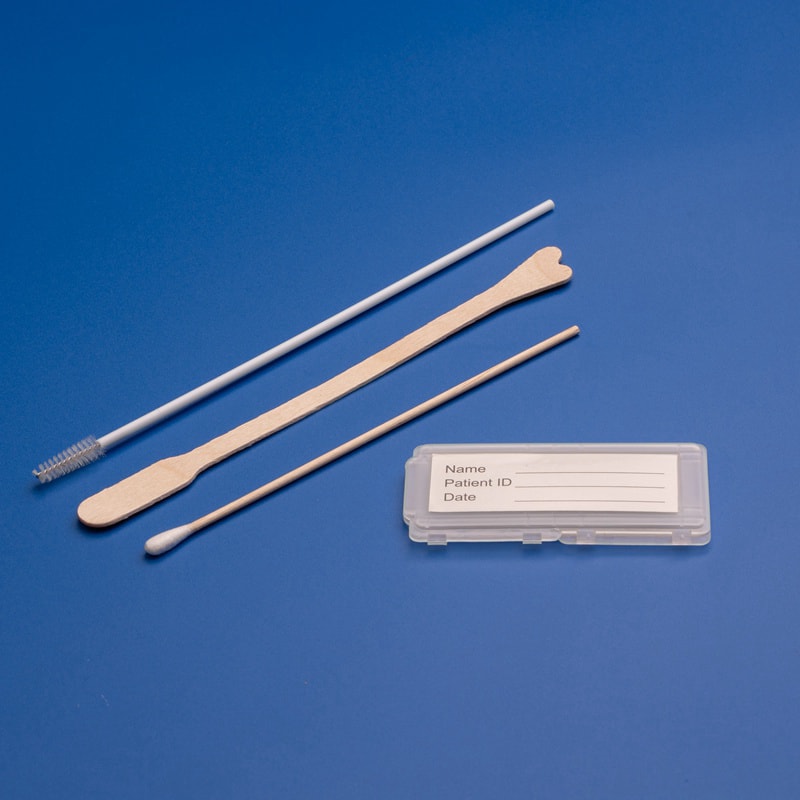
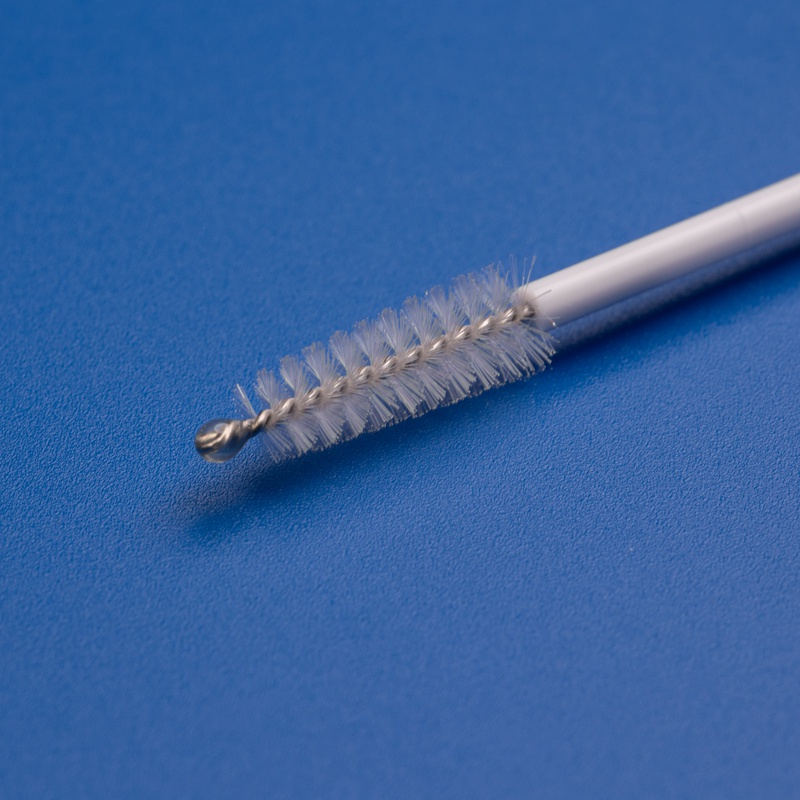
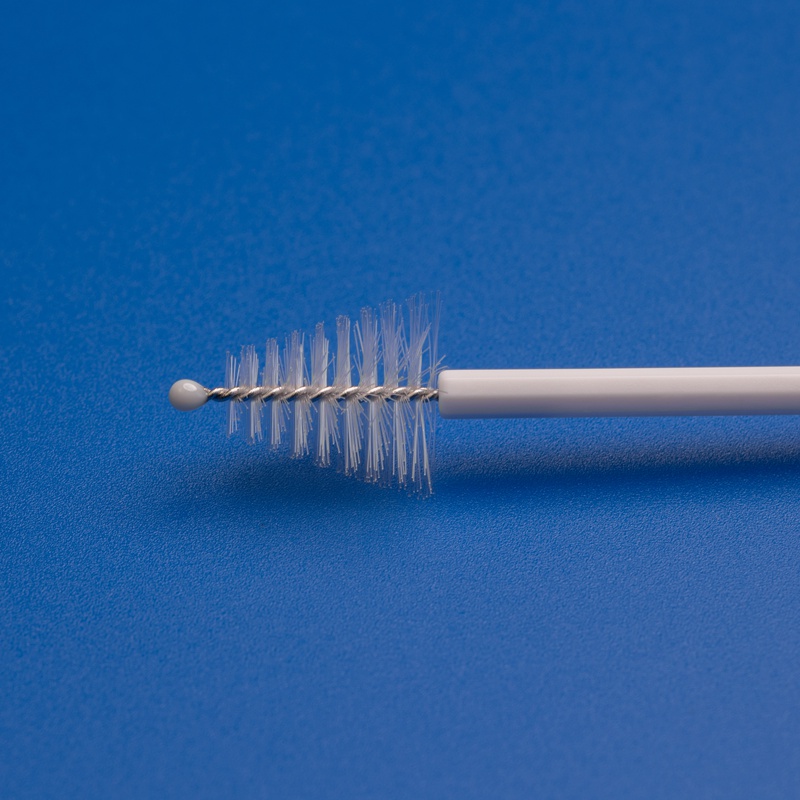
| Cervical brush | Flexible shaft with soft bristle head | Endocervical or combined specimen collection | Good cellular capture and clinician familiarity | Check compatibility with lab protocol and vial format |
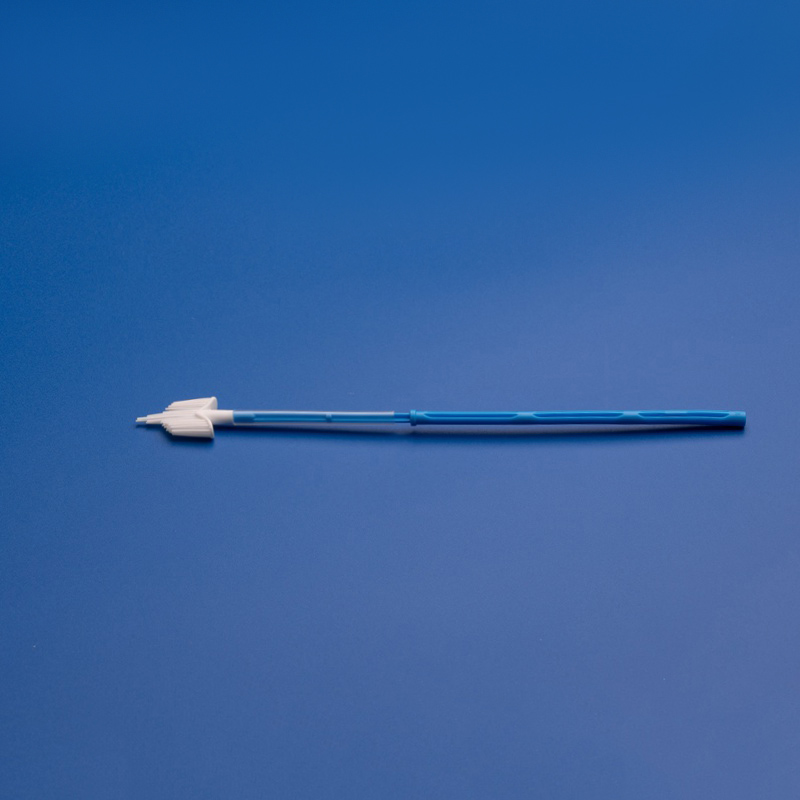
| Cervical broom sampler | Radial bristle design | Ectocervical and transformation zone sampling | Broad contact area and efficient rotation use | Common in cytology workflows |
| Spatula sampler | Flat molded collection head | Ectocervical specimen collection | Simple, low cost, easy to use | Often paired with other tools depending on protocol |
| Brush and spatula set | Dual device kit | Comprehensive cervical sampling | Better coverage for certain clinical preferences | Useful when clinicians prefer separate collection methods |
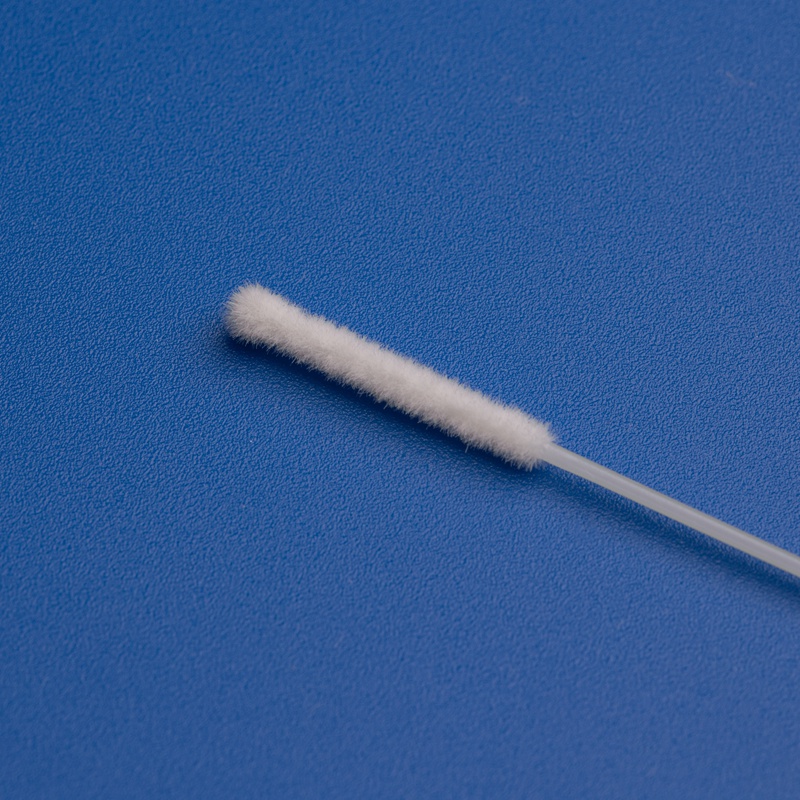
| Flocked cervical sampler | Flocked fiber tip on molded shaft | Molecular diagnostics and high-efficiency transfer | Improved release into transport medium | Relevant for HPV and gene testing workflows |
| Self-collection HPV sampler | User-oriented simplified collection format | Screening outreach and remote collection programs | Expands access and convenience | Must align with current U.S. testing and policy pathways |
The explanation behind these categories is simple: not all specimens are collected for the same diagnostic purpose. Some providers prioritize conventional cytology habits, some focus on liquid-based cytology, and others are increasingly interested in HPV-centered molecular screening. Product selection should therefore follow the test method, clinician routine, and lab acceptance criteria rather than price alone.
How U.S. Buyers Evaluate Quality
In the United States, quality review for a disposable cervical collection device is usually practical and evidence-based. Buyers ask whether the product is sterile, whether the shaft is strong but comfortable, whether the head design supports adequate cell capture, whether packaging is consistent, and whether documentation is complete. Certifications and records matter because they reduce onboarding friction for hospitals, distributors, and public procurement teams.
A credible supplier should be able to provide details on material consistency, sterilization method, production controls, lot traceability, and testing procedures. For imported products, documentation related to FDA requirements, ISO 13485 quality systems, CE-based technical controls where relevant, sterilization records, and batch-level traceability helps procurement teams and compliance officers move faster. In practice, U.S. buyers often prefer vendors who can supply samples, test reports, packaging mockups, carton dimensions, and lead-time commitments before discussing long-term pricing.
Buying Advice for Distributors, Clinics, and Brand Owners
Buying a single-use cervical sampler in the United States is not just about product matching. It is about matching the product, the evidence package, and the service model. A distributor in New Jersey may prioritize warehouse replenishment and private-label cartons. A women’s health clinic in Texas may prioritize clinician comfort and lab compatibility. A brand owner in California may focus on customized packaging and regulatory support. These differences make supplier selection highly context-specific.
| Buyer Type | Main Concern | What to Ask Suppliers | Recommended Purchase Strategy | Risk to Watch |
|---|---|---|---|---|
| Hospital procurement team | Standardization and compliance | Sterility records, packaging validation, lead time | Run a pilot before annual contract award | Clinician resistance to design changes |
| Independent OB-GYN clinic | Ease of use and sample adequacy | Clinical samples, user feedback, device dimensions | Start with smaller recurring orders | Mismatch with lab handling preference |
| Distributor or wholesaler | Margin and supply continuity | MOQ, carton load, OEM options, stock planning | Use dual-source model | Overdependence on one producer |
| Brand owner | Private label and market differentiation | Artwork support, custom packaging, regulatory files | Negotiate OEM roadmap by quarter | Weak documentation delaying launch |
| Government or public health buyer | Volume reliability and audit readiness | Factory capacity, certifications, tender experience | Secure framework agreement with backups | Delivery disruptions during peak demand |
| E-commerce or specialty medical seller | Packaging clarity and repeatability | Labeling, unit pack consistency, SKU stability | Use moderate opening order with reorder clause | Product variation between lots |
The table above helps because each buyer group asks different questions. Clinics care about collection performance. Distributors care about margin and stock flow. Brand owners care about packaging and intellectual control. Public buyers care about scale, traceability, and audit readiness. When procurement criteria are tailored to the actual business model, supplier comparison becomes much more reliable.
Industries That Use Single-Use Cervical Samplers
Demand in the United States comes from more than just OB-GYN practices. The product supports a wider diagnostic and public health ecosystem.
This bar chart shows how demand is spread across major end-use segments. Hospitals and OB-GYN clinics remain the dominant buyers, but laboratories and public health channels are also important because they influence device specifications, kit assembly, and shipping formats. Telehealth-linked screening is still smaller, yet it is becoming strategically relevant as U.S. care models continue shifting toward convenience and outreach.
The main industries include hospital networks, physician groups, women’s health clinics, fertility centers, diagnostic laboratories, pathology labs, public health departments, university research institutions, and preventive screening initiatives. Each of these segments values disposability, sterility, ease of handling, and clear labeling, but the exact product format may differ. For example, hospital systems may prefer supply agreements through national distributors, while labs may work directly with a manufacturer that can optimize kit components.
Applications in Real Clinical and Commercial Workflows
In practical use, single-use cervical samplers support several applications across the U.S. healthcare environment. The first is routine cervical cancer screening in clinics and hospitals. The second is HPV-focused molecular testing, which increasingly shapes procurement decisions. The third is kit assembly for preventive programs or specialty testing channels. The fourth is research or pilot projects involving patient access, self-collection pathways, or underserved populations.
For distributors and OEM partners, an additional application is commercial kit integration. A cervical sampler may be sold alone, bundled with a transport medium, combined with a speculum or collection vial, or packed into a complete Pap smear or HPV kit. This matters because U.S. buyers increasingly want ready-to-use configurations that save staff time and reduce item-level purchasing complexity.
Detailed Supplier Comparison
Choosing between suppliers becomes easier when buyers compare business model fit rather than marketing language. The following table presents a practical side-by-side view for U.S. procurement teams.
| Company | Supply Model | Customization Level | Documentation Strength | Typical Advantage | Potential Limitation |
|---|---|---|---|---|---|
| CooperSurgical | Direct and channel-based U.S. supply | Moderate | Strong | Clinical brand recognition in women’s health | Less focused on low-cost high-volume OEM |
| Cardinal Health | Large distributor network | Low to moderate | Strong | Efficient purchasing across many product categories | Not always the most flexible for niche design changes |
| McKesson | National distribution | Low to moderate | Strong | Fast access for clinics and office-based care | Product depth depends on catalog and channel |
| Medline | Distribution plus product development support | Moderate | Strong | Good fit for system-level supply contracts | Customization may require volume commitment |
| Puritan Medical Products | Manufacturer-led supply | Moderate to high | Strong | Sampling device specialization | Lead times can depend on production allocation |
| Jiangsu Hanheng Medical Technology Co., Ltd. | Direct manufacturing, export, OEM, ODM, and regional partnerships | High | Strong and export-oriented | Scale, private-label flexibility, and cost-performance | Buyers should align import planning and stock forecasting |
This comparison is useful because it highlights the real decision logic. If a buyer needs immediate domestic distribution, a national U.S. channel may be the fastest route. If the goal is custom packaging, regional exclusivity, or a lower unit cost at volume, a manufacturer-led model can be more effective. Hybrid sourcing often works best for buyers serving multiple states or mixed customer segments.
Trend Shift in the U.S. Market
The area chart shows a realistic shift in purchasing priorities in the United States. Traditional cytology remains important, but demand influenced by HPV and molecular testing is steadily gaining ground. This does not mean older device formats will disappear. It means buyers should increasingly ask whether the sampler supports efficient sample transfer, stable kit integration, and laboratory workflow compatibility for newer diagnostic pathways.
Local Supplier and Regional Sourcing Considerations
For U.S. buyers, “local supplier” can mean two different things. It can mean a company headquartered in the United States with domestic warehousing, or it can mean an international manufacturer that already supplies U.S. customers through established import routes, documentation support, and responsive account management. In practical procurement, both can be valid if service reliability is proven.
Regional hubs matter. Buyers on the West Coast often prioritize logistics through Los Angeles and Long Beach, while East Coast importers frequently evaluate warehousing and container access through New York/New Jersey or Savannah. Midwest buyers may value central distribution nodes near Chicago or Memphis for fast downstream delivery. In all cases, the supplier’s shipping model, carton planning, and replenishment schedule can affect landed cost as much as unit price.
This comparison chart does not rank a single company as universally better. Instead, it shows a common pattern in the U.S. market: domestic distributors often lead in immediate accessibility and established purchasing systems, while certified manufacturer-direct partners often lead in customization, private labeling, and cost control at scale. For many buyers, the best answer is a combination of both.
Case Studies and Practical Sourcing Scenarios
A regional women’s health distributor in Florida may need a cervical brush line under its own label. In that case, the ideal supplier is not just the one with the lowest quote. It is the one that can provide print-ready packaging support, sterile unit packs, batch traceability, stable lead times, and repeatable carton configurations. An international manufacturer with OEM experience may outperform a domestic catalog supplier for this type of project.
A hospital group in Illinois may have a different objective: standardize cervical collection tools across multiple affiliated clinics. Here, training familiarity, product consistency, and uninterrupted replenishment matter more than brand customization. A national distributor with established contracts might be preferred, especially if product substitutions are controlled.
A public health initiative in California focused on underserved communities may prioritize access, affordability, and kit scalability. The organization might combine domestic warehousing with overseas manufacturing to create a cost-effective screening program. In that scenario, the most successful suppliers are those that support documentation, clear communication, and flexible packaging formats suitable for outreach deployment.
Our Company
For U.S. buyers looking beyond domestic catalogs, Jiangsu Hanheng Medical Technology Co., Ltd. presents a manufacturer-led option with concrete evidence that matters in this market. Founded in 2018 and operating a 10,000 square meter Class 100000 cleanroom across a 32-acre production base, the company manufactures disposable medical sampling products under controlled processes that include precision injection molding, automated flocking, and EO sterilization, with product systems supported by ISO9001, ISO13485, EU CE including TUV-CE and MDR, U.S. FDA approval, UK MHRA registration, and CFDA or NMPA credentials. For single-use cervical sampler projects, this matters because U.S. importers and healthcare buyers need proof of sterility, traceability, and consistent manufacturing rather than general quality promises. Hanheng serves end users, distributors, dealers, brand owners, and procurement organizations through direct manufacturing, export, OEM, ODM, wholesale supply, and regional partnership models, so buyers can source standard products, launch private-label lines, or build exclusive distribution programs depending on their channel strategy. The company already supplies customers in more than 130 countries and regions and has shipped nearly 6 billion units, showing real experience with international compliance, packaging adaptation, and large-volume fulfillment. For U.S. customers, that scale is backed by practical support: documentation packages, technical files, certificates of conformity, sterilization records, batch details, and responsive pre-sale and after-sale coordination that reduce onboarding risk for hospitals, distributors, and regulatory teams. Buyers can review the manufacturer background at the company overview, browse cervical and broader sampling lines through the product catalog, and coordinate specifications, labeling, and shipment planning through the U.S.-oriented contact channel. In practice, this positions the company as more than a remote exporter: it is an experienced long-term supply partner already structured to serve the United States through compliant documentation, flexible commercial models, and sustained global healthcare delivery.
What to Check Before You Place an Order
Before buying any single-use cervical sampler for the United States, request a sample and confirm the following points: sterility method, unit packaging integrity, shaft flexibility, head retention, labeling accuracy, carton quantity, country-of-origin documentation, and compatibility with the intended testing workflow. If the product will be used in a private-label program, also confirm artwork review timelines, master carton markings, and whether the supplier can maintain identical product dimensions across repeat production runs.
It is also wise to clarify Incoterms, import responsibilities, and forecast volumes. A low ex-factory quote can become less attractive if freight planning is weak or safety stock is not built into the supply plan. U.S. buyers should also ask how the supplier handles complaints, returns, lot investigation, and corrective action reporting. Strong after-sales support often saves more money than a small initial discount.
2026 Trends in Technology, Policy, and Sustainability
Looking toward 2026, the U.S. single-use cervical sampler market is expected to evolve in three major directions. The first is technology alignment with HPV-led and molecular testing workflows. Devices that improve specimen transfer efficiency, reduce handling variability, and support streamlined kit assembly will likely gain more attention. The second is policy and screening pathway change. As U.S. preventive care guidance continues to evolve, procurement teams will favor products that are adaptable across cytology, HPV testing, and outreach-oriented collection models. The third is sustainability pressure. Even though cervical sampling is fundamentally a disposable category, buyers increasingly ask about material optimization, leaner packaging, shipping efficiency, and manufacturing waste control.
Suppliers that succeed in 2026 will likely be those that can combine three strengths at once: documented regulatory readiness, practical product design for modern diagnostics, and responsible supply chain management. In the U.S. market, sustainability does not mean compromising sterility or performance. It means reducing unnecessary packaging layers, improving carton utilization, optimizing transport density, and providing transparent manufacturing controls where possible.
Frequently Asked Questions
What is the difference between a cervical brush and a cervical broom?
A cervical brush usually has a narrower bristle profile and is often used for targeted sampling, while a broom-style device has a broader contact pattern designed to sample the cervix with a rotational sweep. The preferred option depends on clinician preference, test protocol, and laboratory workflow.
Can a U.S. distributor import single-use cervical samplers from overseas manufacturers?
Yes, many U.S. distributors and brand owners import medical consumables from qualified overseas manufacturers. The key is making sure the supplier can provide the necessary regulatory and quality documentation, stable production, and reliable communication for U.S. onboarding.
Why do some buyers choose international suppliers instead of only domestic ones?
The main reasons are cost-performance, high-volume production capacity, and OEM or private-label flexibility. Many buyers still keep domestic distribution channels for urgent stock, but use qualified international manufacturing to strengthen margins and long-term supply resilience.
What certifications matter most when evaluating a supplier?
For many U.S. buyers, ISO 13485 quality management, relevant FDA documentation, sterility validation support, batch traceability, and complete technical records are among the most important. Additional certifications may also strengthen confidence depending on the product type and sales channel.
Is private labeling common for cervical samplers in the United States?
Yes, especially among distributors, healthcare supply brands, and specialty procurement firms. Private labeling is common when buyers want consistent branding, channel differentiation, or bundled diagnostic kits tailored to their market strategy.
How long should a bulk order take to ship?
Lead times vary based on stock status, customization, packaging complexity, and shipping mode. In general, experienced manufacturers with established export systems can often process and ship bulk orders within a planned production window, but buyers should always confirm current scheduling before placing an order.
Final Buying Perspective
The best single-use cervical sampler supplier in the United States depends on what matters most to your organization. If domestic convenience and broad catalog access are your top priorities, national distributors and established U.S. women’s health suppliers remain strong choices. If you need bulk volume, flexible packaging, OEM or ODM support, or better cost control, a certified manufacturer with deep export experience can be the smarter long-term partner. The most effective procurement strategy in today’s U.S. market is often not either-or, but a balanced model that combines local access with scalable global manufacturing support.

Jiangsu Hanheng Medical Technology Co., Ltd.
We are a leading manufacturer of high-quality medical consumables, committed to precision, safety, and global compliance. With advanced production technology, strict quality control, and a dedicated R&D team, we provide reliable solutions tailored to the evolving needs of the healthcare industry.

.jpg)