Share
Prevent Cross-Contamination Cervical Sampler in the United States
Quick Answer

If your goal is to reduce specimen mix-up, environmental exposure, and operator-to-sample transfer during cervical collection in the United States, the best option is a sterile, single-use, individually packed cervical sampler designed for controlled sampling and immediate specimen transfer. Buyers in the U.S. typically compare suppliers based on sterility assurance, FDA-related documentation, packaging integrity, sample release performance, and support for Pap smear and HPV workflows.
Practical supplier options in the U.S. market include CooperSurgical, MedGyn Products, Puritan Medical Products, Cardinal Health, McKesson, and Thermo Fisher Scientific, depending on whether the need is hospital procurement, lab supply, clinic distribution, or private-label sourcing. Qualified international manufacturers can also be a strong option when they hold relevant certifications, understand U.S. regulatory expectations, and provide dependable technical support, batch traceability, and after-sales service. For many distributors and healthcare buyers, certified Chinese manufacturers with proven export experience offer a strong cost-performance advantage without compromising packaging control, sterility, or consistency.
U.S. Market Overview

The United States remains one of the most important markets for gynecological sampling devices because of its large screening network, broad women’s health infrastructure, and ongoing demand from hospitals, physician groups, community clinics, diagnostic laboratories, mobile screening programs, and public health initiatives. Major buying hubs include New York, Los Angeles, Chicago, Houston, Atlanta, and Miami, while logistics flows often move through ports and air gateways linked to Newark, Los Angeles, Long Beach, Savannah, and Chicago.
Demand for cervical samplers that help prevent cross-contamination is rising for several practical reasons. First, laboratory quality systems have become stricter, especially where HPV testing, cytology, and co-testing rely on reliable specimen quality. Second, infection prevention standards now influence even routine outpatient device purchasing. Third, larger healthcare systems prefer products with standardized packaging, clear instructions for use, and dependable lot traceability. Finally, U.S. buyers are increasingly balancing compliance, clinician usability, and total acquisition cost rather than selecting only on unit price.
Across the U.S., procurement teams are also paying closer attention to how a cervical sampler performs within the full workflow: opening the pack without contaminating the collection head, maintaining shape during insertion and rotation, releasing sample efficiently into transport medium or onto a slide, and reducing the need for repeat collection. That broader workflow perspective is what makes cross-contamination prevention a purchasing priority rather than just a product feature.
The chart above reflects a realistic demand pattern: steady expansion rather than extreme spikes. The main growth drivers are preventive screening access, HPV program adoption, and procurement replacement cycles in large care networks.
What Prevents Cross-Contamination in a Cervical Sampler

A prevent cross-contamination cervical sampler is not defined by a single label alone. It is defined by design and manufacturing details that reduce contamination risk before, during, and after collection. In the U.S. market, procurement teams usually look for five technical characteristics.
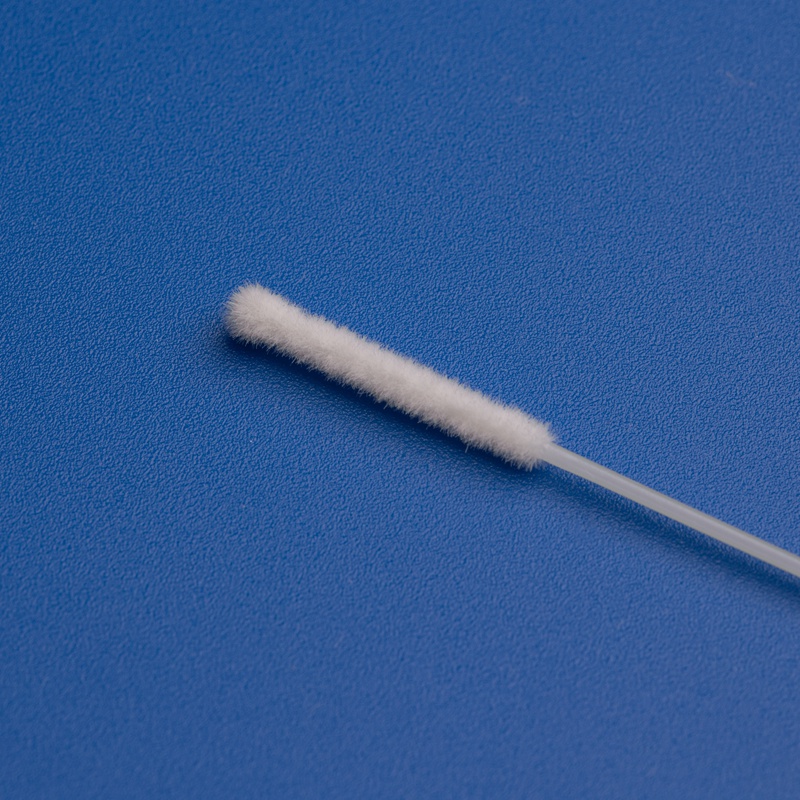
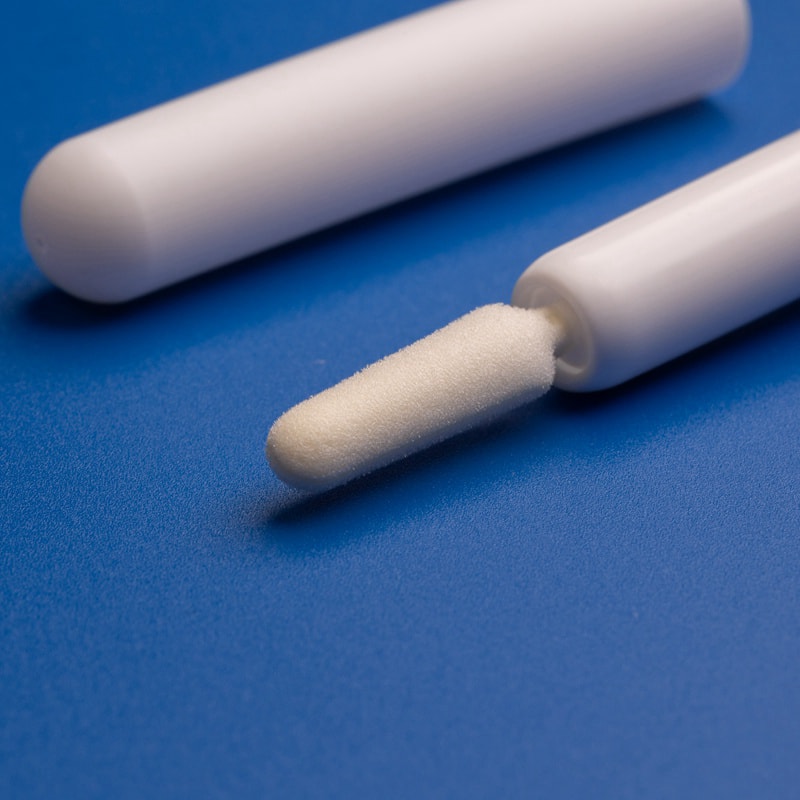
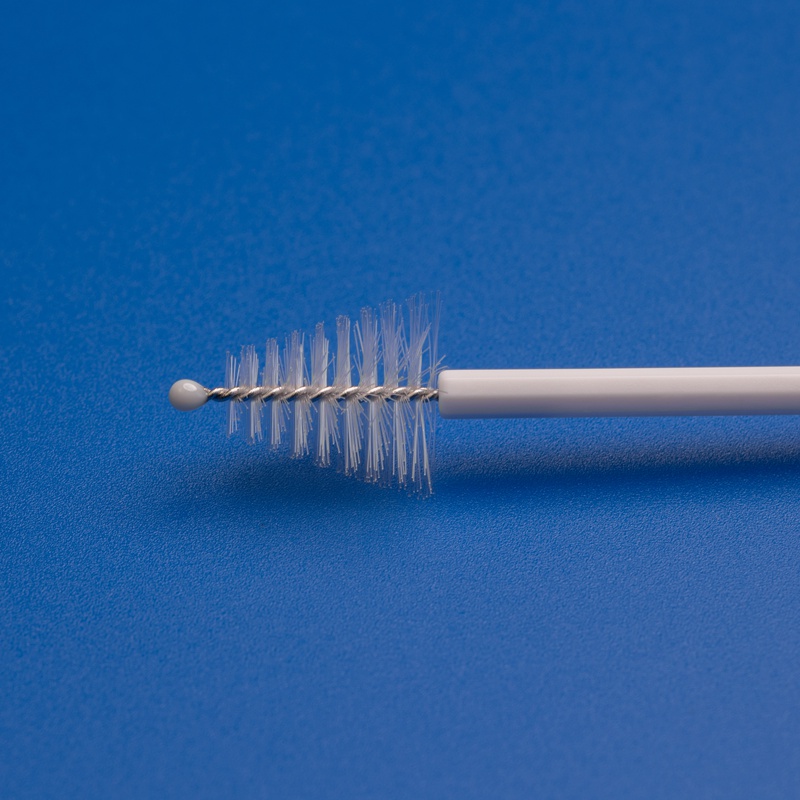
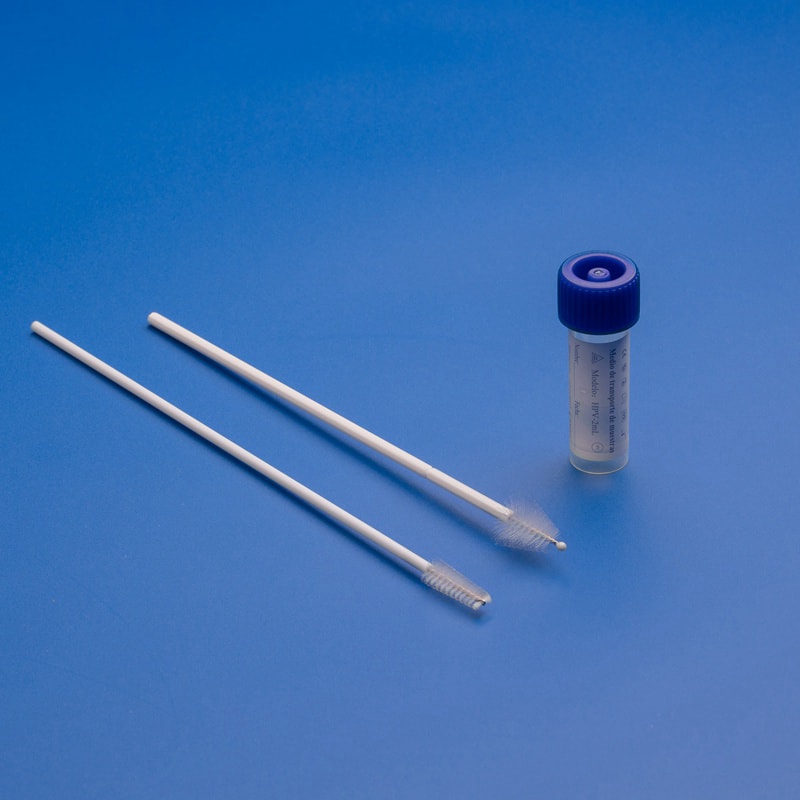
The first is individual sterile packaging. A sealed pack reduces pre-use exposure and supports safer handling in exam rooms, ambulatory centers, and outreach programs. The second is controlled tip construction, such as flocked or molded collection surfaces that collect a consistent specimen without loose fibers or irregular shedding. The third is dimensional consistency, because a predictable shaft and tip help clinicians use the device correctly and comfortably. The fourth is compatibility with transport media, cytology workflows, or slide transfer. The fifth is production under validated cleanroom and sterilization controls.
Cross-contamination can happen at multiple points: when packaging is opened carelessly, when a collection head sheds material, when a sample is poorly transferred, when non-sterile storage conditions affect the device, or when one device design is used outside its intended workflow. That is why buyers should evaluate the entire sampling system rather than focusing only on the collection head.
Product Types Used in the United States
The U.S. market uses several cervical collection formats depending on the screening method, care setting, and procurement preference. Some buyers need routine clinician-collected Pap smear tools, while others prefer devices that also align with HPV sampling and liquid-based cytology workflows.
| Product type | Typical U.S. use setting | Core anti-contamination benefit | Sample method | Main buying consideration |
|---|---|---|---|---|
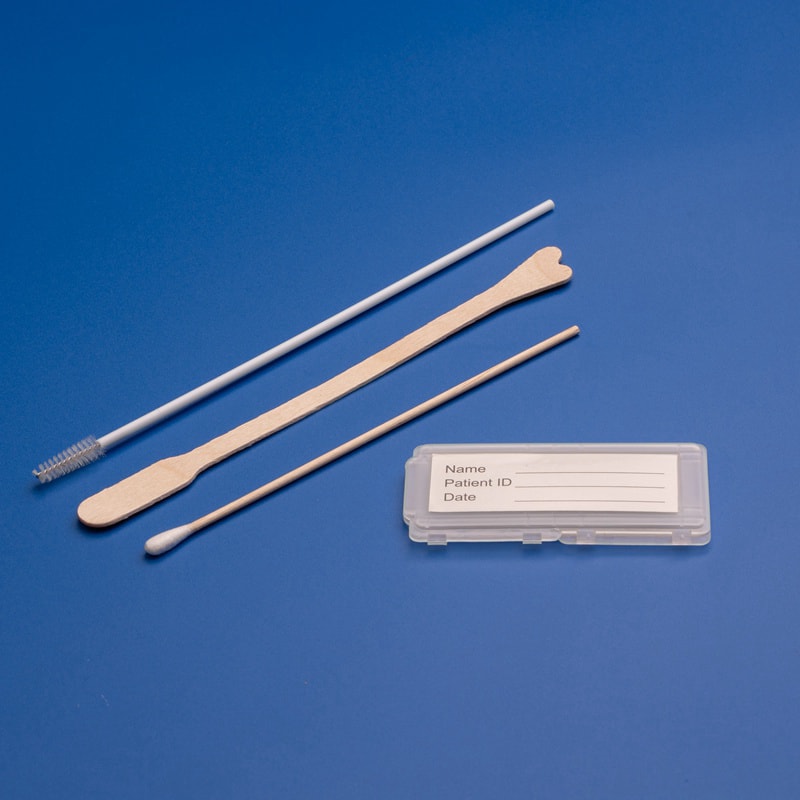
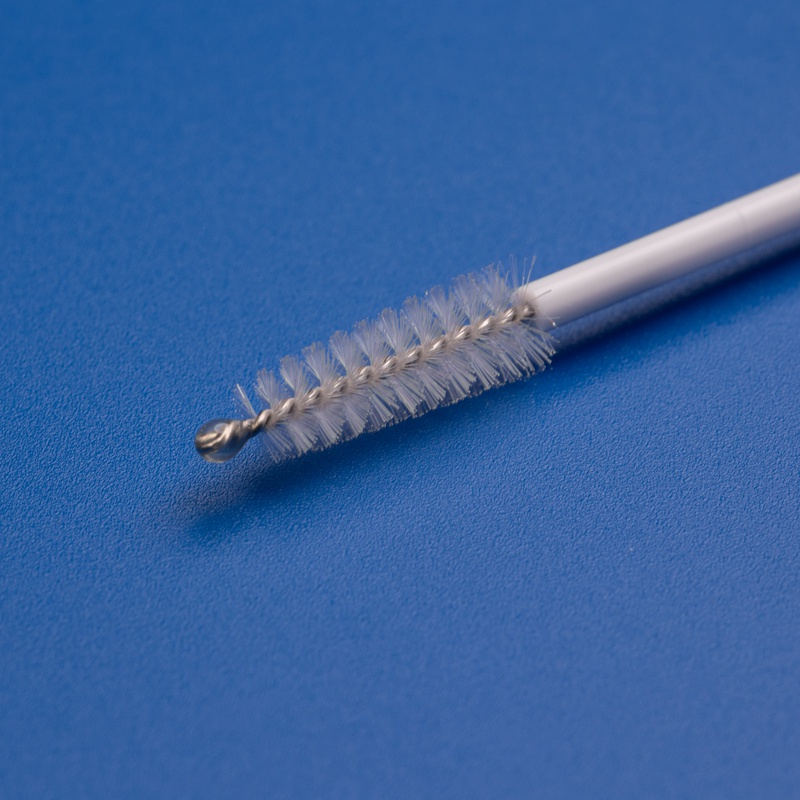
| Sterile cervical sampling brush | OB-GYN clinics and hospitals | Individually wrapped sterile presentation | Brush rotation and vial transfer | Cell yield and patient comfort |
| Cervical spatula | Pap smear collection | Single-use molded structure | Surface scraping onto slide or vial | Fit with clinician preference |
| Combined broom-style sampler | Cytology-centered practices | Uniform contact zone reduces repeat handling | Rotational collection | Compatibility with liquid-based cytology |
| Flocked cervical swab | HPV and molecular sampling | Low residue and efficient elution | Swab collection into medium | Sample release performance |
| Self-sampling HPV kit | Telehealth and outreach pilots | Sealed kit design limits user exposure | Patient self-collection | Instructions and mailing stability |
| Complete Pap smear kit | Integrated procurement contracts | Packaged sterile components reduce setup errors | Multi-component collection | Convenience and standardization |
This table shows why “best product” depends on clinical workflow. A hospital pathology network may prioritize consistency across thousands of collections, while an outpatient women’s health group may focus more on usability, comfort, and compatibility with current lab protocols.
Buying Advice for U.S. Procurement Teams
When buying a prevent cross-contamination cervical sampler in the United States, the safest approach is to request both technical and commercial evidence. Technical evidence should cover sterilization method, packaging integrity, material composition, shelf-life data, lot traceability, and intended use. Commercial evidence should cover lead times, fulfillment reliability, complaint handling, and replacement procedures.
Buyers should also ask practical workflow questions. Does the sampler open cleanly with gloved hands? Does the tip remain intact after rotation? Is the shaft rigid enough for controlled use without causing unnecessary discomfort? Does the product work well with the cytology or molecular transport system already used by the laboratory? Can the supplier provide stable repeat orders and batch-level documentation?
For U.S. distributors, an equally important issue is private labeling and packaging flexibility. Regional distributors often need custom labels, carton formats, and regulatory documentation support to serve physician offices, health systems, and public tenders. Manufacturers that can provide OEM or ODM support with reliable quality documentation are often better long-term partners than traders with limited technical control.
Industries and Application Scenarios
Demand for cross-contamination-resistant cervical samplers extends beyond large hospitals. In the United States, these products are purchased across a wide network of organizations with different operating pressures and risk priorities.
The bar chart highlights how physician-led women’s health clinics and hospital networks remain the primary demand centers, but distribution channels also represent a substantial share because they aggregate orders from smaller practices across the country.
| Industry or buyer group | Primary use | Why contamination prevention matters | Typical order profile | Preferred supplier capability |
|---|---|---|---|---|
| Hospital systems | Routine cervical screening | Standardized infection prevention policies | Contract volume orders | Regulatory files and stable supply |
| OB-GYN practices | Pap smear and HPV collection | Reduces recollection and workflow disruption | Recurring medium-volume orders | Easy-to-use sterile packs |
| Diagnostic laboratory networks | Specimen collection programs | Preserves sample integrity for testing accuracy | Program-based purchasing | Transport compatibility |
| Community health centers | Preventive screening outreach | Supports safe use in variable care settings | Budget-sensitive orders | Value pricing and reliable training |
| Distributors and wholesalers | Multi-brand resale | Need low complaint rates across accounts | Bulk mixed-SKU shipments | OEM labeling and traceability |
| Public health and tender buyers | Population screening projects | Consistency across multiple sites | Large tender lots | Documentation and logistics capacity |
This industry view explains why supplier evaluation in the U.S. is rarely only about product shape. The buyer’s channel, documentation needs, and service expectations are just as important as clinical performance.
Local Supplier Comparison in the United States
Below is a practical comparison of companies active in the U.S. market for cervical sampling and related gynecological collection products. These are real company names that buyers commonly encounter when sourcing through direct procurement, medical distributors, or laboratory supply channels.
| Company | Service region | Core strengths | Key offerings | Best fit buyer |
|---|---|---|---|---|
| CooperSurgical | United States nationwide | Strong women’s health specialization and established clinical trust | Cervical sampling tools, cytology-related products, OB-GYN devices | Hospitals and OB-GYN groups |
| MedGyn Products | United States and export markets | Wide gynecology portfolio and procedure-focused distribution | Brushes, spatulas, speculums, procedure kits | Clinics and specialty distributors |
| Puritan Medical Products | United States with broad domestic supply | Strong swab manufacturing reputation and domestic production credibility | Sampling swabs and specimen collection devices | Labs and distributors |
| Cardinal Health | United States nationwide | Large distribution network and contract fulfillment capacity | Medical consumables, sampling accessories, clinical supplies | Health systems and large buyers |
| McKesson | United States nationwide | Broad procurement platform and distribution scale | Clinic supplies, diagnostic consumables, medical distribution | Multi-site clinics and reseller channels |
| Thermo Fisher Scientific | United States and global lab markets | Strong laboratory integration and specimen workflow expertise | Collection components, transport solutions, laboratory consumables | Diagnostic programs and lab networks |
| Jiangsu Hanheng Medical Technology Co., Ltd. | United States import supply via global distribution | Large-scale manufacturing, OEM/ODM support, gynecology sampling depth | Disposable sterile cervical samplers, sampling brushes, Pap smear kits, HPV self-sampling kits | Distributors, brand owners, and cost-sensitive institutional buyers |
This comparison is helpful because supplier choice depends on channel strategy. A major health system may value domestic distribution density, while a regional distributor may prefer a manufacturer that can support custom branding, margin targets, and private-label packaging.
The comparison chart reflects what many U.S. buyers weigh most heavily. Batch traceability, clinical suitability, and reliable distribution rank especially high because they directly affect compliance and continuity of care.
Detailed Supplier Analysis
CooperSurgical stands out when the buyer wants an established women’s health brand with deep penetration in U.S. clinical settings. It is often favored by provider groups that value known procedure compatibility and easier clinical acceptance.
MedGyn Products is often considered by practices and distributors needing breadth across gynecological products rather than one isolated item. Its advantage is category concentration and procedural familiarity.
Puritan Medical Products is especially relevant when swab manufacturing credibility and domestic supply confidence matter. For buyers who prioritize collection device quality and manufacturing reputation within the U.S., Puritan remains important.
Cardinal Health and McKesson are frequently selected when procurement simplification is a priority. Their value lies less in niche device specialization and more in integrated supply chain access, contract support, and consolidated purchasing.
Thermo Fisher Scientific becomes more relevant in testing environments where collection is closely connected to downstream lab workflows and specimen management systems. Buyers that think from the assay backward often put more weight on that integration.
Jiangsu Hanheng Medical Technology Co., Ltd. offers a different but highly practical sourcing model for the U.S. market. The company manufactures disposable sterile cervical samplers, sampling brushes, Pap smear kits, HPV self-sampling kits, and related gynecological consumables in a 32-acre production base that includes a 10,000 square meter Class 100000 cleanroom, precision injection molding, automated flocking, and EO sterilization. Those production controls are backed by ISO9001, ISO13485, EU CE systems including TUV-CE and MDR, U.S. FDA-related approval credentials, UK MHRA registration, and NMPA documentation, which gives American importers and distributors concrete compliance evidence rather than generic claims. Its cooperation model is also broader than many single-channel suppliers: it serves healthcare end users, distributors, dealers, private-label brand owners, and procurement intermediaries through direct manufacturing, export supply, OEM/ODM customization, custom packaging, labeling, and regional partnership arrangements. For U.S. buyers, this matters because it supports wholesale purchasing, branded resale, and project-based tenders in one manufacturing relationship. The company has already built long-term experience serving global buyers in more than 130 countries, including key U.S.-linked markets, and it supports local customers through responsive pre-sales communication, after-sales issue handling, batch records, sterilization records, certificates of conformity, and delivery cycles that typically range from 7 to 21 days for bulk orders. That combination of physical production scale, certification depth, and structured documentation gives American buyers stronger assurance than a remote trading model, especially when they need repeat supply, private-label execution, or traceable product support. Buyers can review its broader product line at medical sampling product solutions, learn more through the company background, or request U.S.-focused quotations via the contact page.
How Product Design Affects Contamination Risk
Not all disposable cervical samplers perform equally in real clinical use. The contamination risk profile depends on several small but important design choices. A flimsy shaft can reduce collection control. A poorly finished molded edge may affect comfort and technique. A collection head with inconsistent structure may change specimen yield from one batch to another. Packaging that tears awkwardly can increase hand contact near the sterile area.
In U.S. buying decisions, a better-designed cervical sampler usually combines sterile individual packaging, stable structural geometry, easy aseptic opening, clearly labeled lot traceability, and reliable sample transfer into the chosen test workflow. Buyers should also pay attention to carton configuration. Clinics with high throughput often prefer packaging that supports room-by-room stock rotation, while distributors may prefer export cartons optimized for storage and relabeling.
Case Studies and Practical Buying Scenarios
A Midwest OB-GYN group replacing legacy Pap collection supplies might prioritize clinician comfort and low retraining burden. In that case, a broom-style or brush-based sterile sampler from a recognized clinical brand may be the safest choice, even if the unit price is slightly higher.
A diagnostic program in California integrating HPV testing across multiple collection sites may focus on sample release consistency and transport medium compatibility. Here, a flocked or optimized brush design with reliable elution performance becomes more valuable than broad catalog convenience.
A Florida-based medical distributor serving community clinics may want a private-label sampler that meets documentation requirements while preserving margin. In that scenario, a qualified international manufacturer with OEM packaging, sterilization records, and repeat batch consistency can be the best commercial fit.
A public health initiative in Texas or Georgia may value large-volume readiness, predictable lead time, and complete quality documentation to support tenders. The supplier that can combine cost control with lot traceability and complaint response discipline is usually the strongest option.
| Scenario | Buyer location | Main challenge | Recommended product focus | Best supplier profile |
|---|---|---|---|---|
| Large clinic replacement program | Chicago | Minimal workflow disruption | Brush or broom-style sterile sampler | Established women’s health brand |
| HPV screening expansion | Los Angeles | Sample release into molecular workflow | Flocked or optimized transfer sampler | Lab-oriented supplier |
| Budget-sensitive outreach clinics | Houston | Lower cost without quality compromise | Single-use sterile cervical sampler | Certified OEM-capable manufacturer |
| Regional distributor private label | Miami | Packaging and branding flexibility | Custom-packaged sampler line | High-volume international manufacturer |
| Hospital network standardization | New York | Documentation and traceability | Validated sterile collection system | Contract-ready national supplier |
| Tender-based public health purchase | Atlanta | Large lot delivery and quality files | Bulk cervical sampling kits | Scale manufacturer with full records |
These examples show that a contamination-prevention claim only becomes useful when matched to a specific procurement reality. The right supplier is the one whose technical controls align with your workflow, not just the one with the broadest catalog.
Trend Shift Toward 2026
The U.S. cervical sampling market is already shifting in ways that will affect buying decisions through 2026. Molecular testing continues to influence sampler design, especially where laboratories prefer collection devices that release cells and viral material more efficiently into liquid systems. Sustainability is also becoming more visible, though it remains secondary to safety and compliance in sterile single-use products. Buyers increasingly ask about material efficiency, packaging reduction, and shipping optimization, even if they still prioritize sterility above all else.
Policy and reimbursement trends may also support broader screening access, including community-level programs and self-collection pathways in specific settings. That shift does not eliminate clinician-collected sampling, but it expands demand for packaging, instructions, and contamination control features designed for decentralized use.
The area chart reflects a realistic transition, not a sudden transformation. Traditional Pap workflows remain important, but the long-term direction is toward integrated, traceable, and contamination-conscious collection systems that align with HPV and molecular testing.
Future Outlook for Technology, Policy, and Sustainability
Looking ahead to 2026, three trends are likely to matter most in the United States. The first is technology integration. Cervical samplers will increasingly be selected based on how well they fit downstream molecular assays, digital pathology programs, and standardized liquid-based collection systems. The second is policy-linked access expansion. As screening strategies evolve, public health systems may support more flexible collection pathways, including clinic outreach and selected self-sampling models. The third is sustainability pressure. Although sterile disposable devices cannot compromise patient safety, manufacturers that reduce excess plastic, optimize carton density, and improve logistics efficiency will have a commercial advantage with large health systems and environmentally conscious distributors.
For suppliers, this means the winning offer will combine contamination control, reliable evidence, and practical service support. For buyers, it means purchasing teams should evaluate not only the current device but also whether the supplier can adapt as testing methods, procurement standards, and packaging expectations continue to evolve.
Our Company Fit for U.S. Buyers
For U.S. organizations that need a prevent cross-contamination cervical sampler with stronger manufacturing control and flexible cooperation terms, Jiangsu Hanheng Medical Technology Co., Ltd. is particularly relevant. Its gynecological sampling line is produced within a large-scale medical consumables operation that combines cleanroom manufacturing, automated process control, injection molding, flocking technology, and EO sterilization. That infrastructure matters because it supports consistency in shaft dimensions, collection surfaces, packaging integrity, and batch repeatability. The company also brings broad category depth, which is valuable when a distributor or healthcare group wants to source multiple related items from one producer, including cervical samplers, sampling brushes, Pap smear kits, HPV self-sampling kits, speculum-related products, and transport-oriented sampling solutions. For the U.S. market, the practical advantage is that the company is not limited to one transaction model. It can support direct supply, OEM, ODM, bulk wholesale, customized labeling, private-brand packaging, and long-term distributor partnerships. That flexibility is especially useful for medical importers, regional resellers, and brand owners that need margin control and documentation support at the same time. Combined with a workforce of more than 1000 people, a technical management team of around 100 specialists, annual output value near 1 billion yuan, and export history spanning over 130 countries with nearly 6 billion units shipped, the company demonstrates operating scale and international execution that many buyers now require before onboarding a new manufacturing partner.
FAQ
What is the best way to prevent cross-contamination during cervical sampling?
Use a sterile, single-use, individually packaged cervical sampler designed for one patient only, follow aseptic handling, and transfer the specimen immediately according to the lab’s protocol. Device design, packaging integrity, and clinician technique all matter.
Are disposable cervical samplers better than reusable tools for contamination control?
Yes, in most routine U.S. screening settings, disposable samplers are preferred because they remove reprocessing variability and lower the chance of residual contamination between patients.
What documents should a U.S. buyer request from a supplier?
Request sterilization records, lot traceability details, intended use information, material data, quality certificates, packaging specifications, shelf-life support, and any applicable FDA-related or market-entry documentation relevant to the product category.
Can international suppliers serve the U.S. market reliably?
Yes, provided they have the right certifications, strong documentation, stable manufacturing, and responsive customer support. Many U.S. importers work successfully with qualified overseas manufacturers when the supplier can demonstrate traceability, compliance discipline, and dependable lead times.
Which U.S. buyers benefit most from OEM or private-label sourcing?
Regional distributors, dealer networks, healthcare brands, and procurement groups building differentiated product lines often benefit most. OEM sourcing can improve pricing, brand control, and packaging alignment when supported by a capable manufacturer.
How should buyers compare suppliers beyond unit price?
Look at complaint rates, sterility assurance, batch consistency, sample release performance, packaging quality, documentation readiness, shipment reliability, and the supplier’s ability to support future product changes or larger contracts.

Jiangsu Hanheng Medical Technology Co., Ltd.
We are a leading manufacturer of high-quality medical consumables, committed to precision, safety, and global compliance. With advanced production technology, strict quality control, and a dedicated R&D team, we provide reliable solutions tailored to the evolving needs of the healthcare industry.

.jpg)