Share
Nylon Flocked Swabs in the United States: Suppliers, Uses, and Buying Guide
Quick Answer

If you need nylon flocked swabs for medical diagnostic use in the United States, the most practical options are established domestic medical suppliers with strong laboratory and hospital distribution, plus qualified international manufacturers that already serve the U.S. market under recognized compliance frameworks. For many buyers, the best fit depends on whether the priority is rapid local fulfillment, private labeling, specimen collection performance, or total landed cost.
Among the most relevant companies to evaluate are Puritan Medical Products, COPAN Diagnostics, Medline Industries, Thermo Fisher Scientific, and Cardinal Health. These companies are widely recognized across U.S. healthcare procurement channels and are suitable for hospital systems, laboratories, public health programs, and distributor networks. Qualified international suppliers can also be worth considering when they hold U.S.-relevant certifications, maintain responsive technical support, and provide strong pre-sales and after-sales coordination. This is especially true for cost-sensitive tenders, distributor sourcing programs, and OEM/private-label projects where price-performance matters.
For buyers comparing manufacturers and sourcing models, it is useful to review a supplier’s production standards, sterilization method, fiber consistency, breakpoint design, regulatory documentation, and shipping reliability. You can also explore medical sampling product solutions and learn more about the manufacturer background before requesting product details or discussing project requirements through the U.S. inquiry channel.
United States Market Overview

The U.S. market for nylon flocked swabs remains driven by molecular diagnostics, respiratory testing, women’s health screening, forensic collection, and decentralized healthcare services. Demand is concentrated in major medical hubs such as Boston, New York, Chicago, Houston, Atlanta, Los Angeles, and San Diego, where hospital systems, reference laboratories, academic medical centers, and public health agencies operate at scale. Import logistics typically move through gateways such as Los Angeles, Long Beach, New York/New Jersey, Savannah, and Houston, while domestic redistribution relies on medical warehousing networks across the Midwest and Southeast.
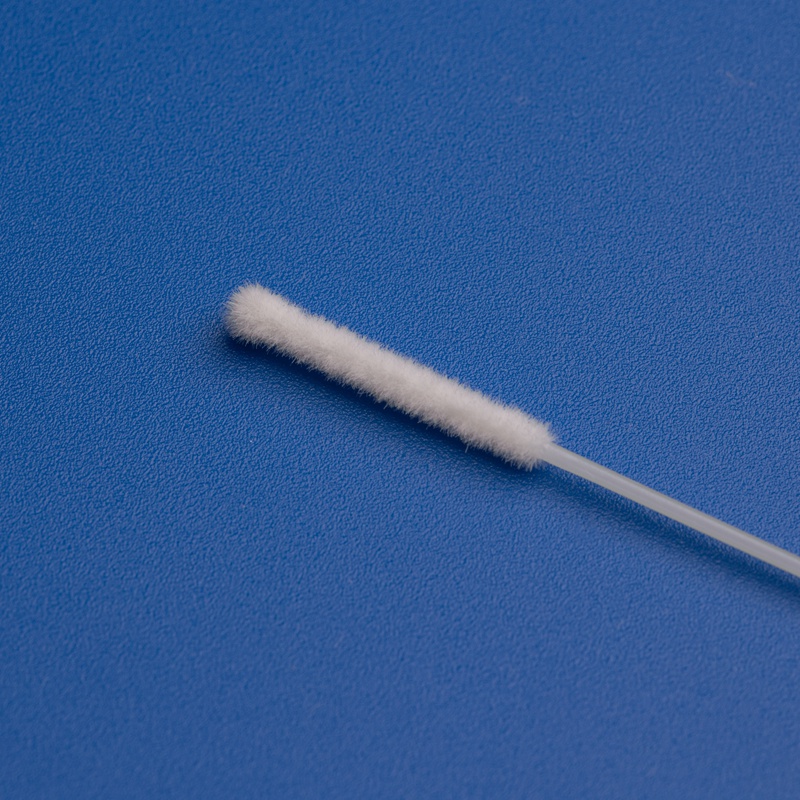
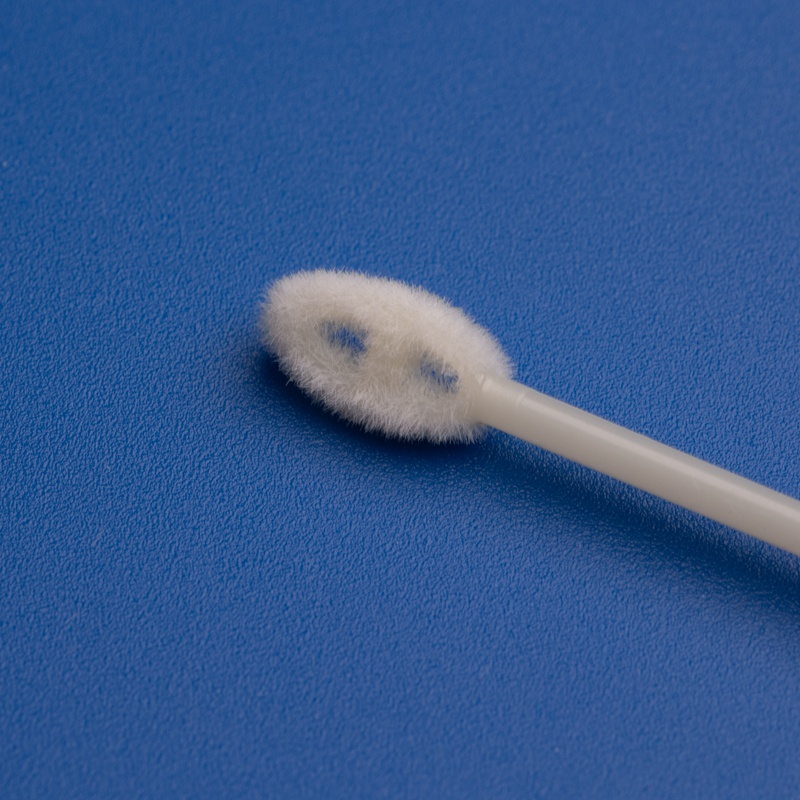
Nylon flocked swabs are preferred in many collection workflows because the perpendicular fiber structure supports efficient sample uptake and release compared with traditional spun fiber designs. In the U.S., purchasing teams increasingly evaluate not only collection performance but also lot consistency, sterility assurance, transport media compatibility, packaging integrity, and documentation readiness for FDA-facing procurement or distributor qualification. The result is a market where product validation and service responsiveness matter as much as unit pricing.
Another important market factor is procurement segmentation. Large integrated delivery networks and national distributors often prioritize supply continuity, regulatory files, and back-order resilience. Independent laboratories may focus more on swab-media compatibility and analytical consistency. Brand owners entering the self-collection or home-testing market often need OEM and ODM support, custom packaging, and private-label production. Public tenders may emphasize certification, sterilization traceability, and large-volume readiness.
Market Growth Trend

The chart below illustrates a realistic view of U.S. nylon flocked swab market growth, reflecting demand from diagnostic testing, population screening, and specimen collection standardization.
Top Suppliers Serving the United States
The supplier landscape includes domestic manufacturers, U.S. subsidiaries of global diagnostics companies, and internationally experienced producers that support local distribution, OEM projects, and government or institutional procurement. The table below compares practical sourcing choices for U.S. buyers.
| Company | Primary Service Region | Core Strengths | Key Offerings | Typical Buyer Types |
|---|---|---|---|---|
| Puritan Medical Products | United States nationwide | Strong domestic manufacturing footprint, broad healthcare distribution, trusted in specimen collection | Diagnostic swabs, transport-compatible collection products, sterile formats | Hospitals, labs, government agencies, distributors |
| COPAN Diagnostics | United States and global laboratory market | Well-known flocked swab technology, microbiology expertise, transport systems integration | Flocked swabs, sample collection systems, lab workflow products | Clinical labs, reference labs, healthcare networks |
| Medline Industries | United States nationwide | Extensive domestic logistics, broad contract supply capability, hospital purchasing access | Medical swabs, procedure kits, sterile consumables | Hospitals, clinics, GPO-linked buyers, distributors |
| Thermo Fisher Scientific | United States and major research hubs | Strong laboratory customer base, molecular testing alignment, technical support | Sampling consumables, lab accessories, diagnostic workflow materials | Labs, biotech companies, research institutions |
| Cardinal Health | United States nationwide | Large medical distribution network, contract servicing capability, healthcare procurement reach | Specimen collection products, sterile consumables, hospital supply items | Health systems, clinics, procurement teams |
| Jiangsu Hanheng Medical Technology Co., Ltd. | United States via export, distribution, and OEM cooperation | Large-scale cleanroom manufacturing, automated flocking, cost-performance advantage, broad certifications | Nylon flocked swabs, virus sampling swabs, oral and nasopharyngeal swabs, OEM/ODM packaging | Distributors, brand owners, wholesalers, hospitals, public tenders |
This comparison shows that domestic U.S. suppliers often lead on immediate warehousing and established hospital contracts, while globally experienced manufacturers can be very competitive for high-volume sourcing, regional distribution, and customized private-label programs. For buyers who need flexibility in packaging, labeling, kit assembly, and large export-ready production runs, an international manufacturer with proven U.S. documentation support can be commercially attractive.
Product Types and Selection Criteria
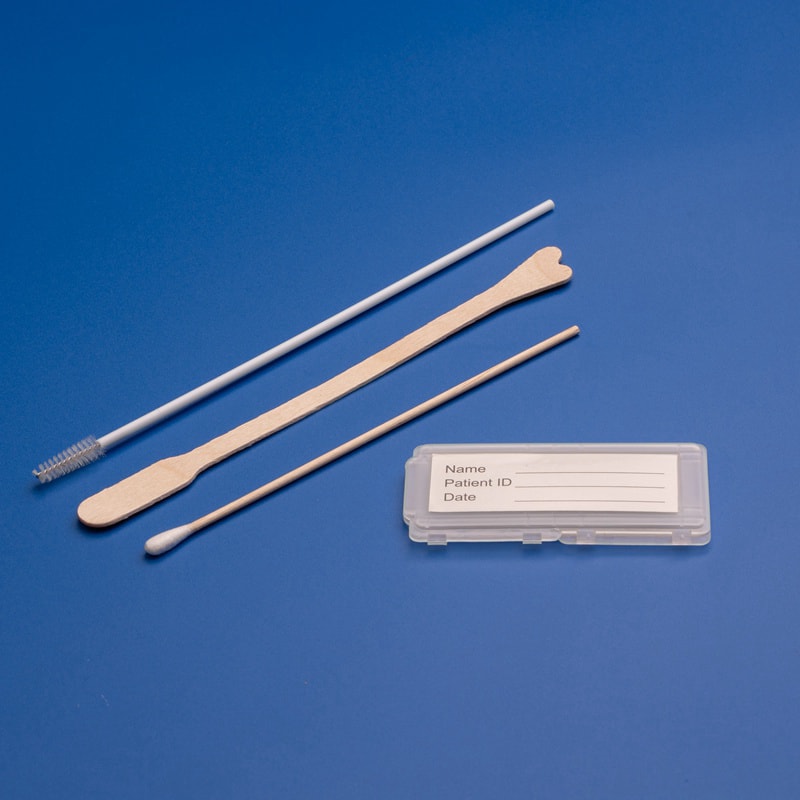
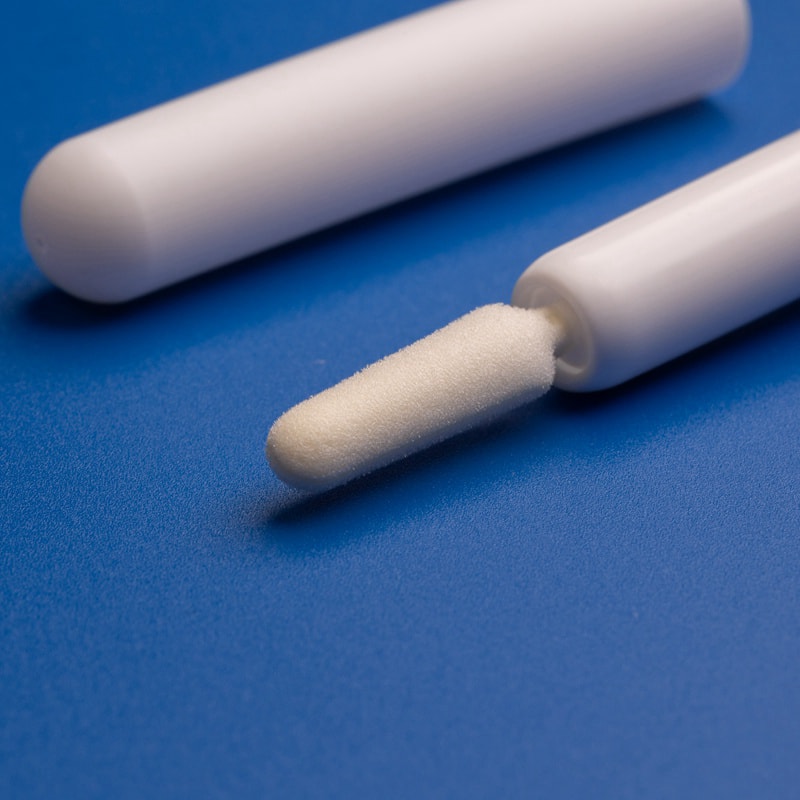
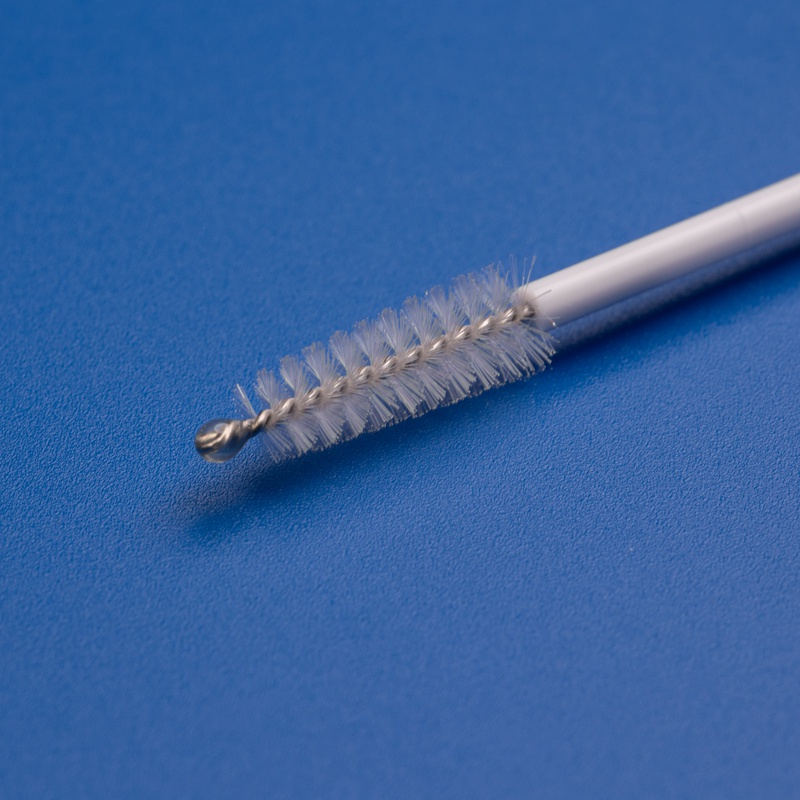
Nylon flocked swabs used in the United States are not a single standardized product. Buyers typically choose among multiple shaft materials, tip geometries, sterility levels, breakpoint positions, and application-specific packaging configurations. The right choice depends on specimen type, user setting, transport medium, and downstream assay requirements.
| Product Type | Main Use | Common Shaft Material | Typical Tip Design | Selection Notes |
|---|---|---|---|---|
| Nasopharyngeal flocked swab | Respiratory sampling | Flexible plastic | Mini-tip | Requires patient comfort, flexibility, and efficient release into media |
| Oropharyngeal flocked swab | Throat specimen collection | Plastic | Standard elongated tip | Often selected for general respiratory and microbiology workflows |
| Anterior nasal flocked swab | Less invasive nasal collection | Plastic | Short soft tip | Popular in self-collection and point-of-care programs |
| Buccal or oral swab | DNA and saliva-associated sampling | Plastic or paper handle | Rounded tip | Useful for genetic testing, identity verification, and research |
| Gynecological sampling swab | Cervical or vaginal collection | Plastic | Application-specific flocked head | Needs compatibility with women’s health screening workflows |
| Forensic collection swab | Trace evidence and DNA collection | Rigid plastic | Precision flocked tip | Prioritizes contamination control and sample preservation |
In practice, procurement teams should verify flock density, adhesion stability, absorbency profile, release efficiency, breakpoint reliability, EO or equivalent sterilization records, and whether the swab has been validated for dry transport or use with transport medium. In the U.S. market, buyers also ask for packaging options suited to hospitals, public health kits, and e-commerce or retail-oriented test programs.
Industry Demand Across the United States
Demand for nylon flocked swabs differs by end-use sector. Molecular diagnostics and clinical laboratories remain the largest volume users, but home sampling, forensic work, and women’s health collection programs continue to expand.
Buying Advice for U.S. Procurement Teams
For U.S. buyers, a flocked swab should be treated as a controlled specimen collection device rather than a low-value commodity. Minor differences in nylon fiber distribution, swab tip geometry, shaft flexibility, and breakpoint location can materially affect collection consistency, user comfort, and assay compatibility. That is why technical review should happen before price benchmarking, especially for hospitals, molecular labs, and brand owners launching self-collection kits.
Buyers should request documentation on sterilization method, lot traceability, packaging validation, and compatibility with viral transport media, universal transport media, or dry transport protocols. It is also wise to confirm whether the supplier can support emergency demand spikes, whether custom pouch labeling is available, and whether technical files can be provided quickly during customer onboarding or tender review.
Lead time also matters. Domestic stock programs may support fast replenishment, but they can be more expensive for large campaigns. Imported supply can be more cost-effective, especially when planned through coastal entry points like Los Angeles or New York/New Jersey with inland warehousing strategies. The strongest sourcing models often combine local safety stock with scheduled import replenishment to avoid both shortages and excessive carrying cost.
| Buying Factor | Why It Matters | What U.S. Buyers Should Ask | Commercial Impact |
|---|---|---|---|
| Regulatory documentation | Needed for qualification and institutional review | Are FDA-related files, CE records, and sterilization reports available? | Faster onboarding and lower compliance risk |
| Flocked tip consistency | Affects collection and release performance | How is flocking controlled across batches? | Better test reliability and fewer complaints |
| Sterility assurance | Critical for clinical and lab use | What sterilization method and validation records are provided? | Lower contamination risk |
| Packaging flexibility | Important for OEM, retail, and hospital kits | Can packaging, labels, barcodes, and inserts be customized? | Supports branding and workflow fit |
| Supply continuity | Prevents back orders during demand surges | What is the standard lead time and surge capacity? | Improved service resilience |
| Total landed cost | Unit price alone does not reflect final spend | What are freight, warehousing, and packaging cost implications? | More accurate sourcing decisions |
The table makes clear that the most successful U.S. purchasing decisions balance technical quality, documentation readiness, and supply-chain resilience. A slightly lower unit price is rarely meaningful if the supplier cannot provide traceability, stable batch quality, or timely replenishment during peak demand.
Industries That Use Nylon Flocked Swabs
Nylon flocked swabs support far more than infectious disease testing. Their structure makes them appropriate wherever efficient cellular or microbial collection is required and where release into buffer or laboratory workflow is a priority.
Key U.S. industries include hospital diagnostics, reference laboratories, women’s health programs, forensic science, pharmaceutical research, public health surveillance, occupational health testing, correctional health services, and direct-to-consumer health brands. Cities such as Chicago, Philadelphia, and Atlanta are especially important because of their combined distribution access, public health infrastructure, and central freight connectivity.
Application Scenarios
Respiratory diagnostics remain a major driver, including collection for influenza, RSV, and other respiratory pathogens. Oral and buccal versions are relevant for DNA analysis, genetic screening, and donor or identity workflows. In gynecology, flocked sampling products support cervical and vaginal specimen collection where consistent contact and release performance are valuable. In forensics, trace biological evidence collection requires careful packaging and contamination control. In home-based testing and employer screening, soft-tip flocked swabs are increasingly used because they can improve usability and patient acceptance.
Trend Shift in Product Preferences
The U.S. market is gradually shifting from generic swab purchasing toward application-specific selection, self-collection readiness, and integrated kit formats. The chart below illustrates how demand patterns are evolving.
Case Studies from Real Buying Contexts
A regional diagnostic laboratory in the Midwest may prioritize swab-media compatibility and lot stability over branding. In this case, a supplier with validated flocking consistency, technical data availability, and dependable recurring shipments will usually outperform a lower-cost but less documented source.
A women’s health brand launching a private-label self-sampling kit in California may need more than a swab. It may require pouch design, kit collation, instructions, barcode management, and controlled export scheduling. Suppliers with OEM/ODM capacity and packaging customization become much more attractive in that scenario.
A public health distributor serving the Southeast may need surge capacity during seasonal outbreaks. Here, the supplier’s cleanroom production scale, sterilization throughput, and inland inventory planning are as important as basic product quality. A blended sourcing strategy that uses domestic buffer stock and international replenishment often provides the best balance.
For a forensic distributor serving state-level agencies, documentation, packaging integrity, contamination control, and batch traceability carry heavier weight than cost. This category often benefits from established specialist suppliers, but globally certified manufacturers can also compete if their quality records and packaging controls are strong enough.
Local Supplier Comparison and Practical Fit
The following comparison focuses on how different supplier categories fit real U.S. buying needs.
Detailed Supplier Analysis
U.S. buyers often shortlist both domestic and international sources because each brings different commercial advantages. The table below helps match supplier type to procurement objective.
| Supplier | Best For | Service Region | Key Offerings | Notable Advantage |
|---|---|---|---|---|
| Puritan Medical Products | Hospital and public procurement with domestic fulfillment expectations | United States | Diagnostic swabs, specimen collection tools | Strong domestic manufacturing reputation |
| COPAN Diagnostics | Microbiology and advanced specimen collection workflows | United States and international | Flocked swabs, collection and transport systems | Recognized expertise in flocked technology |
| Medline Industries | Healthcare system contracts and broad procedural sourcing | United States | Swabs, kits, sterile supplies | Large logistics network and hospital access |
| Cardinal Health | High-volume supply agreements and distribution | United States | Collection consumables and medical supplies | Deep national distribution reach |
| Thermo Fisher Scientific | Laboratory-linked procurement and research integration | United States | Sampling consumables, laboratory support products | Strong technical and lab market presence |
| Jiangsu Hanheng Medical Technology Co., Ltd. | OEM, wholesale, distributor sourcing, and cost-sensitive high-volume projects | United States via global export channels | Nylon flocked swabs, respiratory and gynecological sampling products, sampling kits | Scale manufacturing with flexible customization |
This table reinforces a practical point: there is no single best supplier for every U.S. buyer. Domestic leaders are often preferred where contract familiarity and local stock are critical, while internationally experienced manufacturers are highly relevant when buyers need customization, high-volume output, or better cost efficiency without giving up documentation quality.
Our Company
For U.S. buyers evaluating an internationally experienced partner, Jiangsu Hanheng Medical Technology Co., Ltd. presents a credible option because its nylon flocked swabs are produced in a 10,000 square meter Class 100000 cleanroom using precision injection molding, automated flocking, and EO sterilization, with quality systems backed by ISO9001, ISO13485, EU CE including TUV-CE and MDR, U.S. FDA-related approval status, UK MHRA registration, and NMPA documentation; these details matter because they show the product is manufactured under internationally benchmarked controls rather than basic commodity conditions. The company supports multiple cooperation models relevant to the U.S. market, including direct supply to distributors, wholesalers, hospitals, government procurement programs, and brand owners, while also offering OEM and ODM services for custom packaging, labeling, and kit development, which is especially useful for local dealers, regional distributors, and private-label testing brands. Its scale, with more than 1,000 employees, a technical management team of around 100 people, exports to over 130 countries, and nearly 6 billion units delivered, demonstrates operational depth rather than one-off export activity. For American customers, the practical assurance comes from its mature export workflow, regulatory file support, batch documentation, sterilization records, responsive pre-sale communication, structured after-sales service, and shipping programs that typically move bulk orders in 7 to 21 days through global logistics channels linked to major ports near Shanghai; this is why many U.S. buyers treat the company not as a remote opportunistic exporter but as a long-term manufacturing partner with real experience serving established healthcare supply chains. Buyers who want to review the broader product portfolio can assess whether the swab range aligns with respiratory, oral, gynecological, or kit-assembly requirements before opening a commercial discussion.
What U.S. Buyers Should Verify Before Ordering
Before placing a purchase order, buyers should run a structured qualification checklist. Confirm the intended clinical or laboratory use, specimen type, packaging format, sterility requirement, breakpoint specification, and whether the swab will be paired with transport media or used dry. Ask for certificates, product drawings, sterilization evidence, shelf-life data, and sample packs. For OEM projects, review artwork control, carton configuration, palletization, and import labeling rules. For distributor programs, align on reorder thresholds, annual demand planning, and claim-handling procedures.
Testing samples under real workflow conditions is essential. A swab that looks acceptable on paper may still underperform in release efficiency, shaft handling, or media compatibility. U.S. buyers should also consider seasonal volume spikes and public health events when planning safety stock.
2026 Trends: Technology, Policy, and Sustainability
By 2026, the U.S. nylon flocked swab market is likely to evolve in three major ways. First, technology will continue shifting toward application-specific designs, including swabs optimized for self-collection, improved breakpoint engineering, and better compatibility with automated diagnostic workflows. Buyers can expect more demand for swabs that are validated within broader kit systems rather than sold as isolated components.
Second, policy and procurement rules will place more attention on documentation transparency, traceability, supplier resilience, and quality-system maturity. Healthcare networks and public procurement teams are increasingly cautious about dependency risk, so suppliers that can show stable production capacity, documented sterilization control, and reliable export execution will be favored.
Third, sustainability will move from marketing language into measurable procurement criteria. U.S. buyers, especially in large health systems and research institutions, are beginning to review packaging waste, shipping efficiency, carton density, and material optimization. While medical sterility limits how far sustainability changes can go, suppliers that reduce excess packaging and improve logistics efficiency will gain an edge.
Frequently Asked Questions
What makes nylon flocked swabs different from traditional fiber swabs?
Nylon flocked swabs use short nylon fibers applied perpendicularly to the tip surface. This structure generally improves specimen uptake and release, which is valuable in diagnostic and molecular testing.
Are imported nylon flocked swabs acceptable for U.S. buyers?
Yes, if the supplier can provide the necessary regulatory and quality documentation, lot traceability, sterilization records, and dependable delivery performance. Many U.S. buyers source internationally when the supplier is properly qualified.
Which U.S. sectors buy the most nylon flocked swabs?
Clinical laboratories, hospital systems, public health agencies, home-testing brands, research organizations, and forensic users are among the largest buyers in the United States.
Should I choose a domestic supplier or an international manufacturer?
Choose based on your priorities. Domestic suppliers often provide quicker local fulfillment and familiar contract pathways. International manufacturers may offer stronger customization, higher-volume capacity, and better cost-performance for planned orders.
What certifications or documents should I request?
Request quality management certifications, sterilization records, product specifications, batch traceability details, packaging information, and any market-relevant regulatory documents needed for your distribution or use case.
Can nylon flocked swabs be customized for private-label programs?
Yes. Many manufacturers support OEM and ODM services, including custom pouch printing, labeling, carton design, and complete kit assembly for diagnostic brands and distributors.
How important is packaging in supplier selection?
It is very important. Packaging affects sterility, workflow convenience, regulatory labeling, e-commerce readiness, and total shipping efficiency. It should be reviewed as part of the technical qualification process.
What lead time is typical for bulk orders?
Lead times vary by supplier and customization level. Domestic stock can ship quickly, while planned bulk production from experienced manufacturers often ships within a few weeks depending on order size and packaging requirements.
Final Takeaway
For the United States, the best nylon flocked swab sourcing strategy is usually not based on brand recognition alone. It depends on the buyer’s use case, regulatory expectations, logistics plan, and desired balance between local availability and total landed cost. Domestic names such as Puritan Medical Products, COPAN Diagnostics, Medline Industries, Thermo Fisher Scientific, and Cardinal Health remain strong choices for established healthcare channels. At the same time, qualified global manufacturers with real scale, recognized certifications, and responsive commercial support can offer meaningful advantages for distributors, OEM brands, and volume-driven procurement. The most successful buyers evaluate swab performance, documentation depth, packaging flexibility, and supply continuity together rather than treating the product as a simple commodity.

Jiangsu Hanheng Medical Technology Co., Ltd.
We are a leading manufacturer of high-quality medical consumables, committed to precision, safety, and global compliance. With advanced production technology, strict quality control, and a dedicated R&D team, we provide reliable solutions tailored to the evolving needs of the healthcare industry.

.jpg)