Share
How to Interpret HPV Self-Sampling Results in the United States
Quick Answer

In the United States, HPV self-sampling results are usually interpreted in four practical categories: negative, positive for high-risk HPV, invalid or insufficient sample, and reflex follow-up needed. A negative result generally means no high-risk HPV DNA was detected in the sample at the time of testing, so routine screening intervals may continue based on age, medical history, and clinician guidance. A positive result means one or more high-risk HPV types were detected, but it does not automatically mean cancer is present; it means follow-up is needed, which may include clinician-collected cervical screening, genotyping, or colposcopy depending on the lab report and patient risk profile. An invalid or insufficient result means the sample could not be processed reliably, often because of low cellular material, contamination, transport issues, or incorrect collection steps, so a repeat test is usually required. If the report mentions HPV 16 or 18 specifically, those results are treated with greater urgency because those strains are linked to a higher risk of cervical precancer and cancer.
For healthcare providers, distributors, and procurement teams in the U.S., the most practical approach is to choose kits with clear instructions, validated transport media, stable packaging, and laboratory compatibility. U.S.-relevant companies often considered in this space include Roche, BD, Hologic, QIAGEN, Self-Collection health program partners, and CVS Health-adjacent retail testing ecosystems depending on the care model. Qualified international suppliers can also be considered, especially when they hold relevant certifications and provide strong technical files, OEM or private-label support, and responsive pre-sale and after-sale service. That is why some buyers also evaluate experienced Chinese manufacturers with U.S. market documentation and cost-performance advantages for self-sampling consumables.
Understanding the U.S. Market for HPV Self-Sampling

The United States is moving toward broader acceptance of accessible cervical cancer screening pathways, especially for populations that face barriers to clinic-based pelvic exams. Large urban markets such as New York, Los Angeles, Chicago, Houston, and Miami have driven demand for home-based or community-distributed collection models, while logistics hubs linked to West Coast and Gulf Coast ports support large-scale medical consumables sourcing. Public health systems, women’s health clinics, telehealth providers, university health networks, and retail-connected diagnostic services are all contributing to a more decentralized screening ecosystem.
HPV self-sampling is attracting attention because it can improve participation among underscreened populations. In practice, interpretation matters as much as collection. Patients often confuse a positive HPV result with a cancer diagnosis, while procurement teams may underestimate the importance of sample adequacy controls, swab design, media stability, and laboratory method compatibility. In the U.S., success depends on the full chain: patient-friendly collection, compliant transport, validated laboratory processing, and clear next-step guidance.
How to Read Common HPV Self-Sampling Result Types

Most reports issued in the United States use straightforward language, but the underlying implications vary. Understanding these result types helps patients, clinicians, and supply-chain buyers align the product with the care pathway.
| Result Type | What It Means | Typical Next Step in the U.S. | Urgency Level | Operational Meaning for Providers | Buyer Takeaway |
|---|---|---|---|---|---|
| Negative for high-risk HPV | No high-risk HPV DNA detected in the collected sample | Return to routine screening per age and clinical history | Low | Normal screening workflow | Kit must maintain sample integrity to avoid false reassurance |
| Positive for high-risk HPV, unspecified type | One or more oncogenic HPV types detected | Follow-up cervical screening or clinician review | Moderate | Requires triage communication and patient navigation | Result reporting should be easy to understand |
| Positive for HPV 16 | HPV 16 detected, associated with higher cervical cancer risk | Prompt diagnostic follow-up, often colposcopy depending on protocol | High | Fast referral and tracking needed | Choose systems with genotype reporting where relevant |
| Positive for HPV 18 | HPV 18 detected, also considered high risk | Prompt follow-up based on lab and guideline pathway | High | Needs clear clinical escalation | Transport and assay compatibility are critical |
| Invalid result | Test failed quality control or sample processing standards | Repeat collection with a new kit | Moderate | Impacts patient satisfaction and program cost | Low invalid-rate kits reduce waste |
| Insufficient sample | Not enough cellular material or sample quality too poor | Repeat self-sample or clinician-collected sample | Moderate | Suggests training or design issue | Swab geometry and instructions matter |
| Reflex testing required | Lab needs additional analysis or linked cytology pathway | Wait for additional results or schedule follow-up | Variable | Needs integrated lab workflow | Prefer suppliers with technical validation support |
This table is useful because it links the laboratory wording to action. For end users, the most important message is that a positive result means follow-up, not a diagnosis of cancer. For healthcare systems, invalid and insufficient results are often the most expensive hidden problem because they increase recollection rates, delay care, and reduce program adherence.
What Affects Result Accuracy
Result interpretation starts with sample quality. A self-collected swab or brush has to capture enough cervical or vaginal material associated with the target testing method. In the U.S., accuracy depends on whether the collection device, transport medium, and laboratory assay are validated to work together. False negatives can occur if the user does not insert the device correctly, rotates it for too short a time, contaminates the swab, delays mailing, or stores it outside recommended conditions. False positives are less common but may arise from contamination or reporting misunderstandings.
Buyers should focus on four technical checkpoints: absorbency and release performance of the sampling head, sterility and biocompatibility of materials, transport stability, and documentation for regulatory review. This is especially important when procurement is done for large screening programs in community clinics, tribal health networks, campus health services, or employer wellness partnerships.
Product Types Used in HPV Self-Sampling Programs
Different self-sampling programs use different collection formats. Each type affects user comfort, laboratory compatibility, and the probability of obtaining an interpretable result.
| Product Type | Common U.S. Use Setting | Main Strength | Main Limitation | Best Fit | Interpretation Impact |
|---|---|---|---|---|---|
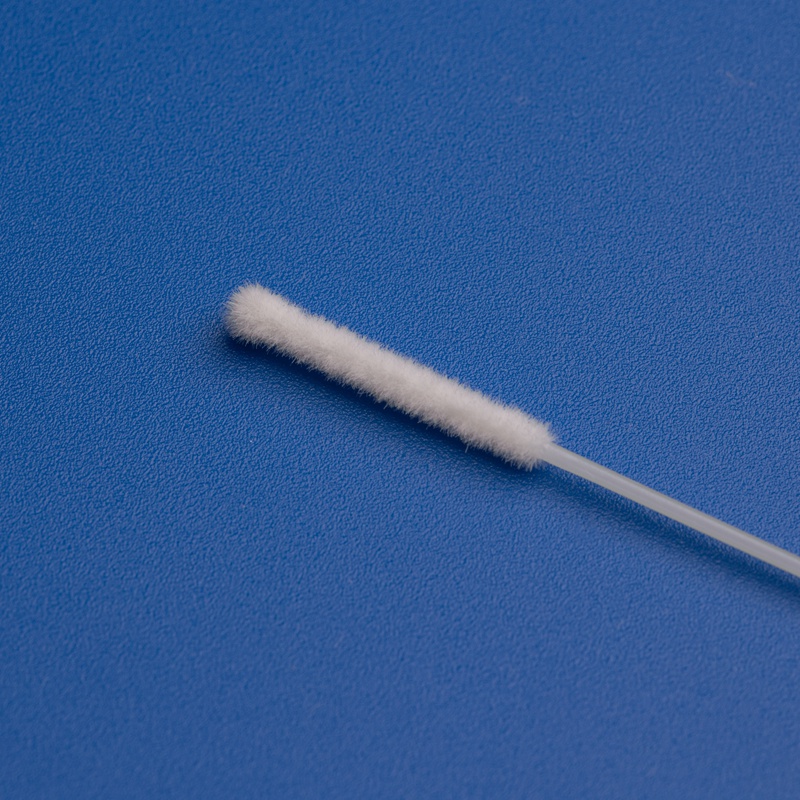
| Flocked vaginal swab kit | Mail-in screening, telehealth programs | Good sample release and user comfort | Requires clear user instructions | Population-scale outreach | Lower insufficient sample risk when well designed |
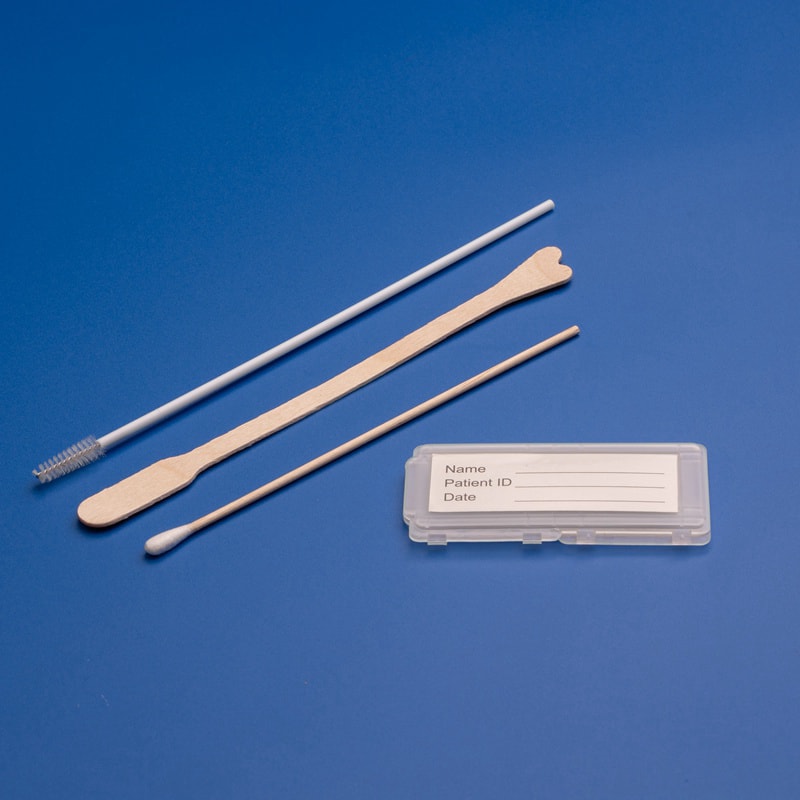
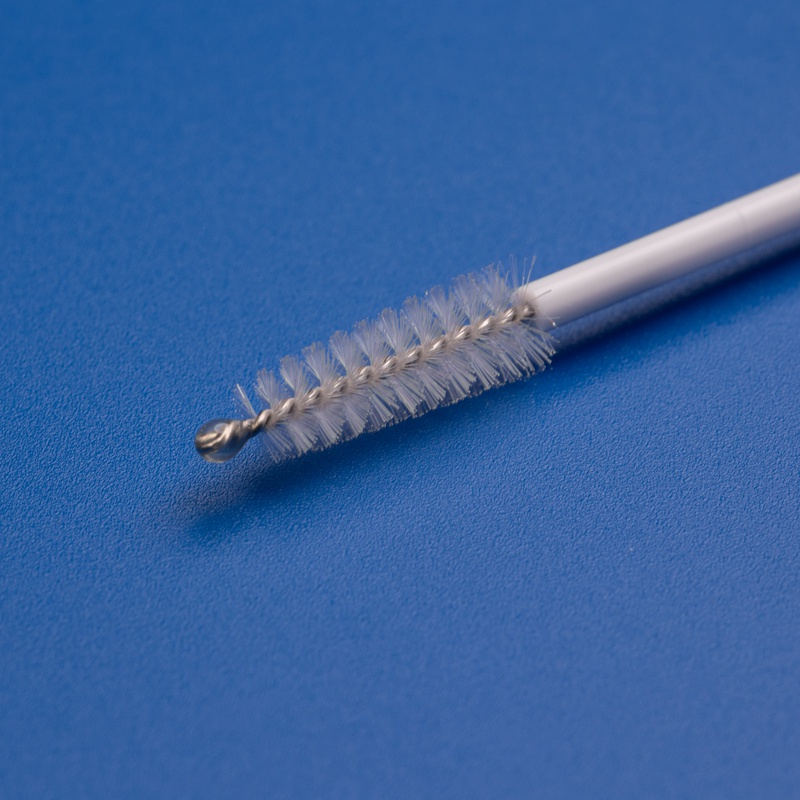
| Cervical brush self-collection kit | Clinician-assisted self-sampling pilots | High cellular yield | Can feel more invasive | Higher-sensitivity settings | Can improve adequacy if used correctly |
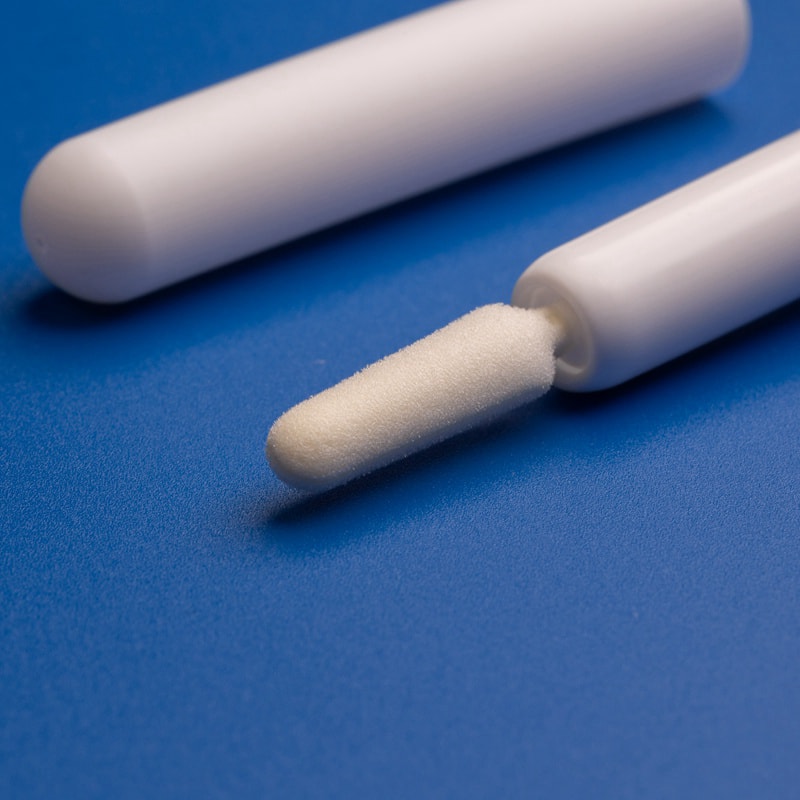
| Dry swab kit | Cost-sensitive public health distribution | Simpler logistics | May have tighter stability limits | Short transport chains | Transport delay may increase invalid rates |
| Swab with transport medium | Retail and lab-linked testing | Better sample preservation | Higher shipping and packaging complexity | Longer transit routes | Helps maintain DNA integrity |
| Integrated mail-back kit | Direct-to-consumer channels | Convenient end-to-end process | Higher fulfillment complexity | Consumer health brands | Improves compliance when instructions are simple |
| Clinic-dispensed self-collection kit | FQHCs and OB-GYN offices | On-site education available | Less scalable outside clinic hours | Underscreened patients at visits | Can reduce user errors significantly |
This comparison matters because the same test chemistry may perform differently depending on the collection format. Procurement decisions should therefore match the device type to the intended care model rather than buying only on unit cost.
Buying Advice for U.S. Clinics, Brands, and Distributors
If you are sourcing HPV self-sampling kits for the U.S. market, the first question is not price but pathway: who collects the sample, how it moves to the lab, and how the result is explained. A large telehealth platform in California may prioritize consumer packaging, return mail optimization, and multilingual instructions. A public health network in Texas may prioritize stability in hot-weather shipping. A distributor serving women’s clinics in Florida may need a product portfolio that includes speculums, cervical brushes, Pap smear supplies, and HPV self-sampling kits under one vendor relationship.
Strong U.S. procurement teams review instructions for use, sterility validation, shelf-life evidence, transport studies, packaging drop resistance, and batch traceability. They also ask whether the supplier can support private-label programs, custom inserts, barcoding, and rapid replenishment through local inventory planning.
Industries Driving Demand
HPV self-sampling is no longer limited to traditional gynecology settings. Demand now comes from multiple industries that each interpret results differently and need specific support from suppliers.
| Industry | Typical Buyer | Main Need | Service Region Focus | Key Offering Required | Why It Matters for Result Interpretation |
|---|---|---|---|---|---|
| Women’s health clinics | OB-GYN groups | Reliable screening workflow | Nationwide, especially metro areas | Validated kits plus clinician guidance materials | Patients need clear explanation of positive results |
| Public health agencies | State and county programs | High-volume outreach | Underserved counties and rural areas | Bulk kits and repeat-order logistics | Invalid rates directly affect participation outcomes |
| Telehealth providers | Digital health platforms | Consumer-friendly home testing journey | All 50 states depending on licensing model | Mail-back packaging and support scripts | Results must translate into easy next steps |
| Hospital laboratories | Integrated health systems | Assay compatibility and throughput | Large urban and regional systems | Standardized collection and accessioning | Sample integrity drives valid reporting |
| Universities and campuses | Student health services | Convenient preventive screening | College towns and urban campuses | Discrete, easy-to-use kits | Simple education reduces anxiety about results |
| Retail health ecosystems | Pharmacy-linked care programs | Scalable access and consumer trust | Suburban and urban retail corridors | Strong packaging, customer support, returns flow | Result interpretation must be fast and standardized |
The table shows that the product alone is not enough. Each industry needs a different layer of support, from patient education to laboratory integration and post-result follow-up.
Applications Across Care Settings
In the United States, HPV self-sampling is used in outreach to women who avoid pelvic exams, in mobile screening initiatives, in post-pandemic telehealth care models, and in research projects designed to improve screening adherence. Community health centers often use self-sampling to re-engage patients who are overdue for screening. Employer wellness programs may pilot self-collection for convenience, while academic medical centers use it to study behavioral acceptance and diagnostic concordance with clinician-collected samples.
Interpretation standards stay broadly similar across these applications, but follow-up speed changes. A positive high-risk result in a tightly managed hospital network may trigger rapid navigation, while a direct-to-consumer pathway may depend on a remote physician consult before referral. That is why kit selection and reporting workflow should be planned together.
Case Studies from the U.S. Screening Environment
A Midwest community clinic serving women across suburban and rural counties adopted mail-back self-sampling kits to improve screening uptake. Initially, the positivity rate looked unexpectedly low. After reviewing operational details, the clinic found that many users were failing to rotate the swab for the recommended duration. The supplier updated instructions with clearer diagrams and a QR-linked video, and invalid-plus-insufficient rates fell over the next quarter. The lesson was simple: interpretation begins with collection quality.
A telehealth women’s health brand serving customers in California, New York, and Illinois chose a kit with transport medium and barcode-ready packaging. Their biggest challenge was not positivity management but explaining what a positive result meant. By adding a short clinician-reviewed result guide and same-week referral routing, they reduced patient confusion and improved completion of follow-up appointments.
A public health program in the Southeast focused on underscreened populations and selected lower-cost dry swab kits. Cost control worked, but summer transport conditions led to higher repeat rates in some regions. After switching to a more stable sampling format for hotter counties, the valid-result rate improved. This case shows that regional climate and mail timing affect how reliable the final result will be.
Top Suppliers Relevant to the United States
The companies below are practical reference points for U.S. buyers evaluating HPV self-sampling ecosystems, specimen collection components, or laboratory-compatible screening programs. Some are assay leaders, some are collection specialists, and some are integrated distribution or care-channel players.
| Company | Service Region | Core Strengths | Key Offerings | Best For | Interpretation Support Value |
|---|---|---|---|---|---|
| Roche | United States nationwide | Molecular diagnostics leadership and strong lab adoption | HPV assays, genotyping pathways, lab integration | Hospital labs and reference labs | Strong reporting structure for risk-based follow-up |
| BD | United States nationwide | Established cervical screening systems and specimen workflow expertise | Collection devices, HPV testing solutions, diagnostics | Clinics and lab networks | Helps standardize sample quality and reporting |
| Hologic | United States nationwide | Women’s health focus and strong lab platform presence | Molecular screening platforms, cytology-linked pathways | Integrated women’s health systems | Useful where reflex testing pathways are needed |
| QIAGEN | United States nationwide | Sample prep and molecular testing expertise | HPV-related molecular tools, extraction and assay support | Diagnostic labs and research programs | Supports technical reliability behind report accuracy |
| CVS Health-linked care ecosystem | Major U.S. metropolitan and suburban markets | Consumer access and retail health distribution | Retail-connected testing access, pharmacy care touchpoints | Consumer-facing screening expansion | Improves access to follow-up navigation after results |
| Everly Health | Broad U.S. direct-to-consumer coverage | Home testing logistics and digital reporting | At-home collection workflows, digital health support | Telehealth and DTC models | Strong user communication reduces result confusion |
| Jiangsu Hanheng Medical Technology Co., Ltd. | U.S. importers, distributors, private-label brands, healthcare procurement teams | Large-scale medical sampling consumables manufacturing with OEM and ODM flexibility | HPV self-sampling kits, cervical samplers, sampling swabs, Pap smear kits, transport solutions | Distributors, brand owners, bulk buyers | Supports kit customization and collection-quality consistency |
This supplier table is practical because it separates assay-driven brands from collection-device and fulfillment-oriented providers. U.S. buyers should not assume the most famous testing brand is automatically the best source for self-collection consumables, nor that the cheapest collection kit is suitable for all laboratory pathways.
Supplier Comparison by Procurement Criteria
Trend Shift in U.S. Screening Models
The U.S. market is shifting from clinic-only collection toward hybrid care models that combine self-sampling, digital intake, mail logistics, and lab reporting. This does not eliminate clinician care; instead, it changes when and how clinical contact happens. Screening expands upstream, while diagnostic confirmation remains in formal care settings.
Our Company in the U.S. Market
Jiangsu Hanheng Medical Technology Co., Ltd. is relevant to U.S. buyers because it combines large-scale production of gynecological and sampling consumables with the documentation depth that procurement teams expect. Founded in 2018, the company operates a 10,000 square meter Class 100000 cleanroom on a 32-acre manufacturing site and supports production through precision injection molding, automated flocking, and EO sterilization, which is important for HPV self-sampling kit consistency, specimen safety, and low contamination risk. Its product range includes HPV self-sampling kits, cervical sampling swabs, disposable sterile cervical samplers, Pap smear kits, specimen transport media, and gene detection sampling boxes, giving U.S. distributors and healthcare brands a broader sourcing base instead of relying on multiple vendors. The company holds internationally relevant quality and regulatory credentials including ISO9001, ISO13485, EU CE including TUV-CE and MDR, U.S. FDA-related approval status, UK MHRA registration, and NMPA credentials, while its export scale of nearly 6 billion units to more than 130 countries demonstrates real operating experience in regulated markets. For U.S. cooperation, Hanheng supports direct manufacturing export, wholesale supply, OEM and ODM projects, customized packaging and labeling, and regional distribution partnerships, making it suitable for distributors, private-label brand owners, hospitals, public-sector buyers, and even smaller organizations launching localized screening programs. In practical service terms, U.S. buyers benefit from structured technical-file support, certificates of conformity, sterilization and batch records, warranty coverage, responsive online and offline pre-sale consultation, and organized after-sales follow-up tied to shipment and quality documentation. With established business in key markets including the United States and shipping capabilities supported by its location near Shanghai port, the company is positioned not as an unknown remote exporter but as a manufacturer with ongoing experience serving American supply chains. Buyers exploring customized programs can review its company background, browse the product catalog, or request technical and commercial support through the U.S. inquiry channel.
How to Choose the Right Kit for Accurate Interpretation
Choose a kit that makes the result easier to trust. In practical terms, that means the collection device must be comfortable enough for correct use, robust enough to survive mailing, and compatible with the intended laboratory method. Look for clear step-by-step instructions, sealed sterile packaging, lot traceability, and a sample preservation approach that fits your transport time. If your program serves multilingual populations in cities such as Los Angeles, Houston, or New York, translated instructions and visual diagrams can materially reduce invalid rates.
For distributors and brand owners, packaging design is not cosmetic. Confusing kit layouts cause missed steps, and missed steps create inconclusive results. If the target users are first-time testers, include simple wording about what positive and negative results actually mean. The best suppliers will help adapt both technical and educational elements rather than only shipping components.
What U.S. Buyers Should Ask Suppliers
Before placing a bulk order, ask for sterility validation, shelf-life data, product specifications, material composition, packaging configuration, and evidence of assay compatibility where applicable. Also ask about MOQ flexibility, OEM packaging, lead times, complaint handling, and batch-level traceability. In the United States, especially for public-sector or health-system purchasing, buyers should check whether the supplier can support quality audits and provide documentation fast enough for onboarding and tender requirements.
Another key question is whether the supplier has experience with programs that need repeat purchasing over time rather than one-off shipments. Consistency across batches matters because changes in swab fiber density, shaft rigidity, or tube closure performance can influence user handling and sample adequacy.
Future Trends Through 2026
Looking toward 2026, three major trends will shape how HPV self-sampling results are interpreted in the United States. The first is technology integration. More programs will combine self-collection with digital instructions, AI-assisted triage messaging, patient portals, and automated referral workflows. This will make result interpretation more immediate and less dependent on ad hoc phone calls.
The second trend is policy and screening access. As evidence grows and more health systems become comfortable with self-collection workflows, U.S. guidance and reimbursement frameworks are likely to support broader use among underscreened populations. That would increase demand for kits that are not only affordable but also operationally validated for real-world mailing conditions and diverse patient education levels.
The third trend is sustainability. Buyers are already asking for lower-plastic packaging, optimized carton sizes, and supply chains that reduce waste without compromising sterility. By 2026, sustainability will likely become part of procurement scoring, especially for state programs, university health systems, and retail health partners. The strongest suppliers will be those that can balance environmental expectations with assay-safe materials and dependable global fulfillment.
FAQ
Does a positive HPV self-sampling result mean I have cancer?
No. A positive result means high-risk HPV was detected, but it does not mean cancer is present. It means you need follow-up testing or clinical evaluation to check whether any abnormal cervical changes exist.
What does a negative result mean?
A negative result usually means no high-risk HPV DNA was detected in the sample. In most cases, that supports returning to routine screening based on U.S. age-based and risk-based recommendations from your clinician.
Why would my result be invalid?
Invalid results can happen if the sample contains too little material, the collection steps were not followed correctly, the specimen was contaminated, or transport and processing conditions were not suitable. A repeat test is typically needed.
Are HPV 16 and HPV 18 results more serious?
Yes. These two high-risk HPV types are more strongly associated with cervical precancer and cancer than many other types, so they often trigger more urgent follow-up in U.S. care pathways.
What should clinics and distributors prioritize when buying kits?
They should prioritize clear instructions, validated sample preservation, sterility, lot traceability, transport stability, and the supplier’s ability to provide quality documentation and post-sale support.
Can U.S. buyers work with international suppliers?
Yes. Many U.S. buyers source medical consumables internationally when the supplier can provide relevant certifications, technical files, stable production quality, strong communication, and dependable after-sales support. This can be especially attractive when balancing performance and budget.
How often should a self-sampling program review its result patterns?
Programs should regularly monitor positivity rates, invalid rates, repeat-collection frequency, transport delays, and patient follow-up completion. These metrics reveal whether the kit, instructions, logistics, and reporting workflow are working as intended.
Final Takeaway
To interpret HPV self-sampling results in the United States, read the report in terms of action: negative usually means routine follow-up, positive means risk is present and clinical follow-up is needed, HPV 16 or 18 means higher urgency, and invalid or insufficient means recollection is required. For healthcare organizations and commercial buyers, the quality of the collection device and the clarity of the user experience directly shape how reliable those results will be. That is why U.S. procurement decisions should focus not only on test price, but also on device design, transport stability, documentation, support, and the supplier’s proven ability to serve American screening programs over time.

Jiangsu Hanheng Medical Technology Co., Ltd.
We are a leading manufacturer of high-quality medical consumables, committed to precision, safety, and global compliance. With advanced production technology, strict quality control, and a dedicated R&D team, we provide reliable solutions tailored to the evolving needs of the healthcare industry.

.jpg)