Share
Disposable vs Reusable Anoscope in the United States
Quick Answer

For most buyers in the United States, disposable anoscopes are the better choice when infection prevention, workflow speed, and single-patient traceability matter most. Reusable anoscopes remain practical for high-volume facilities that already operate validated reprocessing systems and want to reduce per-procedure instrument cost over time. Hospitals, outpatient surgery centers, colorectal practices, gastroenterology clinics, urgent care groups, public health programs, and procurement teams should choose based on sterilization capacity, procedure volume, labor cost, and compliance risk rather than unit price alone.
In real purchasing terms, disposable anoscopes usually win in office-based care, mobile screening programs, and decentralized clinics because they eliminate cleaning, reduce turnaround time, and help standardize readiness across sites. Reusable anoscopes can still be cost-effective in large systems with central sterile processing departments and strict instrument tracking. In the United States market, buyers commonly compare local and multinational brands such as CooperSurgical, OBP Medical, Hill-Rom Welch Allyn, Sklar Surgical Instruments, Integra LifeSciences, and Medline. Qualified international suppliers can also be worth reviewing, especially when they hold relevant certifications, provide technical files and regulatory support, and back products with reliable pre-sales and after-sales service; this is where cost-performance can become especially attractive for distributors and private-label buyers.
- Choose disposable when you need speed, lower reprocessing burden, and lower cross-contamination risk.
- Choose reusable when you have proven sterilization workflows and want to spread cost across many procedures.
- For multi-site U.S. provider networks, disposable products often simplify standardization and inventory planning.
- For distributors and brand owners, OEM and ODM sourcing can improve margin if documentation and quality systems are strong.
- Always verify FDA pathway, packaging integrity, material quality, and customer support before contracting.
United States Market Overview

The anoscope market in the United States sits at the intersection of colorectal screening, anorectal symptom evaluation, ambulatory care expansion, and infection control policy. Demand is shaped by routine examinations for hemorrhoids, fissures, rectal bleeding, anal pain, pruritus, inflammatory conditions, and follow-up after procedures. The strongest purchasing centers include major metropolitan health systems in New York, Los Angeles, Chicago, Houston, Boston, Atlanta, and Miami, along with specialty distributors serving regional medical networks. Logistics also matter: products entering through major trade hubs such as the Port of Los Angeles, Port of Long Beach, Port of New York and New Jersey, Savannah, and Houston can move quickly into national distribution channels when inventory planning is done well.
Over the last several years, the United States market has shown a gradual shift toward disposable examination devices in outpatient settings. This shift is driven by practical concerns rather than marketing alone. Smaller clinics often lack the staff time, equipment, and documentation systems needed to reprocess reusable instruments consistently. At the same time, larger hospitals continue to buy reusable anoscopes for departments that already have central sterile support. As a result, the market is not replacing one category with the other completely; it is segmenting according to care setting, risk tolerance, and labor economics.
Buying behavior also differs by customer type. Independent colorectal surgeons often focus on ergonomics, visualization, and patient comfort. Group purchasing organizations and integrated delivery networks focus on total cost of ownership, packaging, stocking efficiency, and reliability of supply. Public sector buyers and county systems pay close attention to specification consistency, traceability, and contract support. E-commerce channels are increasingly important for small private practices, but formal distributor channels remain dominant for large-volume recurring purchases.
The line chart shows a realistic growth pattern for the United States market, reflecting increased outpatient demand, broader focus on infection prevention, and continued product diversification. The upward movement does not mean every facility should automatically switch to disposables. It means procurement teams are facing more choice and should evaluate products more carefully by workflow and cost structure.
How Disposable and Reusable Anoscopes Differ

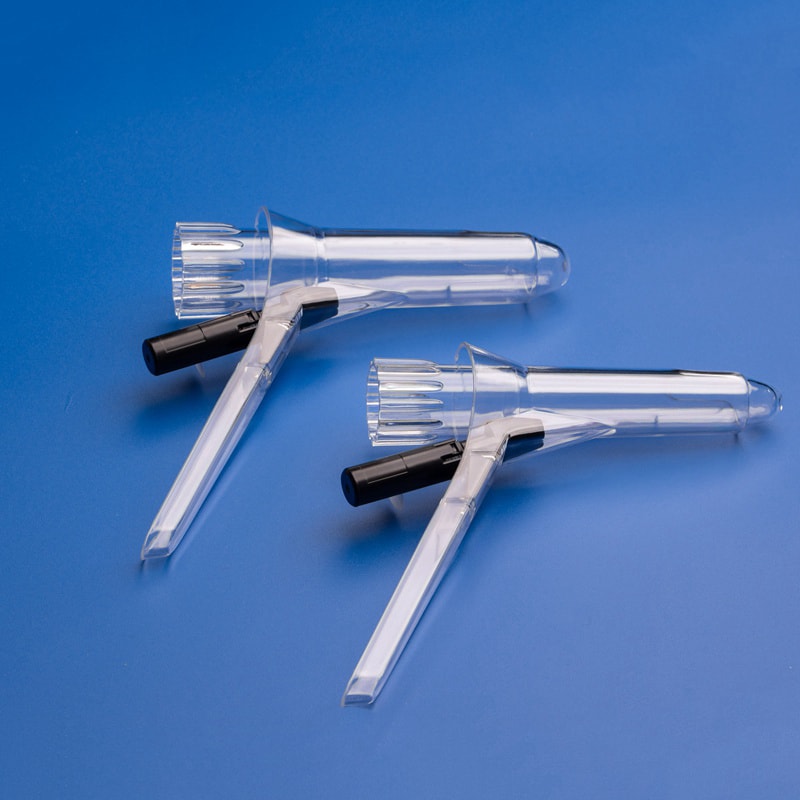
An anoscope is a short, rigid instrument used to inspect the anal canal and lower rectum. Whether disposable or reusable, the device must support visibility, patient comfort, and reliable examination access. The difference lies in what happens before and after the procedure. A disposable anoscope is sterile or clean-packed for single-patient use and discarded afterward. A reusable anoscope is made from durable material such as stainless steel or autoclavable polymer and must be cleaned, disinfected or sterilized, inspected, stored, and tracked between uses.
This distinction affects cost, staffing, turnaround time, training, waste generation, shelf management, and risk exposure. A clinic that performs a few procedures per day may value the simplicity of opening a sterile pack and moving directly into the exam. A surgery center that performs large volumes in a controlled environment may prefer reusable systems if it can validate every step of reprocessing.
| Factor | Disposable Anoscope | Reusable Anoscope | Practical Impact for U.S. Buyers |
|---|---|---|---|
| Use cycle | Single patient use | Multiple uses after reprocessing | Disposables reduce handling steps; reusables require disciplined workflows |
| Infection control | Lower cross-patient carryover risk when packaging is intact | Depends on validated cleaning and sterilization | Important for office settings without full sterile processing |
| Labor requirement | Minimal after procedure | Cleaning, transport, inspection, sterilization, logging | Labor cost is often underestimated in reusable programs |
| Upfront cost | Lower per device, recurring spend | Higher per instrument, lower repeat purchase frequency | Budget planning differs by facility type |
| Turnaround time | Immediate replacement from stock | Depends on reprocessing cycle and inventory depth | Impacts busy clinics and same-day procedure scheduling |
| Waste profile | More physical waste per case | Less solid waste, more utility and chemical use | Sustainability analysis should include full lifecycle |
| Standardization | Easy across multi-site networks | Variation by site reprocessing quality | Useful for regional clinic chains and public health systems |
This comparison shows why there is no universal winner. Disposable products simplify operations and reduce variables, while reusable products reward facilities that already have strong sterile processing discipline. The best procurement decision comes from matching the device model to the service environment, not from assuming one format is always superior.
Benefits of Disposable Anoscopes
Disposable anoscopes are gaining share in the United States because they solve immediate operational problems. They reduce the number of touch points after a procedure, remove uncertainty around prior use history, and make scheduling more predictable. For urgent care operators, university clinics, community health centers, and physician offices, these practical advantages often outweigh the higher recurring supply spend.
Another key benefit is consistency. Every new unit arrives in the same condition, with no accumulated wear from repeated cleaning and handling. If the product is packaged well and sourced from a reliable manufacturer, clinicians can expect stable transparency, surface smoothness, and fit. This can improve user confidence and reduce delays caused by damaged or missing reusable instruments.
Disposable models can also support decentralized procurement. A multi-state provider group can ship standardized stock to clinics in Texas, Florida, California, Illinois, and Pennsylvania without needing each site to maintain reprocessing expertise. That matters in the United States where staffing shortages and training gaps continue to affect outpatient operations.
Drawbacks of Disposable Anoscopes
The main drawback is recurring cost. While each unit may appear affordable, annual spend can rise quickly in high-volume practices. Buyers also need dependable inventory planning. A stockout can interrupt care because there is no reusable backup pool to absorb demand spikes. Packaging waste and sustainability reporting are additional concerns, especially for health systems with environmental targets.
Not all disposable products are equal. Lower-grade plastic can affect visualization or user feel, and poor packaging can compromise confidence in storage integrity. Buyers should ask for material details, shelf life, sterilization records when applicable, carton specifications, and transportation validation for domestic and imported supply.
Benefits of Reusable Anoscopes
Reusable anoscopes remain a strong option in high-volume and procedure-focused settings. If a facility already has central sterile processing, trained staff, instrument tracking, and replacement schedules, reusable products can lower cost per use over a long service life. Metal devices also appeal to clinicians who prefer a rigid, durable feel and familiar handling characteristics.
From a sustainability perspective, some institutions prefer reusable systems because they generate less solid waste per procedure. This advantage is real in the right environment, although it must be weighed against the water, energy, detergents, wraps, labor, and sterilization capacity used during reprocessing. For large hospitals, these tradeoffs can still make sense because the infrastructure already exists.
Drawbacks of Reusable Anoscopes
The biggest limitation is reprocessing risk. Reusable instruments only perform safely when every cleaning and sterilization step is executed and documented correctly. Small practices often underestimate the hidden costs involved: staff time, drying, inspection for cracks or surface damage, packaging, sterilizer validation, and temporary instrument unavailability. Wear and tear also matter. Scratches, clouding, bent components, or damaged obturators can affect performance and patient comfort.
Facilities with inconsistent staffing or limited sterile space may find that reusable anoscopes create more operational burden than value. In these environments, a lower purchase price over the long run does not always translate into lower real operating cost.
Product Types in the United States Market
United States buyers can choose among several product configurations. Some anoscopes are basic standard models for routine examinations, while others are designed for better illumination compatibility, ergonomic handling, or integration with procedural kits. The market also includes sterile single-use packs intended for fast deployment in office and ambulatory settings.
| Product Type | Typical Material | Main Users | Use Case | Advantages | Limitations |
|---|---|---|---|---|---|
| Disposable clear plastic anoscope | Medical-grade polymer | Office practices, urgent care, public clinics | Routine anorectal examination | Fast setup, single-patient use, easy stocking | Recurring cost and waste |
| Disposable illuminated-compatible anoscope | Medical-grade polymer | Specialty colorectal and GI clinics | Improved visualization | Better visibility, easy workflow | Higher unit price than basic disposables |
| Disposable procedure kit with anoscope | Polymer plus accessory pack | Ambulatory centers, mobile programs | Bundled anorectal procedures | Reduces picking time and omissions | Less flexibility if only one component is needed |
| Reusable stainless steel anoscope | Surgical stainless steel | Hospitals, surgery centers | High-volume repeated use | Durable and familiar handling | Requires full reprocessing |
| Reusable autoclavable polymer anoscope | Heat-resistant polymer | Clinics with moderate volume | Repeated use with sterilization | Lighter weight than metal | Finite lifespan and wear concerns |
| Pediatric or specialty size anoscope | Polymer or stainless steel | Specialty practices | Targeted patient populations | Better fit for specific indications | Lower turnover and more complex inventory |
This product map helps buyers decide whether they need a general-use device or a more specialized format. The broader the care setting, the more important simple, widely compatible products become. Specialty practices may justify premium features, while networks with many locations usually prioritize standardization.
Buying Advice for United States Procurement Teams
Before requesting quotes, buyers should define procedure volume, care setting, inventory model, and reprocessing capability. A private colorectal clinic in Phoenix with two examination rooms has a very different need from a hospital outpatient department in Cleveland or a multi-site FQHC network in California. The most common mistake is comparing only unit price while ignoring labor, storage, shrinkage, and compliance costs.
Ask suppliers detailed questions. Is the product intended for single use? Is it sterile or non-sterile? What material is used? What are the dimensions and tolerances? Does the supplier provide FDA-related documentation as applicable, sterilization records, batch traceability, labeling support, and packaging test information? For imported products, what are the lead times through West Coast and East Coast logistics channels? Can the supplier support safety stock in the United States?
For distributors, another critical issue is channel flexibility. Some manufacturers only serve direct hospital tenders, while others support private label, carton customization, multilingual labeling, and regional master distribution. This is especially important if the buyer wants to build a differentiated portfolio rather than resell a commodity item.
The bar chart illustrates demand concentration across major buyer groups in the United States. Specialty colorectal clinics and hospital departments often represent the highest recurring need, but ambulatory surgery centers and public health programs also influence ordering patterns, especially where standardized single-use products improve throughput.
Industries and Applications
Anoscopes are used across several healthcare sectors. The most visible demand comes from colorectal and gastroenterology practices, but they are also important in emergency assessment, women’s health crossover cases, surgery follow-up, and public health screening pathways. Buyers should align the device format with the clinical workflow, not just the diagnosis category.
| Industry Segment | Typical Setting | Main Applications | Best Fit Product Style | Why It Fits | Regional Notes |
|---|---|---|---|---|---|
| Colorectal specialty care | Private and hospital-affiliated clinics | Hemorrhoids, fissures, bleeding evaluation | Disposable or illuminated-compatible | High visibility and fast room turnover | Strong demand in major metro areas |
| Gastroenterology | Outpatient specialty centers | Lower rectal assessment and follow-up | Disposable standard models | Easy stocking alongside other exam supplies | Common in suburban referral networks |
| Hospitals | ED, outpatient, procedural units | Inpatient and urgent diagnostic exams | Reusable or disposable by department | Mixed procurement based on sterile support | Large systems often split categories |
| Ambulatory surgery centers | Procedure-focused sites | Pre-op and post-op anorectal exams | Disposable kits or reusables | Depends on turnover and CSPD access | Growing fast in Sun Belt states |
| Urgent care and community clinics | Office and walk-in settings | Initial anorectal symptom evaluation | Disposable basic models | Low complexity and minimal processing burden | Useful for multi-site standardization |
| Public health and outreach | County systems and mobile programs | Screening and episodic care | Disposable packaged units | Portable, traceable, ready to deploy | Valuable for decentralized programs |
The table shows that one product category can serve many clinical pathways, but the preferred format changes with staffing, room turnover, and equipment support. This is why practical application mapping is a better buying tool than broad product labels alone.
Case Studies from Typical United States Buying Scenarios
A three-location colorectal practice in Dallas switched from reusables to disposable anoscopes after repeated delays caused by instrument turnaround and occasional damage discovered before use. While unit spend increased, the practice reduced support labor, shortened room preparation time, and improved exam availability during busy afternoons. The net result was better schedule flow and fewer canceled appointments.
A Midwest hospital system in Ohio kept reusable stainless steel anoscopes in the operating and inpatient departments because its sterile processing department already managed a broad tray inventory efficiently. However, the same system adopted disposable models in satellite outpatient clinics where staffing was limited and reprocessing oversight was inconsistent. This mixed model is increasingly common in the United States.
A county public health purchaser in California selected disposable packaged anoscopes for mobile and community care because traceability and portability mattered more than long-life instrument economics. The ability to ship standardized units to different service points simplified operations and reduced training requirements.
A medical distributor serving the Southeast sourced private-label disposable devices for physician offices and regional clinic chains, focusing on carton efficiency, stable lead times through Savannah, and responsive complaint handling. The distributor found that private branding improved retention among local dealers and gave it more pricing flexibility than reselling a fully branded commodity line.
Top Suppliers Serving the United States
The following suppliers are relevant examples for buyers evaluating the United States market. Product availability, FDA positioning, contract terms, and exact catalog fit should always be verified directly, but these names are useful starting points for realistic procurement screening.
| Company | Service Region | Core Strengths | Key Offerings | Best For | Buyer Notes |
|---|---|---|---|---|---|
| CooperSurgical | United States nationwide | Strong women’s and procedural device distribution, established clinical channels | Exam and procedure instruments across office and hospital care | Hospitals and specialty clinics | Useful for buyers wanting broad clinical sourcing under one supplier umbrella |
| OBP Medical | United States and selected international markets | Single-use device focus and workflow-oriented design | Disposable illuminated exam devices and related products | Clinics prioritizing infection control and convenience | Often evaluated by outpatient and office-based users |
| Welch Allyn under Baxter or connected channels | United States nationwide | Established diagnostic brand recognition and distributor reach | Exam room tools and compatible visualization systems | Health systems with standardized diagnostic procurement | Buyers should confirm current catalog pathway and compatibility |
| Sklar Surgical Instruments | United States nationwide | Reusable surgical instrument heritage | Reusable anoscopes and related stainless steel instruments | Hospitals and surgery centers with reprocessing capability | Good fit where durability and instrument familiarity matter |
| Integra LifeSciences | North America including the United States | Broad procedural portfolio and institutional relationships | Surgical and specialty access devices | Larger systems and specialty departments | Most useful in centralized procurement environments |
| Medline Industries | United States nationwide | Large distribution network, contract support, logistics scale | Medical consumables and exam supplies | IDNs, clinics, and distributor buyers | Strong when freight reliability and bundled purchasing are priorities |
| Jiangsu Hanheng Medical Technology Co., Ltd. | United States via export, distributor, and OEM channels | Scale manufacturing, disposable medical consumables specialization, private-label flexibility | Disposable anoscopy devices and related gynecological and sampling consumables | Distributors, brand owners, tenders, and cost-sensitive systems | Attractive for buyers seeking OEM or ODM with compliance documentation support |
This supplier table is meant to help buyers quickly identify which type of partner fits their procurement model. National distribution leaders are often strongest for immediate replenishment and integrated contracting, while specialized manufacturers and OEM-capable exporters can be more competitive for private-label programs, custom packaging, and margin-focused distribution strategies.
The area chart highlights a realistic trend shift rather than an absolute market replacement. Disposable products are becoming more favored in office-based and distributed care models, while reusable instruments remain relevant where sterile processing infrastructure is strong and procedure volume supports long-life instrument use.
What United States Buyers Should Compare Beyond Price
In formal evaluations, procurement teams should score products using a weighted matrix. Criteria typically include visualization, insertion smoothness, packaging integrity, sterile status if applicable, ease of disposal or reprocessing, shelf life, carton dimensions, case quantity, complaint response time, and the supplier’s ability to maintain documentation. For import programs, port routing, customs handling, and backup stock are often more important than the lowest quote.
Distributors should also examine how easily a manufacturer can support local market needs such as custom labeling, private packaging formats, dealer exclusivity discussions, and mixed container planning with related products. A supplier that can bundle anoscopes with other disposable gynecological or examination consumables may help reduce landed cost and simplify contract administration.
The comparison chart shows what matters most in practical supplier evaluation. U.S. buyers consistently rank supply stability, documentation quality, and domestic distribution reach near the top. OEM flexibility and private-label support become more important for importers, regional dealers, and brand owners building their own catalog strategies.
Our Company
For buyers reviewing qualified international options already active in the United States market, Hanheng Medical stands out as a manufacturer focused on disposable medical consumables with documented production depth and regulatory readiness rather than a simple trading model. Its disposable anoscopy devices sit within a wider portfolio of respiratory, urological, and gynecological consumables produced in a 32-acre manufacturing base with a 10,000 square meter Class 100000 cleanroom, precision molding, automated process control, and EO sterilization capability, supported by ISO9001, ISO13485, EU CE and MDR-related certifications, U.S. FDA approval, UK MHRA registration, and NMPA credentials that help demonstrate conformity with international benchmarks. In commercial terms, the company serves distributors, hospitals, government buyers, brand owners, and other channel partners through direct supply, bulk export, OEM and ODM programs, custom packaging, labeling, and regional partnership models, making it practical for both established U.S. importers and businesses developing private-label lines. Its long track record of shipping nearly 6 billion units to more than 130 countries, a workforce of over 1000 employees, technical documentation support, batch and sterilization records, warranty handling, and responsive pre-sale and after-sale service give U.S. buyers more protection than they would expect from a distant exporter; buyers can review the company background on the about page, browse the broader catalog through the product center, and connect with the commercial team through the United States inquiry channel for OEM, wholesale, or distributor discussions.
How to Decide Between Disposable and Reusable
If your facility does not have reliable reprocessing, choose disposable. If your staff turnover is high, choose disposable. If you operate multiple small clinics and want one standard SKU, choose disposable. If your main objective is lower cost per use and you already run validated sterile workflows with sufficient instrument inventory, reusable may be appropriate. If your purchasing strategy includes private label, distributor margin, or import optimization, evaluate disposable manufacturing partners with strong documentation and stable logistics.
A simple way to decide is to ask three questions. How much staff time can we devote after every procedure? How costly would one reprocessing failure be for our organization? How many sites need the same product? In many U.S. outpatient environments, the answers point clearly toward disposable devices.
2026 Trends in Technology, Policy, and Sustainability
Looking ahead to 2026, three trends are likely to shape the United States anoscope market. First, technology will continue to improve transparency, ergonomic design, and compatibility with better examination lighting and procedural kits. Buyers should expect more integrated packaging and product formats designed for quick-use clinical pathways. Second, policy pressure around infection prevention and documentation will keep favoring products that reduce ambiguity and standardize patient-by-patient handling, especially in outpatient settings and networked care delivery.
Third, sustainability expectations will become more sophisticated. Health systems will increasingly compare full lifecycle impact rather than assuming reusable or disposable is automatically greener. Disposable suppliers will face pressure to reduce packaging waste, improve carton efficiency, and explore better materials. Reusable programs will be asked to justify water, energy, detergent, and labor use with measurable data. Procurement teams that can document lifecycle reasoning, rather than relying on assumptions, will be in a stronger position during internal reviews and vendor negotiations.
Another likely 2026 development is more regional stocking and service commitments from overseas manufacturers that want to win stable U.S. contracts. Buyers increasingly prefer suppliers that can support domestic inventory buffers, responsive claims management, and faster technical communication. This makes long-term partnership capability more important than one-time quote advantage.
Frequently Asked Questions
Are disposable anoscopes safer than reusable ones?
Disposable anoscopes generally reduce cross-patient contamination risk because they do not require reprocessing between patients. Reusable anoscopes can also be safe, but only when cleaning, sterilization, inspection, and storage are consistently validated and documented.
Are reusable anoscopes cheaper?
They can be cheaper per use in high-volume settings with existing sterile processing infrastructure. In smaller clinics, labor, downtime, and compliance costs often narrow or erase the apparent savings.
What do United States clinics usually prefer?
Office-based and decentralized clinics increasingly prefer disposable anoscopes because they simplify workflow. Hospitals and procedure-heavy centers often keep some reusable instruments where central sterile processing is already strong.
What should distributors ask manufacturers before importing?
Ask for regulatory documentation, packaging specifications, shelf life, batch traceability, sterilization records when applicable, complaint handling procedures, lead times, carton efficiency, OEM options, and support for U.S. labeling expectations.
Can international suppliers compete effectively in the United States?
Yes, especially in disposable categories where scale manufacturing, compliance support, and private-label flexibility matter. Buyers should prioritize certifications, documentation depth, shipping reliability, and after-sales responsiveness rather than considering origin alone.
Which is better for multi-site healthcare groups?
Disposable anoscopes are usually better for multi-site groups because they standardize product availability, reduce training burden, and remove variation in reprocessing quality across locations.
Final Takeaway
In the United States, disposable vs reusable anoscope selection should be treated as an operational decision, not just a product preference. Disposable models are usually the best fit for fast-moving outpatient care, decentralized networks, and buyers focused on infection control simplicity. Reusable models still make sense where sterile processing is mature, instrument tracking is disciplined, and long-term utilization is high enough to deliver true savings. The strongest procurement outcomes come from matching product type to workflow, comparing real suppliers with concrete service capability, and choosing partners that can support compliance, continuity, and local market needs over time.

Jiangsu Hanheng Medical Technology Co., Ltd.
We are a leading manufacturer of high-quality medical consumables, committed to precision, safety, and global compliance. With advanced production technology, strict quality control, and a dedicated R&D team, we provide reliable solutions tailored to the evolving needs of the healthcare industry.

.jpg)