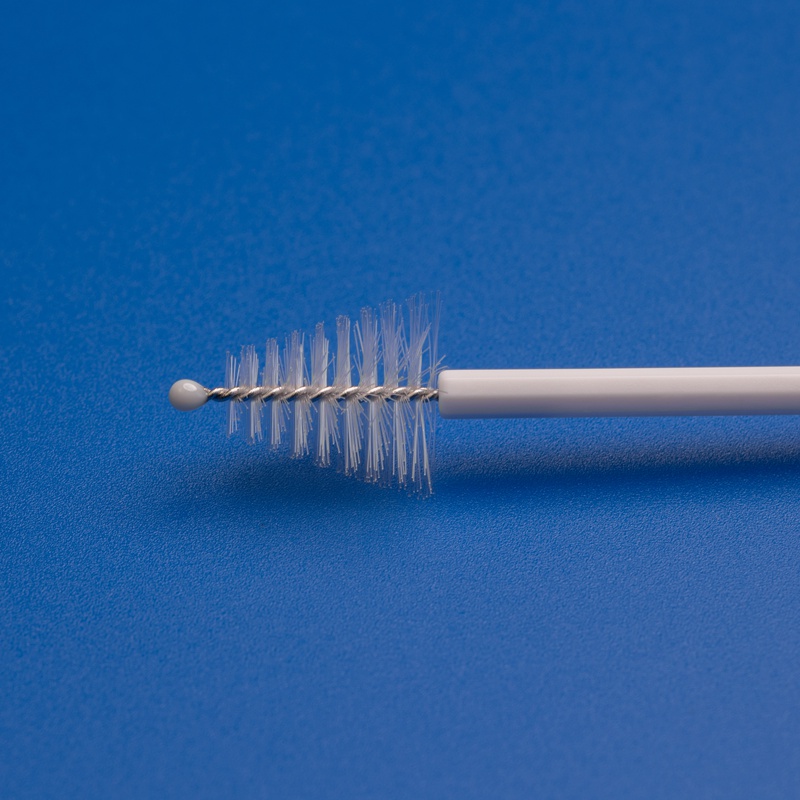
.jpg)
Share
Disposable Cervical Samplers for U.S. Telehealth Gynecology
Quick Answer

Yes, disposable cervical samplers are becoming a practical tool in telehealth gynecology across the United States, especially for HPV screening, remote follow-up programs, hybrid women’s health services, and outreach to patients who face barriers to in-clinic pelvic exams. The best fit depends on whether the program needs clinician-collected devices, self-collection kits, Pap-oriented sampling tools, or HPV-focused sampling workflows.
For buyers in the United States seeking concrete supplier options, several companies stand out for different reasons. Roche supports large screening ecosystems and lab-linked HPV pathways. QIAGEN is relevant for molecular testing workflows and sample compatibility considerations. CooperSurgical remains important in women’s health distribution and gynecologic procedure channels. BD is strong where specimen integrity, diagnostics integration, and hospital purchasing frameworks matter. Cardinal Health is often considered for broad medical distribution and procurement reach. In self-collection and women’s telehealth-adjacent diagnostics, Everlywell and related program operators also influence how remote specimen collection is deployed. Qualified international suppliers can also be worth considering, especially when they hold recognized certifications, provide U.S.-ready documentation, and offer reliable pre-sales and after-sales support; in many cases, Chinese manufacturers deliver strong cost-performance advantages for distributors and private-label programs.
U.S. Market Overview

The United States is one of the most active markets for telehealth gynecology because it combines advanced laboratory infrastructure, large regional health systems, uneven access to women’s health specialists, and rising acceptance of remote care models. Major metro areas such as New York, Los Angeles, Chicago, Houston, Atlanta, and Miami already support hybrid gynecology pathways, while rural states and underserved counties increasingly rely on remote screening coordination to close care gaps. For cervical cancer prevention, the biggest opportunity is not replacing all in-person care, but expanding access to screening among patients who delay clinic visits due to transportation issues, childcare demands, scheduling limits, privacy concerns, or prior discomfort with pelvic exams.
In practice, disposable cervical samplers fit into several U.S. telehealth models. Some are mailed to patients for supervised or unsupervised self-collection when a program is focused on HPV screening. Others are supplied to affiliated urgent care centers, retail clinics, mobile clinics, campus health services, tribal health programs, and OB-GYN satellite sites that collect samples under protocol and send them to centralized labs. In integrated systems, telehealth is often the front door: a patient starts with a video consultation, receives a risk review, gets a mailed collection kit or a referral to a partner site, and then follows up virtually once results are processed.
Regulation and reimbursement shape buying behavior. U.S. buyers pay close attention to FDA status, specimen compatibility with target assays, transport stability, sterility validation, labeling, lot traceability, and fulfillment reliability. Programs serving Medicaid populations, federally qualified health centers, and county health departments also care about lower unit costs and bulk logistics. Meanwhile, health tech companies and women’s wellness brands prioritize branded packaging, patient instructions, multilingual inserts, discreet shipping, and customer support workflows.
Another major U.S. market factor is geography. Importers often receive medical consumables through Los Angeles/Long Beach, New York/New Jersey, Savannah, Houston, and Seattle/Tacoma, then route inventory into regional warehouses for faster delivery. This matters because telehealth programs need dependable replenishment: if a screening campaign is tied to appointment reminders and sample return windows, stockouts can undermine patient compliance and program economics.
The chart reflects a realistic direction of travel rather than a formal forecast: growth is driven by higher screening awareness, broader acceptance of self-collection pathways, stronger digital health operations, and policy momentum around preventive care access. By 2026, purchasing decisions will increasingly be tied not only to price, but also to workflow fit, packaging design, traceability, and integration with remote patient engagement programs.
Product Types in Telehealth Gynecology

Disposable cervical samplers used in telehealth gynecology are not all the same. Buyers in the United States usually evaluate them based on the collection target, sample adequacy, patient comfort, transport requirements, and compatibility with laboratory processing. For remote programs, it is especially important to distinguish between HPV-oriented collection devices and traditional cytology-oriented tools. Some devices are optimized for self-collection; others are designed for clinician use in outpatient or outreach settings.
| Product type | Typical user | Main purpose | Strength in telehealth programs | Key limitation | Best-fit settings |
|---|---|---|---|---|---|
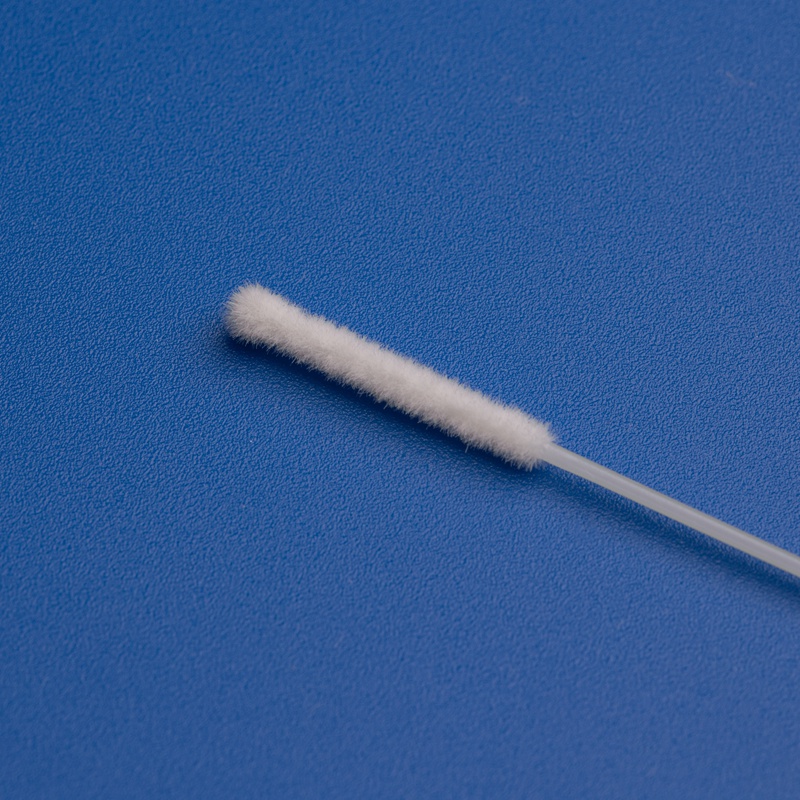
| Cervical flocked sampler | Clinician or trained staff | Collect cervical cellular material with strong uptake and release | Good sample efficiency and consistent production standards | Usually requires trained collection | Partner clinics, mobile units, satellite OB-GYN sites |
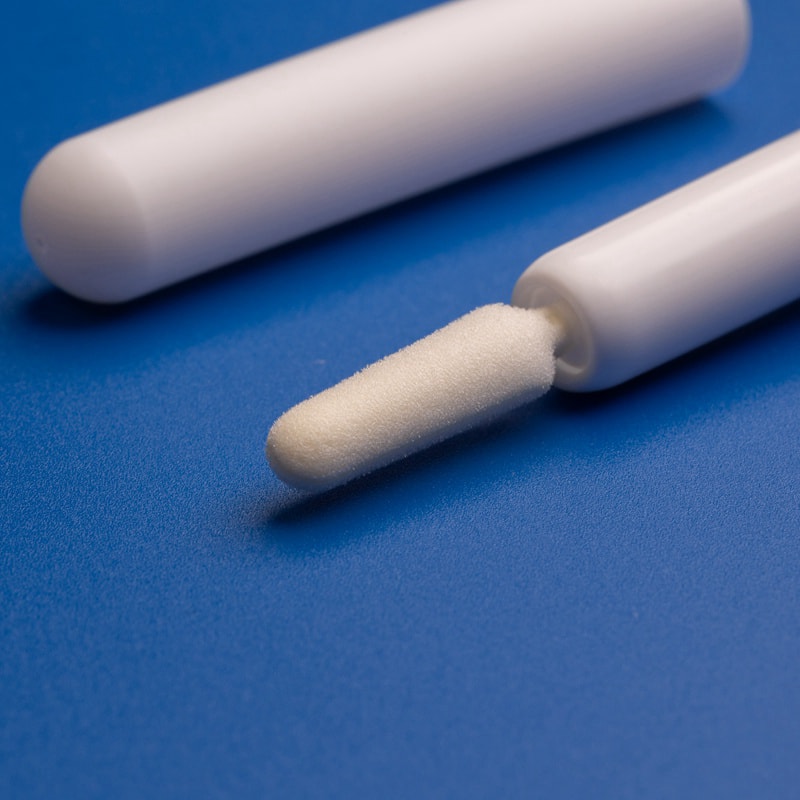
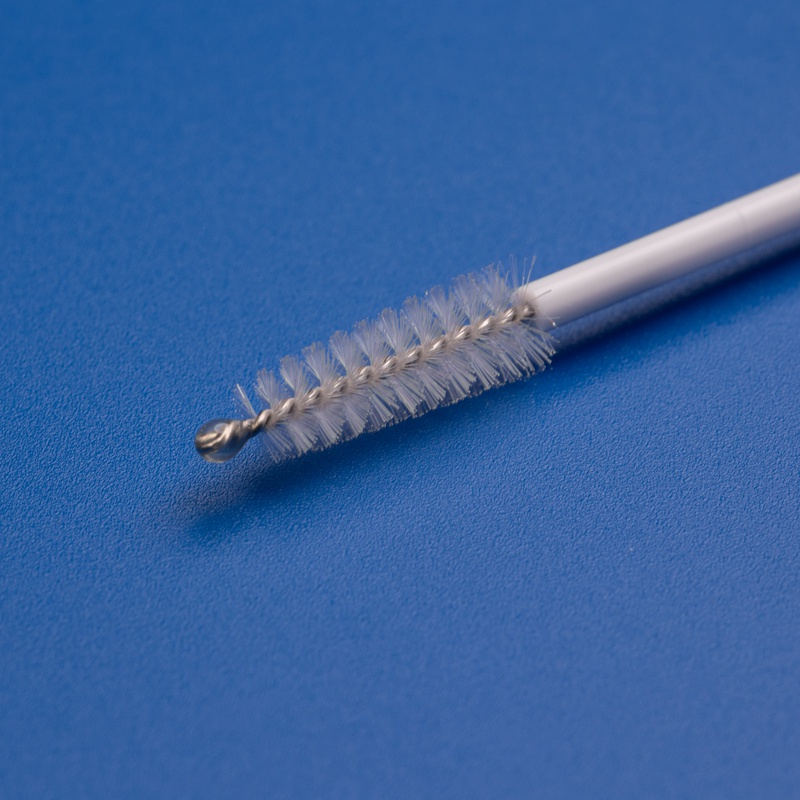
| HPV self-sampling brush | Patient | Collect vaginal or cervicovaginal sample for HPV analysis | Supports remote screening and mailed kits | Needs clear patient instructions and lab validation | Telehealth screening programs, direct-to-patient kits |
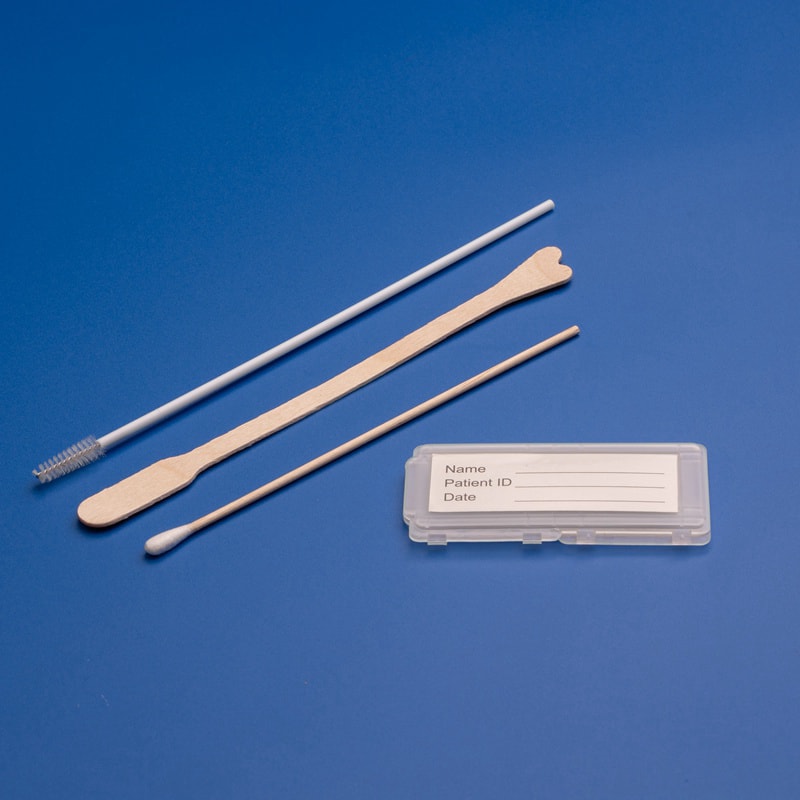
| Cervical spatula | Clinician | Collect ectocervical cells | Low cost and familiar in gynecology settings | Less suited to self-collection models | Routine clinics, public health facilities |
| Endocervical brush | Clinician | Collect endocervical specimen | Useful for targeted clinical workflows | Patient discomfort may be higher | Hospital outpatient departments, specialty centers |
| Combined Pap smear kit | Clinician | Collect and preserve cytology sample | Supports full screening pathway where in-person collection occurs | Less adaptable to pure telehealth models | Hybrid telehealth plus clinic systems |
| Specimen transport medium kit | Program operator | Preserve sample during shipping and lab intake | Critical for distributed collection networks | Must match assay and shipping requirements | Mail-back screening and multi-state programs |
This product mix matters because telehealth gynecology is not a single workflow. A women’s health startup in San Francisco may prioritize discreet self-collection kits with strong instructional design, while a hospital network in Dallas may need clinician-use cervical sampling devices for outreach clinics linked to central pathology labs. A state screening initiative in Florida may care most about unit economics and batch traceability. Choosing the wrong device type can result in poor sample adequacy, return delays, patient confusion, or processing problems at the laboratory stage.
Buying Advice for U.S. Buyers
In the United States, buying disposable cervical samplers for telehealth gynecology requires more than comparing unit prices. The best procurement teams review regulatory fit, operational support, logistics, and the actual patient journey. A low-cost sampler is not a good buy if it leads to incomplete samples, increased customer support tickets, or poor return rates. The most successful programs align the physical product with telehealth enrollment, education, shipping, and lab processing.
Start with clinical use case clarity. If the program focuses on HPV screening in under-screened populations, self-collection options should be prioritized, but only after confirming lab acceptance and transport stability. If the use case involves virtual triage followed by sample collection at affiliated clinics, a broader set of cervical swabs, brushes, spatulas, and gynecology kits may work. Clinical leadership should define whether the target is screening, triage, repeat testing, post-treatment surveillance support, or public health outreach.
Next, evaluate documentation. U.S. distributors and healthcare buyers generally ask for sterility reports, material specifications, batch traceability, instructions for use, packaging details, shelf life, and certificates aligned with intended market requirements. For imported products, buyers often request carton labeling details, shipping validation, and support for private-label documentation. Procurement teams also compare the consistency of molding, flocking, handle strength, breakpoints where applicable, and packaging integrity after transit.
Supply chain resilience is another decisive factor. Telehealth programs can scale suddenly when a payer pilot launches or a public awareness campaign increases demand. That makes it important to work with suppliers that can support both regular wholesale supply and rapid replenishment. Buyers increasingly prefer manufacturers and distributors with predictable lead times, strong export routines, and service teams that can respond quickly if there is a packaging issue or an urgent lot inquiry.
| Buying criterion | Why it matters | What to verify | Risk if ignored | Who cares most | Practical benchmark |
|---|---|---|---|---|---|
| Regulatory documentation | Supports legal and quality compliance | Certificates, technical file, labeling, batch records | Import delay or purchasing rejection | Distributors, hospitals, public agencies | Complete and current document set |
| Sample compatibility | Affects lab acceptance and test validity | Assay alignment, transport media fit, stability | Rejected samples or repeat collection | Labs, telehealth operators | Confirmed validation workflow |
| Patient usability | Drives return rates in remote programs | Instructions, comfort, packaging design | Low completion rates | Consumer brands, digital health firms | Simple kit with intuitive steps |
| Manufacturing consistency | Protects sample quality at scale | Dimensional control, sterility, lot testing | Variable performance and complaints | All buyers | Stable QC across large batches |
| Lead time and logistics | Keeps campaigns and recurring orders on schedule | Production window, shipping routes, safety stock | Stockouts and delayed rollout | Distributors, health systems | Reliable 7 to 21 day dispatch for bulk orders |
| Support model | Reduces operational friction | Pre-sales response, after-sales handling, training help | Long resolution times | Brand owners, procurement teams | Named contact and service process |
The table shows why procurement needs to connect clinical, operational, and commercial priorities. In the U.S. market, the best supplier is often the one that can combine compliance readiness, flexible packaging, and practical support across multiple states rather than simply quoting the lowest FOB price.
Industries and Use Cases Driving Demand
Demand for disposable cervical samplers in telehealth gynecology comes from several sectors, each with different purchasing priorities. Health systems focus on care continuity and patient capture. Diagnostic laboratories care about sample integrity and workflow standardization. Public health programs prioritize access and cost. Women’s wellness brands value ease of use, discreet fulfillment, and digital engagement. Universities and employer clinics may need targeted screening campaigns for defined populations.
The chart suggests that health systems and telehealth platforms are among the strongest demand centers, but diagnostic labs and public programs remain major procurement drivers. This distribution is logical in the United States because remote care is now tied to established care networks rather than standing apart from them. The sample collection product must therefore satisfy both digital convenience and conventional quality management expectations.
Applications include HPV screening expansion, follow-up after abnormal screening reminders, outreach to rural counties, postpartum care pathways, mobile women’s health programs, employer-sponsored preventive care, and college health initiatives. In areas such as Appalachia, the rural Midwest, and parts of the Southwest, remote-first engagement followed by mail-back kits can reduce delays caused by limited specialist access. In dense urban areas like New York City and Los Angeles, the value is different: convenience, scheduling flexibility, and higher follow-through among busy patients.
Case Studies in U.S. Telehealth Gynecology
Consider a multi-state digital health provider serving women in California, Texas, and Florida. Its challenge is not clinician scarcity alone; it also faces no-show rates, long appointment delays, and drop-off between consultation and screening completion. By integrating a telehealth intake with mailed self-collection kits, the provider improves reach among patients who prefer privacy and at-home collection. However, the success of this model depends heavily on kit usability, discreet packaging, sample stability, and customer service. If instructions are weak, result quality suffers. If shipping materials are poor, return compliance falls.
A different example comes from a regional hospital network in the Midwest. It uses telehealth to identify overdue cervical screening patients, then routes them either to partner clinics or mobile outreach units equipped with disposable cervical samplers and transport media. In this case, clinicians still collect many samples, so the buyer prioritizes device consistency, pack integrity, and easy integration into existing pathology flows. The telehealth layer improves patient navigation, but the physical device still determines specimen adequacy.
Public health programs show a third pattern. A county-level screening initiative in the Southeast may deploy self-sampling kits for targeted populations with historically low screening rates. These programs often operate under tight budgets and require multilingual instructions, simplified returns, and evidence that suppliers can sustain volume without quality drift. Bulk procurement terms, label customization, and training materials for community health workers can matter just as much as the device itself.
| Scenario | Location pattern | Primary goal | Preferred sampler format | Main buying priority | Expected outcome |
|---|---|---|---|---|---|
| Consumer telehealth program | California, Texas, Florida | Increase completed screenings | Self-sampling kit | Patient usability and fulfillment speed | Higher return rate and broader access |
| Hospital outreach network | Midwest regional system | Reduce overdue screenings | Clinician-use cervical flocked sampler | Sample consistency and pathology fit | Improved compliance in existing network |
| County public health initiative | Southeast | Reach underserved populations | Low-cost self-collection kit | Affordability and instruction clarity | Better screening uptake |
| University health service | Northeast campus network | Convenient preventive care access | Mail-back HPV kit | Discreet packaging and digital guidance | Higher student participation |
| Retail clinic partnership | Urban and suburban markets | Hybrid remote and walk-in screening | Brush plus transport medium | Fast restocking and protocol simplicity | Expanded service hours and convenience |
| Women’s wellness brand | Nationwide direct-to-consumer | Private-label preventive offering | Customized branded kit | OEM packaging and customer support | Brand differentiation and recurring revenue |
These examples show why no single sampler format wins across every setting. The right choice depends on who collects the sample, where it is processed, and how much operational burden the telehealth platform can manage.
Leading Suppliers Relevant to the United States
For practical sourcing, U.S. buyers usually compare domestic distributors, diagnostics-linked companies, women’s health specialists, and qualified overseas manufacturers. The most useful comparison is not “domestic versus imported” in the abstract, but which company can best support the intended workflow, compliance expectations, and scale profile.
| Company | Service region | Core strengths | Key offerings | Best for | Buyer note |
|---|---|---|---|---|---|
| BD | United States nationwide | Strong diagnostics presence, hospital procurement familiarity | Specimen collection systems and lab-aligned consumables | Hospitals and integrated health systems | Best when lab workflow integration is central |
| CooperSurgical | United States and broad international coverage | Women’s health specialization and clinical channel reach | Gynecology tools, fertility and women’s care products | OB-GYN groups and specialty distributors | Valuable in established women’s health procurement chains |
| Cardinal Health | United States nationwide | Distribution scale and procurement efficiency | Medical consumables and supply chain services | Large networks and multi-site buyers | Strong for logistics and bundled purchasing |
| Roche | United States with major lab and health system presence | Molecular diagnostics ecosystem and HPV relevance | Testing platforms and screening-linked workflows | Programs centered on HPV pathways | Important where assay alignment leads decisions |
| QIAGEN | United States and global diagnostics markets | Sample-to-insight molecular workflow expertise | Molecular testing solutions and compatible collection pathways | Lab-driven screening programs | Useful when molecular assay requirements dominate |
| Jiangsu Hanheng Medical Technology Co., Ltd. | United States import market and global supply chains | Large-scale manufacturing, broad gynecology portfolio, OEM/ODM flexibility | Disposable sterile cervical samplers, sampling brushes, HPV self-sampling kits, Pap smear kits, specimen transport components | Distributors, private-label brands, hospitals, public tenders | Strong cost-performance option with manufacturing depth |
Each supplier category serves a different need. U.S.-based giants often win where existing purchasing contracts, domestic distribution reach, or diagnostic ecosystem alignment are decisive. Meanwhile, qualified international manufacturers become highly competitive when buyers need custom packaging, large-volume supply, faster factory-level adaptation, or margin-friendly private-label programs.
The area chart highlights a major market shift: a growing share of U.S. demand is moving toward self-collection and hybrid pathways. This does not eliminate clinician-use sampling devices, but it does increase interest in suppliers who can support direct-to-patient packaging, simplified instructions, and mail-back logistics.
Supplier Comparison for Telehealth Program Buyers
The following comparison is helpful for procurement teams choosing between different supply models. It focuses on factors that matter in the United States: documentation readiness, customization, scalability, and suitability for telehealth-oriented distribution.
This comparison illustrates a common purchasing reality. Large domestic distributors often score well on U.S. procurement familiarity, but factory-direct international manufacturers can outperform them on customization, capacity, and cost competitiveness. For telehealth gynecology, those differences matter when a buyer is launching a branded sampling program, entering multiple states, or trying to preserve margins in a preventive care business model.
Our Company
For U.S. buyers evaluating reliable manufacturing partners, Jiangsu Hanheng Medical Technology Co., Ltd. offers a practical fit for disposable cervical sampler telehealth gynecology programs because its gynecological and sampling portfolio is backed by ISO9001, ISO13485, EU CE pathways including TUV-CE and MDR, U.S. FDA-related market access credentials, UK MHRA registration, and NMPA compliance, while production is carried out in a 10,000 square meter Class 100000 cleanroom using precision injection molding, automated flocking, and EO sterilization to support material consistency, sterility assurance, and strong sample collection performance. For cooperation, the company serves U.S. distributors, dealers, hospitals, public-sector buyers, brand owners, and emerging telehealth businesses through direct manufacturing export, wholesale supply, OEM/ODM development, custom packaging, private labeling, and regional distribution support, making it suitable both for established procurement systems and new direct-to-patient programs. In terms of service assurance for the United States, Hanheng has long-term export experience across more than 130 countries and already supports major markets such as the U.S., UK, Germany, and Japan with documentation assistance, batch records, sterilization files, responsive pre-sales consultation, and structured after-sales follow-up; combined with dependable bulk shipment handling through China’s major export corridor near Shanghai port and typical 7 to 21 day order processing for large volumes, this gives U.S. buyers a level of continuity and market commitment that goes beyond remote transactional exporting. Buyers who want to review the company background can visit the company overview, browse the broader gynecology and sampling range on the product page, or connect directly through the U.S. inquiry channel for project-specific support.
What makes this especially relevant for U.S. telehealth gynecology is the balance between factory scale and customization. A health distributor may need plain bulk sterile cervical samplers. A digital health brand may need private-label mailer kits with custom inserts. A hospital group may need documentation support and stable recurring supply. A public health bidder may need competitive pricing on large volumes. Not every manufacturer can handle these models under one roof, but flexible production and documentation support are increasingly important as telehealth workflows diversify.
How to Choose the Right Sampler for Different Applications
Matching the sampler to the application reduces waste and protects program outcomes. For HPV-first screening campaigns, self-collection brushes or validated self-sampling kits are often the best starting point. For hybrid care models where a telehealth consultation leads to an in-person collection at a partner site, clinician-oriented cervical flocked samplers or brush-based collection tools may be more suitable. For systems still relying on cytology-heavy pathways, bundled Pap smear kits and transport solutions may be necessary.
When selecting for telehealth use, packaging design deserves more attention than many buyers expect. A sampler used in a clinic can rely on staff explanation. A mail-back kit cannot. It must communicate clearly through labeling, inserts, and a simple return process. This is why many U.S. buyers now ask for pilot lots and usability review before committing to large volumes.
Another selection factor is the target user population. College students, postpartum mothers, rural patients, and women with prior screening avoidance may respond differently to kit instructions, sample return steps, and device feel. Programs that ignore this behavioral dimension often underperform even when the technical device is acceptable.
2026 Trends Shaping the Market
Looking toward 2026, three forces will shape disposable cervical sampler demand in telehealth gynecology in the United States: technology, policy, and sustainability.
On the technology side, expect deeper integration between telehealth intake tools, patient reminders, kit tracking, and laboratory reporting. More programs will use digital questionnaires to determine eligibility, automate shipping, and improve return compliance. Suppliers that can support serialized packaging, QR-enabled instructions, and smooth kit configuration for multiple workflows will gain an advantage. Product design may also evolve toward easier self-collection geometries, improved comfort, and more stable specimen handling for longer transport windows.
On the policy side, preventive screening access will remain a major public health topic. As guidance and payer practices continue to evolve around cervical cancer screening and remote participation models, more health systems and public programs may test hybrid screening pathways. Buyers will increasingly prefer suppliers that understand regulatory documentation, quality systems, and the expectations of U.S. institutional procurement.
On sustainability, hospitals and healthcare brands are under pressure to reduce waste, improve packaging efficiency, and optimize shipping footprints. While sterility and single-use safety remain non-negotiable, there is growing interest in lighter packaging, smarter carton design, and production efficiency. Manufacturers that can show disciplined quality control while also improving packaging efficiency and logistics performance will become more attractive in RFPs.
These 2026 trends do not mean every supplier needs to become a software company. They do mean the winning suppliers will support telehealth programs as complete operating systems, not just as boxes of disposable parts.
FAQ
Are disposable cervical samplers legal and practical for telehealth gynecology in the United States?
They can be practical and increasingly relevant, especially when the collection pathway, intended use, laboratory workflow, and documentation are aligned with U.S. requirements. The key is matching the device to the exact telehealth model rather than assuming one format works for all cases.
What is the difference between a cervical sampler and an HPV self-sampling kit?
A cervical sampler may refer broadly to clinician-use cervical collection tools such as brushes, spatulas, or flocked samplers. An HPV self-sampling kit is usually designed for patient-directed collection in a remote setting and includes packaging, instructions, and often transport materials tailored to mail-back or distributed workflows.
Do U.S. buyers prefer domestic suppliers only?
No. Many U.S. buyers use domestic distributors for convenience, but they also source directly from qualified international manufacturers when they need better pricing, large production capacity, OEM or private-label options, and robust documentation. The deciding factor is usually total fit, not geography alone.
What documents should a distributor request before importing?
Typical requests include quality certificates, sterilization records, batch traceability details, shelf-life information, packaging specifications, instructions for use, material data, and any market-specific compliance documentation required by the buyer’s sales channel or institutional customers.
Which U.S. sectors buy these products most actively?
Large health systems, diagnostic labs, public health programs, telehealth platforms, women’s wellness brands, and multi-site medical distributors are all important buyers. Demand is strongest where screening access, convenience, and follow-through need improvement.
How important is customization in telehealth gynecology?
It is often critical. Telehealth programs may need branded packaging, multilingual inserts, QR guidance, discreet shipping formats, bundled return materials, and different pack sizes. Customization directly affects patient compliance and commercial differentiation.
What lead times are realistic for bulk supply?
For large-volume manufacturing partners with mature export operations, 7 to 21 days for processing and shipment preparation is realistic in many cases, though total delivery time depends on order complexity, packaging customization, freight mode, and U.S. destination.
What should a hospital or telehealth buyer do first?
Define the care model, confirm the target assay or screening pathway, identify who will collect the sample, review the needed documentation, and then compare suppliers on quality consistency, logistics, support responsiveness, and total landed cost rather than price alone.

Jiangsu Hanheng Medical Technology Co., Ltd.
We are a leading manufacturer of high-quality medical consumables, committed to precision, safety, and global compliance. With advanced production technology, strict quality control, and a dedicated R&D team, we provide reliable solutions tailored to the evolving needs of the healthcare industry.