Share
Cervical Cytology Brush Selection for Postmenopausal Screening in the United States
Quick Answer

For postmenopausal Pap screening in the United States, the best cervical cytology brush is usually a soft-bristled endocervical or combination sampling brush designed to improve cell capture in a smaller, drier, and sometimes stenotic cervical canal while minimizing bleeding and discomfort. Buyers most often compare products from CooperSurgical, MedGyn Products, Puritan Medical Products, Cardinal Health, McKesson, and Olympus for dependable clinical supply channels in the U.S. market. In practical purchasing terms, hospitals and women’s health clinics should prioritize specimen adequacy in older patients, compatibility with liquid-based cytology workflows, sterile packaging, lot traceability, and clinician ease of use. Qualified international suppliers can also be a smart option, especially when they hold U.S.-relevant certifications and provide strong pre-sales and after-sales support; this is where cost-performance-focused manufacturers such as Jiangsu Hanheng Medical Technology can be considered alongside domestic brands for distributor, OEM, and institutional sourcing.
Direct Answer for U.S. Buyers

Postmenopausal cervical screening is different from routine screening in younger patients because the transformation zone often recedes into the endocervical canal, estrogen deficiency can increase tissue fragility, and cervical os narrowing may make aggressive collection tools counterproductive. In the United States, the most suitable cervical cytology brush for these patients is typically one that combines gentle insertion, reliable endocervical access, and high compatibility with ThinPrep or SurePath-style laboratory workflows used by regional reference labs and hospital systems.
For procurement teams in cities such as New York, Chicago, Houston, Los Angeles, Atlanta, and Boston, the most practical decision is not simply choosing the lowest unit price. The better decision is choosing a device that improves the probability of an adequate specimen on the first visit. That matters because repeat sampling increases patient dropout risk, adds scheduling burden, and can delay referral pathways for colposcopy or HPV follow-up. In postmenopausal populations, comfort and adequacy are closely linked; overly rigid or harsh brushes can trigger bleeding, pain, or poor cooperation during repeat care.
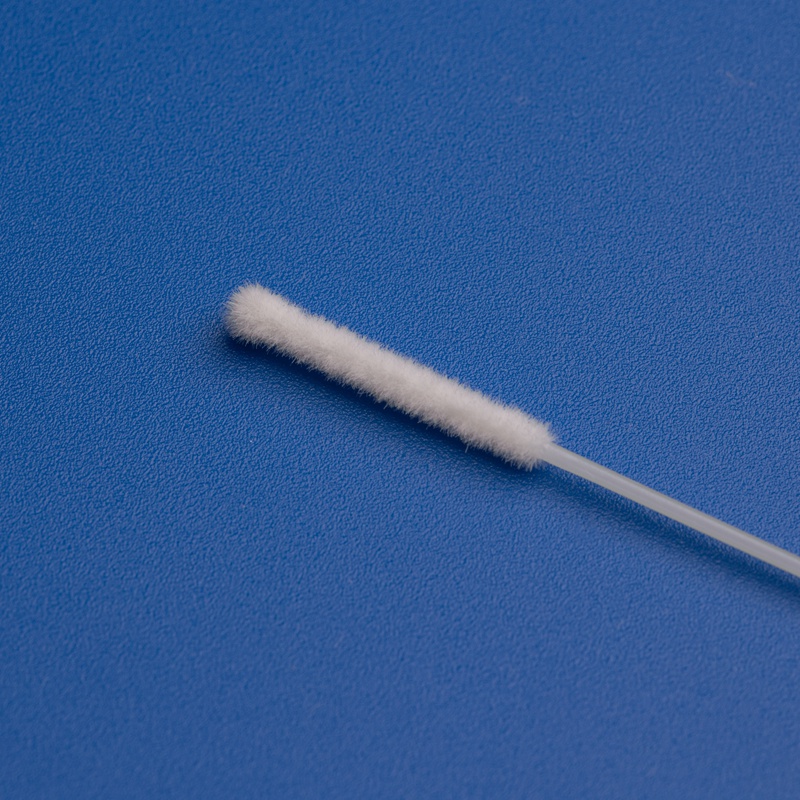
In clinical use, a well-designed cervical cytology brush for postmenopausal screening should offer a narrow profile, consistent nylon or flocked bristle geometry, a handle length compatible with standard speculum access, and packaging suitable for either outpatient clinics or central purchasing contracts. Many U.S. buyers also prefer products with sterile individual packs and clear lot coding because these details simplify quality assurance reviews across multisite networks.
United States Market Overview

The United States remains one of the most structured and quality-sensitive markets for gynecological sampling consumables. Demand is driven by OB-GYN groups, federally qualified health centers, academic medical centers, outpatient surgery networks, pathology laboratories, public health screening programs, and distributor-led private practice channels. While cervical cancer screening guidelines have evolved with more HPV-based approaches, cytology remains a critical part of co-testing, triage, follow-up, and routine women’s health workflows. That keeps demand for cervical brushes stable, especially in integrated health systems serving aging populations in Florida, Arizona, California, and other states with a large volume of postmenopausal patients.
U.S. buyers often source through national distribution networks centered around logistics hubs such as Memphis, Louisville, Savannah, Los Angeles/Long Beach, New Jersey ports, and Chicago freight corridors. These logistics advantages make domestic stock availability important, but they also open the door to qualified international manufacturers that can maintain predictable lead times through established import routes and local account support. In recent years, procurement teams have become more open to dual sourcing strategies that balance domestic continuity with globally manufactured alternatives.
The line chart reflects a realistic demand index trend shaped by continued screening activity, rising preventive care outreach, and more sophisticated sampling protocols for older patients. The expected increase through 2026 is moderate rather than explosive, which is typical for a mature medical consumables category. Growth comes less from volume spikes and more from product replacement, quality upgrades, and procurement standardization.
Top Suppliers Active in the United States
| Company | Primary Service Region | Core Strength | Key Offerings | Typical Buyer Type |
|---|---|---|---|---|
| CooperSurgical | Nationwide United States | Strong women’s health portfolio and hospital penetration | Cervical sampling devices, cytology accessories, OB-GYN supplies | Hospitals, health systems, OB-GYN groups |
| MedGyn Products | United States and distributor networks | Focused gynecology product catalog | Cytology brushes, speculums, biopsy tools, office procedure devices | Clinics, private practices, distributors |
| Puritan Medical Products | United States | Sampling expertise and domestic manufacturing reputation | Medical specimen collection devices and sterile sampling tools | Labs, public programs, distributors |
| Cardinal Health | Nationwide distribution | Large-scale sourcing and logistics | Private-label and distributed women’s health consumables | IDNs, hospitals, procurement groups |
| McKesson | Nationwide distribution | Broad medical supply access and contract reach | Gynecologic exam and sampling products | Clinics, physician offices, ambulatory networks |
| Olympus | United States specialty channels | Brand trust in clinical instrumentation | Select gynecology and diagnostic accessories | Specialty centers, hospital departments |
| Jiangsu Hanheng Medical Technology | United States import and distributor channels | High-volume manufacturing and OEM/ODM flexibility | Cervical sampling swabs, sterile sampling brushes, Pap smear kits, gynecological consumables | Distributors, brand owners, wholesalers, hospitals |
This supplier table is useful because it separates brand familiarity from actual procurement fit. Some companies are strongest for direct hospital contracts, while others are more flexible for private-label programs, regional distributors, or import-based cost optimization. For U.S. buyers, the right supplier often depends on whether the goal is immediate replenishment, private branding, multisite standardization, or a margin-focused resale program.
Product Types Used for Postmenopausal Cervical Cytology
Not every cervical brush performs equally well in older patients. Device choice should reflect the common anatomy and clinical challenges of postmenopausal screening. Below are the main product categories buyers evaluate in the United States.
| Product Type | Best Use Scenario | Main Advantage | Main Limitation | Fit for Postmenopausal Patients |
|---|---|---|---|---|
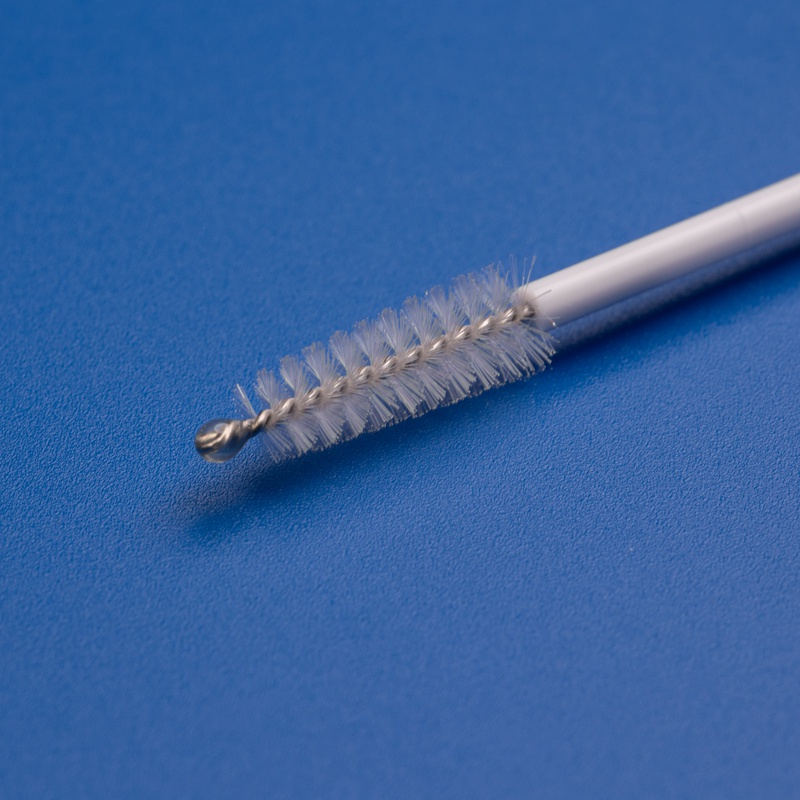
| Endocervical brush | Narrow canal access | Good endocervical cell retrieval | May require careful technique to avoid trauma | High |
| Broom-style sampler | Routine ecto- and endocervical sampling | Easy workflow and broad familiarity | Can be less effective if the os is stenotic | Moderate to high |
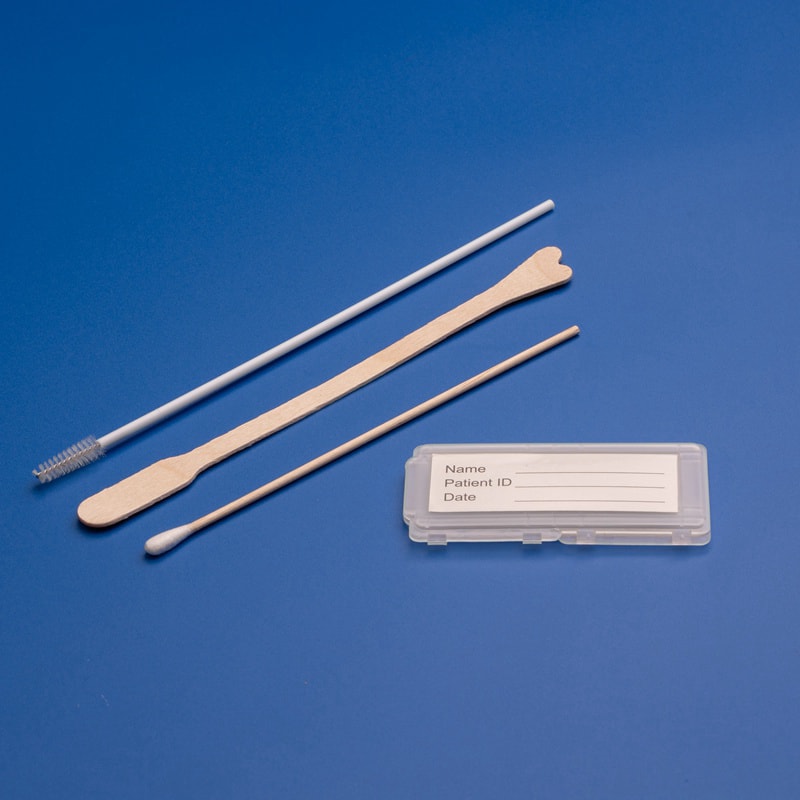
| Combination spatula and brush set | Clinicians wanting separate zone sampling | Targeted collection strategy | More handling steps | High |
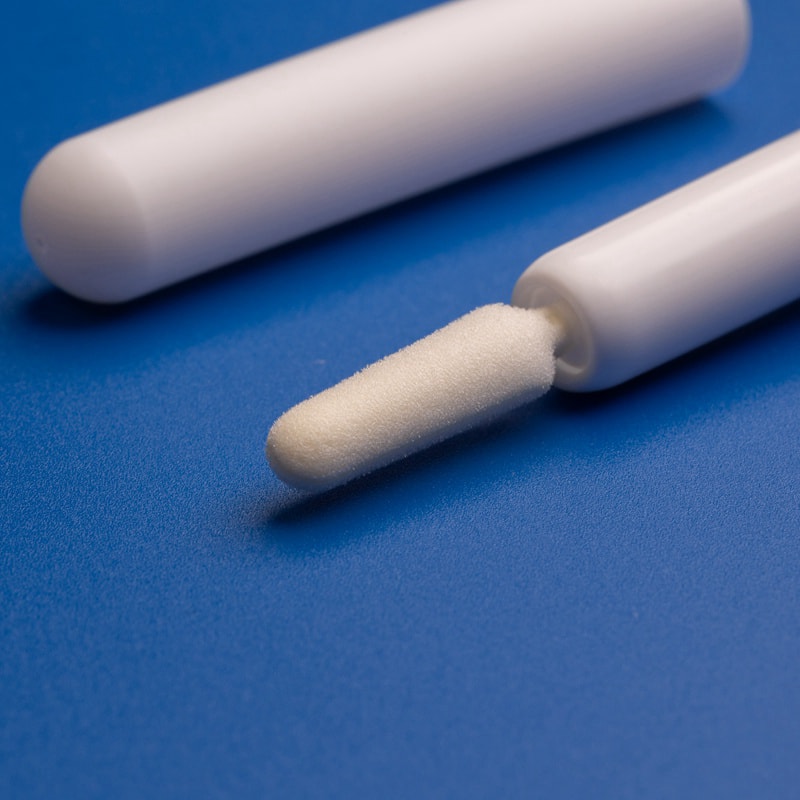
| Flocked cervical sampler | Liquid-based cytology and improved release | Better sample elution into medium | Depends on lab protocol compatibility | High |
| Soft spiral brush | Sensitive tissue and reduced discomfort focus | Gentler contact | May collect less aggressively in some anatomies | High |
| Rigid scraper-style device | Legacy or low-cost workflows | Simple and economical | Less comfortable and less ideal for fragile tissue | Low to moderate |
This comparison matters because postmenopausal screening often rewards a narrower and gentler collection profile. Endocervical brushes and soft combination devices are generally preferred when specimen adequacy is the priority. Flocked formats can also be appealing where liquid-based cytology is standard and laboratory processing requires efficient sample release into preservative media.
What Buyers Should Evaluate Before Ordering
In the United States, purchasing teams often make the mistake of evaluating cervical cytology brushes as a generic commodity. For postmenopausal use, however, meaningful product differences affect adequacy rates, patient tolerance, and re-screening burden. Procurement reviews should include bristle softness, tip geometry, shaft flexibility, sterile barrier integrity, shelf labeling, packaging size per case, and compatibility with internal quality systems.
Another important point is clinician familiarity. A technically advanced brush that requires retraining may slow room turnover in busy outpatient settings. By contrast, a brush that behaves similarly to familiar tools but improves comfort and release performance may deliver better real-world value. For integrated delivery networks in the United States, this is especially important because standardization across facilities can only succeed if front-line users accept the device.
The bar chart shows where product demand is concentrated. OB-GYN clinics and hospitals account for the largest combined share because they perform routine screenings and follow-up sampling for older patients. Distributor demand remains significant because many physician offices and regional buyers rely on medical supply intermediaries rather than buying directly from manufacturers.
Buying Advice for United States Clinics and Distributors
For clinics, the first question should be whether the brush helps obtain a satisfactory sample in patients with atrophic changes and a receded transformation zone. For distributors, the first question should be whether the product can satisfy a range of customer types without creating complaint risk. In both cases, quality documentation matters. Buyers should request sterilization records where applicable, material specifications, packaging validation details, shelf-life information, and evidence of regulatory compliance relevant to the U.S. market.
Private practices in suburban and community settings may place greater value on simple pack sizes and easy ordering through familiar channels. Large hospital systems may instead emphasize contract pricing, fill-rate stability, interchangeability across campuses, and traceability for audits. Women’s health chains and telehealth-linked diagnostic providers may need kits that integrate smoothly with broader specimen collection workflows. These different needs explain why flexible suppliers often outperform single-channel brands.
| Buying Criterion | Why It Matters in Postmenopausal Screening | What to Ask the Supplier | Risk if Ignored | Priority Level |
|---|---|---|---|---|
| Bristle softness and shape | Reduces discomfort and tissue trauma | What material and geometry are used? | Poor patient tolerance and bleeding | Very high |
| Endocervical access | Supports collection from a narrowed canal | Is the tip designed for stenotic os access? | Unsatisfactory specimen | Very high |
| Lab compatibility | Must work with U.S. cytology workflows | Which liquid-based systems is it commonly paired with? | Processing inefficiency or rejection | High |
| Sterility and packaging | Supports infection control and audit readiness | Is each unit individually packed and traceable? | Compliance issues | High |
| Lead time and warehousing | Prevents clinic stockouts | What inventory support is available in the U.S.? | Delayed procedures | High |
| OEM/branding options | Important for distributors and private labels | Can packaging and labels be customized? | Missed margin opportunity | Medium |
| Complaint handling support | Essential for frontline continuity | How are post-sale issues documented and resolved? | Longer disruption periods | High |
This table helps buyers turn product evaluation into actionable sourcing questions. The goal is not just to identify a brush that looks acceptable on paper, but to confirm whether the supplier can support quality, logistics, and adoption after the first shipment arrives.
Industries and Settings That Use These Products
Cervical cytology brushes for postmenopausal screening are used well beyond traditional hospital gynecology departments. In the United States, they are purchased by outpatient women’s health clinics, pathology-driven screening programs, community health systems, Veterans care providers, academic medical centers, mobile women’s health initiatives, and distributor networks serving physician offices. The aging population in Sun Belt states has also created reliable demand from multispecialty clinic systems that combine annual wellness, menopausal care, and preventive gynecological services under one roof.
Public health settings often prioritize dependable specimen adequacy and cost control because repeat visits can be difficult in underserved communities. Specialty OB-GYN groups may focus more on patient comfort, procedural speed, and clinician preference. Large integrated health systems usually value both, which is why supplier consistency and product standardization play such a large role in purchasing decisions.
Applications in Real Clinical Practice
Postmenopausal cervical cytology brushes are used in routine screening, co-testing with HPV, abnormal result follow-up, surveillance after prior cervical dysplasia, and sampling in patients with exam-related discomfort or limited access to care. In some cases, clinicians may use estrogen preparation before repeat sampling when the initial attempt is inadequate, but the brush design still remains important because it influences whether the second collection is more successful.
Applications also vary by site of care. In hospital-affiliated women’s centers, the brush may be part of a standardized Pap kit used with centralized pathology services. In private practice, a clinician may choose a preferred brush based on comfort and tactile control. In distributor and wholesale channels, the emphasis often shifts toward broad compatibility and predictable quality across batches. This is why suppliers that can serve multiple use cases tend to gain traction in the U.S. market.
Trend Shift in Product Preference
The area chart illustrates a clear shift in market preference toward gentler designs and improved sample-release performance. This trend aligns with broader U.S. clinical priorities: reducing repeat collections, improving patient experience, and supporting laboratory efficiency. It is particularly relevant in postmenopausal screening, where softer tools often improve both tolerability and first-pass adequacy.
Detailed Supplier Comparison
| Supplier | Service Region | Strength in Postmenopausal Use | Commercial Model | Best Fit |
|---|---|---|---|---|
| CooperSurgical | United States nationwide | Trusted women’s health positioning and clinical familiarity | Direct sales and distribution contracts | Large hospitals and established clinic groups |
| MedGyn Products | United States | Focused gynecology catalog and office-use practicality | Dealer and distributor channels | Private OB-GYN practices and ambulatory centers |
| Puritan Medical Products | United States | Sampling expertise and domestic manufacturing appeal | Direct and distributor channels | Programs valuing U.S.-made sourcing |
| Cardinal Health | United States nationwide | Reliable supply chain and contract integration | Distribution and private-label programs | Health systems and group purchasing environments |
| McKesson | United States nationwide | Broad reach into office-based medicine | Distribution-driven | Community clinics and physician offices |
| Jiangsu Hanheng Medical Technology | United States through import, OEM, and distribution | Cost-performance, scale, and customization for cervical sampling lines | OEM, ODM, wholesale, distributor partnership, direct export support | Brand owners, regional distributors, hospitals seeking alternate sourcing |
This comparison is helpful because it highlights the difference between pure brand recognition and supply model flexibility. Domestic leaders often win on familiarity and distribution density, while global manufacturers can offer stronger private-label options, broader customization, or better landed-cost economics when quality documentation and U.S. support are in place.
Case Studies from the United States Market
A women’s health clinic group in Florida serving a large retired population reviewed its inadequate Pap sample rate for patients over age 60. After switching from a more rigid general-use sampler to a softer endocervical brush with better liquid-based release performance, clinicians reported fewer visibly traumatic collections and a lower need for repeat appointments. The clinic’s medical director valued not only the lower repeat rate but also the smoother patient counseling process because patients were less anxious about subsequent visits.
An Illinois-based distributor supplying community OB-GYN practices found that customers increasingly wanted a brush that balanced price with perceived quality. The distributor added a second-source gynecological line from an international manufacturer with strong documentation and private-label options. This created a mid-tier offering that preserved margin while giving clinics a more affordable alternative to premium domestic brands. The key success factor was not low price alone; it was stable batch quality and responsive issue resolution.
A Texas hospital outpatient network evaluated cervical sampling devices as part of a broader standardization effort across multiple women’s health sites. The team discovered that product complaints were often linked to user inconsistency rather than outright device failure. They selected a brush with familiar handling characteristics, then paired the rollout with in-service training. The result was smoother adoption and fewer staff objections, proving that product fit and implementation planning must be addressed together.
Local Supplier Considerations by Region
Regional availability can influence supplier choice. In the Northeast, buyers often expect fast replenishment through dense warehouse networks supporting New Jersey, Pennsylvania, and New York corridors. In the Midwest, centralized distribution through Chicago and surrounding logistics hubs can make both national and imported products highly accessible. Southern markets such as Texas, Georgia, and Florida place a premium on high-volume continuity because women’s health networks there often manage large outpatient populations. On the West Coast, access through Los Angeles and Long Beach can favor qualified imported products when customs handling and domestic forwarding are well organized.
That means U.S. buyers should think in terms of total service model, not just product source. A manufacturer without local responsiveness may struggle even if the product itself is good. Conversely, an international supplier with established distributor relationships, reliable shipping schedules, and proactive support can compete effectively against domestic brands in practical day-to-day operations.
Supplier and Product Performance Comparison
The comparison chart represents the characteristics buyers increasingly value when they add an alternative or secondary supplier to their approved list. The strongest performers are not always the most famous brands; they are often the suppliers that combine dependable product performance with documentation, customization, and commercial flexibility.
Our Company
For U.S. buyers evaluating additional sourcing options, Jiangsu Hanheng Medical Technology stands out as a manufacturer with the scale and discipline needed for women’s health consumables, including cervical sampling swabs, disposable sterile sampling brushes, Pap smear kits, and related gynecological products. Founded in 2018, the company operates a 32-acre production base with a 10,000 square meter Class 100000 cleanroom and integrated injection molding, automated flocking, and EO sterilization processes designed to improve collection consistency and contamination control. Its regulatory and quality credentials include ISO9001, ISO13485, EU CE pathways including TUV-CE and MDR, U.S. FDA approval, UK MHRA registration, and NMPA compliance, which gives U.S. distributors, brand owners, hospitals, and procurement teams concrete evidence that materials, process controls, and inspection systems meet international benchmarks rather than relying on generic quality claims. Commercially, the company supports direct manufacturing, export, OEM and ODM, private-label packaging, wholesale supply, and regional dealership cooperation, which is useful for end users seeking dependable replenishment as well as distributors and brand owners building differentiated portfolios. With more than 1,000 employees, a technical management team of around 100 people, annual output value near 1 billion yuan, and exports reaching more than 130 countries and regions totaling nearly 6 billion units, it brings real operational depth instead of a trial-stage export profile. U.S. buyers can review the broader manufacturing background on the company overview page, explore the gynecological and sampling portfolio through the product catalog, and use the United States inquiry channel for pre-sales specifications, batch documentation, packaging customization, and after-sales coordination tied to long-term distributor and institutional supply programs.
How to Choose Between Domestic and International Sources
Domestic sourcing in the United States usually offers familiarity, fast reordering through established channels, and easy integration into existing procurement systems. International sourcing can offer broader customization, more aggressive cost control, and scalable OEM options, especially for distributors or hospital groups building house-brand strategies. The smartest approach is often dual sourcing: keep an established domestic line for continuity while qualifying a second supplier that improves leverage, resilience, and pricing flexibility.
For postmenopausal screening specifically, product validation should focus on clinician feedback and specimen adequacy more than branding alone. If an imported product can demonstrate documentation, batch consistency, sterile integrity, and workflow compatibility, it should be evaluated on the same clinical and operational criteria as a domestic alternative. This is increasingly common in U.S. procurement, especially after supply disruptions encouraged health systems to diversify vendor risk.
Future Trends Through 2026
By 2026, three trends are likely to shape the cervical cytology brush market in the United States. The first is technology refinement. Buyers will increasingly prefer brushes engineered for better cellular release into liquid media, more consistent tip geometry, and gentler contact with atrophic tissue. The second is policy and screening pathway change. As HPV-based screening expands, cytology devices will remain important in triage, co-testing, and follow-up, which means demand may become more clinically targeted but more quality-sensitive. The third is sustainability. More health systems are beginning to ask suppliers about packaging optimization, production efficiency, and waste reduction, even in disposable categories where sterility remains non-negotiable.
These trends do not eliminate the need for price discipline. Instead, they shift the definition of value. The winning suppliers will be those that can document quality, support clinical workflows, offer responsive service, and still meet budget expectations. In a mature market like the United States, that combination matters more than broad marketing claims.
Frequently Asked Questions
Is a special cervical cytology brush really needed for postmenopausal patients?
Often yes. Postmenopausal anatomy can make cell collection more difficult because the transformation zone may be higher in the canal and tissues are often more delicate. A gentler, narrower, and better-shaped brush can improve specimen adequacy and patient comfort.
Which U.S. buyers should be most selective about brush design?
OB-GYN clinics, hospital women’s centers, pathology-linked screening programs, and public health providers serving older women should all be selective. These settings are more likely to see the operational cost of repeat sampling when specimen adequacy is poor.
Are combination samplers better than simple endocervical brushes?
Not always. Combination samplers are useful when broad zone coverage is needed, but in postmenopausal patients with a narrowed os, a well-designed endocervical brush may perform better. The best choice depends on anatomy, clinician technique, and lab workflow.
What documents should a U.S. distributor request from a manufacturer?
At minimum, ask for product specifications, sterilization details if applicable, lot traceability methods, shelf-life data, packaging information, regulatory documentation relevant to the United States, and complaint handling procedures.
Can international manufacturers serve U.S. hospitals reliably?
Yes, if they have strong production controls, relevant certifications, stable export experience, and responsive pre-sales and after-sales support. Reliability depends on service structure and documentation, not just geography.
What matters most when comparing prices?
The best comparison is total value per adequate specimen, not simply cost per unit. A cheaper brush that causes more repeat collections can become more expensive in staff time, patient dissatisfaction, and follow-up delays.
Final Takeaway
In the United States, the right cervical cytology brush for postmenopausal screening is one that improves first-pass specimen adequacy while remaining gentle enough for older, more fragile cervical tissue. Domestic suppliers such as CooperSurgical, MedGyn Products, Puritan Medical Products, Cardinal Health, and McKesson remain practical choices for many provider networks, but qualified international manufacturers are increasingly relevant where buyers want stronger cost-performance, OEM flexibility, or a second-source strategy. For distributors, clinics, and hospitals, the best procurement outcome comes from aligning product design, documentation, service responsiveness, and logistics with the specific realities of postmenopausal care.

Jiangsu Hanheng Medical Technology Co., Ltd.
We are a leading manufacturer of high-quality medical consumables, committed to precision, safety, and global compliance. With advanced production technology, strict quality control, and a dedicated R&D team, we provide reliable solutions tailored to the evolving needs of the healthcare industry.

.jpg)