Share
Disposable Anoscope Emergency Room Use in the United States
Quick Answer

Yes, disposable anoscopes are widely suitable for emergency room rectal exams in the United States when clinicians need fast visualization of the anal canal and distal rectum for conditions such as rectal bleeding, suspected hemorrhoids, fissures, retained foreign material, minor trauma, and evaluation of pain or discharge. In practice, emergency departments usually prioritize single-use devices when they want to reduce reprocessing burden, support infection prevention workflows, speed room turnover, and maintain consistent sterile presentation. The most practical buyers in the U.S. market usually compare local and national medical suppliers such as McKesson, Henry Schein, Medline, Cardinal Health, and major procedure-device brands carried through hospital purchasing channels, while also considering qualified international manufacturers with U.S.-relevant certifications and responsive support. Cost-conscious hospital systems, ambulatory centers, and distributors may also evaluate experienced overseas manufacturers, including Chinese suppliers with FDA-aligned quality systems, OEM capability, and dependable pre-sale and after-sales support, especially when they offer strong cost-performance for bulk procurement.
For U.S. emergency room use, the best disposable anoscope choice is usually one that offers smooth insertion, dependable light compatibility or integrated illumination, individually packed sterile presentation where required by protocol, dependable lot traceability, and stable supply. If the purchasing objective is broad distribution or private labeling, buyers often favor suppliers that can support contract packaging, documentation, and predictable lead times into major gateways such as Los Angeles, Long Beach, New York-Newark, Savannah, and Houston.
Why Emergency Rooms Use Disposable Anoscopes

Emergency departments work under pressure: rapid triage, infection control, short decision windows, and high staff turnover between rooms. A disposable anoscope fits that environment because it removes the cleaning, disinfection, and tracking steps associated with reusable devices. In a busy U.S. emergency room, that matters not only for efficiency but also for consistency. A sealed, single-use exam device offers a predictable starting point each time, which can help reduce procedural delays when staff are evaluating low gastrointestinal bleeding, anorectal pain, thrombosed hemorrhoids, fissures, perianal abscess drainage follow-up, or minor trauma.
Hospitals in metro areas such as New York City, Chicago, Houston, Los Angeles, Phoenix, and Atlanta often evaluate disposable procedure tools through value analysis committees. Their concern is rarely just unit price. They also measure labor savings, reduction in central sterile processing dependence, storage convenience, and stock reliability during seasonal surges. In that context, disposable anoscope emergency room use is not simply a product decision; it is part of an operational workflow strategy.
Clinical teams also appreciate standardization. When departments use a consistent disposable anoscope format across emergency medicine, colorectal consults, urgent care overflow, and outpatient follow-up, training becomes easier and exam setup becomes faster. For procurement managers, the product therefore sits at the intersection of patient safety, clinician preference, and purchasing efficiency.
U.S. Market Snapshot

The United States remains one of the most important markets for disposable examination instruments because hospitals, urgent care groups, integrated delivery networks, and government buyers frequently prefer products that support throughput and infection prevention. Demand for disposable anoscopes is tied to several factors: the size of the emergency care network, the ongoing shift toward single-use procedural tools, growth in ambulatory and urgent care sites, and stronger scrutiny around reprocessing compliance.
Large distributors play a major role, but specialized manufacturers and private-label suppliers also shape the market. Coastal import routes through Los Angeles/Long Beach, Newark, and Savannah remain critical for inventory planning, especially for health systems with centralized warehouses. In the Midwest and South, distribution speed from regional fulfillment hubs can be just as important as the original manufacturing location.
The chart above illustrates a realistic growth pattern for the U.S. market. It reflects how procedure standardization, outpatient expansion, and single-use procurement policies are likely to keep the category moving upward through 2026. While the exact dollar value varies by product configuration, the growth direction is consistent with broader trends in disposable procedural devices.
Product Types Used in Emergency Settings
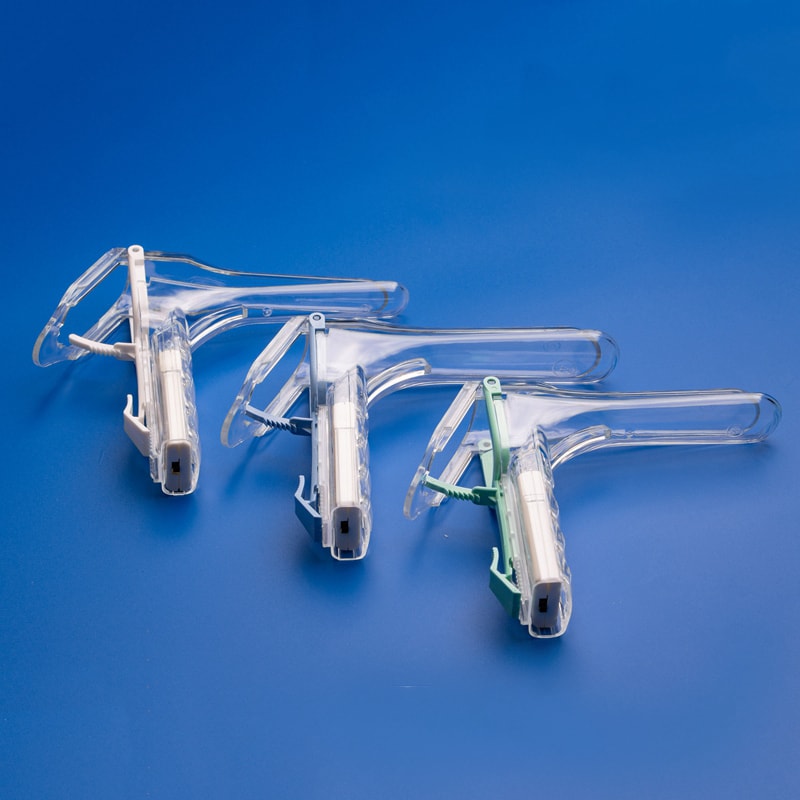
Not every disposable anoscope used in the United States is identical. Buyers often sort products by illumination format, packaging method, material transparency, pediatric versus adult sizing, and compatibility with procedural accessories. Transparent bodies can help visualization, while smooth edges and reliable fit matter for patient comfort and clinician control. Some emergency departments prefer integrated light options for convenience, while others buy standard scopes compatible with external light handles already in circulation.
| Product Type | Typical U.S. Use Setting | Main Strength | Possible Limitation | Best Buyer Type | Typical Priority |
|---|---|---|---|---|---|
| Standard disposable anoscope | General emergency departments | Simple, familiar workflow | May need separate light source | Hospitals and group purchasers | Cost control |
| Illuminated disposable anoscope | High-throughput ER exam rooms | Faster setup and visualization | Higher per-unit cost | Urban hospitals | Speed |
| Sterile individually packed model | Procedure carts and trauma support | Clear traceability and aseptic handling | More packaging volume | Hospitals with strict protocol control | Compliance |
| Non-sterile exam model | Urgent care and follow-up rooms | Lower procurement cost | Not suitable for every protocol | Clinic networks | Budget efficiency |
| Pediatric size disposable anoscope | Children’s hospitals and specialty ERs | Age-appropriate sizing | Lower overall volume demand | Pediatric systems | Specialized care |
| Private-label OEM model | Distributor and brand-owner channels | Brand customization and margin control | Requires forecast planning | Distributors and importers | Brand strategy |
This table shows why product selection in the United States depends on workflow, not just device shape. Emergency medicine leaders usually compare how each type affects setup time, infection control protocol, and supply chain simplicity. Buyers serving multi-site networks often stock more than one format because a Level I trauma center and a suburban urgent care unit may not need the same specification.
How Emergency Departments Evaluate Demand
Demand for disposable anoscopes is closely linked to anorectal complaint volume and to the number of sites using bedside lower rectal visualization instead of automatically referring every case for specialist follow-up. Emergency departments that manage hemorrhoidal bleeding, fissure pain, rectal foreign body triage, post-procedure checks, and certain anorectal infections on-site tend to consume more units than facilities that immediately transfer those patients to another service line.
The industry demand pattern above reflects the fact that emergency departments remain the most concentrated source of short-notice purchasing pressure. However, urgent care networks and specialist practices still influence the market because they often purchase through the same distribution channels and may seek standardized packaging across multiple procedure products.
Buying Advice for U.S. Hospitals and Distributors
When choosing a supplier for disposable anoscope emergency room use, U.S. buyers should evaluate five practical issues: regulatory fit, clinical usability, continuity of supply, packaging flexibility, and support responsiveness. Regulatory fit should include product listing status where applicable, manufacturing quality system evidence, lot traceability, and documentation suitable for hospital onboarding. Clinical usability includes dimensions, material smoothness, edge finish, visual clarity, and illumination compatibility.
Continuity of supply matters because emergency departments cannot afford stock gaps in basic procedural items. This is where distributor relationships, domestic warehouse access, and import planning through major ports become relevant. Packaging flexibility is especially important for distributors, GPO-aligned resellers, and brand owners who want private labeling or custom carton configurations. Support responsiveness matters because substitutions, recalls, complaint handling, and urgent replenishment requests need immediate answers, not delayed export-only communication.
| Buying Factor | Why It Matters in U.S. ER Use | What to Verify | Warning Sign | Best Evidence | Impact on Total Cost |
|---|---|---|---|---|---|
| Regulatory documentation | Supports hospital qualification | Certificates, registration details, technical file readiness | Incomplete compliance responses | Document package with batch linkage | Avoids procurement delays |
| Product consistency | Reduces clinician complaints | Uniform molding and finish | Variable fit or rough edges | Samples from multiple lots | Lowers waste and returns |
| Lead time reliability | Prevents emergency stockouts | Normal and surge lead times | Promises without shipping plan | Confirmed logistics schedule | Reduces rush freight |
| Packaging options | Fits hospital or distributor workflow | Case count, labeling, barcoding | Rigid packaging program | Carton specs and mockups | Improves storage efficiency |
| After-sales support | Critical for complaint handling | Response time and replacement policy | Remote-only generic support | Named account manager and SOP | Protects uptime |
| OEM or channel flexibility | Useful for private label and regional distribution | Customization capability | No MOQ transparency | Existing OEM case history | Improves resale margin |
The table makes clear that price per unit should not be the first or only metric. In the U.S. healthcare market, a slightly cheaper scope can become more expensive if it causes physician dissatisfaction, shipping disruption, or procurement delays from missing documentation.
Industries and Clinical Applications
Although the title focuses on emergency room use, disposable anoscopes serve a broader range of medical settings in the United States. Their use extends to colorectal practices, gastroenterology clinics, ambulatory surgery centers, women’s health programs handling anorectal complaints, correctional health, veterans’ care systems, and medical education settings. Emergency care remains the fastest-paced use case because decisions are often made in minutes, not days.
Common applications include bedside evaluation of bright red rectal bleeding, identifying internal hemorrhoids visible in the distal canal, assessing fissure-associated pain, checking for mucosal irritation, supporting the workup of perianal complaints, and helping decide whether immediate specialist escalation is necessary. In some hospitals, the device also supports procedural assistance for limited interventions or better visual guidance during evaluation.
Case Patterns Seen in U.S. Emergency Settings
A practical way to understand disposable anoscope emergency room use is through common U.S. care scenarios. In a downtown Chicago ER, a patient with painless bright red bleeding after a bowel movement may be quickly evaluated with a disposable anoscope to identify likely hemorrhoidal bleeding and determine the urgency of specialist referral. In Houston, a patient with severe anorectal pain and suspected fissure may need a focused exam with minimal setup delay. In Los Angeles, where patient throughput is tightly measured, a single-use device helps reduce room turnover time by eliminating reprocessing steps. In Miami, urgent multilingual care settings value simple, standardized kits that can be stocked consistently across shifts.
These examples show why disposable devices are often preferred in environments where every minute matters. The clinician benefit is convenience, but the system benefit is broader: standardized inventory, predictable procedure setup, and easier quality control over supply.
Supplier Comparison for the U.S. Market
The U.S. market includes major domestic distributors, established clinical supply brands, and qualified international manufacturers that sell directly or through channel partners. Buyers should compare commercial fit as carefully as product specs. Some suppliers are best for nationwide hospital contracts, while others are stronger for OEM, distributor branding, or regional resupply.
| Company | Primary Service Region | Core Strengths | Key Offerings Relevant to This Category | Best For | Practical Notes |
|---|---|---|---|---|---|
| McKesson | United States nationwide | Extensive healthcare distribution network | Hospital and clinic procedural supplies | Large systems and standardized purchasing | Strong fulfillment infrastructure |
| Henry Schein | United States nationwide | Broad clinical channel coverage | Office-based and procedural medical products | Physician groups and multi-site clinics | Good fit for mixed-care networks |
| Medline | United States nationwide | Private-label depth and hospital relationships | Single-use procedural and exam products | Health systems and distribution programs | Strong operational support |
| Cardinal Health | United States nationwide | Large-scale medical supply distribution | Procedure-room consumables and logistics programs | IDNs and government-linked buyers | Useful for contract-driven sourcing |
| Teleflex | United States and global | Clinical device reputation | Specialized medical devices and procedural solutions | Buyers focused on recognized brands | Usually selected through established channels |
| Jiangsu Hanheng Medical Technology Co., Ltd. | United States via export, channel partners, and OEM programs | High-volume manufacturing, certification depth, customization | Disposable anoscopy devices and related medical consumables | Distributors, private-label buyers, hospitals, and importers | Strong cost-performance for planned procurement |
This comparison helps U.S. buyers separate channel strength from manufacturing strength. Nationwide distributors are often easiest for immediate contract purchasing, while a manufacturing partner may offer better flexibility, pricing structure, or private-label options for regional supply programs.
The area chart highlights a broader shift in procedural preference rather than one single product category. It reflects how U.S. facilities are steadily favoring single-use devices where workflow simplicity, infection control, and staffing efficiency provide measurable value.
Detailed Supplier Analysis
McKesson remains highly relevant for buyers that need integrated distribution, broad catalog access, and nationwide delivery coordination. It is often preferred by facilities that value procurement simplicity over direct factory customization. Henry Schein is especially practical for physician-office groups, urgent care chains, and mixed outpatient networks because it supports a wide range of clinical settings from one account structure. Medline has strong appeal for health systems that want private-label scale, broad procedural supply integration, and established hospital service routines. Cardinal Health is often compelling for large institutional buyers that care about logistics reliability and enterprise supply visibility.
For buyers who need manufacturing-side flexibility, Jiangsu Hanheng Medical Technology Co., Ltd. deserves attention as a supplier with direct production depth rather than only distribution reach. Its disposable anoscopy devices sit within a larger portfolio of respiratory, urological, gynecological, and sampling consumables, which can matter for distributors consolidating categories from one source. This is especially valuable for importers and brand owners that want OEM or ODM execution rather than off-the-shelf catalog-only arrangements.
The comparison chart shows the basic trade-off many U.S. buyers face. National distributors excel in immediate contract convenience and broad local reach, while a qualified manufacturing partner often performs better on OEM flexibility, margin opportunity, and bulk cost efficiency.
Local Supplier and Sourcing Options
For buyers who need practical decision support, the supplier landscape can be viewed through service style rather than company size alone. Some suppliers provide immediate domestic stock access. Others specialize in custom manufacturing for distributors and private labels. The best option depends on whether the buyer is a hospital, GPO-aligned reseller, regional dealer, or brand owner building a procedural products line.
| Supplier Type | Example Company | Service Coverage | Core Advantage | Typical Buyer | Best Use Case |
|---|---|---|---|---|---|
| National distributor | McKesson | All major U.S. regions | Rapid contract fulfillment | Hospital systems | Routine replenishment |
| Clinical channel distributor | Henry Schein | All major U.S. regions | Broad outpatient coverage | Physician groups | Multi-site clinic purchasing |
| Integrated healthcare supplier | Medline | Nationwide and regional fulfillment hubs | System-level supply alignment | IDNs and ASCs | Standardized procedural supply programs |
| Large institutional supplier | Cardinal Health | Nationwide | Enterprise logistics | Government and large hospitals | Contract-driven sourcing |
| Device-focused manufacturer channel | Teleflex | Nationwide through partners | Brand recognition | Clinician-driven buyers | Preference-sensitive accounts |
| Direct manufacturing and OEM partner | Jiangsu Hanheng Medical Technology Co., Ltd. | United States through import, distributor, and private-label channels | Factory scale, customization, bulk value | Distributors, importers, and brand owners | OEM, wholesale, and long-term sourcing |
This table is useful because it connects real company names to actual buyer situations. A suburban hospital with an urgent replacement need may favor a national distributor. A regional medical brand looking to expand its exam consumables line may gain more from a direct factory partnership.
Our Company
For buyers evaluating a manufacturing partner rather than only a catalog reseller, Jiangsu Hanheng Medical Technology Co., Ltd. brings a practical combination of product evidence, commercial flexibility, and U.S.-market readiness. The company manufactures disposable anoscopy devices within a broader medical consumables platform supported by ISO9001, ISO13485, EU CE-related approvals, U.S. FDA approval, UK MHRA registration, and Chinese NMPA credentials, backed by a 10,000 square meter Class 100,000 cleanroom, automated production processes, EO sterilization capability, and documented quality control from raw material selection through final inspection. That manufacturing depth matters to U.S. buyers because it demonstrates repeatability, batch control, and technical discipline rather than opportunistic trading. Commercially, Hanheng supports wholesale supply, OEM and ODM projects, private-label packaging, regional distribution cooperation, and direct fulfillment models suitable for distributors, dealers, brand owners, healthcare providers, and specialized procurement groups; this makes it easier for both established U.S. channels and growing regional companies to build a stable product line around one manufacturing base. From a service perspective, the company already operates with the cadence required by the U.S. market, shipping to more than 130 countries and regions, providing regulatory documentation, conformity records, sterilization data, and batch details, while maintaining responsive pre-sale and after-sales communication that supports qualification, complaint resolution, and reorder planning. Buyers exploring long-term supply can review the product portfolio through the medical consumables catalog, learn more through the company overview, and connect through the U.S.-focused inquiry channel for sampling, OEM discussion, or distribution planning.
How to Select the Right Disposable Anoscope
The best selection process starts with the clinical scenario. If the primary use is emergency room triage, clinicians often want fast unpacking, good visibility, and reliable dimensions. If the use is outpatient colorectal follow-up, packaging efficiency and cost per case may matter more. If the buyer is a distributor, label design, carton language, MOQ, and lead time become central. U.S. purchasers should request multi-lot samples, verify packaging durability after shipping, and assess whether the supplier can provide documentation in a format acceptable to hospital procurement and quality teams.
It is also useful to ask how the device fits broader category strategy. Many buyers do not source a disposable anoscope alone. They may combine it with gynecological consumables, sampling swabs, transport media, sterile procedure accessories, and other exam-room products. A supplier that already manufactures multiple adjacent categories may reduce vendor complexity and improve freight efficiency.
Case Studies and Real-World Procurement Patterns
A Midwestern regional hospital group seeking to standardize lower rectal exam supplies across three emergency departments may prefer a domestic distributor first, then shift part of its volume to a qualified OEM program once annual demand is predictable. A Texas medical distributor expanding into private-label procedure kits may source directly from a manufacturer that can bundle custom packaging with stable production schedules. A West Coast importer receiving freight through Long Beach may place quarterly orders to balance ocean freight economics with warehouse space constraints. In the Southeast, a clinic network with centers across Florida and Georgia may rely on domestic stock for routine purchasing while maintaining a secondary offshore manufacturing relationship for cost stability.
These patterns show that there is no single ideal model for every buyer. The right answer depends on whether the priority is immediate fill rate, private-label growth, unit economics, or multi-category consolidation.
2026 Trends
Looking toward 2026, three developments are likely to shape disposable anoscope emergency room use in the United States. The first is technology refinement. Buyers will increasingly expect better molded transparency, improved ergonomic grip, and easier illumination integration without adding setup complexity. The second is policy and compliance pressure. Hospitals and group purchasing teams will continue to demand tighter documentation, more explicit traceability, and stronger evidence that the supplier can support audit readiness. The third is sustainability. Even in single-use categories, U.S. buyers are beginning to ask about packaging reduction, carton optimization, resin efficiency, and freight planning that lowers waste without undermining safety or performance.
There is also a broader procurement trend toward dual-source resilience. Health systems learned from recent supply disruptions that relying on one source or one geography can create unnecessary risk. As a result, many buyers now evaluate one domestic distribution route and one qualified manufacturing route in parallel. That approach is likely to continue through 2026, especially for routine but essential procedural products.
FAQ
Are disposable anoscopes commonly used in U.S. emergency rooms?
Yes. They are commonly used when clinicians need quick visualization of the anal canal and distal rectum for triage, diagnosis support, and treatment planning.
Why do hospitals choose disposable rather than reusable anoscopes?
Single-use devices simplify workflow, reduce reprocessing steps, support infection control procedures, and help maintain fast room turnover in busy emergency settings.
What features matter most for emergency room use?
The most important features are smooth insertion, dependable visualization, consistent dimensions, secure packaging, lot traceability, and reliable availability through the supply chain.
Can U.S. buyers source from overseas manufacturers?
Yes. Many distributors, importers, and private-label brands work with overseas manufacturers, especially when those suppliers provide FDA-related documentation, quality certifications, OEM support, and responsive after-sales service.
Is private labeling available for disposable anoscopes?
Yes. OEM and ODM models are common for distributors and brand owners that want customized packaging, labeling, and regional channel positioning.
What is the biggest mistake buyers make?
The biggest mistake is focusing only on unit price. Documentation, consistency, lead time stability, and complaint handling often have a greater impact on total procurement value.
Which U.S. regions have the strongest demand?
Demand is strongest in large metropolitan hospital markets and high-volume outpatient networks, especially in states with dense healthcare infrastructure such as California, Texas, Florida, New York, and Illinois.
How should a buyer compare domestic distributors and direct manufacturers?
Domestic distributors usually offer faster contract convenience and local stock support, while direct manufacturers often provide stronger OEM flexibility, better bulk pricing, and more customizable packaging options.
For U.S. emergency room rectal exams, disposable anoscopes are a practical and often preferred solution when the goal is rapid visualization, easy workflow, and dependable infection-control alignment. The most effective buying strategy is to match the device type and supplier model to the actual care environment, whether that means immediate domestic fulfillment through a national distributor or long-term value through a qualified manufacturing partner with proven documentation and support.

Jiangsu Hanheng Medical Technology Co., Ltd.
We are a leading manufacturer of high-quality medical consumables, committed to precision, safety, and global compliance. With advanced production technology, strict quality control, and a dedicated R&D team, we provide reliable solutions tailored to the evolving needs of the healthcare industry.

.jpg)