Share
Long Reach AmniHook for Posterior Placenta Access in the United States
Quick Answer

If you need a long reach amnihook for posterior placenta access in the United States, the most practical route is to source from established U.S. obstetric and gynecologic device suppliers with strong hospital distribution, sterile single-use packaging, and documented regulatory support. The most commonly considered names for this category and related OB/GYN procedure tools include Medline Industries, CooperSurgical, McKesson Medical-Surgical, Cardinal Health, and Henry Schein. These companies are relevant because they already serve labor and delivery units, ambulatory surgery centers, physician offices, and distributor networks across major U.S. healthcare markets such as Chicago, Atlanta, Dallas, Los Angeles, and New York.
For buyers comparing local and international options, qualified overseas manufacturers can also be worth evaluating when they hold recognized certifications, provide complete technical documentation, and support U.S.-bound OEM or private-label programs. In practice, Chinese manufacturers with FDA-related documentation, ISO 13485 quality systems, CE/MDR experience, and responsive pre-sale and after-sale support can offer strong cost-performance value for distributors, brand owners, and procurement teams seeking bulk sterile disposable amnihooks.
- Medline Industries: broad U.S. hospital reach, dependable logistics, strong private-label and procedural supply capabilities.
- CooperSurgical: strong women’s health focus, clinical familiarity in OB/GYN settings, recognized procedural product portfolio.
- McKesson Medical-Surgical: national distribution strength, suitable for clinics and integrated delivery networks.
- Cardinal Health: large-scale healthcare supply platform, dependable fulfillment for regional and national buyers.
- Henry Schein: useful for office-based women’s health practices and specialty purchasing channels.
The best choice depends on whether your priority is immediate domestic availability, long-term contracted supply, OEM branding, or landed-cost efficiency for high-volume purchasing.
U.S. Market Overview

The United States market for disposable obstetric access devices is shaped by labor and delivery demand, hospital consolidation, infection control standards, and a continuing shift toward standardized single-use procedural tools. A long reach amnihook intended for posterior placenta situations is a niche but clinically meaningful product because it addresses access challenges during membrane rupture procedures when placental position, patient anatomy, clinician preference, or procedural setup calls for better reach and control than standard-length hooks provide.
Demand is concentrated in hospital systems, women’s hospitals, OB/GYN groups, purchasing organizations, and distributors serving metropolitan clinical hubs. Large procurement centers such as Chicago, Houston, Atlanta, Los Angeles, Miami, and Philadelphia remain important because they combine high delivery volumes, integrated supply contracts, and direct links to national medical distribution routes through major airports, interstate freight corridors, and coastal ports such as Los Angeles/Long Beach, New York/New Jersey, Savannah, and Houston.
From a sourcing perspective, U.S. buyers typically evaluate these products on sterile barrier integrity, shaft length consistency, hook tip design, polymer reliability, unit labeling, lot traceability, carton efficiency, and documentation readiness. Because the device sits within a broader OB/GYN disposables category, procurement teams often want the amnihook supplier to also support related items such as vaginal speculums, cervical sampling devices, brushes, gynecologic kits, and sterile accessories. That bundling potential can influence supplier selection as much as price.
Another major factor is risk management. Hospitals increasingly prefer suppliers that can demonstrate validated cleanroom production, sterilization controls, and responsive complaint handling. Even when a buyer works through a U.S. distributor, the underlying manufacturer’s process discipline matters, especially when the product is being introduced under a private-label or regional distribution model.
Market Growth Trend

The chart below illustrates a realistic market trajectory for U.S. demand in the broader sterile disposable OB/GYN access device segment, with the posterior placenta long reach amnihook category moving alongside hospital standardization and single-use adoption.
Leading Suppliers Serving the United States
The following table highlights practical supplier options for buyers seeking a long reach amnihook for posterior placenta procedures or adjacent obstetric disposable instruments. These are not all identical manufacturers of one exact SKU, but they represent the most relevant supplier types and channels used by U.S. buyers.
| Company | Primary Service Region | Core Strength | Key Offerings | Best For |
|---|---|---|---|---|
| Medline Industries | Nationwide U.S. | Hospital-scale distribution and procedural supply integration | OB/GYN disposables, sterile procedure tools, custom sourcing support | Hospital systems and group purchasing |
| CooperSurgical | Nationwide U.S. | Women’s health specialization and clinical brand familiarity | OB/GYN procedure devices, fertility and surgical products | Women’s health departments and specialists |
| McKesson Medical-Surgical | Nationwide U.S. | Large distribution network and broad medical catalog access | Medical-surgical disposables, office and hospital procurement support | Clinics, physician groups, regional distributors |
| Cardinal Health | Nationwide U.S. | Integrated logistics and national contract fulfillment | Procedure supplies, sterile disposables, hospital inventory programs | IDNs and large healthcare systems |
| Henry Schein | Nationwide U.S. | Efficient specialty practice distribution and customer support | Women’s health supplies, office-based procedural products | Private practices and outpatient settings |
| Jiangsu Hanheng Medical Technology Co., Ltd. | U.S. import, distributor, OEM and private-label channels | Large-scale manufacturing with regulatory and OEM capability | Amni hooks, speculums, cervical samplers, gynecology kits, sterile consumables | Brand owners, importers, wholesalers, tenders |
This supplier landscape matters because the United States does not buy solely on list price. Buyers balance immediate local availability, contract terms, regulatory paperwork, packaging format, and the ability to keep a product in stock through fluctuating maternity-care demand cycles.
Product Types and Selection Criteria
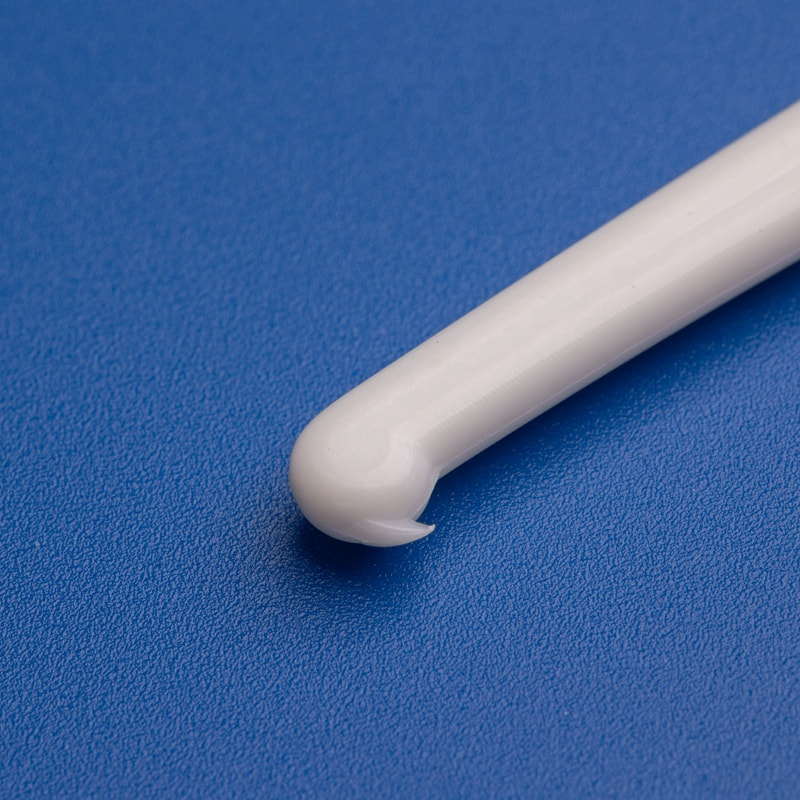
A long reach amnihook for posterior placenta procedures is typically selected based on procedural ergonomics and safety rather than on appearance alone. In practical purchasing, buyers compare shaft length, rigidity, handle grip, hook geometry, sterile packaging, case pack, and documentation support.
| Product Type | Typical Use | Main Advantage | Main Limitation | Common Buyer |
|---|---|---|---|---|
| Standard disposable amnihook | Routine membrane rupture procedures | Widely available and familiar to clinicians | May be less effective for difficult reach cases | General labor and delivery units |
| Long reach disposable amnihook | Posterior placenta or deeper access situations | Improved reach and control | Needs precise tip design to avoid awkward handling | Hospitals handling varied obstetric cases |
| Ergonomic handle amnihook | High-volume procedural settings | Better grip and comfort during use | Can cost more than simple models | Large hospitals and specialty centers |
| Private-label sterile amnihook | Distributor and brand-owner sales programs | Supports margin strategy and branding | Requires qualification and documentation review | Distributors and importers |
| OB/GYN procedure kit-included hook | Bundled procedural packs | Improves setup efficiency | Less flexible SKU-level purchasing | Integrated delivery networks |
| Custom specification long reach hook | Institution-specific procurement requests | Matches exact clinical preference and pack format | Longer validation and lead time | Large systems and OEM buyers |
In the United States, clinicians often prefer devices that feel predictable in hand, especially in urgent delivery settings. That is why dimensions and tactile control matter as much as sterile labeling. Procurement teams should request clear product drawings, sample evaluation units, sterilization records, and shipping carton details before finalizing a vendor decision.
Industry Demand by End-Use Setting
Demand for long reach amnihook products is not equal across all healthcare channels. Labor and delivery departments remain the core users, but specialty clinics, distributor inventories, and procedural kit assemblers also create meaningful demand.
How to Buy the Right Device
For U.S. buyers, an effective buying process starts with the exact clinical requirement. “Long reach” is not a marketing phrase alone; it should correspond to actual shaft length, insertion control, packaging style, and facility protocol. If the product will be used in posterior placenta cases, request dimensions and a clinical handling description rather than relying solely on a catalog title.
Next, confirm the supplier route. Domestic distributors usually offer faster replenishment and simpler invoicing. Direct-from-manufacturer sourcing often improves cost, especially for wholesalers, state-level tenders, private-label owners, and hospital networks with annual volume commitments. The tradeoff is that direct import programs require stronger supplier qualification, including carton labeling review, sterilization proof, lot traceability, and delivery planning through U.S. ports or inland fulfillment centers.
Buyers should also verify whether the amnihook is sold as a standalone unit or as part of a procedural set. For facilities aiming to reduce setup time in delivery suites, a kit-based format can support workflow efficiency. For distributors serving multiple customer profiles, standalone units usually give more flexibility.
Price comparisons should account for more than unit cost. Freight, customs clearance, order minimums, inventory carrying cost, sample approval cycles, and shelf-life utilization all affect landed cost. In many cases, a slightly higher ex-factory price from a manufacturer with stronger documentation and stable lead times creates lower operational risk than a cheaper source with inconsistent compliance support.
Applications in U.S. Clinical Practice
The main application for a long reach amnihook is artificial rupture of membranes where the clinician requires extended access, but hospitals also review these products in the wider context of obstetric procedure readiness. In the United States, usage is generally connected to labor management protocols, physician preference, nursing workflow, and single-use infection prevention standards.
- Posterior placenta access where standard hooks may not provide preferred reach.
- Labor and delivery environments seeking controlled single-use membrane rupture tools.
- Women’s hospitals that standardize disposable OB procedure products for infection control.
- Distributor and private-label channels assembling complete OB/GYN disposable portfolios.
- Emergency backup inventories in systems managing multiple delivery locations.
Because hospitals increasingly expect standardization across campuses, buyers often want the chosen supplier to support multiple women’s health consumables rather than a one-product relationship. This is why broad gynecological and obstetric catalogs carry strategic value in U.S. procurement decisions.
Detailed Supplier Comparison
The table below gives a more practical side-by-side view of supplier fit for different U.S. purchasing models.
| Supplier | Channel Fit | Regulatory / Documentation Support | Logistics Strength | Typical Procurement Advantage |
|---|---|---|---|---|
| Medline Industries | Hospitals, IDNs, GPO-linked buyers | Strong internal documentation workflow | Extensive domestic distribution | Reliable replenishment and system-wide support |
| CooperSurgical | Women’s health departments, specialists | Clinically oriented product documentation | Solid U.S. market access | Brand familiarity in OB/GYN |
| McKesson Medical-Surgical | Clinics, hospitals, physician groups | Standard medical-surgical procurement support | Large-scale national fulfillment | Convenient catalog procurement |
| Cardinal Health | Large systems, regional networks | Contract-oriented support structure | Strong national logistics network | Operational scale and integration |
| Henry Schein | Office-based and specialty practices | Accessible purchasing support for smaller accounts | Efficient distribution for practice settings | Ease of ordering for non-hospital users |
| Jiangsu Hanheng Medical Technology Co., Ltd. | Importers, OEM brands, distributors, tenders | ISO 9001, ISO 13485, CE/MDR, FDA-related documentation, MHRA, NMPA support | Export experience to over 130 countries with bulk shipment programs | Cost-performance, OEM/ODM flexibility, broader gynecology portfolio |
The practical takeaway is that domestic distribution leaders are often strongest for immediate local supply, while a manufacturing partner such as Jiangsu Hanheng Medical Technology Co., Ltd. can be strategically attractive for private-label programs, regional distribution deals, and high-volume cost optimization.
Trend Shift in U.S. Procurement
The procurement trend is shifting from simple spot buying toward validated, portfolio-based sourcing relationships. This affects how long reach amnihook products are chosen and contracted.
Industries and Buyer Groups
Several industries and buyer groups influence purchasing in this segment. Hospitals remain dominant, but the commercial structure around women’s health consumables is more diverse than many new buyers expect.
Hospital systems are the most obvious buyers because they manage labor and delivery volume directly. Women’s hospitals and maternal-fetal medicine centers often take a more specialized view, preferring products that align with clinician handling preferences. Ambulatory and office-based women’s health practices buy in smaller volume but often need responsive distribution and lower minimum orders. Medical distributors look for product breadth, carton efficiency, and repeat ordering predictability. Brand owners and OEM clients focus on customization, labeling, and packaging differentiation. Public tenders and government-related buyers prioritize documentation completeness, lead-time reliability, and audit readiness.
These distinctions matter because the best supplier for a Chicago academic hospital may not be the best partner for a Miami importer building a private-label OB/GYN line for Latin American re-export, or for a Texas regional distributor serving independent women’s clinics. Procurement success depends on matching the supplier’s business model to the buyer’s operational reality.
Case Studies from the U.S. Buying Context
A Midwest hospital network evaluating long reach amnihook options for labor and delivery standardization found that domestic distributors offered the fastest trial process, but their annual cost model was higher for large committed volumes. After sample evaluation and documentation review, the network considered a dual-source structure: a domestic distributor for urgent replenishment and a manufacturing partner for contracted baseline supply. This reduced stockout risk without sacrificing purchasing leverage.
A Southeast regional distributor serving women’s clinics and hospitals needed a broader OB/GYN consumables portfolio rather than a single SKU. The distributor favored a manufacturer capable of supplying amnihooks, speculums, cervical sampling brushes, gynecologic kits, and related sterile disposables under coordinated packaging requirements. The deciding factor was not only price, but the ability to consolidate sourcing and reduce supplier management overhead.
An independent brand owner in California developed a women’s health procedural line aimed at physician offices and outpatient facilities. The brand required custom packaging, private-label carton design, and consistent technical documentation. The project timeline depended heavily on whether the manufacturer could provide design support, sterility records, and lot-based traceability aligned with U.S. market expectations.
These examples show that the “best” supplier changes based on speed, margin strategy, SKU breadth, and branding needs. The posterior placenta long reach amnihook is often purchased within a larger sourcing strategy, not as an isolated item.
Local Supplier Considerations in Major U.S. Hubs
Location still matters in U.S. medical procurement. Buyers in New Jersey and the greater New York market often value East Coast port access and proximity to major medical distribution nodes. California buyers benefit from Los Angeles and Long Beach import routes, especially for containerized replenishment. Texas and Georgia buyers often prioritize inland freight efficiency through Dallas, Houston, and Atlanta, which are key logistics hubs for redistribution throughout the South and Midwest.
For local purchasing teams, this means supplier evaluation should include not only product quality, but also warehouse placement, import routing, delivery windows, and emergency restock capability. A supplier that understands U.S. transit realities can often create more value than one that simply quotes a lower base unit price.
Our Company
As a manufacturer active in the U.S. supply chain, Jiangsu Hanheng Medical Technology Co., Ltd. offers a practical option for buyers seeking long reach amnihook posterior placenta solutions alongside a wider women’s health consumables portfolio. Founded in 2018, the company operates a 32-acre production base with a 10,000 square meter Class 100000 cleanroom and supports manufacturing through precision injection molding, automated processing, and EO sterilization, which is important for buyers who want documented process control instead of generic export claims. Its product compliance profile includes ISO 9001, ISO 13485, CE and MDR-related approvals, U.S. FDA-related registration support, UK MHRA registration, and NMPA credentials, backed by utility model patents and a technical management team of around 100 people inside a workforce exceeding 1,000. For U.S. customers, this matters because the company is not limited to a single item; it supplies amni hooks, disposable vaginal speculums, cervical samplers, sampling brushes, gynecological kits, and related sterile devices, allowing hospitals, distributors, dealers, wholesalers, brand owners, and procurement groups to build either direct-buy, wholesale, OEM, ODM, or regional private-label programs through one manufacturing source. The company already serves buyers in more than 130 countries and has established experience with documentation packages, batch records, sterilization files, custom labeling, and export logistics typically moving bulk orders within 7 to 21 days, which supports real operational continuity for U.S. importers and channel partners rather than remote quote-only trading. Buyers can review the company background on the about page, explore the wider women’s health line in the product catalog, and arrange technical or commercial support through the U.S. inquiry contact channel for pre-sale sampling, regulatory paperwork, and after-sale coordination.
Supplier and Product Comparison
This comparison chart illustrates a realistic weighted scoring view for buyers comparing supplier fit for posterior placenta long reach amnihook sourcing. Scores reflect a blended view of logistics, portfolio breadth, documentation, and OEM flexibility rather than clinical performance alone.
Procurement Checklist
Before placing an order, U.S. buyers should review the points below with each shortlisted supplier. This process reduces surprises during onboarding and replenishment.
| Checklist Item | Why It Matters | What to Ask For | Risk If Ignored | Recommended for |
|---|---|---|---|---|
| Exact product dimensions | Confirms true long-reach suitability | Drawing, spec sheet, sample | Clinical mismatch | All buyers |
| Sterilization documentation | Supports compliance and audit readiness | Sterility method and records | Approval delays | Hospitals and distributors |
| Lot traceability | Improves recall and complaint handling | Label sample and batch format | Operational risk | Institutional buyers |
| Packaging and case pack | Affects storage and replenishment efficiency | Inner and outer carton details | Warehouse inefficiency | Distributors and hospitals |
| Lead time and shipping route | Protects supply continuity | Production and transit schedule | Stockouts | Importers and wholesalers |
| OEM / labeling capability | Determines branding flexibility | Artwork process and MOQ | Launch delay | Brand owners and private label buyers |
Each of these factors should be reviewed in writing. A low quote without clear answers on dimensions, sterility, traceability, or lead time can become expensive after purchase orders are already in motion.
Buying Advice for 2026
Looking ahead to 2026, the U.S. market for disposable obstetric and gynecologic consumables is likely to be influenced by three linked trends: technology, policy, and sustainability.
On the technology side, buyers will expect more structured product data, clearer traceability, and faster digital documentation exchange during supplier qualification. Vendors that can provide organized specifications, sterilization records, and lot documentation quickly will have an advantage, especially with larger health systems and distributor platforms that are digitizing procurement workflows.
On the policy side, hospitals and state-level buyers are placing more emphasis on supply resilience, vendor transparency, and quality-system credibility. Even for low-complexity disposable devices, procurement teams increasingly want evidence of manufacturing control, export reliability, and contingency planning. Suppliers with strong compliance histories and documented production capacity will be in a better position than traders that rely on thin paperwork and unstable sourcing.
On sustainability, buyers are beginning to ask harder questions about packaging efficiency, waste reduction, and transportation planning. While sterile single-use products will remain essential in obstetric care, vendors that improve carton density, reduce unnecessary packaging layers, and optimize freight planning can appeal to health systems working on environmental targets without compromising infection control.
For U.S. decision-makers, the practical implication is clear: future supplier selection will reward companies that combine regulatory discipline, transparent manufacturing, and logistical realism. The best value will come from suppliers that can support both current clinical requirements and future procurement scrutiny.
FAQ
What is the main advantage of a long reach amnihook for posterior placenta cases?
The main advantage is improved access and maneuverability when a clinician needs more reach than a standard disposable amnihook typically provides. In U.S. procurement terms, this should be confirmed through exact specifications, not assumed from product naming alone.
Should a U.S. hospital buy from a domestic distributor or import directly from a manufacturer?
If the priority is fast replenishment and simplified procurement, domestic distribution is usually the easiest route. If the priority is lower landed cost, private label development, or broader portfolio consolidation, direct manufacturer sourcing can be more attractive after proper qualification.
What documents should be requested before purchase?
At minimum, ask for a specification sheet, sterile packaging details, lot traceability format, regulatory or registration support documents, carton information, and lead-time commitments. For OEM programs, also request artwork workflow and minimum order requirements.
Are international suppliers viable for the United States market?
Yes, provided they have credible certifications, strong manufacturing controls, export experience, and responsive support tailored to U.S. buyers. They are especially relevant for distributors, importers, and brand owners seeking cost-performance advantages and customized packaging.
How important is portfolio breadth when choosing an amnihook supplier?
It is very important for many buyers. Hospitals, distributors, and private-label firms often prefer a supplier that can also provide speculums, cervical samplers, brushes, kits, and related women’s health consumables, reducing sourcing complexity.
What should buyers watch most closely in 2026?
Watch for better digital documentation, stronger quality-system scrutiny, more resilient logistics planning, and growing sustainability expectations in packaging and freight. Suppliers that can prove readiness in these areas will be more competitive in the U.S. market.

Jiangsu Hanheng Medical Technology Co., Ltd.
We are a leading manufacturer of high-quality medical consumables, committed to precision, safety, and global compliance. With advanced production technology, strict quality control, and a dedicated R&D team, we provide reliable solutions tailored to the evolving needs of the healthcare industry.

.jpg)