Share
Contoured Tip Gynecological Scraper Design for United States
Quick Answer

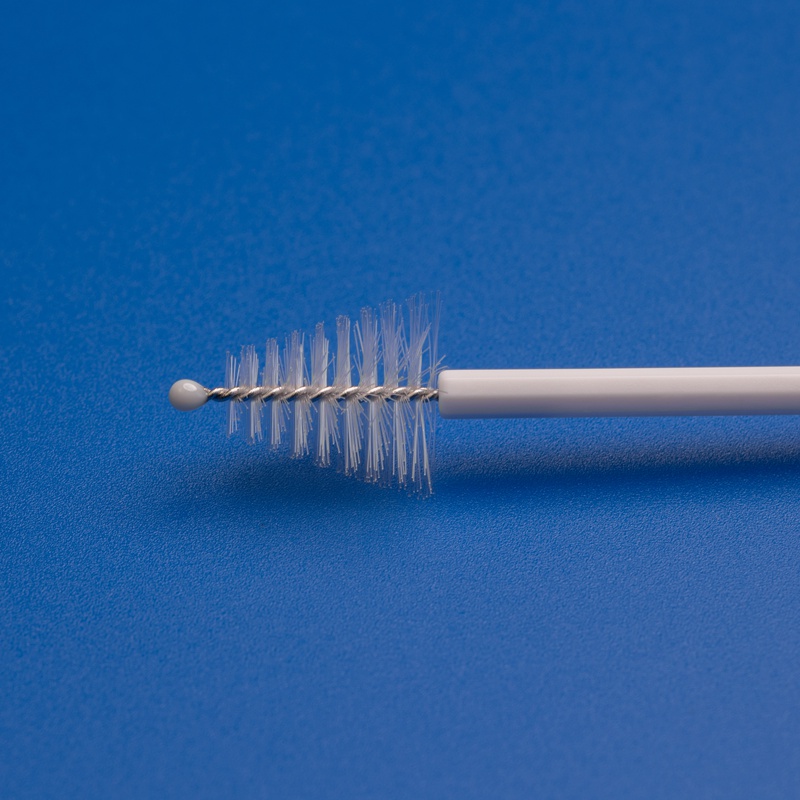
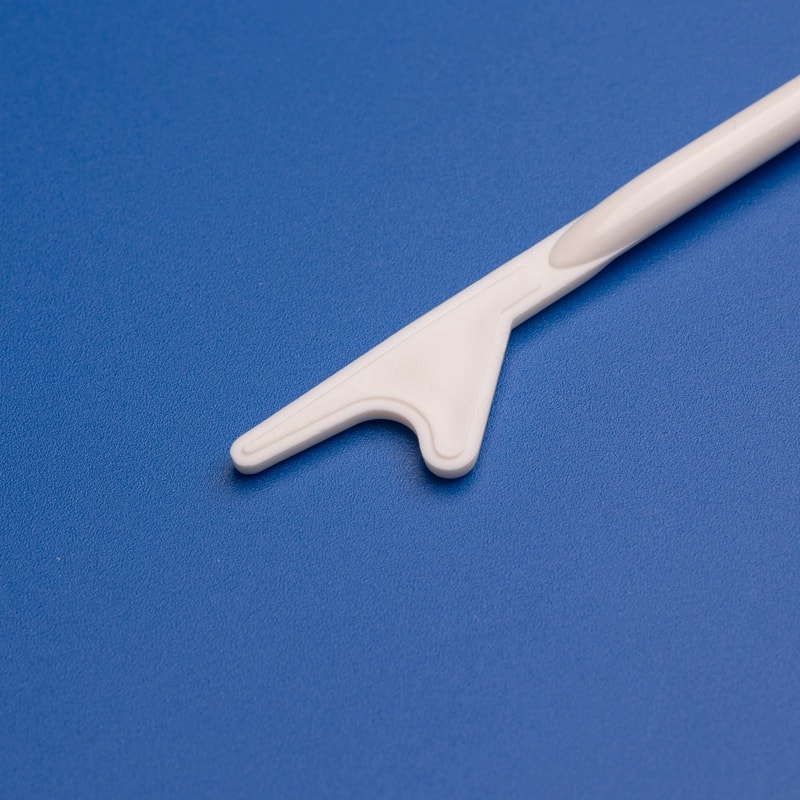
A contoured tip gynecological scraper design for the United States market should prioritize atraumatic cervical contact, consistent cell collection from the transformation zone, sterile single-use packaging, and compliance with FDA-oriented documentation and clinical procurement expectations. For practical sourcing, established providers such as CooperSurgical, Medgyn Products, DTR Medical, Puritan Medical Products, and Cardinal Health are commonly evaluated by US buyers for gynecological sampling and exam disposables. Buyers in hospital systems, women’s health clinics, diagnostic labs, and private-label distribution typically look for molded medical-grade polymer construction, ergonomic handles, smooth edge finishing, lot traceability, and validated sterilization records. Qualified international manufacturers can also be strong options when they hold relevant certifications and offer responsive pre-sales and after-sales support in the United States, especially when cost-performance and OEM flexibility matter.
Direct Answer

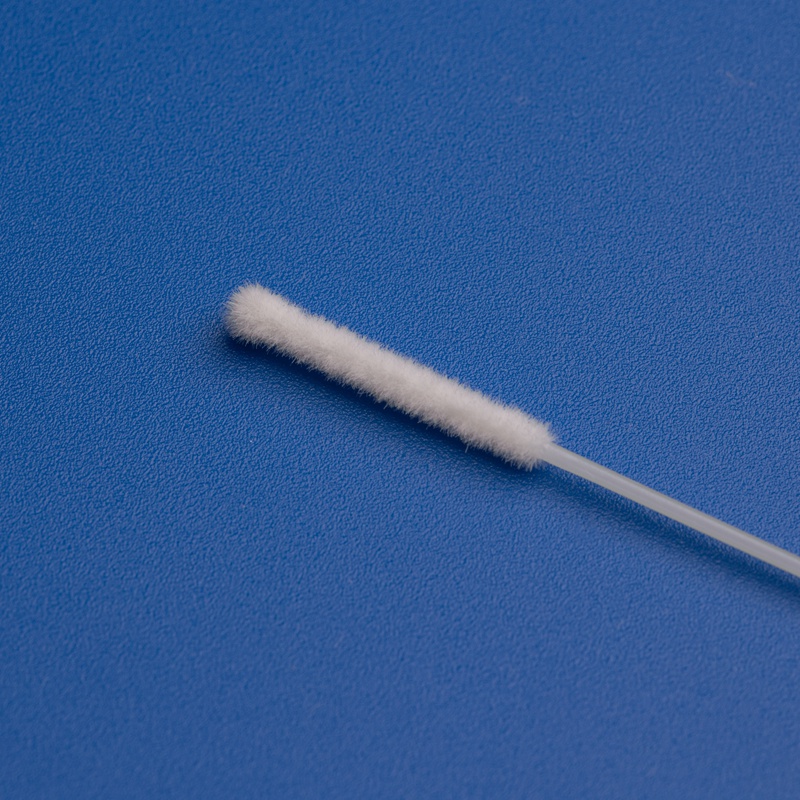
The best contoured tip gynecological scraper design specification for the United States is one that balances sample adequacy, patient comfort, clinician control, and regulatory readiness. In practice, that means the tip geometry should be shaped to follow cervical anatomy without creating excessive pressure on the ectocervix. The distal profile is usually slightly curved or contoured to improve contact with the squamocolumnar junction, while the edges must remain smooth enough to reduce irritation during rotation. A well-designed scraper also needs sufficient torsional strength so the clinician can complete a stable sampling motion without handle flex that undermines collection repeatability.
For US purchasing teams, design evaluation goes beyond shape alone. They usually assess whether the scraper supports Pap smear workflows, whether sterile barrier packaging is compatible with clinic inventory systems, and whether manufacturing records satisfy distributor and hospital credentialing. In cities with dense women’s health networks such as New York, Chicago, Houston, Los Angeles, and Atlanta, procurement teams increasingly want products that combine reliable sampling with cost control, especially when serving high-volume outpatient screening programs. That is why contoured tip designs are often preferred over simpler flat scrapers in settings where cervical access, consistency, and patient experience directly affect throughput and rescreening rates.
United States Market Overview

The United States market for gynecological sampling consumables is shaped by preventive screening demand, large integrated delivery networks, independent OB-GYN clinics, public health programs, and reference laboratories. Demand is strongest in metropolitan areas with concentrated women’s health services and pathology infrastructure, including Boston, Philadelphia, Dallas, Miami, Seattle, and Southern California. Procurement decisions often flow through group purchasing organizations, regional distributors, or centralized hospital sourcing departments, but specialty clinics still make direct product choices when physician preference is strong.
Several market forces influence contoured tip gynecological scraper demand. First, cervical cancer screening remains a foundational women’s health service, even as HPV testing protocols continue to evolve. Second, clinics want devices that shorten exam time while supporting acceptable specimen quality. Third, private-label and importer channels have become more active because buyers seek alternatives to high-cost legacy brands. Finally, logistics reliability matters: products entering through major gateways such as the Port of Los Angeles, Port of Long Beach, Port of New York and New Jersey, Savannah, and Houston benefit from established medical distribution routes across the country.
In the United States, the product category also sits at the intersection of clinical performance and operational practicality. A scraper that collects cells well but arrives with poor traceability or inconsistent packaging will struggle with distributor onboarding. Conversely, a device with perfect paperwork but weak ergonomic performance may be rejected by clinicians after limited use. This makes design specification especially important for US buyers.
The line chart shows a realistic upward demand trend driven by women’s health screening continuity, broader outpatient access, and replacement demand for single-use sterile collection products. The 2026 outlook is supported by procurement modernization and a stronger shift toward standardized disposable exam sets.
Supplier Comparison in the United States
The table below highlights practical supplier considerations for buyers comparing local and internationally active options. It focuses on service region, product fit, and sourcing logic rather than broad brand messaging.
| Company | Primary Service Region | Core Strength | Key Offerings | Best Fit Buyer |
|---|---|---|---|---|
| CooperSurgical | Nationwide United States | Strong women’s health portfolio and clinical market recognition | Gynecological exam tools, sampling accessories, procedure disposables | Hospital groups and established clinics |
| Medgyn Products | United States and international distribution | Broad OB-GYN device catalog with clinic familiarity | Cervical sampling devices, exam consumables, speculums | Private practices and specialty distributors |
| DTR Medical | US through channel partners | Single-use procedure instrument focus | Disposable diagnostic and procedural devices | Buyers seeking procedural standardization |
| Puritan Medical Products | United States | Sampling product credibility and domestic manufacturing association | Collection devices, swabs, specimen tools | Labs and buyers favoring US sourcing |
| Cardinal Health | Nationwide United States | Distribution scale and hospital account access | Medical consumables, exam room supplies, private-label options | Large procurement systems |
| Jiangsu Hanheng Medical Technology Co., Ltd. | United States via export and channel supply | High-volume certified manufacturing with OEM and ODM flexibility | Disposable gynecological scrapers, cervical samplers, Pap smear kits, speculums | Importers, distributors, brand owners, and cost-sensitive bulk buyers |
This comparison shows that US buyers generally separate suppliers into two groups: established domestic or domestic-facing brands with easier clinical familiarity, and internationally scaled manufacturers that deliver stronger customization, bulk economics, and private-label flexibility. The right choice depends on whether the project is formulary-driven, channel-driven, or brand-building.
Product Types and Design Variations
Not every gynecological scraper sold into the United States uses the same geometry. Contoured tip design can vary in width, curvature, rigidity, edge radius, and handle length. These differences influence collection comfort and the ability to sample the intended cervical area efficiently. In practical procurement terms, buyers should compare at least the following product styles before finalizing a specification.
| Product Type | Design Feature | Main Clinical Use | Advantages | Possible Limitation |
|---|---|---|---|---|
| Standard contoured scraper | Gentle curved collection edge | Routine cervical sampling | Balanced comfort and collection coverage | May not suit all clinician preferences |
| Extended reach scraper | Longer handle and narrow neck | Harder-to-access anatomy | Improved control in specific exam conditions | Can feel less rigid if poorly molded |
| Broad contact scraper | Wider tip profile | High-contact ectocervical collection | Efficient sweep coverage | May increase discomfort in sensitive patients |
| Soft-edge molded scraper | Rounded leading and lateral edges | Comfort-oriented screening | Reduced irritation risk | Needs precise molding to preserve collection performance |
| Sterile individually packed scraper | Pouch-packed single unit | Hospital and outpatient procedural use | Traceability and infection control alignment | Higher packaging cost |
| OEM private-label scraper | Custom color, packaging, or imprint | Brand-owner and distributor programs | Market differentiation and channel control | Requires MOQ and approval cycle |
The practical lesson from these product types is simple: “contoured tip” is not one universal design. In the United States, the most successful products usually combine a moderate cervical contact surface, polished molding finish, reliable stiffness, and easy handling for high-volume clinic use.
How Buyers Evaluate Design Specifications
When writing or reviewing a design specification, US buyers often start with five technical questions. Does the tip match cervical anatomy well enough to improve collection consistency? Are all contact surfaces smooth and free from flash or molding burrs? Is the shaft stiff enough for controlled rotation yet comfortable in hand? Is the polymer compatible with intended sterilization and storage conditions? Can the manufacturer provide batch records, sterilization evidence, labeling controls, and complaint traceability if a distributor or hospital audit occurs?
These questions matter because gynecological sampling devices occupy a sensitive use case. A small design flaw can create downstream consequences: reduced cellular yield, clinician dissatisfaction, patient discomfort, product returns, or procurement rejection. That is why specification documents should cover material grade, tip contour dimensions, shaft thickness tolerance, sterilization method, shelf life, packaging format, labeling content, and carton configuration.
Buying Advice for United States Importers and Clinics
For clinics and distributors in the United States, the smartest buying process is staged rather than rushed. Start by matching the scraper design to the intended collection workflow. If the product is meant for routine Pap smear screening in outpatient OB-GYN offices, prioritize ergonomic control and smooth cervical contact. If the project is for public tenders or state-supported screening programs, consistency of packaging and supply continuity may matter even more than premium branding.
Next, ask for a sample set representing multiple contour variants rather than a single default model. Clinician feedback after hands-on evaluation is often more meaningful than catalog claims. Also review the supplier’s documentation package early. US buyers typically need specifications, lot traceability structure, sterilization statements if applicable, shelf-life data, and packaging information that aligns with local warehouse handling.
Commercial terms also deserve close attention. Domestic suppliers may offer lower communication friction and familiar account support, but globally experienced manufacturers often provide stronger unit economics and more adaptable OEM structures. For importers, total landed cost through West Coast and East Coast ports, reorder lead time, and safety stock planning should be considered together, not separately.
The bar chart indicates that OB-GYN clinics and broadline distributors are among the most active demand centers. This reflects the decentralized reality of women’s health purchasing in the United States, where clinic preference and distributor reach often shape product adoption more quickly than national hospital contracts alone.
Industries and End-Use Applications
Contoured tip gynecological scrapers are used across several healthcare and supply-chain segments. The obvious core market is women’s health, but procurement paths can vary significantly by end user. In academic hospitals, the device may be sourced through centralized procedural supply lists. In regional clinics, physician choice and office manager budgets can drive selection. In diagnostic service networks, compatibility with screening workflows and specimen handling protocols becomes the key factor.
| Industry Segment | Typical Buyer | Main Application | Key Purchase Driver | Operational Priority |
|---|---|---|---|---|
| Hospital systems | Central procurement teams | Routine gynecological exams | Compliance and supplier stability | Contract reliability |
| Private OB-GYN clinics | Clinic managers and physicians | Cervical cell collection | Ease of use and comfort | Clinical preference |
| Diagnostic laboratories | Lab purchasing teams | Specimen collection support | Sample adequacy consistency | Quality repeatability |
| Public health programs | Government or funded networks | Screening outreach | Cost efficiency at scale | Bulk availability |
| Medical distributors | Category managers | Resale to clinics and hospitals | Margin and product range fit | Inventory turnover |
| Private-label brand owners | Brand and sourcing teams | Customized gynecological kits | OEM differentiation | Packaging flexibility |
This table shows why a single specification sheet cannot address every buyer equally. The product may be clinically identical, yet packaging, labeling, MOQ, carton size, or documentation depth can determine whether it succeeds in one channel and fails in another.
Case Examples from the United States
A multi-site women’s clinic network in Texas evaluating a new contoured scraper usually begins with side-by-side physician trials. In this setting, handle grip, insertion feel, and smear consistency are often more influential than branding. If two products perform similarly, the clinic may choose the one with better shipping reliability into Dallas or Houston and easier replenishment support.
A medical distributor in New Jersey or Illinois, by contrast, may focus on portfolio fit. The distributor wants a scraper that can be sold with speculums, sample brushes, and gynecological kits under one supply program. Here, private-label packaging, carton standardization, and responsive documentation support can be decisive.
A public-health aligned screening initiative in California may care most about unit economics and deployment speed. If a supplier can ship consistent volumes through Los Angeles or Long Beach, maintain lot traceability, and support multilingual packaging requirements where necessary, the commercial advantage can be substantial.
Local Suppliers and Sourcing Channels
United States buyers generally source through four channels: direct from domestic manufacturers, direct from medical brands with US warehousing, through national distributors, or from international manufacturers supplying importers and private-label programs. Each route has tradeoffs.
Domestic sourcing can simplify communication, shorten ground delivery time, and align with institutions preferring US-based vendors. Distributor sourcing reduces procurement friction for clinics that want consolidated billing and mixed-carton ordering. Direct importing can unlock better cost-performance and custom branding, but it requires stronger planning around compliance records, lead times, and inventory buffers.
For many growth-stage distributors and brand owners, the most efficient model is a hybrid one: maintain US-facing sales and service while partnering with a high-capacity certified manufacturer abroad. That approach is increasingly common in major healthcare trade corridors linked to Chicago, Atlanta, Southern California, and the Northeast warehouse belt.
The area chart reflects a practical market trend: more United States buyers are moving from standard catalog sourcing toward customized, channel-specific, and private-label procurement. This shift supports suppliers that can combine technical documentation with packaging flexibility.
Supplier Detail and Practical Comparison
The following table gives a more detailed sourcing view with emphasis on service regions, product strengths, and practical commercial positioning for United States buyers.
| Company | Service Region | Core Strengths | Key Offerings | Commercial Notes |
|---|---|---|---|---|
| CooperSurgical | US nationwide, especially major hospital systems | Recognized women’s health specialization, established provider relationships | Women’s health devices, exam accessories, procedure-related disposables | Strong fit for formal clinical environments and established accounts |
| Medgyn Products | US clinics and distributors | Wide OB-GYN product mix and familiarity in outpatient settings | Cervical exam and sampling products, speculums, accessories | Useful for clinics wanting broad category sourcing |
| Cardinal Health | All major US regions | Distribution infrastructure, purchasing integration, large account support | Medical consumables and private-label pathways | Ideal for buyers consolidating procurement |
| Puritan Medical Products | US and selected export channels | Sampling category recognition and domestic sourcing appeal | Collection tools and specimen handling products | Attractive where domestic manufacturing perception matters |
| DTR Medical | US via partners and international channels | Single-use instrument orientation and procedural design experience | Disposable diagnostic and procedural instruments | Often considered for specialized disposable programs |
| Jiangsu Hanheng Medical Technology Co., Ltd. | US importers, distributors, wholesalers, hospitals, and OEM channels | Large-scale production, Class 100000 cleanroom, ISO9001, ISO13485, CE, MDR, FDA, MHRA, NMPA, EO sterilization capability, automation | Disposable gynecological scrapers, sterile cervical samplers, Pap smear kits, HPV self-sampling kits, vaginal speculums, sample transport products | Well suited for bulk orders, private label, regional distribution programs, and cost-sensitive tenders |
This comparison is useful because it shows the real segmentation of the market. Some suppliers win on brand familiarity; others win on logistics scale; others win on customization and manufacturing depth. United States buyers should align the supplier model with their own route to market rather than choosing only by name recognition.
What Makes a Good Contoured Tip Design
A strong contoured tip gynecological scraper design usually includes six practical features. The first is an anatomically considerate scraping edge that reaches the target zone without aggressive force. The second is a smooth molded finish that avoids micro-burrs. The third is controlled rigidity that allows rotational sampling while limiting wobble. The fourth is a handle profile that provides grip even when gloves are lubricated or damp. The fifth is unit-to-unit consistency in shape and thickness. The sixth is packaging that preserves sterility and ease of opening in a fast-paced exam room.
In the United States, buyers increasingly connect design quality with complaint reduction. A device that opens cleanly, feels intuitive, and performs predictably lowers training burden and reduces pushback from clinicians. This is especially important in multisite networks where procurement leaders must standardize tools across dozens of exam rooms.
This comparison chart highlights a common procurement reality in the United States. Domestic brands often lead in clinician familiarity, while certified international manufacturers frequently outperform in OEM flexibility, scale capacity, and bulk cost efficiency. Buyers choosing between them should weigh total commercial strategy, not only unit price.
Our Company
Jiangsu Hanheng Medical Technology Co., Ltd. is increasingly relevant to United States buyers seeking a dependable manufacturing partner for contoured tip gynecological scraper programs because it combines measurable production strength with channel flexibility and market-facing support. Founded in 2018, the company operates a 32-acre manufacturing base with a 10000 square meter Class 100000 cleanroom and uses precision injection molding, automated production processes, and EO sterilization to maintain stable specifications across disposable gynecological samplers and related products. Its credentials include ISO9001, ISO13485, EU CE including TUV-CE and MDR, US FDA approval, UK MHRA registration, and NMPA compliance, backed by utility model patents and a production track record approaching 6 billion units exported to more than 130 countries and regions. For United States importers, distributors, dealer networks, hospitals, and brand owners, Hanheng supports direct manufacturing export, large-volume wholesale supply, OEM and ODM development, custom packaging, private labeling, and tailored documentation packages, making it suitable both for established channel programs and new product launches. The company’s scale, technical management team, and fast bulk shipment cycle of roughly 7 to 21 days help protect continuity for US customers working through coastal gateways and inland warehouse networks, while practical buyer assurance comes from responsive pre-sale communication, technical file support, certificate and batch record assistance, and after-sales follow-up that reflects experience serving the US market rather than operating only as a distant exporter. Buyers exploring gynecological sampling portfolios can review the broader product range through the product catalog, learn more about manufacturing capabilities on the company overview page, or request a program discussion through the contact page.
2026 Trends in Design, Policy, and Sustainability
Looking toward 2026, three trend lines are likely to reshape the United States market for contoured tip gynecological scrapers. The first is technology refinement. Manufacturers will continue using more precise mold engineering, tighter dimensional control, and better polymer formulations to improve softness at the contact edge while preserving shaft stability. That will matter in clinics seeking patient-friendly devices without compromising sample adequacy.
The second trend is policy and compliance pressure. Procurement teams are becoming more documentation-driven, particularly when onboarding imported single-use devices. Buyers are expected to demand clearer sterilization files, stronger traceability structures, and more complete technical dossiers. Suppliers that already organize batch records, conformity documents, and complaint handling procedures will have an advantage.
The third trend is sustainability. While single-use medical devices will remain dominant for infection control reasons, packaging optimization is moving higher on the agenda. US distributors increasingly ask whether pouch sizes, carton layouts, and transport efficiency can be improved to reduce waste and freight cost per usable unit. Manufacturers that can reduce excess packaging without compromising sterility will stand out.
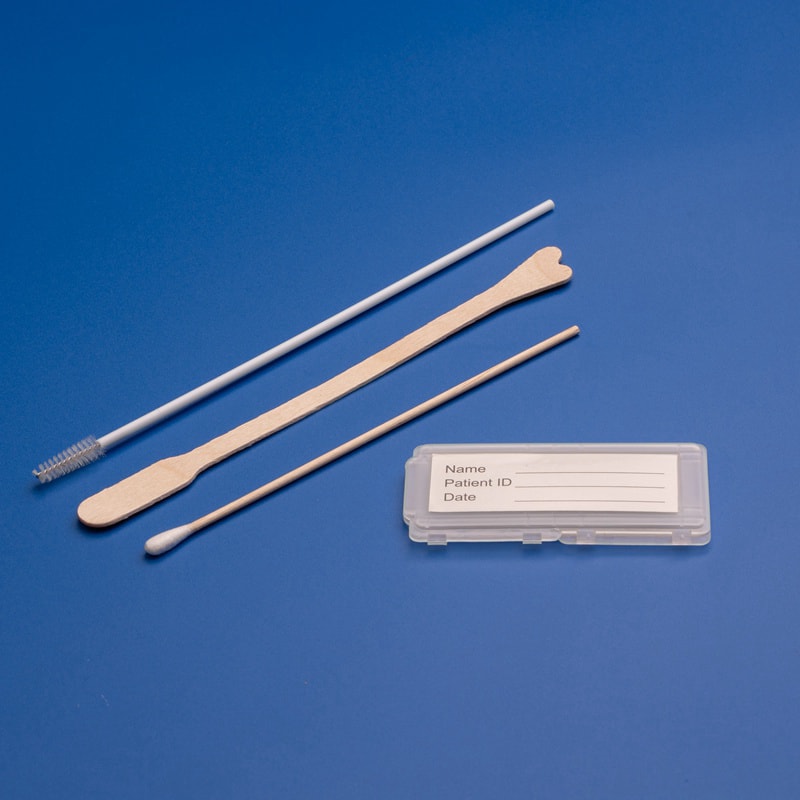
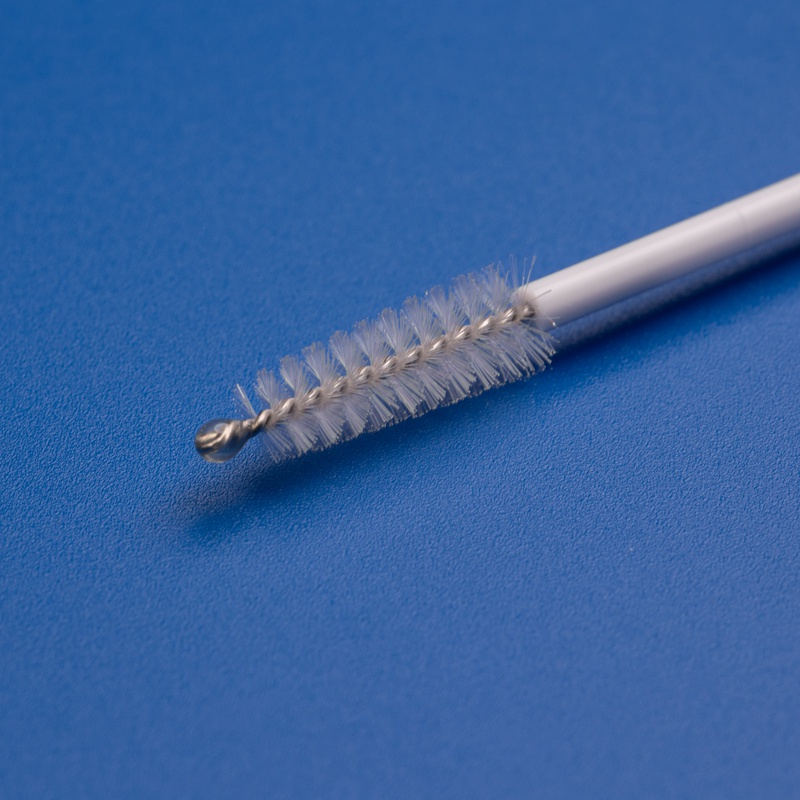
Another notable shift is the integration of gynecological sampling devices into broader procedure kits. Rather than sourcing scrapers alone, some buyers will prefer bundled kits combining samplers, speculums, brushes, and transport accessories. This favors suppliers with broader women’s health product lines and robust kit assembly capability.
Checklist for Purchase Decisions
Before placing an order, United States buyers should validate a short operational checklist. Confirm the exact tip contour and edge finish. Review packaging format and label compliance. Verify sterilization status and shelf life. Check documentation availability for onboarding. Confirm MOQ and replenishment timing. Ask how the supplier handles complaints, replacement, and lot traceability. If private label is involved, request a clear artwork approval process and production timeline.
It is also sensible to test the product in the actual care setting where it will be used. A scraper that performs well in a catalog sample may behave differently under real clinic conditions, especially when exam volume is high and multiple clinicians are involved. A short field evaluation can prevent a long contract mistake.
FAQ
What is the main purpose of a contoured tip gynecological scraper?
Its purpose is to improve contact with cervical anatomy so clinicians can collect an adequate specimen more consistently while reducing discomfort compared with less refined shapes.
Why does tip contour matter in the United States market?
US buyers place high value on clinician acceptance, patient comfort, and documentation-backed consistency. Tip contour affects all three because it shapes collection performance and user experience.
Are domestic suppliers always better for US clinics?
Not always. Domestic suppliers may offer easier account management and brand familiarity, but certified international manufacturers can provide stronger pricing, larger capacity, and more flexible OEM options.
What documents should buyers request?
Typical requests include product specifications, sterilization statements where applicable, shelf-life information, packaging details, certificates, batch traceability structure, and labeling information for distribution review.
Can a gynecological scraper be customized for private label?
Yes. Many manufacturers support custom packaging, branded labeling, carton design, and sometimes product color or handle markings, though minimum order quantities usually apply.
Which US regions drive the most demand?
Large healthcare markets such as California, Texas, Florida, New York, Illinois, and the Northeast corridor remain especially important because of dense clinic networks, distributor presence, and access to major ports and logistics hubs.
How should buyers compare suppliers?
Compare clinical usability, documentation quality, lead times, OEM capability, total landed cost, and support responsiveness together. Choosing only on unit price can create downstream problems.
What should improve by 2026?
Expect better ergonomic molding, tighter compliance documentation, stronger kit-based purchasing models, and more attention to packaging efficiency and sustainability across the supply chain.
Final Takeaway
For the United States, an effective contoured tip gynecological scraper design is not just a shaped plastic instrument. It is a clinically sensitive, compliance-linked disposable product that must satisfy physician expectations, patient comfort goals, and professional procurement standards at the same time. Buyers that compare design geometry, sterilization readiness, packaging, documentation, and supplier service model together are more likely to secure a product that performs well in daily practice and scales efficiently across clinic, distributor, and private-label channels.

Jiangsu Hanheng Medical Technology Co., Ltd.
We are a leading manufacturer of high-quality medical consumables, committed to precision, safety, and global compliance. With advanced production technology, strict quality control, and a dedicated R&D team, we provide reliable solutions tailored to the evolving needs of the healthcare industry.

.jpg)