Share
Cervical Sampler Storage and Handling Guide for the United States
Quick Answer

In the United States, disposable cervical samplers should be stored in a clean, dry, temperature-controlled area according to the manufacturer’s labeled instructions, typically away from direct sunlight, excess humidity, damaged packaging, and extreme heat or freezing conditions. For clinics, laboratories, distributors, and public health buyers, the safest purchasing approach is to choose suppliers that provide lot traceability, sterilization records, shelf-life validation, packaging integrity data, and responsive customer support for transport deviations or recall actions.
For practical sourcing, many U.S. buyers look first at established healthcare suppliers and manufacturers such as CooperSurgical, Cardinal Health, McKesson, Medline Industries, Thermo Fisher Scientific, and Puritan Medical Products because they understand local compliance, logistics expectations, and healthcare procurement workflows. Qualified international suppliers can also be a strong option when they hold relevant certifications, support U.S. documentation requirements, and provide reliable pre-sale and after-sale service. Cost-performance advantages are often meaningful for high-volume programs, especially when the supplier can support OEM, private label, and distributor needs while maintaining consistent sterile manufacturing standards.
The immediate rule is simple: keep cervical sampling devices in original sealed packaging, inspect cartons upon receipt, rotate stock by lot and expiration date, avoid compression or puncture damage, document any out-of-range transport event, and never use a sampler if the sterile barrier or labeling is compromised.
Direct Answer: How Should Disposable Cervical Samplers Be Stored and Handled?

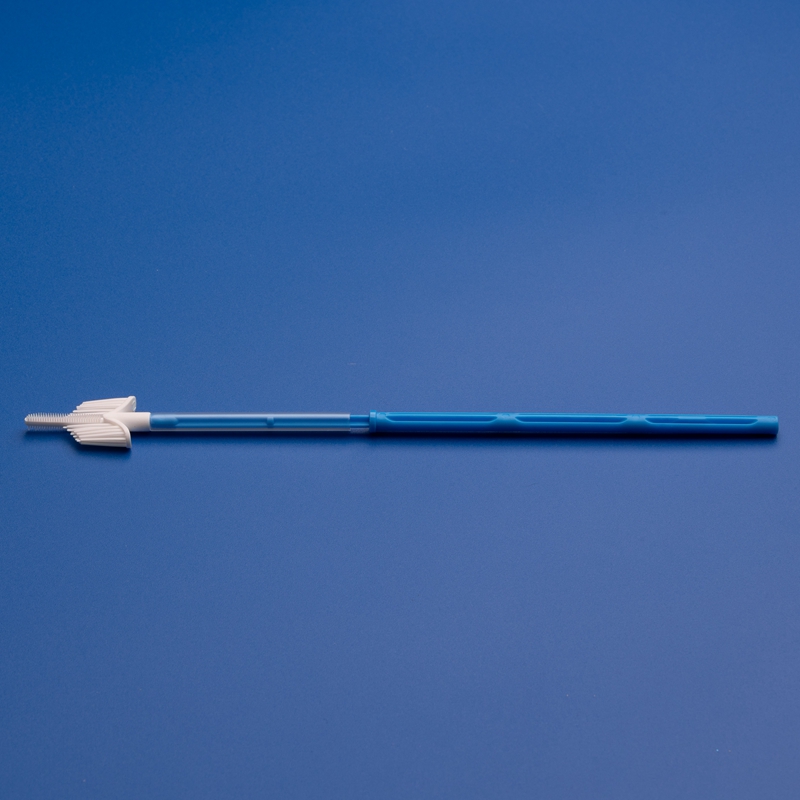
Disposable cervical samplers used for gynecological screening, HPV testing, and cytology collection in the United States must be handled as sterile or hygiene-critical medical consumables from receiving through final use. While exact storage conditions vary by design and packaging system, most products should remain in their original sealed pouch or tray, be stored indoors under controlled room conditions, and be protected from moisture, crushing pressure, ultraviolet exposure, and contamination. The product label and instructions for use always take priority, but healthcare purchasers generally expect stable room-temperature storage, first-expire-first-out inventory management, and full lot-level documentation.
Handling begins before the product reaches the exam room. Buyers should verify that shipping cartons are intact, labeling is legible, sterilization indicators are present where applicable, and carton seals show no evidence of tampering or water intrusion. Warehouse teams should avoid stacking cartons beyond the manufacturer’s limit, avoid storing products directly on the floor, and keep cervical sampling items away from chemicals, cleaning solvents, and areas prone to temperature spikes such as loading docks in summer or unheated storage rooms in winter.
Inside a clinic or hospital, staff should retrieve only the quantity needed for the immediate workflow, check expiration dates, and open each device at the point of care using aseptic technique. If a pouch is torn, the product is expired, or the sampler shaft or head appears bent, deformed, wet, or contaminated, it should be discarded according to facility policy. These controls help reduce specimen quality issues, false negatives caused by poor sampling performance, and infection-control risks tied to compromised packaging.
United States Market Context

The United States remains one of the most structured and quality-sensitive markets for cervical screening consumables. Demand is driven by hospitals, OB-GYN practices, community health centers, reference laboratories, public health programs, women’s health clinics, and self-collection initiatives connected to HPV screening expansion. Procurement expectations are shaped by FDA-related oversight, quality system documentation, medical distributor norms, and strict lot traceability requirements across healthcare supply chains.
Regional purchasing patterns differ. Buyers in major healthcare hubs such as Boston, Chicago, Houston, Atlanta, Los Angeles, and New York often rely on integrated distribution networks and just-in-time replenishment, while state public health systems and rural networks may prioritize inventory resilience and multi-site delivery consistency. Port access also affects imported medical consumables. Products entering through Los Angeles/Long Beach, Seattle/Tacoma, New York/New Jersey, Savannah, or Houston must maintain packaging integrity throughout customs clearance, domestic forwarding, and warehouse storage.
Another major market factor is the transition toward HPV-based screening and broader women’s preventive health outreach. As testing programs scale, buyers are evaluating sampler ergonomics, specimen adequacy rates, compatibility with transport media, shelf life, and packaging formats suited for clinics, outreach programs, and contract packaging operations. Storage handling rules matter more as volumes rise because minor warehouse failures can affect thousands of units across multiple states.
The line chart reflects a realistic upward market index trend, showing steady growth tied to preventive screening programs, increased HPV awareness, and procurement modernization. For storage planning, this growth means more facilities must formalize receiving, warehousing, temperature observation, and stock rotation to avoid waste as order volumes increase.
Common Product Types and Their Storage Considerations
Cervical sampling devices are not all stored and handled exactly the same way. The sampler head material, shaft design, sterilization method, and intended downstream test all influence procurement and handling decisions. U.S. buyers should confirm product-specific instructions rather than applying one rule to every device category.
| Product Type | Typical Use | Packaging Format | Key Storage Focus | Handling Risk | Best-Fit Buyers |
|---|---|---|---|---|---|
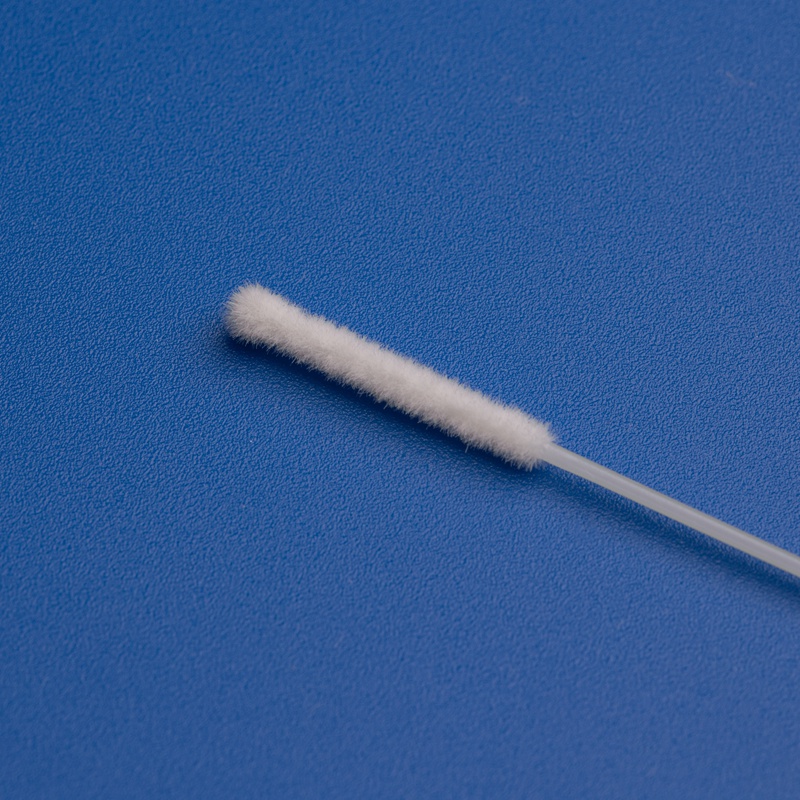
| Cervical flocked sampler | HPV and molecular sampling | Individual sterile pouch | Protect tip from compression and humidity | Fiber deformation from crushing | Labs, OB-GYN clinics, screening programs |
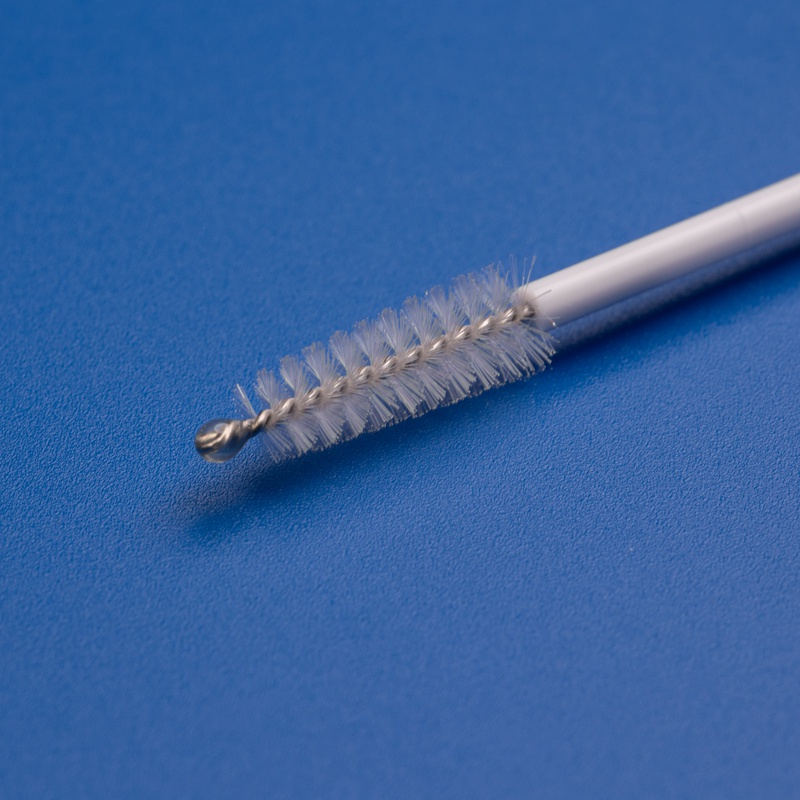
| Cervical brush | Cytology and Pap collection | Pouch or tray | Maintain sterile barrier integrity | Bristle distortion in damaged cartons | Hospitals, outpatient clinics |
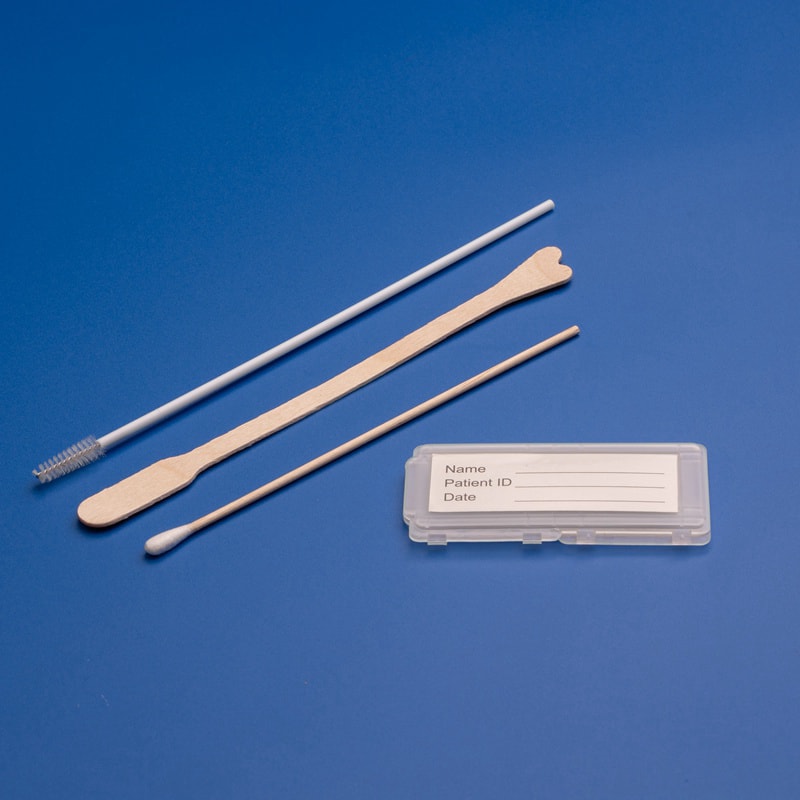
| Spatula and brush kit | Dual sample collection | Procedure kit pack | Keep kit components sealed together | Missing components after carton mishandling | High-volume women’s health centers |
| HPV self-sampling kit | Home or outreach sampling | Retail or mailer pack | Transport durability and user labeling | Mail transit heat and puncture stress | Telehealth and public health programs |
| Sampler with transport tube | Integrated specimen collection | Kit box | Keep medium and sampler lot matched | Component mismatch after repacking | Reference labs, distributors |
| Sterile gynecological scraper | Routine gynecological sampling | Individual sterile pack | Avoid seal damage and overstacking | Edge deformation and contamination | Clinics, government tenders |
This table shows why buyers should match storage protocols to the specific device format rather than using a generic medical consumables policy. For example, flocked sampler heads need stronger crush protection than rigid plastic spatulas, while home-use kits require more transit resilience than products stored entirely inside controlled clinical supply rooms.
Receiving, Storage, and Internal Transport Best Practices
A robust handling guide for U.S. healthcare settings usually starts with receiving inspections. Staff should confirm purchase order accuracy, lot numbers, carton counts, manufacturer name, sterile labeling, and expiration dates before products are released into stock. Any discrepancy should be quarantined immediately. Cartons showing punctures, crushed corners, moisture damage, or unlabeled relabeling stickers should be investigated before use.
After receipt, products should be stored in designated clean inventory areas with stable environmental conditions. Warehouses and central supply rooms should use shelving rather than floor storage, maintain aisle separation from chemicals and liquids, and avoid placing sterile samplers under heavy cartons. Barcode or ERP tracking is strongly recommended for large IDNs, distributor branches, and laboratory networks because recall response speed matters.
Internal transport from warehouse to clinic should preserve packaging integrity. Open totes, unsecured carts, and overfilled bins raise the risk of package tearing. In ambulatory networks, products moved between satellite clinics should remain in protective secondary cartons rather than loose bins. If temperature excursions occur during transport, the manufacturer should be consulted with the lot number, transit duration, and observed exposure conditions before the products are cleared for use.
Buying Advice for U.S. Procurement Teams
Buying cervical samplers in the United States is not just about price. The lowest unit cost can become expensive if packaging failures, back orders, weak documentation, or specimen adequacy problems disrupt clinical operations. Procurement teams should evaluate supplier capabilities in four layers: regulatory support, manufacturing control, logistics reliability, and post-sale responsiveness.
Regulatory support includes FDA-related market readiness, quality system certifications, sterilization validation records, biocompatibility or material documentation where relevant, and consistent labeling. Manufacturing control includes cleanroom production standards, in-process inspection, dimensional consistency, and stable raw material sourcing. Logistics reliability covers export packing, domestic replenishment, lead-time stability, and lot traceability. Post-sale responsiveness means the supplier can quickly answer deviation reports, provide replacement support, and assist with complaint investigation or quality review.
In U.S. tenders and distribution agreements, buyers should ask practical questions: What are the validated storage conditions? What happens if a pallet is exposed to heat on a dock? Is the shelf life supported by real-time or accelerated data? Can the supplier provide carton configuration details for warehouse planning? Are there private-label options for regional distributors or women’s health brands? A supplier that answers these questions clearly is typically less risky than one offering only a low quote.
| Buying Criterion | Why It Matters | What to Request | Warning Sign | Impact on Storage/Handling | Recommended Buyer Action |
|---|---|---|---|---|---|
| Sterile barrier validation | Protects patient safety and sample quality | Packaging validation and integrity records | No evidence beyond brochure claims | Higher risk after transport stress | Qualify only after documentation review |
| Shelf life support | Prevents expired or unstable stock | Expiration policy and stability data | Short or unclear dating | More waste in slow-moving inventory | Match purchase volume to turnover |
| Lot traceability | Critical for recalls and CAPA | Lot format and batch release documents | Incomplete lot coding | Difficult quarantine management | Require scannable lot tracking |
| Transport packaging | Protects device shape and sterility | Carton specs and stacking guidance | Thin cartons for long transit lanes | Damage during import and redistribution | Test pilot shipment first |
| Complaint response | Reduces downtime during quality events | SLA and QA contact process | Slow, generic support | Longer quarantine periods | Score support speed in supplier review |
| OEM/ODM flexibility | Supports brand owners and distributors | Labeling, carton, and kit customization | Rigid catalog-only model | Higher repacking risk after import | Prefer factory-level customization |
The purchasing table shows how storage and handling performance begins with supplier qualification. Products that arrive in poorly engineered packaging or without clear lot records create downstream risk even if the sampler itself performs well during collection.
Industries and Applications Driving Demand
Cervical samplers are used across more settings than many buyers realize. Hospitals and OB-GYN practices remain the largest traditional users, but demand is also rising from telehealth-linked screening programs, university health centers, community outreach organizations, contract diagnostic labs, and women’s preventive health campaigns supported by state agencies.
Applications vary. Pap smear and liquid-based cytology programs typically focus on compatibility, sample transfer behavior, and clinician familiarity. HPV screening emphasizes specimen adequacy, molecular workflow compatibility, and kit standardization. Public health campaigns need easy storage, easy counting, and dependable field logistics. Retail-oriented or direct-to-patient models require mailer-friendly packaging, clear instructions, and packaging that tolerates broader transit variation without compromising the device.
The bar chart highlights where storage discipline matters most by demand concentration. OB-GYN clinics and hospitals remain dominant, but public health and telehealth channels are growing quickly, which increases the importance of durable packaging and distributed inventory controls.
Detailed Supplier Comparison in the United States
For buyers seeking dependable supply, supplier comparison should include service geography, product breadth, documentation depth, and support quality after delivery. The following companies are widely recognized names in medical consumables or specimen collection markets and are relevant to U.S. procurement discussions.
| Company | Service Region | Core Strengths | Key Offerings | Buyer Fit | Storage/Handling Advantage |
|---|---|---|---|---|---|
| CooperSurgical | United States nationwide | Women’s health specialization and clinical familiarity | Cervical brushes, cytology collection devices, OB-GYN consumables | Hospitals and women’s health practices | Strong workflow alignment for clinical use |
| Cardinal Health | United States nationwide | Distribution scale and integrated supply chain | Medical-surgical consumables and procurement support | IDNs and multi-site systems | Reliable domestic inventory movement |
| McKesson | United States nationwide | Large healthcare distribution network | Clinical consumables, private label, facility supply | Clinics, physician groups, outpatient chains | Broad replenishment access across regions |
| Medline Industries | United States nationwide | Private-label capability and logistics depth | Procedure kits, sterile disposables, women’s health supplies | Distributors and health systems | Efficient packaging and warehousing support |
| Thermo Fisher Scientific | United States and global | Laboratory integration and diagnostic workflow strength | Sampling and lab consumables, molecular workflow products | Labs and testing networks | Better alignment with test-processing chains |
| Puritan Medical Products | United States nationwide | Specimen collection expertise and manufacturing reputation | Swabs, specimen collection devices, custom formats | Diagnostic distributors and labs | Known focus on collection device consistency |
This supplier table is useful because it distinguishes between clinical specialists, broad distributors, and collection-focused manufacturers. A hospital seeking seamless domestic replenishment may prefer a large distributor, while a brand owner or diagnostic company may prefer a manufacturer with more customization flexibility.
Trend Shift in Product Selection and Handling
U.S. procurement is shifting from simple unit-price comparisons toward total landed quality. Buyers increasingly evaluate whether packaging design reduces storage damage, whether product coding improves recall readiness, and whether supplier documentation shortens quality approval cycles. Another visible change is the growth of self-collection and outreach kits, which pushes manufacturers to design more resilient secondary packaging and better user instructions.
The area chart illustrates this trend shift clearly. More U.S. buyers are prioritizing storage resilience, documentation, and distribution-readiness, especially when products are moving through multiple nodes such as import warehouses, regional distribution centers, clinics, and home-delivery channels.
Case Studies from Real-World U.S. Buying Scenarios
A multi-site women’s health group in Texas can face different storage conditions than a single specialty practice in Seattle. Consider a health network expanding cervical screening across urban and rural clinics. Its early issues may not come from the sampler design itself, but from inconsistent stock rotation and damaged pouches at smaller satellite sites. After introducing centralized lot tracking, standardized shelf labeling, and sealed tote transport between locations, the network can reduce wastage and improve product accountability significantly.
Another example is a public health program serving community clinics in California and Arizona. During summer, transport temperatures and loading dock delays can stress packaging. A procurement team that switches to stronger secondary cartons, adds temperature event review rules, and selects a supplier with better shipment documentation usually sees fewer quarantines and faster receiving clearance.
A third case involves a diagnostic brand outsourcing production for a private-label HPV self-sampling kit in the United States. The brand may discover that repacking imported samplers domestically increases mismatch risk between devices, instructions, and transport components. Working directly with a manufacturer that supports OEM and ready-to-ship branded kit assembly at source can reduce handling steps and improve lot consistency.
Local and International Supply Pathways
U.S. buyers do not need to choose between domestic and international supply in absolute terms. Many organizations use a blended sourcing strategy. Domestic distributors offer short lead times and familiar procurement terms, while overseas manufacturers can provide large-volume capacity, competitive pricing, and customization support. The key is whether the international supplier is ready for U.S. quality expectations and local service realities.
That means more than exporting cartons to a U.S. port. Buyers should look for suppliers that understand U.S. documentation requirements, can communicate quickly during complaints, and have practical experience supporting distributors, hospitals, laboratories, brand owners, and public tenders. For imported sterile devices, stable packaging, validated sterilization, clear carton markings, and transit-ready packing configurations are essential because the products may move through Shanghai export operations, trans-Pacific lanes, West Coast or Gulf gateways, and domestic medical distribution hubs before final use.
Our Company
For buyers evaluating internationally sourced cervical samplers for the U.S. market, Hanheng Medical presents a factory-backed option with the kind of evidence American procurement teams usually want to see. The company manufactures disposable medical sampling products in a 10,000 square meter Class 100,000 cleanroom and supports production through precision injection molding, automated flocking, and EO sterilization, with certifications and market access credentials including ISO9001, ISO13485, EU CE, MDR-related approvals, U.S. FDA approval, UK MHRA registration, and NMPA documentation. That matters because cervical samplers depend on material consistency, sterile barrier control, and repeatable collection performance rather than simple plastic conversion alone. Hanheng supplies cervical sampling swabs, sterile cervical samplers, sampling brushes, HPV self-sampling kits, Pap smear kits, specimen transport formats, and related gynecological consumables while backing these products with batch details, technical files, certificates of conformity, sterilization records, and rigorous quality inspection from raw material selection through final release. For cooperation, the company serves distributors, wholesalers, hospitals, government buyers, brand owners, and private-label programs through direct manufacturing, export, OEM, ODM, custom packaging, labeling, and regional distribution support, making it workable for both established medical supply channels and emerging women’s health brands. Just as importantly for U.S. buyers, the company already operates with a global supply-chain mindset built from shipments to more than 130 countries and large-scale annual output, supported by responsive online and offline pre-sale and after-sale service, practical regulatory documentation assistance, and logistics cycles that typically move bulk orders within 7 to 21 days. Buyers who want to understand factory capability, compliance support, or product scope can review the company profile at about us, browse gynecological and sampling categories through the product catalog, or discuss U.S. supply needs directly via contact us.
Comparison of Supplier Models
| Supplier Model | Lead Time Profile | Customization Level | Documentation Depth | Typical Cost Position | Best Use Case |
|---|---|---|---|---|---|
| Large U.S. distributor | Fast domestic replenishment | Low to medium | Moderate to strong | Medium to high | Routine clinical purchasing |
| U.S. specialist manufacturer | Moderate | Medium | Strong | Medium to high | Clinical performance-focused sourcing |
| Global diagnostic supplier | Moderate | Medium | Strong | Medium to high | Lab-integrated programs |
| International OEM factory | Moderate to long | High | Strong if qualified | Low to medium | Private label and large volume contracts |
| Hybrid importer-distributor | Moderate | Medium to high | Variable | Medium | Regional supply programs |
| Public tender aggregator | Variable | Low | Moderate | Low to medium | Government and large institutional bids |
This comparison table helps buyers align sourcing strategy with operational goals. If rapid replenishment matters most, domestic distribution may be the best fit. If private labeling, kit assembly, and cost efficiency matter more, a qualified manufacturing partner can be more attractive, provided documentation and after-sales support are strong.
Supplier and Product Comparison Snapshot
The comparison chart shows a practical sourcing reality in the United States: domestic distributors lead on immediate availability and domestic logistics, while qualified international manufacturers often score better on customization and cost efficiency. Buyers that need both often use a dual-source approach.
Storage Handling Checklist for Clinics, Labs, and Distributors
A usable handling guide should end in actions. For U.S. healthcare operators, the most effective checklist is simple and repeatable. Verify each shipment on arrival. Store products in original packaging under controlled indoor conditions. Keep lots and expiration dates visible. Use first-expire-first-out rotation. Protect pouches from puncture, crushing, and moisture. Remove damaged or questionable units immediately. Train staff not to open sterile packs before point of use. Record and investigate any transport event that may have exceeded manufacturer limits.
For distributors and central warehouses, there should also be clear quarantine procedures for questionable stock, written instructions for pallet stacking, and complaint escalation paths tied to supplier quality contacts. This is especially important when managing products across multiple states or redistribution centers.
Future Trends Through 2026
By 2026, cervical sampler procurement and handling in the United States will be shaped by three strong trends: technology, policy, and sustainability. On the technology side, more products will be designed around HPV-first screening pathways, self-collection formats, better ergonomic heads, and smarter lot traceability using scannable coding. Policy trends will likely strengthen expectations for documentation, complaint responsiveness, and supply-chain transparency, especially for public procurement and women’s health access programs. Sustainability will become harder to ignore as buyers ask for packaging reduction, more efficient carton design, and lower-waste logistics without compromising sterile barrier performance.
Another likely shift is more formal supplier scorecards that measure not only price and fill rate, but also packaging failure rates, complaint closure speed, and quality-document turnaround. This will favor manufacturers and distributors that can show measurable process control rather than just product claims. Suppliers that combine strong compliance with better total landed economics are likely to gain share in large U.S. screening programs.
FAQ
What temperature should cervical samplers be stored at?
The exact requirement depends on the labeled instructions, but most disposable cervical samplers are stored at controlled room conditions, away from freezing, direct sunlight, excessive heat, and high humidity. Always follow the product label and instructions for use.
Can expired sterile cervical samplers still be used if the pouch looks intact?
No. Once expired, the product should not be used, even if packaging appears undamaged. Expiration dating is tied to validated shelf life, packaging integrity, and product performance.
What should a clinic do if a shipment arrives with crushed cartons?
Quarantine the affected stock, document the damage, and contact the supplier before use. If the sterile barrier may have been compromised, the lot should not be released until the supplier’s quality team provides guidance.
Are imported cervical samplers acceptable for U.S. buyers?
Yes, if they meet U.S. regulatory and documentation expectations, provide reliable lot traceability, and come from suppliers with strong quality systems and practical after-sales support. Many buyers use imported products successfully when the supplier is properly qualified.
Why is original packaging so important?
The original packaging protects sterility, preserves device shape, carries the lot and expiration data, and supports traceability during recalls or complaint investigations. Repacking adds avoidable risk unless it is part of a controlled, validated process.
How often should inventory be reviewed?
High-volume facilities often review weekly, while smaller practices may review monthly. Any site holding sterile sampling products should have a formal first-expire-first-out process and periodic physical checks for damage or outdated stock.
Final Takeaway
The best cervical sampler storage and handling strategy in the United States is disciplined but straightforward: buy from documented, responsive suppliers; protect the sterile barrier from receipt to use; monitor lot numbers and expiration dates carefully; and match storage processes to the actual product format and transport route. Whether sourcing from major U.S. healthcare suppliers or a qualified international manufacturing partner, buyers should prioritize packaging integrity, traceability, and service support because these factors directly affect product usability, sample quality, and total supply-chain reliability.

Jiangsu Hanheng Medical Technology Co., Ltd.
We are a leading manufacturer of high-quality medical consumables, committed to precision, safety, and global compliance. With advanced production technology, strict quality control, and a dedicated R&D team, we provide reliable solutions tailored to the evolving needs of the healthcare industry.

.jpg)