Share
When Oral Swabs Make More Sense Than Blood Tests in the United States
Quick Answer

In the United States, oral swabs are often the better choice when the goal is fast, noninvasive, low-risk sample collection rather than deep biomarker analysis that requires serum or plasma. Oral sampling is especially useful for workplace drug screening, DNA collection, infectious disease screening support, school or community testing programs, elder care settings, pediatric sampling, and situations where blood draws are impractical, costly, or likely to reduce compliance. Blood testing is still preferred when clinicians need quantitative chemistry, antibody titers, hormone panels, or disease markers that cannot be reliably measured from oral specimens.
For buyers in the United States, the most practical rule is simple: choose oral swabs when comfort, speed, easy training, field collection, lower biohazard risk, and broad participation matter more than laboratory depth. Domestic providers such as Puritan Medical Products, Copan Diagnostics, OraSure Technologies, Thermo Fisher Scientific, Cardinal Health, and MWE work across hospitals, labs, public health programs, and employers. Qualified international manufacturers can also be worth considering when they hold recognized certifications and provide strong pre-sale and after-sales support. Companies such as Hanheng Medical can be attractive for cost-performance, custom manufacturing, and scalable supply to U.S. distributors and healthcare buyers.
Why the U.S. Market Is Using More Oral Sampling

The United States has steadily expanded oral specimen collection across healthcare, forensic, occupational health, and home-based screening channels. Several practical forces explain this shift. First, labor costs in American healthcare are high, so methods that reduce phlebotomy time and training burdens create immediate operational savings. Second, large geographies and decentralized testing networks make easy-to-ship and easy-to-collect swab systems attractive for clinics, pharmacies, mobile testing units, and employer programs. Third, patient experience matters more than ever. Many providers now judge a collection method not only by analytical performance but also by participation rate, repeatability, and whether collection can be done outside a traditional lab draw station.
Urban centers such as New York, Chicago, Los Angeles, Houston, and Atlanta have strong laboratory infrastructure, yet even in these markets oral swab use continues to rise for screening workflows because it lowers barriers to participation. In regional and rural markets, oral swabs solve a different problem: access. A school district in Ohio, a tribal health program in Arizona, a manufacturing employer near Detroit, or a community health network around Dallas may not always have dedicated phlebotomy capacity at the exact moment samples are needed. Oral specimen collection creates more flexibility.
Another reason is logistics. Blood samples often require needles, tubes, trained staff, tighter handling controls, and higher perceived clinical intensity. Oral swabs simplify collection kits and reduce exposure concerns for staff and recipients. For programs that manage large sampling volumes through shipping hubs such as Los Angeles, Chicago, Memphis, and New York-New Jersey, a swab-based workflow can reduce packing complexity and streamline replenishment.
The line chart shows a realistic growth pattern rather than explosive speculation. Demand has been supported by employer screening, oral DNA collection, self-collection interest, and public health preparedness. Growth is also tied to the wider U.S. diagnostic trend toward decentralized collection, where the convenience of obtaining a valid sample is often as important as the test platform itself.
When Oral Swabs Are Better Than Blood Tests

There is no single answer for every clinical scenario, but the most important decision point is whether the program needs a screening sample or a quantitative blood-based measurement. Oral swabs generally outperform blood collection in practical use cases where the main goal is rapid identification, specimen capture, chain-of-custody support, or noninvasive DNA or saliva-based analysis.
| Use Case | Why Oral Swabs Work Well | When Blood Still Wins | Typical U.S. Buyers |
|---|---|---|---|
| Workplace drug screening | Observed collection, quick administration, less tampering risk | Need confirmation with blood concentration data | Employers, occupational clinics, TPAs |
| DNA collection | Simple cheek swab collection, high compliance, easy transport | Need specialized blood-based genomic workflows | Labs, law enforcement, ancestry services |
| Pediatric screening | Less distress, no needle fear, easier repeat collection | Need CBC, chemistry, or serology panels | Children’s clinics, hospitals, schools |
| Elder care sampling | Lower burden for frail patients and easier bedside collection | Need medication levels or metabolic markers | Nursing homes, home health networks |
| Community infectious disease programs | Fast field collection and higher participation | Need blood antibody or inflammatory marker analysis | Public health departments, NGOs |
| Forensic identity collection | Strong suitability for buccal DNA capture | Need toxicology blood profile | Police departments, forensic labs |
| At-home or remote collection | Safer for nonprofessionals and easier mailing workflows | Need venous blood analytes | DTC brands, telehealth programs |
This comparison shows why oral swabs continue to gain ground in the United States. They are not a full replacement for blood testing, but in screening and collection-driven applications they often provide the highest total value because they increase participation, lower operational friction, and reduce collection complexity.
Situations Where Blood Testing Should Still Be Chosen
Even strong advocates of oral specimen collection should be clear about its limits. Blood remains the better option when physicians or laboratories need direct access to circulating analytes, strict quantitative thresholds, or broad chemistry panels. Examples include complete blood counts, liver and kidney function markers, troponin, therapeutic drug monitoring, many endocrine panels, coagulation studies, and detailed serology. U.S. buyers should avoid overextending oral sampling into applications where blood is the accepted clinical standard.
This distinction matters in procurement. A hospital in Boston or San Diego may buy oral swabs for outreach, respiratory support collection, or buccal DNA work, while still maintaining conventional venipuncture-based systems for inpatient diagnostics. Smart procurement is not about replacing all blood collection. It is about matching the specimen type to the task.
Product Types in the U.S. Oral Sampling Segment
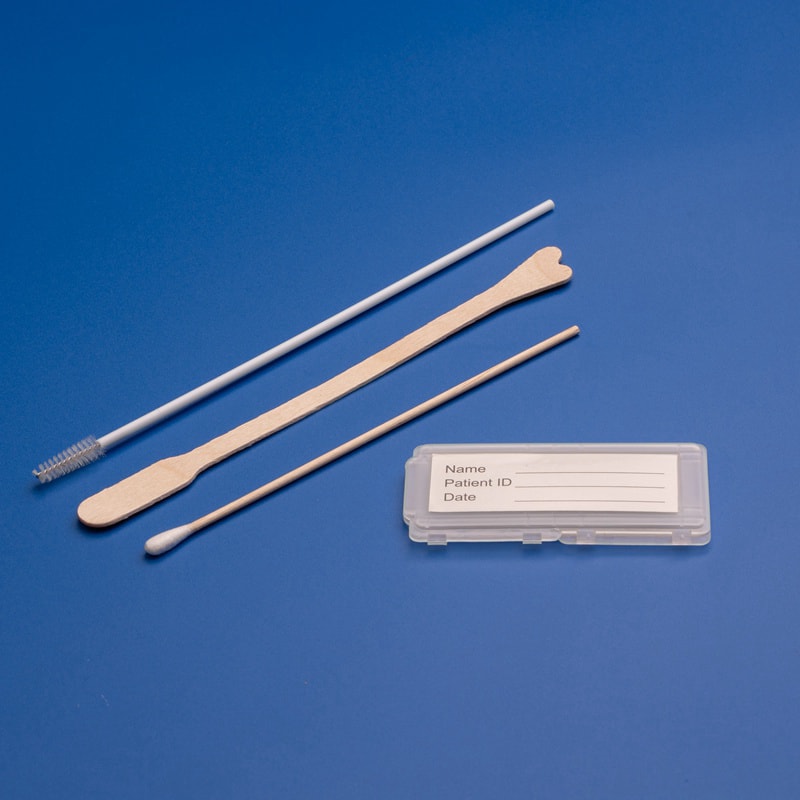
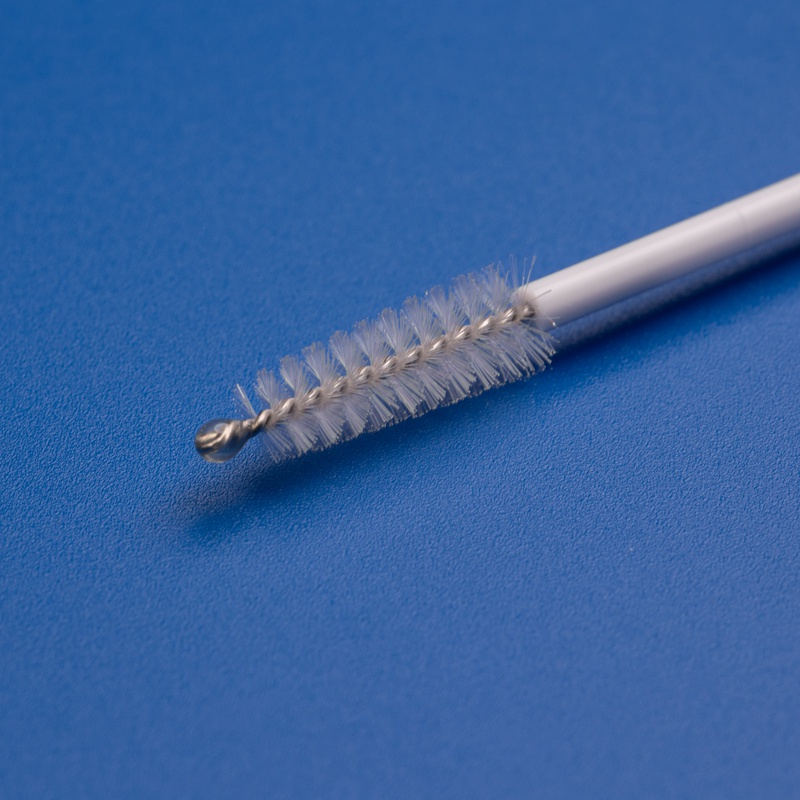
Not all oral swabs are identical. Material design, tip structure, shaft strength, breakpoint format, sterilization, packaging configuration, and compatibility with transport systems all influence performance. In the United States, buyers typically evaluate products based on workflow fit rather than only unit price.
| Product Type | Main Use | Key Design Features | Best Fit Settings |
|---|---|---|---|
| Buccal DNA swabs | Human DNA collection | Soft tip, high cell release, sterile packaging | Genetics labs, forensics, home kits |
| Oral fluid drug test swabs | Substance screening | Collection pad, indicator, secure tube system | Employers, rehab centers, roadside screening |
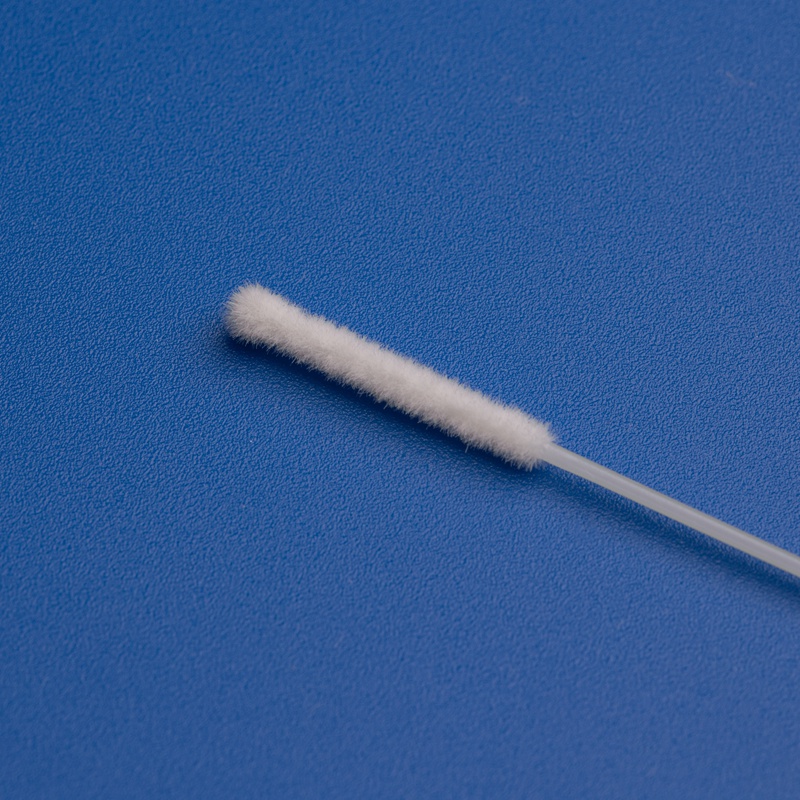
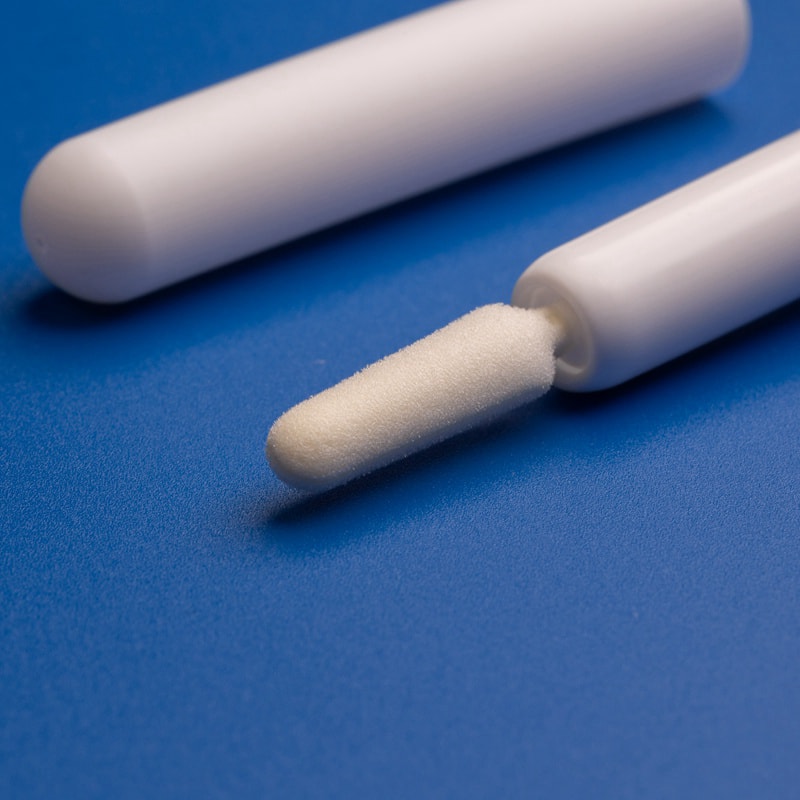
| General oral sampling swabs | Mouth or cheek specimen capture | Flocked or foam tip, flexible shaft | Clinics, schools, public health teams |
| Saliva collection kits | Molecular analysis | Tube, funnel or swab, stabilizing medium | DTC testing, research studies |
| Virus sampling swabs | Oropharyngeal support collection | Nylon flocked tip, breakpoint shaft, sterility validation | Hospitals, diagnostic labs |
| Chain-of-custody oral kits | Legal or regulated testing | Tamper evidence, barcodes, documented handling | Forensic and occupational programs |
For American buyers, the main buying mistake is treating all oral swabs as interchangeable commodities. A cheek swab for DNA collection should not be sourced the same way as an oral fluid collection device for drug screening or a flocked swab for diagnostic specimen collection. Collection efficiency, release performance, and user comfort directly affect downstream results.
Industry Demand Across the United States
Demand is broad, but it is not evenly distributed. Occupational health, diagnostics, and genetics account for a large share of oral swab use, while home collection and elder care are rising quickly as decentralized healthcare expands.
The bar chart highlights where oral swabs currently have the strongest market pull. Occupational health remains a leading segment in the United States because oral fluid testing can be supervised, completed quickly, and integrated into hiring or compliance programs with less disruption than blood collection. Clinical diagnostics and DNA-related uses remain strong because sample collection is often the largest barrier to participation, not the lab procedure itself.
Buying Advice for U.S. Procurement Teams
Procurement decisions should begin with intended use. Hospitals in Philadelphia and Seattle, employer testing providers in Texas, distributors serving the Midwest, and public health agencies in California all need different configurations. Start with the workflow question: who collects the sample, where is it collected, how is it transported, and what does the downstream lab require?
Then assess the swab design. Flocked swabs generally offer strong collection and release performance for many specimen types, while foam or polyester variants may fit specialized workflows. Shaft flexibility matters for comfort and ease of use. Breakpoint design matters for tube compatibility. Sterility, packaging integrity, lot traceability, and shelf-life documentation are essential for regulated purchasing.
U.S. buyers should also consider practical supply-chain factors. Can the supplier handle recurring blanket orders? Are there contingency stocks near major U.S. ports such as Los Angeles/Long Beach, Savannah, New York/New Jersey, or Houston? Is there support for private labeling, regional distribution, and bilingual packaging where needed? These issues matter as much as unit price when programs scale.
| Buying Criterion | Why It Matters | Questions to Ask Suppliers | Common U.S. Risk if Ignored |
|---|---|---|---|
| Intended use match | Prevents selecting the wrong swab design | Which workflows is this validated for? | Poor sample quality or collection failure |
| Regulatory documentation | Supports compliance and buyer confidence | Can you provide FDA-related records, CE, ISO, sterility data? | Delayed approvals and procurement rework |
| Material consistency | Protects reproducibility and comfort | What controls exist for flocking, molding, and lot testing? | Variation in collection performance |
| Packaging options | Improves workflow fit and storage efficiency | Do you offer individual, bulk, or kit-ready packaging? | Repacking costs and contamination risk |
| Supply reliability | Reduces stockout exposure | What are lead times for standard and surge orders? | Program interruption |
| OEM/ODM flexibility | Supports brand owners and distributors | Can you customize labels, packs, inserts, or kit design? | Slow product launch or weak differentiation |
| Support responsiveness | Shortens troubleshooting cycles | Who handles pre-sale and after-sale issues in the U.S. time zone? | Procurement delays and unresolved complaints |
This table is useful because it shifts the conversation from product claims to operational proof. In U.S. purchasing, many failures come not from bad swab concepts but from weak documentation, inconsistent production, and poor support after delivery.
Industries Where Oral Swabs Offer the Best Value
Several industries have adopted oral swabs because they improve throughput, compliance, or end-user experience. Manufacturing and logistics firms often prefer oral fluid methods in occupational testing because sample collection can happen on site without specialized blood-draw personnel. Schools and universities use oral or buccal collection in research or public health initiatives because it reduces student resistance. Forensic and law-enforcement agencies rely on buccal swabs for identity work because the collection process is direct and well-established. Telehealth and direct-to-consumer brands increasingly use oral and saliva-based kits because home collection lowers friction and increases completion rates.
Healthcare providers also use oral swabs in patient groups where venipuncture is challenging, such as pediatrics, behavioral health, long-term care, and hospice support. In these settings, the “best” sampling method is often the one that gets a reliable sample without creating anxiety or needing a second appointment.
Common Applications in Real U.S. Workflows
In practice, oral swabs are chosen for convenience-driven workflows. An employer onboarding workers in Phoenix may use oral fluid kits because candidates can be observed without privacy complications tied to urine collection. A genetics program in Raleigh may prefer cheek swabs because they simplify family enrollment and shipping. A nursing facility in Florida may choose oral sampling for frail residents because repeated blood draws reduce participation. A public health outreach team in Los Angeles may rely on oral specimen collection for community events because it supports large-volume field operations with minimal setup.
These examples matter because the U.S. market rewards workflows that reduce staffing pressure and increase compliance. Oral sampling succeeds when the collection method is aligned with the real environment in which it will be used.
Trend Shift Toward Decentralized Collection
The U.S. market is moving from centralized specimen collection toward mixed models that combine hospital, clinic, employer, pharmacy, and home settings. Oral swabs sit at the center of this shift because they are easier to standardize outside of traditional blood draw environments.
The area chart reflects the strong move toward decentralized collection. This shift is supported by telehealth, retail health, mobile screening, and employer-based testing. It also aligns with patient preference for methods that feel less invasive and more accessible than conventional blood collection.
Case Studies From U.S. Buyer Perspectives
A Midwest staffing agency with seasonal hiring spikes switched part of its screening volume from blood-linked workflows to oral fluid collection for pre-employment programs. The result was shorter appointment times, lower no-show rates, and easier same-day deployment of workers. A pediatric specialty clinic in the Northeast added buccal collection for certain genetic workflows and saw improved parent acceptance because children no longer associated every diagnostic visit with needles. A Southwest public health contractor used swab-based kits during community outreach events and found that collection throughput improved because staff training requirements were lower than for blood-based collection.
These are not claims that oral swabs are universally superior. They show that in the United States, performance is often defined by adoption and completion, not only by lab sensitivity. If a collection method is too invasive, too expensive, or too difficult to deploy, the program may fail before the specimen ever reaches the lab.
Local Suppliers and Major Providers in the United States
American buyers usually compare domestic makers, U.S.-based distributors, and international manufacturers with strong compliance records. The table below identifies well-known names that regularly appear in procurement discussions for oral sampling, swabs, specimen collection, and adjacent diagnostic consumables.
| Company | Service Region | Core Strengths | Key Offerings |
|---|---|---|---|
| Puritan Medical Products | United States nationwide | Domestic manufacturing reputation, broad swab catalog, healthcare relationships | Diagnostic swabs, specimen collection devices, foam and flocked products |
| Copan Diagnostics | United States and global | Strong specimen collection systems, microbiology expertise, transport media integration | Flocked swabs, transport systems, diagnostic collection products |
| OraSure Technologies | United States nationwide | Leadership in oral fluid collection and oral specimen testing solutions | Oral fluid collection devices, diagnostics, substance screening solutions |
| Thermo Fisher Scientific | United States and international | Laboratory network reach, genomic workflow support, procurement familiarity | Sample collection consumables, molecular biology solutions, lab kits |
| Cardinal Health | United States nationwide | Distribution scale, hospital procurement access, broad med-surg portfolio | Medical consumables, diagnostic and collection supply distribution |
| MWE | United States through distribution channels | Specimen transport expertise, microbiology and sampling focus | Swabs, transport media, clinical collection devices |
| Jiangsu Hanheng Medical Technology Co., Ltd. | United States via direct export and partner networks | High-volume manufacturing, OEM/ODM capability, wide oral and diagnostic swab range | Oral sampling swabs, DNA saliva samplers, virus swabs, transport kits, private-label solutions |
This supplier comparison is practical because it separates market position from product fit. Some companies are strongest in direct domestic distribution, while others stand out in specialized collection systems or private-label manufacturing. For U.S. distributors, wholesalers, and brand owners, a supplier with flexible packaging and OEM support can be more valuable than a larger but less adaptable vendor.
Supplier and Product Comparison
Procurement teams often need a simplified visual view of how supplier types compare on the metrics that matter most in oral swab buying.
The comparison chart shows the blended strengths buyers typically evaluate. Domestic availability remains important, but customization, documentation, and cost efficiency now carry more weight because many U.S. buyers need both stable supply and differentiated product programs.
Our Company in the U.S. Market
For U.S. buyers looking beyond standard catalog supply, Hanheng Medical offers a practical combination of manufacturing scale and market readiness. The company operates a 10,000 square meter Class 100,000 cleanroom and integrates precision injection molding, automated flocking, and EO sterilization into production, which is important for oral sampling swabs where tip consistency, sterility control, and release efficiency directly affect collection quality. Its manufacturing system is backed by ISO9001, ISO13485, EU CE including TUV-CE and MDR, U.S. FDA approval, UK MHRA registration, and NMPA-related compliance records, supported by documented batch data and technical files. For cooperation, it serves U.S. distributors, dealers, hospitals, government tenders, brand owners, and other volume buyers through direct supply, wholesale programs, OEM/ODM development, custom packaging, labeling, and formulation support, while its broad product range covers oral sampling swabs, DNA saliva samplers, virus sampling kits, and specimen transport solutions. Just as important for local assurance, the company already has deep experience supplying the United States as one of its key markets, exports at large scale to more than 130 countries, typically processes bulk shipments within 7 to 21 days, and supports buyers through responsive pre-sale consultation, after-sales handling, and regulatory documentation support that helps American importers, private-label brands, and institutional purchasers manage qualification, replenishment, and long-term partnership risk with confidence. Buyers can review relevant product lines through the product catalog or discuss U.S. program requirements through the contact page.
How U.S. Buyers Should Evaluate International Suppliers
International sourcing is no longer just a price decision. In the United States, the best overseas suppliers are those that can prove process control, sterility consistency, material traceability, and responsive service. Buyers should ask whether the supplier can support private-label kits for state-based distributors, whether shipping plans can align with ports like Los Angeles, Savannah, or Houston, and whether documentation packages are prepared for distributor qualification. Time-zone coverage and post-sale issue handling also matter. A cheaper swab is not a better swab if a documentation problem delays a hospital system rollout.
For many U.S. importers, the right structure is a dual-source model: retain one domestic channel for urgent replenishment and one qualified international manufacturing partner for scalable, cost-effective production. This reduces risk while protecting margins.
2026 Trends: Technology, Policy, and Sustainability
Looking toward 2026, three trends will shape when oral swabs are chosen instead of blood testing in the United States. The first is technology. Collection devices are improving in tip design, release performance, and compatibility with molecular workflows. Better sample stabilization and easier self-collection will expand remote and hybrid testing models. The second trend is policy and procurement discipline. More U.S. buyers are formalizing supplier qualification, data traceability, and contingency sourcing after recent supply disruptions. Oral swab suppliers that can demonstrate validated production controls and transparent documentation will gain share. The third trend is sustainability. Hospitals, state health agencies, and distributors are increasingly asking about packaging reduction, efficient transport formats, and material choices that lower waste without compromising sterility or performance.
There is also a broader strategic trend: healthcare in the United States is moving toward collection methods that balance accuracy with access. Blood will remain essential, but oral swabs are likely to capture more screening, surveillance, and consumer-facing workflows because they fit the economics of decentralized care.
Frequently Asked Questions
Are oral swabs as accurate as blood tests?
Not in every application. Oral swabs can be highly effective for specific screening and collection purposes, but blood remains superior for many quantitative laboratory measurements. Accuracy depends on the intended analyte, collection quality, and test method.
When should an employer in the United States choose oral swabs?
Employers often choose oral swabs when they need rapid, observed collection with lower invasion, easier scheduling, and reduced tampering risk. This is common in pre-employment, random, and post-incident screening workflows.
Are oral swabs better for children and elderly patients?
Often yes. Oral swabs reduce stress, needle fear, and collection burden, making them well suited for pediatric and elder care situations where comfort and cooperation influence sample success.
Can oral swabs be used for DNA testing?
Yes. Buccal and oral swabs are widely used for DNA collection in the United States because they are simple, noninvasive, and easy to transport. They are common in forensics, research, ancestry, and family-based testing programs.
What should U.S. distributors look for in an oral swab supplier?
They should verify regulatory documentation, manufacturing consistency, sterility controls, packaging flexibility, lot traceability, lead times, and after-sales responsiveness. Support for OEM/ODM and private labeling is also important for regional brands.
Is a domestic supplier always the best option?
Not always. Domestic supply can be ideal for urgent delivery and simplified procurement, but qualified international manufacturers can provide strong cost-performance, scalable production, and custom development if they have the right certifications and service capability.
How do oral swabs help public health programs?
They increase participation, simplify field collection, reduce staffing requirements, and support outreach in schools, workplaces, and community settings where blood collection may be too slow or resource-intensive.
What is the key procurement takeaway?
Use oral swabs instead of blood when the objective is easy, noninvasive, scalable sample collection for screening, DNA, or decentralized workflows. Use blood when the program requires analytes that only blood can measure reliably and quantitatively.
For U.S. healthcare providers, distributors, labs, and employers, the decision is less about whether oral swabs are universally better and more about whether they create a better workflow for the intended purpose. In many modern American settings, they do. That is why oral swab demand continues to expand across cities, regional health systems, and national supply chains alike.
Jiangsu Hanheng Medical Technology Co., Ltd.
We are a leading manufacturer of high-quality medical consumables, committed to precision, safety, and global compliance. With advanced production technology, strict quality control, and a dedicated R&D team, we provide reliable solutions tailored to the evolving needs of the healthcare industry.

.jpg)