Share
Beveled Edge Gynecological Scraper Suppliers in the United States
Quick Answer

If you need a beveled edge gynecological scraper in the United States, the most practical approach is to compare established medical sampling suppliers that serve OB-GYN clinics, pathology labs, hospital systems, and distributors. Buyers typically shortlist companies with strong cervical sampling portfolios, documented regulatory support, dependable lot traceability, and responsive fulfillment into major U.S. healthcare hubs such as Los Angeles, Houston, Chicago, Atlanta, and New York. In the U.S. market, firms such as CooperSurgical, Medgyn Products, Puritan Medical Products, Cardinal Health, McKesson Medical-Surgical, and Thomas Medical are commonly reviewed when sourcing cervical collection tools and related gynecological consumables. Qualified international manufacturers can also be a strong option when they hold relevant certifications, understand U.S. compliance expectations, and provide reliable pre-sales and after-sales support; for many buyers, this route offers a favorable balance of quality, customization, and landed cost.
For buyers exploring broader sourcing channels, it is useful to review the manufacturer catalog on medical consumables product lines, learn more through the company overview at about the manufacturer, and use the main company website or contact page to request specifications, OEM details, sterilization records, and regulatory documents before issuing a purchase order.
United States Market Overview

The U.S. market for disposable gynecological sampling devices remains stable because cervical cancer screening, HPV testing, routine gynecologic examinations, and outpatient women’s health services continue to generate recurring demand. While liquid-based cytology and HPV molecular workflows have changed collection preferences over time, the beveled edge gynecological scraper still has a place in facilities that require a familiar, low-cost, single-use sampling format for cervical cell collection. Demand is concentrated in metropolitan healthcare corridors including Boston, New York, Philadelphia, Chicago, Dallas, Houston, Phoenix, Miami, and the West Coast port-linked distribution areas around Los Angeles and Long Beach.
Purchasing behavior in the United States also reflects healthcare system structure. Integrated delivery networks, physician groups, independent OB-GYN clinics, public health programs, community screening initiatives, and private distributors often buy through different channels. Large hospital systems usually prioritize vendor documentation, consistency between lots, and shipping reliability. Independent clinics often focus on unit economics, ease of use, and compatibility with existing Pap smear workflows. Distributors and private-label brand owners frequently look for flexible packaging, OEM labeling, and private carton design so they can position the product under their own brand in state and regional markets.
For imported products, the U.S. sourcing environment favors suppliers that can present organized technical files, sterilization records when applicable, material declarations, batch traceability, and clear statements regarding intended use. Lead time, freight routing, and buffer inventory matter because gynecological consumables are typically replenishment products rather than one-off capital purchases. This is why port access and export coordination through Shanghai, Los Angeles, Savannah, and New York-New Jersey can directly affect supply continuity.
Top Suppliers Serving the United States

The table below highlights well-known suppliers and manufacturers that U.S. buyers often evaluate when looking for cervical sampling and disposable gynecological collection products. Service reach, product focus, and sourcing model differ, so the right fit depends on whether the buyer is a hospital, distributor, brand owner, or clinic network.
| Company | Primary Service Region | Core Strengths | Key Offerings | Best Fit |
|---|---|---|---|---|
| CooperSurgical | United States nationwide | Strong women’s health portfolio, broad clinical recognition, hospital relationships | Cervical sampling tools, cytology collection accessories, OB-GYN consumables | Hospitals, health systems, large practices |
| Medgyn Products | United States and international distribution | Focused OB-GYN line, procedure-room familiarity, broad disposable range | Gynecological instruments, samplers, speculums, procedure kits | Clinics, distributors, outpatient centers |
| Puritan Medical Products | United States with global export channels | Sampling expertise, domestic manufacturing reputation, quality documentation | Specimen collection devices, swabs, specialty medical sampling products | Labs, healthcare distributors, public sector buyers |
| Cardinal Health | United States nationwide logistics network | Distribution scale, integrated supply programs, broad SKU access | Medical disposables, women’s health consumables, sourcing support | Hospital networks, group purchasing channels |
| McKesson Medical-Surgical | United States nationwide | Large distribution footprint, purchasing convenience, bundled procurement | Clinic and hospital consumables, procedure supplies, distributor fulfillment | Clinics, physician offices, multi-site buyers |
| Thomas Medical | United States specialized women’s health market | Women’s health focus, specialty device familiarity, niche clinical adoption | Cervical and endometrial sampling devices, gynecological tools | Specialty practices, women’s health providers |
| Jiangsu Hanheng Medical Technology Co., Ltd. | United States import supply through global export channels | High-volume manufacturing, OEM/ODM capability, broad sampling portfolio | Disposable gynecological scrapers, cervical samplers, Pap smear kits, sampling brushes | Distributors, private-label buyers, government tenders, wholesalers |
This comparison is useful because the supplier landscape in the United States is split between direct manufacturers and large medical distributors. Distributors provide convenience and domestic stock access, but specialized manufacturers may offer stronger customization, more direct technical support, and better unit economics for bulk tenders or private-label programs.
Product Types and Selection Factors
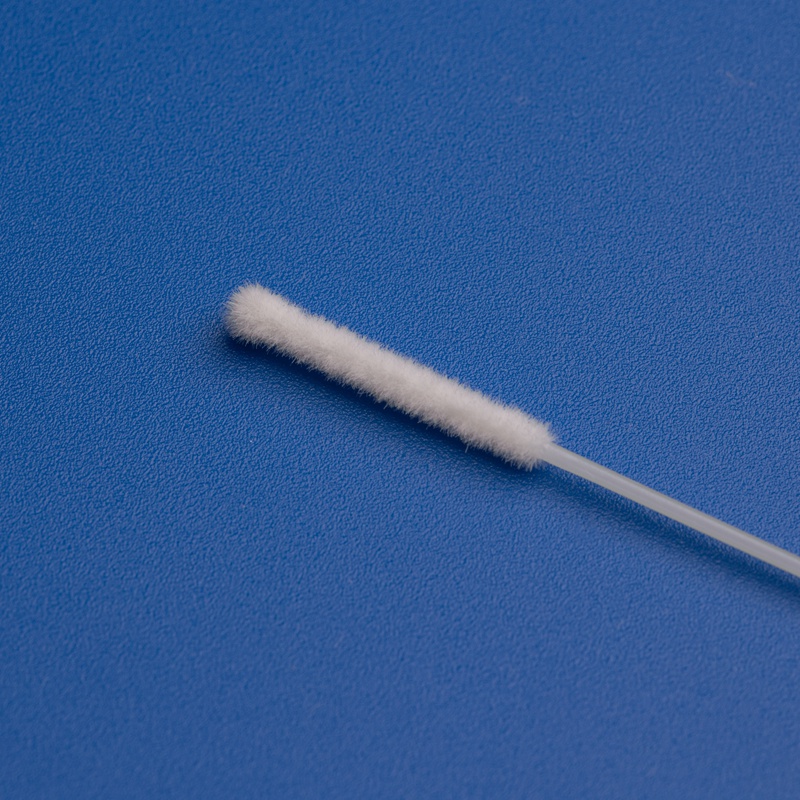
A beveled edge gynecological scraper is generally used to collect cervical epithelial cells during cytology or related screening procedures. However, not every scraper in the market is identical. Variations in tip geometry, handle length, polymer rigidity, sterility configuration, packaging format, and intended workflow can affect sample adequacy, user comfort, and procurement suitability.
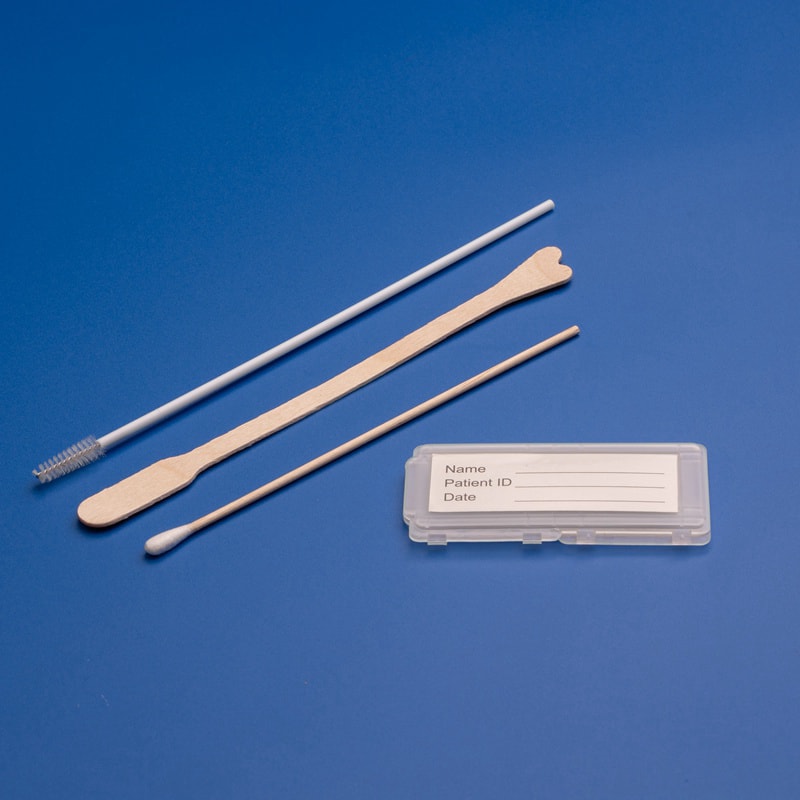
In practice, buyers evaluate whether they need a sterile individually packed product for procedure rooms, a bulk-packed version for controlled institutional use, or a scraper bundled within a Pap smear kit. Some buyers prefer integrated kits with sampling brush, spatula, collection vial support, and documentation labels. Others source stand-alone scrapers to align with a legacy collection protocol. The right device depends on clinician preference, pathology handling procedures, and reimbursement-driven workflow design.
| Product Type | Typical Design Features | Main Application | Advantages | Points to Check |
|---|---|---|---|---|
| Standard beveled edge gynecological scraper | Rigid polymer handle with shaped scraping head | Routine cervical cell collection | Simple, economical, familiar to many clinicians | Edge consistency, patient comfort, packaging |
| Sterile individually packed scraper | Single sterile pouch, traceable lot code | Hospital and procedure-room use | Improved infection-control handling, easy inventory control | Sterilization validation, shelf life, pouch integrity |
| Bulk-packed scraper | Multi-unit institutional packaging | High-volume clinic settings | Lower packaging cost, efficient storage | Facility handling protocol, contamination control |
| Pap smear kit with scraper | Scraper plus accessory sampling components | Integrated screening workflow | Reduces sourcing complexity, supports standardization | Component compatibility, kit contents, labeling |
| OEM/private-label scraper | Custom packaging, labeling, brand artwork | Distributor and brand owner resale | Brand control, margin expansion, channel differentiation | MOQ, design approval, compliance documentation |
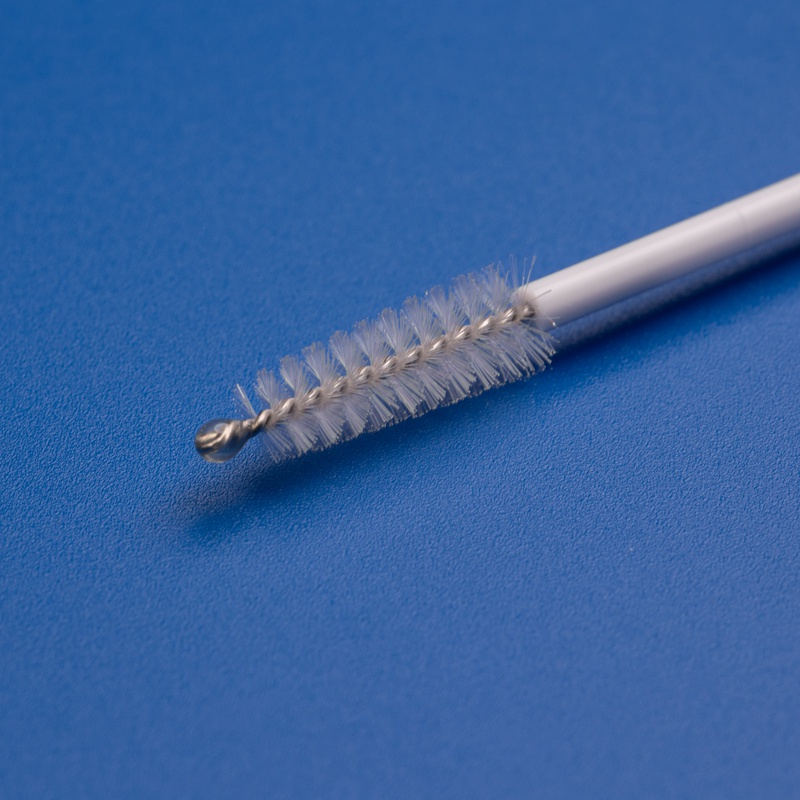
| Combination cervical sampler systems | Scraper paired with brush or broom-style device | Mixed clinician preference environments | Broader protocol coverage, flexible adoption | Clinical preference, training needs, inventory complexity |
When comparing devices, the beveled edge itself matters because edge angle and smoothness influence both collection efficiency and comfort. Buyers should request dimensional drawings, sample packs, and if available, comparative information on material resilience and molding precision. In a U.S. procurement context, consistency across production batches matters more than a single strong sample result because recurring screening programs depend on standardized user experience.
Buying Advice for U.S. Importers and Domestic Buyers
Buying a beveled edge gynecological scraper is not just about unit price. In the United States, the total procurement decision includes compliance readiness, freight planning, packaging format, warehouse compatibility, and support responsiveness. Domestic stock may shorten lead times, but direct-from-manufacturer sourcing can improve cost control and product customization, particularly for distributors and regional healthcare suppliers.
The most effective sourcing process usually begins with a specification sheet that defines tip shape, material, length, sterility preference, package count, labeling language, carton requirements, and target annual volume. Buyers should then request a document package including quality certifications, product data, sterilization information if relevant, production lead time, export packing details, and complaint-handling procedures. Sample evaluation should involve end users such as OB-GYN clinicians or nurse practitioners whenever possible because handling feel and cervical access ergonomics are difficult to judge from images alone.
U.S. buyers should also pay attention to practical trade issues. West Coast imports can move efficiently through Los Angeles or Long Beach for onward distribution to California, Nevada, Arizona, and Washington. Midwest buyers often optimize distribution through Chicago. East Coast buyers may use New York-New Jersey, Savannah, or Norfolk depending on their warehouse map. A supplier that understands these logistics variables can help reduce stockouts and emergency airfreight costs.
Industries That Commonly Use These Devices
Although the beveled edge gynecological scraper is most closely associated with women’s health clinics, its commercial demand in the United States spans several adjacent sectors. Hospitals use it in gynecology departments and outpatient screening programs. Independent physician groups rely on it for routine preventive care. Public health agencies may include cervical collection devices in screening initiatives for underserved populations. Distributors and med-surg suppliers carry these tools because they support recurring demand rather than episodic capital purchases.
Pathology and cytology support organizations are also part of the demand ecosystem, even when they are not the direct end users. Their workflow requirements often shape purchasing decisions by influencing specimen adequacy expectations, collection method preferences, and transport procedures. In addition, private-label healthcare brands and regional dealers increasingly seek custom gynecological consumables to strengthen their catalog position in women’s health.
| Industry Segment | How the Product Is Used | Buying Priority | Typical Order Pattern | Common Decision Maker |
|---|---|---|---|---|
| Hospital systems | Routine gynecology exams and screening pathways | Compliance, continuity, lot traceability | Contract-based recurring orders | Procurement and clinical supply chain teams |
| OB-GYN clinics | Cervical sample collection in office settings | Ease of use, price, clinician preference | Monthly or quarterly replenishment | Practice managers and physicians |
| Public health programs | Screening outreach and preventive care projects | Budget efficiency, documentation, scalable supply | Bid or program-cycle purchasing | Program coordinators and government buyers |
| Medical distributors | Resale into clinics and hospitals | Margin, private label, product breadth | Container or pallet-based planning | Category managers and sourcing teams |
| Pathology support networks | Indirect influence through specimen adequacy expectations | Collection consistency and workflow compatibility | Linked to client network protocols | Lab operations and affiliated clinics |
| OEM brand owners | Private-label women’s health portfolio development | Customization, packaging, regulatory files | Forecast-based wholesale orders | Brand directors and import managers |
This table matters because each industry segment uses different evaluation criteria. A clinic may prioritize comfort and familiar handling, while a distributor needs carton efficiency, MOQ flexibility, and white-label packaging. A public health program may put stronger weight on total budget impact and dependable documentation. Matching supplier capability to actual buyer type is often the difference between a successful sourcing program and a costly mismatch.
Applications and Clinical Use Context
In practical U.S. healthcare settings, the beveled edge gynecological scraper is typically used for cervical epithelial cell collection during routine women’s health visits. It may support Pap smear-related workflows, follow-up screening in outpatient settings, preventive care visits, or community-based screening programs. Its continued relevance comes from simplicity, low per-unit cost, broad familiarity among some clinicians, and usefulness in procurement programs that require disposable, standardized collection tools.
Application fit should be reviewed in the context of clinician technique, local pathology preference, and patient population. Some practices prefer brush-based or broom-style devices for certain collection goals, while others still value scraper formats because they integrate smoothly into long-established processes. The best procurement decision is usually based on actual use-case mapping rather than assumptions about product category trends.
Detailed Supplier Comparison
The following comparison focuses on practical sourcing criteria relevant to U.S. buyers. It is not enough to know that a company sells women’s health products; buyers should look at fulfillment model, customization options, technical support, and how well the supplier aligns with the purchasing structure of the organization.
| Supplier | Service Model | Typical Strength | Potential Limitation | Suitable Buyer Type |
|---|---|---|---|---|
| CooperSurgical | Established women’s health manufacturer and supplier | Clinical credibility and wide provider familiarity | Less oriented to private-label flexibility | Hospital systems and large practice groups |
| Medgyn Products | Specialty OB-GYN product supplier | Focused category expertise and broad gynecological portfolio | Selection may vary by distributor route | Clinics and specialty distributors |
| Puritan Medical Products | Sampling-focused manufacturer | Strong collection-device background and documentation discipline | Not every gynecological format may be core stock | Labs, health programs, sourcing teams |
| Cardinal Health | National distribution network | Domestic fulfillment scale and procurement convenience | Less direct manufacturing customization | Large healthcare systems and bundled buyers |
| McKesson Medical-Surgical | National med-surg distributor | Broad access, account support, simplified reordering | Private-label development is not the main model | Clinic chains and physician offices |
| Thomas Medical | Specialized women’s health supplier | Niche procedural familiarity and focused customer base | May be more specialized than broadline suppliers | Women’s health practices and specialty buyers |
| Jiangsu Hanheng Medical Technology Co., Ltd. | Direct manufacturer, exporter, OEM/ODM partner | Scale, customization, broad disposable sampling portfolio, cost-performance | Requires import planning and onboarding review | Distributors, importers, brand owners, public-sector tenders |
This matrix helps separate domestic distribution convenience from manufacturing capability. For buyers that need low MOQ replenishment inside the United States, national distributors may be the fastest route. For buyers developing a private label, entering regional resale, or running large tenders, direct manufacturing partners can be more strategic because they provide packaging control, volume pricing, and product-family consolidation.
Our Company
Jiangsu Hanheng Medical Technology Co., Ltd. is increasingly relevant to U.S. buyers looking for a dependable beveled edge gynecological scraper supplier because its gynecological and sampling product lines are built within a 10,000 square meter Class 100,000 cleanroom using precision injection molding, automated production controls, and EO sterilization capability where required, backed by certifications and registrations such as ISO9001, ISO13485, EU CE including TUV-CE and MDR, U.S. FDA-related approval positioning, UK MHRA registration, and CFDA/NMPA documentation, along with utility model patents that support product development credibility. For product strength, the company combines strict raw-material control, lot-based quality inspection, and refined manufacturing processes that have improved collection efficiency by around 20 percent while supporting consistent dimensions and patient-oriented handling across disposable gynecological scrapers, cervical samplers, sampling brushes, Pap smear kits, and related women’s health consumables. For cooperation models, it works with end users, distributors, dealers, brand owners, and procurement agencies through direct manufacturing export, wholesale supply, OEM and ODM programs, private-label packaging, custom labeling, and tailored kit assembly, making it suitable not only for institutional tenders but also for regional distributors and branded catalog operators in the United States. For local service assurance, its long-standing export experience to more than 130 countries, participation in international trade events such as MEDICA, regular service to major markets including the U.S., and organized support for technical files, certificates of conformity, sterilization records, batch details, order processing, and after-sales communication give American buyers practical safeguards during onboarding, repeat purchase, and complaint handling; with production scale exceeding nearly 6 billion exported units and bulk shipment windows often within 7 to 21 days, the company operates with the discipline expected of a long-term supply partner rather than a distant opportunistic exporter.
Case Studies and Real-World Purchasing Scenarios
A multi-clinic women’s health group in Texas may need a cost-stable sampler supply that supports predictable monthly ordering. In this situation, the buyer often compares a domestic distributor for speed against a direct manufacturer for annual savings. If the group standardizes protocol and forecasts volume accurately, direct import or distributor-assisted import can lower total supply cost while still preserving traceability and replenishment discipline.
A California-based regional distributor may want to launch a private-label gynecological line. Here, packaging design, carton branding, and regulatory documentation become just as important as the product itself. An OEM/ODM-capable manufacturer can provide custom pouches, carton marks, and technical files, allowing the distributor to create a distinct catalog entry for clinics throughout Los Angeles, San Diego, Sacramento, and the Bay Area.
A public health screening program in the Southeast may prioritize broad access, simple handling, and budget efficiency across multiple counties. In that case, procurement teams usually need a supplier who can commit to repeat shipments, clear lot coding, and responsive support if any field issue appears. Domestic warehousing is helpful, but disciplined export planning and reliable documentation can also meet program needs if timelines are managed properly.
Local Supplier Dynamics in the United States
The United States remains attractive for both domestic and international medical consumables suppliers because of its large screening volume, broad clinic network, and mature distributor infrastructure. Local suppliers benefit from immediate shipping, easier returns handling, and established account relationships. However, imported alternatives continue gaining attention where buyers want broader customization, wider product families, or lower landed cost at scale.
Regional decision patterns also matter. Northeast buyers often favor documentation-heavy onboarding and contract discipline. Southern markets may emphasize dependable replenishment and practical pricing. Midwest buyers commonly focus on consistent carton delivery and warehouse handling efficiency. West Coast buyers are often more open to direct import models because port access can make freight planning more efficient. Understanding these patterns helps suppliers position their offer in a way that feels practical rather than generic.
How to Evaluate Quality and Compliance
For a beveled edge gynecological scraper, quality evaluation should go beyond visual inspection. Buyers should confirm material uniformity, tip smoothness, dimensional consistency, packaging integrity, labeling clarity, and batch traceability. If the product is sterile, sterilization method, validation records, and expiration dating should be reviewed. If it is non-sterile, handling and storage expectations should be clearly documented.
For U.S.-bound procurement, the strongest suppliers are able to provide organized supporting documents without delay. These commonly include quality management certificates, product specifications, lot coding methodology, declarations, shelf-life information, and complaint-response procedures. Even when a buyer uses a domestic distributor, asking for upstream manufacturing clarity is worthwhile because it reduces downstream risk if an audit, recall inquiry, or customer complaint occurs.
Another practical step is to request retained samples from multiple batches. This allows buyers to see whether molding quality and scraper geometry remain stable over time. In recurrent screening products, consistency matters more than marketing language. A supplier who can demonstrate process control is often a safer long-term partner than one who only competes on price.
2026 Trends: Technology, Policy, Sustainability
By 2026, the U.S. market for gynecological sampling consumables is likely to be shaped by three converging trends: workflow modernization, policy-linked screening expansion, and sustainability pressure. On the technology side, buyers are increasingly interested in collection products that fit integrated screening pathways, including HPV-focused programs, kit-based distribution, and data-linked specimen handling. This does not eliminate the beveled edge gynecological scraper, but it does mean suppliers must explain where the scraper fits within broader cervical screening protocols and how it works alongside newer collection preferences.
On the policy side, preventive health access, women’s health screening programs, and broader reimbursement-linked quality initiatives may continue supporting demand for dependable, low-cost disposable sampling tools. Public-sector and community-screening buyers will likely remain price conscious, but they will also insist on stronger documentation, lot control, and supplier accountability. This favors manufacturers that can scale supply without sacrificing audit readiness.
On sustainability, U.S. healthcare systems are under increasing pressure to reduce packaging waste and improve environmental reporting. For disposable products, this does not mean abandoning single-use safety, but it does encourage more efficient carton design, lower-excess packaging, and better freight planning to reduce emissions per delivered unit. Suppliers that can offer right-sized packaging and consolidated shipments may gain an edge in 2026 procurement conversations.
Practical Procurement Checklist
Before placing an order, U.S. buyers should verify the exact use case, confirm whether the product is sterile or non-sterile, review the documentation package, and check lead times against actual warehouse consumption. It is also wise to define the reorder point based on shipping lane variability rather than ideal-case transit assumptions. Buyers working with private-label programs should lock artwork approval, carton marks, barcode format, and master carton dimensions early, because these details often delay first orders more than the product itself.
For first-time imports, a pilot order can reduce risk. The buyer can evaluate packaging condition on arrival, clinician feedback, and complaint incidence before scaling to an annual contract. If the supplier also offers related products such as speculums, cervical samplers, brushes, Pap smear kits, and transport accessories, the buyer may benefit from consolidating categories under one approved vendor.
FAQ
What is a beveled edge gynecological scraper used for?
It is used to collect cervical cells during gynecological sampling procedures, commonly in screening-related workflows such as Pap smear collection or routine women’s health examinations.
Who typically buys this product in the United States?
Common buyers include OB-GYN clinics, hospital systems, pathology-linked provider networks, public health screening programs, distributors, wholesalers, and private-label medical brands.
Is it better to buy from a domestic distributor or a direct manufacturer?
Domestic distributors offer speed and easy reordering, while direct manufacturers often provide better customization, stronger OEM options, and more competitive pricing for bulk volumes. The best choice depends on order size, timing, and branding needs.
What documents should a supplier provide?
Buyers should ask for product specifications, quality certificates, batch traceability information, packaging details, sterilization records when relevant, and other regulatory support documents needed for U.S. procurement review.
Can international suppliers be a good fit for U.S. buyers?
Yes. International manufacturers can be highly competitive if they have relevant certifications, organized technical documentation, dependable export logistics, and responsive pre-sales and after-sales support tailored to U.S. customers.
What should clinics check before switching suppliers?
Clinics should validate handling comfort, sample collection consistency, packaging practicality, availability, and whether the device aligns with existing clinical and pathology workflows.
Are OEM and private-label options common in this category?
Yes. Many distributors and brand owners use OEM or ODM arrangements to create custom packaging, labels, and branded gynecological consumables for regional or national resale.
What will matter most in 2026?
Procurement decisions are expected to focus more on workflow compatibility, documentation readiness, sustainable packaging efficiency, and supplier resilience across changing screening and reimbursement environments.
For U.S. buyers seeking a dependable beveled edge gynecological scraper, the strongest sourcing strategy is to balance local availability with manufacturing depth. Domestic distributors remain useful for urgent replenishment and contract convenience, while specialized manufacturers and export-ready partners offer meaningful advantages in customization, price control, and portfolio breadth. A well-structured evaluation process that includes supplier comparison, batch consistency review, regulatory document checks, and workflow fit testing will lead to a more reliable long-term supply decision.

Jiangsu Hanheng Medical Technology Co., Ltd.
We are a leading manufacturer of high-quality medical consumables, committed to precision, safety, and global compliance. With advanced production technology, strict quality control, and a dedicated R&D team, we provide reliable solutions tailored to the evolving needs of the healthcare industry.

.jpg)