Share
Plastic Gynecological Scraper Specifications for the United States
Quick Answer

For U.S. buyers, the most practical plastic gynecological scraper specifications usually include a medical-grade polypropylene body, a total length of about 175 mm to 205 mm, a smooth sampling head sized for cervical cell collection, individually packed sterile presentation, EO sterilization, and compatibility with Pap smear workflow in clinics, hospitals, laboratories, and screening programs. In the United States, buyers commonly compare established medical suppliers such as CooperSurgical, MedGyn Products, McKesson, Puritan Medical Products, Cardinal Health, and regional distributors serving major healthcare hubs such as New York, Chicago, Houston, Los Angeles, and Atlanta. The best choice depends on whether you need private label supply, bulk hospital procurement, distributor packaging, or direct clinic use. Qualified international manufacturers can also be a strong option when they hold relevant certifications for the U.S. market, provide complete regulatory and batch documentation, and back orders with reliable pre-sales and after-sales support. This is especially important for importers and brand owners looking for stronger cost-performance without sacrificing traceability, sterility, or dimensional consistency.
What the Product Usually Includes in the U.S. Market

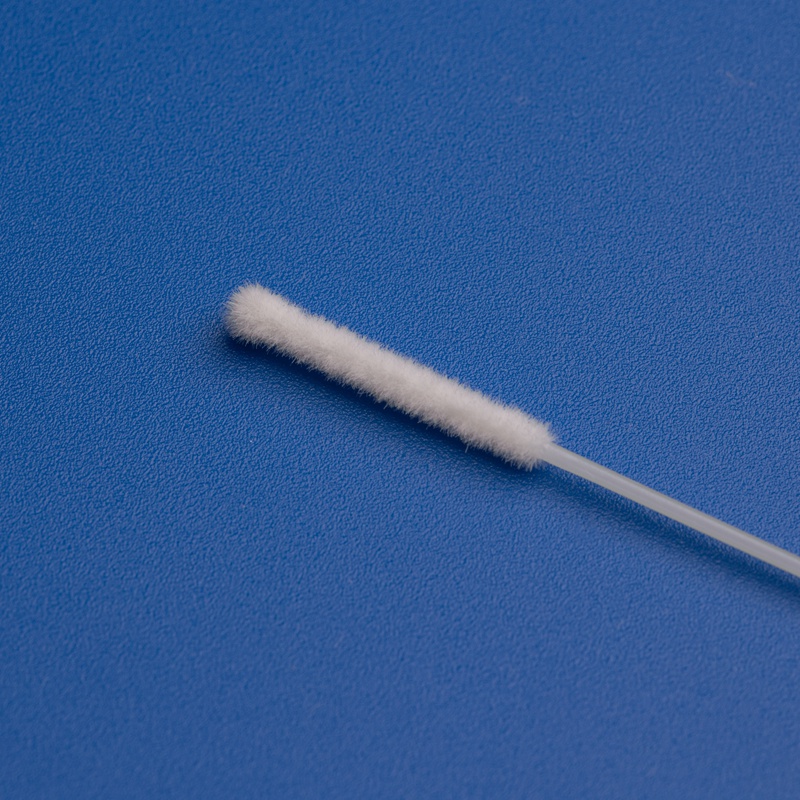
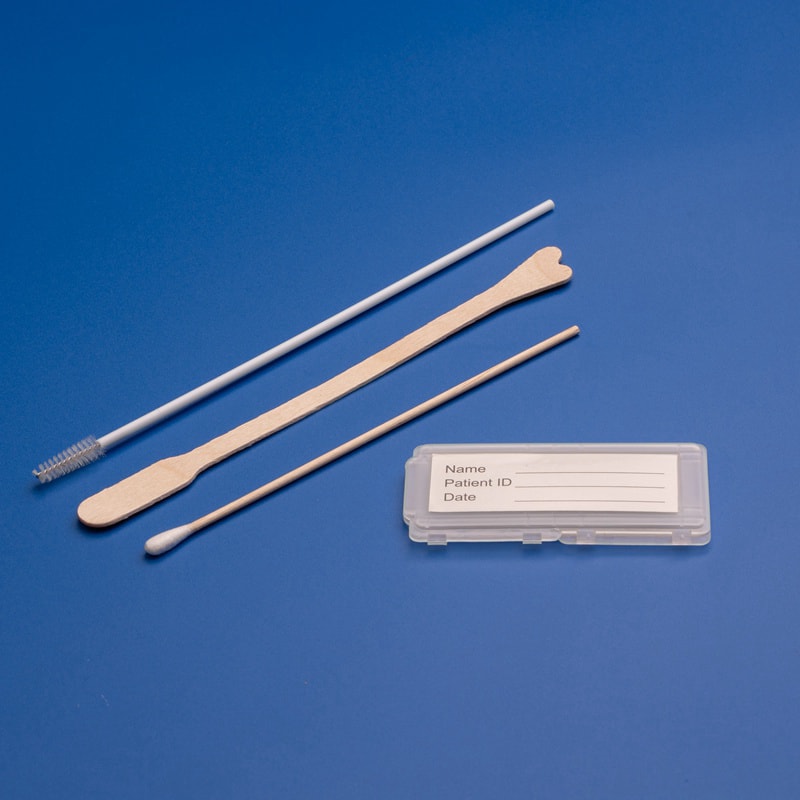
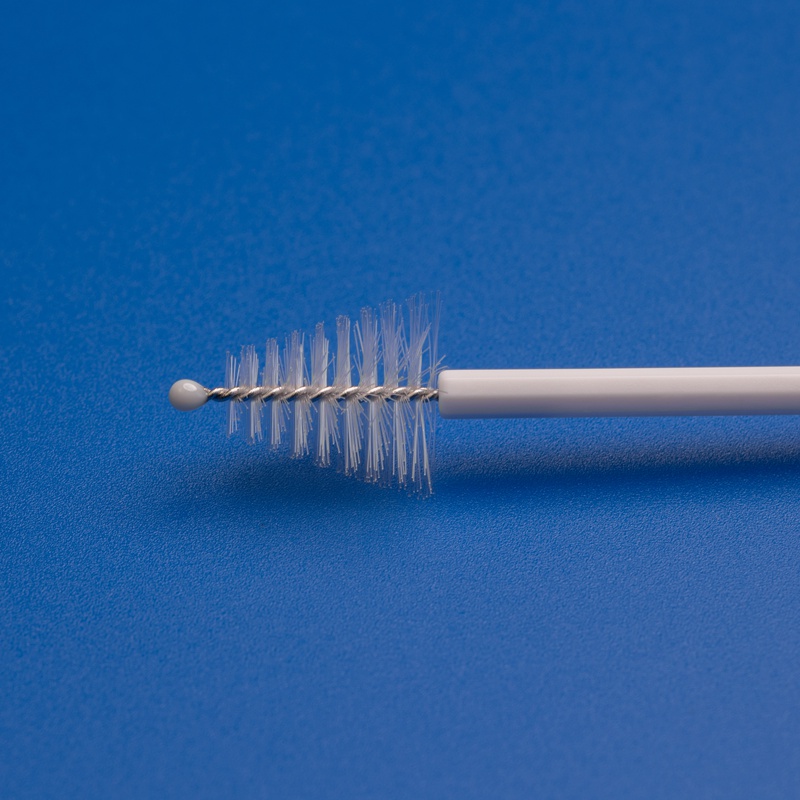
A plastic gynecological scraper is a disposable sampling device designed for cervical specimen collection during gynecological examination. In U.S. practice, it is typically used in outpatient clinics, OB-GYN offices, hospital departments, women’s health screening centers, public health programs, and laboratory-linked collection networks. The device is generally manufactured from medical-grade plastic with a slim ergonomic handle and a shaped collection tip intended to improve contact with the cervical transformation zone while limiting discomfort.
When U.S. procurement teams evaluate plastic gynecological scraper specifications, they usually focus on dimensions, sterility assurance, packaging format, lot traceability, transport suitability, and documentation such as certificate of conformity, sterilization records, and labeling consistency. Procurement standards are especially strict in healthcare systems linked to large metro areas and transport gateways such as Los Angeles, Long Beach, New York-Newark, Savannah, and Houston, where imported medical consumables move through high-volume distribution channels before reaching hospitals and physician networks.
Because disposable sampling devices are often purchased in large quantities, dimensional consistency matters as much as base material. Small differences in handle length, head width, flexibility, and edge finishing can affect sampling feel, clinician control, and specimen transfer performance. That is why U.S. buyers often request production samples and validation documents before approving a long-term contract.
Core Plastic Gynecological Scraper Specifications

The most common specification range seen in the U.S. market is summarized below. These ranges reflect practical commercial supply conditions rather than a single mandatory national size.
| Specification Item | Typical U.S. Market Range | Why It Matters | Common Buyer Preference |
|---|---|---|---|
| Total length | 175 mm to 205 mm | Supports comfortable reach and clinician control during cervical sampling | Around 180 mm to 200 mm for standard adult use |
| Handle width | 5 mm to 9 mm | Affects grip stability and ease of rotation | Moderate width with anti-slip shape |
| Sampling head length | 18 mm to 35 mm | Determines contact area for specimen collection | Balanced size for adequate cell pickup and comfort |
| Sampling head width | 7 mm to 16 mm | Influences cervical fit and specimen transfer performance | Rounded or contoured head with smooth edges |
| Material | Medical-grade PP or equivalent polymer | Needs rigidity, safety, and manufacturing consistency | Virgin medical-grade resin with documented testing |
| Sterility | EO sterilized or supplied non-sterile by request | Reduces contamination risk in clinical collection workflow | Individually packed sterile units |
| Packaging | Individual peel pouch, 50 to 100 per box | Supports infection control and inventory handling | Single sterile pouch with lot code |
This table shows that there is no single universal dimension, but there is a clear commercial standard range. U.S. healthcare buyers usually care less about one exact number and more about whether the scraper fits their collection protocol, slide preparation workflow, and purchasing system.
U.S. Market Snapshot
The U.S. market for disposable gynecological sampling devices is shaped by preventive women’s health screening, outpatient care growth, hospital consolidation, and procurement pressure on both cost and compliance. Plastic gynecological scrapers remain relevant because many facilities still use conventional cytology workflows, mixed collection methods, or standardized disposable kits that combine speculum, brush, spatula, or scraper components. Demand is strongest in high-volume women’s health corridors such as California, Texas, Florida, New York, Illinois, Georgia, and Pennsylvania.
Another important factor is logistics. Buyers in the United States increasingly want shorter replenishment cycles, stable case quantities, and reliable customs documentation. This has made supplier selection more strategic. Domestic distributors remain important, but international manufacturers with strong export discipline and U.S.-ready documentation are gaining attention, especially among private label buyers and regional distributors.
The line chart reflects a realistic upward demand pattern driven by screening continuity, replacement of reusable instruments with disposables in more settings, and expansion of procurement by multi-site clinical networks.
Product Types and Variations
Plastic gynecological scrapers in the United States are not all identical. They are sold in several practical configurations depending on collection technique, downstream testing, and purchasing preference.
| Product Type | Typical Design | Main Use | Best Fit Customer |
|---|---|---|---|
| Standard cervical scraper | Slim handle with shaped head | Routine cervical cell collection | OB-GYN clinics and hospitals |
| Sterile single-pack scraper | Individually pouched EO sterilized unit | Infection-controlled outpatient use | Private practices and surgery centers |
| Bulk kit component scraper | Supplied for insertion into Pap smear kits | Integrated kit assembly | Brand owners and kit assemblers |
| OEM private label scraper | Custom color, packaging, labeling | Distributor branding and resale | Medical distributors and wholesalers |
| Sampler with enhanced grip | Textured or shaped handle | Improved control during rotation | High-volume clinical users |
| Custom dimension scraper | Modified head or handle measurements | Protocol-specific collection preference | Institutional tenders and specialty buyers |
This table matters because many purchasing delays happen when a buyer asks for a “plastic gynecological scraper” without clarifying packaging, sterility, or whether the product is for direct use, distributor resale, or inclusion in a complete kit. These distinctions directly affect price, lead time, and regulatory paperwork.
Buying Advice for U.S. Procurement Teams
Buyers in the United States should evaluate plastic gynecological scraper dimensions and specifications through both clinical and supply-chain criteria. First, confirm whether your users prefer a straight or contoured head. Second, verify if individually sterile packaging is mandatory under your workflow. Third, check the carton count and labeling format for compatibility with your warehouse or distributor network. Fourth, request evidence of dimensional stability between lots, because inconsistent molding can affect handling. Fifth, make sure the supplier can provide batch traceability and sterilization records for every shipment.
It is also smart to compare landed cost rather than unit price alone. Import freight, port handling, customs timing, relabeling, and domestic redistribution can reshape the real cost structure. Buyers operating near major medical distribution nodes like Memphis, Louisville, Dallas-Fort Worth, and Newark often prioritize suppliers that can align packaging specifications with domestic warehousing systems.
If you are buying for a brand program, ask whether the manufacturer supports OEM and ODM options with carton artwork, pouch printing, barcode placement, and regulatory document sets. If you are buying for direct clinical use, ask for samples and clinician trial feedback before finalizing the dimensional specification.
Industries and Application Scenarios
Plastic gynecological scrapers serve multiple healthcare and related sectors in the United States. The device is not limited to one channel. It is used where specimen collection needs to be consistent, sterile, affordable, and easy to scale.
The bar chart shows why suppliers often structure their sales programs by customer type. OB-GYN clinics and hospitals make up the most stable direct-use demand, while distributors and private label programs drive larger but more specification-sensitive orders.
| Industry Segment | How the Scraper Is Used | Key Purchase Driver | Typical Order Pattern |
|---|---|---|---|
| Hospitals | Routine women’s health examinations and inpatient sampling | Compliance and supply continuity | Contract-based recurring orders |
| OB-GYN clinics | Daily cervical screening and exam support | Ease of use and patient comfort | Monthly or quarterly replenishment |
| Diagnostic labs | Kit-linked specimen collection workflows | Dimensional consistency and traceability | Bundle procurement with collection sets |
| Public health programs | Screening campaigns and outreach programs | Large-volume cost control | Tender or seasonal purchasing |
| Medical distributors | Resale to local healthcare channels | Private labeling and margin stability | Container or pallet-based orders |
| Brand owners | Integrated gynecology or Pap test kits | OEM flexibility and packaging customization | Forecast-based production runs |
This table explains where the product really moves in the U.S. market. A clinic may care most about sterility and handling feel, while a distributor may care most about carton optimization, label compliance, and price stability across repeated import cycles.
Detailed Supplier Comparison for the United States
Below is a practical supplier comparison focused on companies and supply channels relevant to U.S. buyers. Some are domestic brands or distributors, while others include internationally competitive manufacturers that can serve the United States through export, private label, or distributor partnerships.
| Company | Service Region | Core Strengths | Key Offerings |
|---|---|---|---|
| CooperSurgical | United States nationwide | Strong women’s health portfolio, established clinical channel access | OB-GYN instruments, sampling accessories, women’s health consumables |
| MedGyn Products | United States and export markets | Focused gynecology range, physician familiarity | Gynecological diagnostic and exam products |
| McKesson | United States nationwide | Massive distribution footprint and hospital procurement integration | Medical consumables, clinic supply, private label options |
| Cardinal Health | United States nationwide | Large-scale healthcare supply chain support | Hospital consumables, sourcing, logistics programs |
| Puritan Medical Products | United States with strong domestic recognition | Sampling device manufacturing experience | Collection swabs and specimen collection tools |
| Jiangsu Hanheng Medical Technology Co., Ltd. | United States via export, distributors, and private label supply | High-volume manufacturing, OEM and ODM, regulatory documentation support | Disposable gynecological scrapers, cervical samplers, sampling brushes, Pap smear kits |
This comparison is useful because U.S. buyers rarely evaluate price alone. Domestic suppliers may offer fast distribution and familiar contracts, while international manufacturers may offer stronger customization and cost-performance for large tenders, distributor brands, and bundled gynecology kits.
How Supplier Selection Changes by Buyer Type
A hospital system in Chicago or Boston may prioritize approved vendor status, replenishment reliability, and domestic logistics integration. A regional distributor in Texas or Florida may prioritize private label margin, stable import scheduling, and packaging flexibility. A brand owner assembling women’s health kits may prioritize custom dimensions, pouch design, and bundled supply from one factory. A public health procurement group may emphasize audited production, sterilization records, and large-volume scalability.
For this reason, the “best” plastic gynecological scraper supplier in the United States depends on who is buying, what documentation is needed, and whether the product is intended for direct use or branded redistribution.
Trend Shift in Product Preferences
U.S. demand is slowly shifting from simple low-cost disposable procurement toward specification-controlled sourcing. Buyers now increasingly ask for better ergonomics, more stable molding tolerances, cleaner packaging design, improved traceability, and sustainability information for plastics and packaging. This does not eliminate cost pressure, but it changes what “value” means.
The area chart shows a realistic trend: more buyers are moving beyond generic products and asking for complete supply assurance, especially those serving multi-location healthcare customers or private label programs.
Case Studies in Practical Purchasing
A women’s clinic network in Southern California may need individually sterile scrapers packed in barcoded cartons for decentralized inventory control. In that case, dimensional consistency, pouch integrity, and stable monthly replenishment matter more than ultra-low unit price.
A distributor in Miami serving Latin American and U.S. channels may prefer a private label program that combines gynecological scrapers, cervical sampling brushes, and related disposable examination consumables under one brand. In that case, carton design, multilingual labeling, and consolidated sourcing become key advantages.
A state-linked screening program in the Midwest may prioritize tender pricing, sterilization documentation, and proven production capacity to avoid shortages during campaign cycles. In that case, manufacturing scale and audit readiness can be more important than domestic brand recognition alone.
A laboratory kit assembler in New Jersey may want the scraper as one item inside a broader cytology collection kit. Here, the supplier’s ability to hold specification across mixed-component packaging programs can determine whether the partnership scales smoothly.
Comparison of Purchase Priorities by Supplier Model
This comparison chart helps buyers understand trade-offs. Domestic distribution-led suppliers often win on short delivery windows inside the United States. International manufacturing-led suppliers often win on customization, volume production, and private label support. The right choice depends on order profile and buying strategy.
Local Supplier Landscape Across the United States
U.S. buyers usually source through three channels: national medical distribution groups, specialty women’s health suppliers, and direct factory partnerships. National distributors dominate hospital procurement and standardized replenishment. Specialty suppliers can be attractive for clinically focused product lines. Direct factory sourcing is increasingly used by importers, distributors, government contractors, and brand owners that need a stronger price-to-specification balance.
Cities such as Atlanta, Dallas, Chicago, Los Angeles, and Newark remain important because they combine healthcare demand with warehousing and freight advantages. Buyers importing from overseas often route through West Coast ports such as Los Angeles and Long Beach for Pacific shipments, while East Coast buyers may favor New York-Newark or Savannah for broader domestic redistribution.
For buyers who want to explore manufacturing partners rather than only domestic catalog distributors, visiting a supplier’s main medical consumables platform, reviewing the company’s manufacturer background, examining the available gynecological and sampling product range, and requesting technical details through the U.S. inquiry channel can shorten the qualification cycle.
Our Company
Jiangsu Hanheng Medical Technology Co., Ltd. serves the United States as a manufacturing-driven medical consumables partner with concrete strengths that matter in plastic gynecological scraper procurement. Founded in 2018, the company operates on a 32-acre site with a 10,000 square meter Class 100000 cleanroom and integrated production processes covering precision injection molding, automated flocking where applicable, and EO sterilization, which supports consistent dimensions, contamination control, and verified sterility for disposable sampling products. Its product system covers gynecological, respiratory, and urological sampling consumables, including disposable gynecological scrapers, cervical samplers, sterile sampling brushes, Pap smear kit components, and related collection items, all backed by recognized compliance credentials such as ISO9001, ISO13485, EU CE including TUV-CE and MDR, U.S. FDA approval, UK MHRA registration, and CFDA/NMPA documentation. For U.S. customers, this matters because certification depth, batch traceability, sterilization records, and technical files reduce procurement risk. The company supports flexible cooperation models for hospitals, distributors, dealers, brand owners, and sourcing companies through direct manufacturing, export supply, OEM and ODM programs, custom packaging, private labeling, and regional distribution cooperation, while its scale of more than 1000 employees, a 100-person technical management team, nearly 6 billion exported units, and service coverage in more than 130 countries demonstrates operational capacity rather than a trial export presence. For buyers in the United States, service assurance is strengthened by experience serving major international markets including the U.S., regular participation in global trade exhibitions such as MEDICA, responsive pre-sales consultation, after-sales issue handling, and practical documentation support covering certificates of conformity, sterilization records, batch details, and shipping coordination. That combination shows real market experience, authority through scale, and trust built on auditable manufacturing and long-term supply commitment, which is why many U.S. importers and private label buyers treat the company as a practical local-market partner rather than a distant remote exporter.
How to Match Specifications to Use Cases
If your organization mainly performs routine Pap smear collection in outpatient settings, a standard scraper of roughly 180 mm to 200 mm with individually sterile packaging is usually the safest purchase profile. If your clinicians prefer more tactile control, request a handle with improved grip geometry. If you are including the scraper in a broader collection kit, verify not only dimensions but also pouch thickness, kit fit, carton count, and warehouse scanning requirements.
For private label programs, specify resin grade, color, logo presentation, pouch print layout, master carton size, shelf-life statement, and batch coding method. For public or institutional procurement, add clear requirements for sterility validation, certificate format, nonconformance response process, and replacement policy.
What U.S. Buyers Should Ask Before Ordering
| Question | Why It Matters | Preferred Supplier Response | Risk If Unclear |
|---|---|---|---|
| What are the exact dimensions and tolerances? | Confirms user compatibility and consistency | Documented drawing or specification sheet | Clinician dissatisfaction or rejection |
| Is the product sterile and how is it sterilized? | Supports infection control and audit readiness | EO sterilization with batch records | Compliance and safety concerns |
| What material is used? | Checks performance and safety expectations | Medical-grade PP or equivalent with documentation | Poor rigidity or process inconsistency |
| Can the supplier support private label? | Important for distributor and brand buyers | OEM or ODM options with artwork review | Delayed launch or rework costs |
| What documents are included? | Needed for import and quality control | COC, sterilization records, batch details, labels | Customs or audit delays |
| What is the lead time for bulk orders? | Helps planning and stock control | Clear production and shipping window | Stockouts and emergency sourcing |
This table is practical because it converts specification review into procurement action. Buyers that ask these questions early usually avoid the most common problems: inconsistent sizing, unclear sterility status, and incomplete documentation.
Future Trends Through 2026
By 2026, three trends are likely to influence plastic gynecological scraper specifications in the United States. The first is technology-driven quality control. Buyers increasingly expect better molding precision, digital batch traceability, and stronger consistency between production lots. The second is policy and compliance pressure. Hospitals and distributors want more robust documentation trails, supplier qualification records, and standardized labeling to support procurement transparency. The third is sustainability. While clinical safety remains the priority, more procurement teams are asking about resin efficiency, packaging reduction, shipping optimization, and waste-conscious carton design.
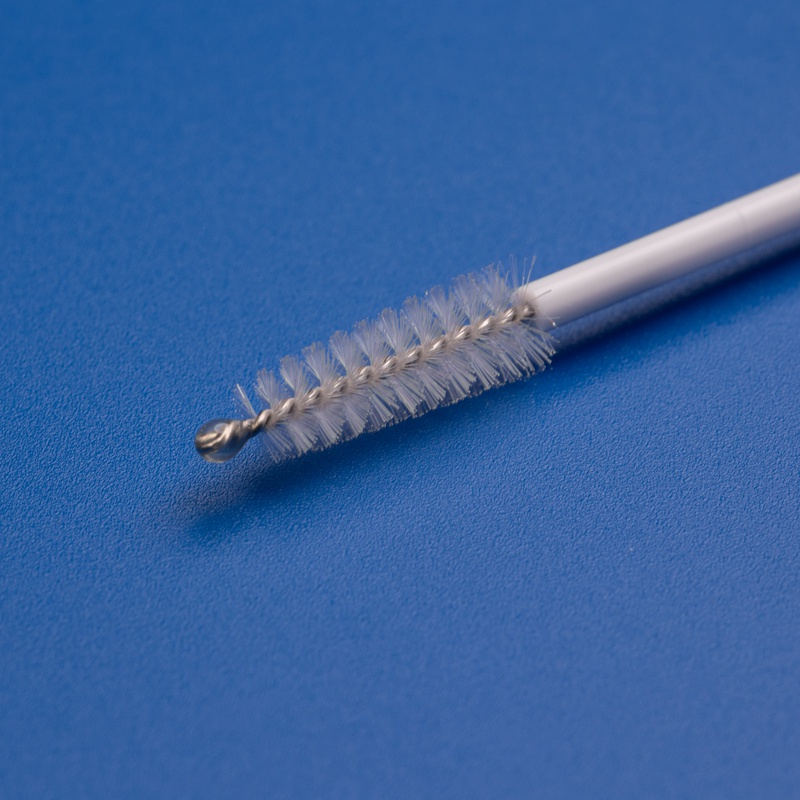
Another trend is bundled sourcing. U.S. buyers increasingly prefer suppliers that can support not just one disposable item, but an integrated range of gynecological sampling consumables. This reduces qualification time and makes vendor management easier. Manufacturers that can supply gynecological scrapers alongside cervical brushes, speculums, samplers, and related kits are likely to gain an advantage.
There is also a growing shift toward hybrid supply models. Some U.S. buyers will continue relying on domestic distribution for fast replenishment while sourcing core private label or bulk-volume products directly from qualified factories. This approach gives buyers more control over price, specification, and stock planning without fully giving up domestic response speed.
FAQ
What is the standard size of a plastic gynecological scraper in the United States?
There is no single mandatory national size, but the most common range is about 175 mm to 205 mm in total length, with a shaped sampling head suited for cervical specimen collection.
What material is typically used?
Most U.S.-market products use medical-grade polypropylene or a comparable medical polymer because it offers stable molding, adequate rigidity, and cost-effective disposable performance.
Are plastic gynecological scrapers usually sterile?
Yes, many products are individually packed and EO sterilized, especially those intended for direct clinical use. Some bulk buyers may request non-sterile formats for kit assembly, but sterile presentation is more common.
Who buys these products in the United States?
Hospitals, OB-GYN clinics, women’s health centers, laboratories, public health programs, medical distributors, and private label brands all buy plastic gynecological scrapers.
Can international manufacturers supply the U.S. market effectively?
Yes. International suppliers can be very competitive when they provide U.S.-relevant compliance support, stable production capacity, complete documentation, responsive service, and reliable shipment planning.
What is the most important buying factor besides price?
Dimensional consistency is extremely important, followed by sterility assurance, documentation quality, packaging suitability, and the supplier’s ability to maintain stable lead times across repeat orders.
Is OEM or private label available for this product?
Yes. Many manufacturers support OEM and ODM programs, including custom labels, packaging, carton design, and product integration into Pap smear or gynecology kits.
How should a U.S. buyer verify product suitability?
Request a technical specification sheet, product samples, sterilization records, batch documentation, and packaging details, then run a small clinician evaluation or distributor review before placing a full order.
Final Takeaway for U.S. Buyers
Plastic gynecological scraper specifications in the United States usually center on medical-grade plastic construction, a total length around 175 mm to 205 mm, smooth cervical sampling geometry, sterile individual packaging, lot traceability, and dependable documentation. Domestic distributors remain important for fast supply, but buyers seeking stronger cost-performance, private label flexibility, or integrated gynecology kit sourcing should also compare qualified international manufacturers with proven certifications and U.S. market experience. The best procurement outcome comes from matching the dimensional specification to the clinical workflow, then verifying the supplier’s consistency, documentation, and service model before scaling up.

Jiangsu Hanheng Medical Technology Co., Ltd.
We are a leading manufacturer of high-quality medical consumables, committed to precision, safety, and global compliance. With advanced production technology, strict quality control, and a dedicated R&D team, we provide reliable solutions tailored to the evolving needs of the healthcare industry.

.jpg)