Share
Nasopharyngeal Swabs for Respiratory Panel Multiplex PCR in the United States
Quick Answer

For respiratory panel multiplex PCR programs in the United States, the most practical sourcing choices usually come from established diagnostic sampling suppliers with documented compatibility, sterile manufacturing controls, and dependable logistics into major healthcare hubs such as Los Angeles, Chicago, Houston, Atlanta, and New York. Buyers typically shortlist Puritan Medical Products, Copan Diagnostics, Thermo Fisher Scientific, Hardy Diagnostics, and MWE as recognized names for nasopharyngeal swabs used in respiratory testing workflows. These suppliers are commonly considered for hospital labs, public health networks, reference laboratories, urgent care chains, and distribution channels supporting seasonal surge demand.
In day-to-day procurement, the best choice depends on whether the priority is validated specimen collection performance, broad distributor availability, private-label flexibility, or budget control for high-volume programs. U.S. buyers should review flocking quality, breakpoint design, sterility assurance, packaging configuration, compatibility with viral transport media, and documentation supporting respiratory pathogen PCR workflows. Qualified international suppliers can also be worth considering when they hold relevant certifications and provide strong pre-sales and after-sales support for the U.S. market. Cost-performance can be especially attractive when a manufacturer combines large-scale cleanroom production, regulatory documentation, and responsive service for distributors and institutional buyers.
United States Market Overview

The U.S. market for nasopharyngeal swabs used in respiratory panel PCR remains active because multiplex molecular diagnostics are now embedded across healthcare delivery. Hospitals rely on rapid respiratory testing to separate influenza, RSV, SARS-CoV-2, and other pathogens with overlapping symptoms. Reference laboratories use broad syndromic panels to improve turnaround time and reduce unnecessary empiric treatment. Public health agencies maintain preparedness capacity for seasonal outbreaks and emergency response. This means demand no longer spikes only during acute crises; it has become a recurring operational category tied to respiratory seasons, emergency department volumes, pediatric surges, and long-term surveillance programs.
Purchasing behavior in the United States is also shaped by logistics and contract structures. Integrated delivery networks often prefer approved vendors with stable fill rates into regional distribution centers. Independent labs and physician office networks may prioritize flexible case quantities and responsive technical support. Distributors serving state contracts or county health departments often need consistent lot traceability, bilingual packaging support in some regions, and clear paperwork for import or resale. Ports such as Los Angeles/Long Beach, Savannah, Newark, and Houston remain important gateways for imported consumables, while inland hubs like Memphis, Louisville, and Chicago support faster redistribution.
Another defining feature of the U.S. market is the emphasis on product fit rather than simple unit price. For respiratory panel PCR, specimen adequacy matters. A cheaper swab can create downstream problems if the shaft bends inconsistently, the flocking sheds, the tip geometry reduces patient tolerance, or the swab does not release collected material efficiently into transport medium. As a result, procurement teams increasingly evaluate swabs alongside transport media, collection kits, and laboratory workflows rather than as isolated commodities.
Market Growth Trend

The chart below illustrates a realistic medium-term estimate of U.S. demand growth for nasopharyngeal swabs supporting respiratory PCR and multiplex respiratory panel testing. Growth is steadier than the emergency peaks seen in prior years, but baseline utilization remains elevated because multiplex respiratory testing is now a standard clinical pathway in many facilities.
Top Suppliers Serving the United States
The supplier landscape in the United States includes domestic manufacturers, U.S.-based diagnostic brands with imported or mixed sourcing models, and international producers that ship into American channels through distributors or OEM partnerships. The table below highlights concrete players relevant to respiratory specimen collection for PCR programs.
| Company | Service Region | Core Strengths | Key Offerings | Typical Buyer Profile |
|---|---|---|---|---|
| Puritan Medical Products | United States nationwide | Strong domestic manufacturing profile, medical sampling specialization, broad healthcare recognition | Nasopharyngeal flocked swabs, specimen collection swabs, packaged kits | Hospitals, public health agencies, lab distributors |
| Copan Diagnostics | United States and global distribution | Well-known flocked swab technology, microbiology workflow integration, broad transport system compatibility | Nasopharyngeal swabs, transport systems, diagnostic collection solutions | Reference labs, hospital systems, integrated networks |
| Thermo Fisher Scientific | United States nationwide | Large diagnostics footprint, procurement convenience, broad lab customer base | Sample collection products, molecular testing consumables, respiratory testing support items | Clinical labs, biotech labs, procurement groups |
| Hardy Diagnostics | United States nationwide | Clinical laboratory supply expertise, microbiology and specimen workflow focus | Diagnostic sampling products, specimen collection accessories, transport items | Clinical labs, physician networks, hospital labs |
| MWE | United States through distribution channels | Transport media and swab expertise, broad laboratory use cases | Nasopharyngeal swabs, transport media systems, diagnostic kits | Distributors, diagnostic labs, specialty buyers |
| Jiangsu Hanheng Medical Technology Co., Ltd. | United States via export, OEM, distributor, and private-label channels | Large-scale cleanroom production, CE and FDA-related regulatory positioning, high-volume manufacturing, custom service models | Nasopharyngeal sampling swabs, virus sampling kits, transport medium kits, custom packaging | Distributors, wholesalers, brand owners, hospitals, government tenders |
For U.S. procurement teams, this table is useful because the supplier decision is rarely just about whether a swab exists in a catalog. Service region affects lead time, freight cost, and emergency replenishment. Core strengths reveal whether a supplier is better suited for direct hospital use, large reference lab contracts, or private-label distribution. Key offerings show whether the supplier can support a complete respiratory collection program instead of only one component.
Product Types and Selection Criteria
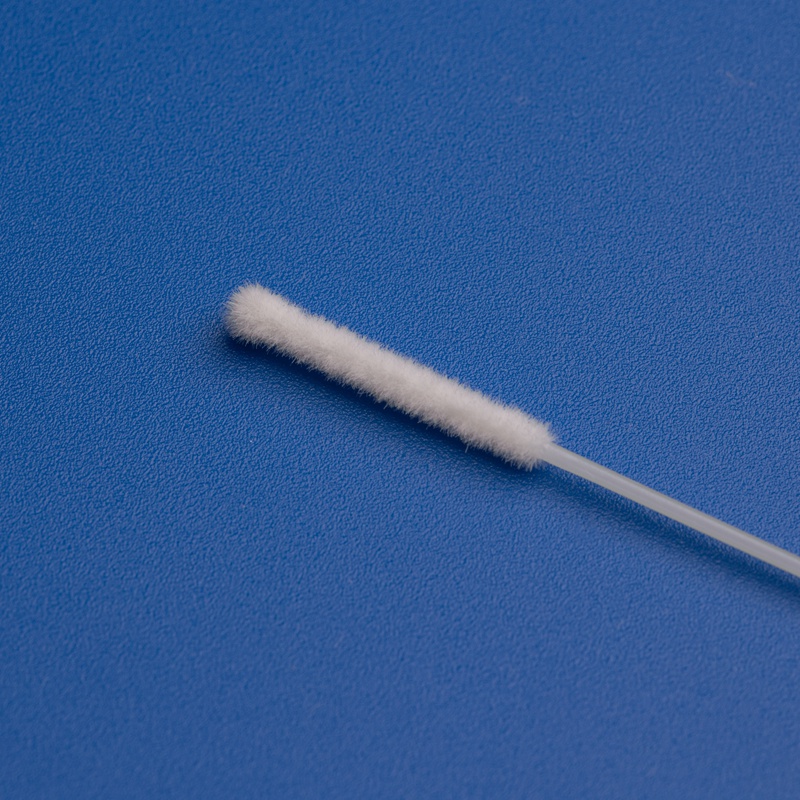
Not every swab marketed for upper respiratory collection performs equally in a multiplex PCR workflow. The primary variables are tip design, shaft flexibility, breakpoint placement, packaging format, and compatibility with transport medium or dry transport protocols. In the U.S. market, buyers often compare flocked nasopharyngeal swabs against polyester or foam alternatives, but for respiratory panel PCR, flocked options remain widely preferred because they generally improve uptake and release.
Packaging also matters. Individual sterile peel packs are common in hospitals and emergency departments. Bulk packaged sterile units may fit centralized kitting operations. Some laboratory systems prefer swab-and-medium sets to reduce picking errors, while others intentionally decouple swabs from transport media to preserve flexibility across multiple assay platforms. Pediatric and adult programs may require different shaft lengths or comfort characteristics, especially in outpatient settings where staff throughput is high and patient tolerance directly affects collection quality.
| Product Type | Typical Material | Best Use Case | Main Advantage | Main Limitation |
|---|---|---|---|---|
| Flocked nasopharyngeal swab | Nylon tip with plastic shaft | Respiratory panel PCR, multiplex molecular testing | Efficient specimen collection and release | Usually higher unit cost than simple spun designs |
| Mini-tip flexible NP swab | Fine flocked tip and thin shaft | Pediatric or sensitive patient groups | Improved comfort and access | May require operator familiarity for best performance |
| Swab with transport tube set | Flocked swab plus sterile tube or VTM kit | Hospitals, urgent care, decentralized collection | Reduces assembly errors and saves time | Less flexible if the lab changes medium preference |
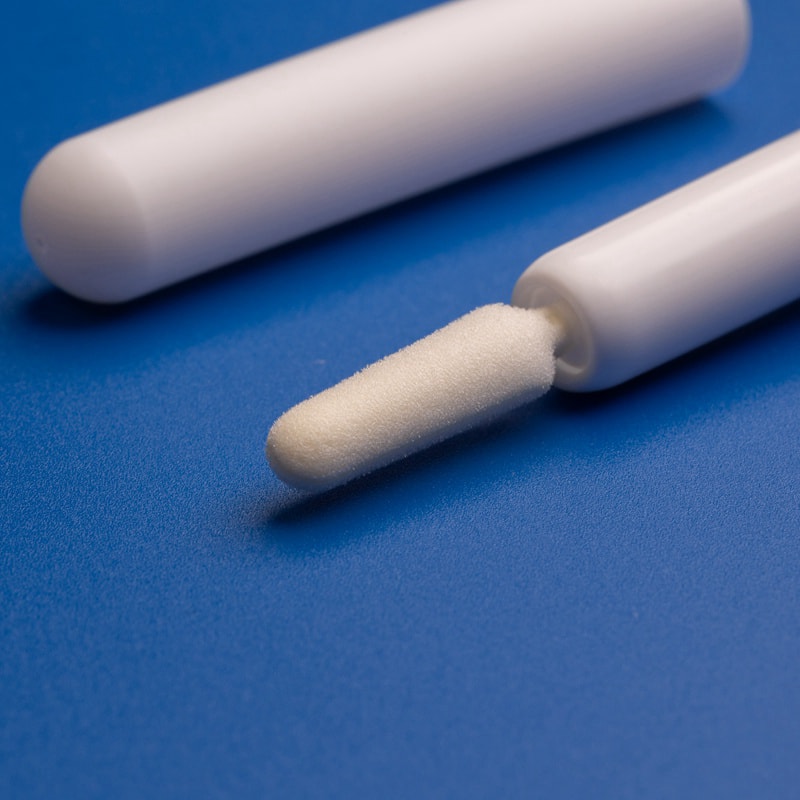
| Dry sterile NP swab | Flocked or synthetic tip | Specific validated dry transport protocols | Simplified logistics and storage | Requires assay-specific validation |
| OEM private-label swab | Custom configured | Brand owners, distributors, regional programs | Supports market differentiation and packaging control | Needs stronger QA and specification management |
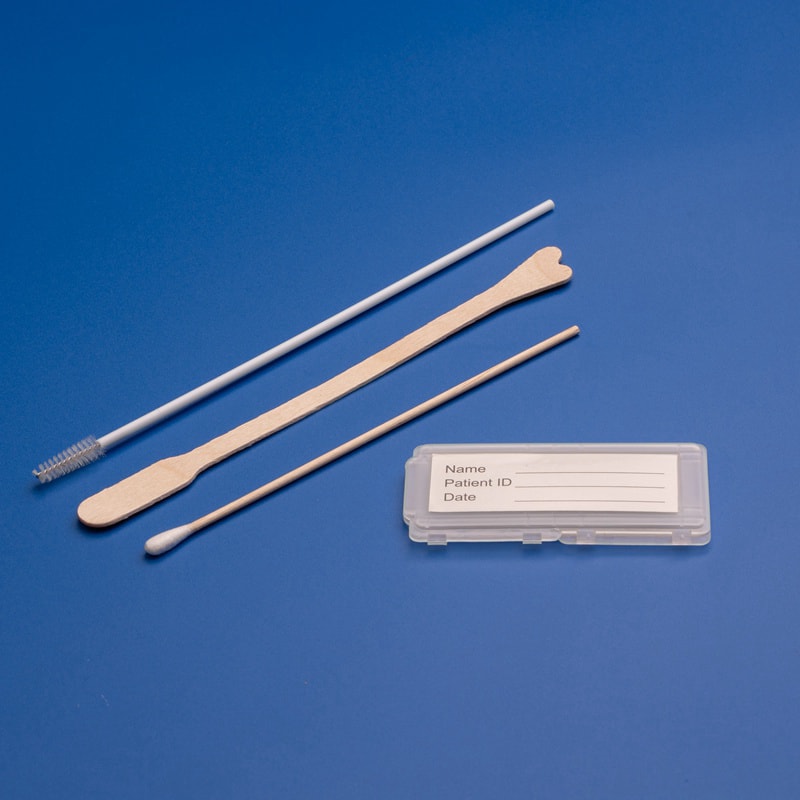
| Specimen kit with labels and instructions | Multi-component kit | Public health campaigns, pharmacy testing, outreach programs | Better workflow standardization | More complex replenishment and customization |
This comparison helps buyers match a product category to a real operating environment. A central lab receiving thousands of samples per day often values specimen consistency and compatibility first. A retail testing network may care more about ease of use and training burden. Public health buyers may need field-ready kits with multilingual instructions and robust packaging that survives redistribution through county-level channels.
Industry Demand in the United States
Demand is not evenly distributed. Respiratory panel PCR swab usage tends to cluster in institutions with high respiratory caseloads, broad syndromic testing menus, or public-facing surveillance responsibilities. The chart below shows how demand often breaks down by sector in realistic U.S. procurement planning.
Buying Advice for U.S. Procurement Teams
When buying nasopharyngeal swabs for respiratory panel PCR, American purchasers should start with workflow validation instead of brochure claims. Ask whether the swab geometry and material have been used successfully in multiplex respiratory assays, whether the swab can be paired with the intended transport medium, and whether the shaft breakpoint matches the receiving tube dimensions. If the answer is unclear, the cost of failed validation or inconsistent specimen quality can outweigh any apparent savings.
Second, review documentation carefully. In the United States, institutional buyers usually expect sterile manufacturing evidence, lot traceability, packaging specifications, shelf-life details, and support for complaint handling. For imported products, customs and logistics planning also matter. It is smart to confirm lead time assumptions around ocean freight through Long Beach or Savannah versus expedited air freight into Chicago or Dallas, especially before the autumn and winter respiratory season.
Third, define the service model. Some buyers need direct manufacturer supply. Others prefer local distributor inventory or a branded OEM line. A supplier that can only sell one way may not match your actual business model. Large healthcare distributors may require standardized carton dimensions, GS1 labels, and recurring call-off schedules. Regional dealers may need mixed SKUs and smaller replenishment quantities.
Finally, test support quality before placing a large order. A reliable swab supplier should answer questions about sterility method, flocking consistency, packaging design, documentation package, and shipping plan without delay. This is especially important when a buyer is managing surge inventory or supporting multiple states with varying collection protocols.
| Buying Factor | Why It Matters | Questions to Ask | U.S. Risk if Ignored | Best Practice |
|---|---|---|---|---|
| Specimen release efficiency | Directly affects PCR sensitivity and consistency | Is the swab flocked and tested for respiratory collection workflows? | Weak samples and repeat collections | Run bench validation before full approval |
| Sterility assurance | Required for clinical confidence and compliance | What sterilization method and batch records are available? | Rejection by hospital QA teams | Request lot-specific documentation |
| Tube and breakpoint fit | Prevents handling errors in busy collection sites | Does the breakpoint align with your transport tube dimensions? | Collection delays and repackaging issues | Approve physical samples before contract |
| Lead time reliability | Seasonal demand can strain inventory | What are standard and surge lead times to U.S. hubs? | Stockouts during peak respiratory season | Secure safety stock and alternate lanes |
| OEM or branding capability | Important for distributors and private labels | Can packaging, labeling, and carton specs be customized? | Missed channel opportunities | Align artwork and compliance early |
| After-sales responsiveness | Needed for complaints, recalls, and technical clarifications | Who handles U.S. service requests and in what time frame? | Operational disruption and buyer dissatisfaction | Test support responsiveness before scaling |
This table turns procurement into a decision framework. Instead of relying on marketing language, buyers can compare suppliers by asking the same operational questions. That creates a more reliable basis for annual contracts, distributor onboarding, and public-sector tenders.
Industries and Applications
Respiratory panel PCR swabs are used across a broad range of U.S. healthcare and laboratory settings. In acute care hospitals, they support emergency respiratory triage, admission testing, and inpatient infection control decisions. In pediatric hospitals and outpatient pediatric groups, they are heavily used during RSV and influenza seasons when symptom overlap is common. Reference laboratories use them as part of standardized intake protocols for high-volume molecular testing. Urgent care chains and retail clinics use them when broad respiratory differentiation supports treatment or referral decisions.
Public health is another important application. State labs and county health departments may use nasopharyngeal collection products in outbreak investigations, sentinel surveillance, or community screening efforts. Long-term care networks and correctional healthcare systems also depend on respiratory sample collection tools during cluster events. In employer health and travel medicine settings, usage is smaller but still relevant where multiplex PCR is requested for differential diagnosis or exposure management.
Because applications differ, the same supplier may perform well in one segment and poorly in another. A hospital system might need EDI-ready replenishment and integration with centralized warehousing. A public health buyer may need faster emergency reallocation and multilingual kit instructions. A private diagnostic brand may care most about private-label packaging and stable imports through West Coast and East Coast ports.
Application Shift Trend
The market is gradually shifting from single-pathogen emergency demand to broader routine respiratory panel usage. The area chart below reflects a realistic transition in the U.S. from narrow outbreak-driven procurement toward year-round syndromic respiratory testing.
Case Studies from Typical U.S. Buying Scenarios
A regional hospital network in the Midwest may run respiratory panel PCR across multiple emergency departments and satellite clinics. In that case, the network usually wants a sterile flocked nasopharyngeal swab with stable cartonization for central distribution. Their main priorities are lot consistency, validated fit with approved transport tubes, and confidence that winter surge orders can be filled without forcing clinical substitutions.
An urgent care operator in Texas or Florida may need a mixed sourcing model. Some locations want ready-to-use swab kits, while others operate through a central warehouse. Here, the ideal supplier is one that offers both standard stock and custom configurations with short lead times, allowing the chain to adapt by region and by respiratory season.
A distributor serving county public health departments in California may care less about brand prestige than about documentation, import predictability, and private-label flexibility. If they are building a local stock program near Los Angeles or Oakland, they will value suppliers that can coordinate ocean shipments, maintain batch traceability, and support complaint resolution quickly.
A molecular diagnostics brand launching a U.S. respiratory collection kit may prefer an OEM manufacturer capable of private labeling, carton redesign, multilingual inserts, and stable high-volume production. In that scenario, the supplier is not just selling swabs; it is functioning as an extension of the brand’s operational quality system.
Local Supplier Comparison
The next table compares practical purchasing considerations among suppliers serving the U.S. market. This is especially useful for distributor managers, sourcing directors, and laboratory purchasing teams that need to map supplier fit to their own operating model.
| Supplier | Likely Advantage in the U.S. | Best Fit Scenario | Potential Constraint | Practical Note |
|---|---|---|---|---|
| Puritan Medical Products | Domestic manufacturing confidence and established recognition | Hospital systems and public procurement | Pricing can be less flexible than some import options | Strong choice when domestic sourcing is prioritized |
| Copan Diagnostics | Technical reputation in flocked swab collection systems | Reference labs and advanced diagnostic settings | May be more premium positioned | Often attractive where collection performance leads the decision |
| Thermo Fisher Scientific | Broad procurement access and integrated lab relationships | Multi-category lab purchasing environments | Collection products may not be the only specialization focus | Convenient for consolidated purchasing |
| Hardy Diagnostics | Strong clinical lab supply familiarity | Independent labs and hospital microbiology teams | Brand perception may vary by account type | Useful for buyers already sourcing lab consumables from one channel |
| MWE | Transport and specimen handling expertise | Specialized laboratory and distributor needs | Availability may depend on channel inventory | Good option where complete specimen systems matter |
| Jiangsu Hanheng Medical Technology Co., Ltd. | Cost-performance, customization, scale production, broad export experience | Distributors, private-label programs, bulk institutional tenders | Requires careful import and onboarding planning for first-time buyers | Particularly relevant when U.S. buyers need OEM or high-volume flexibility |
This comparison is important because “best supplier” is not universal. Domestic brands may reduce perceived sourcing risk, while global manufacturers can provide stronger pricing, broader customization, or faster scaling for private-label and wholesale channels. The right choice depends on whether the buyer is optimizing for validation confidence, supply resilience, branding control, or landed cost.
Supplier and Product Comparison Chart
The bar chart below gives a practical decision snapshot across common buying criteria. The scores are directional, not absolute, but they reflect how many U.S. procurement teams think about trade-offs between domestic convenience, technical performance, customization, and price.
Our Company in the U.S. Supply Context
For U.S. buyers evaluating international partners, Jiangsu Hanheng Medical Technology Co., Ltd. stands out because its nasopharyngeal sampling and respiratory collection portfolio is backed by a 10,000 square meter Class 100,000 cleanroom, automated flocking, precision injection molding, EO sterilization, and a regulatory base that includes ISO9001, ISO13485, CE-related approvals, FDA positioning, UK MHRA registration, and NMPA credentials, giving American distributors and institutional buyers evidence that the product is built to recognized international standards rather than generic export norms. The company supports multiple cooperation models through direct manufacturing, export supply, OEM and ODM, private-label packaging, regional distribution, and bulk wholesale, which makes it relevant not only to hospitals and public-sector purchasers but also to U.S. distributors, dealers, brand owners, and channel partners seeking differentiated respiratory sampling products. With more than 1,000 employees, a 100-person technical management team, annual output value approaching 1 billion yuan, and exports to over 130 countries totaling nearly 6 billion units, it demonstrates the scale and operating history that U.S. procurement teams look for when building long-term respiratory testing supply chains. Just as importantly for local assurance, the company has established experience serving major markets including the United States and supports buyers with documentation packages, batch details, sterilization records, technical files, responsive pre-sales consultation, and after-sales follow-up; buyers exploring product details can review the company background, browse the product range, or contact the team through the U.S.-focused inquiry channel for specification matching and supply planning.
How U.S. Buyers Should Evaluate an International Supplier
American buyers should not reject international manufacturers automatically, but they should screen them rigorously. The most important issue is whether the supplier behaves like a long-term market participant rather than a remote exporter. In practice, that means consistent regulatory paperwork, clear response times, packaging adaptation for local channels, experience with U.S. market documentation requests, and a willingness to support validation samples and complaint investigations.
Another useful test is whether the manufacturer can speak concretely about process control. A serious swab producer should be able to explain cleanroom level, flocking method, sterilization process, defect control, packaging traceability, and carton lead time. If answers stay vague, that is a warning sign. By contrast, a supplier with real process depth can usually support both technical evaluation and commercial scaling.
Finally, U.S. buyers should compare landed value, not ex-factory price. A low piece price can become expensive if the importer faces long delays, missing paperwork, or unusable packaging. A supplier with stable export operations and responsive service often delivers better total value over a respiratory season than one with a lower headline quote.
2026 Trends: Technology, Policy, and Sustainability
Looking toward 2026, three trends are likely to shape the U.S. market for nasopharyngeal swabs in respiratory PCR programs. The first is technology convergence. Multiplex respiratory testing will continue moving closer to front-line care, including urgent care chains, near-patient hospital settings, and decentralized collection programs. That will increase demand for swabs designed for consistent collection by a wider range of clinical staff, not only specialized laboratory personnel. Comfort, breakpoints, and kit simplicity will matter more as testing expands outside traditional lab-centered workflows.
The second trend is policy and procurement resilience. U.S. health systems and public agencies remain sensitive to supply disruptions after previous shortages. More contracts are likely to require dual sourcing, documented contingency plans, and stronger lot traceability. Buyers may ask suppliers to show buffer stock strategy, alternate shipping routes, and seasonal scale-up plans. This will favor manufacturers and distributors that can demonstrate operational resilience rather than only offering low prices.
The third trend is sustainability. While sterility requirements limit how far eco-design can go, buyers are increasingly asking about material efficiency, secondary packaging reduction, carton optimization, and responsible manufacturing practices. Imported products may also face more scrutiny around freight efficiency and waste profile. Suppliers that reduce packaging bulk, improve shipper density, and provide clearer disposal guidance can gain an advantage, especially with large healthcare systems that now track procurement sustainability metrics.
Common Mistakes to Avoid
One common mistake is buying a nasopharyngeal swab based only on dimensions. Similar length does not guarantee similar collection performance. Tip texture, fiber density, adhesive behavior, shaft resilience, and breakpoint engineering all influence usability and specimen quality. Another mistake is assuming compatibility with any transport medium or respiratory assay. Procurement should always confirm the planned workflow.
A third mistake is ignoring service after the sale. In the U.S. market, a supplier that responds quickly to sample requests but slowly to complaint handling can create serious issues during respiratory season. Buyers should test both technical and commercial responsiveness before they commit. Finally, some buyers underestimate the impact of packaging and logistics. Carton design, pallet efficiency, and import lead times can significantly affect landed cost and service reliability.
FAQ
Are flocked nasopharyngeal swabs usually preferred for respiratory panel PCR?
Yes. In many U.S. respiratory panel PCR workflows, flocked nasopharyngeal swabs are preferred because they generally collect and release specimen material more efficiently than simpler spun-fiber formats. Buyers should still validate the exact swab with their chosen transport medium and assay workflow.
Can U.S. buyers use international suppliers for respiratory PCR swabs?
Yes, provided the supplier can support regulatory documentation, sterility records, lot traceability, and stable delivery into the United States. Many distributors and brand owners use international manufacturers when the value proposition includes strong cost-performance, OEM flexibility, and responsive support.
What matters most when choosing between domestic and imported swabs?
The decision usually comes down to a balance of performance, supply resilience, price, and service. Domestic products may simplify procurement and reduce perceived risk, while imported products may offer better customization and pricing. The right answer depends on the buyer’s validation requirements, inventory model, and contract structure.
Do all nasopharyngeal swabs fit all transport tubes?
No. Breakpoint position, shaft diameter, and tube height vary. A mismatch can create handling problems at collection sites. Buyers should physically test the swab with their intended transport tube before approving a large order.
Which U.S. sectors buy the most respiratory PCR swabs?
Hospital laboratories and reference labs usually account for the largest share, followed by urgent care networks, public health agencies, physician office groups, and retail clinics. Demand increases significantly during influenza and RSV peaks.
What should distributors ask an OEM supplier before launching a private-label line?
They should ask about cleanroom conditions, sterilization method, flocking consistency, packaging customization, carton specifications, label compliance, documentation package, lead times, complaint handling, and whether the supplier has experience serving the U.S. market at scale.
Final Takeaway
In the United States, the best nasopharyngeal swabs for respiratory panel multiplex PCR are the products that combine consistent collection performance, sterile and traceable manufacturing, reliable logistics, and a supplier model that fits the buyer’s actual channel. For many hospital and laboratory buyers, recognized names such as Puritan Medical Products, Copan Diagnostics, Thermo Fisher Scientific, Hardy Diagnostics, and MWE remain practical starting points. At the same time, qualified international manufacturers such as Jiangsu Hanheng Medical Technology Co., Ltd. deserve attention when U.S. buyers need stronger cost-performance, high-volume availability, OEM flexibility, and comprehensive technical support. The most effective procurement strategy is to validate the swab in the intended workflow, confirm documentation and supply reliability, and build a sourcing plan that can withstand both routine demand and seasonal respiratory surges.

Jiangsu Hanheng Medical Technology Co., Ltd.
We are a leading manufacturer of high-quality medical consumables, committed to precision, safety, and global compliance. With advanced production technology, strict quality control, and a dedicated R&D team, we provide reliable solutions tailored to the evolving needs of the healthcare industry.

.jpg)