Share
AmniHook Safety Practices in U.S. Obstetric Care
Quick Answer

In the United States, safe AmniHook use in obstetric settings depends on five essentials: single-use sterile packaging, clear clinician training on controlled amniotomy technique, documented lot traceability, compatibility with hospital labor-and-delivery protocols, and procurement from suppliers that can support regulatory documentation and rapid replenishment. For practical sourcing and benchmarking, U.S. buyers commonly compare established medical brands and distributors such as Medline, Cardinal Health, McKesson, Owens & Minor, and Henry Schein because these companies are familiar with hospital purchasing systems, regional logistics, and compliance expectations. When evaluating options, labor and delivery teams should confirm sterile barrier integrity, handle design for controlled membrane rupture, material consistency, carton labeling, and post-sale responsiveness for recalls, complaints, or urgent restocking. Qualified international suppliers can also be considered, especially manufacturers with U.S.-relevant certifications, OEM/ODM capability, and dependable pre-sales and after-sales support, because they may offer strong cost-performance advantages for distributors, private-label buyers, and healthcare supply organizations.
Why AmniHook Safety Matters in U.S. Obstetrics

An AmniHook is a simple but clinically sensitive disposable device used to assist artificial rupture of membranes during labor. Because it is used in a high-stakes environment involving maternal and fetal safety, purchasing decisions are never just about price. In the United States, obstetric departments, ambulatory women’s health centers, group purchasing organizations, and distributors look for predictable sterility, clear instructions for use, consistent geometry, and reliable replenishment. A device that appears basic can still create workflow and safety risks if packaging fails, labeling is unclear, or the product design varies across lots.
In practical terms, AmniHook safety practices in obstetrics involve the full chain from manufacturing to bedside use. That chain includes material selection, cleanroom production, sterilization validation, storage conditions, transportation, warehouse handling, clinician competency, incident reporting, and post-market support. Hospitals in cities such as Houston, Chicago, Los Angeles, Atlanta, and New York often operate under tight inventory targets, so dependable lead time and traceability are almost as important as the device itself. Ports and logistics hubs such as Los Angeles/Long Beach, Savannah, Newark, and Houston also shape sourcing strategies for imported disposable obstetric products.
U.S. buyers are also increasingly aligning procurement with broader value analysis goals. They want fewer stockouts, lower defect rates, less variation between batches, and packaging that integrates smoothly into central sterile supply, labor triage, and labor-and-delivery workflows. For that reason, discussing safe AmniHook use means looking at the market, product types, supplier choices, use cases, and future purchasing trends together rather than treating them as separate topics.
Core AmniHook Safety Practices in Obstetric Settings

The most important safety rule is that an AmniHook should be supplied as a sterile, single-use device with packaging that is easy to inspect before opening. If the sterile barrier is damaged, unclear, or expired, the product should not enter clinical use. Hospitals and clinics should verify that carton labels, pouch labels, lot codes, and expiration dates are all legible and aligned with internal inventory management requirements.
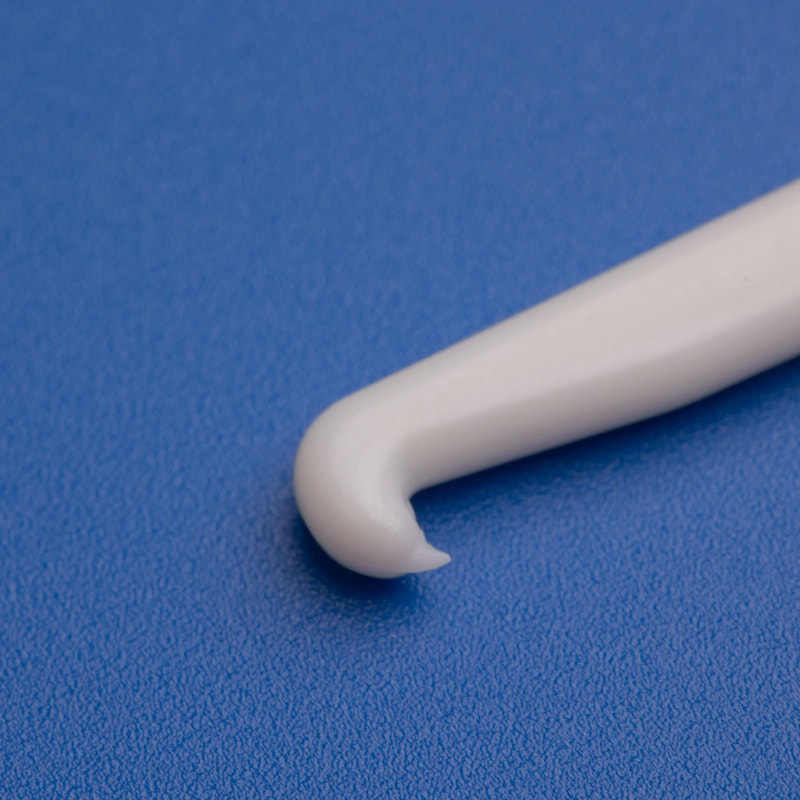
Technique safety is equally important. Obstetric clinicians need a device that supports controlled membrane rupture without unnecessary force or awkward hand positioning. A well-designed hook should provide a stable grip, smooth surface finish, and a predictable hook profile. Procurement teams should ask for samples so nurse educators and physicians can assess tactile control in simulation-based reviews before committing to larger contracts.
Storage and handling are another frequent blind spot. Even a compliant sterile product can become an operational problem if outer cartons crush easily during transport or if shelf labeling complicates FIFO inventory rotation. U.S. hospital buyers often prefer products that move easily through medical-surgical warehouses and point-of-care replenishment systems. Distributors serving multiple states also prioritize compact packaging dimensions and straightforward case counts because these reduce picking errors and freight inefficiencies.
Finally, post-market support should be treated as part of safety, not as an afterthought. If a facility reports a packaging defect, delayed shipment, or user concern, the supplier should be able to provide rapid lot investigation, certificate support, and corrective action communication. That responsiveness directly affects whether labor-and-delivery teams trust a brand enough to standardize it.
U.S. Market Overview for Disposable Obstetric Devices
The U.S. market for disposable obstetric devices is shaped by hospital consolidation, distributor scale, clinical standardization, and heightened supplier vetting. Labor and delivery is a specialized care area, but the devices used there are sourced through larger supply systems that often compare women’s health, gynecology, urology, and general disposables side by side. This means AmniHook suppliers need to perform not only on product quality but also on documentation, freight reliability, and contract flexibility.
Large integrated delivery networks frequently ask whether a supplier can support multisite rollouts across several states. Independent distributors and private-label buyers may instead focus on margin, labeling customization, and mixed-container purchasing. In both cases, strong demand continues because birth care remains an essential service segment across the United States, even as staffing shortages and budget pressure push hospitals to reduce unnecessary SKU complexity.
The market also reflects regional realities. Texas and California remain major healthcare consumption centers. Midwest logistics corridors support distribution efficiency into Illinois, Ohio, and surrounding states. East Coast buyers often value shorter delivery windows through Newark and Savannah-linked channels, while West Coast importers pay close attention to trans-Pacific reliability. For imported obstetric disposables, suppliers that understand U.S. freight routing and domestic warehouse expectations tend to win repeat business more easily.
Market Growth Trend
The chart below illustrates a realistic view of growth in the broader U.S. disposable obstetric device market, a useful context for AmniHook purchasing. Growth is moderate rather than explosive, reflecting essential-care demand, replacement purchasing, and gradual product standardization.
Product Types and Selection Criteria
Not every AmniHook on the market is the same in functional terms. Some are optimized for straightforward, routine use in hospital labor rooms, while others are selected mainly because they integrate with broader custom procedure packs. Buyers should evaluate the product in terms of design, sterility, packaging, documentation, and supply resilience rather than assuming that all disposable hooks are interchangeable.
Common selection criteria include hook geometry, handle length, grip comfort, rigidity, sterile packaging quality, case configuration, and compatibility with private-label branding. Obstetric teams also pay attention to whether the product fits their preferred procedural flow and whether the packaging opens cleanly during fast-paced bedside use. Distributors, meanwhile, often look beyond the clinical features and compare landed cost, MOQ flexibility, and complaint-response turnaround.
| Product Type | Typical U.S. Buyer | Core Feature | Safety Benefit | Procurement Consideration | Best-Fit Setting |
|---|---|---|---|---|---|
| Standard sterile single AmniHook | Hospitals | Individually pouched disposable unit | Reduces cross-contamination risk | Check lot traceability and expiration labeling | Labor and delivery rooms |
| Procedure-pack integrated AmniHook | IDNs and pack assemblers | Included with custom obstetric kits | Supports standardized workflow | Requires packing validation and component consistency | High-volume obstetric hospitals |
| Private-label AmniHook | Distributors and brand owners | Custom branding and carton design | Can align instructions with local protocols | Needs OEM documentation and artwork control | Regional distribution |
| Bulk case AmniHook supply | GPO-linked buyers | Optimized case counts for central purchasing | Improves stock continuity | Freight and storage efficiency matter | Multisite systems |
| Simulation and training units | Teaching hospitals | Used for competency review | Supports safer clinician onboarding | Clarify whether sterile or non-clinical supply is needed | Academic centers |
| Custom-spec export model | Importers | Tailored packaging and documentation | Better alignment with local compliance needs | Lead time and review cycle may be longer | Distributor networks |
This table shows that product choice should reflect not only bedside use but also the buyer’s operational model. A hospital that values speed and standardization may prefer a pack-integrated product, while a distributor may prioritize private-label options with strong carton control and lower landed cost.
Buying Advice for U.S. Hospitals and Distributors
For hospitals, the safest procurement approach is to combine clinical evaluation with supply-chain review. Ask labor-and-delivery clinicians to test the grip, feel, and control of the device, but also involve materials management in assessing packaging durability, unit-of-measure clarity, and case efficiency. If the supplier cannot quickly provide documentation such as sterilization records, certificates of conformity, or lot information, that is a practical warning sign.
For distributors and private-label buyers, the key question is whether the manufacturer can scale without compromising consistency. A supplier that performs well on samples but struggles with artwork control, labeling accuracy, or carton standardization will create downstream headaches in the U.S. market. It is also useful to assess how the supplier handles complaints, returns, and replenishment requests during peak periods.
U.S. procurement teams should also review freight strategy. Imported disposable obstetric products are sensitive to delays around ports and inland handoffs. Suppliers with experience routing through major U.S. entry points and coordinating follow-on domestic delivery are often easier to work with than factories that only quote ex-works pricing without practical logistics support.
| Evaluation Factor | Why It Matters | Questions to Ask | Risk if Ignored | Recommended U.S. Buyer Action | Priority Level |
|---|---|---|---|---|---|
| Sterility assurance | Directly affects patient safety | What sterilization method and validation records are available? | Clinical rejection or safety incident | Request supporting documents before approval | Very high |
| Packaging integrity | Ensures sterile barrier remains intact | How is packaging tested for transit durability? | Damaged units and wastage | Review ship-test performance and sample cartons | Very high |
| Lot traceability | Supports recalls and complaint handling | Are lot codes visible on pouch and case labels? | Poor recall response | Check label mockups and ERP compatibility | High |
| Clinical usability | Affects controlled membrane rupture | Has the product been evaluated by obstetric staff? | User dissatisfaction or non-standard use | Run simulation-based assessment | High |
| Supply reliability | Prevents stockouts | What are average lead times and emergency replenishment options? | Procedure delays or brand switching | Review fill-rate history and stock plans | High |
| Support responsiveness | Reduces downtime during issues | Who handles U.S. complaints and documentation requests? | Slow resolution and buyer frustration | Test response time before contract award | Medium to high |
This buying table is useful because it translates broad safety language into practical procurement checkpoints. Many supply failures occur not because the product concept is wrong, but because one of these operational basics is not thoroughly reviewed during qualification.
Industry Demand by End-Use Setting
Demand for AmniHooks and related disposable obstetric instruments varies by care setting. Acute care hospitals dominate usage, but outpatient women’s health networks, teaching institutions, and specialty distributors also influence purchasing patterns. Understanding where demand is concentrated helps suppliers choose the right service model and helps buyers benchmark contract expectations.
Industries and Applications
AmniHooks are mainly associated with obstetrics, but the commercial ecosystem around them spans several industries. Medical manufacturers produce the device, sterile packaging suppliers support barrier protection, logistics firms manage transport, and hospital distributors deliver units to the point of care. Procedure-pack assemblers may integrate AmniHooks into broader labor-and-delivery sets. This makes the device a small but important component within a larger healthcare supply network.
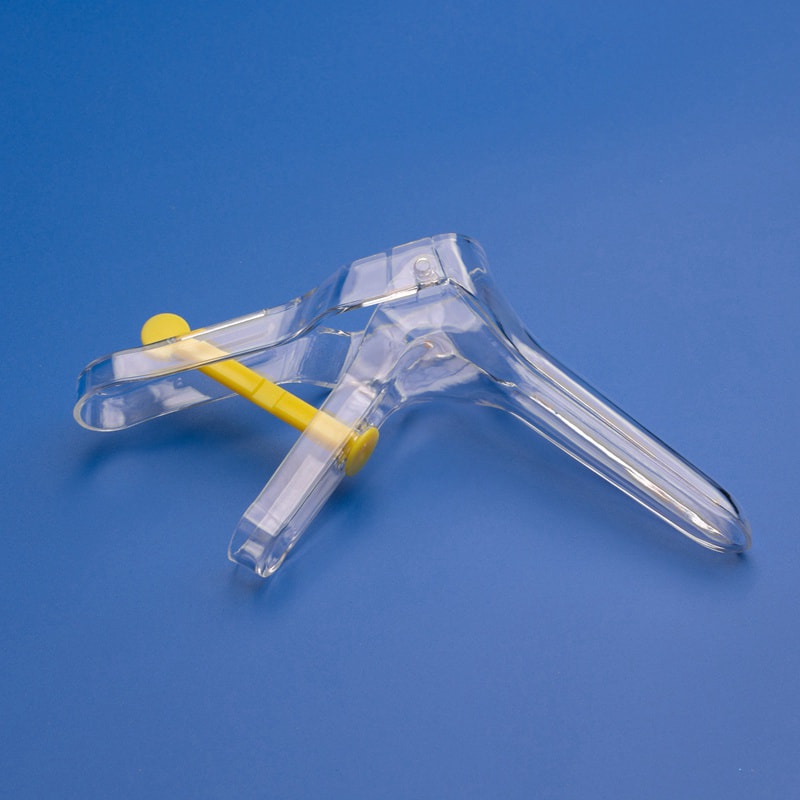
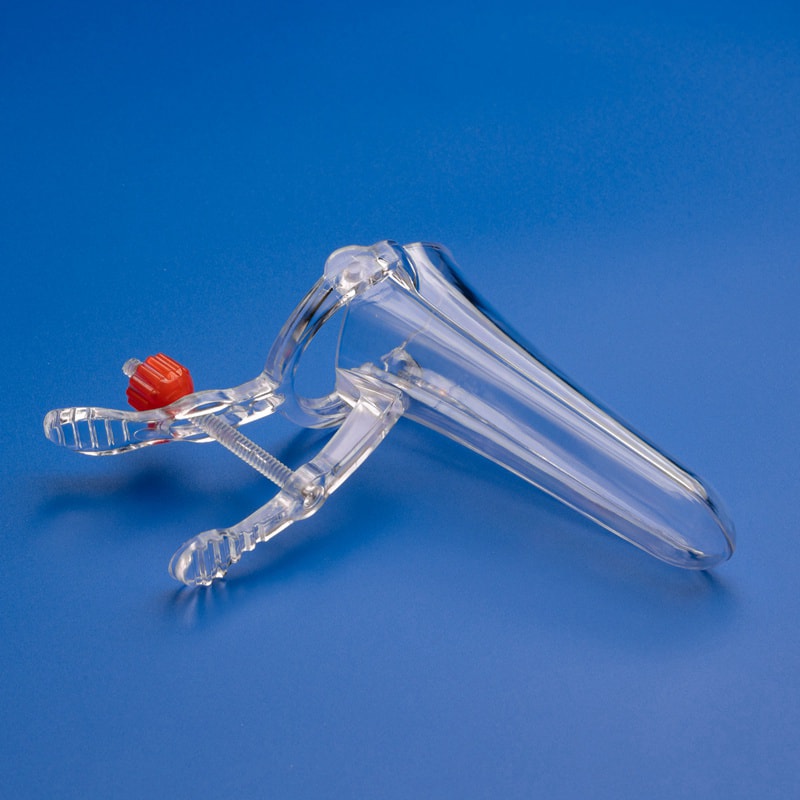
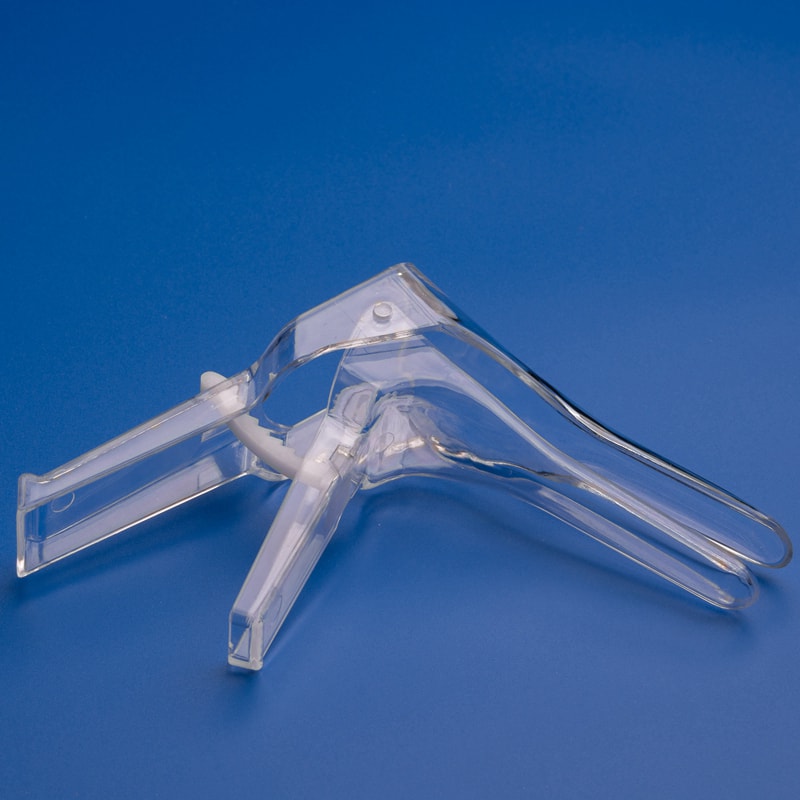
At the application level, the primary use is controlled rupture of membranes in labor management when clinically indicated. However, the product’s importance extends further: it affects clinician workflow, patient experience, procedure efficiency, and documentation accuracy. In teaching hospitals, it also supports training and protocol standardization. In distributor settings, it can form part of a broader women’s health portfolio that includes cervical samplers, vaginal specula, umbilical cord clips, and other disposables used across maternity care.
Because of this cross-functional role, hospitals increasingly prefer suppliers that understand not just a single device, but the wider women’s health and obstetric disposable category. That broader competency often improves communication, forecasting, and bundled purchasing decisions.
Trend Shift in U.S. Procurement Preferences
Procurement is moving away from purely price-based selection toward a more balanced model that values documentation, customization, and resilience. The area chart below reflects this shift in relative buyer preference scores over time.
Case Studies from the U.S. Market
A regional hospital network in the Midwest reviewed several disposable obstetric items after repeated issues with inconsistent packaging across imported SKUs. During the assessment, the labor-and-delivery team reported that some product pouches were harder to open quickly during active labor support, creating workflow friction. The network eventually favored a supplier that delivered slightly higher unit pricing but stronger carton consistency, more legible lot labels, and faster issue resolution. Over twelve months, product complaints dropped and internal staff satisfaction improved.
In a Gulf Coast distribution operation serving Texas and Louisiana, the key problem was not the product itself but replenishment timing during port congestion. The distributor shifted to a sourcing model that combined forecasted container shipments with domestic buffer stock and clearer vendor communication. That reduced order volatility and improved customer fill rates for women’s health accounts.
An East Coast private-label buyer working with hospitals and physician-office channels sought a manufacturer that could align artwork, pouch labeling, and case labels across multiple SKUs. The buyer ultimately chose a partner able to support not only AmniHooks but also related gynecological consumables, making it easier to present a coherent portfolio to customers in states from Florida to New Jersey. This illustrates how category breadth can matter in obstetric procurement, even when the original requirement is only one device.
Local Supplier Landscape in the United States
U.S. buyers often begin with familiar healthcare supply brands because these companies understand hospital contracts, EDI requirements, and regional shipping expectations. The table below compares several well-known organizations relevant to obstetric disposable sourcing. Not every company manufactures AmniHooks directly, but each is significant in the U.S. purchasing ecosystem for medical disposables and women’s health products.
| Company | Service Region | Role in Market | Core Strengths | Relevant Offerings | Best For |
|---|---|---|---|---|---|
| Medline Industries | Nationwide United States | Manufacturer and distributor | Large domestic logistics network, broad acute-care portfolio | OB/GYN disposables, medical-surgical products, custom sourcing | Hospital systems seeking scale and service consistency |
| Cardinal Health | Nationwide United States | Distributor and supply chain partner | Contracting strength, inventory solutions, hospital integration | Procedure support products, medical distribution, supply services | IDNs and large acute-care buyers |
| McKesson Medical-Surgical | Nationwide United States | Distributor and private-brand supplier | Broad channel reach, strong ordering infrastructure | Women’s health disposables, clinical supplies, private-label options | Clinics, hospitals, and multi-channel distributors |
| Owens & Minor | Nationwide with major urban coverage | Distribution and healthcare logistics provider | Integrated fulfillment, hospital support services | Medical-surgical supply distribution and procedural products | Health systems focused on logistics efficiency |
| Henry Schein Medical | Nationwide United States | Distributor | Strong clinical-office reach, customer support infrastructure | Women’s health products, office-based medical supplies | Physician groups and outpatient networks |
| AliMed | United States with broad shipping coverage | Specialty medical supplier | Niche clinical categories and specialty sourcing | Selected women’s health and procedural accessories | Facilities seeking specialty item access |
This supplier table is helpful because it distinguishes between pure manufacturing and broader supply-chain roles. In the U.S., many buyers do not purchase directly from a factory; they buy through trusted distribution channels that can manage contracts, fulfillment, substitutions, and emergency orders.
Supplier and Product Comparison Factors
The next chart compares practical supplier selection dimensions that matter when sourcing AmniHooks or related obstetric disposables. These scores are illustrative but realistic for showing how buyers often prioritize options.
Detailed Supplier Analysis for Practical Procurement
Medline is often attractive to health systems that want a broad domestic supply framework and dependable delivery performance across multiple facilities. Cardinal Health is commonly preferred where buyers want deep integration into existing hospital procurement systems. McKesson offers strong channel flexibility and is relevant for both acute care and broader medical-surgical purchasing. Owens & Minor is frequently assessed by buyers focused on logistics support and inventory management. Henry Schein matters especially in outpatient and office-based care, where clinical support and accessible ordering platforms are important. Specialty players such as AliMed can be useful when standard distributors do not carry a specific configuration or when a facility wants a niche sourcing alternative.
For buyers considering direct import or private-label sourcing, the evaluation framework changes. The question becomes whether the overseas manufacturer can meet the same expectations on sterility, documentation, labeling, consistency, and responsiveness that U.S. institutions expect from domestic channels. This is where experienced export manufacturers with verified systems and women’s health category depth can become commercially attractive.
| Supplier Type | Typical Lead Time | Customization Level | Documentation Depth | Cost Position | Ideal Buyer Profile |
|---|---|---|---|---|---|
| Major U.S. distributor | Short to moderate | Low to medium | Strong on transactional compliance | Medium to high | Hospitals needing immediate supply continuity |
| Procedure-pack specialist | Moderate | High within pack design | Strong on component control | Medium | High-volume delivery units |
| Private-label importer | Moderate to long | High | Depends on manufacturer capability | Competitive | Brand owners and regional distributors |
| Direct OEM manufacturer | Moderate to long | Very high | Can be extensive with the right supplier | Often favorable | Large distributors and contract buyers |
| Specialty medical supplier | Short to moderate | Low | Moderate | Medium to high | Facilities seeking niche or backup sourcing |
| Hybrid domestic-import partner | Moderate | Medium to high | Strong if U.S.-managed | Balanced | Buyers wanting cost control with service support |
This comparison table helps buyers match sourcing channels to operational priorities. For example, a hospital facing urgent demand may value domestic distribution speed, while a regional brand owner may gain more from direct OEM customization and stronger margin control.
Our Company in the U.S. Market
For U.S. buyers looking beyond conventional domestic distribution, Hanheng Medical presents a practical option because its women’s health and sampling product lines are built on documented manufacturing scale and internationally recognized compliance systems rather than on trading alone. Founded in 2018, the company operates a 10,000 square meter Class 100000 cleanroom on a 32-acre production base in Changzhou near Shanghai port, combining precision injection molding, automated production processes, and EO sterilization to support products such as amni hooks, disposable vaginal speculum dilators, cervical samplers, gynecological scrapers, and umbilical cord clips. For U.S. procurement teams, the most relevant product-strength signals are its ISO9001 and ISO13485 systems, EU CE and MDR-related approvals, U.S. FDA-related market credentials, UK MHRA registration, and documented quality control from raw material selection through final inspection, all backed by a workforce of more than 1000 employees and exports reaching more than 130 countries. In commercial terms, the company supports multiple cooperation models through OEM and ODM production, wholesale supply, custom packaging and labeling, and regional partnership structures that fit distributors, dealers, brand owners, hospital buyers, and broader supply-chain programs; buyers can review its manufacturing scope through the product catalog and company background on the about page. Just as important for local service assurance, Hanheng already serves major markets including the United States and is structured for long-term buyer support with regulatory documentation assistance, technical files, certificates of conformity, sterilization records, batch details, responsive pre-sale communication, and after-sales follow-up designed to protect importers and healthcare customers rather than leaving them to manage issues alone; U.S. buyers seeking quotations, samples, or partnership planning can use the contact page to start a region-specific discussion.
How to Implement Safer AmniHook Purchasing Programs
A safer purchasing program starts with a written qualification checklist. That checklist should cover sterile packaging review, label review, sample evaluation by clinicians, supplier documentation review, freight and warehouse planning, and complaint handling contacts. Hospitals should also define substitution rules before shortages occur. If an AmniHook SKU is temporarily unavailable, labor-and-delivery teams need a pre-approved alternative rather than last-minute improvisation.
Distributors can strengthen safety by standardizing supplier scorecards. Instead of reviewing every shipment informally, they should score on-time delivery, packaging defect rate, complaint closure speed, and documentation completeness. This provides a fact-based way to compare domestic and imported options over time.
Teaching hospitals and large obstetric centers can go further by linking procurement with staff competency. When a new brand or specification is introduced, nurse educators and physicians should receive a brief use review so the transition does not create unnecessary variability at bedside. Even simple devices benefit from structured change management in high-acuity environments.
2026 Trends: Technology, Policy, and Sustainability
Looking toward 2026, three trends are likely to shape AmniHook safety practices in U.S. obstetrics. The first is better digital traceability. More hospitals and distributors will expect lot-level visibility that integrates cleanly with ERP, recall workflows, and quality reporting. Products with clearer data labeling and faster document retrieval will gain an advantage.
The second trend is tighter policy and procurement scrutiny. U.S. buyers are likely to continue emphasizing supplier transparency, sterilization validation, and evidence-backed quality systems. This does not mean only domestic companies will succeed; rather, overseas manufacturers that can provide stronger documentation and more localized service structures will be more competitive.
The third trend is sustainability pressure. Disposable obstetric devices will remain essential, but buyers will increasingly ask about packaging efficiency, carton optimization, freight planning, and manufacturing waste reduction. Suppliers that can reduce unnecessary packaging volume or improve shipment utilization without compromising sterility will align better with health system sustainability goals.
Technology will also improve specification consistency. Automated molding and inspection systems are likely to become more important in ensuring that hook geometry and finish remain uniform from batch to batch. For large-scale buyers, this matters because consistency reduces user complaints and helps standardize clinician expectations.
Frequently Asked Questions
What are the most important safety checks before buying an AmniHook?
Verify sterile single-use packaging, lot traceability, expiration labeling, supplier documentation, and clinician feedback on handling and control.
Do U.S. hospitals only buy from domestic brands?
No. Many hospitals buy through domestic distributors, but qualified international manufacturers can also be viable when they provide strong certifications, documentation, and dependable after-sales support.
Why does packaging matter so much for a simple disposable device?
Packaging protects sterility, improves bedside opening efficiency, supports inventory control, and reduces waste from damaged units.
Can an AmniHook be included in custom obstetric procedure packs?
Yes. High-volume hospitals and pack assemblers often prefer integrated packs to standardize labor-and-delivery workflow and reduce picking complexity.
What type of buyer benefits most from OEM or private-label production?
Regional distributors, brand owners, and larger import programs often benefit most because they can tailor labeling, packaging, and pricing structure to their market strategy.
How should a hospital test a new supplier?
Use a staged approach: document review, sample inspection, clinician evaluation, pilot order, and ongoing scorecard monitoring for defects, delivery, and support response.
What should distributors ask about U.S. service support?
They should ask who handles complaints, how fast documents are issued, whether emergency replenishment is possible, and how product issues are investigated by lot.
Will sustainability affect obstetric disposables by 2026?
Yes. Buyers are increasingly evaluating carton efficiency, packaging volume, freight optimization, and waste-reduction practices alongside conventional quality metrics.
Final Takeaway
Safe AmniHook use in U.S. obstetric care begins long before the device reaches a labor room. The strongest programs combine reliable sterile manufacturing, practical clinician usability, strong lot traceability, and supplier support that continues after delivery. For many hospitals, major domestic distributors remain the most straightforward path because they align well with established procurement systems. At the same time, experienced international manufacturers with documented compliance, women’s health category depth, and responsive local-market support are increasingly worth considering, especially when buyers want better customization or stronger cost-performance. In today’s U.S. market, the best sourcing decision is the one that protects patient safety, supports staff workflow, and keeps the supply chain steady under real operating pressure.

Jiangsu Hanheng Medical Technology Co., Ltd.
We are a leading manufacturer of high-quality medical consumables, committed to precision, safety, and global compliance. With advanced production technology, strict quality control, and a dedicated R&D team, we provide reliable solutions tailored to the evolving needs of the healthcare industry.