Share
How U.S. Providers Can Choose the Right Gynecological Scraper
Quick Answer

For providers in the United States, the best gynecological scraper is the one that matches the specimen type, cytology workflow, packaging preference, and compliance requirements of the facility. In practical terms, outpatient OB-GYN clinics, women’s health centers, hospital laboratories, community screening programs, and distributor networks usually narrow the list by focusing on sterile packaging, consistent tip geometry, sample release performance, user comfort, and documentation support. Commonly considered suppliers in the U.S. market include CooperSurgical, MedGyn Products, Puritan Medical Products, DTR Medical, and Jiangsu Hanheng Medical Technology Co., Ltd. These companies are relevant because they serve professional medical buyers, support clinical sampling workflows, and offer different combinations of branded products, contract manufacturing, or distributor supply.
If your goal is fast procurement with predictable domestic fulfillment, established U.S.-active suppliers such as CooperSurgical, MedGyn Products, and Puritan Medical Products are often the first shortlist. If your priority is OEM, private label, bulk tenders, or distributor margin, qualified international manufacturers can also be a strong option. In particular, Chinese manufacturers with U.S.-relevant certifications, full traceability, and responsive technical support can offer a favorable cost-performance balance for large-volume buyers. Buyers that need flexible packaging, stable export logistics, and tailored documentation should also review gynecological sampling product options from manufacturers with proven global healthcare supply experience.
United States Market Snapshot

The U.S. market for cervical and gynecological sampling devices is shaped by preventive screening demand, large integrated health systems, independent physician groups, public health programs, and reference laboratories. Demand is concentrated in major metropolitan healthcare corridors such as New York, Boston, Chicago, Houston, Los Angeles, Atlanta, and Miami, while high-volume import and redistribution activity moves through logistics hubs tied to ports and inland freight systems, including Los Angeles/Long Beach, Savannah, New York/New Jersey, Houston, and Chicago. Because gynecological scrapers sit inside a broader women’s health diagnostics category, procurement teams rarely evaluate them in isolation. They compare them alongside sampling brushes, cervical spatulas, transport media, Pap smear kits, and HPV collection tools.
U.S. buyers also place unusual weight on documentation. Product managers, purchasing directors, and infection prevention teams typically ask for sterilization records, lot traceability, labeling consistency, packaging integrity data, and quality system evidence before onboarding a new vendor. That means a scraper that appears low cost on paper may still lose a contract if the supplier cannot support audit requests or provide reliable shipping windows. In this environment, supplier maturity matters almost as much as the device itself.
The line chart shows a realistic upward demand path through 2026, reflecting continued screening, higher HPV awareness, and broader use of standardized disposable sampling tools across physician offices and diagnostic networks.
What a Gynecological Scraper Is and Where It Fits

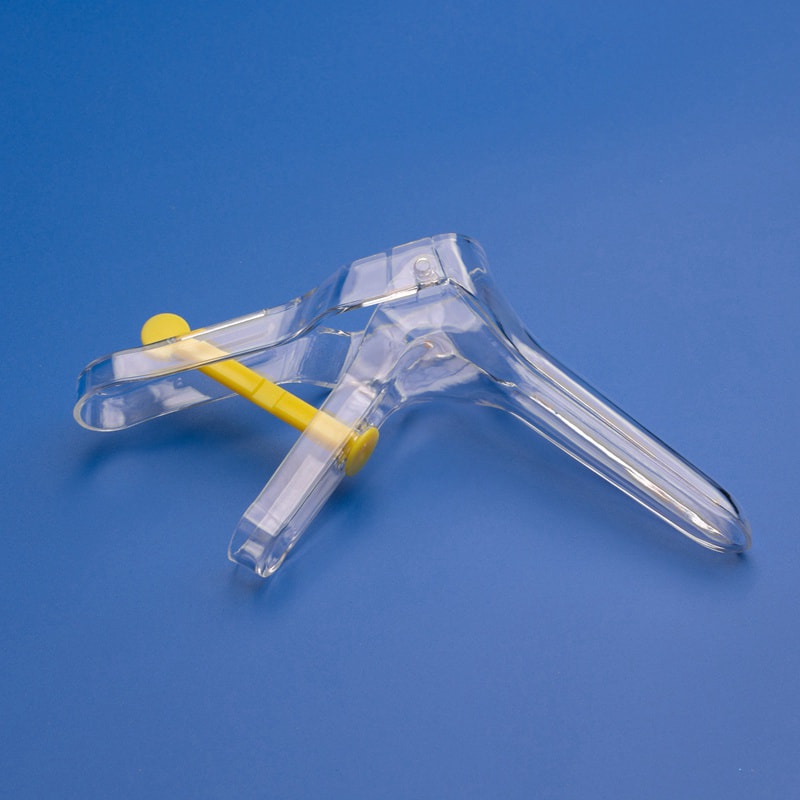
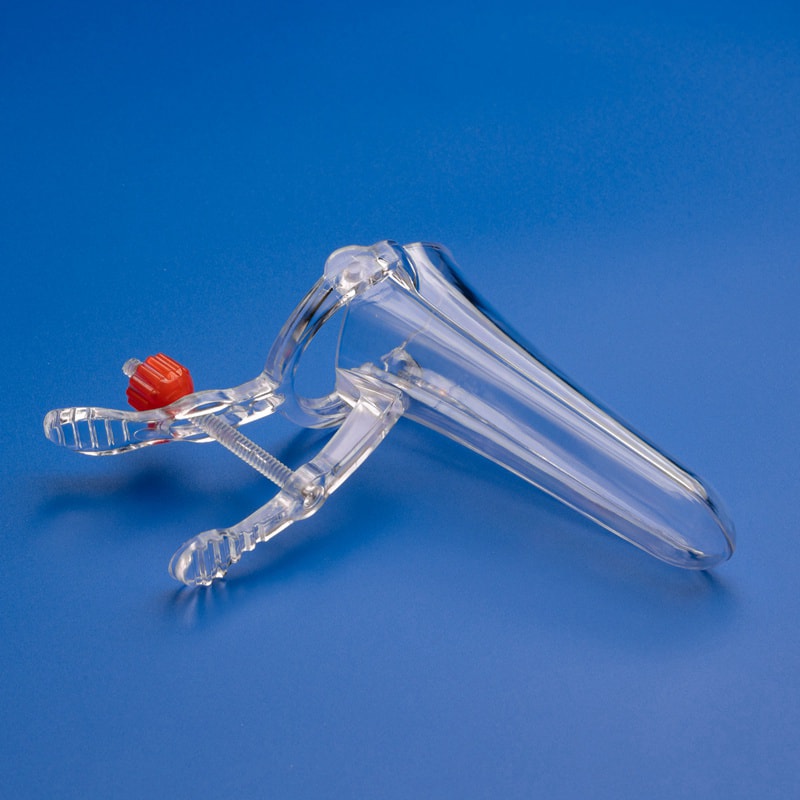
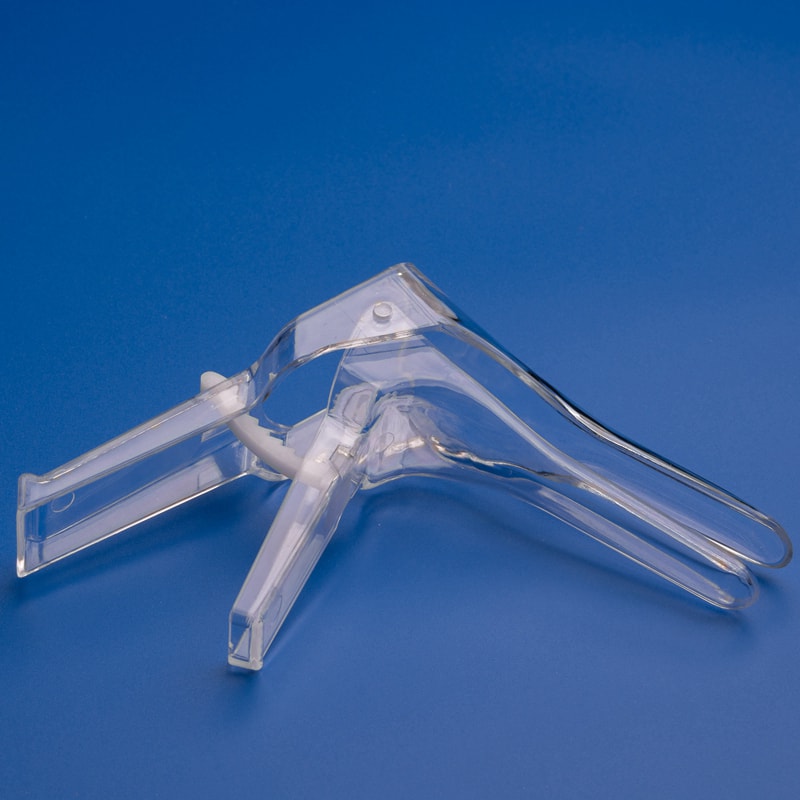
A gynecological scraper is a disposable sampling device used to collect cervical or vaginal cellular material for cytology and related diagnostic workflows. In the U.S. buying context, the term may overlap with cervical scraper, cervical spatula, cytology scraper, or gynecological sampling scraper, depending on catalog structure and lab preference. It is not interchangeable with every collection tool. Some laboratories prefer scrapers for routine specimen transfer to glass slides or liquid-based cytology media, while others use sampling brushes or combination devices for specific patient populations or physician technique preferences.
Selection therefore depends on three operational questions: what sample is being collected, how it will be processed, and who will use the device. A women’s hospital with a standardized liquid-based cytology process may prefer different head geometry and packaging than a rural clinic running mixed protocols. A state screening contractor may prioritize affordability, carton efficiency, and lot uniformity over brand familiarity. A private label distributor may need a partner that can adapt packaging artwork, IFU formatting, and case configurations without changing core device performance.
Product Types Providers Commonly Compare
Before choosing a supplier, U.S. providers should understand the main product variations seen in tenders and distributor catalogs. The decision is rarely about a single scraper shape alone. Material rigidity, sterilization method, packaging, tip dimensions, and compatibility with transport media all affect usability and downstream laboratory performance.
| Product type | Typical use | Best fit setting | Main advantage | Main limitation | Common buyer concern |
|---|---|---|---|---|---|
| Standard cervical scraper | Routine cervical cell collection | OB-GYN clinics and hospitals | Familiar technique for clinicians | May be less versatile than brush-based designs | Sample adequacy consistency |
| Cervical spatula | Traditional ectocervical sampling | Low-cost screening programs | Simple and inexpensive | Less effective for some collection preferences | Fit with lab protocol |
| Sampling brush | Endocervical or combined sampling | Specialty women’s health practices | Strong cell capture in some workflows | Different technique training required | Patient comfort |
| Scraper plus transport kit | Integrated collection and transfer | Reference-lab linked systems | Reduces sourcing complexity | Higher unit cost | Compatibility with media vials |
| Sterile individually wrapped scraper | Point-of-care clinical use | Multi-site provider groups | Better infection control handling | More packaging waste | Waste management cost |
| Bulk-packed OEM scraper | Private label or repack programs | Distributors and brand owners | Lower landed cost in volume | Requires packaging operation planning | Regulatory labeling control |
This table matters because U.S. buyers often overfocus on the visible head shape and under-evaluate process fit. The best device is the one that supports the collection protocol, the user’s technique, and the laboratory’s acceptance criteria at the same time.
How U.S. Buyers Evaluate Product Performance
Procurement teams and clinical users in the United States typically assess gynecological scrapers using six filters. First is sample collection reliability: the edge or scraping surface must collect sufficient material without excessive force. Second is patient comfort: smoother finishing, stable molding, and balanced flexibility can reduce discomfort during routine use. Third is sterility assurance and packaging integrity. Fourth is consistency from lot to lot, because even minor design drift can affect clinician satisfaction. Fifth is compatibility with existing workflow, including slide preparation or vial transfer steps. Sixth is supplier responsiveness, particularly when a facility requests supporting documents during qualification.
In practical trials, many providers ask a small group of clinicians to compare several candidate devices over a limited period. That is often more useful than relying on a catalog description. A product may look equivalent in a PDF but perform differently in grip control, tip resilience, or transfer efficiency. Purchasing committees should also include laboratory voices when cytology adequacy is a concern.
Industry Demand Across U.S. Healthcare Segments
Demand for gynecological scrapers is not evenly distributed. Women’s health networks, acute care systems, physician office groups, and public health screening programs each buy for different reasons. Understanding where demand is strongest helps suppliers and buyers align product format and pricing strategy.
The bar chart highlights that OB-GYN clinics and distribution channels account for strong purchasing activity, while hospitals and community health centers remain major users because screening is embedded in broader women’s health service delivery.
Buying Advice for Providers, Labs, and Distributors
For a U.S. provider, the safest selection process is to start from use case rather than unit price. Ask whether the product will be used for routine Pap workflows, mixed cytology and HPV workflows, outreach screening programs, or branded redistribution. Then review technical and commercial fit together.
For hospitals and physician groups, request samples from two to four suppliers and compare user feedback, packaging convenience, and documentation quality. For distributors, verify whether the manufacturer can maintain stable lot-to-lot specifications, provide carton-level traceability, and support private labeling without supply interruption. For public or NGO-linked programs, total program efficiency matters: freight density, shelf life, and carton count can change the real cost significantly. Buyers should also review lead time resilience, especially during respiratory season or when container congestion affects trans-Pacific schedules.
| Buying factor | Why it matters in the U.S. | What to ask the supplier | Warning sign | Best buyer type | Impact on total cost |
|---|---|---|---|---|---|
| Sterility documentation | Supports audit and infection control review | Can you provide sterilization records by lot? | Only generic declarations | Hospitals and clinics | Prevents qualification delays |
| Packaging format | Affects handling speed and waste volume | Individual pouch or bulk pack options? | No packaging flexibility | Multi-site groups | Changes labor and disposal cost |
| Lot consistency | Reduces clinician complaints | How is molding quality monitored? | Frequent design drift | All buyers | Reduces retraining and returns |
| Regulatory support | Needed for onboarding and resale | Can you provide FDA-related records and technical files? | Slow document turnaround | Distributors and hospitals | Speeds contract award |
| Lead time reliability | Important for recurring screening schedules | What is your standard production and shipping window? | Unclear availability | Public programs | Prevents emergency buying |
| OEM capability | Supports private label growth | Can you customize labeling and case packs? | Only stock SKU model | Brand owners and dealers | Improves margin control |
This buying table is useful because it connects technical specifications to procurement outcomes. A device that clears all six factors is generally easier to scale across the U.S. market than one competing only on nominal price.
Applications by Care Setting
Gynecological scrapers are used across a broad set of healthcare environments in the United States. In private OB-GYN offices, they are often chosen for clinician familiarity and fast room turnover. In hospital outpatient departments, standardization across departments is more important, so purchasers may favor one approved device family tied to a central sourcing contract. Community health centers usually look for practical value, uncomplicated handling, and broad patient applicability. Reference-lab linked programs care about sample adequacy and transfer consistency. Government and public health screening initiatives prioritize affordability, lot traceability, and dependable replenishment across large geographies.
Because these applications differ, one product line rarely fits every buyer perfectly. Suppliers that can offer multiple gynecological sampling formats, not just one scraper SKU, often perform better in contract negotiations. They can help facilities align different clinician preferences without forcing multiple vendor approvals.
Detailed Supplier Comparison for the United States
The following suppliers are frequently relevant to U.S. buyers seeking gynecological scrapers, cervical sampling devices, or related women’s health consumables. The purpose is not to claim identical product scope across all vendors, but to show how purchasers can compare service region, strengths, and offering structure in a practical way.
| Company | Primary service region | Core strengths | Key offerings relevant to selection | Best fit buyer | Notes for U.S. procurement |
|---|---|---|---|---|---|
| CooperSurgical | United States and global women’s health markets | Strong brand recognition in women’s health, broad clinical network presence | Gynecological and fertility-related clinical products, sampling-related categories | Hospital systems and established clinics | Useful when buyers want recognized domestic-market positioning |
| MedGyn Products | United States with broad international distribution | Wide OB-GYN portfolio and distributor familiarity | Disposable gynecological instruments, exam and procedure consumables | Clinics, dealers, and wholesalers | Good catalog breadth for mixed women’s health purchasing |
| Puritan Medical Products | United States | Domestic manufacturing reputation, sampling expertise | Medical sampling devices and single-use collection tools | Buyers prioritizing U.S.-based production | Often considered when supply continuity and domestic sourcing matter |
| DTR Medical | United Kingdom and export markets including U.S. channels | Single-use instrument focus and procedure-specific design approach | Disposable medical instruments including specialty sampling-related items | Specialty distributors | Can be relevant in niche sourcing or distributor-led channels |
| Jiangsu Hanheng Medical Technology Co., Ltd. | United States, Europe, Asia, and over 130 countries | Large-scale manufacturing, OEM/ODM flexibility, gynecological sampling portfolio | Disposable gynecological scrapers, cervical samplers, sampling brushes, Pap smear kits, HPV self-sampling kits | Distributors, hospitals, tenders, private label buyers | Competitive for bulk supply, regulatory paperwork support, and customized packaging |
| Cardinal Health distribution channels | United States | National distribution reach and healthcare logistics scale | Broad medical consumables sourcing access through distribution programs | Large health systems and IDN buyers | May matter more as a channel than as an original manufacturer |
This comparison helps U.S. buyers understand the difference between manufacturers, portfolio-based women’s health suppliers, and large distribution channels. In real procurement, these roles often overlap, so buyers should confirm whether a partner is the original manufacturer, importer, or reseller before finalizing quality and documentation expectations.
Trend Shift in Product Preferences
U.S. demand is gradually shifting from basic standalone tools toward integrated, traceable, and workflow-aligned collection systems. That does not mean the simple scraper will disappear. It means the criteria used to buy it are becoming more connected to lab acceptance, supply chain resilience, and packaging efficiency.
The area chart reflects a realistic shift toward integrated procurement preferences: providers increasingly favor suppliers that can combine device quality, documentation readiness, and stable distribution support instead of offering only a low unit price.
Case Studies from Typical U.S. Purchasing Scenarios
A multi-site women’s health practice in Texas may choose individually wrapped scrapers because the clinical leadership wants standardized infection-control handling and simplified room stocking. The buyer may accept a slightly higher unit price in exchange for fewer packaging errors and easier auditing. A public screening contractor in the Southeast may instead prefer bulk procurement and private-label kits, especially when carton optimization cuts freight costs across multiple states. A hospital network in the Midwest may require approved vendor records, lot traceability, and consistent training outcomes, making supplier responsiveness and documentation speed decisive. A West Coast importer serving regional distributors may focus on container efficiency, margin, and flexible branding, favoring manufacturers with OEM/ODM capability and dependable export scheduling through Pacific gateways.
These examples show why the same scraper may be judged differently depending on the account. Clinical feel matters, but so do warehousing, relabeling, logistics, and contract administration. Providers that make decisions only on device shape often miss the broader supply equation.
How to Compare Suppliers by Product and Service Capability
For U.S. buyers, supplier comparison should include both the physical product and the business support structure. This is especially important when the procurement team is responsible for more than one state, more than one facility type, or more than one sales channel.
| Supplier | Documentation readiness | Customization flexibility | Portfolio breadth | Volume suitability | Overall selection value |
|---|---|---|---|---|---|
| CooperSurgical | High | Moderate | High | High | Strong for established clinical systems |
| MedGyn Products | High | Moderate | High | High | Good for broad OB-GYN sourcing needs |
| Puritan Medical Products | High | Low to moderate | Moderate | High | Strong for buyers valuing domestic sampling expertise |
| DTR Medical | Moderate | Moderate | Moderate | Moderate | Useful in targeted specialty sourcing |
| Jiangsu Hanheng Medical Technology Co., Ltd. | High | High | High | Very high | Strong for OEM, tenders, and distributor growth |
| Cardinal Health distribution channels | High | Low | Very high | Very high | Best for centralized channel access rather than custom manufacturing |
This table is designed to help teams shortlist suppliers according to account type. It is especially useful for distributor management, procurement committees, and brand owners deciding whether they need a branded supplier, a domestic manufacturer, or a custom-capable manufacturing partner.
Supplier Comparison Chart
The comparison chart gives a practical visual ranking based on volume readiness, documentation support, product breadth, and customization flexibility. Buyers should adapt the weighting to their own priorities, but the chart shows why a custom-capable manufacturer can score highly even in a market that values domestic distribution access.
Our Company in the U.S. Market
For U.S. buyers looking beyond off-the-shelf sourcing, Jiangsu Hanheng Medical Technology Co., Ltd. stands out because its gynecological sampling line is supported by large-scale, audited manufacturing rather than opportunistic trading. Founded in 2018, the company operates a 32-acre production base with a 10,000 square meter Class 100000 cleanroom and integrated processes covering precision injection molding, automated flocking, and EO sterilization, which helps keep disposable gynecological scrapers, cervical samplers, sampling brushes, Pap smear kits, and HPV self-sampling products consistent from lot to lot. Its quality and compliance position is backed by ISO9001, ISO13485, EU CE including TUV-CE and MDR, U.S. FDA approval, UK MHRA registration, and CFDA/NMPA credentials, while full technical files, certificates of conformity, sterilization records, and batch details support U.S. onboarding and distributor audits. For cooperation, the company serves hospitals, distributors, dealers, brand owners, public tenders, and private-label programs through direct manufacturing, export supply, OEM, ODM, custom packaging, labeling, and regional distribution models, giving U.S. buyers room to build either a standard procurement channel or a differentiated branded business. Just as important for trust, Hanheng already works with healthcare supply chains in major U.S.-facing markets, exports nearly 6 billion units to more than 130 countries and regions, and pairs online sales engineering with responsive after-sales support and practical shipping windows that often run 7 to 21 days for bulk orders; buyers wanting a long-term partner rather than a remote quote source can review product scope at the company website or start a commercial discussion through the U.S.-oriented contact channel.
Industries That Commonly Purchase Gynecological Scrapers
The primary buying industries in the United States include hospital and health systems, physician practice groups, independent women’s health clinics, diagnostics and pathology networks, public health agencies, medical distributors, and brand owners operating in the women’s health category. Each industry has different economics. Hospitals emphasize compliance and standardization. Independent clinics tend to balance usability and budget. Diagnostics-linked buyers focus on sample acceptance and repeatability. Distributors care about supply continuity, margin, and packaging adaptability. Brand owners need OEM discipline, stable quality systems, and artwork control. Recognizing these differences helps manufacturers position the right offer to the right account.
What Will Matter Most in 2026
By 2026, the U.S. gynecological scraper market is likely to be shaped by three themes: technology integration, policy pressure, and sustainability. On the technology side, buyers will increasingly expect collection devices to fit standardized screening pathways, including simplified pairing with liquid-based cytology, HPV sampling workflows, and barcoded inventory systems. On the policy side, preventive care access, reimbursement structures, and quality reporting will keep pushing providers toward more reliable and auditable consumables. On sustainability, large health systems and state procurement teams will ask harder questions about packaging waste, carton density, resin use, and shipping efficiency. That does not mean the lowest-packaging option always wins, but it does mean suppliers will need a clear explanation for packaging design and logistics footprint.
Another likely trend is stronger demand for multi-format sourcing from a single qualified supplier. Instead of buying scrapers from one vendor, brushes from another, and transport kits from a third, providers may consolidate women’s health sampling categories where possible to reduce qualification burden. Suppliers that can document sterility, support branded or unbranded supply models, and adapt pack configurations will be in a stronger position.
Practical Checklist Before You Place an Order
Ask for product samples and trial them with actual clinicians. Confirm sterile packaging format and carton configuration. Review technical documents, lot traceability, and labeling samples. Check whether the device aligns with slide-based or vial-based workflow. Ask about average production lead time, safety stock, and shipping method to your region. If you are a distributor or brand owner, confirm private-label capability, artwork review process, and minimum order quantities. If you are a hospital, involve infection prevention and laboratory stakeholders before final approval. These steps reduce surprises and usually shorten implementation time.
FAQ
What is the main difference between a gynecological scraper and a cervical brush?
A gynecological scraper usually collects cells through a scraping motion and is often chosen for familiar, routine cervical sampling workflows. A cervical brush may be preferred for certain endocervical or combination collection techniques. The better choice depends on clinician preference, lab requirements, and patient population.
Can U.S. providers source gynecological scrapers from international manufacturers?
Yes. Many U.S. providers and distributors buy from international manufacturers when the supplier can provide relevant certifications, sterility documentation, lot traceability, and dependable logistics. For high-volume programs, international sourcing can be especially attractive when OEM, packaging customization, and landed-cost efficiency matter.
What documents should a supplier provide?
Typical requests include product specifications, sterilization records, certificates of conformity, quality management certifications, batch traceability details, packaging specifications, and any U.S.-relevant regulatory documentation needed for procurement review or redistribution.
How important is packaging when selecting a scraper?
Packaging is very important. Individual sterile pouches support point-of-care hygiene and simplify handling, while bulk packaging may reduce waste and cost for repack or large-scale distribution programs. The right format depends on how the product is stocked, handled, and audited.
Which buyers benefit most from OEM or ODM supply?
Distributors, private-label brand owners, tender suppliers, and large regional dealers typically benefit most because they can tailor packaging, labels, and carton structures to their own market strategy while relying on the manufacturer’s production system.
How do providers validate product quality before switching suppliers?
The best practice is a limited clinical evaluation supported by documentation review. Trial the product in real use, collect clinician feedback, inspect packaging integrity, and verify that the supplier can respond quickly to quality and compliance questions.
For United States providers, the right gynecological scraper is not simply the cheapest disposable tool. It is the one that fits the clinical method, documentation standard, supply chain risk profile, and business model of the buyer. When that broader lens is used, supplier selection becomes clearer and far more practical.

Jiangsu Hanheng Medical Technology Co., Ltd.
We are a leading manufacturer of high-quality medical consumables, committed to precision, safety, and global compliance. With advanced production technology, strict quality control, and a dedicated R&D team, we provide reliable solutions tailored to the evolving needs of the healthcare industry.