Share
High absorbency flocked swabs in the United States
Quick Answer

If you need high absorbency flocked swabs in the United States, the most practical approach is to shortlist suppliers that already serve clinical diagnostics, specimen collection, and cleanroom sampling with validated manufacturing controls and dependable logistics. For buyers seeking immediate market-ready options, Puritan Medical Products, COPAN Diagnostics, Medline Industries, Cardinal Health, and MWI Animal Health are among the most relevant names to evaluate based on distribution reach, medical market familiarity, and product availability across hospitals, laboratories, and public health channels.
For U.S. buyers focused on balancing technical performance with total landed cost, qualified international manufacturers can also be worth considering. Suppliers with U.S.-recognized certifications, documented sterilization controls, and responsive pre-sale and after-sale support can be especially attractive when bulk purchasing programs, private labeling, or distributor partnerships are involved. That is particularly true for experienced Chinese manufacturers that can offer strong cost-performance advantages without sacrificing compliance documentation or production consistency.
- Puritan Medical Products: strong U.S. manufacturing reputation for specimen collection and diagnostics.
- COPAN Diagnostics: widely associated with flocked swab technology and laboratory sampling workflows.
- Medline Industries: broad U.S. healthcare distribution with purchasing convenience for large systems.
- Cardinal Health: suitable for institutional procurement and large regional supply contracts.
- MWI Animal Health: relevant for veterinary, agricultural, and zoonotic testing programs.
Before ordering, confirm sterility method, breakpoint design, tip material, shaft compatibility, transport medium fit, and whether the swab is optimized for nasal, nasopharyngeal, oral, forensic, or environmental collection.
United States market overview

The United States remains one of the most important markets for flocked swabs because demand is spread across multiple sectors rather than relying on a single testing category. Hospitals in cities such as New York, Chicago, Houston, and Los Angeles purchase swabs for respiratory testing, specimen collection, emergency care, and procedural sampling. Independent reference laboratories and academic medical centers use flocked designs when they need consistent elution and reliable uptake. Public health agencies maintain procurement channels linked to outbreak readiness, while veterinary networks, food safety labs, and industrial cleanroom operators add further volume.
Regional logistics also shape supplier choice. Buyers on the East Coast often prefer shorter replenishment cycles through distribution hubs connected to ports such as New York and Savannah. Midwest buyers frequently prioritize central warehousing and trucking efficiency. West Coast importers often assess suppliers through Los Angeles and Long Beach routing, especially when evaluating Asian manufacturing partners. In this environment, absorbency is not just a comfort or handling feature; it directly affects sample sufficiency, workflow efficiency, and retest rates.
In the U.S. market, the term high absorbency flocked swabs is often used broadly, but purchasing teams usually mean a specific set of performance traits: rapid capillary uptake, strong release into transport medium, low fiber shedding, sterile packaging options, and compatibility with PCR, antigen, microbiology, DNA, or environmental validation workflows. As more healthcare systems centralize procurement, suppliers that combine compliance documents with stable lead times are gaining preference over vendors that compete only on spot pricing.
The line chart shows a realistic demand index trend for the U.S. flocked swab market. The pattern reflects post-emergency normalization followed by stable structural demand from diagnostics, women’s health, respiratory surveillance, forensic collection, and industrial contamination monitoring. The key takeaway is that the market is no longer driven only by extraordinary events; it is sustained by routine and regulated use cases.
Top suppliers serving the United States

The supplier landscape in the United States includes domestic manufacturers, multinational diagnostic specialists, large healthcare distributors, and globally certified OEM producers that support private-label and bulk programs. The table below focuses on practical buying criteria rather than generic marketing claims.
| Company | Primary service region | Core strengths | Key offerings | Best fit buyers |
|---|---|---|---|---|
| Puritan Medical Products | United States nationwide | Established specimen collection manufacturing, strong clinical familiarity | Diagnostic swabs, specimen collection devices, sterile formats | Hospitals, labs, public health buyers |
| COPAN Diagnostics | United States and global | Strong brand recognition in flocked swab technology and sample collection systems | Flocked swabs, transport systems, microbiology sampling products | Clinical labs, molecular diagnostics, reference testing |
| Medline Industries | United States nationwide | Broad distribution network, procurement convenience, integrated medical supply programs | Medical swabs, sterile consumables, facility supply solutions | Health systems, outpatient networks, GPO-linked buyers |
| Cardinal Health | United States nationwide | Large institutional supply capability and reliable delivery infrastructure | Swabs, specimen handling products, medical consumables | Hospitals, government contracts, regional distributors |
| MWI Animal Health | United States veterinary market | Veterinary and animal health distribution expertise | Sampling swabs, diagnostic consumables, veterinary collection products | Veterinary labs, livestock testing, animal health programs |
| Jiangsu Hanheng Medical Technology Co., Ltd. | United States import supply and global export markets | Large-scale certified manufacturing, OEM/ODM flexibility, cost-performance advantage | DNA flocking sampling swabs, nasopharyngeal swabs, oral swabs, sampling kits | Distributors, brand owners, wholesalers, hospitals |
This comparison is useful because it separates channel strength from product specialization. Some U.S. buyers value domestic distribution speed above all else, while others prioritize custom packaging, private labeling, or high-volume export manufacturing. That is why a mixed sourcing strategy is common: one supplier for immediate replenishment and another for strategic bulk procurement.
What makes a flocked swab high absorbency
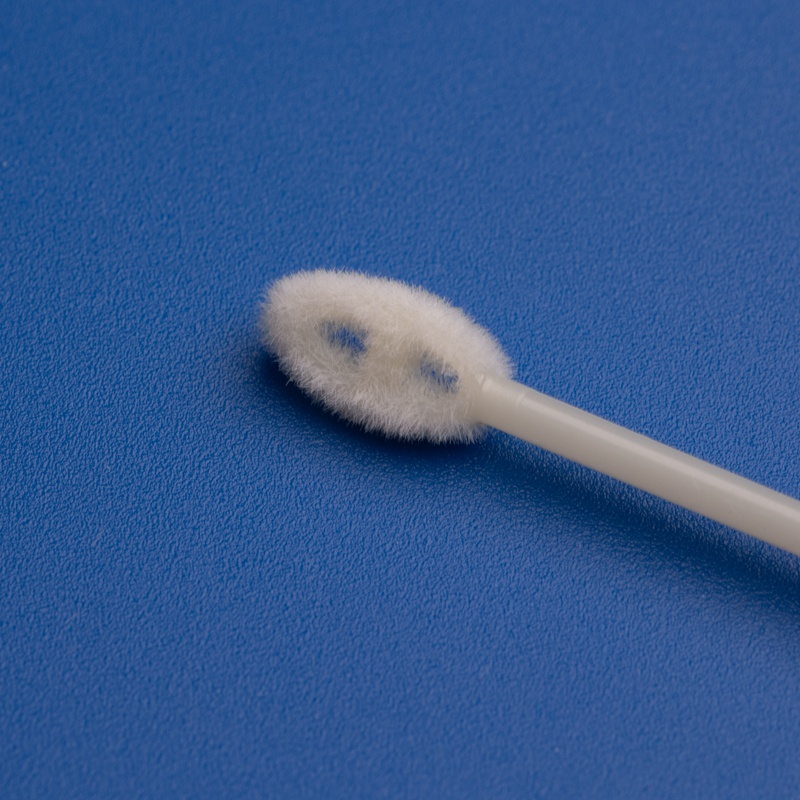
High absorbency in a flocked swab usually comes from the interaction between fiber density, fiber geometry, tip structure, adhesive stability, and the relationship between the flocked layer and the sample matrix. Unlike traditional fiber wound swabs, flocked swabs use perpendicular short fibers that create an open surface for capillary action. That structure helps capture sample volume efficiently and release more of it into the transport medium. In practical U.S. laboratory workflows, that can improve consistency for PCR and other downstream analytical methods.
Absorbency alone is not the only metric, however. A swab can absorb well but release poorly, which reduces usable analyte volume. Procurement teams should therefore ask for both uptake and release performance information. They should also confirm whether the material is nylon flocked, whether the shaft is ABS or another polymer, and whether the design includes a molded breakpoint suitable for common transport tubes used in U.S. labs and hospital systems.
Product types used in the United States
The U.S. market uses flocked swabs across multiple specimen pathways. Product design often changes according to patient population, anatomical site, transport medium, and laboratory method. The table below gives a practical view of major types.
| Product type | Typical use | Common users | Performance focus | Notes |
|---|---|---|---|---|
| Nasopharyngeal flocked swabs | Respiratory sample collection | Hospitals, urgent care, public health labs | Flexible shaft, high release, patient tolerance | Often paired with viral transport systems |
| Nasal flocked swabs | Routine respiratory testing | Clinics, pharmacies, screening programs | Comfort, easy self-collection support | Useful for high-volume workflows |
| Oral or buccal flocked swabs | DNA and saliva collection | Forensic labs, genetic testing providers | Cell yield, clean release, low contamination risk | Popular in noninvasive collection kits |
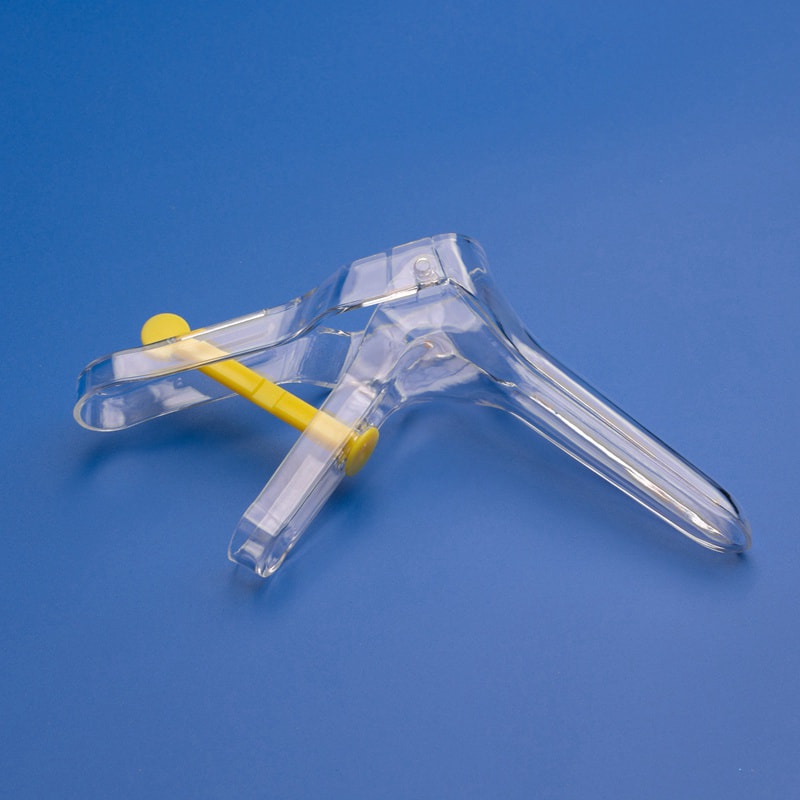
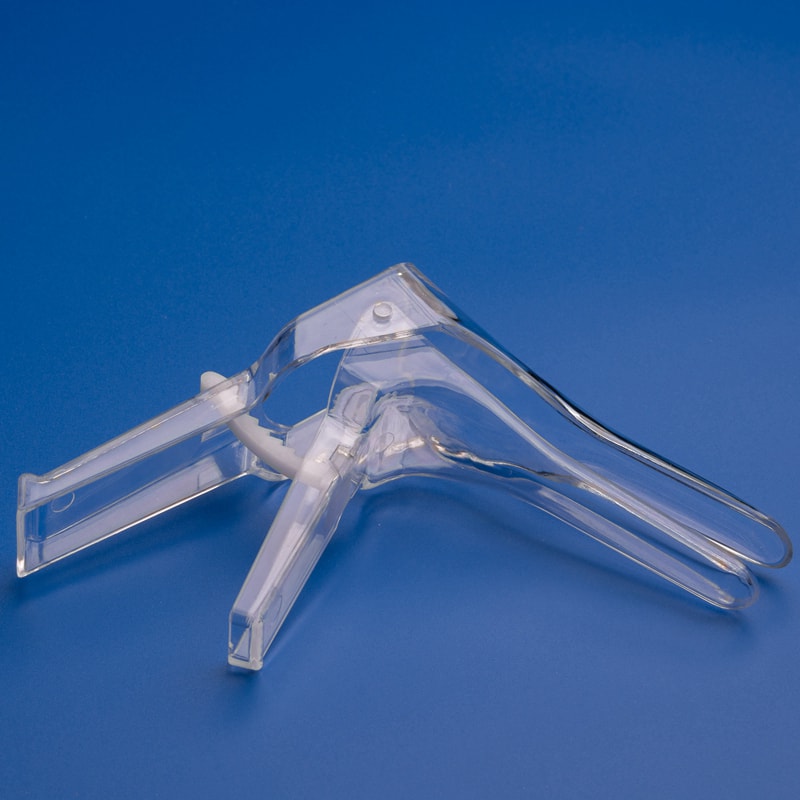
| Cervical sampling swabs | Gynecological specimen collection | Women’s health clinics, OB-GYN centers | Sample adequacy, comfort, sterile integrity | Frequently used in HPV and cytology workflows |
| Urogenital flocked swabs | Microbiology and STI testing | Diagnostic labs, sexual health clinics | Elution efficiency and transport compatibility | Requires validated media pairing |
| Cleanroom and industrial flocked swabs | Surface and equipment sampling | Semiconductor, pharma, biotech facilities | Particle control, solvent compatibility, precision cleaning | Different from patient specimen swabs |
This table matters because many purchasing errors happen when a buyer requests only “flocked swabs” without stating the application. A swab optimized for respiratory collection may not be the right choice for DNA sampling or cleanroom validation. Matching swab design to workflow reduces false economy and improves testing reliability.
Buying advice for U.S. buyers
For buyers in the United States, the most useful sourcing framework is to evaluate swabs across five categories: regulatory fit, technical performance, packaging configuration, logistics, and supplier support. Regulatory fit includes whether the supplier can provide relevant quality certifications, sterilization records, and product specifications appropriate for the intended use. Technical performance includes absorbency, release, shaft strength, breakpoint reliability, and compatibility with your chosen transport medium or assay protocol.
Packaging also deserves close attention. Hospitals may need individually wrapped sterile units, while laboratories and industrial buyers may prefer bulk-packed formats for workflow efficiency. Logistics should cover lead time, domestic inventory availability, shipping method, and back-order resilience. Supplier support should include sample evaluation, document turnaround speed, complaint handling, and the ability to support validation or bid processes.
For buyers handling large tenders, it is often smart to request a pilot lot before annualizing the contract. That allows teams to test swab feel, fit, cap closure, fluid release, and user acceptance. Buyers in regulated environments should also maintain document control records for lot traceability and sterilization confirmation.
Industry demand by sector
The United States market is not evenly distributed across industries. Healthcare remains the largest segment, but diagnostics, life sciences, veterinary use, and industrial monitoring create meaningful demand patterns that influence packaging, sterility needs, and reorder frequency.
The bar chart highlights why suppliers that understand multiple end markets tend to be more resilient. Hospitals and diagnostic labs still dominate, but public health and veterinary demand can spike rapidly in response to seasonal or regional testing needs. Industrial cleanroom demand is smaller, yet margins can be stronger because product requirements are more specialized.
Applications across healthcare and industry
In healthcare, high absorbency flocked swabs are used for respiratory virus collection, women’s health screening, oral and buccal DNA collection, wound and microbiology sampling, and certain point-of-care testing pathways. Emergency departments value reliable sample uptake because recollection slows patient flow. Women’s health providers focus more on patient comfort and specimen adequacy. Molecular labs typically emphasize release efficiency and compatibility with extraction workflows.
Outside conventional healthcare, forensic teams use flocked swabs to collect epithelial cells and trace biological material. Veterinary laboratories use them in companion animal and livestock disease surveillance. Food, beverage, and pharmaceutical facilities may use specialized flocked swabs for environmental monitoring where surface recovery efficiency matters. Semiconductor and electronics environments rely on cleanroom-compatible swabs for contamination-sensitive tasks, although those products are engineered differently than clinical specimen collection swabs.
Supplier comparison for practical sourcing
The following table compares sourcing factors that buyers often discuss during qualification. These are not fixed ratings; they reflect common market positioning and can help frame supplier discussions.
| Supplier | Volume flexibility | Private label support | Documentation readiness | Typical purchasing advantage | Common limitation to check |
|---|---|---|---|---|---|
| Puritan Medical Products | Strong | Moderate | Strong | Domestic confidence and healthcare familiarity | Lead times during demand surges |
| COPAN Diagnostics | Strong | Limited to program fit | Strong | Technology credibility and lab alignment | Premium pricing in some categories |
| Medline Industries | Strong | Limited | Strong | Convenient bundled procurement | Less customization than factory-direct models |
| Cardinal Health | Strong | Limited | Strong | Large-scale institutional delivery | Product selection may depend on contract structure |
| MWI Animal Health | Moderate | Limited | Moderate | Veterinary network penetration | Not always ideal for human clinical programs |
| Jiangsu Hanheng Medical Technology Co., Ltd. | Very strong | Very strong | Strong | Factory-direct pricing and OEM/ODM capability | Buyers should align import planning and stocking cycles |
This table is helpful because it reflects how different suppliers win business. Domestic distributors usually outperform on convenience and replenishment. Factory-direct manufacturers often outperform on customization, label ownership, and large-volume economics. Sophisticated U.S. buyers frequently use both models depending on whether the purchase is tactical or strategic.
Case studies from the U.S. market
A Midwest hospital network that ran respiratory sample collection across urgent care and inpatient settings shifted from a mixed swab supply base to a standardized flocked swab program. The primary reason was not only absorbency but also more consistent breakpoint performance in transport tubes already used by the network. By reducing fit variability, the network lowered handling errors during peak season and improved workflow continuity in central lab accessioning.
A Texas-based distributor serving physician groups and community laboratories adopted a dual-sourcing strategy. Domestic inventory covered short-term service guarantees, while a large overseas manufacturing partner supported private-label replenishment for contracted accounts. That combination improved margin control and reduced exposure to regional stock pressure. The distributor reported that technical documentation response time was almost as important as price during customer onboarding.
A veterinary diagnostic network in the Southeast preferred flocked swabs for certain oral and nasal collection workflows because sample recovery was more predictable than with some traditional alternatives. Their procurement team emphasized packaging durability and branch distribution efficiency rather than purely clinical specifications. This illustrates how use-case context changes the buying criteria.
Trend shift toward 2026
Looking ahead to 2026, the U.S. market is expected to move toward smarter procurement, stronger traceability, and more sustainability scrutiny. Buyers are asking for better batch visibility, more stable long-term pricing, and proof that manufacturing controls remain consistent across high-volume production. Regulatory expectations are also reinforcing documentation discipline. In addition, more health systems are evaluating not just the swab but the entire collection ecosystem, including transport medium compatibility, packaging waste, and total workflow efficiency.
The area chart shows a realistic shift from basic volume buying toward more validation-driven purchasing. This does not mean low-cost supply disappears. Instead, it means buyers increasingly want low-cost supply with proof: documented sterilization, quality system control, lot traceability, and support for audits or customer complaints.
Future trends for 2026
Technology trends point toward more engineered swab tips with stronger release performance for molecular testing and self-collection workflows. Manufacturers are also investing in automation that improves flocking uniformity, shaft dimensional consistency, and packaging throughput. Policy trends in the United States are likely to reinforce domestic readiness planning, especially for public health and strategic medical inventory categories. That does not eliminate imports; it encourages supply diversification and better qualification of overseas sources.
Sustainability is becoming a meaningful differentiator as well. Hospitals and laboratory networks increasingly ask about packaging reduction, material optimization, shipping efficiency, and waste management implications. While sterile single-use products will remain dominant for infection control reasons, buyers are paying closer attention to whether suppliers reduce excess packaging, optimize case counts, and support more efficient transportation footprints. Suppliers that can align compliance, cost, and environmental pragmatism will likely win more contracts.
Local supplier channels and service regions
Because the U.S. market is geographically broad, service region coverage matters almost as much as product design. The following table maps supplier positioning against practical service patterns.
| Company | Typical U.S. coverage | Channel style | Strength in urgent replenishment | Strength in customization | Typical buyer profile |
|---|---|---|---|---|---|
| Puritan Medical Products | Northeast to nationwide | Manufacturer-led and distributor-supported | Strong | Moderate | Clinical and public health institutions |
| COPAN Diagnostics | Nationwide through diagnostics channels | Diagnostic specialist | Moderate | Moderate | Reference labs and advanced diagnostics users |
| Medline Industries | Nationwide with broad warehousing | Large medical distributor | Very strong | Limited | Integrated delivery networks and outpatient systems |
| Cardinal Health | Nationwide institutional coverage | Healthcare distribution giant | Very strong | Limited | Hospitals, state buyers, large tenders |
| MWI Animal Health | Nationwide veterinary footprint | Veterinary specialty distribution | Strong | Limited | Veterinary clinics and animal diagnostic labs |
| Jiangsu Hanheng Medical Technology Co., Ltd. | U.S. import programs via distributor and direct project supply | Factory-direct plus partnership model | Moderate with planning | Very strong | Brand owners, importers, wholesalers, distributor networks |
This table helps buyers understand why supplier selection should match order urgency and business model. If your need is emergency stock, national distributors may be the better first call. If your need is a branded product line, tailored pack configuration, or long-run unit cost reduction, a high-capacity manufacturing partner becomes more attractive.
Our company
For U.S. buyers evaluating factory-direct sourcing, Jiangsu Hanheng Medical Technology Co., Ltd. stands out as a practical option because it combines scale, certification depth, and application-specific swab manufacturing with flexible commercial models. Founded in 2018 and operating a 10,000 square meter Class 100000 cleanroom on a 32-acre production base, the company manufactures medical testing consumables under ISO9001 and ISO13485 systems and supports market access with EU CE, MDR-related approvals, U.S. FDA registration, UK MHRA registration, and NMPA documentation, backed by utility model patents and automated flocking and EO sterilization controls that improve collection efficiency and consistency. Its portfolio covers DNA flocking sampling swabs, nasopharyngeal swabs, oral swabs, virus sampling medium kits, and other respiratory, gynecological, and urological collection devices, which makes it relevant for hospitals, diagnostic groups, distributors, wholesalers, brand owners, and private-label programs in the United States. The company supports OEM and ODM cooperation, wholesale supply, customized packaging and labeling, and regional distribution discussions, while its export track record of nearly 6 billion units to more than 130 countries shows operational experience beyond small-scale trading. For U.S. customers, the practical assurance lies in its established service rhythm for this market: responsive online pre-sale communication, regulatory document support, batch and sterilization records, after-sales follow-up, and shipment programs typically arranged within 7 to 21 days for bulk orders through international logistics routes linked to Shanghai, enabling buyers to work with a manufacturer that is already accustomed to American procurement expectations rather than acting as a distant spot exporter. Buyers can review the company background at about us, browse relevant categories through the product center, or discuss specifications and U.S. supply requirements through the contact page.
Product and supplier comparison chart
The chart below summarizes a realistic comparison of sourcing factors that matter to U.S. procurement teams. It is not a substitute for qualification testing, but it helps show how supplier categories tend to differ in the market.
The comparison chart shows the trade-off many U.S. buyers manage in practice. Domestic distribution tends to win on speed and replenishment flexibility, while a certified factory-direct model often wins on customization and cost efficiency. Mature procurement teams use this insight to design dual-source strategies rather than relying on one channel for every need.
How to evaluate samples before purchase
Sample evaluation should include both human handling and laboratory handling. Clinicians or collection staff should assess comfort, flexibility, control, and packaging usability. Laboratory staff should assess how well the swab releases sample into the transport medium, whether the breakpoint functions predictably, and whether the shaft dimensions fit routine tube systems. Procurement should document lot data, sterilization method, packaging integrity, and any deviations observed during the pilot.
It is also wise to test more than one swab type if your organization runs different workflows. A swab selected for respiratory care might not be ideal for oral DNA collection or gynecological use. Standardization is helpful, but over-standardization can reduce application fit. The best purchasing strategy is often controlled standardization within each major specimen pathway.
FAQ
What is the main advantage of high absorbency flocked swabs?
The main advantage is that they can collect and release more usable sample than many traditional wound fiber swabs. In U.S. diagnostic workflows, that can improve specimen adequacy and reduce the chance of recollection.
Are flocked swabs better for PCR testing?
They are often preferred for PCR-related collection because the flocked tip structure can support efficient sample uptake and release. However, suitability still depends on the full collection system, transport medium, and assay validation.
Should U.S. buyers choose domestic or imported suppliers?
That depends on the priority. Domestic suppliers often offer faster replenishment and easier institutional purchasing. Imported factory-direct suppliers can offer stronger customization and lower unit costs, especially for bulk orders and private-label programs. Many buyers use both.
What certifications should buyers ask for?
Buyers typically ask for quality system certifications such as ISO9001 and ISO13485, sterilization records where applicable, product specifications, and market access documentation relevant to the intended use and purchasing channel.
How important is packaging format?
It is very important. Individually wrapped sterile swabs suit many clinical settings, while bulk formats may suit laboratory or industrial use. The wrong packaging format can create workflow inefficiency or compliance concerns.
Can flocked swabs be customized for U.S. brand owners?
Yes. Many qualified manufacturers support OEM and ODM models, including custom packaging, labeling, and pack counts. This is especially useful for distributors, e-commerce brand owners, and regional healthcare suppliers.
Final takeaway
For buyers in the United States, the best high absorbency flocked swab supplier is not always the one with the biggest brand name. The best fit depends on your testing workflow, service region, inventory strategy, and need for customization. Domestic channels such as Puritan Medical Products, COPAN Diagnostics, Medline Industries, and Cardinal Health remain strong choices for institutional purchasing and replenishment. At the same time, qualified export manufacturers such as Jiangsu Hanheng Medical Technology Co., Ltd. deserve serious consideration for large-scale, private-label, and cost-sensitive sourcing programs when documentation, certifications, and after-sales support align with U.S. expectations.

Jiangsu Hanheng Medical Technology Co., Ltd.
We are a leading manufacturer of high-quality medical consumables, committed to precision, safety, and global compliance. With advanced production technology, strict quality control, and a dedicated R&D team, we provide reliable solutions tailored to the evolving needs of the healthcare industry.