Share
How to Choose a Disposable Cervical Sampler in the United States
Quick Answer

To choose the right disposable cervical sampler in the United States, start with five checkpoints: regulatory documentation, intended test method, sample collection efficiency, patient comfort, and supplier reliability. Buyers should confirm whether the device fits Pap testing, HPV screening, or dual collection workflows; verify sterility and manufacturing quality records; compare brush tip design, flexibility, breakpoint design, and packaging format; and make sure the supplier can support consistent lot traceability and fast replacement service.
For immediate sourcing comparisons, practical names in the U.S. market include CooperSurgical, Medgyn Products, DTR Medical, Puritan Medical Products, and Cardinal Health, depending on whether the buyer prioritizes hospital contracting, clinic supply, OEM packaging, or procedural kit integration. Qualified international suppliers can also be a strong option when they hold relevant U.S. and global certifications and provide responsive pre-sales and after-sales support. This matters because many distributors and brand owners now consider experienced Chinese manufacturers for better cost-performance, reliable bulk production, and custom private-label programs.
If you are buying for a clinic or health system, focus on devices that are easy for clinicians to use consistently and that protect specimen adequacy. If you are buying for distribution, emphasize compliance files, stable production output, packaging options, and claim support. If you are building a private label, prioritize OEM/ODM capability, sterilization validation, labeling flexibility, and shipping speed through established export channels.
The U.S. Market for Disposable Cervical Samplers

The United States remains one of the most important markets for cervical screening consumables because screening programs operate across private gynecology clinics, hospital-owned outpatient networks, public health systems, women’s health centers, university medical centers, and laboratory-connected physician groups. Demand is concentrated in large healthcare corridors such as New York, Los Angeles, Chicago, Houston, Miami, Atlanta, and Boston, where high-volume women’s health networks rely on standardized specimen collection tools that can support repeatable clinical workflows.
In the U.S., disposable cervical samplers are selected not only by physicians but also by procurement managers, integrated delivery networks, laboratory partnerships, distributor sales teams, and procedure kit assemblers. That means product choice is shaped by more than device geometry. Buyers care about compatibility with cytology media, packaging count, barcode traceability, contract pricing, lead time resilience, and legal documentation. For public tenders and larger hospital contracts, quality evidence often matters as much as unit price.
Another defining characteristic of the U.S. market is the coexistence of premium branded suppliers and highly competitive OEM manufacturing channels. Domestic brands often win on familiarity and established contracts. However, import-based supply chains remain significant, especially through West Coast entry points like Los Angeles and Long Beach, East Coast gateways such as New York and Savannah, and inland logistics hubs linked to Dallas and Chicago. This creates room for global manufacturers with strong validation packages, responsive documentation support, and stable export execution.
Clinical practice trends also matter. As HPV primary screening expands and laboratories continue to optimize specimen adequacy requirements, buyers increasingly look for collection devices that can support both reliable cell capture and smoother patient experience. The result is a more evidence-driven market where the best purchasing decisions balance clinical effectiveness, logistics, supplier responsiveness, and total cost of ownership.
The line chart shows a realistic growth pattern for U.S. disposable cervical sampler demand. Growth is not explosive, but it is durable, driven by preventive screening programs, broader HPV testing adoption, and purchasing normalization after prior supply chain volatility. For buyers, this means supplier continuity is becoming a strategic issue rather than a routine sourcing decision.
What Product Types Are Available

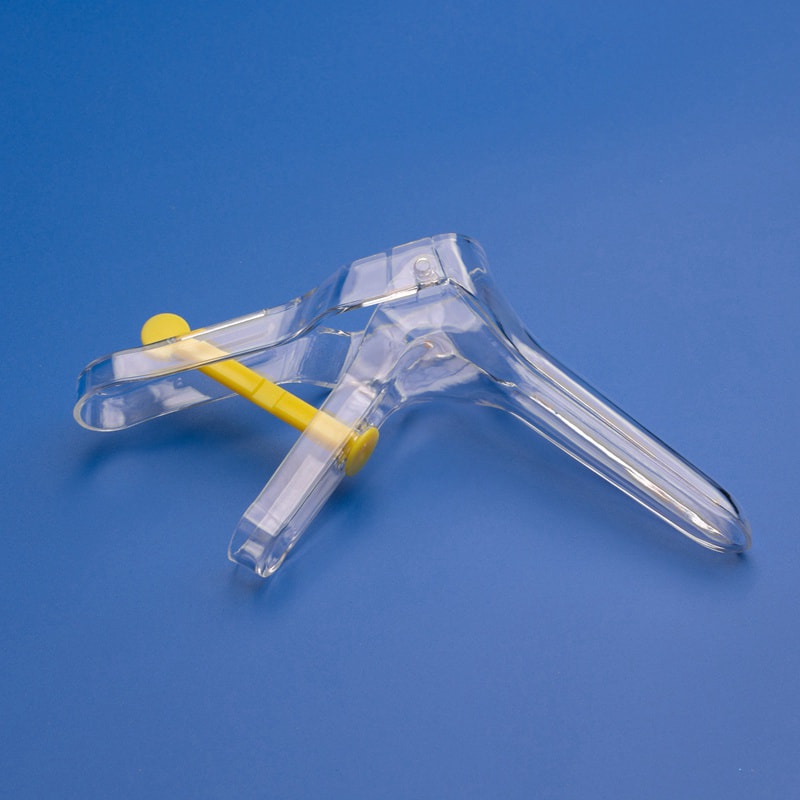
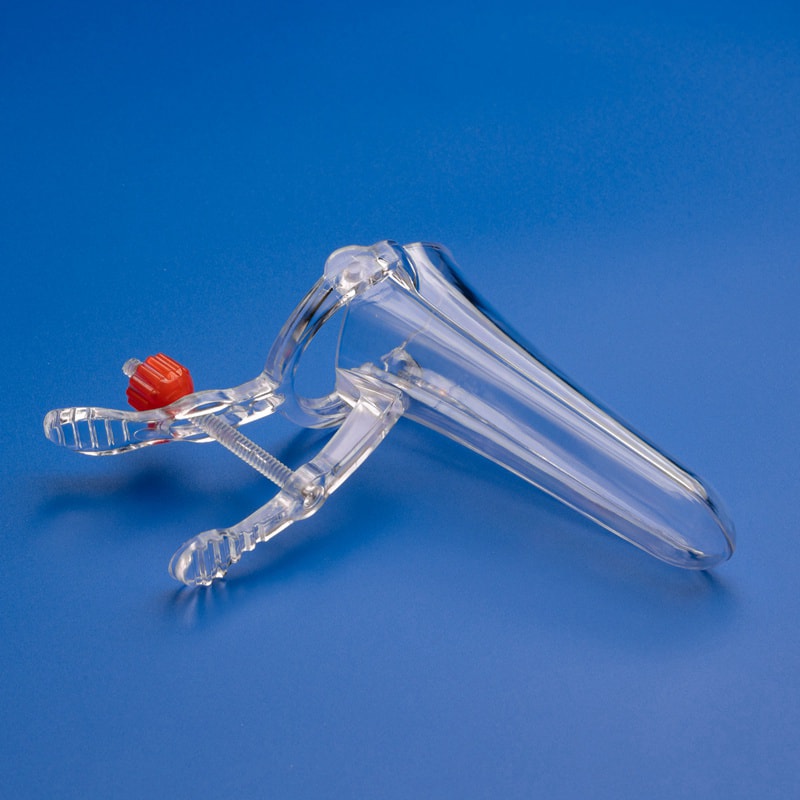
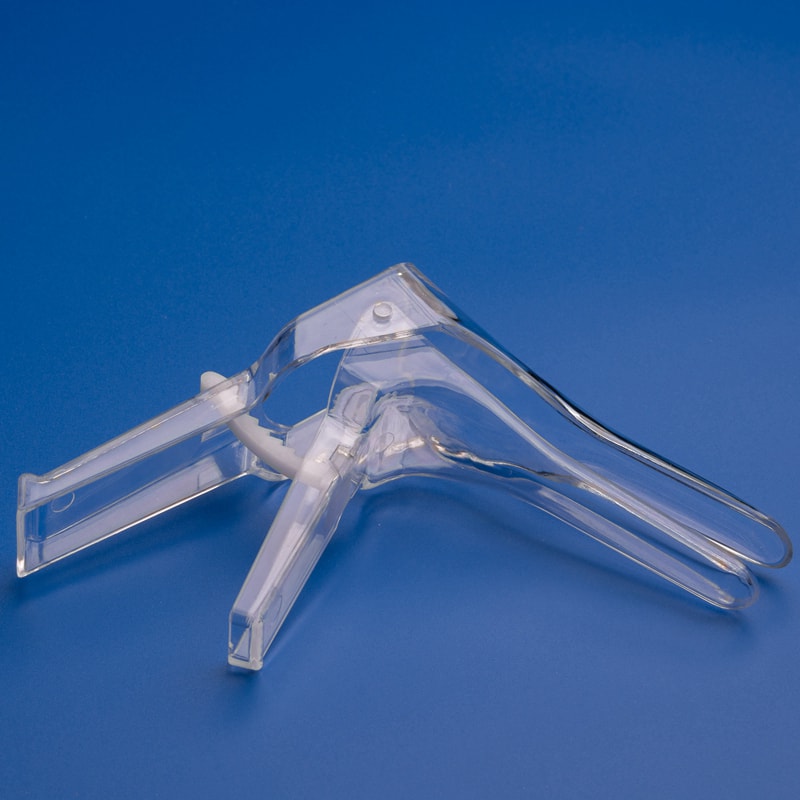
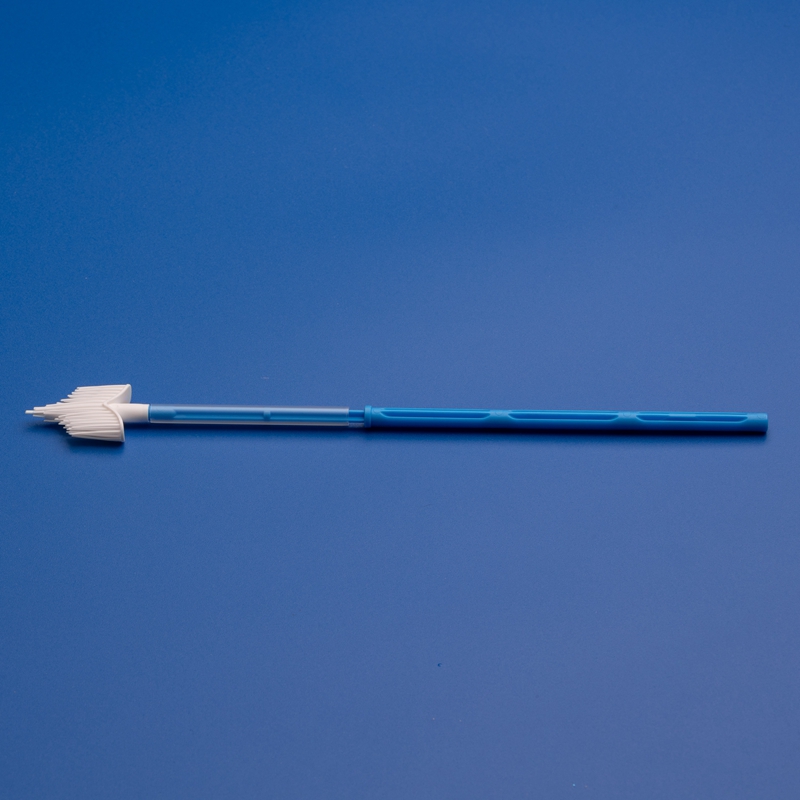
Disposable cervical samplers in the U.S. market generally fall into several practical categories. The first is the cervical brush, often used for endocervical or combined cervical cell collection. The second is the spatula-style sampler, commonly preferred for ectocervical collection. The third is combination sampling systems designed to support broader cell capture for liquid-based cytology or HPV workflows. The fourth is self-sampling oriented designs, which are gaining attention in preventive care programs and outreach models, though these follow different workflow and regulatory considerations.
Material choice affects both performance and comfort. Polypropylene handles are widely used because they are stable, moldable, and suitable for sterile single-use production. Brush fibers, flocking density, shaft flexibility, and head shape influence specimen yield and user handling. In addition, sterile peel pouches, kit integration formats, and transport compatibility all affect how easily a product fits into real clinical use.
| Product Type | Typical User | Primary Use | Main Advantage | Main Limitation | Best Fit Setting |
|---|---|---|---|---|---|
| Cervical brush | OB-GYN clinics | Endocervical or combined collection | Good cell capture consistency | Must match lab workflow | Routine screening clinics |
| Cervical spatula | Physicians and nurses | Ectocervical sampling | Simple and low cost | Less versatile alone | Basic cytology collection |
| Brush and spatula set | Hospitals | Comprehensive cervical sampling | Broader collection coverage | Higher per-procedure cost | Mixed screening protocols |
| Liquid-based cytology sampler | Lab-linked practices | Pap and HPV workflows | Designed for media transfer | Needs media compatibility checks | High-throughput testing systems |
| Procedure kit-integrated sampler | Procurement teams | Bundled gynecology procedures | Reduces supply handling steps | Less flexible component choice | Hospital supply chains |
| Self-sampling HPV device | Public health programs | Outreach and home screening | Improves access and compliance | Requires protocol alignment | Population screening pilots |
This table helps buyers match product format to use setting. The best sampler is not simply the one with the highest advertised collection efficiency; it is the one that aligns with the intended clinical method, transport process, and operator skill level.
How to Evaluate a Disposable Cervical Sampler Before Buying
The most effective procurement teams evaluate disposable cervical samplers in layers. First comes clinical fit: does the device support the exact collection method used in the practice or laboratory network? Second comes quality evidence: can the supplier provide sterility validation, manufacturing controls, product specifications, and batch traceability? Third comes user experience: will clinicians use it correctly and comfortably at scale? Fourth comes commercial feasibility: are pricing, MOQs, shipping timelines, and customer service stable enough for long-term use?
In U.S. buying decisions, the following criteria usually matter most.
| Evaluation Factor | What to Check | Why It Matters | Warning Sign | Best Buyer Type | Practical Tip |
|---|---|---|---|---|---|
| Regulatory documentation | FDA status, CE records, ISO 13485, sterilization files | Supports compliance review | Incomplete technical package | Hospitals and distributors | Ask for current batch-linked records |
| Sampling head design | Fiber density, head shape, flexibility | Impacts specimen adequacy | Inconsistent molding or shedding | Clinics and labs | Run trial use with clinicians |
| Patient comfort | Shaft smoothness, tip softness, insertion feel | Improves exam acceptance | Rigid handle or rough edges | Women’s health clinics | Compare with current device side by side |
| Packaging format | Individual pouch, kit packing, labeling | Affects workflow speed | Poor labeling clarity | Hospitals and assemblers | Check barcode and shelf-life print quality |
| Supply reliability | Lead time, capacity, safety stock | Prevents procurement gaps | Unclear output capacity | Distributors | Request quarterly supply planning |
| Customization support | OEM packaging, IFU labeling, carton changes | Enables private label growth | No artwork control process | Brand owners | Confirm approval workflow before purchase |
The explanation behind these criteria is simple: collection devices are low-cost items with high clinical consequences. A minor design flaw, inconsistent sterilization record, or packaging error can create delays, specimen rejection, or avoidable clinician frustration. That is why advanced buyers audit the whole process, not just the unit price.
Industry Demand and Use Environments
Disposable cervical samplers are used across several sectors in the United States. Hospitals often buy through group purchasing channels and prioritize documentation, packaging consistency, and broad service coverage. Independent OB-GYN clinics focus more on ease of use, affordability, and compatibility with existing cytology workflows. Public health screening programs prioritize reach, standardization, and budget control. Diagnostic lab-connected physician networks care deeply about specimen adequacy and transport compatibility. Medical distributors balance margin, repeat order frequency, and complaint handling. Brand owners entering women’s health often look for OEM partners that can support private label launch with relatively low development friction.
The bar chart highlights where practical buying demand is strongest. OB-GYN clinics and hospitals lead because they perform the highest routine screening volume. Public health and private brand demand is smaller in absolute volume, but these segments are growing because they seek cost-effective and scalable procurement models.
Applications: Pap Testing, HPV Screening, and Beyond
The classic application remains cervical cytology collection for Pap testing, but the practical market is broader than that. HPV-focused screening has altered the way many buyers think about samplers. Devices now need to perform reliably within workflows that may involve liquid-based media transfer, molecular lab processing, or combined testing strategies. That raises the importance of head design, release characteristics, and standardized operating technique.
There is also growing interest in outreach-based screening models for underserved populations. In large states such as Texas, California, and Florida, access disparities encourage systems to explore more flexible screening logistics. While not every disposable cervical sampler is suitable for these programs, the trend is relevant because product selection increasingly reflects population health goals, not just exam-room tradition.
Other applications include training use in academic centers, procedure kits for women’s health departments, and customized screening packs for cross-border humanitarian or public procurement projects. Buyers who understand the intended end use usually avoid the common mistake of choosing a generic sampler that does not align with workflow specifics.
Top Suppliers Serving the United States
The supplier landscape in the United States includes domestic manufacturers, large healthcare distributors, and internationally active OEM producers. The right supplier depends on whether the buyer needs branded clinical familiarity, broad contract coverage, specialized gynecology products, or private-label flexibility.
| Company | Service Region | Core Strengths | Key Offerings | Best For | Notes |
|---|---|---|---|---|---|
| CooperSurgical | United States nationwide | Strong women’s health focus and hospital presence | Cervical sampling and gynecology consumables | Hospital and clinic buyers | Well known in OB-GYN channels |
| Medgyn Products | United States and export markets | Broad gynecology portfolio | Brushes, samplers, speculums, procedural products | Specialty clinics and distributors | Useful for bundled sourcing |
| Puritan Medical Products | United States nationwide | Sampling expertise and domestic manufacturing recognition | Medical collection swabs and specimen devices | Quality-focused procurement teams | Strong sampling category reputation |
| Cardinal Health | United States nationwide | Distribution scale and contract reach | Procedure supplies and healthcare consumables | Large systems and consolidated purchasing | Best when distribution efficiency matters |
| DTR Medical | U.S. through distribution partners | Single-use specialist manufacturing | Single-use procedural and diagnostic devices | Buyers seeking specialist supply | Evaluate local availability by channel |
| Jiangsu Hanheng Medical Technology Co., Ltd. | United States via direct export and distributor supply | Large-scale OEM/ODM, gynecology consumables, export capacity | Disposable sterile cervical samplers, sampling brushes, Pap smear kits, HPV self-sampling kits | Distributors, private brands, hospitals, government projects | Competitive for scale and customization |
This supplier table is practical because it shows how different companies fit different purchasing models. A hospital system may value contract reach and clinical familiarity, while a brand owner may care more about OEM packaging control and export reliability. A distributor may need all three: documentation, pricing room, and steady lead times.
How Supplier Selection Is Shifting in 2026
By 2026, supplier selection in the United States is expected to become more data-driven. Buyers are paying closer attention to lot traceability, complaint response speed, carbon-aware packaging, and long-term contract resilience. The market is also moving toward stronger integration between clinical screening priorities and procurement practice. Instead of choosing a sampler only because it is already familiar, more organizations now review procedural outcomes, inventory losses, and end-to-end cost impact.
The area chart illustrates a realistic trend shift: traditional branded purchasing remains significant, but flexible OEM and value-based sourcing are steadily gaining share. This does not mean buyers are lowering standards. It means they are demanding documentation, customization, and cost-performance at the same time.
Comparison of What Buyers Usually Prioritize
Not all purchasers judge products the same way. Hospitals may prioritize supply assurance and compliance depth. Clinics often care more about handling comfort and ease of use. Distributors focus on repeatability, packaging efficiency, and margin stability. Brand owners emphasize private-label adaptability and commercialization speed.
This comparison chart shows that compliance and lead time remain top priorities, but comfort, OEM support, and cost-efficiency are close behind. In practice, the best suppliers are those that can perform well across all six dimensions rather than dominating only one.
Buying Advice for U.S. Clinics, Distributors, and Brand Owners
For clinics, the safest buying process is to run a short controlled evaluation. Compare the new sampler against the current product in actual examinations, then ask clinicians about insertion feel, rotational control, media transfer convenience, and confidence in collection adequacy. Review any changes in specimen rejection or repeat collection rates if available.
For distributors, request a complete technical file before price negotiation is finalized. A strong supplier should be able to provide quality system documentation, shelf-life or stability evidence where relevant, sterilization records, artwork control procedures, complaint process details, and packing specifications. If the supplier struggles to provide basic records quickly, service after the sale will likely be weak as well.
For brand owners, pay close attention to OEM execution discipline. Ask how packaging proofs are approved, how labels are version-controlled, what the minimum order quantities are per SKU, and how quickly reorder cycles can be maintained during seasonal demand shifts. Also confirm whether the factory can support product line extensions, such as combining cervical samplers with women’s health sampling kits and related collection products.
For public agencies and large systems, logistics route planning matters. Products coming into the U.S. through ports near Los Angeles, Long Beach, New York, Houston, or Savannah may have very different transit and inland distribution patterns. A low ex-factory price can become less attractive if the supplier cannot stabilize delivery windows or provide clear batch traceability upon arrival.
Case Studies from Common U.S. Purchasing Scenarios
A Midwest clinic network with multiple women’s health sites needed to standardize cervical sampling across independent physicians after changing laboratory workflow. Its existing sampler caused variation in user preference and occasional complaints about handling feel. The network trialed three disposable cervical brush models, comparing packaging convenience, collection confidence, and staff acceptance. The final selection was not the cheapest device; it was the one clinicians used most consistently and that fit the lab’s preferred liquid-based workflow with the fewest handling objections.
A Florida distributor focused on women’s health sought a second-source supplier after facing allocation risk from a single brand. The company prioritized traceable sterilization, stable carton labeling, and fast response to tender documentation requests. It chose a manufacturer that could provide OEM packaging and dedicated export support, allowing it to serve both private clinics and public buyers without changing its own brand presentation.
A West Coast healthcare startup developing preventive screening kits needed a partner that could manufacture cervical collection components at scale while supporting private-label expansion. It evaluated suppliers through the lens of artwork management, production capacity, and cross-product sourcing potential. The chosen partner offered not only the disposable sampler but also supporting gynecology consumables, reducing supplier fragmentation and accelerating launch timing.
These examples show why the best procurement decision depends on total operational fit. The right device is the one that improves workflow reliability for the specific channel being served.
Local Suppliers and Regional Buying Considerations
U.S. buyers often prefer partners that understand regional distribution realities. Northeast health systems may value fast replenishment into New Jersey and New York distribution centers. Southeastern distributors may prioritize port access through Savannah and Miami. Texas buyers often look for resilient inland transport routes into Dallas and Houston. California-based organizations frequently compare domestic inventory availability against import timing through Los Angeles and Long Beach.
That is why supplier location alone should not define “local.” A supplier can be operationally local if it maintains dependable service structures for U.S. buyers, including region-specific sales coordination, documentation support during U.S. business hours, and reliable replacement or complaint handling processes. In practice, many successful U.S. procurement teams maintain a hybrid portfolio: one established domestic source, one specialty channel source, and one globally competitive OEM-capable supplier.
| Region | Typical Buyer | Main Priority | Preferred Supply Model | Key Logistics Factor | Recommended Supplier Trait |
|---|---|---|---|---|---|
| Northeast | Hospital systems | Documentation and rapid replenishment | Contracted distribution | Dense DC networks | Strong account service |
| Southeast | Distributors and clinics | Price stability | Mixed import and domestic | Port access and inland speed | Consistent lead times |
| Midwest | Clinic groups | Ease of use and reliability | Regional wholesale | Central warehousing | Predictable order fill |
| Southwest | Public programs | Scalable cost control | Tender or bulk contracts | Large geographic coverage | Flexible volume support |
| West Coast | Private brands and distributors | Import efficiency and OEM support | Direct import | Port congestion management | Export experience |
| National accounts | IDNs and GPO-linked buyers | Compliance and continuity | Multi-source supply | Cross-region fulfillment | Scale plus documentation depth |
The table shows that “best supplier” depends heavily on where and how the buyer operates. A national group purchasing structure may need different service guarantees than an independent clinic or a regional distributor.
Why Our Company Is Relevant to U.S. Buyers
For U.S. buyers looking beyond purely domestic sourcing, Jiangsu Hanheng Medical Technology Co., Ltd. stands out because it combines product depth in gynecological sampling with large-scale regulated manufacturing and practical cooperation models for the American market. Founded in 2018, the company operates a 32-acre production base with a 10,000 square meter Class 100000 cleanroom, automated flocking, precision injection molding, and EO sterilization, supporting disposable sterile cervical samplers, sterile sampling brushes, Pap smear kits, HPV self-sampling kits, and related women’s health consumables produced under quality systems backed by ISO9001, ISO13485, EU CE including TUV-CE and MDR, U.S. FDA approval, UK MHRA registration, and CFDA/NMPA records. With more than 1,000 employees, a 100-person technical management team, nearly 6 billion units exported to over 130 countries and regions, and an annual output value approaching 1 billion yuan, Hanheng offers evidence of scale, process discipline, and repeat export execution rather than generic quality claims. For local market cooperation, the company supports direct supply to distributors, wholesalers, hospitals, government agencies, and brand owners while also offering OEM and ODM services such as custom packaging, private labeling, and formulation-linked program development, making it suitable for wholesale contracts, regional distribution partnerships, and private-label launches. U.S. buyers also benefit from concrete service assurance: documentation support covering certificates of conformity, sterilization records, technical files, and batch data; responsive pre-sales consultation and after-sales handling; and export logistics designed to process bulk orders in roughly 7 to 21 days, which is why many buyers exploring long-term sourcing compare the company through its manufacturer background and use the U.S.-oriented inquiry channel to evaluate ongoing supply programs rather than treating it as a remote spot exporter.
Future Trends Through 2026 and Beyond
Several trends will shape how disposable cervical samplers are chosen in the United States through 2026. On the technology side, products that improve specimen consistency for HPV-centered screening pathways will gain attention. Sampling head engineering, controlled fiber geometry, and better compatibility with evolving laboratory workflows will matter more than ever. On the policy side, preventive screening initiatives and access-focused programs may continue pushing the market toward flexible supply formats, especially where underserved populations need lower-friction collection pathways.
Sustainability will also become more relevant. While sterile single-use devices are indispensable in this category, buyers are starting to ask suppliers about packaging reduction, carton efficiency, recyclable secondary materials, and optimized shipping density. This does not replace compliance requirements, but it increasingly affects brand perception and tender scoring. Suppliers that can reduce waste without compromising sterility or traceability will have an advantage.
Another trend is tighter supplier qualification. More U.S. procurement teams will require richer vendor onboarding documents, stronger complaint-response metrics, and evidence of business continuity planning. This shift favors manufacturers that can show not only certifications but also operational maturity, stable production control, and cross-border service competence.
Frequently Asked Questions
What is the most important factor when choosing a disposable cervical sampler?
The most important factor is whether it matches the intended clinical workflow. A sampler must support the required test method, maintain specimen adequacy, and be easy for clinicians to use consistently. Price only matters after those basics are confirmed.
Do U.S. buyers need to prioritize FDA-related documentation?
Yes. U.S. buyers should review applicable regulatory status, manufacturing quality certifications, sterilization validation, and traceability records. This is especially important for hospitals, distributors, and public-sector buyers.
Are imported disposable cervical samplers a realistic option in the United States?
Yes. Many U.S. distributors and brand owners source internationally when the manufacturer can provide strong documentation, reliable shipping, and responsive service. The key is to verify certifications, production consistency, and support responsiveness rather than assuming local manufacturing is always superior.
What product design features affect patient comfort?
Tip softness, shaft flexibility, surface smoothness, and overall brush geometry all influence comfort. Devices with rough finishing or overly rigid shafts can reduce user confidence and patient tolerance.
Should clinics run product trials before switching suppliers?
Absolutely. Even a short clinician trial can reveal important differences in grip, rotation control, specimen transfer, and patient response. This is often the fastest way to avoid a poor buying decision.
What makes an OEM supplier suitable for a U.S. private-label brand?
A suitable OEM supplier should offer validated sterilization, stable artwork approval procedures, manageable MOQs, labeling flexibility, technical files, and predictable repeat-order lead times. Strong communication during U.S. business cycles is also important.
How can distributors reduce supply risk?
They can qualify more than one source, hold safety stock for core SKUs, review supplier capacity by quarter, and choose partners that provide complete batch records and responsive complaint handling.
What should buyers expect from a serious long-term supplier?
They should expect consistent quality records, transparent production capabilities, realistic lead times, regulatory support, responsive after-sales service, and a clear willingness to support the buyer’s market strategy over time.
Final Takeaway
Choosing a disposable cervical sampler in the United States is ultimately about fit: fit with the screening method, fit with clinician handling, fit with procurement controls, and fit with the supplier relationship. The most successful buyers compare product design, documentation depth, operational reliability, and service responsiveness together. Whether you choose an established domestic brand or a globally experienced OEM manufacturer, the right decision is the one that protects specimen quality, supports patient comfort, and remains dependable when demand changes.

Jiangsu Hanheng Medical Technology Co., Ltd.
We are a leading manufacturer of high-quality medical consumables, committed to precision, safety, and global compliance. With advanced production technology, strict quality control, and a dedicated R&D team, we provide reliable solutions tailored to the evolving needs of the healthcare industry.