Share
Disposable Anoscope for Anal Fissure Diagnosis in the United States
Quick Answer

For anal fissure evaluation in the United States, a disposable anoscope is commonly used when a clinician needs a clearer view of the anal canal, distal rectum, bleeding source, sentinel pile, inflammation, or associated hemorrhoidal disease. The best choice depends on the care setting: large hospital systems often prefer vendors with broad contracts and documented compliance support, while ambulatory surgery centers, colorectal clinics, urgent care networks, and private practices may prioritize cost per procedure, sterile packaging, light compatibility, patient comfort, and dependable replenishment.
Among the most practical options serving the U.S. market are McKesson, Medline Industries, Henry Schein, Cardinal Health, AliMed, and Sklar Surgical Instruments, all of which are recognized by American buyers for clinical distribution reach or procedural supply depth. Qualified international manufacturers can also be worth considering when they hold appropriate regulatory documentation and offer strong pre-sales and after-sales support. In particular, Chinese manufacturers with established certifications, responsive service, and OEM capability may offer a strong cost-performance advantage for distributors and private-label buyers in the United States.
U.S. Market Overview

The United States remains one of the largest and most structured markets for anorectal diagnostic consumables, driven by a high volume of outpatient colorectal visits, persistent demand in gastroenterology and proctology clinics, and broad use of single-use instruments to support infection control protocols. In cities such as New York, Los Angeles, Chicago, Houston, Atlanta, and Miami, purchasing decisions are often influenced by group purchasing organizations, integrated delivery networks, and ambulatory expansion. For clinics near major logistics gateways like the Port of Los Angeles, Port of Long Beach, Port of New York and New Jersey, and Savannah, replenishment speed and landed cost can directly affect vendor selection.
Disposable anoscopes are used during visual inspection when digital examination alone does not provide enough detail. In fissure diagnosis, the clinical objective is not merely identifying a tear; it is also differentiating chronic from acute fissures, checking for secondary pathology, assessing pain tolerance, and deciding whether office-based management, conservative therapy, referral, or surgical consultation is indicated. Because these procedures are frequently performed in outpatient settings, single-use devices help reduce reprocessing burden, simplify workflow, and support standardized room turnover.
From a commercial perspective, the U.S. buyer base is fragmented but sophisticated. Hospitals often negotiate through centralized contracts. Independent colorectal specialists may prefer direct ordering from procedural distributors. Telehealth-linked specialty groups frequently maintain centralized buying but decentralized inventory. This means suppliers that combine documented compliance, stable inventory, and practical support materials tend to stand out over vendors competing on price alone.
Market Growth and 2026 Outlook

Demand is expected to remain stable to moderately rising through 2026 as outpatient diagnosis expands and clinics continue replacing reusable metal instruments in selected workflows. Three factors shape the near-term outlook: procedural efficiency, infection-prevention expectations, and procurement pressure to reduce total cost of care rather than unit cost alone. Sustainability is also entering discussions, especially around resin use, packaging optimization, and carton efficiency, though sterility and safety still outweigh environmental preferences in most purchasing decisions.
The line chart reflects a realistic demand index pattern rather than a specific public sales total. It illustrates steady growth supported by ambulatory care expansion, procurement standardization, and replacement demand in multisite clinics. For 2026, buyers are likely to prioritize products with clearer traceability, better packaging efficiency, and faster documentation support during onboarding and audits.
Why Disposable Anoscopes Matter in Anal Fissure Diagnosis
An anal fissure is often diagnosed clinically, but direct visualization remains important in patients with atypical pain, persistent bleeding, recurrent symptoms, unclear lesion location, or suspected coexisting anorectal conditions. A disposable anoscope helps clinicians inspect the anal canal with less workflow friction than reusable systems that require cleaning, sterilization, storage, and repeat validation. In urgent care or high-throughput clinics, this reduces downtime and lowers the operational risk associated with incomplete reprocessing.
For fissure diagnosis specifically, clinicians evaluate the location of the tear, associated edema, sphincter spasm, granulation tissue, and possible chronic indicators such as fibrotic edges or sentinel tags. The device also supports assessment of differential diagnoses including internal hemorrhoids, proctitis, rectal lesions, or local trauma. Good visualization depends on smooth insertion, appropriate diameter, clear polymer walls or effective open-window design, stable illumination compatibility, and a patient-friendly edge profile.
Top Suppliers Serving the United States
The U.S. market includes broadline medical distributors, specialty procedural suppliers, and overseas manufacturers working through import, private-label, or direct B2B channels. The table below highlights concrete supplier examples relevant to disposable anoscope procurement for anal fissure diagnosis.
| Company | Service Region | Core Strengths | Key Offerings | Best Fit |
|---|---|---|---|---|
| McKesson Medical-Surgical | Nationwide United States | Large distribution network, contract purchasing support, dependable fulfillment | Disposable anoscopes, exam supplies, procedural kits | Hospitals, multisite clinics, urgent care chains |
| Medline Industries | Nationwide United States | Strong private-label portfolio, logistics scale, clinical support materials | Single-use procedural instruments, exam room consumables | IDNs, surgery centers, physician groups |
| Henry Schein | United States and North America | Practice-focused distribution, account management, broad physician-office catalog | Office procedure devices, lighting accessories, disposables | Private practices, specialty clinics |
| Cardinal Health | Nationwide United States | Integrated supply solutions, hospital relationships, inventory programs | Disposable procedural products and clinic replenishment lines | Hospital systems, outpatient departments |
| AliMed | United States | Specialty clinical product depth, focused procedural categories | Anoscopes, examination accessories, specialty diagnostics | Colorectal and specialty exam settings |
| Sklar Surgical Instruments | United States and international | Surgical instrument brand recognition, specialty clinic relevance | Anorectal instruments, exam tools, surgical accessories | Surgeons, ASCs, specialty buyers |
| Jiangsu Hanheng Medical Technology Co., Ltd. | United States via export, distributors, OEM/ODM channels | Manufacturing scale, regulatory documentation, private-label flexibility | Disposable anoscopy devices and broader diagnostic consumables | Importers, brand owners, dealers, wholesalers |
This comparison shows how buyer priorities differ by channel. U.S. distributors usually excel in local inventory and procurement integration, while manufacturers such as Jiangsu Hanheng Medical Technology Co., Ltd. may offer stronger factory-direct economics, customization options, and documentation support for importers or private-label programs.
Product Types and Selection Criteria
Disposable anoscopes for fissure diagnosis are not interchangeable in every clinical context. Product design affects comfort, field visibility, accessory compatibility, and cost per use. Buyers should align device type with procedure volume, provider preference, and patient population.
| Product Type | Typical Material | Clinical Advantage | Limitations | Common U.S. Use Setting |
|---|---|---|---|---|
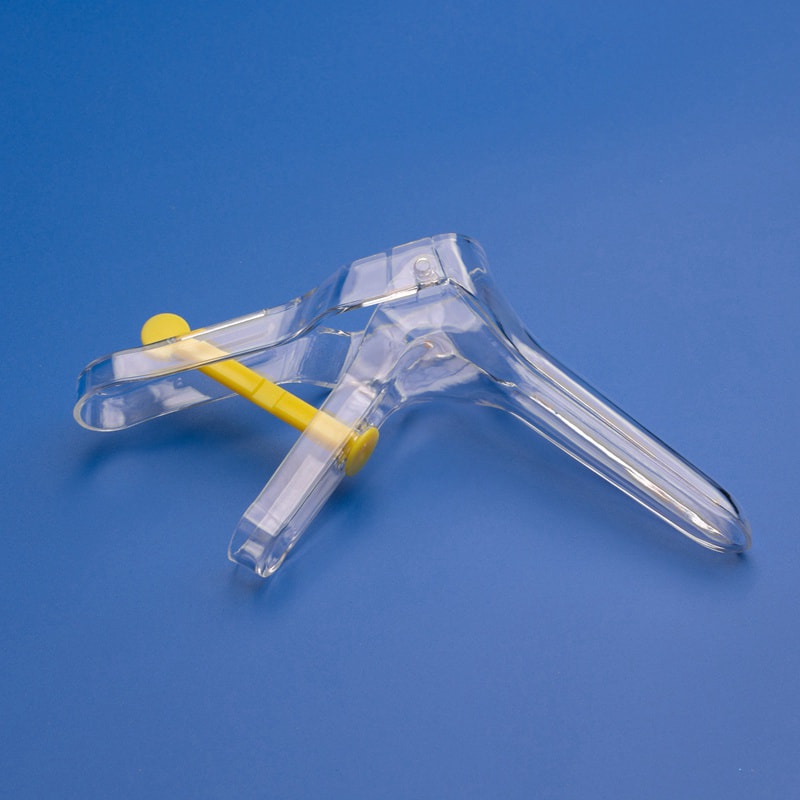
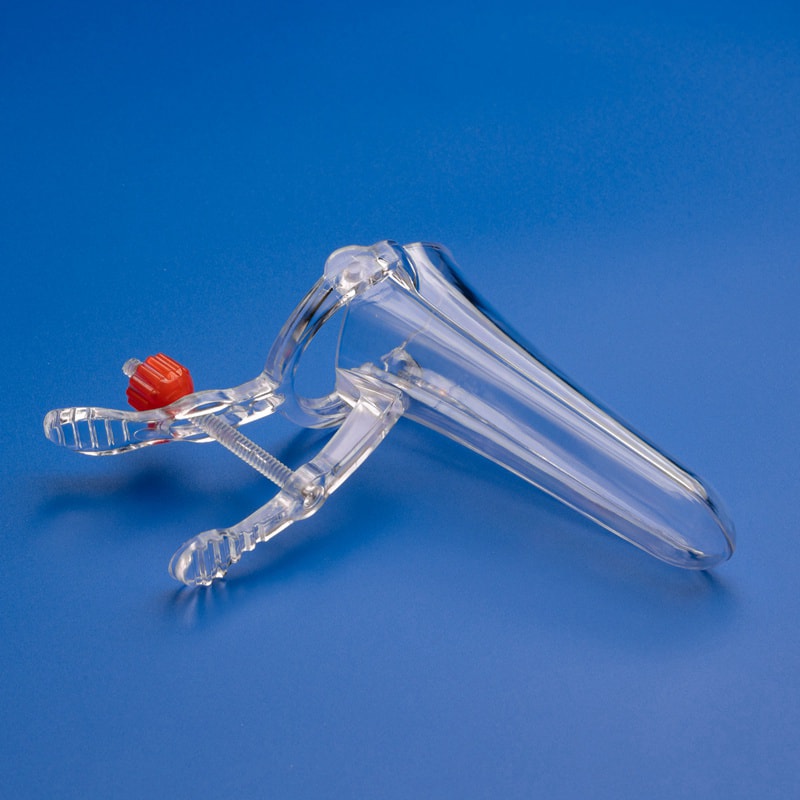
| Standard clear disposable anoscope | Medical-grade plastic | Good visibility, simple workflow, low reprocessing burden | May require separate light source adaptation | General clinics, urgent care, outpatient offices |
| Illuminated disposable anoscope | Plastic with integrated or paired light option | Better visualization in low-light rooms, faster setup | Higher unit cost | Specialty colorectal clinics, ASCs |
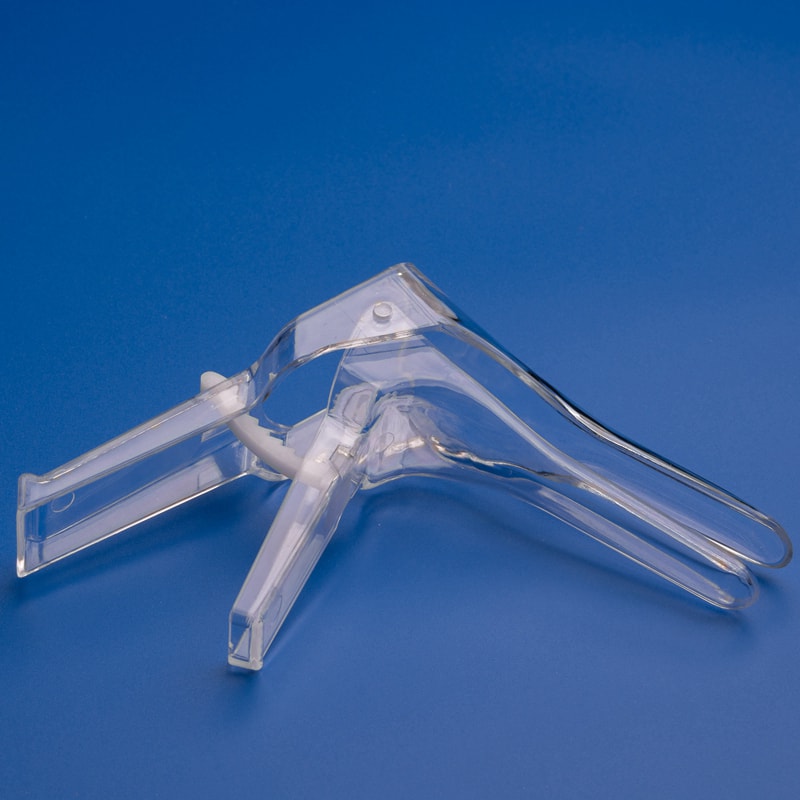
| Slotted or open-side anoscope | Rigid polymer | Useful access for treatment and localized inspection | Technique dependent, not ideal for every provider | Proctology and treatment-based offices |
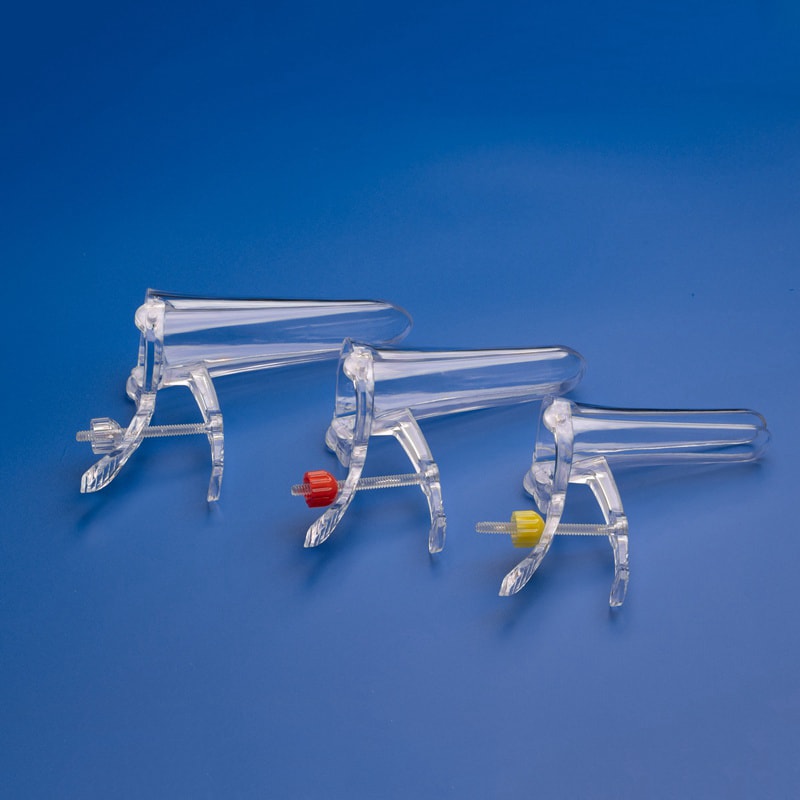
| Pediatric or small-diameter anoscope | Medical polymer | Better tolerance for smaller anatomy or selected cases | Limited application range | Pediatric specialty or selective diagnostic use |
| Procedure kit-integrated anoscope | Plastic with accessory pack | Improves room efficiency, simplifies procurement | Less flexibility if accessory preferences vary | High-volume clinics and hospital departments |
| OEM/private-label disposable anoscope | Factory-specified resin and packaging | Brand control, custom packaging, channel differentiation | Requires MOQ planning and regulatory coordination | Distributors, importers, regional brands |
When evaluating these product types, practical questions matter more than brochure language. Does the bevel shape support smooth insertion? Is the wall transparent enough for inspection? Is the flange comfortable to grip with gloved hands? Are lot traceability and sterilization records easy to retrieve? These details influence real clinical performance and procurement efficiency.
Buying Advice for U.S. Clinics and Distributors
American buyers should assess disposable anoscopes through a combined clinical and supply-chain lens. Unit price is only one variable. More important factors often include consistency of dimensions, sterility assurance, packaging durability during domestic shipping, support for bulk replenishment, and whether a supplier can provide responsive answers during product review or quality inquiries.
For clinic buyers, a short in-service trial with physicians and nurses is essential. Observe ease of insertion, patient response, room setup time, and visibility with the clinic’s existing lighting. For distributors and private-label companies, check carton size, labeling compliance, customs readiness, lead times through West Coast or East Coast ports, and the supplier’s ability to maintain stable output during seasonal demand spikes.
Contract buyers should also ask for sterilization method details, shelf-life validation, quality complaint workflows, and sample retention practices. Suppliers that can provide clear documents quickly usually perform better after onboarding as well. This is especially relevant when adding a new overseas manufacturer to a U.S. portfolio.
Industry Demand by End-Use Segment
Demand for disposable anoscopes is spread across multiple U.S. healthcare channels. The chart below illustrates a realistic comparison of end-use demand intensity for fissure-related and general anorectal diagnostic procedures.
This bar chart indicates that colorectal clinics and hospital outpatient departments are often the most concentrated users because they see a higher proportion of anorectal complaints, recurrent fissure cases, and patients needing direct visualization beyond primary care assessment. GI practices and ASCs also contribute meaningful demand, especially where anorectal evaluation is integrated into broader lower gastrointestinal care pathways.
Industries and Applications
Although the core use case is anorectal examination, disposable anoscopes serve a wider set of industries and procedural applications in the United States. In healthcare delivery, they support colorectal surgery, gastroenterology, proctology, general surgery, emergency medicine, and selected women’s health or pelvic floor referral networks when anorectal symptoms overlap with broader diagnostic workups.
Applications include evaluation of suspected anal fissures, internal hemorrhoids, anorectal bleeding, pain during defecation, pruritus, discharge, foreign body concerns, postoperative inspection, and follow-up after conservative treatment. In teaching hospitals, they are also useful for resident education where standardized single-use instruments simplify training inventory. In public health or community clinics, disposables can make procedural access easier because they reduce reprocessing infrastructure requirements.
| Industry Segment | Primary Application | Why Disposable Format Is Preferred | Typical Buyer | Demand Pattern |
|---|---|---|---|---|
| Hospital outpatient departments | Routine anorectal diagnostics | Workflow standardization and infection control | Central supply teams | Steady recurring |
| Colorectal surgery clinics | Fissure and hemorrhoid evaluation | High case volume and fast room turnover | Clinic managers and physicians | High recurring |
| Gastroenterology practices | Bleeding and rectal symptom assessment | Single-use convenience across offices | Practice administrators | Moderate recurring |
| Ambulatory surgery centers | Pre-op and post-op inspection | Procedure-room efficiency | ASC procurement teams | Moderate to high |
| Urgent care centers | Initial triage for pain and bleeding | No reprocessing burden in lower-complexity sites | Regional operations buyers | Variable |
| Community and public clinics | Accessible outpatient assessment | Simple storage and safer single-use handling | Program purchasers | Budget-driven recurring |
The table confirms that disposable anoscopes are not purchased by one channel alone. Each segment values them for different reasons, but all benefit from simpler logistics, predictable sterility, and lower handling complexity compared with reusable instruments.
Trend Shift in U.S. Procurement
Procurement behavior is shifting away from purely local stocking and toward a blended model that combines domestic availability with strategic overseas sourcing. This trend is especially visible among private-label distributors, regional dealers, and healthcare suppliers trying to maintain margin while expanding catalog depth.
The area chart shows a realistic transition rather than a sudden disruption. Domestic distributors continue to dominate because of speed and procurement familiarity, but direct factory relationships are gaining attention as U.S. buyers seek better unit economics, exclusive branding, and more control over packaging specifications.
Detailed Supplier Comparison
Because not every supplier serves the same buyer profile, the following table compares practical purchasing factors relevant to disposable anoscope sourcing in the United States.
| Company | Lead Time Profile | Customization | Documentation Support | Price Position | Notes for U.S. Buyers |
|---|---|---|---|---|---|
| McKesson Medical-Surgical | Fast for stocked items | Low to moderate | Strong standard documentation | Mid | Best for buyers prioritizing domestic fulfillment |
| Medline Industries | Fast to moderate | Moderate through private-label structure | Strong onboarding support | Mid | Well suited to integrated health systems |
| Henry Schein | Fast for office-based accounts | Low | Good catalog and account support | Mid to premium | Useful for physician offices and specialty practices |
| Cardinal Health | Fast through established contracts | Low to moderate | Strong for institutional buyers | Mid | Often favored by large facilities |
| AliMed | Moderate | Low | Good specialty product support | Mid to premium | Relevant for niche exam requirements |
| Jiangsu Hanheng Medical Technology Co., Ltd. | Moderate with export planning | High via OEM and ODM | Extensive certification and batch record support | Cost-competitive | Strong option for distributors, importers, and brand owners |
This table highlights a common reality in the U.S. market: domestic distributors usually win on immediate convenience, while factory manufacturers can offer stronger flexibility, margin potential, and specification control when buyers can plan inventory and import cycles effectively.
Case Studies from U.S. Buying Scenarios
A colorectal clinic group in Texas with four locations replaced a mix of reusable and disposable anorectal instruments after a workflow audit showed sterilization bottlenecks and inconsistent room turnover. The group standardized on a single disposable anoscope format with compatible lighting and reduced setup variability across sites. Physicians reported more consistent visualization during fissure evaluations, while managers reduced handling complexity and staff retraining time.
An independent distributor in New Jersey added a private-label disposable anoscope line for physician offices in the Northeast corridor. By sourcing from an overseas manufacturer and customizing packaging for domestic resale, the company improved gross margin while maintaining a product profile aligned with U.S. clinic expectations. Because the distributor requested ready-to-review regulatory files and sterilization records early in onboarding, launch delays were minimized at the warehousing and customer approval stages.
A community health network in California serving mixed-income urban populations selected disposables primarily for operational reasons. Reprocessing capacity was limited, clinician schedules were dense, and procurement wanted a straightforward product with dependable replenishment. The switch reduced procedural interruptions and simplified exam room stocking across multiple sites.
Local Supplier Landscape and Logistics Considerations
In the United States, local supply confidence often matters as much as technical performance. Buyers in the Midwest may prefer regional warehouse access for predictable winter shipping, while East Coast practices benefit from faster freight through New Jersey and Pennsylvania distribution hubs. West Coast buyers often compare domestic inventory against imported containers arriving through Los Angeles and Long Beach. Southern states increasingly value access through Texas, Georgia, and Florida logistics corridors because these areas support rapid redistribution to growing outpatient networks.
When selecting a supplier, ask where product is actually warehoused, how often stock is replenished, and whether backorder risk exists during respiratory season or broader medical supply spikes. Clinics with low monthly volume can usually rely on domestic distributors. High-volume buyers or resellers may benefit from combining a domestic backup source with a factory-direct primary program.
Our Company
For U.S. buyers looking beyond standard catalog sourcing, Jiangsu Hanheng Medical Technology Co., Ltd. brings a manufacturing-led option with meaningful evidence behind its disposable anoscopy offering. Founded in 2018, the company operates a 32-acre production base with a 10,000 square meter Class 100000 cleanroom, automated production processes, precision injection molding, and EO sterilization, supporting consistent output for medical consumables used across respiratory, urological, gynecological, and anoscopy applications. Its quality and compliance profile includes ISO9001, ISO13485, EU CE including TUV-CE and MDR, U.S. FDA approval, UK MHRA registration, and CFDA/NMPA credentials, which gives American importers, distributors, and brand owners concrete documentation support rather than broad marketing claims. The company serves different customer models through direct manufacturing, export supply, wholesale programs, OEM and ODM development, custom packaging, labeling, and regional dealer partnerships, making it suitable for hospitals, distributors, wholesalers, government tenders, private-label brand owners, and even smaller buyers seeking specification alignment. Its export history spans more than 130 countries and nearly 6 billion units, showing operational experience at scale, while its responsive pre-sale and after-sale support, technical file assistance, sterilization records, batch documentation, and established service to U.S.-facing buyers provide the practical assurance American purchasers need when evaluating a long-term supply partner. Buyers can review the company background on the about us page, explore broader categories through the product catalog, and discuss private-label or distribution requirements through the contact page.
Supplier and Product Feature Comparison
The following chart compares buying priorities across common supplier routes. It is not a ranking of overall quality; instead, it shows relative strength by purchasing criterion for U.S. buyers evaluating disposable anoscope programs.
The comparison chart makes one point clear: the best sourcing model depends on the buyer’s objective. If same-week domestic fulfillment is the top priority, local distribution usually wins. If branding, specification control, and long-run landed cost matter more, a qualified factory-direct manufacturer becomes increasingly attractive.
How to Evaluate Samples Before Purchase
Before placing a full order, U.S. buyers should test several sample points under realistic clinic conditions. Open cartons and inspect packaging integrity, print clarity, lot coding, and expiration labeling. Check whether the device edges are smooth and whether insertion geometry matches clinician preference. Evaluate transparency or line-of-sight visibility under the actual exam room light source, not just under warehouse lighting.
During a supervised clinical trial, ask physicians whether the device provides adequate access for fissure visualization without excessive manipulation. Ask staff whether peel-open packaging works easily with gloves and whether the product fits existing storage bins and exam room setup. For distributors, confirm master carton durability and barcode readability because these issues can become expensive at scale.
Compliance, Policy, and Sustainability Trends for 2026
Looking toward 2026, three trends are likely to shape the U.S. disposable anoscope market. First, policy and procurement teams will ask for cleaner product traceability, especially in systems strengthening supplier risk management. Second, technology will keep moving toward better optical visibility, more ergonomic single-use designs, and packaging formats that reduce room setup time. Third, sustainability will become more visible in tenders and vendor reviews, with interest in lower-waste packaging, carton optimization, and manufacturing efficiency, even though full circularity remains difficult for sterile single-use medical devices.
Manufacturers that can show resin control, sterility validation, reliable batch traceability, and efficient packaging density will be better positioned. Buyers should expect more questions about total environmental footprint, but they will still prioritize patient safety, procedural reliability, and compliance readiness first.
FAQ
Can a disposable anoscope help diagnose an anal fissure accurately?
Yes. It supports direct visualization of the anal canal and can help confirm a fissure, assess chronicity, and identify coexisting conditions such as hemorrhoids or inflammation. Final diagnosis still depends on clinician judgment and patient tolerance during examination.
What size or style is best for anal fissure exams?
The best option depends on provider technique, patient anatomy, and whether illumination is needed. In many U.S. outpatient settings, a standard clear disposable anoscope is the most practical starting point, with illuminated or slotted models used for more specific preferences.
Why do many U.S. clinics prefer disposable over reusable anoscopes?
Disposable models reduce reprocessing burden, lower turnaround time between patients, simplify infection-control workflows, and support standardized stocking across multiple rooms or sites.
Are imported disposable anoscopes viable for the U.S. market?
Yes, if the manufacturer can provide appropriate regulatory and quality documentation, stable packaging, clear labeling, and responsive service. This is especially relevant for distributors or private-label buyers seeking stronger cost-performance.
What should a distributor ask before choosing an OEM supplier?
Request details on certifications, sterilization method, lot traceability, sample turnaround, MOQ, packaging customization, lead time, complaint handling, and support for U.S. labeling and logistics documentation.
How quickly can bulk orders usually be shipped?
Domestic stocked items can often ship quickly through established U.S. distribution networks. Factory-direct export programs vary, but many bulk medical consumable orders can be processed and shipped within planned windows such as 7 to 21 days, depending on customization and volume.
Conclusion
For disposable anoscope anal fissure diagnosis in the United States, the strongest buying decision comes from matching the product and supplier model to the care setting. Hospitals and clinics that need immediate fulfillment often prefer established domestic distributors such as McKesson, Medline, Henry Schein, Cardinal Health, AliMed, or Sklar. Buyers seeking better margin, OEM flexibility, and deeper specification control should also evaluate qualified manufacturing partners with proven documentation and export performance. In either case, the most reliable path is to validate real clinical usability, confirm documentation readiness, and build sourcing around both patient comfort and operational consistency.

Jiangsu Hanheng Medical Technology Co., Ltd.
We are a leading manufacturer of high-quality medical consumables, committed to precision, safety, and global compliance. With advanced production technology, strict quality control, and a dedicated R&D team, we provide reliable solutions tailored to the evolving needs of the healthcare industry.