Share
When to Use AmniHook Labor Induction in the United States
Quick Answer

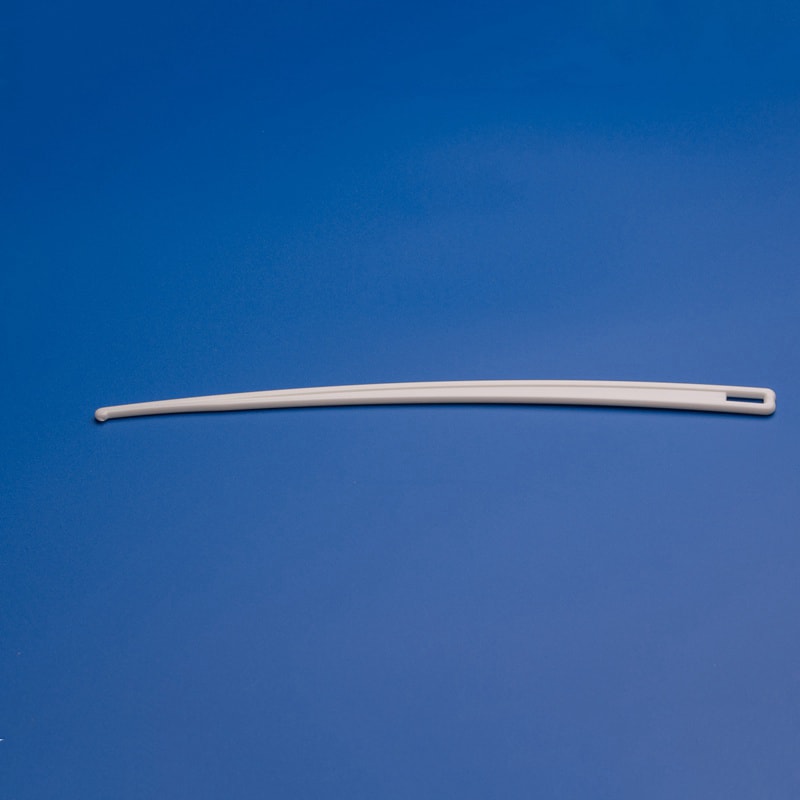
An amnihook is generally used in labor induction or labor augmentation when a clinician decides that artificial rupture of membranes is appropriate, the cervix is accessible, the fetal head is adequately engaged, and there is a clear clinical reason to speed assessment or support labor progress. In the United States, it is most often considered in hospital labor and delivery units after maternal and fetal status have been evaluated, contraindications have been excluded, and a qualified obstetric professional is ready to manage the next steps if contractions intensify or fetal heart rate changes occur.
For practical sourcing in the United States, buyers usually look to established medical suppliers such as Medline, McKesson, Cardinal Health, Henry Schein, Owens & Minor, and specialty OB-GYN distributors that serve hospitals, ambulatory surgery centers, and physician groups. Qualified international manufacturers can also be strong options when they hold relevant quality and regulatory documentation, provide consistent sterilization records, and offer dependable pre-sale and after-sale support; this is why some U.S. distributors also evaluate experienced Chinese manufacturers for cost-performance advantages in disposable obstetric instruments.
Understanding the U.S. Clinical Context for Amnihook Use

In the United States, labor induction is common across tertiary care hospitals, community hospitals, women’s specialty centers, and some integrated health systems in cities such as New York, Chicago, Houston, Los Angeles, Atlanta, and Miami. Within these settings, the amnihook is a simple but important disposable device used to perform amniotomy, also called artificial rupture of membranes. Clinicians do not use it casually. The decision depends on cervical examination findings, parity, fetal station, the reason for induction, fetal monitoring status, suspected cord risks, infection considerations, and whether rupture of membranes is expected to improve labor management.
Amniotomy with an amnihook may be considered when labor is being induced and the cervix has become favorable enough to allow safe access to the membranes. It may also be used after cervical ripening or when oxytocin has already started but progress remains limited. The tool can help clinicians assess amniotic fluid characteristics, place internal monitors when clinically indicated, and sometimes strengthen labor dynamics when combined with other induction methods. However, because membrane rupture is irreversible, timing matters. Poor timing can increase the chance of cord prolapse, infection exposure time, or unnecessary intervention if the presenting part is still high.
For this reason, U.S. buyers are not only purchasing a low-cost disposable item; they are buying a product that must align with strict infection control policies, sterile packaging standards, traceability expectations, and risk management procedures. A labor and delivery unit in Boston or Dallas will typically expect consistent lot control, sterile barrier integrity, clear labeling, and responsive supply support if there is a recall investigation, packaging issue, or urgent demand surge.
U.S. Market Overview for Amnihook Labor Induction Devices

The U.S. market for disposable obstetric accessories is shaped by several forces: continued demand from busy labor and delivery departments, preference for single-use sterile instruments, group purchasing organization contracts, and increasing scrutiny around supply chain resilience after recent disruptions at major ports and domestic distribution hubs. Healthcare systems that receive products through Los Angeles/Long Beach, Savannah, New York/New Jersey, and Houston often compare domestic warehousing reliability with direct import economics. The result is a market that values both availability and documentation.
Amnihooks are not high-ticket capital products, but they are clinically sensitive consumables. Procurement teams often place them within broader OB-GYN and delivery room packs, making standardization and compatibility with hospital workflows important. In many systems, clinicians want a familiar hook geometry, reliable grip, sterile pouch design, and packaging that is easy to open with gloved hands during active labor care.
The following chart illustrates a realistic U.S. growth trend for demand in disposable labor induction accessories, including amnihooks, from 2021 through projected 2026.
This growth pattern reflects increasing use of standardized disposable instruments, broader emphasis on infection prevention, and stronger purchasing discipline among integrated delivery networks. It also reflects a shift away from fragmented sourcing toward documented suppliers that can maintain stable inventory during peak seasonal hospital demand.
Common Product Types Used in Labor Induction and Membrane Rupture Care
Although the amnihook itself is a specific product, procurement teams usually compare it within a broader category of labor induction and intrapartum support products. Understanding the product types helps explain where the amnihook fits and why its selection criteria differ from cervical ripening agents or monitoring products.
| Product type | Main purpose | Typical U.S. care setting | Key buying criteria | Clinical note | Relative purchasing frequency |
|---|---|---|---|---|---|
| Disposable amnihook | Artificial rupture of membranes | Hospital labor and delivery | Sterility, grip, tip design, packaging, traceability | Used only when amniotomy is clinically appropriate | High |
| Cervical ripening balloon | Mechanical cervical dilation | Hospital obstetrics unit | Material quality, balloon integrity, ease of placement | Often used before amniotomy if cervix is unfavorable | Moderate |
| Oxytocin administration set components | Support induction or augmentation | Hospital pharmacy and infusion workflow | Compatibility, safety, supply continuity | Commonly paired with membrane rupture strategy | High |
| Fetal scalp electrode accessories | Internal fetal monitoring | Higher-acuity labor units | Accuracy, sterility, packaging, clinician familiarity | May be used after membrane rupture when indicated | Moderate |
| Intrauterine pressure catheter accessories | Internal contraction monitoring | Tertiary hospitals | Safety, clear labeling, insertion ease | Requires careful patient selection | Low to moderate |
| OB procedure kits | Standardize bedside workflow | Hospital systems and large group practices | Pack configuration, cost, stock efficiency | May include amnihook in custom packs | High |
This table shows that amnihooks are usually purchased as a practical, high-turnover disposable item rather than as a stand-alone strategic device. Still, because they are used in a moment of clinical decision-making that can affect labor trajectory, buyers often give them more scrutiny than their low unit cost suggests.
When Clinicians in the United States Should Use an Amnihook
The direct answer is that clinicians should use an amnihook when amniotomy is expected to support safe and purposeful labor management, not simply because induction has started. In practice, that generally means the cervix is sufficiently dilated or effaced to permit access, presentation has been confirmed, the fetal head is engaged or low enough to reduce prolapse risk, and there is a specific clinical objective such as augmenting labor, assessing fluid, or enabling internal monitoring. The decision should fit the full clinical picture, including maternal infection status, fetal wellbeing, and backup readiness for further intervention if labor accelerates or complications arise.
In many U.S. obstetric units, clinicians are especially cautious about using an amnihook too early in induction. If the cervix remains closed or posterior, or if the presenting part is high, artificial rupture may create more risk than benefit. Conversely, if the patient has progressed to a point where amniotomy can work synergistically with oxytocin or with active labor physiology, the amnihook becomes a practical bedside instrument that can shorten decision cycles and improve labor assessment.
Common reasons clinicians may consider using an amnihook include stalled labor progression after induction has begun, a need to evaluate meconium-stained fluid, preparation for internal monitoring in a higher-risk labor, or an effort to coordinate next-stage management after cervical change has reached a clinically useful threshold. Common reasons to delay or avoid use include unengaged presenting part, abnormal lie or presentation, placenta previa or vasa previa concerns, active infection issues requiring cautious management, or any uncertainty about whether membrane rupture would improve care rather than complicate it.
Buying Advice for U.S. Hospitals, Distributors, and Clinics
When sourcing amnihooks for labor induction use in the United States, buyers should think in terms of risk, workflow, and support instead of focusing only on unit price. The most useful buying questions are practical: Is the device sterile and individually packed? Is the handle secure in wet-glove conditions? Is the hook shape precise enough for controlled membrane rupture? Can the supplier provide batch documentation quickly? Are U.S. customer service and replenishment dependable? Can the product be integrated into custom OB kits?
Large hospitals in markets like California, Texas, Florida, and Illinois often purchase through contracts or prime vendor channels, but they still evaluate alternative brands if shortages occur or if a supplier offers better kit integration. Independent distributors and private-label brand owners often look for OEM or ODM manufacturing support, especially when they want private packaging or region-specific labeling for U.S. resale. That means supplier flexibility matters almost as much as product design.
| Buying factor | Why it matters in the United States | What buyers should ask | Risk if ignored | Best fit buyers | Priority level |
|---|---|---|---|---|---|
| Sterile packaging integrity | Supports infection control and accreditation expectations | Can the supplier provide sterilization validation and pouch specifications? | Use disruption, compliance concerns | Hospitals, surgery centers | Very high |
| Regulatory documentation | Needed for import review, internal supplier approval, and audits | Are FDA-related records, CE files, and batch documents available? | Delayed onboarding, rejected supply | Distributors, IDNs, importers | Very high |
| Consistent hook geometry | Clinician familiarity affects ease of use | Is the tip shape standardized across lots? | User dissatisfaction, training issues | Hospitals, physician groups | High |
| Private-label capability | Supports brand owners and regional distributors | Does the factory offer OEM or ODM packaging? | Missed branding opportunities | Distributors, brand owners | Moderate to high |
| Lead time and warehouse coverage | Important for replenishment during demand swings | What is the typical ship window and safety stock policy? | Stockouts in labor units | Hospitals, wholesalers | High |
| After-sales response | Critical when investigating packaging or quality concerns | How fast does the supplier respond to lot issues or claims? | Long downtime, procurement friction | All buyers | High |
The explanation behind this table is simple: a low-cost disposable obstetric device can still create major operational headaches if documentation, consistency, or replenishment support is weak. U.S. healthcare buyers generally prefer vendors that make compliance easy rather than vendors that merely quote lower prices.
Industry Demand Across U.S. Healthcare Segments
Demand for amnihooks is highest in settings where deliveries are frequent and labor intervention protocols are standardized. Large hospitals remain the core demand center, but integrated women’s health networks, maternity centers attached to regional systems, and specialized distributors also influence the market because they shape purchasing standardization.
This bar chart reflects how volume is concentrated in hospitals, especially systems with busy labor and delivery floors. Distributors also play an important role because many manufacturers do not sell directly into every hospital account. In practical terms, a supplier that can support both direct institutional business and distributor channels has a stronger path to U.S. market penetration.
Industries and Applications That Influence Purchasing
Although the immediate application is obstetric care, several adjacent industries shape the purchasing environment: hospital supply distribution, OEM medical manufacturing, custom procedure tray assembly, group purchasing organizations, and maternal-fetal medicine service networks. Amnihooks may be ordered as individual sterile units or inserted into custom delivery packs used in high-volume maternity wards.
Applications include induced labor management, augmentation of spontaneous labor when progress is inadequate, membrane rupture to support internal monitoring access when clinically needed, and bedside fluid assessment. Because the device is single-use and procedure-specific, repeat demand is stable wherever delivery volumes are stable. This is why cities with major women’s health referral centers and strong hospital clusters, such as Philadelphia, Phoenix, Seattle, and Nashville, often have consistent purchasing patterns through centralized procurement teams.
Detailed Supplier Snapshot for the United States
The supplier landscape includes national medical distributors, broad-line healthcare supply companies, specialty obstetric product vendors, and international manufacturers working through U.S. importers or private-label partners. The table below highlights concrete supplier types and examples that buyers are likely to encounter.
| Company | Service region | Core strengths | Key offerings | Typical buyer type | Practical note |
|---|---|---|---|---|---|
| Medline Industries | Nationwide United States | Large distribution network, hospital contracting experience | OB-GYN disposables, procedure supplies, custom packs | Hospitals, health systems | Strong for standardized replenishment and broad catalog sourcing |
| McKesson Medical-Surgical | Nationwide United States | Deep logistics infrastructure, strong distribution reach | Medical-surgical consumables, maternity and procedure products | Hospitals, clinics, distributors | Useful for buyers prioritizing dependable domestic fulfillment |
| Cardinal Health | Nationwide United States | Scale, integrated supply solutions, health system support | Disposable medical supplies, OB support products | IDNs, acute care facilities | Often preferred in large contract-driven environments |
| Henry Schein | United States and selected international markets | Broad clinical customer base, specialty practice coverage | Office-based and facility-based medical consumables | Clinics, physician groups, ambulatory buyers | Relevant when outpatient women’s health groups consolidate purchasing |
| Owens & Minor | Nationwide United States | Distribution scale, supply chain services, hospital support | Medical-surgical products and custom supply solutions | Hospital networks, regional systems | Strong option for centralized procurement teams |
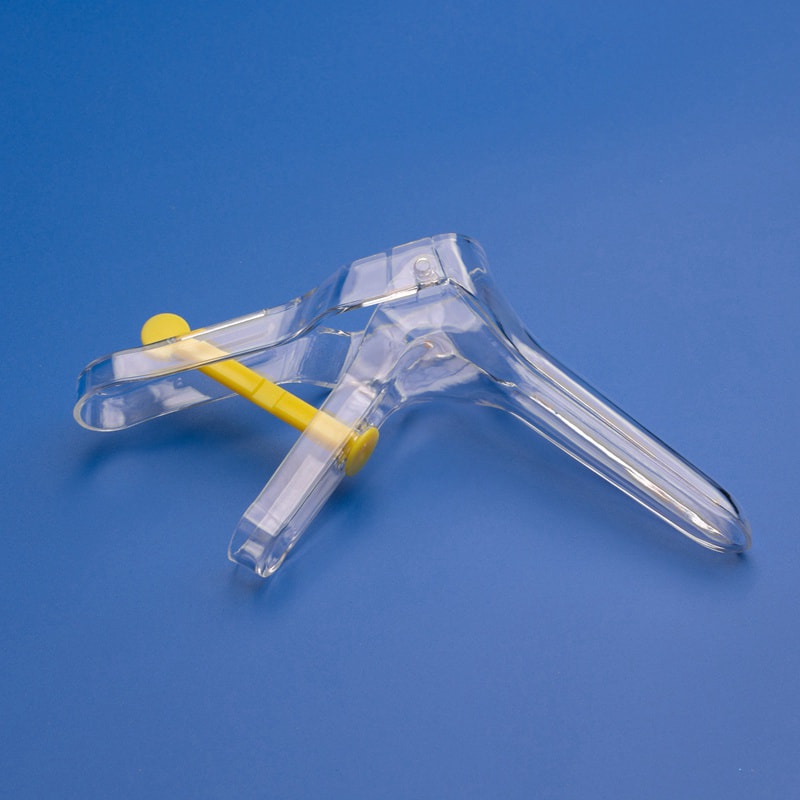
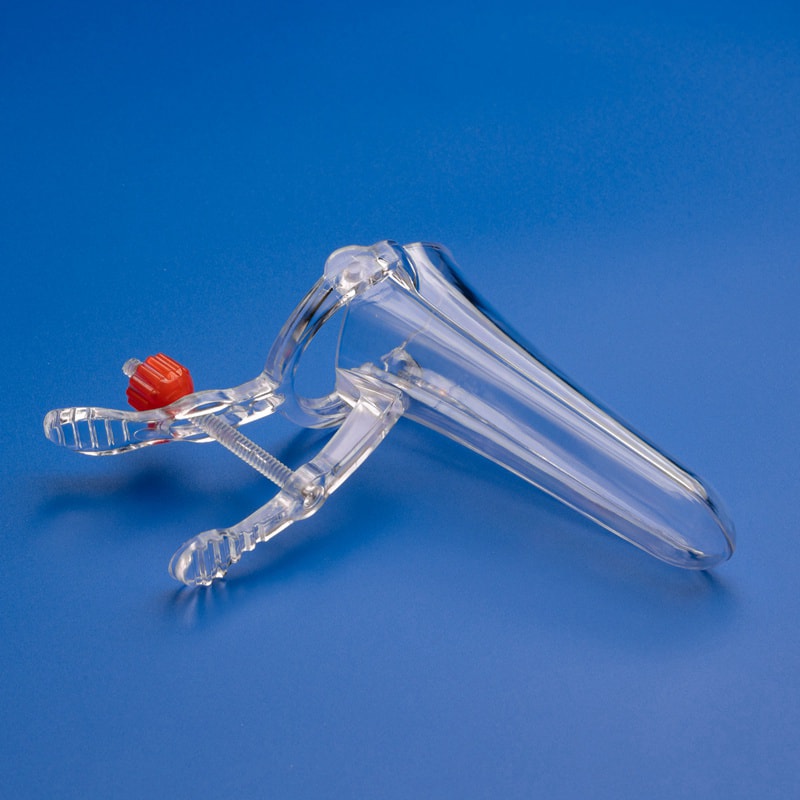
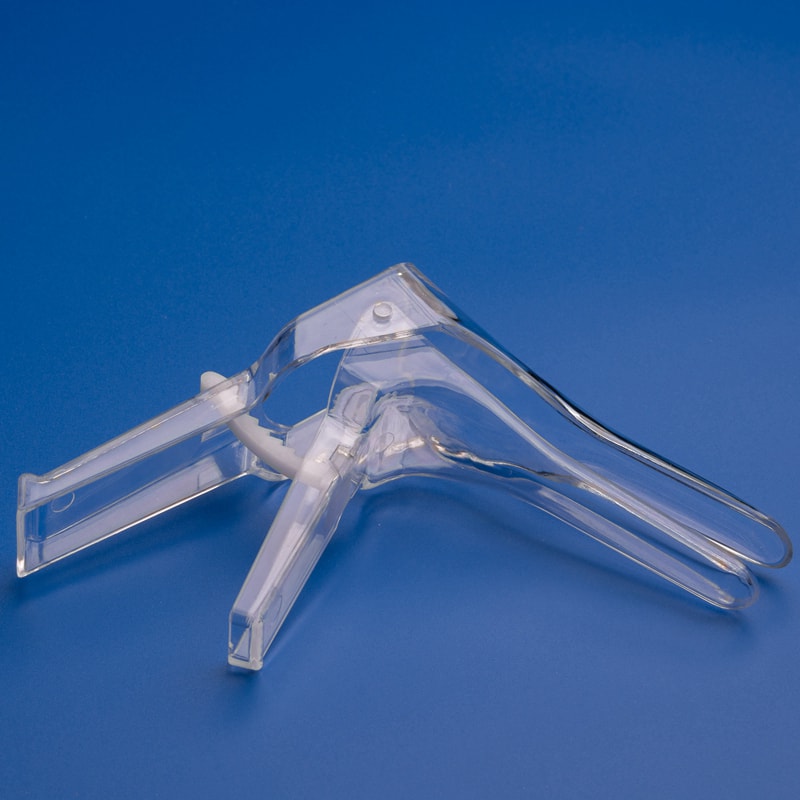
| Jiangsu Hanheng Medical Technology Co., Ltd. | Serves U.S. importers, distributors, hospitals, and private-label partners | Specialized gynecological disposable manufacturing, OEM/ODM flexibility, large export experience | Amni hooks, cervical samplers, vaginal speculum dilators, gynecological kits | Distributors, brand owners, bulk institutional buyers | Worth evaluating when buyers want documentation, customization, and cost-performance |
This table is useful because it separates domestic distribution strength from factory manufacturing strength. A national distributor may offer easier purchasing convenience, while a specialized manufacturer may offer better customization, private-label support, or more competitive landed cost for bulk programs.
Comparison of Supplier Models and Product Priorities
Not every buyer needs the same supplier model. A large hospital in Minneapolis may prefer a national distributor with local delivery. A regional distributor in New Jersey may want an OEM partner with private-label packaging. A maternity kit assembler near Memphis may focus on sterile pack compatibility and carton efficiency. The comparison chart below shows how common supplier models stack up across the priorities most relevant to amnihook procurement.
The practical takeaway is that domestic distributors and specialized manufacturers solve different problems. Many successful U.S. buyers use both: a distributor for immediate continuity and a manufacturer relationship for private-label programs, margin improvement, or strategic backup supply.
How Product Preferences Are Shifting Through 2026
By 2026, three trends are shaping amnihook and related labor induction consumable purchasing in the United States. The first is stronger demand for traceable disposable products with cleaner documentation and audit readiness. The second is a move toward dual-source or backup-source procurement after disruptions in freight and domestic warehousing. The third is sustainability pressure, especially around packaging optimization, carton efficiency, and waste-conscious procurement, even though sterile single-use devices remain necessary in most labor settings.
Technology is also affecting the market indirectly. Digital procurement systems now track lot performance, substitution patterns, and stockout risk more closely. Policy trends continue to emphasize patient safety, infection control, and documentation integrity. As a result, even small disposable OB instruments are being evaluated in a more data-driven way than before.
The chart suggests a continuing shift from price-only selection to documentation-backed value selection. In 2026, buyers are likely to ask not only whether an amnihook works, but also how quickly the supplier can provide sterilization records, lot traceability, flexible packaging formats, and contingency supply plans.
Case Studies from Realistic U.S. Purchasing Scenarios
A Midwest health system with three delivery hospitals faced periodic shortages of a preferred amniotomy device when one distributor changed its inventory mix. The system solved the problem by approving a secondary source that matched clinician handling expectations and provided identical sterile unit-pack workflow. Procurement did not switch solely on price; it evaluated pouch integrity, carton labeling, and lot traceability because delivery nurses needed no surprises during active labor procedures.
In another scenario, a private-label medical distributor serving women’s health clinics in Florida and Georgia wanted its own branded OB procedure pack. The company chose a manufacturing partner able to combine amnihooks with other gynecological disposables while handling custom labeling and documentation support. This reduced procurement fragmentation and improved margin control across regional accounts.
A West Coast importer working through the Port of Los Angeles selected a specialized overseas manufacturer after assessing not only sample quality but also sterilization records, production scale, export history, and responsiveness to technical questions. The importer’s main reason was not simply lower cost. It wanted a partner that could support long-term distributor growth, consistent lot quality, and future expansion into custom women’s health kits.
Local Suppliers and Regional Buying Patterns
Local buying patterns across the United States vary by hospital concentration, distribution infrastructure, and procurement culture. In the Northeast, buyers often rely on established distributors with strong rapid-shipping coverage into dense hospital networks. In the Southeast, port-linked import channels and regional distributors can create more flexibility for private-label or direct-import programs. In Texas and the Gulf region, large multi-hospital systems often evaluate landed cost and supply resilience together, especially when balancing domestic and imported products.
For local sourcing, buyers should ask whether the supplier can support regional response times, provide urgent replacement inventory, and handle practical questions from materials management teams, nurse educators, and infection prevention staff. A supplier may have a strong product but still be a weak fit if it lacks regional account support or cannot resolve packaging questions promptly.
| U.S. region | Typical buyer profile | Preferred supplier model | Main concern | Useful logistics route | Best sourcing strategy |
|---|---|---|---|---|---|
| Northeast | Large hospital systems and academic centers | National distributor with strong documentation | Contract compliance and rapid replenishment | New York/New Jersey distribution hubs | Primary domestic source plus approved backup vendor |
| Southeast | Regional hospitals and independent distributors | Mixed distributor and direct-import model | Cost control with service continuity | Savannah, Miami, Atlanta networks | Blend domestic inventory with private-label opportunities |
| Midwest | Integrated delivery networks | Prime vendor plus standardized alternatives | Consistency across multiple hospitals | Chicago and Memphis logistics corridors | Focus on clinician acceptance and contract alignment |
| South Central | Large systems and fast-growing metro hospitals | Scale supplier with backup import capacity | Stock reliability during surges | Houston and Dallas distribution routes | Use dual-source strategy for resilience |
| West Coast | Import-savvy distributors and large hospital groups | Distributor plus direct manufacturer relationships | Lead time and port planning | Los Angeles/Long Beach, Seattle | Leverage landed-cost planning and private labeling |
| Mountain states | Smaller regional facilities and distributors | Distributor-led model | Reliable reach into lower-density markets | Phoenix, Denver warehousing routes | Prioritize dependable domestic fulfillment |
The explanation here is that “local supplier” in the United States often means more than physical geography. It means a supplier model that can reliably serve a given region’s logistics, contracting, and clinical workflow expectations.
Our Company
Jiangsu Hanheng Medical Technology Co., Ltd. is relevant to U.S. amnihook buyers because it combines specialized gynecological and sampling-product manufacturing with the compliance depth and production scale that American importers and distributors usually require. Founded in 2018, the company operates a 10,000 square meter Class 100000 cleanroom on a 32-acre manufacturing base and uses precision injection molding, automated production processes, and EO sterilization to maintain consistency in disposable medical products such as amni hooks, vaginal speculum dilators, cervical samplers, and related OB-GYN consumables. Its quality system is backed by ISO9001, ISO13485, EU CE including TUV-CE and MDR, U.S. FDA approval, UK MHRA registration, and CFDA/NMPA credentials, while high-volume output, more than 1000 employees, and exports to over 130 countries show that the company has real operating experience supporting global healthcare supply chains rather than occasional export activity. For U.S. buyers, that matters because the company can serve different cooperation models at the same time: bulk manufacturing for institutional end users, wholesale supply for distributors and dealers, OEM and ODM programs for brand owners, custom packaging and labeling for private-label launches, and responsive documentation support for importers who need technical files, certificates of conformity, sterilization records, and batch details. Through its established business in major markets including the United States and its ability to process and ship bulk orders efficiently from the Shanghai-port corridor, together with online and offline pre-sale and after-sale support, the company presents itself not as a remote one-off exporter but as a long-term supply partner for American buyers seeking stable quality, regulatory readiness, and commercially flexible service. Buyers can review its broader catalog on the product page, learn more through the company overview, or discuss U.S.-focused supply needs via the contact page.
How to Evaluate an Amnihook Before Approval
Before approving any amnihook for U.S. purchasing, a practical evaluation should include sample inspection, clinician feedback, packaging review, and documentation review. Buyers should check whether the handle feels stable during a gloved grip, whether the hook tip is shaped for controlled use, whether the sterile pouch opens cleanly, and whether carton labeling is easy to scan in stockrooms. If the product will be included in procedure kits, buyers should also assess packing dimensions, compatibility with tray assembly, and lot coding visibility.
Documentation should include sterilization method details, shelf-life information, batch traceability format, and any product testing relevant to material consistency or package integrity. For private-label programs, buyers should confirm artwork approval timelines, minimum order quantities, carton options, and complaint-handling procedures. These operational details often determine whether a sourcing program runs smoothly after the first order.
Frequently Asked Questions
What is an amnihook used for in labor induction?
An amnihook is used to perform artificial rupture of membranes when a qualified clinician decides that amniotomy can help manage induction or augmentation of labor. It is a single-use sterile tool designed to open the amniotic sac in a controlled bedside procedure.
When should clinicians avoid using an amnihook?
Clinicians generally avoid or delay amnihook use when the presenting part is high, fetal position is uncertain, contraindications to membrane rupture exist, or the clinical benefits are not yet clear. Because membrane rupture is irreversible, timing and patient selection are central to safe use.
Who buys amnihooks in the United States?
Typical buyers include hospitals, integrated delivery networks, OB-GYN distributors, procedure kit assemblers, government procurement programs, and private-label medical brands. Some buy through national distributors, while others import directly from specialized manufacturers.
What documents should a U.S. buyer request from a supplier?
Buyers commonly request sterilization records, shelf-life data, batch traceability details, certificates of conformity, packaging specifications, and any relevant regulatory documentation needed for internal qualification or import review.
Are overseas manufacturers viable for U.S. supply?
Yes, provided they can show strong certifications, stable manufacturing controls, export experience, and responsive support. Many U.S. buyers consider qualified international manufacturers when they want cost-performance advantages, OEM flexibility, or backup sourcing beyond domestic distribution channels.
What trends will matter most by 2026?
The most important trends are stronger traceability expectations, multi-source procurement strategies, continued infection-control focus, more digital supplier monitoring, and growing pressure for packaging efficiency and sustainability wherever practical in sterile disposable product categories.
Final Takeaway
In the United States, clinicians should use an amnihook for labor induction only when amniotomy clearly fits the patient’s labor status and safety profile, not as a routine reflex. For buyers, the best amnihook is not just inexpensive; it is sterile, consistent, easy to handle, well documented, and supported by a supplier that can meet U.S. logistics and compliance expectations. Hospitals usually favor dependable domestic distribution, while distributors and brand owners may gain additional value from experienced manufacturing partners that offer OEM, ODM, and strong regulatory support. A balanced sourcing strategy often combines both.

Jiangsu Hanheng Medical Technology Co., Ltd.
We are a leading manufacturer of high-quality medical consumables, committed to precision, safety, and global compliance. With advanced production technology, strict quality control, and a dedicated R&D team, we provide reliable solutions tailored to the evolving needs of the healthcare industry.