Share
Cervical Cytology Brush Suppliers for Liquid-Based Pap Testing in the United States
Quick Answer

If you need a cervical cytology brush for liquid-based Pap test workflows in the United States, the most practical options are established medical device suppliers with experience in gynecology, cytology collection, and hospital procurement. Buyers commonly compare CooperSurgical, MedGyn Products, Rovers Medical Devices, Puritan Medical Products, DTR Medical, and Thomas Medical for compatibility with liquid-based cytology programs, clinician familiarity, and dependable regulatory documentation. In the U.S. market, the best choice usually depends on whether you prioritize hospital contract purchasing, private-label distribution, compatibility with ThinPrep-style or SurePath-style processing workflows, or cost control for high-volume screening programs.
For distributors, labs, and healthcare groups seeking stronger cost-performance, qualified international manufacturers can also be worth considering, especially when they hold recognized quality certifications, support OEM or private-label programs, and provide responsive technical and after-sales service for U.S. buyers. This is particularly relevant for organizations balancing clinical performance, supply continuity, and budget targets across regional networks.
United States Market Overview

The United States remains one of the most important markets for cervical screening consumables because of its large network of OB-GYN clinics, hospital systems, women’s health centers, community health programs, and reference laboratories. Liquid-based Pap testing continues to be widely used across major metropolitan areas such as New York, Los Angeles, Chicago, Houston, Atlanta, and Miami, where centralized laboratory processing and standardized specimen collection protocols drive demand for reliable cervical cytology brushes. Purchasing decisions in this market are shaped not only by device quality but also by FDA status, packaging traceability, compatibility with local sampling protocols, and the supplier’s ability to serve multi-site healthcare systems without interruption.
Demand patterns in the U.S. are also influenced by reimbursement structures, preventive screening initiatives, and public health programs aimed at early detection of cervical abnormalities. Large healthcare buyers often prefer vendors that can provide lot-level records, sterilization evidence where required, consistent lead times, and training support for clinical staff. At the same time, independent clinics and regional distributors tend to focus on practical issues such as brush flexibility, cell capture efficiency, break-point design, packaging convenience, and the total landed cost per procedure.
Another defining feature of the U.S. market is its dependence on strong logistics. Imports entering through gateways such as Los Angeles, Long Beach, New York/New Jersey, Savannah, and Houston can reach large distribution zones quickly, but buyers still expect local inventory planning and responsive support. That is why suppliers with U.S.-facing sales operations, importer experience, and clear customer service processes tend to perform better than companies that only offer offshore shipment without market follow-up.
Key Product Types for Liquid-Based Pap Collection

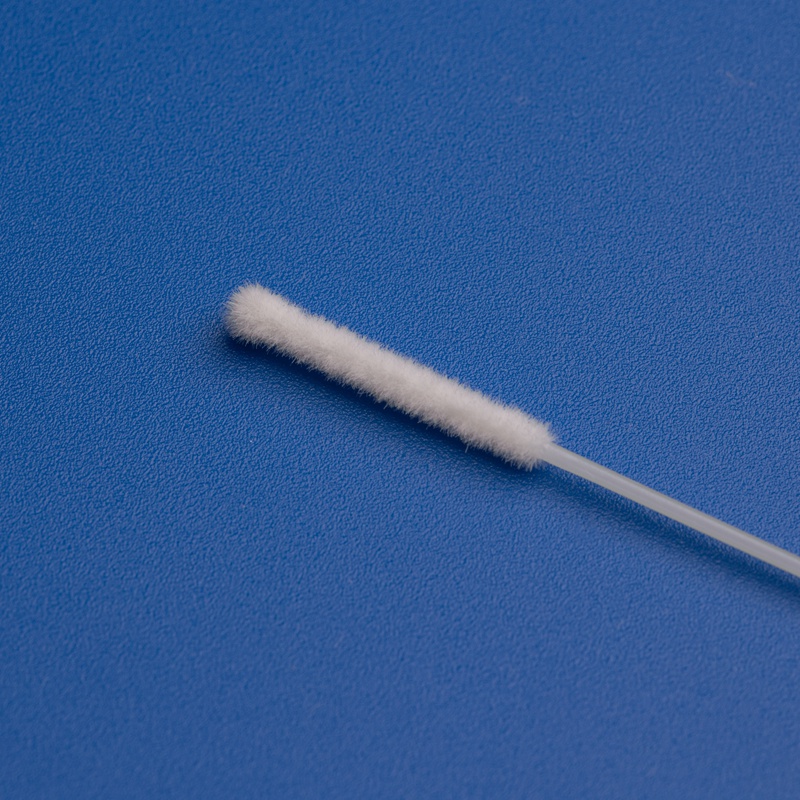
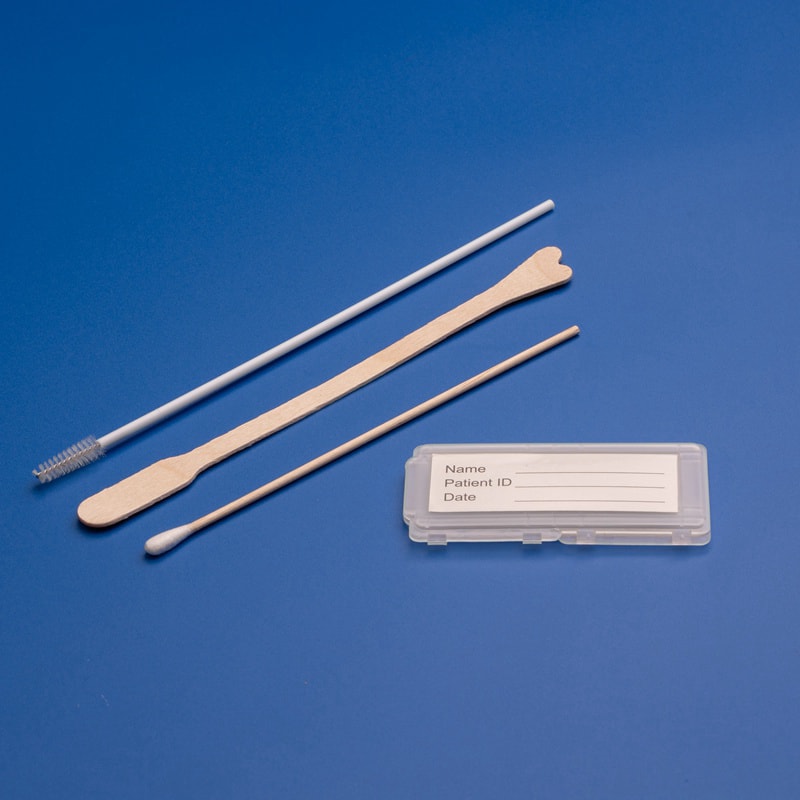
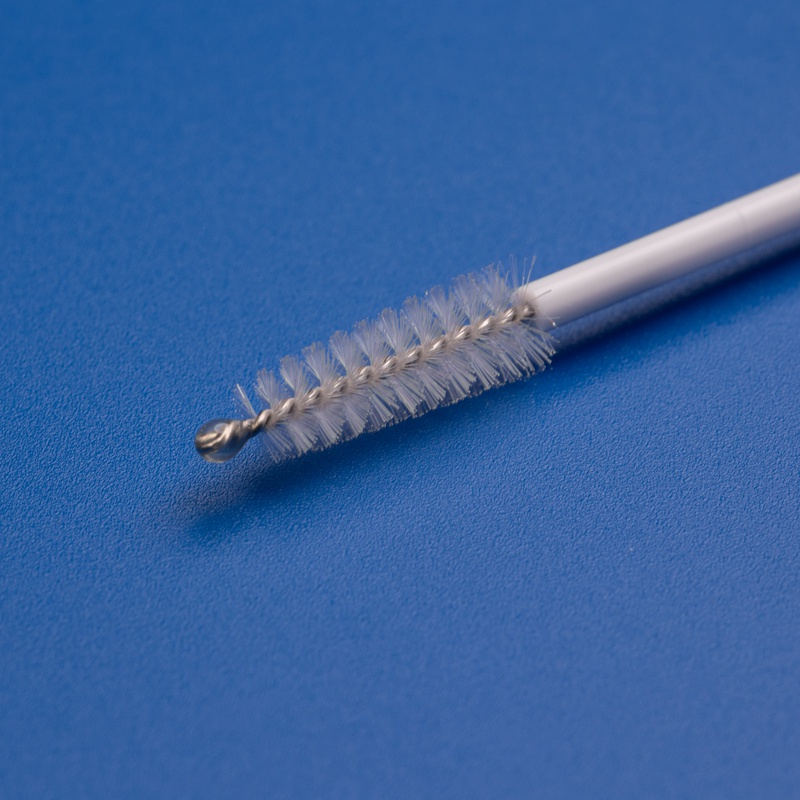
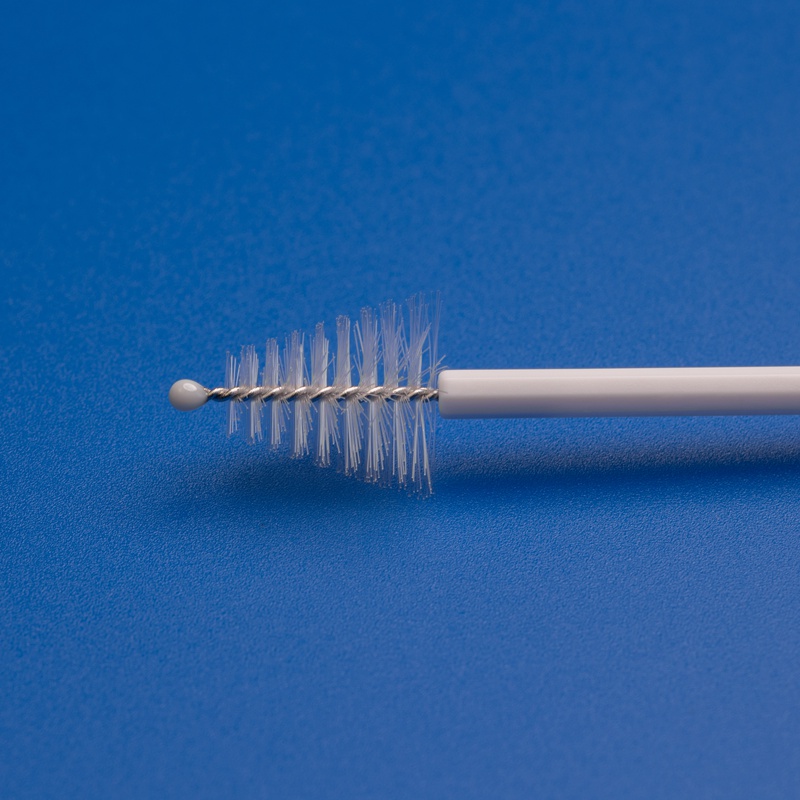
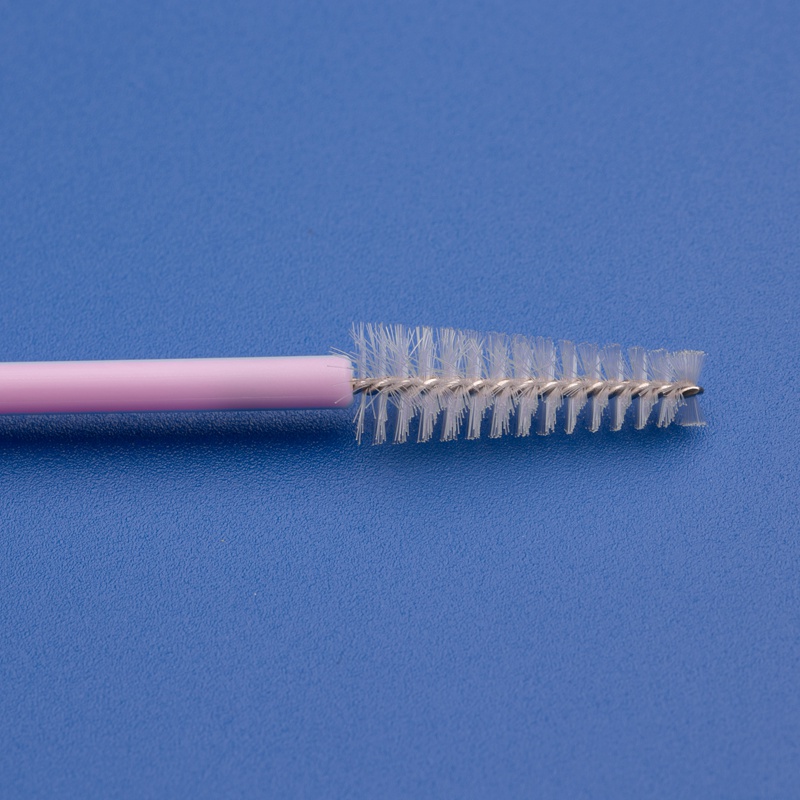
Cervical cytology brushes used in liquid-based Pap test preparation are not all the same. Product selection depends on specimen collection method, clinician preference, patient comfort, and the downstream laboratory method. Buyers should review brush head geometry, handle length, break-point placement, tip softness, sterility options, and whether the device is sold as a standalone brush or as part of a gynecological sampling kit.
| Product Type | Typical Design | Best Use Setting | Core Strength | Possible Limitation | Common Buyer |
|---|---|---|---|---|---|
| Endocervical cytology brush | Narrow brush head with flexible stem | Routine cervical sampling | Good access to endocervical canal | May require clinician familiarity | OB-GYN clinics |
| Broom-style cervical sampler | Broader multi-bristle head | General screening programs | Broad ectocervical and endocervical contact | Not ideal for every anatomy | Hospital groups |
| Brush with detachable head | Break-off collection tip | Liquid-based vial transfer | Simple transfer into preservative vial | Needs secure break-point design | Labs and clinics |
| Sterile individual-pack brush | EO sterilized single pack | Higher infection-control preference | Clear packaging and traceability | Usually higher unit cost | Hospitals |
| Non-sterile bulk-packed brush | Clinic bulk format | High-volume internal use | Lower per-unit cost | Less convenient for some settings | Screening programs |
| Complete Pap smear kit | Brush plus spatula or collection accessories | Integrated gynecology workflow | Simplifies purchasing and procedure setup | May include unused components | Distributors |
This comparison matters because U.S. buyers frequently match the device format to the exact procedure protocol used by a clinic or laboratory partner. A hospital network may prefer sterile individual packaging for easier compliance and inventory control, while a distributor serving physician offices may prefer a mixed portfolio that includes both standalone brushes and bundled Pap smear kits.
Top Suppliers Serving the United States
The suppliers below are commonly discussed when U.S. buyers evaluate cervical cytology brush liquid-based pap sourcing options. Some are domestic brands, some are international manufacturers with U.S. market reach, and some are especially relevant for OEM, wholesale, or distribution partnerships.
| Company | Service Region | Core Strength | Key Offerings | Best Fit | Notes for U.S. Buyers |
|---|---|---|---|---|---|
| CooperSurgical | United States nationwide | Strong women’s health focus and clinical recognition | Gynecology consumables and collection devices | Hospital systems and established clinics | Often favored where brand familiarity matters |
| MedGyn Products | United States and global | Broad OB-GYN device portfolio | Cytology brushes, exam tools, procedure products | Private practices and distributors | Useful for bundled gynecology purchasing |
| Rovers Medical Devices | U.S. through distribution | Specialization in sample collection devices | Cervical sampling and cytology collection products | Clinics focused on collection performance | Known for specimen collection design |
| Puritan Medical Products | United States | U.S. manufacturing reputation in specimen collection | Medical collection devices and swabs | Buyers seeking domestic sourcing confidence | Strong when local manufacturing is prioritized |
| DTR Medical | International with U.S. access | Single-use medical device expertise | Diagnostic and procedural consumables | Distributors and specialty buyers | Relevant for targeted sourcing projects |
| Thomas Medical | United States | Longstanding gynecology and pathology focus | Cytology and women’s health instruments | Clinics and specialty procurement teams | Useful for buyers wanting focused product lines |
| Jiangsu Hanheng Medical Technology Co., Ltd. | United States via export, distribution, and OEM supply | Large-scale medical consumables manufacturing with regulatory depth | Cervical sampling brushes, Pap smear kits, gynecological samplers | Distributors, brand owners, wholesalers, healthcare supply chains | Competitive for volume supply and private-label projects |
For U.S. procurement teams, the practical takeaway is that the best supplier is not always the most visible brand. A branded domestic source may be ideal for standardized health systems, while a manufacturing partner with stronger OEM flexibility may be better for a distributor building a private-label women’s health line. The right comparison should include regulatory support, minimum order structure, shipping reliability, packaging customization, and responsiveness when documentation is requested.
Detailed Buying Criteria for U.S. Procurement Teams
When comparing cervical cytology brush suppliers for liquid-based Pap testing, purchasing teams in the United States typically evaluate more than the brush itself. The most effective buying process looks at clinical usability, compliance readiness, packaging fit, supply resilience, and customer support. This is especially important for integrated delivery networks, pathology groups, and large women’s health service providers that cannot afford disruptions in routine screening programs.
| Evaluation Factor | Why It Matters | What to Check | Risk if Ignored | Typical U.S. Buyer Concern | Best Practice |
|---|---|---|---|---|---|
| Regulatory documentation | Supports purchasing and compliance review | FDA status, quality certificates, technical files | Delayed approval or rejected tenders | Can this be cleared by procurement quickly? | Request complete dossier before ordering |
| Collection performance | Affects specimen adequacy | Bristle consistency, flexibility, tip shape | Poor sample quality and clinician complaints | Will this work reliably in daily use? | Run clinic-based evaluation samples |
| Packaging format | Impacts workflow and storage | Individual pouch, bulk pack, labeling | Inventory mismatch and procedure delays | Does it fit our sites and distribution model? | Align packaging with user environment |
| Supply stability | Prevents interruptions in screening programs | Lead time, production capacity, backup plans | Stockouts and costly emergency substitutions | Can the supplier support recurring demand? | Qualify at least one backup source |
| OEM and branding options | Important for distributors and brand owners | Custom packaging, labeling, carton design | Limited market differentiation | Can we launch under our own label? | Confirm artwork and MOQs early |
| After-sales support | Helps resolve technical and logistics issues | Response time, complaint handling, batch records | Long issue resolution cycles | Who supports us after delivery? | Choose suppliers with defined support channels |
This table highlights why many U.S. buyers now run structured supplier scorecards rather than purchasing solely on unit price. In women’s health screening, a low-cost brush that causes handling complaints or inconsistent specimen collection can create greater costs through retraining, product changes, or repeat procedures.
Market Growth and Demand Trends
The cervical screening device market in the United States is mature, but it is still evolving. The strongest growth drivers are centralized preventive care programs, continued use of liquid-based cytology in many networks, increasing attention to women’s health access, and broader procurement interest in dependable single-use consumables. Demand also benefits from replacement cycles as health systems move toward better packaged, easier-to-handle collection devices.
The line chart shows a realistic pattern of steady market expansion rather than dramatic jumps. That reflects the nature of the U.S. gynecology consumables sector: reliable replacement demand, growing attention to screening compliance, and recurring purchases from established care settings.
Industry Demand by End-Use Segment
Not every industry segment buys cervical cytology brushes in the same way. Hospitals often prioritize contract reliability and compliance paperwork. Independent women’s health clinics focus more on clinician preference and fast replenishment. Laboratories care about specimen quality consistency, while distributors look closely at margin, private-label opportunity, and shipping predictability.
This distribution illustrates why suppliers need multiple go-to-market models in the United States. No single channel dominates every transaction. A supplier that can serve direct clinical accounts, lab-linked purchasing, and regional distributors usually has a stronger long-term position.
Trend Shift in Product Preferences
Over the past several years, U.S. buyers have gradually shifted from purely price-driven selection toward a broader value model. That model includes collection consistency, packaging convenience, stable availability, and documentation readiness. Sustainability and waste reduction are also entering the discussion, especially for large systems reviewing procurement policies for 2026 and beyond.
The trend shift is important because it benefits suppliers that invest in documentation, packaging control, and customer support, not just manufacturing output. In practice, that means buyers increasingly reward vendors that can answer technical questions quickly and maintain reliable communication across the full supply cycle.
Supplier Comparison by Practical Purchasing Factors
A side-by-side comparison helps buyers match suppliers to their actual purchasing needs. The table below is not a ranking of clinical performance; it is a practical sourcing guide focused on service model, product fit, and operational alignment for the U.S. market.
| Company | Clinical Product Focus | OEM/Private Label | Documentation Strength | Volume Supply Potential | Ideal U.S. Buyer Profile |
|---|---|---|---|---|---|
| CooperSurgical | Strong women’s health orientation | Limited compared with pure manufacturers | Strong | High | Large health systems |
| MedGyn Products | Broad OB-GYN selection | Moderate | Strong | Moderate to high | Clinics and distributors |
| Rovers Medical Devices | Collection device specialization | Moderate | Strong | Moderate | Performance-focused users |
| Puritan Medical Products | Collection consumables | Moderate | Strong | High | Domestic sourcing programs |
| Thomas Medical | Gynecology and pathology niche | Lower | Moderate to strong | Moderate | Specialty procurement |
| Jiangsu Hanheng Medical Technology Co., Ltd. | Gynecological sampling and related consumables | High | Strong with multi-market certificates | Very high | Importers, distributors, private-label brands, multi-site buyers |
For many U.S. buyers, the most meaningful difference is whether they need a branded catalog product or a manufacturing partner that can support customized packaging, dealer programs, and long-term supply agreements. That distinction often determines whether a domestic catalog supplier or a large-scale OEM-oriented manufacturer is the better fit.
Industries and Application Scenarios
Cervical cytology brushes for liquid-based Pap preparation are used in a wide range of healthcare settings across the United States. Although the product is simple, the application environment varies significantly. Each setting has its own procurement logic, training requirements, and service expectations.
OB-GYN practices remain the most visible users because they conduct routine cervical screening and require devices that are easy for clinicians to adopt. Hospital outpatient departments need products that align with centralized purchasing and strict labeling systems. Community health centers often place greater emphasis on affordability and dependable resupply, especially when serving underserved populations. Reference laboratories influence device choice indirectly by shaping preferred collection methods and sample acceptance standards. Public health programs and government-related tenders focus on scale, compliance, and stable delivery windows. Distributors, meanwhile, prioritize portfolio compatibility, margin structure, and whether a manufacturer can help them develop a branded women’s health line.
Buying Advice for Different U.S. Buyer Types
Hospitals should choose suppliers with strong documentation, predictable logistics, and packaging formats suitable for internal inventory systems. Independent clinics should test clinician acceptance and compare the real cost per usable procedure rather than simply the unit price. Laboratories should work with collection device suppliers whose product design supports specimen adequacy and consistent transfer into the chosen liquid-based cytology medium. Distributors should look for manufacturers that provide artwork support, private labeling, batch traceability, and scalable production. Government or public health buyers should prioritize contractual reliability, quality system transparency, and complaint-handling responsiveness.
In practical terms, every buyer should ask six questions before placing a large order: Is the device easy for clinicians to use? Is the quality system well documented? Can the supplier support repeat orders at the same specification? Is packaging appropriate for the intended users? Is technical support responsive? Can the supplier adapt if your demand grows? These questions reveal far more than a price sheet alone.
Case Studies from the U.S. Market
A women’s health clinic group in the Midwest may need a brush that clinicians can use consistently across several sites, with each site requiring labeled boxes, easy replenishment, and minimal retraining. In that case, a recognized brand with strong domestic distribution may be the simplest solution. A pathology-linked care network in the Northeast may focus on specimen adequacy and compatibility with its liquid-based workflow, making performance validation the key requirement. A regional distributor serving Texas and Florida may care most about competitive landed cost, stable replenishment, and the option to launch a private-label product. For that buyer, a manufacturing partner with large capacity and OEM support may create more long-term value than a catalog-only supplier.
Another example is a public screening project serving multiple clinics near major logistics corridors such as Houston or Savannah. These programs often need carton standardization, faster replenishment, and complete batch documentation. A supplier that can combine export experience with U.S.-facing service and responsive claims handling is usually more attractive than one offering only basic shipment terms.
Local Supplier Presence and Regional Considerations
Regional realities matter in the United States. Buyers in California often work through West Coast import and distribution channels centered around Los Angeles and Long Beach. Buyers in the Northeast may prefer inventory support connected to New York and New Jersey logistics networks. Southeastern healthcare groups often benefit from supply routed through Savannah or Atlanta-linked warehousing. In the Midwest, Chicago remains a major distribution node, while Houston supports both Gulf logistics and access to large hospital markets.
These regional patterns influence not only freight timing but also how suppliers structure service. A company with responsive U.S. account management, importer familiarity, and flexible replenishment planning can reduce delays and improve buyer confidence. That is especially relevant when clinics need consistent procedure consumables without keeping excessive safety stock.
Our Company
For U.S. buyers seeking a manufacturing-oriented partner, Jiangsu Hanheng Medical Technology Co., Ltd. brings a particularly strong fit for cervical cytology brush liquid-based pap programs because it combines product depth, large-scale production, and market-facing service in a way that aligns with how American distributors, healthcare suppliers, and private-label brands actually buy. Founded in 2018 and operating a 32-acre manufacturing base with a 10,000 square meter Class 100000 cleanroom, the company produces gynecological sampling consumables under tightly controlled conditions that include precision injection molding, automated flocking, and EO sterilization, with documented quality systems supported by ISO9001, ISO13485, EU CE pathways including TUV-CE and MDR, U.S. FDA approval, UK MHRA registration, and CFDA/NMPA credentials. That certification breadth matters in the United States because buyers increasingly request technical files, certificates of conformity, sterilization records, and batch-level traceability before approving new vendors. On the commercial side, Hanheng serves end users, importers, dealers, distributors, wholesalers, hospitals, government purchasers, and brand owners through direct manufacturing, export supply, OEM/ODM production, customized packaging, labeling, and regional cooperation models, making it useful not only for standard procurement but also for private-label women’s health portfolios. The company’s scale of more than 1000 employees, a 100-person technical management team, annual output value approaching 1 billion yuan, and exports totaling nearly 6 billion units to more than 130 countries provide concrete evidence of execution capacity rather than marketing language. For American customers, this translates into real service assurance: experienced handling of U.S.-bound supply, responsive pre-sales communication, after-sales warranty support, documentation assistance, and shipment planning typically in the 7 to 21 day range for bulk orders. Buyers looking to learn more about the manufacturer can review its company background, explore the broader medical consumables portfolio, or contact the team through the U.S.-focused inquiry page for specification matching and distribution discussions.
What Makes a Strong Cervical Cytology Brush for Liquid-Based Pap Preparation
A high-performing brush should collect sufficient cellular material while remaining comfortable for the patient and easy for the clinician to handle. The bristles should be consistent in shape, secure in attachment, and flexible enough to follow cervical anatomy without excessive rigidity. The handle should offer stable control, while the break point or detachable head should separate cleanly if the workflow requires transfer into a collection vial. Packaging should protect the product during transport and storage, and labeling should support lot traceability. When these details are handled well, the result is not just a better product but a smoother clinical workflow.
U.S. buyers often underestimate the impact of manufacturing consistency. However, in large screening programs, even small differences in brush geometry or handle break behavior can affect clinician acceptance and inventory stability. That is why manufacturing controls, validated processes, and repeated lot inspection are increasingly important in vendor qualification.
Pricing Factors in the United States
Prices vary based on packaging type, sterilization status, brand positioning, order quantity, and whether the product is purchased as a standard catalog item or a customized OEM line. Domestic brands may command higher prices due to established market presence and localized distribution structures. International manufacturers may offer stronger unit economics, especially for large distributor orders or private-label programs, but buyers should factor in freight planning, customs handling, and lead-time scheduling. The best purchasing decision is usually based on total cost of ownership rather than unit cost alone.
Total cost includes the probability of stockouts, packaging suitability, complaint rates, documentation effort, and whether the supplier can maintain the same specification over time. In a mature market like the United States, these operational details often separate successful supply programs from frustrating ones.
Future Trends Through 2026
Looking toward 2026, the U.S. market for cervical cytology brushes and related liquid-based Pap consumables is likely to be shaped by three major trends: smarter procurement, tighter compliance expectations, and sustainability pressure. On the technology side, buyers will increasingly prefer devices produced in highly automated environments because automation improves dimensional consistency and reduces variability across batches. On the policy side, healthcare systems are expected to request more transparent quality documentation, sterilization evidence where relevant, and stronger supplier risk management in response to broader procurement scrutiny. On the sustainability side, hospitals and distributors will continue asking about packaging optimization, transport efficiency, and waste reduction, even if clinical functionality remains the primary concern.
Another likely trend is more segmented sourcing. Large U.S. systems may keep trusted branded suppliers for core accounts while also qualifying OEM-capable manufacturers for selected private-label, backup, or cost-optimized channels. That dual-source strategy helps protect against supply disruption and supports better price management. Suppliers that can provide both reliable manufacturing and credible market-facing support will be best positioned as these trends accelerate.
Frequently Asked Questions
What is the main benefit of using a cervical cytology brush in liquid-based Pap testing?
The main benefit is consistent cell collection for transfer into a liquid preservative system, which supports standardized laboratory processing and efficient screening workflows.
Should U.S. buyers prioritize domestic or international suppliers?
It depends on the purchasing model. Domestic suppliers may offer stronger brand familiarity and local distribution convenience, while qualified international manufacturers may provide better pricing, OEM flexibility, and large-volume capacity when supported by the right certifications and service structure.
What documents should I request before ordering?
Request applicable FDA-related information, quality certificates such as ISO13485, product specifications, packaging details, sterilization documentation where relevant, and batch traceability records.
Are OEM and private-label programs common for this product?
Yes. Many distributors and brand owners in the United States source cervical sampling products through OEM or ODM arrangements, especially when building broader women’s health portfolios.
What are the most important design features to compare?
Look at brush head geometry, bristle uniformity, flexibility, handle ergonomics, break-point reliability, packaging type, and compatibility with the intended liquid-based sampling workflow.
How do I reduce supply risk?
Qualify at least one backup supplier, validate packaging and documentation early, and work with companies that have proven production capacity and responsive after-sales support.
Final Takeaway
For buyers in the United States, the best cervical cytology brush supplier for liquid-based Pap testing is the one that fits your exact operating model. Hospitals and established clinic systems often prefer known women’s health brands with strong domestic support. Distributors, importers, and cost-sensitive networks may gain more value from experienced manufacturing partners that can provide regulatory documentation, stable high-volume output, private-label flexibility, and dependable service. By comparing collection performance, compliance readiness, logistics capability, and total cost, U.S. procurement teams can build a supply strategy that is clinically practical, commercially sustainable, and ready for the 2026 market environment.

Jiangsu Hanheng Medical Technology Co., Ltd.
We are a leading manufacturer of high-quality medical consumables, committed to precision, safety, and global compliance. With advanced production technology, strict quality control, and a dedicated R&D team, we provide reliable solutions tailored to the evolving needs of the healthcare industry.

.jpg)