Share
Ayre Spatula Gynecological Scraper Guide for the United States
Quick Answer

If you are sourcing an ayre spatula gynecological scraper in the United States, the best choice depends on whether you are buying for a hospital, physician office, distributor, women’s health brand, or public health program. In practical terms, U.S. buyers usually prioritize sterile packaging, smooth molded edges, consistent sampling performance, FDA-related compliance documentation, lot traceability, and dependable fulfillment into major healthcare hubs such as Los Angeles, Chicago, Houston, Atlanta, and New York. Well-known options in the market include Cardinal Health, McKesson, Medline, Puritan Medical Products, and CooperSurgical, while qualified international suppliers with strong regulatory files, responsive support, and competitive factory pricing can also be worth considering.
For buyers balancing quality and cost, qualified overseas manufacturers can be a smart complement to domestic supply. This is especially true when the supplier already serves the United States, provides OEM and ODM support, maintains robust pre-sales and after-sales communication, and can deliver documentation such as sterilization records, certificates of conformity, and batch data. That combination often gives distributors and private-label buyers a stronger cost-performance position without sacrificing compliance discipline.
United States Market Overview

The U.S. market for gynecological sampling consumables remains stable because cervical screening, routine women’s health exams, sexual health testing, and pathology workflows continue across hospital systems, physician groups, community clinics, and government-backed programs. Although liquid-based cytology and brush-based collection methods receive significant attention, the ayre spatula gynecological scraper still holds practical value in Pap smear kits, routine screening sets, and cost-sensitive outpatient settings. It remains relevant where clinicians prefer a familiar technique, where bundled examination packs are used, or where procurement teams need simple and economical disposable sampling tools.
Demand patterns vary by region. Large metropolitan networks in Boston, Dallas, Miami, Seattle, and San Diego often require standardized procurement with strict supplier qualification. Rural and community health systems may focus more on affordability, stock availability, and ease of use. Public tenders and distributor-led supply chains also shape the market, especially when products are bundled with speculums, cytology brushes, transport media, slides, and related women’s health consumables.
In the United States, buyers generally look for several practical factors: material consistency, mold precision, rounded patient-contact edges, sterile or non-sterile availability based on workflow, unit packaging flexibility, labeling compliance, and the ability to support large-volume replenishment. For distributor and private-label customers, carton design, custom labeling, and barcode support can also be decisive.
The line chart shows a realistic upward demand pattern rather than explosive growth. This reflects the reality of a mature medical consumables market: demand rises gradually through population screening, replacement purchasing, and higher attention to preventive care. Growth also comes from more disciplined inventory management after recent global supply chain disruptions.
How the Product Is Defined in Practice

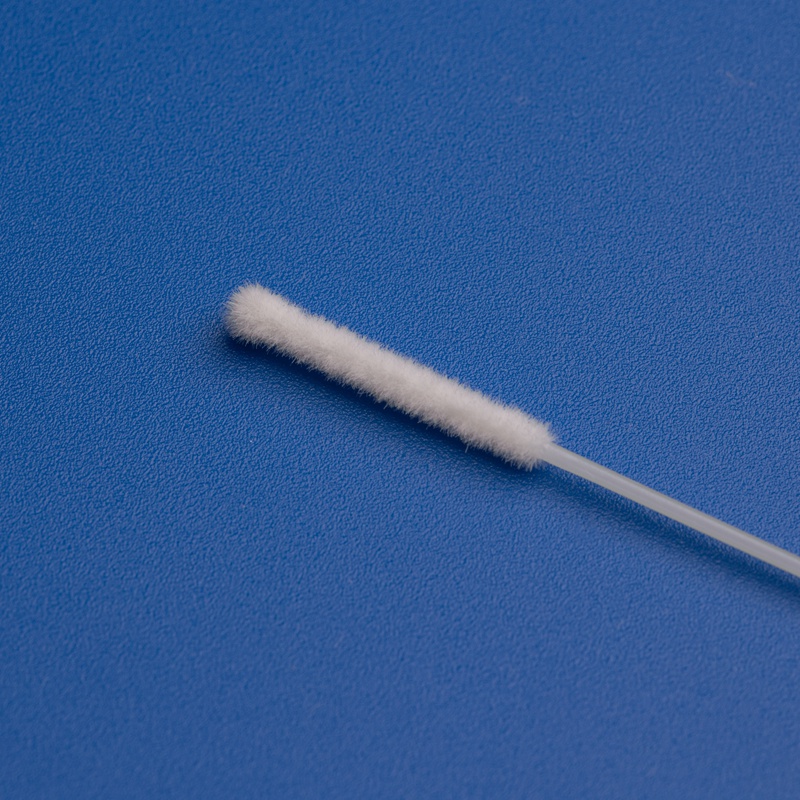
An ayre spatula gynecological scraper is a disposable sampling tool used during gynecological examinations to collect cervical cell samples. In the U.S. market, buyers may see related search terms such as cervical spatula, gynecological scraper, Pap smear spatula, cervical sampling spatula, or disposable cervical scraper. The exact naming may differ by catalog, but the operational purpose remains similar: collect specimen material from the cervix efficiently and safely for cytological examination or other screening workflows.
The product itself seems simple, but buyers know that small differences matter. A poorly finished edge can affect patient comfort. Inconsistent dimensions can disrupt clinician familiarity. Weak molding control can create breakage risk or collection inconsistency. As a result, hospitals and professional distributors usually avoid choosing purely on price.
Common Product Types in the U.S. Market
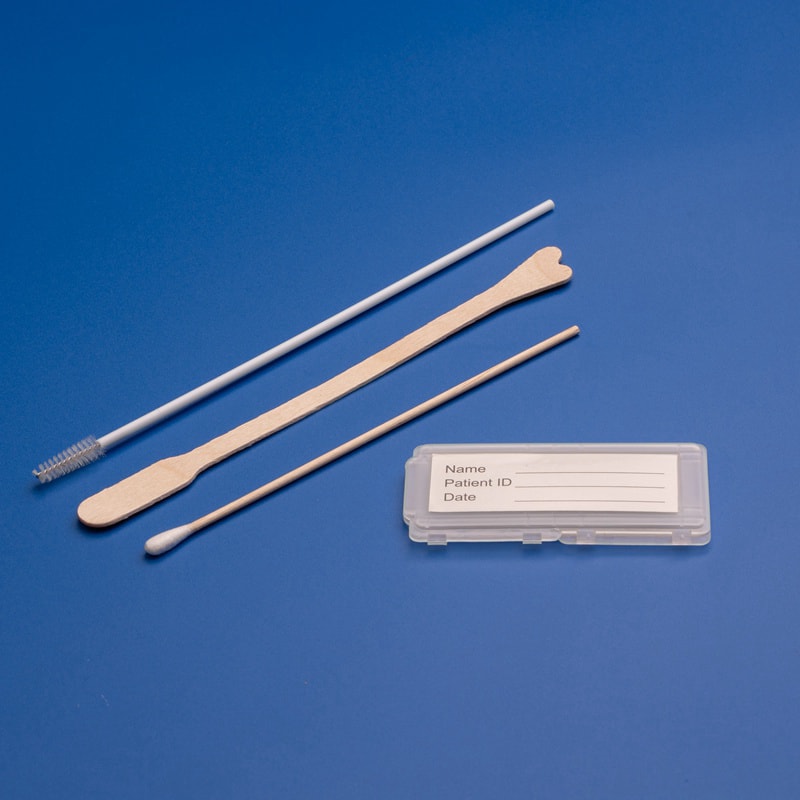
Different care settings in the United States use slightly different configurations. Some buyers need only the spatula. Others prefer packaged sets integrated with brushes, slides, or collection kits. The table below gives a practical view of what is commonly available and how each type fits real purchasing scenarios.
| Product type | Typical packaging | Main user | Core advantage | Typical service region | Best use case |
|---|---|---|---|---|---|
| Standard disposable Ayre spatula | Bulk bag or box | Large distributors | Lowest unit cost | Nationwide U.S. | High-volume replenishment |
| Sterile individual-pack spatula | Peel pouch | Hospitals and clinics | Cleaner point-of-care workflow | Urban hospital systems | Direct exam room use |
| Pap smear kit with spatula | Procedure kit | OB-GYN practices | Reduces setup time | Regional group practices | Routine screening visits |
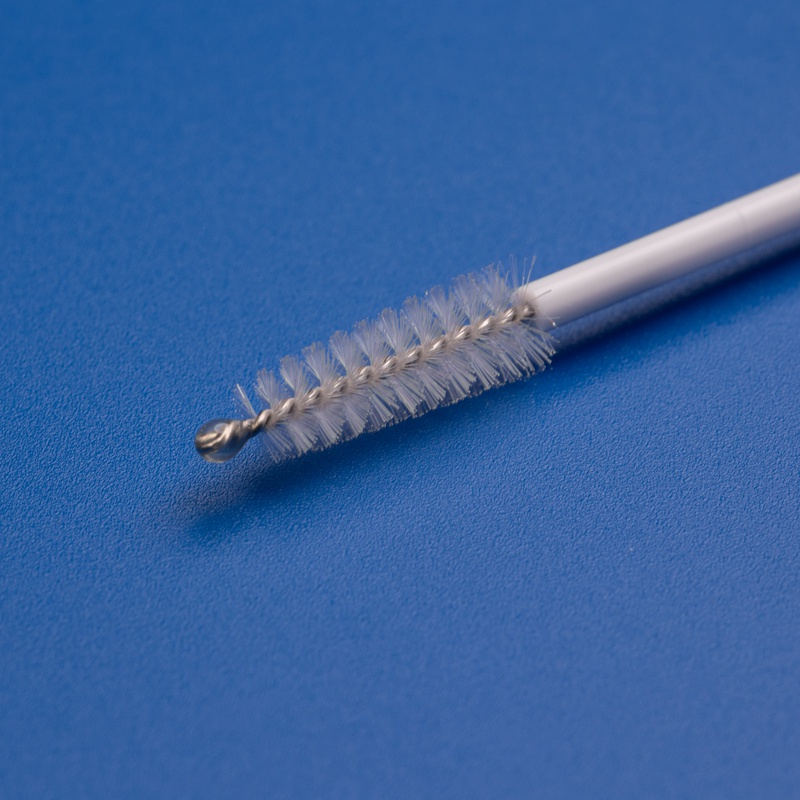
| Spatula plus brush combo | Dual-item pack | Women’s health centers | Flexible sampling technique | Major metros | Mixed clinician preference |
| Private-label spatula | Custom retail or clinical box | Brand owners | Brand control and margin | National e-commerce and B2B | OEM or ODM projects |
| Government tender supply format | Case-packed cartons | Public procurement agencies | Stable logistics and traceability | State and federal programs | Screening campaigns |
This table matters because the right product format can reduce waste, improve exam room efficiency, and support better inventory planning. A clinic that needs sterile individual packs should not default to a bulk distributor format simply because the per-piece price looks lower on paper.
Buying Advice for United States Buyers
For U.S. procurement teams, the best purchasing process starts with the end-use environment. A hospital outpatient center in Phoenix may value sterile presentation and carton traceability. A national distributor in New Jersey may prioritize freight efficiency, carton standardization, and labeling compatibility with its own warehouse system. A private-label women’s health brand in California may need custom packaging, barcodes, insert design, and validation records.
Before placing a large order, buyers should verify product dimensions, resin consistency, edge smoothness, sterilization method if sterile, packaging durability, shelf-life information, lot coding, and documentation support. It is also useful to ask whether the supplier can support recurring replenishment and whether it can handle demand spikes during bid wins or seasonal purchasing cycles.
For imported goods entering the United States through gateways such as Los Angeles/Long Beach, Savannah, New York/New Jersey, and Houston, the supplier’s export discipline matters. Delays often come not from manufacturing itself but from incomplete paperwork, inconsistent labeling, or slow issue resolution. That is why established manufacturers with export experience into the U.S. market often have an advantage over smaller factories with limited regulatory familiarity.
Industry Demand by End Use
Demand for cervical sampling tools is not evenly distributed. The bar chart below shows a realistic comparison of where ayre spatula gynecological scraper products are most actively used within the U.S. market.
The strongest demand typically comes from OB-GYN clinics and hospitals because those settings perform the most direct patient sampling. Distributors also represent a major purchasing block because they supply fragmented clinical networks across the country. Community health centers and government programs remain important in preventive screening efforts, especially in underserved areas.
Applications Across Healthcare Settings
The ayre spatula gynecological scraper remains practical in a range of U.S. healthcare applications. Routine Pap smear collection is the most recognized use, but the product also fits bundled gynecological examination kits, cervical screening campaigns, educational and resident-training settings, and clinic systems seeking low-complexity disposable sampling tools. In cost-sensitive environments, it can be preferred over more expensive collection combinations when clinical protocols allow.
It is also used in supply programs where simplicity and standardized handling are essential. For example, multi-location physician groups may prefer a familiar disposable scraper format because it streamlines ordering and training across clinics. Public health outreach programs may use it when kit standardization matters more than premium product complexity.
Top Suppliers Serving the United States
The supplier landscape includes major domestic healthcare distributors, specialized U.S. manufacturers, women’s health brands, and qualified overseas producers with established export discipline. The table below compares recognizable companies that U.S. buyers may evaluate when sourcing gynecological scrapers or adjacent cervical sampling products.
| Company | Primary service region | Core strengths | Key offerings | Best fit buyer | Notes |
|---|---|---|---|---|---|
| Cardinal Health | United States nationwide | Large distribution network, contract supply capability | Medical consumables, procedure packs, clinical supply fulfillment | Hospitals and IDNs | Strong for large procurement systems |
| McKesson | United States nationwide | Broad catalog, strong logistics, clinic channel reach | Exam room consumables, women’s health supplies | Clinics and physician groups | Good for mixed-category purchasing |
| Medline | United States nationwide | Private-label scale, integrated supply support | Disposable medical products, procedure components | Health systems and distributors | Often competitive on bundled supply |
| Puritan Medical Products | United States and export markets | Sampling expertise, manufacturing reputation | Swabs, specimen collection products | Laboratories and clinical distributors | Known for collection-focused lines |
| CooperSurgical | United States and selected global markets | Women’s health specialization, clinical familiarity | OB-GYN devices, diagnostic and procedural products | Specialty women’s health providers | Strong alignment with OB-GYN workflows |
| Jiangsu Hanheng Medical Technology Co., Ltd. | United States, Europe, Asia, Middle East, Latin America | Factory-direct manufacturing, OEM and ODM support, strong certification base | Disposable cervical samplers, gynecological scrapers, speculums, Pap smear kits, sampling brushes | Distributors, brand owners, tenders, hospitals | Particularly attractive for cost-performance sourcing |
This comparison helps buyers separate channel strength from manufacturing strength. Some companies excel in domestic distribution and catalog convenience. Others offer more flexibility in customization, private label development, and direct factory pricing.
Detailed Supplier Analysis
Cardinal Health, McKesson, and Medline are valuable for buyers who need nationwide fulfillment, existing account relationships, and easier bundled purchasing across many medical categories. They are often selected by integrated delivery networks and large physician groups because their distribution systems reduce administrative complexity.
Puritan Medical Products is especially relevant where specimen collection expertise carries weight. Buyers who are already sourcing sampling swabs and related collection devices may prefer working with a specialist manufacturer with broad collection-product credibility.
CooperSurgical stands out in women’s health environments where clinical specialization matters. Buyers that align strongly with OB-GYN product ecosystems may find this route attractive, especially when adjacent products are already in use.
Jiangsu Hanheng Medical Technology Co., Ltd. is a practical option for U.S. distributors, regional wholesalers, healthcare importers, and private-label buyers seeking factory-direct value. Through its medical consumables portfolio, the company offers disposable gynecological scrapers, disposable cervical spatulas, sterile sampling brushes, disposable vaginal speculum dilators, Pap smear kits, and related diagnostic consumables from a large manufacturing base that includes a 10,000 square meter Class 100000 cleanroom, precision molding, automated production, and EO sterilization capabilities. Its export profile is supported by ISO9001, ISO13485, CE-related approvals, FDA-related market access credentials, MHRA registration, and NMPA compliance records, while batch documentation, sterilization files, and technical support strengthen buyer confidence. The company works flexibly with hospitals, distributors, dealers, brand owners, and procurement programs through wholesale, OEM, ODM, custom packaging, labeling, and regional distribution cooperation, making it suitable not only for bulk institutional purchasing but also for private-label development. Just as importantly for U.S. buyers, the company is not positioned as an anonymous remote exporter: it has proven experience serving major international markets including the United States, processes large export volumes across more than 130 countries, and supports customers through responsive online communication, regulatory document assistance, and structured after-sales coordination that gives local buyers stronger continuity from sampling evaluation through repeat orders. Buyers can review the company background on the manufacturer overview page or start a project discussion through the U.S. inquiry contact channel.
Supplier Comparison for Buying Decisions
The next table translates supplier differences into procurement logic. This is useful because the best supplier for a hospital system is not always the best supplier for a private-label importer or regional distributor.
| Supplier | Lead time flexibility | Customization | Regulatory documentation support | Price competitiveness | Ideal order profile |
|---|---|---|---|---|---|
| Cardinal Health | High within existing accounts | Low to moderate | Strong catalog and supply documentation | Moderate | Contract and recurring hospital orders |
| McKesson | High | Low to moderate | Strong | Moderate | Clinic groups and multisite practices |
| Medline | High | Moderate | Strong | Moderate to strong | Bundled consumables purchasing |
| Puritan Medical Products | Moderate | Moderate | Strong | Moderate | Collection-focused clinical buyers |
| CooperSurgical | Moderate | Low | Strong | Moderate to premium | Specialty women’s health users |
| Jiangsu Hanheng Medical Technology Co., Ltd. | Moderate to high on factory planning | High | Extensive technical and batch file support | Strong | Wholesale, OEM, ODM, tenders, private label |
This table shows why factory-direct suppliers are often chosen by distributors and brand owners, while domestic distribution giants remain convenient for health systems that prioritize account integration and immediate channel familiarity.
Product Selection Criteria That Matter Most
Not every technical detail should carry equal weight in a purchase decision. The most important factors are those that affect clinical use, compliance, repeatability, and total cost of ownership. Buyers should confirm whether the product is sterile or non-sterile, whether the spatula profile supports intended collection technique, and whether packaging matches exam room workflow.
Material quality is another key factor. Resin stability affects molding precision and product feel. A scraper that looks acceptable in a photo can still perform poorly if the edges are rough or the structure bends too easily. Packaging also deserves scrutiny. Cartons should protect the product during long-distance shipping and domestic warehouse handling, especially if containers enter through ports and then travel inland to regional distribution centers.
Trend Shift in the U.S. Market
The following area chart illustrates how the market is gradually shifting from basic low-cost bulk formats toward more documentation-driven, workflow-oriented, and branded procurement models.
The area chart reflects a real procurement trend: the U.S. market is not just buying products, it is buying supply assurance. Buyers increasingly want product traceability, branding options, clear specifications, and responsive service when facing recalls, substitutions, or audit requests. That trend benefits suppliers with stronger manufacturing systems and document readiness.
Industries That Use Ayre Spatula Products
Although women’s health clinics are the clearest end users, the ayre spatula gynecological scraper supports a wider range of medical and commercial sectors. Understanding these sectors helps distributors plan channel strategy more effectively.
| Industry | How the product is used | Purchase driver | Typical buying volume | Service expectation | Regional concentration |
|---|---|---|---|---|---|
| Hospital systems | Outpatient gynecology and screening | Standardization and compliance | Medium to high | Reliable recurring supply | Nationwide metro areas |
| OB-GYN private practices | Routine cervical sample collection | Convenience and clinical familiarity | Medium | Fast replenishment | Suburban and urban markets |
| Community health centers | Preventive women’s health services | Cost control and kit simplicity | Medium | Budget-friendly procurement | Underserved regions |
| Medical distributors | Resale to clinics and providers | Margin and assortment breadth | High | Stable carton and labeling specs | National and regional hubs |
| Government and public health | Screening campaigns and tenders | Traceability and bid compliance | High | Documentation and timeline discipline | State-based programs |
| Private-label healthcare brands | Custom packaged women’s health products | Brand differentiation | Medium to high | OEM and ODM support | California, Texas, Florida, New York |
This table highlights a core commercial reality: the same product can be sold through very different channels. A supplier that understands these channel differences can usually serve the U.S. market more successfully.
Comparison Chart for Supplier Priorities
To simplify supplier evaluation, the chart below compares four common procurement priorities across selected supplier models. The numbers are illustrative but realistic for the U.S. sourcing environment.
The comparison chart shows why there is no single best sourcing path. Domestic distributors win on convenience and broad catalog integration. Direct manufacturers typically lead on customization, private-label readiness, and cost efficiency. U.S. buyers should choose according to business model, not just brand familiarity.
Case Studies from Realistic U.S. Buying Scenarios
A regional distributor in Illinois sourcing for independent women’s health clinics may need a competitively priced sterile gynecological scraper with private carton labeling. In that case, factory-direct cooperation can create better margin while still meeting documentation requirements. The distributor would likely prioritize stable dimensions, printed cartons, shipment scheduling, and responsive file support.
An outpatient hospital network in Florida may instead prioritize domestic channel consolidation. Even if the unit price is somewhat higher, buying through an established national distributor can simplify contracts, invoice management, and multisite fulfillment.
A California healthcare brand launching a women’s preventive care line may choose a manufacturer capable of OEM packaging, lot tracking, and coordinated artwork review. That buyer is less focused on a basic bulk item and more interested in speed to market, branding control, and long-term category expansion.
A public health screening program in Texas may value carton-level traceability, quality consistency, and shipment predictability above all else. In that case, document completeness and supply continuity become more important than broad marketing features.
Local Supplier Evaluation Checklist
When comparing U.S.-focused suppliers, buyers should score each candidate against operational criteria rather than relying solely on catalog descriptions. The checklist below converts sourcing priorities into a practical review framework.
| Evaluation point | Why it matters | What strong suppliers provide | Risk if weak | Best for buyer type | Review method |
|---|---|---|---|---|---|
| Regulatory file readiness | Supports audits and import clearance | Certificates, batch records, technical files | Delays and compliance gaps | Distributors and hospitals | Request sample document pack |
| Sampling consistency | Affects clinical acceptance | Stable dimensions and smooth finish | User complaints and inconsistency | Clinics and hospital systems | Product sample review |
| Packaging durability | Protects product in transit | Strong cartons and clear labeling | Damage and relabeling cost | Importers and wholesalers | Transit packaging check |
| Lead time reliability | Prevents stock-outs | Planned production and shipment schedule | Service interruption | All buyer types | Review delivery history |
| Customization ability | Supports brand and channel strategy | OEM, ODM, custom inserts, labels | Limited differentiation | Brand owners and dealers | Check artwork and MOQ policy |
| After-sales response | Resolves complaints and replenishment issues | Named contacts and fast issue handling | Long downtime and lost trust | All buyer types | Test communication before order |
This checklist is especially useful for buyers entering a new supplier relationship. It reduces the chance of selecting a vendor based on price alone and later discovering issues in packaging, labeling, or support responsiveness.
Why Buyers Consider Our Company
For U.S. organizations evaluating direct manufacturing partnerships, Jiangsu Hanheng Medical Technology Co., Ltd. stands out because it combines gynecological product specialization with export-ready operational scale. Instead of offering a single isolated scraper item, the company supports a full women’s health and sampling category that includes disposable gynecological scrapers, cervical spatulas, sterile cervical samplers, sampling brushes, speculum dilators, and kit-based options. Its manufacturing environment includes a 10,000 square meter Class 100000 cleanroom, precision molding, automated production control, and EO sterilization, while certifications such as ISO9001, ISO13485, CE-related approvals, FDA-related access documentation, MHRA registration, and NMPA compliance help demonstrate that its products are built to internationally recognized standards. For U.S. distributors, dealers, healthcare groups, and brand owners, the cooperation model is flexible: the company supplies wholesale bulk orders, OEM and ODM development, private-label packaging, and distributor-oriented supply projects, making it suitable for both established healthcare channels and new category launches. Just as important, its presence in key international markets, extensive export track record across more than 130 countries, and structured pre-sale and after-sale support model mean U.S. buyers are working with a manufacturer that already understands documentation, logistics coordination, and service continuity expected in this market rather than a seller learning the market from scratch.
Future Trends Through 2026
Looking into 2026, three trends will shape the U.S. ayre spatula gynecological scraper market. The first is technology-driven procurement discipline. Buyers increasingly expect digital document exchange, faster specification approval, and clearer lot-level traceability. Even simple consumables are now evaluated through more data-driven supplier scorecards.
The second trend is policy and compliance pressure. Hospitals, distributors, and public programs are paying closer attention to sourcing resilience, quality-system maturity, and documentation readiness. As healthcare purchasing becomes more risk-sensitive, suppliers with stronger certifications and process control will gain share.
The third trend is sustainability. While disposables will remain essential in infection-sensitive workflows, U.S. buyers are increasingly asking about material efficiency, carton optimization, secondary packaging reduction, and more efficient freight planning. Suppliers that reduce packaging waste or improve logistics density may gain a meaningful commercial edge, particularly with large procurement groups trying to meet broader ESG goals.
There is also a market trend toward complete procedure solutions rather than isolated products. A buyer that begins with an ayre spatula gynecological scraper often later asks for brushes, transport media, collection kits, speculums, and custom packaging. Suppliers with broader category depth will likely grow faster than single-item sellers.
FAQ
Is the ayre spatula gynecological scraper still used in the United States?
Yes. Although collection preferences vary by clinician and protocol, it remains relevant in Pap smear kits, outpatient gynecology workflows, community health settings, and cost-sensitive screening programs.
What do U.S. buyers usually ask suppliers before ordering?
They normally ask about sterility, material type, edge finish, dimensions, packaging format, regulatory documents, lot traceability, lead time, and whether OEM or private-label support is available.
Are domestic suppliers always better than overseas manufacturers?
Not always. Domestic suppliers often offer easier channel convenience, but qualified international manufacturers can be very competitive on price, customization, and factory-direct supply, especially when they already serve the U.S. market and provide strong documentation and support.
Who should buy directly from a manufacturer?
Distributors, importers, brand owners, and larger healthcare procurement groups are usually the best fit for direct manufacturing relationships because they can leverage scale, customization, and long-term purchasing plans.
What certifications matter most?
For many U.S. buyers, ISO13485 is especially important because it signals medical device quality-system discipline. Buyers may also look for FDA-related documentation, CE-related records for broader international credibility, sterilization records when applicable, and full batch traceability support.
What is the main advantage of an OEM or ODM model?
It allows the buyer to control branding, packaging, insert content, carton configuration, and in some cases product positioning for different healthcare channels. This is particularly useful for distributors and private-label healthcare brands.
How should a buyer compare suppliers fairly?
Use the same checklist for every supplier: request samples, compare finish quality, verify dimensions, review documentation, assess communication speed, check packaging strength, and confirm realistic lead times for repeat orders.
Where can a buyer start if they want both standard and custom gynecological consumables?
A practical starting point is a supplier with a broad women’s health product range and documented export experience. Buyers looking for that combination can review the available categories through the product catalog and then move to a tailored inquiry based on packaging, volume, and certification needs.
Conclusion
In the United States, the ayre spatula gynecological scraper remains a practical and relevant consumable for clinics, hospitals, distributors, and public health users that need dependable cervical sampling tools. The best supplier choice depends on whether your priority is distribution convenience, women’s health specialization, or direct manufacturing value. Domestic leaders such as Cardinal Health, McKesson, Medline, Puritan Medical Products, and CooperSurgical remain important reference points, but qualified global manufacturers can also deliver strong results when they combine export experience, certification strength, customization ability, and responsive local-market support. For buyers that want stronger cost-performance, broader gynecological product integration, and OEM or wholesale flexibility, Jiangsu Hanheng Medical Technology Co., Ltd. is a supplier worth evaluating closely.

Jiangsu Hanheng Medical Technology Co., Ltd.
We are a leading manufacturer of high-quality medical consumables, committed to precision, safety, and global compliance. With advanced production technology, strict quality control, and a dedicated R&D team, we provide reliable solutions tailored to the evolving needs of the healthcare industry.

.jpg)