Share
How to Use an Anoscope for Anorectal Exams in the United States
Quick Answer

To perform an anorectal exam with a disposable anoscope in the United States, the clinician generally confirms the indication, explains the procedure, obtains consent, positions the patient properly, completes inspection and digital rectal examination first, lubricates the obturator and anoscope, inserts the device gently toward the umbilicus, removes the obturator, inspects the anal canal and distal rectum while rotating slowly, and then withdraws the anoscope while documenting findings such as hemorrhoids, fissures, inflammation, bleeding, polyps, lesions, or masses. For most outpatient settings, the best practical suppliers to evaluate include Welch Allyn, CooperSurgical, Sklar Surgical Instruments, Medline Industries, McKesson, and qualified international manufacturers with U.S.-relevant certifications and dependable support. Cost-conscious buyers in the United States can also consider experienced overseas manufacturers, including Chinese suppliers, when they provide FDA-related documentation, CE or ISO quality systems, stable OEM or distributor support, and responsive pre-sale and after-sale service.
Direct Clinical Method for Anorectal Examination with an Anoscope

An anorectal examination using an anoscope is a routine but technique-sensitive procedure used in gastroenterology, colorectal surgery, urgent care, primary care, sexual health clinics, ambulatory surgery centers, and hospital outpatient departments across the United States. The disposable anoscope helps visualize the anal canal and lower rectum more clearly than external inspection or digital examination alone. It is commonly selected when clinicians need to evaluate internal hemorrhoids, rectal bleeding, anal pain, mucosal irritation, pruritus, suspected fissures, condyloma, inflammatory changes, foreign bodies, or low-lying lesions.
The standard sequence begins before the instrument is opened. The clinician confirms patient identity, indication, allergies, anticoagulant status, pain level, and red-flag history such as severe acute pain, suspected perforation, major active bleeding, or recent anorectal surgery. The patient is informed about what the exam involves, what pressure may feel like, and how long it usually lasts. In most United States clinics, the most common positions are left lateral decubitus, lithotomy, or prone jackknife depending on specialty and facility layout.
External perianal inspection comes first. The operator looks for skin tags, thrombosed external hemorrhoids, fistula openings, rashes, erythema, drainage, fissures, prolapse, trauma, or visible lesions. A digital rectal examination is usually completed before anoscopy unless there is a specific reason to defer it, because palpation can identify tenderness, masses, strictures, stool burden, and sphincter tone. After that, the disposable anoscope is lubricated well, often with water-based lubricant, and inserted gently with the obturator in place. The direction of insertion is generally slightly anterior toward the umbilicus rather than straight upward.
Once inserted to the intended depth, the obturator is removed. The clinician inspects the mucosa under direct light if the anoscope design allows integrated illumination or in combination with an external light source. Slow rotation helps visualize all quadrants. If hemorrhoids are being assessed, the typical left lateral, right posterior, and right anterior positions are examined carefully. When sampling, banding, or minor office treatment is planned, compatibility with accessories matters. Withdrawal should also be deliberate because some pathology becomes more visible during exit. Findings are documented with location, size, color, friability, bleeding, and whether the abnormality is internal, mixed, circumferential, or focal.
In practical terms, good technique means using the smallest effective diameter, avoiding force, stopping for severe pain, and selecting a sterile disposable device when infection control, workflow speed, and turnover efficiency are priorities. In busy U.S. outpatient centers in cities such as Chicago, Houston, Los Angeles, Miami, and New York, disposable models are often preferred because they reduce reprocessing steps and simplify stock management.
United States Market Overview

The U.S. market for disposable anoscopy devices is shaped by four converging forces: the continued shift toward outpatient diagnosis, stricter infection prevention expectations, rising colorectal and anorectal screening awareness, and procurement pressure to balance compliance with cost. Demand is strongest in large healthcare corridors such as the Northeast hospital networks, Texas multisite clinics, California ambulatory centers, and Florida gastroenterology groups. Ports and logistics hubs such as Los Angeles/Long Beach, Houston, Savannah, and New York/New Jersey also matter because they affect landed cost and replenishment timing for imported disposable devices.
Buying behavior varies by customer segment. Hospital systems often prioritize GPO alignment, documentation, packaging consistency, and lot traceability. Independent colorectal practices tend to focus on visibility, comfort, insertion smoothness, and per-unit cost. Distributors and dealer networks need stable volume supply, private labeling options, and quick technical file support. Public sector and institutional buyers often look closely at registration status, sterilization records, packaging integrity, and audit readiness.
The market also reflects a gradual replacement of metal reusable devices in selected settings. Reusables remain present, especially in facilities with established central sterile workflows, but the disposable segment benefits from labor savings, lower cross-contamination concern, easier room turnover, and reduced variability in instrument condition. This is especially relevant for office-based practices where staffing is lean and patient throughput matters.
Market Growth Trend
The chart below illustrates a realistic growth trend for the U.S. disposable anoscope and related anorectal exam device market, reflecting stronger outpatient adoption, broader colorectal awareness, and purchasing normalization after pandemic-era supply disruption.
Product Types in the U.S. Anoscopy Segment
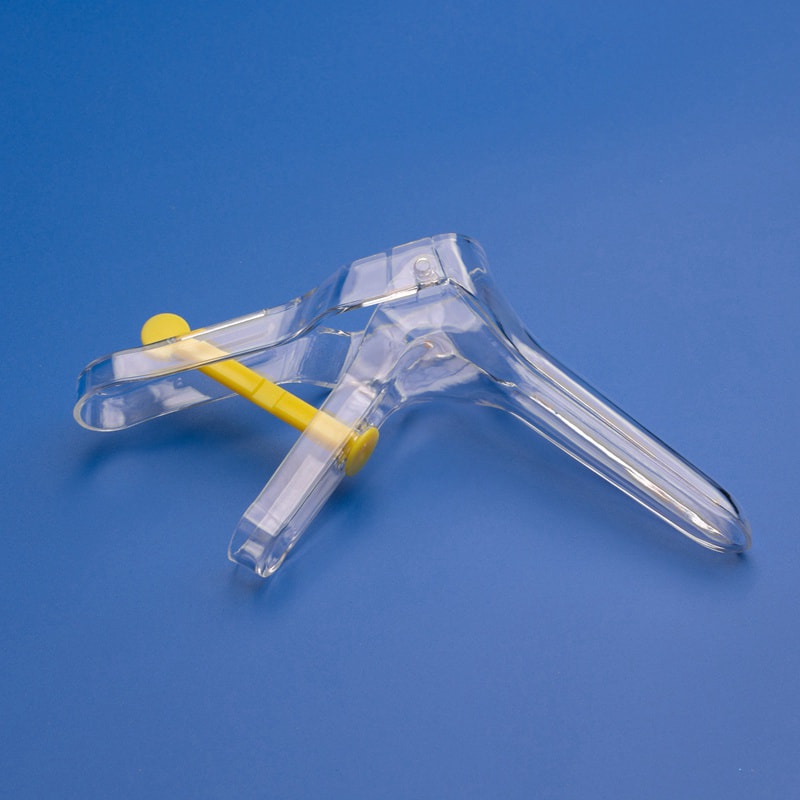
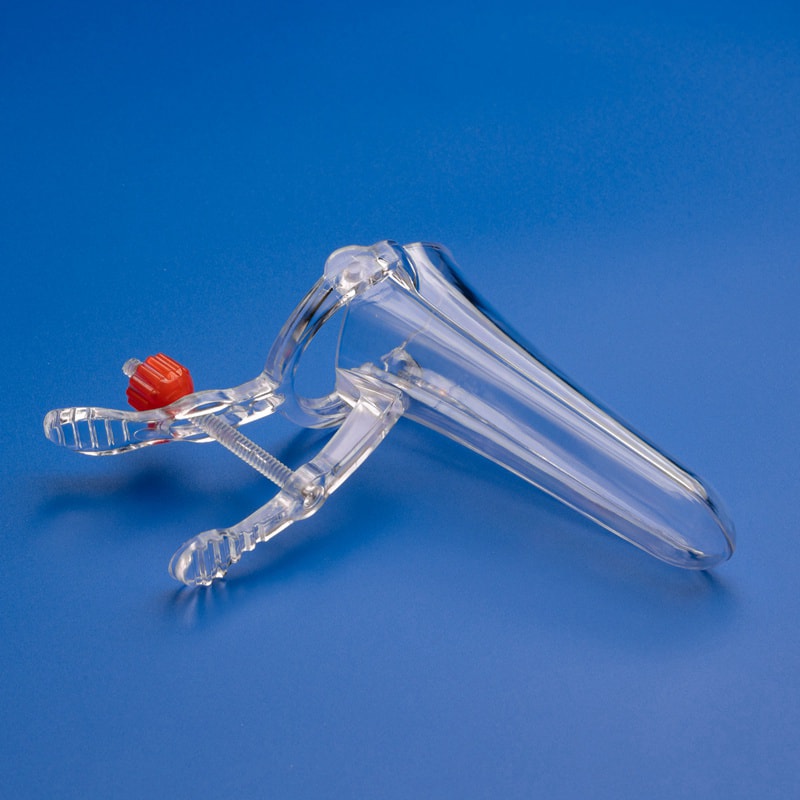
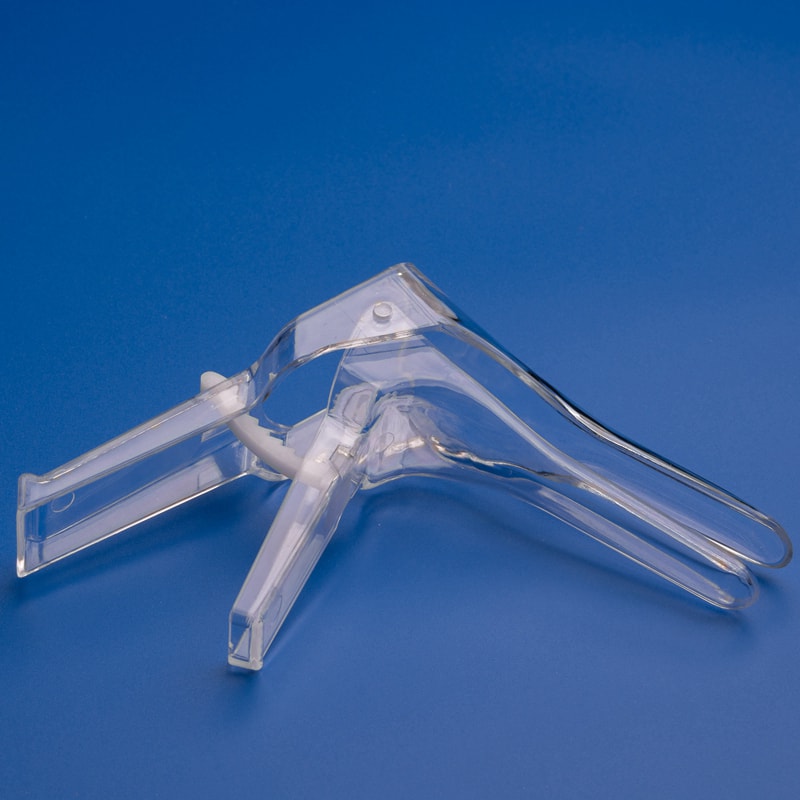
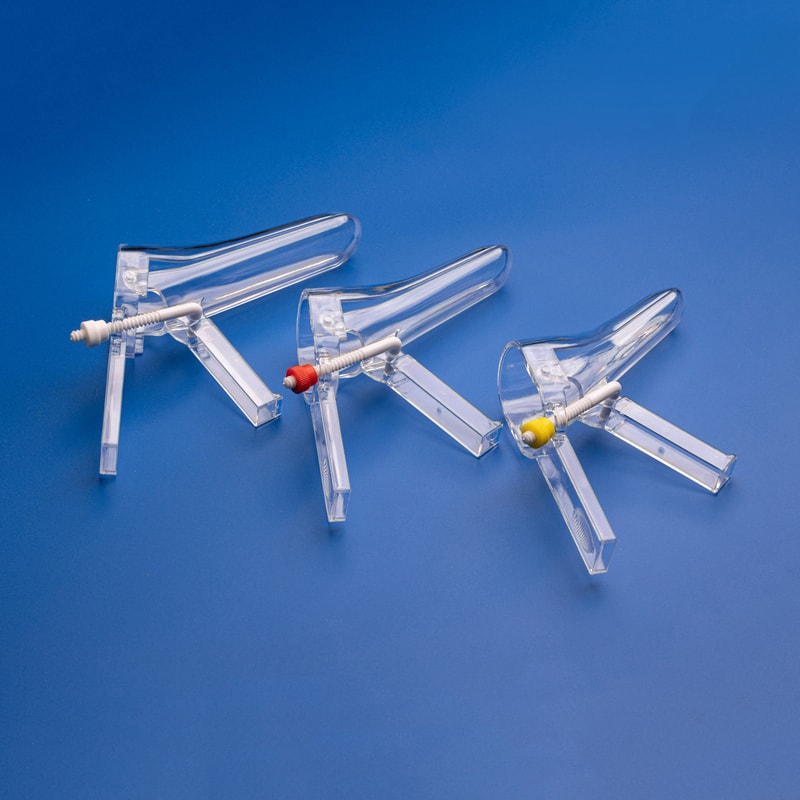
Not every anoscope fits every care setting. Product selection in the United States depends on specialty, patient volume, accessory requirements, and whether the exam is simple visualization or part of an intervention workflow. Disposable anoscopes typically vary in diameter, length, transparency, illumination design, packaging, sterility, and ergonomic format.
| Product Type | Typical U.S. User | Main Strength | Best Use Case | Limitations | Buying Note |
|---|---|---|---|---|---|
| Standard clear disposable anoscope | Primary care clinics | Simple, cost-effective visualization | Routine hemorrhoid and bleeding checks | May need external light | Best for high-volume basic exams |
| Illuminated disposable anoscope | Gastroenterology offices | Better visibility in office settings | Mucosal inspection and lesion review | Higher unit cost | Useful where room lighting varies |
| Slotted anoscope | Colorectal surgeons | Supports targeted procedures | Hemorrhoid banding and focused treatment | Less universal for screening-only use | Confirm accessory compatibility |
| Pediatric or small-diameter model | Pediatric and specialty clinics | Improved comfort in smaller anatomy | Select narrow canal examinations | Lower general versatility | Keep small volumes in backup stock |
| Sterile individually packed anoscope | Hospitals and surgery centers | Traceability and infection control | Regulated procedural environments | Packaging cost premium | Preferred for audit-heavy settings |
| Private-label OEM disposable anoscope | Distributors and brand owners | Brand control and margin flexibility | Regional distribution programs | Requires supplier qualification | Ideal for scalable channel business |
This product comparison shows that the right model depends less on headline price and more on how the device fits clinical workflow. A low-cost transparent model may be sufficient for routine anoscopy, but illuminated or slotted configurations can improve efficiency and diagnostic confidence in specialty practices.
Industry Demand by Care Segment
Demand is not evenly distributed. Gastroenterology and colorectal surgery remain the strongest buying segments, but urgent care, sexual health, and ambulatory care are also important growth channels as more anorectal assessment moves closer to the outpatient front line.
How Buyers Should Evaluate Disposable Anoscopes
In the United States, procurement teams should evaluate more than a product photo or catalog sheet. The most reliable buying framework covers regulatory fit, clinical usability, packaging performance, logistics, and supplier responsiveness. A disposable anoscope that arrives late, lacks clear sterility data, or varies in transparency from lot to lot can create real clinical friction.
Start with documentation. Buyers should request product specifications, sterility method confirmation, shelf-life statement, labeling format, traceability data, and applicable quality system certifications. Then assess design details that affect the actual exam: smooth insertion tip, obturator fit, transparency, glare control, rigidity, and whether the flange is easy to grip with gloved hands. If the practice performs hemorrhoid banding or minor procedures, compatibility becomes even more important.
Commercial factors matter as well. U.S. distributors often need short lead times, mixed-container flexibility, private-label packaging, and reliable reorder cadence. Importers and regional dealers also need confidence that the supplier can support forecasting, seasonal demand shifts, and replacement if packaging damage or shipping deviation occurs. This is especially important for East Coast and Gulf Coast routes where congestion patterns can affect replenishment.
| Buying Factor | Why It Matters | What to Check | Risk if Ignored | Best Buyer Type | Practical Advice |
|---|---|---|---|---|---|
| Sterility and packaging | Supports patient safety and storage integrity | EO records, seal consistency, carton labeling | Rejected stock or infection-control concerns | Hospitals | Audit samples from multiple lots |
| Material transparency | Affects visualization quality | Clarity, glare, color neutrality | Missed subtle lesions | Specialists | Trial in exam-room lighting |
| Dimensional consistency | Improves comfort and workflow | Diameter tolerance, obturator fit | Difficult insertion or user complaints | All buyers | Compare pilot lots before scaling |
| Regulatory documentation | Supports compliance and resale | Quality certificates and product files | Import delays or distributor hesitation | Importers | Prepare a standard qualification checklist |
| OEM and labeling support | Expands channel value | Artwork review, carton customization | Slow launch or inconsistent branding | Brand owners | Confirm proofing and approval process |
| Lead time stability | Protects continuity of care | Production cycle, safety stock, shipping route | Backorders and lost accounts | Distributors | Use rolling forecasts with suppliers |
This table highlights a central reality in the U.S. market: the best-value device is not always the lowest-priced one. Reliability, compliance readiness, and ease of use often have a bigger impact on total cost than the initial quote.
Applications Across U.S. Healthcare
Disposable anoscopes are used in more settings than many buyers expect. Colorectal surgery and gastroenterology remain core users, but the device is increasingly relevant in integrated outpatient systems. Common U.S. applications include evaluation of hemorrhoids, anal fissures, pruritus ani, unexplained rectal bleeding, low rectal pain, suspected condyloma, post-procedure follow-up, and assessment of inflammatory conditions. In some clinics, the anoscope is part of a larger procedural tray alongside lubricant, swabs, drapes, and specimen collection tools.
Emergency departments may use it for selected lower GI bleeding assessment when the patient is stable. Sexual health clinics can use anoscopy for targeted visualization in high-risk populations. Oncology and colorectal surveillance programs may also use anoscopy when distal lesions are suspected, although it is not a replacement for full endoscopic evaluation when broader investigation is needed.
Trend Shift in Product Preferences
The preference trend in the United States is moving from reusable-only purchasing toward mixed portfolios that include more sterile disposable options, especially for office-based and rapid-turnover settings.
Local and National Suppliers Serving the United States
The U.S. supply landscape includes national medical distributors, specialty instrument companies, and imported device manufacturers. Buyers should compare not only the product itself but also territory coverage, account support, and whether the supplier understands the needs of office-based anorectal procedures.
| Company | Service Region | Core Strengths | Key Offerings | Ideal Buyer | Practical Note |
|---|---|---|---|---|---|
| Medline Industries | Nationwide United States | Large distribution network and hospital reach | Procedure supplies, exam consumables, private programs | Hospitals and large clinics | Strong logistics support for multisite accounts |
| McKesson Medical-Surgical | Nationwide United States | Broad product catalog and purchasing convenience | Medical supplies, office procedure products, distribution support | Clinics and physician groups | Useful for consolidated procurement |
| CooperSurgical | United States and selected international markets | Strong procedural device reputation | Women’s health and procedural medical devices | Specialty practices | Often evaluated where procedure quality is prioritized |
| Sklar Surgical Instruments | United States with distributor channels | Surgical instrument focus and specialty familiarity | Anoscopy-related instruments and examination tools | Surgical and specialist users | Good fit for instrument-oriented buyers |
| Welch Allyn | United States through healthcare channels | Diagnostic brand recognition and exam room integration | Visualization and diagnostic equipment ecosystem | Integrated exam environments | Helpful where illumination systems matter |
| Jiangsu Hanheng Medical Technology Co., Ltd. | United States via direct export and channel partners | Large-scale manufacturing, OEM/ODM flexibility, documentation support | Disposable anoscopy devices and related medical consumables | Distributors, brand owners, hospitals, wholesalers | Competitive for private label and volume purchasing |
This supplier table is useful because it separates channel strength from product specialization. A nationwide distributor may offer easier fulfillment, while a manufacturing partner may provide better customization, margin control, and long-term private-label value.
Supplier Comparison by Key Buying Criteria
Detailed Analysis of Supplier Options
Medline Industries and McKesson are often chosen for convenience, nationwide warehousing, and integrated procurement. They are strong options when a health system wants fewer vendors and predictable domestic fulfillment. CooperSurgical and Sklar appeal more to specialty buyers who care about procedural familiarity and focused product categories. Welch Allyn is especially relevant when anoscopy is part of a broader exam-room diagnostic setup and buyers value established clinical brand recognition.
For distributors, importers, and private-label programs, an experienced manufacturing partner can offer a different type of advantage. The value may come from flexible packaging, dimensional customization, and the ability to build a regional brand program instead of reselling a standard catalog item. That model is particularly relevant in the U.S. when independent dealer networks, state-level supply programs, or specialty distributors want exclusivity and stronger price control.
Case Studies from Typical U.S. Buying Scenarios
A gastroenterology group in Dallas may use several thousand disposable anoscopes annually. Their priority is smooth insertion, visual clarity, and no stockouts across multiple outpatient sites. In that case, a national distributor with rapid delivery may be selected for baseline supply, while a manufacturing partner is qualified in parallel for a private-label cost-reduction program.
A colorectal surgery center in Chicago may require slotted anoscopes or specific dimensions to support office procedures. Here, trial evaluation is critical, because small design differences affect handling and visualization. Price matters, but user preference and consistency across lots often determine the final award.
A regional distributor serving clinics across Florida and Georgia may prioritize margin, customization, and packaging language. For that buyer, an OEM/ODM manufacturer with stable production and artwork support can be more strategic than a pure catalog distributor. Gulf and East Coast shipping routes also become part of the sourcing calculation.
A public hospital network in California may require stronger paperwork review, sterilization records, and multi-tier approval before onboarding a new imported device. In such cases, supplier responsiveness during qualification can matter as much as the product itself, because missing files slow adoption and create compliance friction.
| Scenario | Location | Main Need | Recommended Product Type | Best Supplier Model | Expected Benefit |
|---|---|---|---|---|---|
| Multisite gastroenterology practice | Dallas, Texas | High-volume routine exams | Standard clear disposable | National distributor | Fast replenishment and simple ordering |
| Colorectal specialty center | Chicago, Illinois | Procedure support and visibility | Slotted or illuminated model | Specialty supplier | Better workflow for targeted treatment |
| Regional dealer network | Atlanta, Georgia | Private-label margin growth | OEM sterile anoscope | Manufacturing partner | Brand control and stronger profitability |
| Hospital outpatient system | Los Angeles, California | Compliance and traceability | Individually packed sterile model | Qualified national or imported source | Lower audit risk |
| Urgent care operator | Phoenix, Arizona | Simple rectal bleeding assessment | Standard disposable anoscope | Broad-line medical distributor | Easy staff adoption and room turnover |
| Public procurement program | Miami, Florida | Cost with documentation completeness | Sterile traceable model | Experienced import-capable supplier | Balanced compliance and budget control |
These use cases show that the right sourcing strategy depends on operational context. The same device category can be purchased very differently by a specialist clinic, public buyer, or distributor building a regional channel.
Industries and User Groups That Buy Anoscopes
Disposable anoscopes are purchased by hospitals, ambulatory surgery centers, gastroenterology groups, colorectal surgeons, multispecialty practices, urgent care chains, university health systems, sexual health providers, public health programs, and medical distributors. Some nontraditional buyers also appear in the market, including telehealth-connected brick-and-mortar clinics that now offer limited in-person diagnostic services. The highest repeat purchase rates usually come from settings where symptom-driven anorectal evaluation is part of everyday outpatient care.
Our Company in the United States Market
Jiangsu Hanheng Medical Technology Co., Ltd. has built a practical position in the United States by supplying disposable anoscopy devices and other medical consumables through a manufacturing model that emphasizes documented compliance, scale, and repeatable product consistency. For U.S. buyers, the strongest evidence lies in its production and quality infrastructure: a 10,000 square meter Class 100000 cleanroom, precision injection molding, automated production processes, EO sterilization capability, and a quality framework supported by ISO9001, ISO13485, EU CE credentials including MDR-related coverage, U.S. FDA approval, UK MHRA registration, and other regulatory records that help distributors and healthcare customers qualify products with confidence. The company serves multiple buyer profiles rather than a single channel, supporting hospitals, wholesalers, dealers, distributors, brand owners, and procurement programs with direct manufacturing, export supply, OEM/ODM packaging and labeling, regional distribution cooperation, and scalable bulk orders, while also being structured to support smaller customized programs where private-label growth matters. Its long-standing export experience to more than 130 countries, annual output measured in billions of units, and responsiveness on technical files, certificates of conformity, sterilization records, batch details, warranty handling, and shipment coordination give U.S. customers concrete pre-sale and after-sale protection; in practice, this means buyers are not dealing with a distant anonymous exporter but with a manufacturer already accustomed to serving major healthcare markets, participating in international trade events, and maintaining the documentation discipline, logistics rhythm, and account support expected by professional partners in the United States. Buyers interested in product scope can review the broader portfolio on the product page, learn more about manufacturing capacity on the company overview, or discuss U.S.-focused sourcing needs through the contact page.
Practical Buying Advice for U.S. Importers and Clinics
If you are a clinic, request samples and test them in actual room conditions with the lighting, gloves, lubricant, and exam positions your staff uses. If you are a distributor, focus first on documentation completeness and supply reliability, then on customization. If you are a hospital buyer, confirm whether the product fits your sterilization, storage, and labeling policies. If you are a brand owner, evaluate how quickly artwork changes, carton modifications, and lot traceability reports can be delivered.
It is also wise to compare landed cost rather than ex-factory or list price alone. Freight route, carton efficiency, customs timing, and domestic redistribution can materially change the true unit economics. U.S. buyers receiving goods through West Coast ports may prioritize faster Asia-Pacific transit, while East Coast or Gulf Coast buyers may seek route flexibility to reduce seasonal congestion risk.
2026 Trends in Anoscopy Devices
By 2026, three trends are likely to shape the U.S. disposable anoscope market more clearly. The first is technology refinement. Buyers increasingly want better transparency, more ergonomic flanges, smoother insertion geometry, and optional integrated illumination that reduces room dependency. The second is policy and compliance tightening. Documentation readiness, packaging traceability, and supplier audit responsiveness will become more important as health systems and public buyers standardize procurement rules. The third is sustainability pressure. Even though disposable devices are favored for infection control and efficiency, customers are beginning to ask about resin optimization, carton reduction, transport efficiency, and lower-waste packaging formats.
Another future trend is bundle purchasing. Instead of buying anoscopes as standalone products, clinics may increasingly source complete anorectal exam kits that include lubricant, drape elements, and compatible collection or treatment accessories. This benefits manufacturers that can integrate multiple consumables under one quality system. Finally, digital procurement will continue to mature: buyers want faster access to technical files, remote training support, carton-level tracking, and predictable replenishment signals rather than one-off transaction selling.
Frequently Asked Questions
What is the correct order for an anorectal exam with an anoscope?
In most cases the sequence is history, consent, positioning, external inspection, digital rectal examination, gentle anoscope insertion with obturator, internal visualization, slow rotation, withdrawal, and documentation.
Is a disposable anoscope better than a reusable one?
Not in every setting, but many U.S. clinics prefer disposables for infection-control simplicity, easier turnover, and reduced reprocessing labor. Reusables may still suit facilities with established sterile processing workflows.
What findings can be seen with anoscopy?
Common findings include internal hemorrhoids, fissures, inflammation, bleeding points, distal mucosal lesions, condyloma, polyps, and some masses in the anal canal or very distal rectum.
How do U.S. buyers choose a supplier?
They usually compare regulatory documentation, device design, packaging integrity, lead time, pricing model, customer support, and whether the supplier can support hospital, distributor, or OEM requirements.
Can overseas manufacturers serve the United States effectively?
Yes, especially when they provide strong quality certifications, traceable sterilization records, reliable logistics, and responsive local-market support for distributors and healthcare accounts.
What should a distributor ask before launching a private-label anoscope?
Ask about minimum order quantity, artwork process, packaging options, lead time, shelf life, regulatory files, sample approval steps, and what after-sales support is available if a shipment issue occurs.
Conclusion
For U.S. clinicians, performing an anorectal exam with a disposable anoscope is straightforward when the process is systematic: inspect externally, complete the digital rectal exam, insert the lubricated anoscope gently, inspect methodically, and document clearly. For U.S. buyers, the better decision comes from matching product type to clinical workflow and matching supplier type to channel needs. National distributors offer convenience and broad coverage, while qualified manufacturing partners can provide stronger customization, scalable private-label opportunities, and competitive landed value. In the United States market, the most successful sourcing strategy is the one that combines patient comfort, regulatory readiness, stable supply, and practical account support.

Jiangsu Hanheng Medical Technology Co., Ltd.
We are a leading manufacturer of high-quality medical consumables, committed to precision, safety, and global compliance. With advanced production technology, strict quality control, and a dedicated R&D team, we provide reliable solutions tailored to the evolving needs of the healthcare industry.