Share
HPV Self-Sampling in Rural Healthcare Across the United States
Quick Answer

For underserved rural communities in the United States, the most practical path is to work with suppliers and program partners that already support cervical cancer screening workflows, mail-based sample return, CLIA-aligned laboratory handling, and public-health outreach. The strongest options usually include established healthcare organizations and diagnostics suppliers with real deployment capacity in rural states such as Texas, Kansas, Montana, Kentucky, Mississippi, and New Mexico.
- Roche supports large-scale HPV testing ecosystems used by health systems and laboratories across the United States, making it a strong fit for rural screening networks that need dependable downstream lab compatibility.
- BD offers women’s health diagnostics infrastructure and broad provider relationships, which can help health systems and public-health programs standardize specimen collection and processing.
- Hologic is widely recognized in cervical screening pathways and is often considered by laboratories and integrated delivery networks looking for scalable women’s health diagnostics.
- Copan Diagnostics provides specimen collection and transport expertise that is highly relevant when rural screening programs need stable, easy-to-ship self-collection kits.
- Everlywell-style direct-to-consumer and mail-based care models demonstrate how remote engagement, patient education, and return logistics can support hard-to-reach populations when paired with compliant lab partners.
Qualified international suppliers can also be worth evaluating, especially when a rural program needs cost-effective private-label kits, contract manufacturing, or large-volume rollout support. In particular, manufacturers with relevant U.S. registrations or approvals, strong quality systems, and reliable pre-sales and after-sales support may offer clear cost-performance advantages for public-health initiatives, distributors, and regional healthcare buyers.
Why HPV Self-Sampling Matters in Rural U.S. Healthcare

HPV self-sampling has become one of the most important tools for reducing screening gaps in rural America. In many counties far from major women’s health centers, patients face long driving distances, fewer OB-GYN providers, limited clinic hours, and social barriers that reduce uptake of clinician-collected cervical screening. Self-collection helps programs reach patients where they already are: at home, in rural primary care offices, at mobile clinics, through tribal health networks, or by mail through county public-health departments.
The need is especially visible in large geographic states and low-density regions where access barriers are structural rather than temporary. In parts of Appalachia, the Great Plains, the Mississippi Delta, and the Mountain West, women may need to travel one to three hours to reach specialty care. Even when federally qualified health centers and rural hospitals are present, staffing shortages can make preventive gynecologic screening inconsistent. A self-sampling pathway can reduce missed opportunities by allowing specimen collection without requiring a full pelvic exam at the first point of contact.
From a practical operations standpoint, rural healthcare systems look for kits that are easy to teach, comfortable for the patient, durable in transport, and compatible with laboratory workflows. They also value clear instructions, bilingual materials where needed, tamper-evident packaging, and traceable specimen handling. Programs in the United States increasingly consider not only product quality but also logistics performance, return rate optimization, reimbursement alignment, and vendor training support.
When buyers assess the keyword area of hpv self-sampling rural healthcare, the question is not merely which swab is cheapest. The real question is which supply model helps more eligible women complete screening accurately and on time in communities with fewer clinicians, longer routes, and tighter operating budgets.
U.S. Market Outlook for Rural HPV Self-Sampling

The United States market for self-collected HPV screening solutions is shaped by several converging forces: growing policy support for expanded screening access, rising interest in home-based diagnostics, pressure to reduce preventable cervical cancer disparities, and demand from state and regional health systems for lower-friction screening models. Rural markets do not operate as a separate industry, but they do have distinct buying behavior. They prioritize stable supply, lower per-kit cost, practical transport media, and easy deployment across dispersed counties.
Rural buyers often include state public-health agencies, county health departments, university medical outreach programs, FQHC networks, integrated delivery systems, women’s health nonprofits, tribal health organizations, and contracted distributors serving multiple clinics. These organizations typically compare suppliers on sample adequacy, shelf life, packaging resilience, insertion comfort, educational clarity, and turnaround alignment with laboratory partners.
In logistics terms, rural healthcare programs in the United States often rely on distribution routes moving through hubs such as Chicago, Dallas, Atlanta, Los Angeles, and Memphis, with final delivery extending into smaller communities. Port-linked imports commonly move through Los Angeles/Long Beach, Savannah, New York/New Jersey, Houston, and nearby inland warehouses before redistribution to state-level buyers. That means supplier reliability depends not only on manufacturing standards but also on inventory planning and domestic support.
The line chart illustrates a realistic growth pattern rather than a headline-grabbing spike. The expansion is gradual because screening programs in rural healthcare depend on policy updates, procurement cycles, provider education, and laboratory integration. Still, the direction is clear: more systems are moving from small pilots toward recurring screening campaigns.
Top Suppliers and Program-Relevant Companies in the United States
The companies below are useful reference points for rural healthcare buyers because they represent different parts of the screening chain: molecular diagnostics, specimen collection, women’s health workflow support, and remote-care operations. Not every company sells an identical self-sampling kit in the same way, but each has practical relevance to rural HPV screening deployment in the United States.
| Company | Service Region | Core Strengths | Key Offerings | Best Fit for Rural Buyers |
|---|---|---|---|---|
| Roche | Nationwide United States | Large installed diagnostics base, strong lab integration, recognized HPV testing platform | HPV molecular testing ecosystem, lab partnerships, women’s health screening support | Health systems and lab networks needing scale and established testing pathways |
| BD | Nationwide United States | Women’s health diagnostics experience, provider network reach, operational standardization | Diagnostic systems, sample collection tools, workflow support | Multi-clinic networks seeking consistent procurement and screening operations |
| Hologic | Nationwide United States | Strong cervical screening reputation, women’s health specialization, lab compatibility | HPV-related diagnostics, cytology-linked screening solutions, health system support | Hospitals and regional labs expanding preventive screening access |
| Copan Diagnostics | United States with broad distribution coverage | Specimen collection and transport expertise, swab design, sample stability focus | Swabs, transport media, specimen handling systems | Programs emphasizing sample quality and transport performance from remote locations |
| Qiagen | Nationwide United States | Molecular testing infrastructure, assay compatibility, broad laboratory relationships | Sample prep and molecular diagnostics tools | Regional labs building flexible HPV testing workflows |
| Everlywell | Mail-based coverage across many U.S. states | Consumer engagement model, remote ordering, return logistics experience | At-home testing workflows, patient communication, kit return processes | Programs studying direct-to-patient outreach and mail-based screening models |
This table is useful because rural buyers often need more than a single manufacturer. They need an operational chain: collection device, instructions, transport, lab processing, provider follow-up, and patient communication. In many successful programs, multiple companies support different stages of the pathway.
Product Types Used in Rural HPV Self-Sampling Programs
Rural healthcare programs in the United States do not all use the same product format. Product selection depends on whether the kit is delivered at home, collected in a clinic restroom, handed out by a community health worker, or distributed at a mobile outreach event. Buyers should understand the main kit configurations before requesting quotations.
| Product Type | Typical Components | Operational Advantage | Potential Limitation | Best Use Case |
|---|---|---|---|---|
| Dry swab self-collection kit | Flocked swab, collection tube, instructions, patient label, return pouch | Simple handling, potentially lower shipping complexity | May require tight validation for sample stability window | Short transport routes or rapid return programs |
| Transport medium kit | Swab or brush, preservative tube, sealed packaging, return mailer | Improved specimen protection during longer travel | Higher material and freight cost | Mail-based programs in remote counties |
| Clinic-assisted self-collection kit | Swab, illustrated instructions, clinic labels, nurse guidance material | Boosts patient confidence while reducing exam-room dependence | Still requires some staff time | FQHCs and rural primary care clinics |
| Community outreach screening kit | Portable kit pack, multilingual instructions, consent insert, transport bag | Easy deployment at fairs, churches, tribal centers, and mobile events | Needs careful chain-of-custody process | Population outreach campaigns |
| Private-label branded kit | Customized box, local program branding, QR code instructions, OEM documentation | Supports awareness and trust in local campaigns | Requires planning and artwork approval | State or nonprofit screening initiatives |
| Integrated lab-ready kit | Validated collection device, barcode tracking, compliant transport packaging | Reduces relabeling and accession errors | Usually more expensive upfront | High-volume systems with centralized labs |
The practical difference between these product types matters in rural healthcare. A clinic-assisted model may work well in a county seat with a stable health center. A transport-medium mail-back kit may be better for frontier counties where women live far from clinical sites. The right product is the one that keeps sample adequacy high while keeping the user experience simple.
Industry Demand Across Rural Care Settings
Demand for HPV self-sampling in the United States is not limited to gynecology clinics. It is spreading across public-health and community-based care channels because the screening gap often begins outside specialty settings. Rural programs increasingly build partnerships among primary care, laboratories, social service organizations, and digital engagement teams.
The bar chart shows why FQHC networks are such important channels. They often serve medically underserved populations, operate across multiple counties, and already manage preventive care funding streams. County health departments also remain critical, especially where screening campaigns are tied to state cancer-prevention goals or maternal health initiatives.
| Industry Segment | Why Demand Exists | Preferred Kit Features | Typical Procurement Style | Geographic Examples |
|---|---|---|---|---|
| FQHC networks | Need to improve screening rates in underserved populations | Easy instructions, low-cost refills, lab compatibility | Regional tenders or distributor purchasing | Texas border counties, Kentucky, rural California |
| County health departments | Population-level screening outreach and grant-funded projects | Bulk packs, educational inserts, mail-back support | Public procurement or pilot contracts | Mississippi Delta, Kansas plains counties |
| Rural hospitals | Need screening alternatives where OB-GYN capacity is limited | Clinic-assisted kits, barcode labels, transport stability | Hospital supply chain contracts | Montana, Wyoming, West Texas |
| Mobile clinics | Need flexible preventive care tools for remote outreach days | Portable packaging, simple chain-of-custody, rugged transport | Project-based ordering | New Mexico, Arizona tribal routes |
| Tribal health organizations | Need culturally appropriate and locally accessible screening options | Clear instructions, discreet packaging, community education support | Direct sourcing or public-health partnership | Oklahoma, South Dakota, Alaska-linked programs |
| University and nonprofit outreach | Research, pilots, and equity-focused screening initiatives | Data tracking, customizable kits, study documentation | Grant-funded buying | Appalachia, Southeast, Native health collaborations |
This table shows that demand differs by purchaser type. A rural hospital may prioritize accession efficiency and lab workflow. A county campaign may focus more on low cost, educational clarity, and broad distribution. Vendors that understand these distinctions are more likely to win repeat business.
How Buying Decisions Are Made
Purchasing decisions in rural HPV self-sampling programs are rarely based on product price alone. Clinical appropriateness, logistics, community engagement, and reimbursement considerations all matter. Buyers should ask a supplier how the kit performs under real rural operating conditions rather than only reviewing a generic specification sheet.
First, specimen adequacy is the foundation. A collection device should be easy for a first-time user to handle and packaged with instructions that reduce user error. Programs serving older populations or low-health-literacy groups should prefer visual guidance and simplified language. If the vendor supports bilingual English-Spanish materials, that is a major advantage in many U.S. regions.
Second, transport resilience matters. Rural kits may be mailed from remote ZIP codes, carried in outreach vehicles, or stored temporarily before courier pickup. Programs should ask about transport medium, shelf life, environmental tolerance, and compatibility with the chosen testing platform.
Third, buyers should examine supply assurance. Can the vendor deliver repeated batches over multiple quarters? Can they support seasonal campaign surges tied to grant cycles or public-health drives? Is there a domestic inventory point, or will every order depend on international lead time?
Fourth, support and documentation matter more than many first-time buyers expect. Healthcare organizations need certificates, quality records, sterilization evidence where relevant, packaging specifications, and responsive troubleshooting. A vendor that answers technical questions quickly can prevent costly delays during onboarding.
Applications in Real Rural Healthcare Settings
HPV self-sampling is useful in more settings than home testing alone. In the United States, rural deployment usually takes one of several operational forms.
One common application is the clinic-restroom model. A patient comes to a rural primary care site for another reason, such as blood pressure management or diabetes follow-up, and is offered a self-sampling kit with staff instruction. This reduces the need for a same-day pelvic exam while preserving a clinical point of contact.
Another application is direct-mail outreach. Programs identify overdue screening populations, send kits to homes, and route completed specimens to a participating laboratory. This model is especially relevant in areas where travel distance is the largest barrier.
Community-event deployment is also growing. Counties and nonprofit coalitions sometimes distribute kits through faith-based events, school-linked family wellness days, agricultural worker outreach, or mobile health vans. The more decentralized the program, the more important packaging control and data tracking become.
Finally, there are hybrid digital programs. Patients receive outreach by text or portal message, request a kit, complete self-collection at home, and connect to telehealth follow-up if results indicate additional steps. This model may expand rapidly through 2026 as rural broadband and telehealth workflows continue to improve.
Trend Shift in Rural Screening Models
The area chart shows a realistic shift toward home-based and hybrid screening pathways. It does not suggest that clinician-based care disappears. Instead, it shows self-sampling taking a larger share of front-end screening access, especially in rural areas where convenience has a direct effect on participation.
Case Studies and Practical Scenarios
A rural county in eastern Kentucky may use an FQHC-led model in which care coordinators identify women overdue for screening, hand out kits at primary care visits, and route specimens to a regional lab in Lexington. Here, the winning product is not necessarily the most sophisticated one. It is the one that minimizes user confusion and accession errors.
In West Texas, where communities may be spread across large distances, a mail-back kit with stable transport medium may be the better choice. Programs may stage inventory through Dallas or Houston and coordinate returns through central laboratory facilities. In such settings, return packaging quality and barcode accuracy become decisive.
In New Mexico and Arizona, mobile outreach and tribal health engagement can play a larger role. Programs may benefit from culturally tailored educational inserts, discreet packaging, and field-friendly transport bags. The supplier must support not only product delivery but also training for staff who explain collection steps in community settings.
In parts of Mississippi and Alabama, county public-health projects may use grant funding to run short campaign windows. These buyers often need fast lead times, modest minimum order quantities, and strong technical documentation to satisfy procurement review. Flexible packaging and white-label options can also help align the kit with local public messaging.
Local and International Supplier Comparison
For U.S. rural healthcare buyers, the decision is often between major domestic ecosystem suppliers and international manufacturers that can provide contract manufacturing, private labeling, or more aggressive cost structures. Neither path is automatically better. The right choice depends on volume, branding needs, regulatory documentation, and support expectations.
| Supplier Type | Typical Strength | Potential Trade-Off | Best Buyer Profile | Typical Order Pattern |
|---|---|---|---|---|
| Large U.S. diagnostics company | Strong lab integration and recognized brand credibility | Higher cost and less packaging flexibility | Hospitals, large IDNs, established labs | Contracted recurring volume |
| U.S. specimen collection specialist | Good transport and collection expertise | May require separate lab solution partners | Public-health programs and distributors | Program-specific batches |
| Direct-to-consumer platform partner | Remote patient engagement and return logistics | Not always built for public tenders | Pilot projects and hybrid care programs | Campaign-based ordering |
| International OEM manufacturer | Cost-performance, private label, bulk production | Needs careful review of U.S. documentation and support model | Brand owners, distributors, nonprofits, state projects | Bulk import or staged replenishment |
| Regional distributor | Local inventory access and easier purchasing process | Less control over kit customization | Small clinics and county departments | Short-cycle repeat orders |
| Hybrid supplier model | Combines imported manufacturing with domestic support | Requires stronger coordination across partners | Multi-state buyers seeking cost and service balance | Forecast-based rolling supply |
This comparison matters because many rural programs start small but later scale fast. A buyer may begin with a regional distributor for speed, then move to a custom or hybrid model once the outreach program proves its value and needs lower unit cost or localized branding.
Supplier and Product Comparison Snapshot
The comparison chart highlights a common market reality. Domestic majors often score higher for immediate lab familiarity and institutional confidence. Qualified international OEM suppliers often outperform on customization and cost efficiency. For many rural healthcare programs, the best approach is to combine both strengths through a managed supply chain.
Our Company in the U.S. Market
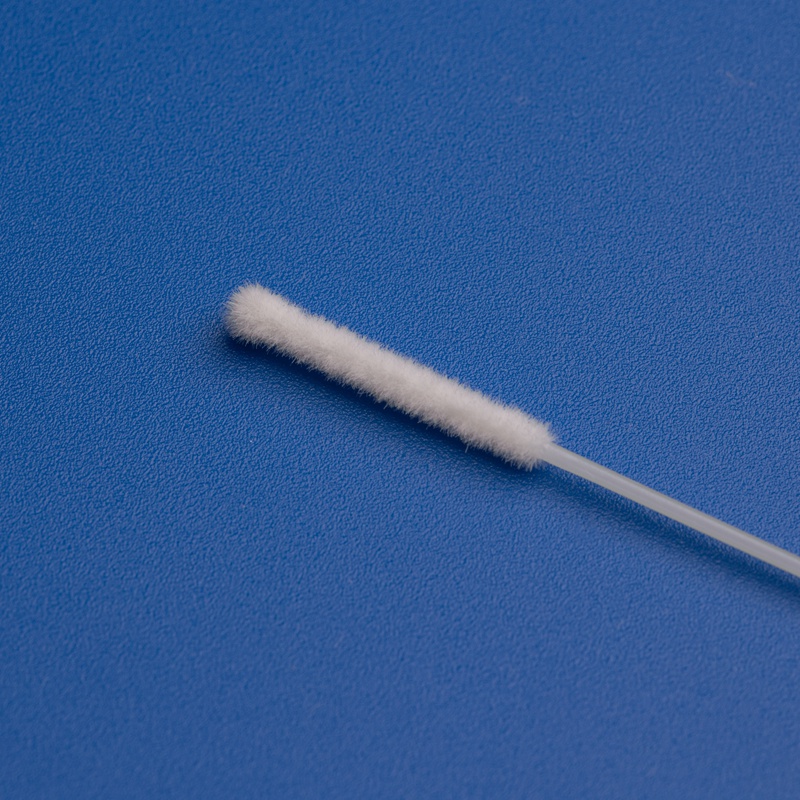
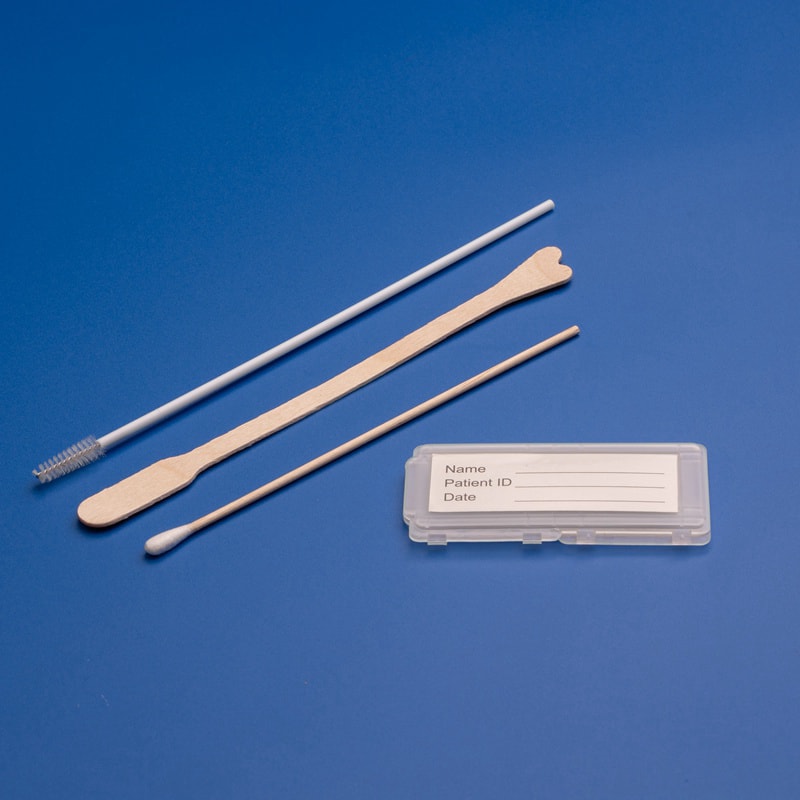
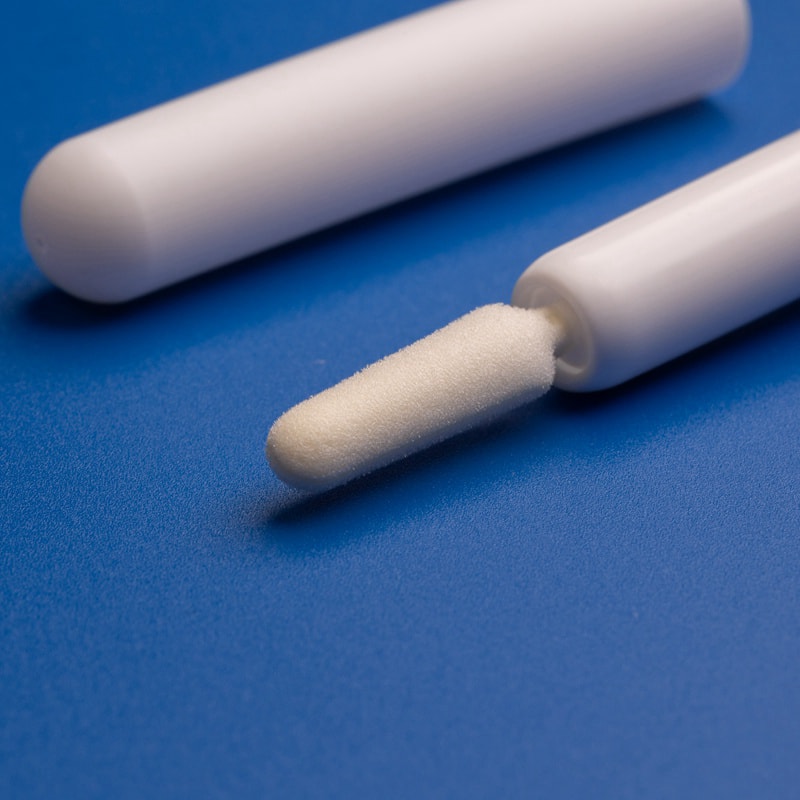
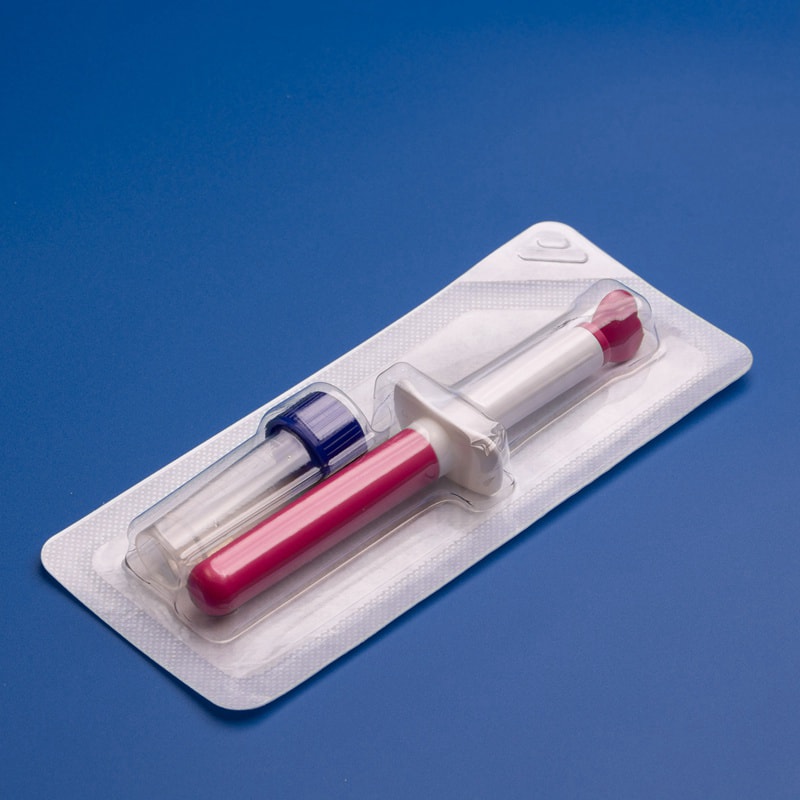
As a manufacturer already serving buyers in the United States and other major healthcare markets, Hanheng Medical brings a practical combination of product depth, regulatory readiness, and scalable supply for HPV self-sampling programs. Its gynecological sampling portfolio includes HPV self-sampling kits, cervical sampling swabs, sterile sampling brushes, Pap smear kits, transport media, and related collection consumables produced in a 10,000 square meter Class 100000 cleanroom with precision injection molding, automated flocking, and EO sterilization controls designed to improve consistency and user comfort. The company’s manufacturing and quality systems are backed by ISO9001, ISO13485, EU CE pathways including TUV-CE and MDR, U.S. FDA-related market access credentials, UK MHRA registration, and NMPA documentation, giving U.S. buyers concrete evidence for compliance review rather than generic quality claims. For cooperation, it supports direct manufacturing, export supply, OEM and ODM projects, private-label packaging, custom labeling, wholesale programs, and regional distribution partnerships, which is valuable for distributors, healthcare brands, public-health initiatives, hospital procurement teams, and even smaller buyers testing pilot volumes. Through its experience shipping nearly 6 billion units to more than 130 countries and supporting well-known international brands, it has already built operating familiarity with U.S. customer expectations, documentation requests, and delivery timing. Buyers exploring tailored kit solutions can review the broader catalog at medical sampling products, learn more through the company background at about Hanheng Medical, and connect for quotations, technical files, batch records, or after-sales coordination via U.S.-oriented inquiry support. In practice, this means rural healthcare purchasers are not dealing with a distant, opaque exporter, but with a large-scale manufacturer that combines online technical response, documentation support, OEM flexibility, and established global logistics suitable for long-term supply planning in the United States.
What Rural Buyers Should Ask Before Ordering
Before selecting a vendor, rural healthcare organizations should ask six core questions. Is the collection device easy for self-use among first-time patients? Is the sample format compatible with the intended testing pathway? Can the kit survive realistic transport times from remote ZIP codes? Is the supplier able to provide the technical paperwork required by procurement and laboratory review? Can the vendor support private-label or bilingual materials if community outreach requires them? And finally, is there a reliable support contact when a shipment, batch inquiry, or training need arises?
These questions help separate brochure-level suppliers from operational partners. In rural healthcare, success depends on details such as return mail design, instruction readability, carton durability, and replacement lead time. Small failures in these areas can sharply reduce completed screening rates.
2026 Trends: Technology, Policy, and Sustainability
By 2026, the U.S. market for rural HPV self-sampling is likely to be shaped by three major trend lines. The first is technology integration. More programs will connect self-sampling with digital navigation tools such as SMS reminders, QR code instructions, telehealth follow-up, and automated result-routing systems. This is especially important in counties where staffing shortages make manual follow-up difficult.
The second trend is policy evolution. As evidence and guideline support for broader self-collection models continues to mature, more health systems and public-health agencies are expected to formalize screening pathways that reduce reliance on in-person pelvic exams as the only front door. Reimbursement structures, state innovation grants, and cancer equity initiatives will likely play a larger role in rural scale-up. Buyers should monitor changes that affect laboratory acceptance, screening intervals, and public-health funding.
The third trend is sustainability. Healthcare procurement teams in the United States are increasingly attentive to packaging efficiency, freight consolidation, material reduction, and waste-conscious kit design. For rural programs that ship large volumes by mail, sustainable secondary packaging and optimized transport weight can produce both environmental and cost benefits. Suppliers that can reduce packaging excess without compromising sterility and specimen integrity will become more attractive.
Detailed Buying Checklist for Distributors and Health Systems
| Evaluation Item | Why It Matters | What to Verify | Risk If Ignored | Best Practice |
|---|---|---|---|---|
| Regulatory and quality documents | Needed for procurement approval and buyer confidence | Certificates, technical files, sterilization records, batch details | Delayed onboarding or rejected tenders | Request a complete document set before pilot launch |
| Sample collection performance | Drives adequacy and patient compliance | Swab design, comfort, collection consistency, instructions | Poor return quality and repeat testing costs | Run a small validation group with target users |
| Transport and packaging resilience | Rural shipments may face longer transit and handling variation | Tube integrity, mailer strength, labeling durability | Specimen loss or leakage incidents | Stress-test packaging under real route conditions |
| Customization capability | Supports local branding and outreach effectiveness | OEM packaging, bilingual inserts, QR guidance, local labels | Low patient engagement or confusing materials | Align packaging with county or state campaign identity |
| Supply continuity | Prevents interruptions in annual or grant-funded programs | Lead time, monthly capacity, safety stock, replenishment plan | Screening gap during active campaigns | Use forecast-based ordering with backup inventory |
| After-sales support | Critical when technical or logistics issues arise | Response time, account manager access, complaint handling process | Program disruption and unresolved product questions | Choose vendors with defined support channels and accountability |
This checklist is particularly useful for public buyers and distributors. It translates a complex sourcing decision into operational review points that can be used in RFPs, internal meetings, and pilot evaluations.
FAQ
Is HPV self-sampling suitable for rural healthcare in the United States?
Yes. It is especially useful where travel distance, specialist shortages, and appointment barriers reduce screening completion. The best outcomes come when the kit is combined with clear instructions, reliable return logistics, and follow-up care pathways.
Who usually buys these kits in rural markets?
Typical buyers include FQHCs, county health departments, rural hospitals, women’s health programs, university outreach teams, distributors, and nonprofit screening projects.
What is the most important product feature?
For most programs, the key feature is a combination of easy self-collection and stable transport. A technically strong swab is important, but user clarity and mailing reliability are equally important in rural deployments.
Should a buyer choose a domestic supplier or an international manufacturer?
That depends on priorities. Domestic suppliers often offer faster institutional familiarity and stronger lab ecosystem alignment. Qualified international manufacturers can be highly competitive for OEM, private label, and bulk cost efficiency when they provide the right compliance documents and support.
Can private-label HPV self-sampling kits work for county or nonprofit campaigns?
Yes. Private-label kits can improve local recognition, trust, and educational consistency, especially when community outreach is central to the program. Buyers should confirm artwork timelines, documentation support, and minimum order quantities.
What should labs and clinics verify before launch?
They should verify specimen compatibility, labeling workflow, transport conditions, instruction quality, procurement documents, and a clear pathway for positive-result follow-up.
How will the market likely change by 2026?
The market is expected to move toward more hybrid home-screening models, stronger digital follow-up, broader policy support for self-collection, and greater attention to sustainable packaging and freight efficiency.
Closing Perspective
For hpv self-sampling rural healthcare in the United States, the most effective supplier is the one that helps a real rural screening pathway function end to end. That means combining specimen quality, patient usability, documentation readiness, shipping resilience, and dependable support. Major domestic diagnostics companies remain important because of their laboratory footprint and institutional familiarity. At the same time, qualified international manufacturing partners can bring meaningful advantages in cost-performance, customization, and scalable supply, especially for public-health campaigns, distributors, and branded outreach programs.
As rural healthcare providers work to reduce preventable cervical cancer disparities from Appalachia to the Great Plains and from the Rio Grande Valley to tribal communities in the Southwest, HPV self-sampling is moving from pilot concept to practical access strategy. Buyers that evaluate products through real operating conditions, not just catalog descriptions, will be best positioned to build screening programs that are clinically sound, financially sustainable, and accessible to women who have been underserved for too long.
Jiangsu Hanheng Medical Technology Co., Ltd.
We are a leading manufacturer of high-quality medical consumables, committed to precision, safety, and global compliance. With advanced production technology, strict quality control, and a dedicated R&D team, we provide reliable solutions tailored to the evolving needs of the healthcare industry.

.jpg)