.jpg)
Share
Soft Bristle Cervical Cytology Brush Suppliers in the United States
Quick Answer

If you need a soft bristle cervical cytology brush in the United States, the most practical suppliers to evaluate first are CooperSurgical, MedGyn Products, Puritan Medical Products, Thomas Medical, and McKesson distribution channels for gynecology sampling lines. These companies are relevant because they already serve hospitals, OB-GYN clinics, pathology labs, outpatient centers, and medical distributors across major US markets such as California, Texas, Florida, New York, Illinois, and the Northeast corridor.
For buyers focused on routine cervical screening, Pap testing workflow, and specimen consistency, CooperSurgical and MedGyn are often shortlisted for broad women’s health portfolios; Puritan is notable for swab and specimen collection manufacturing expertise; Thomas Medical is recognized in gynecologic sampling; and McKesson remains important for procurement access, private distribution reach, and supply chain convenience. In parallel, qualified international manufacturers can also be considered, especially when they hold US-facing regulatory documentation, support OEM or private label programs, and provide reliable technical support before and after shipment. In this category, cost-performance can be favorable for distributors, brand owners, and larger-volume healthcare procurement teams.
US Market Overview

The United States remains one of the most established markets for cervical cytology collection devices because cervical cancer screening is embedded into preventive care pathways across primary care, community women’s health centers, hospital networks, university clinics, and specialized OB-GYN practices. Demand is concentrated in metropolitan regions such as Los Angeles, Houston, Chicago, Miami, Atlanta, Phoenix, Philadelphia, Boston, and Seattle, where screening volume, payer coverage, and lab processing capacity are strong. Procurement is shaped not only by device price, but by compatibility with liquid-based cytology workflows, clinician handling preference, packaging format, sterility requirements, and specimen transport protocols.
Buyers in the US typically do not source cervical sampling tools as isolated commodities. Instead, they assess them as part of an integrated screening process that may include collection brushes, spatulas, preservative media, transport tubes, exam kits, and pathology lab acceptance criteria. This is why manufacturers with broad gynecology portfolios or strong OEM capacity often gain traction. Ports and trade hubs such as Los Angeles/Long Beach, New York/New Jersey, Savannah, Houston, and Chicago air cargo lanes also influence landed cost, replenishment speed, and emergency inventory planning.
Another important feature of the US market is its layered customer structure. Large IDNs and hospital groups prioritize supplier qualification, traceability, batch records, and consistency. Regional distributors want margin protection, private labeling options, and dependable lead times. Independent clinics value ready-to-order packaging and low minimum order quantities. Public health buyers and government-linked procurement teams focus on documentation, quality systems, and sustained availability. That means the best supplier is not always the lowest-cost one; it is usually the one whose product performance, regulatory posture, and service model fit the buyer’s operating environment.
The line chart reflects a realistic growth pattern for the US cervical sampling device segment, showing stable expansion rather than explosive growth. This is consistent with a mature healthcare market where volume increases come from population screening coverage, replacement purchasing, product upgrades, and laboratory standardization rather than sudden new adoption.
Top Suppliers in the United States

The supplier landscape includes direct manufacturers, women’s health specialists, specimen collection manufacturers, and national distributors. The table below is designed to help procurement teams compare companies according to practical purchasing criteria rather than marketing claims.
| Company | Primary US Service Region | Core Strength | Key Offerings | Best Fit Buyer | Practical Note |
|---|---|---|---|---|---|
| CooperSurgical | Nationwide, strong hospital and clinic presence | Women’s health specialization | Cervical sampling devices, OB-GYN tools, procedural products | Hospitals, women’s health networks, large clinics | Good fit when standardizing broader gynecology procurement |
| MedGyn Products | Nationwide distribution | Broad gynecology product line | Cytology brushes, speculums, biopsy and exam products | OB-GYN practices, surgery centers, distributors | Useful for buyers wanting bundled women’s health sourcing |
| Puritan Medical Products | Nationwide, with strong lab and collection market reach | Collection device manufacturing expertise | Medical swabs, specimen collection products, custom programs | Labs, OEM buyers, distributors | Strong option when specimen quality and manufacturing discipline matter most |
| Thomas Medical | US clinical and distributor channels | Gynecologic sampling focus | Cervical brushes, sampling devices, related women’s health products | Clinics, pathology-connected practices | Relevant for buyers prioritizing cervical sampling specialization |
| McKesson | Nationwide logistics network | Distribution scale and procurement convenience | Clinical supplies, women’s health products, medical consumables | Health systems, offices, outpatient networks | Best for easy procurement integration rather than niche manufacturing customization |
| Cardinal Health | Nationwide | Large-scale medical supply distribution | Procedure consumables, private label options, logistics programs | Hospital systems, large group practices | Valuable when purchasing is centralized through national contracts |
This comparison shows why supplier selection in the United States is often less about a single brush design and more about channel strength, product bundling, and support for clinic-to-lab workflows. Manufacturers with strong gynecology expertise are ideal for specialized needs, while national distributors simplify replenishment and contract buying.
Product Types and Selection Criteria
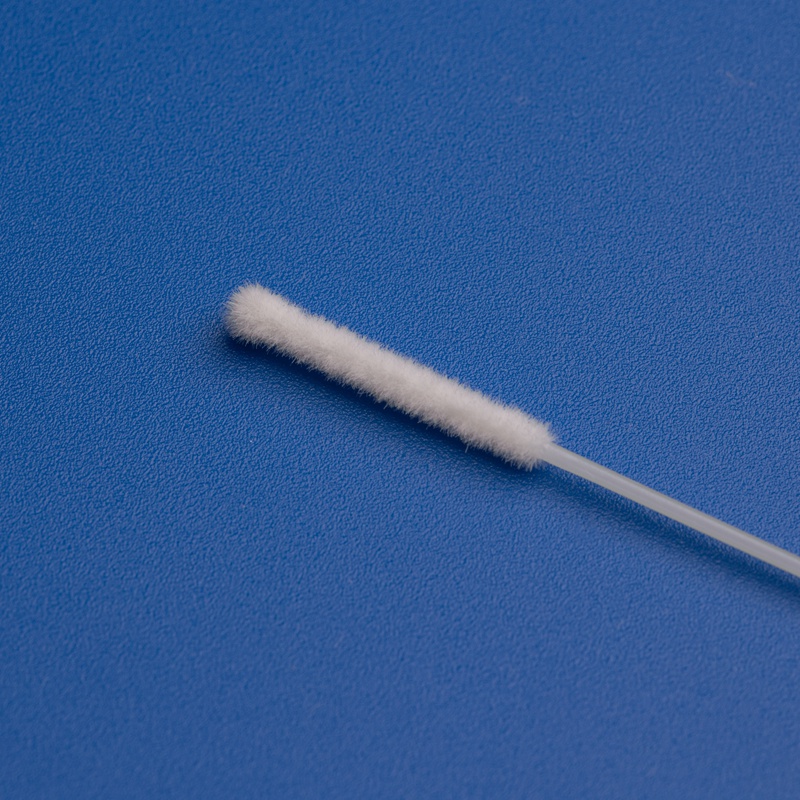
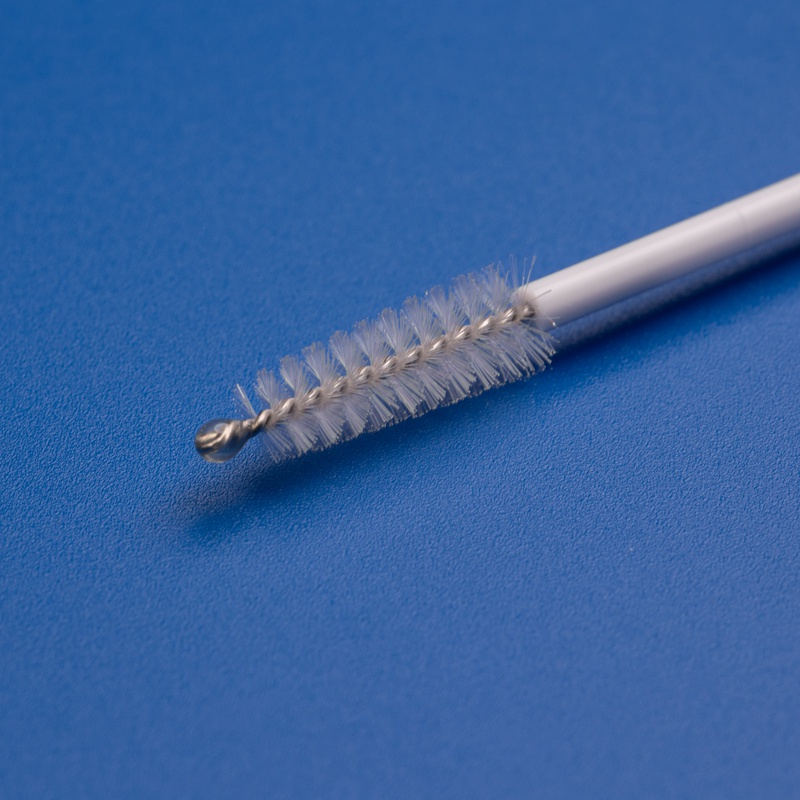
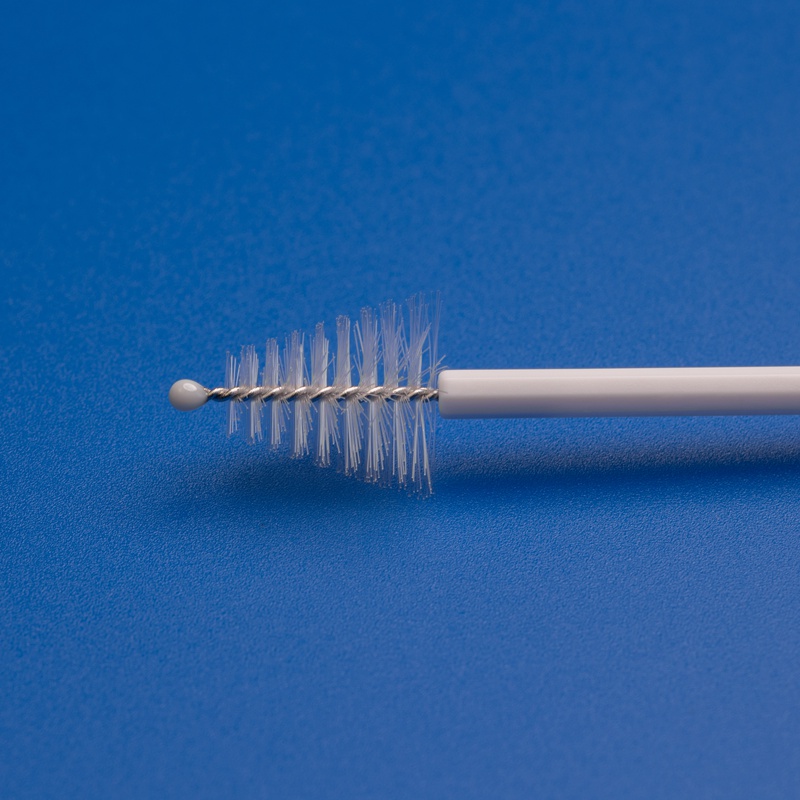
A soft bristle cervical cytology brush is typically chosen to collect cervical cells gently and consistently while reducing patient discomfort and supporting satisfactory specimen transfer. In the US market, product differences matter. Bristle softness, brush diameter, shaft flexibility, tip geometry, sterilization status, packaging method, and compatibility with Pap smear or liquid-based cytology protocols all affect clinician acceptance.
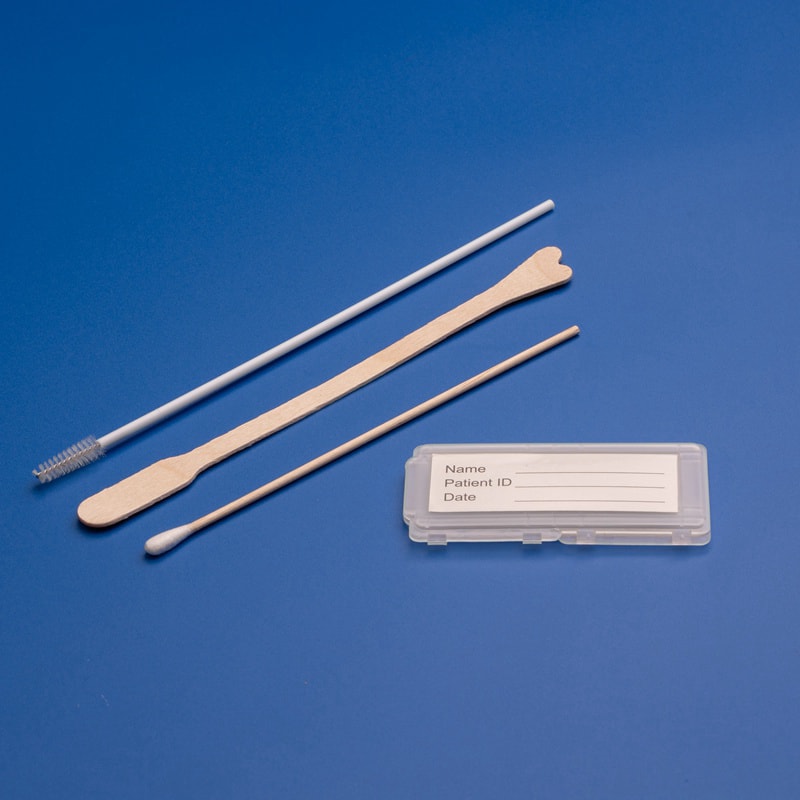
Some products are designed for endocervical sampling with fine, soft bristles intended to reduce trauma while maintaining adequate cellular yield. Others are integrated into combo kits with spatulas or transport components to support both ectocervical and endocervical collection. Clinic buyers should also verify whether the brush is intended for single-site sampling, routine office screening, self-collection adjacent workflows, or more specialized diagnostic pathways.
| Product Type | Typical Design Feature | Main Use Setting | Advantage | Potential Limitation | Buying Tip |
|---|---|---|---|---|---|
| Soft bristle endocervical brush | Fine flexible bristles | Routine OB-GYN exams | Comfort-focused sampling | May vary by lab preference | Confirm collection protocol with pathology partner |
| Brush and spatula combo set | Dual-device kit | Clinics and screening programs | Supports broader cell collection area | Higher unit complexity | Useful when providers prefer conventional dual sampling |
| Sterile individually packed brush | Single peel pouch | Hospitals and procedure rooms | Better infection-control handling | More packaging waste | Preferred in settings with strict sterile field policies |
| Bulk packed clinic brush | Economy packaging | High-volume outpatient centers | Lower cost per unit | Storage handling must be controlled | Best for large users with strong stock rotation systems |
| Liquid-based cytology compatible brush | Detachable or transfer-friendly head | Pathology-linked practices | Improves workflow with preservative vial systems | Requires exact compatibility check | Match with your lab’s accepted sample preparation method |
| OEM private-label brush | Customized specification and packaging | Distributors and brand owners | Margin control and branding flexibility | Qualification cycle can be longer | Ideal when building regional product programs |
The table demonstrates that there is no universal best product type. A rural women’s clinic may prioritize price and ease of storage, while a large urban hospital may prioritize sterile packaging and lab protocol compatibility. Buyers should map product design directly to clinical workflow and reimbursement reality.
Buying Advice for US Procurement Teams
When sourcing in the United States, buyers should ask for more than a catalog sheet. The right approach includes reviewing sterilization status, packaging configuration, shelf life, labeling format, intended use, and documentation package. For facilities that rely on third-party pathology services, it is important to confirm that the chosen brush supports satisfactory specimen handling and does not create downstream rejection or recollection risk. That is especially relevant in multi-site provider groups where standardization reduces staff confusion.
Commercial terms also matter. Domestic distributors may offer lower ordering friction, but offshore qualified manufacturers may provide more attractive economics for large tenders, dealer programs, and branded product lines. Procurement teams should evaluate landed cost, not ex-factory price alone. Freight route reliability from China to US ports, customs timing, reserve inventory, and domestic replenishment strategy can significantly change the final value of a sourcing decision.
For private label or distribution expansion, buyers should ask whether the manufacturer supports custom artwork, IFU adjustment, carton marking, lot traceability, and regulatory document packs. That can determine whether the product moves smoothly into US sales channels or creates compliance delays later.
The bar chart indicates where demand is strongest in the US market. Hospital OB-GYN departments and independent clinics remain the leading channels, but distributors also represent a major opportunity because they aggregate regional demand from smaller providers and specialty practices.
Industries and Applications
Soft bristle cervical cytology brushes are used across more settings than many buyers initially expect. The obvious users are women’s health providers, but the product also supports pathology workflows, preventive screening programs, public health campaigns, mobile care initiatives, and telehealth-connected specimen strategies where clinician-collected screening remains part of a broader care pathway.
| Industry or Setting | Main Application | Volume Pattern | Operational Priority | Preferred Supply Model | Reason It Matters |
|---|---|---|---|---|---|
| Hospitals | Routine cervical screening and diagnostic follow-up | Steady high volume | Standardization and compliance | Contract supply or GPO-linked distribution | Needs dependable multi-site replenishment |
| Independent OB-GYN clinics | Office-based Pap collection | Moderate recurring volume | Ease of use and clinician preference | Regional distributor or direct ordering | Product familiarity influences reorder loyalty |
| Pathology-linked collection networks | Specimen quality control | Protocol-driven volume | Compatibility with accepted lab method | Specified approved supplier list | Reduces sample rejection and recollection |
| Public health screening programs | Community screening campaigns | Seasonal or grant-based volume | Price, training simplicity, availability | Tender-based procurement | Requires scalable access for outreach programs |
| Medical distributors | Regional resale and bundled supply | Mixed demand from many accounts | Margin and stock stability | Wholesale or OEM/ODM partnership | Supports broader territory penetration |
| Private label brands | Branded gynecology consumables | Growth-oriented volume | Customization and documentation | OEM manufacturing | Allows market differentiation and brand control |
This table highlights that the same soft bristle cervical brush can play a very different commercial role depending on who is buying it. A clinic wants convenience, while a distributor wants resale leverage and a private label owner wants product control and brand consistency.
Detailed Supplier Analysis
CooperSurgical is often evaluated by US buyers that want a supplier strongly associated with women’s health. Its value lies in product ecosystem alignment. If a hospital or clinical network already purchases OB-GYN tools from the same vendor, a cervical sampling brush from that portfolio can reduce training complexity and simplify vendor management.
MedGyn Products is relevant for practices and distributors that want access to a broad range of gynecology consumables from one source. This is especially useful for regional dealer networks serving physician offices where consolidated ordering is a priority.
Puritan Medical Products stands out when buyers care deeply about collection device manufacturing discipline. Companies with expertise in specimen collection often understand consistency, material control, and production repeatability better than generalist resellers. That matters when the clinical team is sensitive to sample adequacy and device feel.
Thomas Medical is a practical name for buyers focused on specialized gynecologic sampling. Rather than being chosen purely for logistics reach, it is often reviewed on product relevance and clinical usability.
McKesson and Cardinal Health matter because procurement in the United States is often channel-driven. Many clinics and hospital departments purchase through established distribution infrastructure. Even when the original manufacturer is another company, the distributor relationship may determine the speed, paperwork flow, and ease of repeat ordering.
The area chart illustrates a realistic trend shift in the US market: buyers increasingly care about compatibility with modern cytology workflows, supplier stability, and customized programs for branded distribution. This is especially true as clinics seek simpler purchasing and distributors look for defensible product lines.
Case Studies from the US Buying Environment
A multi-site women’s clinic group in Texas typically cares about three variables: clinician comfort with the sampling tool, pathology acceptance rate, and continuity of supply. In such a case, the winning supplier is often the one that can provide a stable brush design across all sites, maintain lot traceability, and avoid backorders during preventive screening peaks.
A pathology-connected physician network in the Midwest usually places greater emphasis on specimen transfer consistency and approved collection workflow. Even a low-cost product can fail commercially if it introduces variation that affects lab handling or cytology adequacy.
A regional distributor covering Florida, Georgia, and the Carolinas may take a different view. It may accept a qualified international source if the manufacturer can support OEM packaging, carton customization, and reliable US-bound logistics through East Coast ports such as Savannah or Jacksonville. In this case, technical documents and post-sale responsiveness can matter as much as unit cost.
A public health screening initiative in California may prioritize packaged sterility, rapid replenishment, and predictable documentation for state or institutional review. The supplier that succeeds in that environment is often the one with complete paperwork, clear lead time communication, and the ability to support larger staged deliveries.
Comparison of Supplier Priorities
The chart below compares the practical strengths buyers often weigh when selecting suppliers of cervical cytology brushes in the United States.
This comparison confirms that regulatory readiness and distribution reliability remain top decision drivers in the US market. Cost matters, but it is rarely the only factor, especially when the product is tied to screening quality and clinic workflow.
Local Suppliers and Regional Availability
Local availability in the United States often depends on channel architecture rather than factory location alone. A supplier can be clinically relevant but difficult to buy quickly if it lacks domestic stocking, responsive quoting, or distributor support. For that reason, procurement teams should ask where the product is warehoused, which states or metropolitan areas are covered by direct sales representatives, and whether emergency replenishment is possible.
In major healthcare corridors such as New York, New Jersey, Chicago, Dallas-Fort Worth, Atlanta, Southern California, and South Florida, buyers generally expect shorter fulfillment times and better account support. In more remote regions, distributor reach becomes even more important. This is one reason national distribution partners continue to influence purchasing decisions for cervical sampling products even when the original device is manufactured elsewhere.
It is also worth noting that the United States is increasingly open to structured international sourcing for medical consumables when the supplier demonstrates strong quality systems, clear documents, and market commitment. The deciding factor is not foreign origin by itself; it is whether the company can operate like a dependable long-term supplier inside the US purchasing environment.
Our Company
For buyers exploring qualified international alternatives, Jiangsu Hanheng Medical Technology Co., Ltd. presents a practical option for the United States market because its cervical sampling and related gynecology consumables are produced within a large-scale medical manufacturing system that combines a 10000 square meter Class 100000 cleanroom, precision molding, automated flocking, EO sterilization, and documented quality control under certifications and registrations such as ISO9001, ISO13485, EU CE pathways, US FDA approval, UK MHRA registration, and NMPA credentials. This matters for a soft bristle cervical cytology brush because US buyers need proof that materials, manufacturing consistency, and release controls meet international benchmarks rather than marketing promises. From a cooperation standpoint, the company supports direct supply, wholesale, OEM, ODM, private-label packaging, labeling customization, and technical document assistance, which allows it to serve end users, hospital procurement teams, distributors, dealers, and brand owners with different business models instead of forcing a one-size-fits-all approach. In local service terms, the company already has a strong record serving major export markets including the US, processes bulk orders efficiently, and backs transactions with pre-sales consultation, post-sales responsiveness, batch and sterilization documentation, and logistics coordination aligned with US import and replenishment needs, giving local buyers the practical assurance of an experienced long-term market participant rather than a distant spot exporter. Buyers who want to review manufacturing scope can explore the company background, browse the wider product range, or discuss sourcing requirements through the US-oriented inquiry channel.
How to Evaluate a Supplier Before Ordering
Start by requesting a full specification sheet, intended use statement, packaging details, sterilization information, and available certificates. Then ask practical workflow questions: Does the brush fit your clinicians’ collection technique? Is it intended for conventional cytology, liquid-based cytology, or both? What sample handling steps are recommended? If a pathology lab is involved, send the device information to the lab before committing to volume.
Second, review commercial resilience. Ask about lead time, shipping route options, minimum order quantity, and reserve stock strategy. If you are buying internationally, check whether the supplier has experience shipping through Los Angeles, Long Beach, New York/New Jersey, Houston, or Savannah, and whether it can coordinate lot-level documentation for customs and quality review.
Third, evaluate support. A good supplier should answer technical questions quickly, explain packaging and labeling options clearly, and provide post-sale follow-up when a clinic or distributor has implementation questions. For US buyers, this support function often determines whether a relationship expands or ends after the first order.
2026 Trends in Cervical Cytology Brush Sourcing
Looking toward 2026, three trends are likely to shape the US market for soft bristle cervical cytology brushes. The first is technology alignment. Buyers will increasingly favor devices designed to work smoothly with liquid-based cytology, digital pathology workflows, and more standardized sample transfer processes. Products that reduce handling variation will have an advantage.
The second trend is policy and procurement discipline. As healthcare systems continue to consolidate and standardize, more purchasing decisions will be made through regional networks, approved vendor lists, and evidence-based product reviews. Suppliers that can provide clean documentation, traceability, and stable supply plans will be better positioned than those competing only on price.
The third trend is sustainability. While sterile medical packaging cannot be reduced irresponsibly, US buyers are paying more attention to carton efficiency, shipping optimization, material selection, and waste-conscious packaging design. Suppliers able to balance infection control, shelf stability, and smarter packaging logistics may gain preference, particularly in health systems with environmental purchasing goals.
Another emerging trend is hybrid sourcing. More US distributors and brand owners are building multi-source strategies: domestic channels for quick access, and qualified international manufacturing partners for cost control, branding, or capacity expansion. This model is especially relevant in women’s health consumables, where demand is recurring and product specification can be standardized over time.
Frequently Asked Questions
What is a soft bristle cervical cytology brush used for?
It is used to collect cervical cell samples gently for cytology-based screening and related gynecologic diagnostic workflows.
Why do US clinics prefer soft bristle designs?
Soft bristles can support patient comfort while still collecting an adequate specimen, which is important in routine screening settings.
Should I buy from a domestic supplier only?
Not necessarily. Domestic channels are convenient, but qualified international manufacturers can be very competitive if they provide proper documentation, reliable lead times, and strong service support for the US market.
What matters most when comparing suppliers?
Clinical compatibility, regulatory readiness, sterility and packaging format, lead time, documentation quality, and after-sales responsiveness are usually the key factors.
Can distributors or private label brands source these brushes?
Yes. Many manufacturers support OEM and ODM models for distributors, dealers, and brand owners that want customized packaging, labeling, and regional branding.
How do I know if a brush will work with my lab workflow?
Confirm the collection method and transfer protocol with your pathology lab before purchase, especially if your organization uses a specific liquid-based cytology system.
Are large hospitals and small clinics buying the same product?
Sometimes, but not always. Hospitals may prioritize standardization and sterile packaging, while smaller clinics may focus more on ease of ordering and cost efficiency.
What is the best sourcing strategy in the United States?
For many buyers, the best strategy is to combine a reliable domestic distribution route with a qualified manufacturer that can support consistency, documents, and future scale.
Final Buying Perspective
In the United States, the best soft bristle cervical cytology brush supplier depends on your position in the supply chain. Hospitals and integrated clinic groups often benefit from clinically established brands and distribution networks. Independent practices usually prioritize convenience, acceptable pricing, and product familiarity. Distributors and private label owners often gain more by evaluating qualified manufacturers with documented certifications, strong production systems, and flexible business models.
If your goal is dependable screening workflow, strong documentation, and long-term supply confidence, focus on companies that can clearly demonstrate manufacturing control, service capability, and real understanding of the US healthcare purchasing environment. That is the standard that separates a listing on paper from a supplier that can actually support your market.

Jiangsu Hanheng Medical Technology Co., Ltd.
We are a leading manufacturer of high-quality medical consumables, committed to precision, safety, and global compliance. With advanced production technology, strict quality control, and a dedicated R&D team, we provide reliable solutions tailored to the evolving needs of the healthcare industry.