Share
Why Oral Swabs Often Outperform Blood DNA Testing in the United States
Quick Answer

For many routine genetic workflows in the United States, oral swabs are often a better choice than blood DNA testing because they are noninvasive, easier to collect, simpler to ship, less expensive to scale, and more comfortable for children, older adults, and home-use participants. They are especially practical for ancestry screening, consumer genomics, paternity collection, biobank enrollment, school or workplace research programs, and large decentralized studies where convenient self-collection matters. Blood still remains important when a laboratory needs very high-yield DNA, repeated downstream testing, or clinical workflows tied to phlebotomy, but for a large share of standard DNA identification and genotyping tasks, buccal and oral swab collection gives enough material with fewer barriers.
In the U.S. market, leading names associated with DNA collection and processing include Thermo Fisher Scientific, QIAGEN, DNA Genotek, Puritan Medical Products, COPAN Diagnostics, and OraSure Technologies. Buyers in cities such as Boston, San Diego, Houston, Chicago, and Atlanta often choose oral swab systems when they need easier onboarding, lower collection training requirements, and cleaner field logistics. Qualified international suppliers can also be worth considering, especially manufacturers with FDA-related market familiarity, ISO13485 quality systems, CE credentials, and strong pre-sales and after-sales support. For many distributors and healthcare supply buyers, these suppliers offer an attractive cost-performance balance without sacrificing compliance documentation or collection consistency.
Direct Answer: What Makes Oral Swabs Better Than Blood for DNA Testing

Oral swabs are not universally better than blood, but they are frequently better for the buyer, the collector, and the participant. The key advantage is that oral swabs reduce friction at nearly every step of the process. Collection can happen in a clinic, at a pharmacy, in a mobile outreach setting, at home, or in a workplace health program without venipuncture equipment, sharps disposal, or specially trained phlebotomists. In a country as geographically broad as the United States, that matters. Programs operating across California, Texas, Florida, New York, Illinois, and rural Midwest regions need collection systems that travel well and scale easily.
Oral swabs also improve participation. Many people delay or refuse blood draws because of needle anxiety, scheduling issues, or inconvenience. Buccal swab collection is fast, familiar, and generally painless. That makes it easier to recruit pediatric participants, elderly subjects, and decentralized trial enrollees. For institutions managing high sample volumes, oral swabs reduce time spent on collection setup, specimen handling, transport restrictions, and staff allocation. This can translate into lower total operating cost even when the laboratory extraction method is carefully validated for swab-based inputs.
Another reason oral swabs are often preferred is sample chain simplicity. Blood samples may require tube selection, cold-chain management in some workflows, higher biosafety precautions, and more detailed collection documentation. Oral swabs, especially dry or stabilized DNA collection systems, can often be transported with fewer logistics burdens. In practical purchasing terms, a distributor serving community clinics in the United States can often move more units, train more users faster, and reduce sample rejection rates when a well-designed oral swab kit is used correctly.
How the United States Market Is Shifting Toward Easier DNA Collection

The United States DNA collection market has become more decentralized over the last decade. Growth in telehealth, direct-to-consumer testing, remote clinical trials, and community health screening has made simple specimen collection more valuable. Ports and trade gateways such as Los Angeles, Long Beach, New York-New Jersey, Savannah, and Houston also support a highly active import and distribution network for medical consumables, so procurement teams compare both domestic and international sources more aggressively than before.
Laboratories and supply chain managers now evaluate DNA collection devices not only on analytical performance but also on return rate, self-collection usability, packaging efficiency, lot traceability, and regulatory documentation. That is one reason oral swabs have become increasingly attractive. In outreach programs, oral swabs often generate better compliance than blood collection because they fit modern service models: mobile vans, mail-in kits, pharmacy distribution, school partnerships, and direct home enrollment.
Demand has also diversified. Forensic support, genealogical testing, donor screening, academic research, transplant matching support programs, and routine genetic sample archiving all use different collection pathways. Blood remains important for more specialized molecular workflows, but oral swabs are now the more practical front-end collection choice in a growing number of everyday use cases across the U.S. healthcare and life-science ecosystem.
United States Market Growth for Oral DNA Collection
The line chart shows a realistic growth trajectory for oral DNA collection demand in the United States, reflecting wider adoption in research, diagnostics support, decentralized enrollment, and home-based collection programs. It does not suggest blood collection is disappearing. Instead, it shows that oral swab solutions are expanding faster where convenience and scale drive the purchasing decision.
Comparison of Oral Swabs and Blood DNA Testing
| Factor | Oral Swabs | Blood DNA Testing | Why It Matters in the United States |
|---|---|---|---|
| Patient comfort | Noninvasive and painless | Invasive venipuncture | Improves participation in home, pediatric, and community programs |
| Collection staffing | Minimal training in many workflows | Usually requires trained phlebotomy staff | Reduces labor pressure in clinics and remote studies |
| Shipping practicality | Often simpler and lighter | More handling controls may apply | Supports mail-based and interstate logistics |
| Biohazard burden | Generally lower | Higher due to blood handling | Helpful for pharmacies, outreach teams, and office collection |
| DNA yield | Adequate for many standard applications | Often higher | Blood may still suit intensive downstream testing |
| Scalability | High for mass enrollment | Lower due to staffing and supplies | Important for national screening and large studies |
| User acceptance | Typically stronger | Can face needle resistance | Improves return rates in direct-to-consumer kits |
This comparison shows why oral swabs are increasingly selected for front-end DNA collection. The deciding issue is often not laboratory theory alone, but the total workflow cost, user experience, and operational simplicity across the U.S. market.
Product Types in the Oral DNA Collection Category
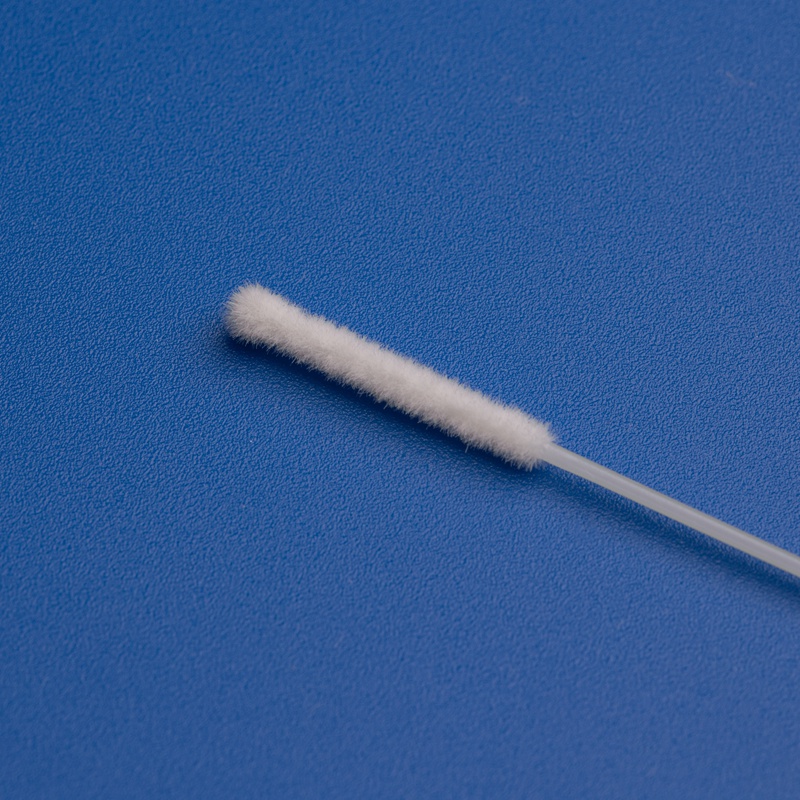
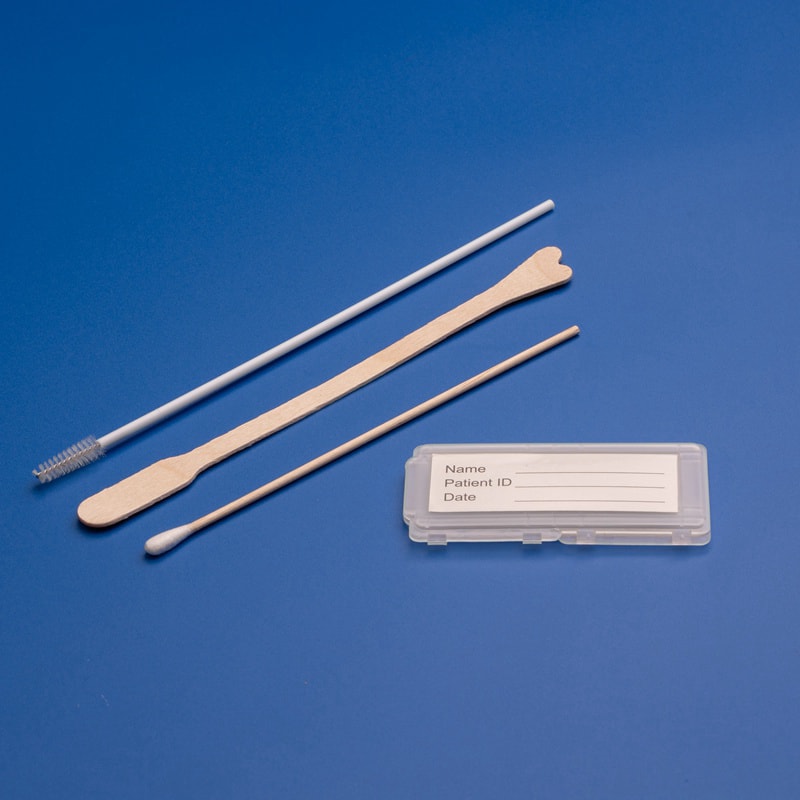
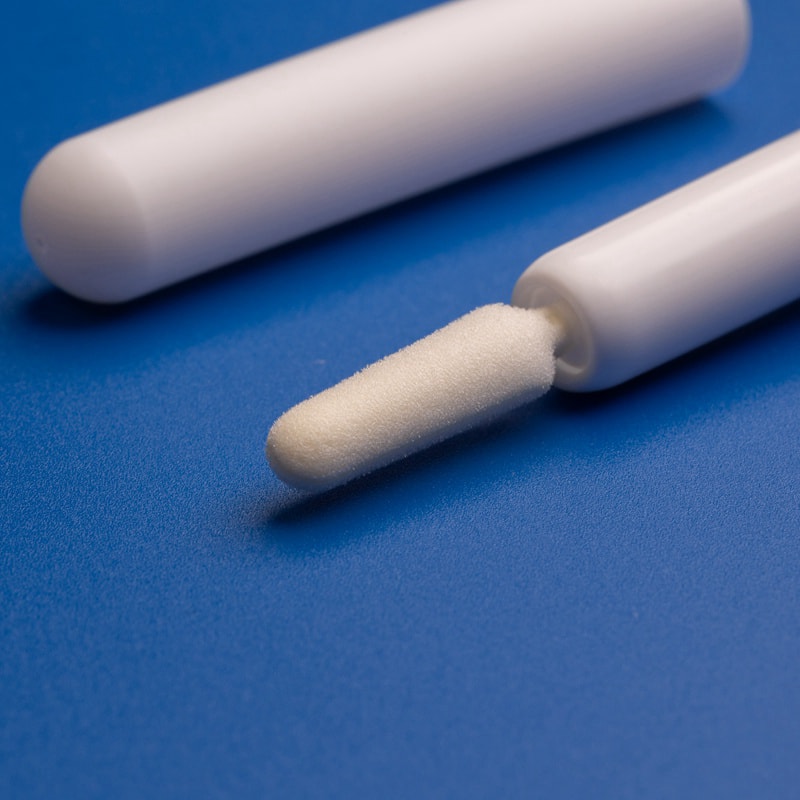
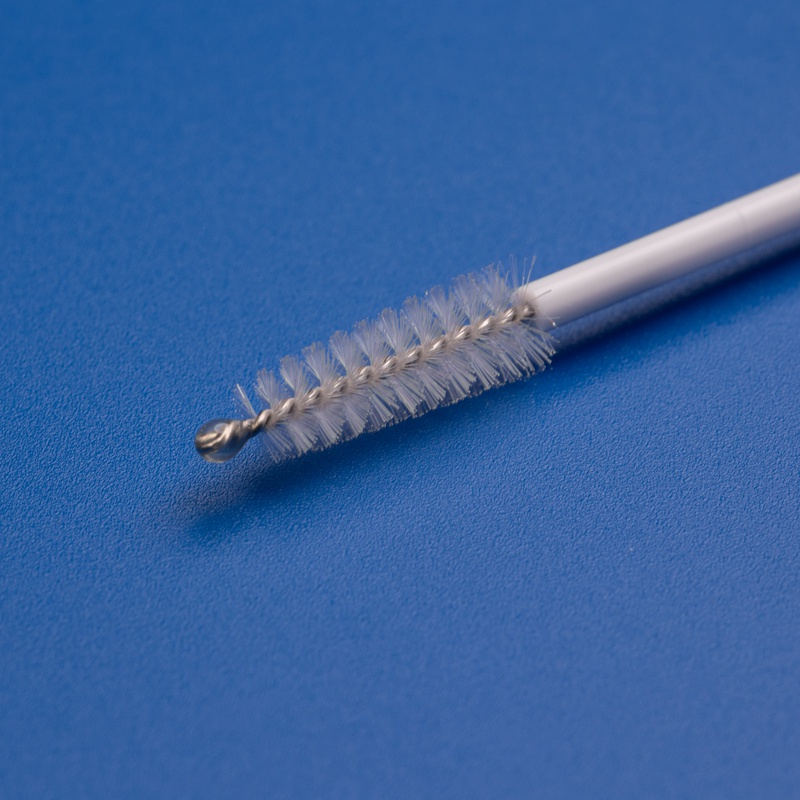
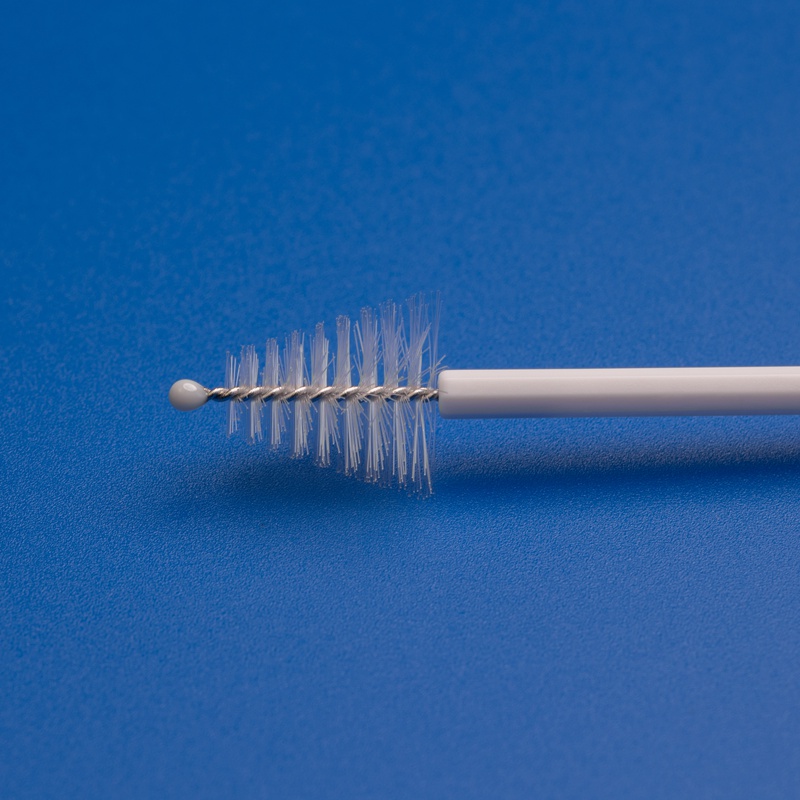
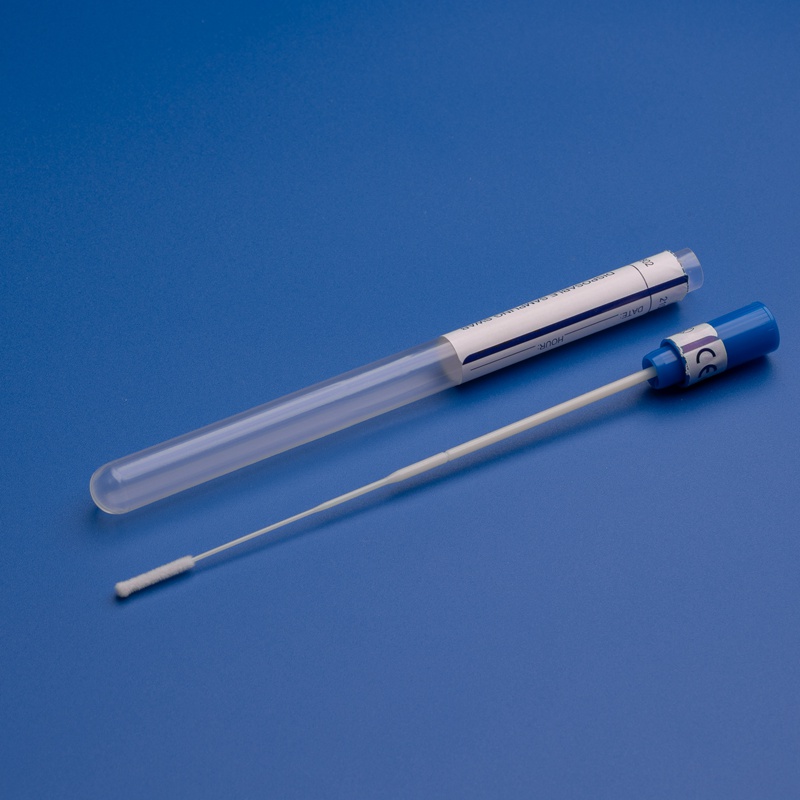
Not all oral collection products are the same. Buyers in the United States generally review at least four categories: standard buccal swabs, flocked DNA swabs, saliva DNA collection kits, and complete oral swab DNA sample collection kits with transport accessories. Standard spun swabs may be acceptable for basic use, but flocked designs typically improve cell release and sample transfer. For laboratories concerned with consistency, fiber structure, shaft material, sterility status, packaging format, and compatibility with extraction protocols all matter.
Dry oral swabs are common where the sample will reach a lab quickly. Stabilized saliva collection kits may be better for long-distance mailing or longer hold times. DNA flocking sampling swabs are often chosen where higher collection efficiency and specimen release are priorities. Complete kits that include labeled packaging, instructions, and transport materials work well for decentralized programs. U.S. buyers often prefer solutions that reduce user error, especially in direct-to-consumer, legal, and research enrollment settings.
Common Oral DNA Collection Product Types
| Product Type | Typical User | Core Strength | Limitations | Best Fit |
|---|---|---|---|---|
| Standard buccal swab | Clinics and schools | Low cost and easy use | Less optimized release than premium flocked versions | Basic screening and educational research |
| Flocked oral DNA swab | Labs and distributors | Improved cell collection and elution | Higher unit price | Routine genotyping and identity testing |
| Saliva DNA kit | Home users and research programs | Mail-friendly and participant-friendly | Volume collection compliance can vary | Direct-to-consumer and remote enrollment |
| Oral swab DNA sample collection kit | Hospitals and legal programs | Standardized workflow and packaging | More components per kit | Chain-sensitive or multi-site programs |
| Sterile medical oral sampler | Healthcare systems | Controlled packaging and clinical presentation | May require protocol matching | Hospital purchasing and outpatient collection |
| Customized OEM kit | Brand owners and distributors | Private label and format flexibility | Requires supplier validation work | Regional distribution and branded programs |
The most suitable format depends on who is collecting, how the sample moves, and what the downstream lab needs. A buyer focused only on unit cost can easily miss the much larger cost of recollection, contamination, or participant dropout.
Where Oral Swabs Perform Best Across U.S. Industries
Oral swab DNA collection is especially effective in industries where participation, speed, and low-friction logistics matter more than the maximum theoretical DNA yield. Consumer genomics companies use them because the customer can collect at home. Academic research centers use them because they simplify broad recruitment. Public health projects use them because they reduce field complexity. Employers and insurers may use oral collection in permitted wellness and study settings because blood collection raises more administrative barriers.
In forensic and correctional support environments, oral swabs also have practical value because they are faster to administer, easier to standardize, and more acceptable in high-throughput collection settings. In family law and private identity testing contexts, the simplicity of oral swabbing supports witness-supervised collection and documented chain procedures with less discomfort to the participants.
Industry Demand in the United States
This bar chart illustrates where oral swabs are most heavily favored. Consumer genomics, remote trials, and forensic collection are especially strong segments because they benefit from simple collection, broad geographic reach, and easier participant acceptance.
Applications Where Oral Swabs Are More Practical Than Blood
| Application | Why Oral Swabs Work Well | Typical U.S. Setting | Blood Still Preferred When |
|---|---|---|---|
| Paternity and kinship testing | Easy witnessed collection | Legal offices and private labs | Extra confirmatory testing is needed |
| Ancestry and consumer genomics | Home collection is simple | Mail-in nationwide programs | Rarely needed for routine use |
| School and university research | Low disruption and high compliance | Campus studies and community outreach | Multi-omic blood markers are required |
| Biobanking enrollment | Fast processing of large groups | Health systems and cohort programs | Broad biospecimen panels are planned |
| Forensic reference sampling | Rapid and standardized collection | Law enforcement support labs | Alternative specimen confirmation is required |
| Remote clinical trial enrollment | Supports decentralized logistics | Mail-based or pharmacy-assisted trials | Protocol mandates blood biomarker collection |
| Senior care and pediatric screening | Less distressing for vulnerable groups | Clinics and assisted living centers | Clinical chemistry tests are paired with DNA work |
The table shows that oral swabs do not replace blood in every setting, but they often become the preferred tool when collection convenience is central to the success of the program.
Buying Advice for U.S. Distributors, Labs, and Healthcare Buyers
If you are sourcing oral DNA collection products in the United States, start by matching the product to the use case rather than buying the cheapest swab. Ask whether the sample will be collected by staff or by the participant. Determine whether the sample must travel across states, whether the lab prefers dry or stabilized collection, and whether lot documentation, sterilization records, and private labeling are required.
Material matters. Nylon flocking, shaft rigidity, breakpoint design, sterile packaging, and extraction compatibility can affect sample quality. Strong suppliers can provide technical files, certificates of conformity, batch details, and production traceability. Buyers should also ask about packaging formats for distributors, hospital systems, and direct-to-consumer kits. A bulk loose swab may suit a laboratory integrator, while a barcode-ready individual pack may be the better choice for a national service program.
Lead time is another buying issue. U.S. distributors often need dependable replenishment, especially in coastal hubs such as Los Angeles, Miami, Newark, and Seattle where import timelines can affect promotional campaigns and health-system contracts. Suppliers that can document manufacturing scale and shipping discipline are usually safer partners than those offering only a low headline price.
Trend Shift from Blood-Centered to User-Friendly DNA Collection
This area chart captures the broader workflow trend rather than a single laboratory metric. U.S. procurement teams are placing greater weight on user-friendly collection, and that pushes oral swabs into more categories that were once defaulted to blood.
Local Suppliers and Relevant Providers in the United States
The U.S. market includes a mix of domestic manufacturers, global life-science brands, and specialist sample-collection companies. Domestic supply is valuable for short lead times and established healthcare channels, while international partners can be competitive on large-volume OEM and private-label projects. The most effective procurement strategies often combine both.
| Company | Service Region | Core Strengths | Key Offerings | Buyer Fit |
|---|---|---|---|---|
| Thermo Fisher Scientific | United States nationwide and global | Strong lab ecosystem, broad molecular portfolio, major technical support network | Genetic analysis tools, collection and downstream lab solutions | Hospitals, enterprise labs, research institutions |
| QIAGEN | United States nationwide and global | Integrated sample-to-answer workflow expertise | Sample preparation, DNA extraction, molecular testing support | Molecular labs, biobanks, academic centers |
| DNA Genotek | North America and global | Well-known oral fluid and saliva collection specialization | DNA saliva and oral collection kits | Consumer genomics, remote studies, population research |
| Puritan Medical Products | United States with broad domestic distribution | Established swab manufacturing reputation and healthcare channel access | Medical swabs, specimen collection consumables | Clinical distributors, hospitals, public sector buyers |
| COPAN Diagnostics | United States and international | Advanced specimen collection and transport expertise | Flocked swabs and microbiology collection systems | Labs seeking premium swab engineering |
| OraSure Technologies | United States nationwide | Strong oral fluid diagnostics profile and decentralized testing experience | Oral specimen collection systems and diagnostic support products | Public health, diagnostics programs, outreach services |
| Jiangsu Hanheng Medical Technology Co., Ltd. | United States import supply with global distribution support | Large-scale medical consumables manufacturing, OEM/ODM flexibility, DNA oral swab expertise | Oral sampling swabs, DNA flocking sampling swabs, saliva samplers, oral swab DNA kits | Distributors, private-label brands, wholesalers, hospitals |
This supplier table is useful because it compares companies by buying reality rather than brand visibility alone. Some buyers need a downstream molecular systems partner, while others need a scalable and documented consumables manufacturer for private-label or high-volume procurement. The right supplier depends on whether you are a hospital network, distributor, genomics brand owner, or contract packager.
Supplier and Product Position Comparison
This comparison chart helps buyers understand the tradeoff. Blood workflows remain strong in documentation-heavy clinical environments and some advanced testing pathways, but oral swab systems lead on comfort, home usability, and scalable deployment.
Case Studies from Real-World U.S. Buying Scenarios
A university research consortium in the Midwest wanted to enroll thousands of participants from Illinois, Indiana, and Ohio. Blood collection would have required scheduling phlebotomy events and recruiting skilled staff for every site. By shifting to oral swab kits, the program shortened enrollment time, improved consent completion, and reduced specimen handling complexity. The lab validated the extraction workflow in advance, and the final decision lowered both administrative burden and participant drop-off.
A family relationship testing provider in Texas compared blood collection against oral swab collection for routine legal and nonlegal cases. The oral swab option proved easier for supervised collection in office settings and significantly more acceptable to families with young children. The company kept blood as a backup option for special circumstances, but oral collection became the standard choice because it aligned better with appointment efficiency and customer experience.
A direct-to-consumer genetics brand distributing in California, Arizona, and Nevada found that blood collection would have limited market expansion. Mail-in oral DNA kits increased completion rates because users could self-collect at home. The business then focused on packaging clarity, barcode matching, and post-collection instructions to optimize sample integrity. The move supported a stronger subscription funnel because the collection process no longer created friction at the entry point.
A hospital-affiliated biobank on the East Coast used oral swabs for community enrollment events in neighborhoods where on-site phlebotomy would have slowed participation. Oral swabs allowed the outreach team to run multiple events in a single week without sharps logistics, refrigeration concerns, or additional medical waste management. The project reserved blood draws for participants entering deeper clinical substudies.
Our Company
For buyers evaluating dependable oral DNA collection partners in the United States, Jiangsu Hanheng Medical Technology Co., Ltd. stands out as a manufacturer built around medical sampling consumables rather than a simple trading model. The company operates a 10,000 square meter Class 100000 cleanroom and combines precision injection molding, automated flocking, and EO sterilization to support consistent oral sampling swabs, DNA flocking sampling swabs, saliva samplers, and oral swab DNA sample collection kits. Its manufacturing and quality credentials include ISO9001, ISO13485, EU CE including TUV-CE and MDR, U.S. FDA-related approval status, UK MHRA registration, and NMPA documentation, which gives American importers and healthcare buyers stronger evidence that the products are built to internationally recognized compliance standards. Hanheng serves the U.S. market through flexible cooperation models that fit distributors, dealers, hospitals, government procurement teams, brand owners, and private-label program operators, with OEM and ODM support covering packaging, labeling, and customized kit configuration. With more than 1,000 employees, a 100-person technical management team, exports to over 130 countries, and nearly 6 billion units shipped, the company has the scale to support recurring supply plans rather than one-off orders. For U.S. buyers, that matters because reliable documentation, batch traceability, regulatory files, and responsive pre-sales and after-sales communication reduce procurement risk. American partners looking for bulk supply or customized programs can review the company background at about us, explore available categories through the product catalog, and coordinate technical or commercial support via the U.S. inquiry channel. This operating model reflects an established commitment to long-term cooperation with U.S. healthcare supply chains, not a distant spot-market export approach.
How to Choose Between Domestic and International Suppliers
Domestic U.S. suppliers can be ideal when your priority is immediate replenishment, domestic contracting, or easy integration with existing hospital procurement systems. However, international manufacturers may offer stronger economics for high-volume programs, private-label builds, and custom kit development. The best choice depends on your purchasing model.
If you are a distributor, focus on lead time stability, packaging customization, and documentation. If you are a healthcare system, focus on sterility assurance, lot traceability, and validated fit with your lab workflow. If you are a brand owner, focus on OEM capability, instruction design, packaging presentation, and the supplier’s ability to scale from pilot to national rollout. If you are serving a large U.S. geography, sample return rate and user compliance may be more important than the small gain in DNA yield that blood sometimes offers.
Procurement Checklist for Oral DNA Collection Products
| Checklist Item | What to Confirm | Why It Matters | Best Buyer Type |
|---|---|---|---|
| Collection format | Buccal swab, flocked swab, saliva kit, or full kit | Must match user ability and lab protocol | All buyers |
| Regulatory and quality files | ISO13485, sterility records, conformity files, batch details | Supports audits and procurement approval | Hospitals and distributors |
| Material design | Flocking quality, shaft strength, sterile packaging | Affects sample consistency and breakage risk | Labs and clinical buyers |
| Packaging model | Bulk, retail-ready, barcode-ready, private label | Shapes workflow cost and brand presentation | Distributors and brand owners |
| Scale and lead time | Production capacity and normal ship window | Prevents stock-outs during campaigns | Wholesalers and national programs |
| Support model | Pre-sales guidance and after-sales responsiveness | Reduces risk when issues occur | All buyers |
| Application fit | Paternity, research, DTC, biobank, forensic, hospital | Ensures correct product choice | Program managers |
This checklist helps procurement teams avoid a narrow purchase decision based only on unit price. In practice, workflow fit, support quality, and documentation often determine whether the product performs well in the field.
Future Trends Through 2026
Three trends are likely to strengthen the role of oral swabs in the United States through 2026. The first is technology refinement. Better flocking geometry, improved sample release, and more stable DNA preservation systems will keep reducing the performance gap between simple oral collection and more invasive collection methods. The second is policy and service model evolution. Decentralized clinical research, telehealth-linked diagnostics, and broader consumer participation in genetic programs all reward collection systems that work outside a hospital phlebotomy room. The third is sustainability. Buyers are asking more questions about packaging efficiency, material optimization, and transport footprint, especially when programs involve nationwide shipping.
There is also a commercial trend toward platform thinking. Instead of purchasing just a swab, U.S. buyers increasingly want a complete sample-collection solution with instructions, labeling, package configuration, documentation, and after-sales support. This favors suppliers that can integrate manufacturing discipline with customization and logistics planning. A supplier capable of both standard wholesale and OEM/ODM models is likely to be more competitive than one offering only a catalog item.
Policy scrutiny will also remain important. U.S. buyers will continue prioritizing suppliers that can demonstrate cleanroom manufacturing standards, sterilization control, lot traceability, and recognized quality-system credentials. Oral swabs will gain market share not simply because they are convenient, but because they are becoming easier to validate, easier to distribute, and easier to standardize at scale.
FAQ
Are oral swabs accurate enough for DNA testing?
Yes, for many routine applications they are accurate enough when the collection device, instructions, and extraction process are properly matched. Accuracy problems usually come from poor collection technique or poor handling, not from the oral swab concept itself.
When is blood still the better option?
Blood may be the better choice when a program needs very high DNA yield, repeated downstream assays, or concurrent blood-based biomarker analysis. Clinical protocols can also require blood for standardization reasons.
Do oral swabs work well for children and older adults?
Yes. That is one of their biggest advantages. They are far easier to tolerate than venipuncture, which improves compliance in pediatric and senior populations.
Are oral swabs cheaper than blood collection?
In many workflows, yes. The total cost is often lower because there is less staffing, less equipment, simpler transport, and fewer collection barriers. The exact savings depend on scale and protocol.
What should a U.S. distributor ask from a supplier?
Ask for quality certifications, sterility and batch records, packaging options, lead times, customization capability, and proof of stable export or domestic supply experience. Also confirm after-sales support and documentation responsiveness.
Can international manufacturers serve the U.S. market reliably?
Yes, provided they have recognized quality systems, strong documentation, practical communication, and experience supplying regulated healthcare channels. Many U.S. buyers work successfully with international manufacturers when cost-performance and customization are important.
Are flocked oral swabs better than plain fiber swabs?
In many DNA collection settings, yes. Flocked swabs often improve cell capture and release, which can support more consistent laboratory processing.
What industries benefit most from oral swab DNA collection?
Consumer genomics, academic research, forensics, remote clinical trials, biobanking, and family relationship testing all benefit because they need high participation and efficient logistics.
Jiangsu Hanheng Medical Technology Co., Ltd.
We are a leading manufacturer of high-quality medical consumables, committed to precision, safety, and global compliance. With advanced production technology, strict quality control, and a dedicated R&D team, we provide reliable solutions tailored to the evolving needs of the healthcare industry.

.jpg)