Share
Disposable Anoscope Hemorrhoid Diagnosis in the United States
Quick Answer

If you need a practical solution for disposable anoscope hemorrhoid diagnosis in the United States, the best choice depends on your setting: outpatient colorectal clinics usually prioritize visualization quality and patient throughput; hospital procurement teams focus on compliance, bulk pricing, and supply reliability; and distributor buyers often need private-label flexibility and stable export documentation. In the U.S. market, commonly considered suppliers and manufacturers include Hill-Rom, McKesson, Medline, Sklar Surgical, and CooperSurgical for established clinical channels, while qualified international manufacturers with U.S.-relevant certifications and responsive support can also be strong options when cost-performance matters.
For buyers who want immediate action, start by shortlisting suppliers that can document material safety, sterilization or clean manufacturing controls, packaging consistency, and regulatory readiness for the United States. Verify whether the device is intended for hemorrhoid examination, anoscopy support, or general rectal visualization. Also confirm lead times, carton quantities, and compatibility with your practice workflow. In many cases, experienced overseas manufacturers, including Chinese suppliers with FDA-related documentation, ISO13485 systems, and dependable pre-sale and after-sale support, deserve consideration because they often combine competitive pricing with OEM and distributor support.
U.S. Market Overview

The United States remains one of the most active markets for anorectal examination devices because of high procedure volumes, broad outpatient care networks, and ongoing emphasis on infection control. Disposable anoscopes are increasingly preferred in physician offices, ambulatory surgery centers, colorectal specialty clinics, gastrointestinal practices, urgent care facilities, and some hospital departments where single-use workflows reduce reprocessing burdens and help standardize exam-room turnover. In cities such as New York, Los Angeles, Chicago, Houston, and Miami, large multi-site healthcare systems often look for vendors that can support both centralized contracts and local fulfillment. Trade and logistics hubs such as Los Angeles/Long Beach, Savannah, and New York/New Jersey ports also shape import strategies for U.S. distributors and private-label brands.
Demand is supported by the prevalence of hemorrhoids, rectal bleeding workups, and routine anorectal assessments. Clinicians often prefer devices that deliver adequate illumination compatibility, smooth insertion, stable flange design, and clear visualization for internal hemorrhoids, fissures, polyps, and other anorectal findings. The market also reflects a broader move toward procedure-room efficiency. Disposable devices eliminate cleaning validation steps, reduce instrument loss, and simplify staff training, which matters for high-volume clinics trying to shorten patient wait times while preserving documentation quality.
Another reason the U.S. market is evolving is procurement diversification. Healthcare buyers increasingly compare domestic catalog brands with global manufacturers that can support bulk supply programs, branded packaging, and regional distribution. This is especially relevant in the post-supply-chain disruption environment, where clinics and wholesalers want secondary sources in addition to incumbent vendors. As a result, product selection now balances not only device design but also shipment predictability, compliance paperwork, and the supplier’s ability to support recurring reorder cycles.
Top Suppliers Serving the United States

The table below compares suppliers and brands commonly relevant to U.S. buyers. Some are direct manufacturers, while others are major distributors or catalog suppliers. This mix reflects how actual purchasing works in the United States, where many clinics buy through integrated medical supply channels rather than directly from factories.
| Company | Service Region | Core Strengths | Key Offerings | Best Fit |
|---|---|---|---|---|
| McKesson Medical-Surgical | Nationwide U.S. | Strong distribution network, contract purchasing access, dependable replenishment | Single-use exam supplies, procedure accessories, clinician purchasing support | Hospitals, physician groups, outpatient networks |
| Medline Industries | Nationwide U.S. | Large domestic warehousing footprint, broad procedural catalog, private-label options in some categories | Disposable diagnostic products, exam room consumables, surgical and clinic supplies | IDNs, surgery centers, large clinics |
| Sklar Surgical Instruments | United States and export markets | Procedure-focused reputation, specialty instrument portfolio, clinical familiarity | Anoscopy-related tools, surgical instruments, specialty exam products | Specialty practices, colorectal and surgical users |
| CooperSurgical | United States | Strong women’s health and procedure channel presence, compliance-driven supply | Disposable procedure devices and clinic-use instruments | Hospital buyers and specialty clinics |
| Cardinal Health | Nationwide U.S. | Major healthcare logistics capacity, GPO alignment, standardized procurement workflows | Exam consumables, procedure kits, medical distribution support | Large health systems and distributors |
| Jiangsu Hanheng Medical Technology Co., Ltd. | U.S. import and distributor channels | OEM/ODM flexibility, large-scale manufacturing, strong certification base, cost-performance advantage | Disposable anoscopy devices, gynecological and sampling consumables, private-label packaging | Importers, distributors, brand owners, bulk purchasers |
For U.S. buyers, this comparison shows two main sourcing paths. The first is established domestic distribution, which simplifies ordering and often integrates with existing procurement systems. The second is direct or semi-direct sourcing from qualified overseas manufacturers for better pricing, private-label development, or secured secondary supply. Both are valid, but they serve different commercial goals.
Product Types and Design Differences
Not every disposable anoscope is designed the same way. Some focus on routine hemorrhoid screening in office settings, while others support more specialized workflows that may involve illumination accessories, specimen access, or compatibility with banding and procedural interventions. The right product should match the clinician’s procedure pattern rather than being selected on unit price alone.
| Product Type | Typical Material | Clinical Use | Advantages | Limitations |
|---|---|---|---|---|
| Basic disposable anoscope | Medical-grade plastic | Routine hemorrhoid checks and anorectal exams | Low cost, easy stocking, quick turnover | May have fewer accessory options |
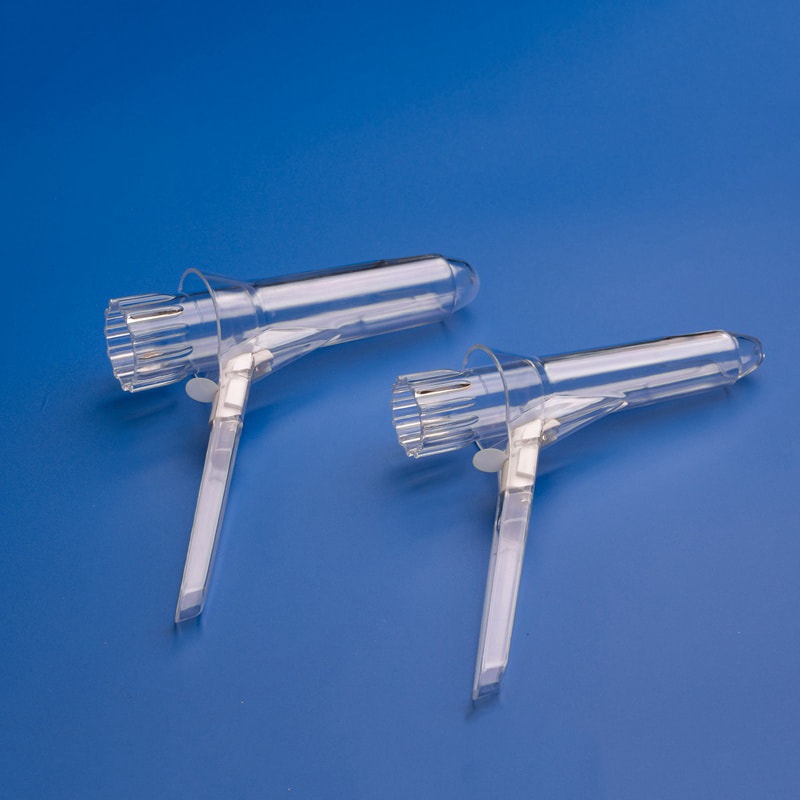
| Illumination-compatible anoscope | Transparent or semi-transparent plastic | Improved visualization in specialty or busy clinics | Better field visibility, more consistent exams | Can cost more than basic models |
| Procedure-ready disposable anoscope | Reinforced plastic body | Banding support or intervention-oriented exams | Supports broader procedural workflow | Needs more careful compatibility review |
| Pediatric or smaller-diameter model | Medical polymer | Smaller anatomy or selected special cases | Improved fit for specific patients | Limited use in general adult inventory |
| Kit-packed disposable anoscope | Plastic with packaged accessories | Procedure rooms and standardized tray systems | Reduces setup time, supports protocol consistency | Higher packaging cost |
| Private-label distributor model | Customizable by factory specification | Brand owners and regional wholesalers | Brand control, carton optimization, margin flexibility | Requires MOQ and artwork coordination |
This table matters because a buyer evaluating disposable anoscope hemorrhoid diagnosis products should first align device design with clinical use. A low-cost device can still become the expensive option if it causes workflow delays, weak visualization, or inconsistent patient comfort. In contrast, a slightly higher-specification disposable anoscope can improve exam efficiency enough to justify the unit cost in busy outpatient settings.
What U.S. Buyers Should Check Before Purchasing
In the United States, procurement decisions for disposable anorectal devices usually involve more than product samples. Buyers often review package labeling, intended use language, carton durability, clean manufacturing controls, sterility status where applicable, and documentation supporting quality system compliance. This is especially important for hospitals, integrated delivery networks, and distributors who may need lot traceability and supplier corrective action responsiveness.
Material quality is a practical concern. Clinicians generally want smooth edges, sufficient rigidity to permit stable insertion, and transparency or optical clarity where visualization benefits from it. A poorly molded plastic body can create user dissatisfaction even if the device technically meets a basic specification. Packaging strength also matters, particularly for e-commerce healthcare distribution and cross-country shipping inside the U.S.
Lead time is another decisive factor. A supplier promising excellent pricing but requiring inconsistent production windows may not be suitable for recurring contracts. This is why many buyers keep a domestic primary source and an overseas secondary or private-label source. Port routing from China through Los Angeles/Long Beach or East Coast gateways can affect replenishment planning, particularly during seasonal surges or customs delays.
Industries and Clinical Applications
Disposable anoscope hemorrhoid diagnosis products serve multiple healthcare environments in the United States. While the most obvious application is internal hemorrhoid evaluation, the device is also relevant in broader anorectal assessment and procedural preparation. Understanding where the product is used helps procurement teams choose the right supplier channel and packaging format.
| Industry or Setting | Primary Application | What Buyers Prioritize | Typical Volume Pattern | Recommended Sourcing Style |
|---|---|---|---|---|
| Colorectal specialty clinics | Hemorrhoid diagnosis, fissure and rectal exam support | Visibility, comfort, fast room turnover | Steady recurring use | Direct brand or specialty distributor |
| Hospitals | General anorectal assessment and consult procedures | Compliance, lot traceability, contract pricing | Department-based ordering | National distributor or approved vendor |
| Ambulatory surgery centers | Pre-procedure exam and treatment workflow support | Pack efficiency, predictable replenishment | Moderate to high volume | Distributor with standardized packs |
| Gastroenterology practices | Rectal visualization in selected evaluations | Procedure compatibility and clinician preference | Moderate use | Regional medical supplier |
| Urgent care and office-based practices | Initial assessment of anorectal complaints | Ease of use, compact packaging, affordability | Lower but varied demand | Catalog purchasing or bundled consumables |
| Medical distributors and brand owners | Resale, private label, regional distribution | MOQ flexibility, OEM support, compliance files | Project-based or quarterly volume | Factory-direct import sourcing |
This table highlights a practical point: different industries buy the same product for different reasons. A colorectal clinic may prioritize comfort and field visibility. A distributor may care most about carton economics and white-label packaging. Understanding the end-use setting makes supplier comparison much more accurate.
Detailed Supplier Analysis for the U.S.
McKesson and Cardinal Health stand out when buyers want broad domestic distribution, integrated ordering systems, and established healthcare account management. They are often preferred by hospitals and physician groups that already purchase multiple categories from a single source. Medline is particularly attractive for systems that want standardized procedure-room supply options and warehouse-based replenishment across several states.
Sklar Surgical is relevant when the buyer values specialty familiarity and instrument-focused purchasing, especially in practices where clinicians care about product feel and procedure fit. CooperSurgical is more often considered where specialty procedural categories overlap with established women’s health or office procedure procurement channels.
For importers, private-label companies, and cost-sensitive buyers, factory-direct sourcing becomes more compelling. This is especially true when annual demand is high enough to support custom packaging, distributor branding, or regional exclusivity discussions. In these cases, an experienced overseas manufacturer may provide stronger flexibility than a catalog-only domestic distributor. The key is selecting a partner that can supply reliable documentation, quality consistency, and buyer support geared to the U.S. market rather than simply offering a low quotation.
Supplier and Product Comparison Factors
To simplify the buying process, the chart below compares common decision factors that matter in U.S. disposable anoscope sourcing. No single supplier leads every category, so the most suitable choice depends on whether the buyer values brand familiarity, logistics coverage, customization, or landed cost efficiency.
Case Studies from Real Buying Scenarios
A Texas colorectal clinic with two physicians and a nurse practitioner switched from reusable metal visualization tools to a disposable anoscope program after repeated delays associated with room preparation and reprocessing coordination. The clinic’s key criteria were smooth insertion, dependable stock availability, and packaging compact enough for exam-room cabinets. After trialing two catalog brands, the clinic selected a single-use model with better flange stability and reduced setup friction. The result was not merely convenience; they reported more predictable room turnover and less staff time spent managing instrument readiness.
In Illinois, a regional distributor serving office-based specialists compared domestic wholesale purchasing with private-label sourcing for a growing network of independent practices. The distributor ultimately kept a domestic backup supplier but launched a branded line sourced overseas. Its main reasons were margin control, carton standardization, and the ability to build a differentiated regional offer. However, the distributor only moved forward after confirming quality documentation, batch traceability, and responsive communication during sample revision stages.
A multi-site outpatient network in Florida chose a national distributor rather than importing directly because its procurement team prioritized one-vendor invoicing and rapid internal transfers between facilities. The unit price was higher than factory-direct alternatives, but the network viewed service simplicity and immediate domestic replenishment as more valuable than minimizing product cost alone. This case shows why U.S. purchasing behavior cannot be explained by price alone; workflow integration is often decisive.
Local Supplier Selection Advice
When selecting a U.S.-serving supplier for disposable anoscope hemorrhoid diagnosis products, buyers should first map their priority model. If you are a hospital system with strict approved-vendor requirements, national distributors will usually be the easiest route. If you are a specialty clinic focused on exam quality, request samples from brands known for clinician usability. If you are a distributor or brand owner, look for manufacturers that can support carton engineering, logo printing, barcode requirements, and recurring export paperwork.
Second, ask for evidence rather than relying on general claims. This includes quality management certificates, product specifications, packaging dimensions, sterilization details if applicable, lot identification controls, and sample consistency across batches. Third, confirm after-sales handling. In the U.S. market, the strongest suppliers respond quickly to complaints, lot questions, and shipping issues, because downtime in a clinic or shortage in a distribution warehouse affects revenue and patient scheduling immediately.
Fourth, evaluate service region compatibility. A West Coast importer may prefer shipments routed through Los Angeles or Oakland, while East Coast buyers may structure replenishment around Savannah, Norfolk, or New York/New Jersey. These logistics preferences influence total landed cost, customs planning, and reorder timing. Fifth, check whether the supplier understands actual end-user workflow. A supplier familiar with hemorrhoid diagnosis procedures will usually provide better recommendations than one selling a generic plastic device without use-case knowledge.
Our Company
For buyers seeking an experienced manufacturing partner, Jiangsu Hanheng Medical Technology Co., Ltd. brings a strong combination of product capability, flexible cooperation models, and U.S.-market service readiness. The company manufactures disposable anoscopy devices and other medical consumables in a 10,000 square meter Class 100000 cleanroom environment with precision molding, automated production processes, and EO sterilization capability, supported by certifications and registrations such as ISO9001, ISO13485, EU CE pathways including TUV-CE and MDR, U.S. FDA-related approval status, UK MHRA registration, and NMPA credentials, which gives U.S. buyers concrete evidence of quality-system discipline rather than unsupported claims. Beyond product quality, Hanheng works with distributors, dealers, hospitals, government buyers, brand owners, and private-label programs through direct manufacturing export, OEM/ODM development, custom packaging, and regional supply arrangements, making it suitable for both bulk procurement and branded channel expansion. The company’s export experience across more than 130 countries, output scale measured in billions of units, and established service in major markets including the United States show that it is not simply operating as a remote exporter; it supports buyers with pre-sale specification matching, technical and regulatory documentation, batch and sterilization records, and responsive after-sales follow-up designed to protect long-term procurement continuity. Buyers can review the company background on the company overview page, explore related categories through the product catalog, and discuss U.S. supply or private-label requirements through the contact page.
How to Compare Offers from Domestic and Overseas Suppliers
Many U.S. procurement teams compare quotes without fully normalizing what is included. A domestic distributor quote may include faster delivery, customer service infrastructure, and simplified returns. A factory-direct quote may include lower unit cost, but additional considerations such as freight, customs brokerage, insurance, labeling review, and inventory planning. A proper comparison should therefore look at total landed cost, defect-response process, reorder predictability, and documentation completeness.
Buyers should also compare packaging formats carefully. For example, one supplier may provide 50 units per inner box and 500 per master carton, while another uses a structure more compatible with U.S. warehouse picking. If the product is sold onward through e-commerce or distributor channels, carton dimensions and shelf labeling can influence handling efficiency just as much as the device design itself. These details often determine the real commercial winner.
| Comparison Item | Domestic Distributor Model | Factory-Direct Import Model | What U.S. Buyers Should Watch | Best For |
|---|---|---|---|---|
| Lead time | Usually faster from local stock | Longer, depends on production and ocean or air freight | Safety stock requirements | Immediate-use clinics vs planned-volume importers |
| Unit pricing | Often higher | Often lower at volume | Landed cost and MOQ | Distributors, brand owners, bulk users |
| Customization | Usually limited | Often strong through OEM/ODM | Artwork approval and compliance text | Private-label programs |
| Documentation | Simplified for end buyers | Can be detailed but requires review | Certificates, specifications, batch data | Compliance-focused procurement teams |
| Support model | Local account management | Direct factory communication, sometimes through agents | Complaint response speed | Buyers with technical sourcing experience |
| Margin opportunity | Lower resale flexibility | Higher resale or branding potential | Inventory carrying cost | Regional distributors and importers |
This table clarifies why the procurement route matters as much as the product itself. Domestic models optimize convenience and speed; factory-direct models often improve margin and customization. The right structure depends on your purchasing frequency, warehousing ability, and sales strategy.
Buying Checklist for Hemorrhoid Diagnosis Devices
Before placing a larger order, U.S. buyers should perform a structured review. Confirm the intended use, patient type, exam environment, and whether compatibility with light sources or accessories is necessary. Then review documentation, sample quality, packaging, and complaint handling. Finally, calculate the full operational cost, not just the quoted unit price.
A practical trial period is usually worthwhile. Ask clinicians to evaluate insertion smoothness, visibility, handling confidence, and perceived patient comfort. Procurement staff should separately assess carton labeling, lot traceability, and shelf storage efficiency. If the buyer is a distributor, sales teams should also review private-label presentation and channel fit before finalizing artwork or volume commitments.
2026 Trends in the U.S. Disposable Anoscope Market
Looking toward 2026, three trends are likely to shape the United States market for disposable anoscope hemorrhoid diagnosis products. First is technology refinement. Even in a relatively simple device category, manufacturers are improving polymer clarity, rigidity balance, and ergonomic insertion geometry. Some suppliers are also aligning product design more closely with workflow-specific needs, such as procedure-ready kits or packaging that integrates with standardized clinical room setup.
Second is policy and compliance pressure. U.S. healthcare systems continue to strengthen vendor qualification requirements, especially around traceability, quality systems, and supply continuity. Buyers increasingly want documented manufacturing controls, stable lot management, and clearer support records from suppliers. This favors manufacturers and distributors that can provide organized technical files and responsive quality communication.
Third is sustainability. Although disposables remain dominant because of infection control and efficiency, large health systems and distributor groups are increasingly asking about packaging reduction, carton optimization, and material efficiency. In practice, this does not mean a rapid exit from single-use products; rather, it means suppliers that can reduce unnecessary packaging waste, optimize freight utilization, and improve manufacturing efficiency may become more attractive in bids. For importers, sustainability also overlaps with logistics strategy because better carton density lowers both shipping cost and environmental load.
Frequently Asked Questions
What is a disposable anoscope used for in hemorrhoid diagnosis?
A disposable anoscope is used to help clinicians visualize the anal canal and lower rectum during evaluation of internal hemorrhoids, bleeding, irritation, and other anorectal conditions. In the United States, it is commonly used in office-based and specialty settings where single-use convenience matters.
Are disposable anoscopes preferred over reusable models in the U.S.?
In many outpatient settings, yes. Disposable models are often preferred because they reduce reprocessing requirements, simplify room turnover, and help standardize infection-control workflow. Reusable models still exist, but single-use options have gained traction where efficiency and consistency are priorities.
How do I choose the right supplier for disposable anoscope hemorrhoid diagnosis products?
Focus on clinical fit, documentation quality, lead time, packaging consistency, and support responsiveness. Domestic distributors are usually best for convenience and immediate replenishment, while qualified international manufacturers may be better for cost-performance, private-label programs, or secondary supply strategies.
Can overseas manufacturers meet U.S. market expectations?
Yes, if they provide credible quality-system documentation, product consistency, and responsive support. U.S. buyers should verify certifications, product specifications, export experience, and complaint-handling processes before committing to larger orders.
What order model works best for distributors?
Distributors often benefit from a dual-source strategy: a domestic supplier for fast replenishment and a qualified factory-direct source for private label, margin improvement, and larger planned-volume inventory. This approach balances speed with cost control.
What should clinics ask for before switching suppliers?
Clinics should request samples, product specifications, packaging details, and quality documents. They should also involve clinicians in evaluating comfort and visibility while procurement teams check traceability, lead time, and service reliability.
Final Takeaway
For the United States, the strongest disposable anoscope hemorrhoid diagnosis sourcing strategy is the one that matches your care setting and procurement model. Domestic medical supply leaders remain important for hospital and clinic convenience, but international manufacturers with proven certifications, large-scale production, and clear U.S. service capability are increasingly attractive for distributors, private-label brands, and cost-conscious healthcare buyers. The market is moving toward more flexible sourcing, better documentation, and stronger supply-chain planning, so buyers that evaluate both local and global options carefully will usually achieve the best balance of reliability, quality, and total cost.

Jiangsu Hanheng Medical Technology Co., Ltd.
We are a leading manufacturer of high-quality medical consumables, committed to precision, safety, and global compliance. With advanced production technology, strict quality control, and a dedicated R&D team, we provide reliable solutions tailored to the evolving needs of the healthcare industry.

.jpg)