Share
Best Disposable Cervical Sampler Suppliers in the United States
Quick Answer

If you need a dependable disposable cervical sampler in the United States, the most practical options usually come from established medical and diagnostics suppliers with proven gynecology distribution channels, regulatory familiarity, and hospital purchasing experience. For many buyers, the most relevant names to evaluate include CooperSurgical, Cardinal Health, McKesson, MedGyn, BD, and Puritan Medical Products, depending on whether the priority is hospital contracting, physician office supply, private-label sourcing, or lab-linked screening workflows.
For immediate sourcing decisions, CooperSurgical stands out for women’s health specialization, Cardinal Health and McKesson are strong for nationwide distribution, MedGyn is highly relevant for gynecology-focused clinics, BD remains influential where specimen collection systems matter, and Puritan Medical Products is useful when U.S.-based manufacturing and collection device expertise are priorities. Qualified international manufacturers can also be a smart option, especially when they hold relevant certifications for the U.S. market and provide strong pre-sales and after-sales support. In practice, cost-performance buyers often shortlist compliant Chinese manufacturers alongside domestic brands to improve margins without sacrificing consistency.
For companies comparing suppliers, the fastest route is to define the exact sampling method required for Pap smear workflows, confirm sterility and regulatory documentation, validate packaging compatibility with clinic routines, and then compare lead time, quality records, and technical support before ordering pilot quantities.
United States Market Overview for Disposable Cervical Samplers

The United States remains one of the most important markets for disposable cervical samplers because cervical cancer screening is deeply integrated into routine women’s health services across OB-GYN clinics, community health centers, hospital outpatient systems, mobile screening programs, university health networks, and public health campaigns. Demand is concentrated in large metropolitan and medical procurement hubs such as New York, Los Angeles, Chicago, Houston, Atlanta, and Miami, while import-heavy fulfillment often routes through logistics gateways near the ports of Los Angeles, Long Beach, Savannah, New York and New Jersey, and through inland medical distribution centers in Texas, Illinois, and Pennsylvania.
Buying behavior in the U.S. is shaped by a combination of clinical preference, reimbursement workflow, infection control requirements, and supply chain resilience. Some buyers prioritize branded cervical sampling devices with long clinical familiarity. Others care more about unit economics, kit assembly flexibility, and stable replenishment for high-volume Pap smear screening. Since many healthcare buyers are trying to balance patient comfort, specimen adequacy, workflow speed, and price discipline, the disposable cervical sampler category has become more segmented, with demand spread across cervical brushes, spatulas, broom-style devices, and packaged Pap smear kits.
Another important market feature is the widening split between acute-care procurement and decentralized screening. Large integrated delivery networks often purchase through contracted channels and require complete technical files, traceability, and lot-level documentation. Independent women’s health clinics, family medicine offices, urgent care operators, and regional distributors may move faster if the supplier can provide lower minimum order quantities, bundled packaging, and responsive customer support. This creates room for both domestic manufacturers and internationally certified suppliers that can adapt to U.S. compliance and distribution expectations.
The line chart above illustrates a realistic market growth pattern rather than a fixed audited sales number. It reflects sustained expansion driven by preventive screening, HPV-related triage pathways, and wider access programs. For procurement teams, the key takeaway is that demand is not disappearing; it is becoming more quality-sensitive and service-sensitive.
Top Suppliers Serving the United States

The supplier landscape is broad, but buyers usually focus on vendors that combine product reliability, documentation readiness, and practical service coverage. The table below summarizes companies commonly considered by U.S. purchasers when sourcing disposable cervical samplers or adjacent Pap smear collection products.
| Company | Primary Service Region | Core Strengths | Key Offerings | Best Fit Buyers |
|---|---|---|---|---|
| CooperSurgical | United States nationwide | Women’s health focus, strong clinical familiarity, broad OB-GYN portfolio | Cervical sampling devices, cytology accessories, women’s health procedure products | Hospitals, OB-GYN groups, women’s health centers |
| Cardinal Health | United States nationwide | Large-scale distribution, contract supply capability, broad medical catalog | Medical consumables, procedure disposables, clinic and hospital replenishment items | IDNs, hospital systems, multisite clinics |
| McKesson | United States nationwide | Strong distribution network, purchasing convenience, integrated ordering | Clinic consumables, diagnostic accessories, exam room supplies | Physician offices, clinic chains, distributors |
| MedGyn | United States and selected international markets | Gynecology specialization, procedure-focused product range | Cervical brushes, spatulas, exam products, gynecology instruments | Specialty clinics, distributors, private practices |
| BD | United States nationwide | Diagnostics ecosystem strength, specimen handling familiarity | Collection tools, specimen transport and lab-adjacent solutions | Labs, hospital systems, integrated screening programs |
| Puritan Medical Products | United States and export markets | Collection device expertise, domestic production reputation | Sampling swabs, specimen collection devices, custom manufacturing | Distributors, OEM buyers, health agencies |
| Jiangsu Hanheng Medical Technology Co., Ltd. | United States import market and global supply chains | Large-scale manufacturing, certification depth, OEM/ODM flexibility | Disposable sterile cervical samplers, cervical sampling swabs, Pap smear kits, gynecology consumables | Importers, brand owners, distributors, government tenders |
This table is useful because supplier choice in the U.S. is rarely based on product shape alone. It depends on whether the buyer values national distribution, women’s health specialization, domestic manufacturing, private-label capability, or full kit customization. For example, a hospital group may lean toward established national channels, while a distributor launching a new line may prioritize a manufacturer that supports packaging customization and stable export documentation.
Product Types and How They Differ
The term disposable cervical sampler covers several related products used in gynecological sampling and cytology collection. In U.S. practice, buyers should be precise about device design because workflow, clinician preference, and specimen quality can differ substantially between product types.
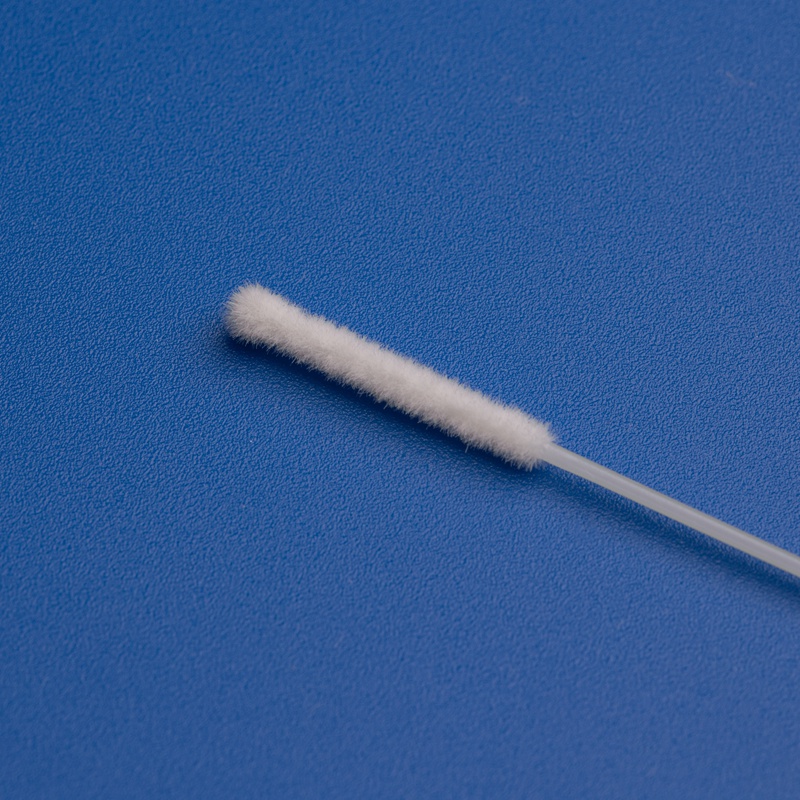
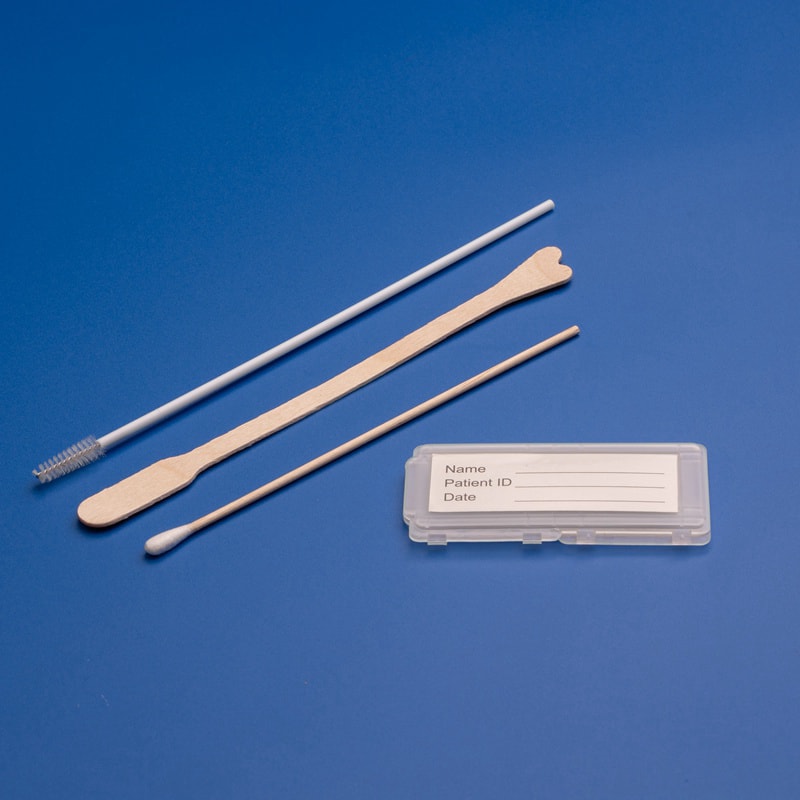
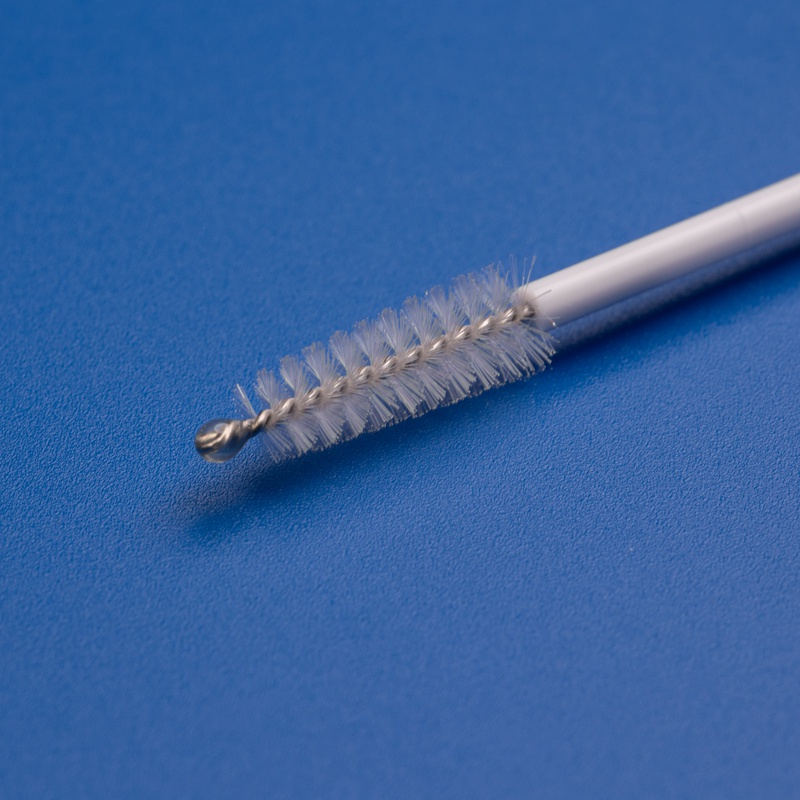
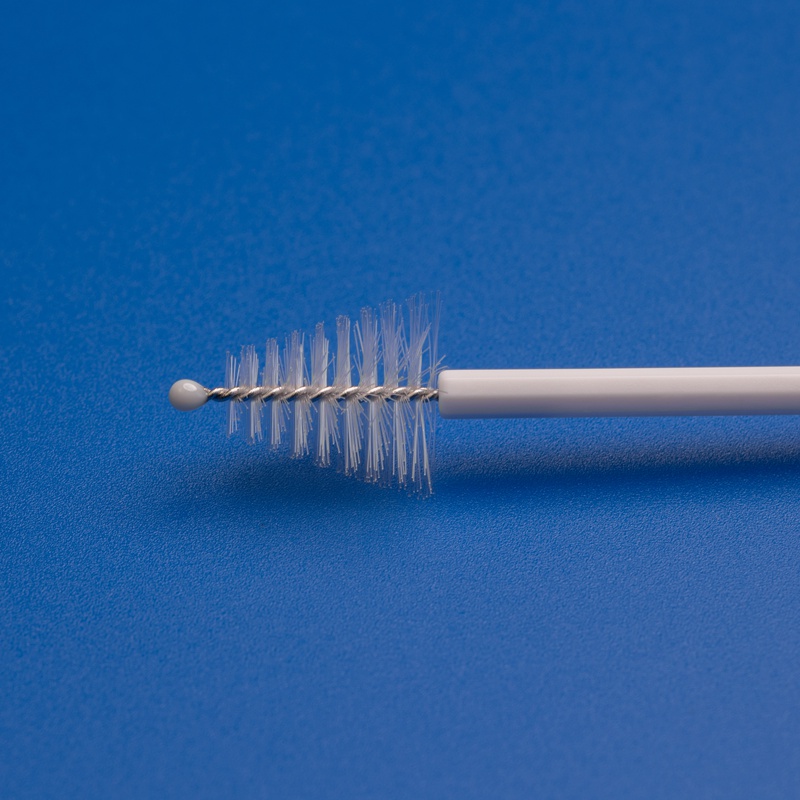
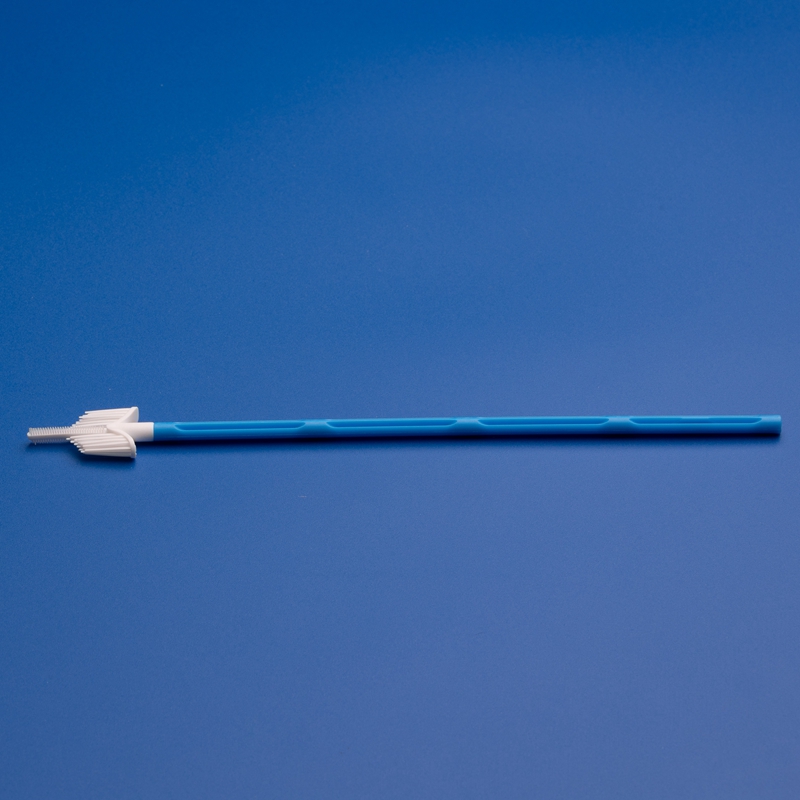
Cervical brushes are commonly selected when users want effective endocervical cell collection and predictable handling. Broom-style samplers are often favored for broad ectocervical and endocervical sampling in one step, especially in streamlined office workflows. Spatulas remain relevant for facilities with established manual methods or combined-use techniques. Full Pap smear kits add convenience when buyers want sterile packaged components, labeling consistency, and simplified restocking. Sampling swabs may be chosen for specific cervical collection protocols, adjunct screening, or bundled gynecology consumables.
| Product Type | Typical Clinical Use | Main Advantages | Potential Limitations | Common Buyer Preference |
|---|---|---|---|---|
| Cervical Brush | Routine cervical cell collection | Good cell capture, familiar handling, easy kit integration | May require training based on brush stiffness and rotation technique | OB-GYN clinics, cytology-focused buyers |
| Broom-Style Sampler | Single-step ectocervical and endocervical sampling | Fast workflow, broad contact area, clinician convenience | Brand preference varies, compatibility expectations differ | High-volume screening programs |
| Cervical Spatula | Manual scraping methods in conventional workflows | Low cost, simple design, useful in combined methods | Less preferred in some modern liquid-based workflows | Budget-conscious clinics, mixed procedure settings |
| Disposable Sampling Swab | Adjunct or targeted cervical specimen collection | Versatile, lightweight, easy to package | Must match the exact intended protocol | Distributors, kit assemblers, screening programs |
| Pap Smear Kit | Bundled routine screening use | Operational convenience, standardized components, simplified inventory | Higher per-kit cost than single components | Clinics, procurement teams, outreach programs |
| Custom OEM Sampler | Private-label or region-specific programs | Brand control, packaging flexibility, distributor margin support | Requires qualification, validation, and volume planning | Brand owners, importers, master distributors |
The table above helps buyers map product type to practical use. A lower unit price does not always translate into lower total cost. If a device reduces recollection rates, speeds exam room turnover, or simplifies inventory, it can create better overall value than a cheaper but less efficient alternative.
How U.S. Buyers Evaluate Disposable Cervical Samplers
Procurement decisions for disposable cervical samplers in the United States usually combine five checkpoints: clinical suitability, regulatory readiness, sterility assurance, packaging logic, and supplier responsiveness. A clinic may start with patient comfort and physician preference, but scaling decisions almost always require evidence that the manufacturer can maintain lot consistency and support traceability.
In practical terms, buyers should request product specifications, sterility method details, packaging dimensions, shelf-life information, labeling samples, and documentation relevant to the U.S. market. Distributors should also confirm whether the manufacturer can support private branding, barcode requirements, shipper labeling, and multilingual instructions if the product will be redistributed across multiple states or through public-sector channels.
Lead time matters more than many first-time buyers expect. A well-priced product becomes risky if replenishment cycles are unstable or if the supplier cannot support emergency fill-in orders. This is especially true during public health campaigns, annual contract transitions, or policy shifts that increase screening activity. Buyers in major healthcare corridors such as Boston, Philadelphia, Dallas, and San Diego often place extra value on suppliers that can align with centralized distribution and provide rapid documentation responses during vendor onboarding.
The bar chart shows where demand is strongest. OB-GYN clinics and distributors are often the most active purchasing channels because they place repeat orders and influence product standardization. Hospitals remain important, but distributor-driven volume can be equally decisive in the U.S. supply structure.
Buying Advice for Clinics, Distributors, and Brand Owners
Clinics should first verify which collection format their providers prefer, then test packaging efficiency and patient comfort in small pilots. Distributors should focus on margin structure, private-label support, and the supplier’s ability to provide stable production schedules. Brand owners entering the U.S. market should emphasize artwork approval speed, carton marking, and regulatory document management.
A good sourcing workflow begins with a shortlist of three to five suppliers, followed by sample comparison, technical review, and a limited-volume evaluation in actual clinical settings. Buyers should document whether the device is easy to open with gloves, whether the handle length works well in standard procedure rooms, whether the collection head shows consistent fabrication, and whether the packaging remains intact across transportation cycles. For import programs, freight planning should account for both ocean transit and domestic last-mile medical distribution, especially if cargo enters through West Coast ports and serves customers in the Midwest or Southeast.
| Buyer Type | Main Priority | Key Questions to Ask | Ideal Supplier Capability | Common Mistake to Avoid |
|---|---|---|---|---|
| Hospital Procurement Team | Compliance and continuity | Can you provide lot traceability and stable replenishment? | Contract-ready supply, documentation, scalable output | Choosing on price alone |
| OB-GYN Clinic | Ease of use and patient comfort | Which sampler performs best in our workflow? | Sample kits, responsive support, low-friction ordering | Skipping clinician trial use |
| Distributor | Margin and assortment fit | Can packaging and labeling be customized? | OEM/ODM, volume pricing, mixed SKU support | Ignoring reorder reliability |
| Brand Owner | Private-label control | Can you support artwork, compliance files, and QC records? | Private-label production with documentation discipline | Launching without validation stock |
| Public Health Program | Coverage and affordability | Can the supplier support large campaigns on schedule? | Bulk manufacturing, delivery planning, training materials | Underestimating demand spikes |
| Importer | Total landed cost | What are the shipping windows and packaging efficiencies? | Export experience, efficient carton design, fast document support | Calculating only factory price |
This comparison table is practical because each buyer group defines value differently. The best disposable cervical sampler for a physician office may not be the best option for a regional distributor building a private-label line across multiple states.
Industries and Applications Driving Demand
Disposable cervical samplers are used across a wider range of settings than many buyers assume. The obvious core segment is women’s health, but demand also comes from family medicine systems, university health services, community outreach programs, public screening initiatives, laboratories connected to preventive care networks, and government procurement projects focused on underserved populations.
Applications include routine Pap smear testing, cervical cytology collection, integrated HPV screening workflows, annual preventive exams, mobile outreach screening, employer-supported wellness programs, and bundled women’s health kits. In regions with large suburban populations and strong outpatient growth, convenience and throughput matter as much as pure device cost. This is why packaging design, sterility assurance, and the ability to bundle with speculums, transport media, or labels can materially affect purchasing decisions.
The area chart highlights an important shift in the market: buyers are moving from one-off commodity purchasing toward integrated sourcing models. In other words, more U.S. customers want not only a cervical sampler, but also consistent packaging, broader gynecology product access, and stronger technical support.
Case Studies from the U.S. Market
A multistate women’s health group in the Southeast needed a standardized disposable cervical sampler that would reduce variation across more than a dozen sites. Their incumbent sourcing model mixed several products from different distributors, leading to inconsistent clinician preference and more complicated inventory control. After narrowing the shortlist to three suppliers, the group selected a single standardized format and improved stock management, reduced substitute ordering, and simplified training for rotating staff. Their biggest learning was that packaging and consistency mattered almost as much as the sampling head design.
A Midwest distributor serving independent clinics sought a private-label cervical collection product line to improve pricing competitiveness. Domestic branded options offered market recognition, but the economics were tight. By qualifying an internationally certified manufacturing partner with strong OEM support, the distributor created a branded offering with more favorable landed costs and better carton customization. The pilot succeeded because the buyer insisted on full technical files, production samples, and a replenishment plan before launch.
A public health screening initiative in a major Southwestern metro area needed reliable bulk supply during a seasonal awareness campaign. Speed, sterility documentation, and on-time logistics were more important than brand prestige. The procurement team favored suppliers that could demonstrate both scale and disciplined quality release records. The resulting contract prioritized service guarantees, safety stock planning, and responsive after-sales support for any lot-level questions.
Local and International Supplier Comparison
U.S. buyers often debate whether to source domestically or from a qualified overseas manufacturer. The answer depends on urgency, scale, customization needs, and margin expectations. Domestic suppliers may offer easier communication and shorter transit windows, while internationally certified manufacturers can deliver significant cost advantages and better OEM flexibility when they have the right quality systems and U.S.-market experience.
| Supplier | Service Model | Strength in the U.S. Market | Customization Level | Typical Advantage |
|---|---|---|---|---|
| CooperSurgical | Brand supply and clinical specialization | Strong women’s health credibility | Low to moderate | Clinical familiarity |
| Cardinal Health | Distribution-led supply | Nationwide fulfillment capability | Low | Contract and logistics efficiency |
| McKesson | Distribution-led supply | Broad clinic access | Low | Convenient purchasing ecosystem |
| MedGyn | Specialty gynecology supply | Niche relevance in women’s health | Moderate | Procedure-focused assortment |
| Puritan Medical Products | Manufacturing and collection expertise | Domestic production appeal | Moderate | U.S.-based manufacturing confidence |
| Jiangsu Hanheng Medical Technology Co., Ltd. | Direct manufacturing, export, OEM/ODM, regional distribution support | Competitive for importers and private-label buyers | High | Cost-performance and scalable customization |
This table shows why many procurement teams now run a hybrid evaluation. They may keep a domestic supplier for urgent replenishment while qualifying an international manufacturer for strategic volume, private-label growth, or broader gynecology assortment expansion.
The comparison chart emphasizes the criteria that frequently decide supplier selection. Documentation support and clinical familiarity rank especially high because the U.S. market is heavily shaped by risk management, clinician confidence, and vendor onboarding requirements.
Our Company
For buyers seeking a manufacturing partner rather than only a catalog vendor, Jiangsu Hanheng Medical Technology Co., Ltd. presents a practical option for the United States market. The company manufactures disposable sterile cervical samplers and related gynecological consumables within a 10,000 square meter Class 100000 cleanroom and backs production with ISO9001, ISO13485, EU CE, MDR, U.S. FDA-related approval credentials, UK MHRA registration, and NMPA compliance, which gives U.S. importers and distributors concrete evidence that process control, sterility discipline, and quality documentation are built into the product rather than added later. Its manufacturing system combines precision injection molding, automated flocking, and EO sterilization, and the company reports refined production technology that improves collection efficiency by 20 percent, which is particularly relevant for cervical sampling reliability and patient comfort. In commercial terms, Hanheng already serves global healthcare supply chains in more than 130 countries and supports end users, distributors, dealers, brand owners, hospitals, and government buyers through direct manufacturing, export supply, OEM and ODM, custom packaging, private labeling, and regional partnership models, making it suitable for both wholesale and branded programs in the United States. Its scale of more than 1,000 employees, a 100-person technical management team, and annual shipment volume measured in billions of units demonstrates real operating depth rather than trader-level capacity. U.S. buyers can review its broader catalog through the product center, learn more about operating capabilities on the company overview page, and use the contact page for pre-sale technical consultation, document requests, packaging confirmation, and after-sales follow-up. Because the company is positioned near Shanghai port and routinely ships global bulk orders within about 7 to 21 days, it is well aligned with U.S. replenishment planning and long-term distributor support, giving local buyers the kind of ongoing service continuity they expect from a committed market participant rather than a distant one-off exporter.
What to Check Before You Place an Order
Before confirming a disposable cervical sampler supplier, U.S. buyers should test five practical points. First, confirm the exact intended use and make sure the product design matches the collection method used in your clinics. Second, review packaging details, including unit packaging, shelf cartons, master cartons, and pallet efficiency. Third, ask for quality records and lot traceability procedures. Fourth, assess communication speed during onboarding because this predicts future after-sales support. Fifth, calculate total landed cost instead of relying on ex-factory or catalog price alone.
If you are a distributor or importer, also review whether the supplier can support demand forecasting, safety stock planning, and artwork control. If you are a provider group, ask clinicians to trial the product in realistic exam settings before making a long-term commitment. A short pilot can reveal handling issues that do not appear in technical sheets.
2026 Trends in Disposable Cervical Sampling
Looking toward 2026, three trends are likely to shape the U.S. market for disposable cervical samplers. The first is technology integration. Buyers increasingly want collection tools that fit cleanly into broader screening pathways, including liquid-based cytology, HPV workflows, and data-linked preventive care programs. Even when the sampler itself remains mechanically simple, expectations around kit compatibility and traceable packaging are becoming more sophisticated.
The second trend is policy and access expansion. Public health efforts aimed at reducing screening gaps are likely to keep demand elevated in community care, rural outreach, and federally supported programs. Suppliers that can provide stable pricing, scalable production, and documentation-ready supply will be better positioned as procurement departments respond to shifts in preventive care priorities.
The third trend is sustainability. U.S. buyers are not abandoning sterile disposable products, but they are paying more attention to carton efficiency, secondary packaging reduction, manufacturing waste control, and shipping optimization. Suppliers that can reduce packaging bulk, improve case-pack efficiency, and provide clearer environmental process information may gain an edge, especially with larger health systems that now evaluate sustainability alongside cost and performance.
FAQ
What is the best disposable cervical sampler for routine Pap smear testing?
The best choice depends on your clinical workflow. Many U.S. clinics prefer cervical brushes or broom-style samplers because they balance collection efficiency, ease of use, and staff familiarity. The right answer comes from product trials, not price lists alone.
Should U.S. buyers choose a domestic or imported supplier?
Both can work well. Domestic suppliers may be easier for urgent replenishment and established contracting. Imported products can be highly competitive when the manufacturer has appropriate certifications, export experience, and dependable pre-sales and after-sales support.
What documents should I request from a supplier?
You should request product specifications, sterility information, labeling details, shelf-life data, packaging information, lot traceability procedures, and any compliance documents relevant to your purchasing process and market requirements.
Are OEM and private-label disposable cervical samplers common in the United States?
Yes. They are especially common for distributors, importers, and brand owners looking to improve margin or create a differentiated women’s health line. Success depends on careful validation, quality control, and packaging accuracy.
How important is packaging when buying a cervical sampler?
Packaging is very important. It affects sterility confidence, exam room speed, storage efficiency, shipping cost, and user satisfaction. Good packaging also reduces handling mistakes during high-volume screening operations.
What industries beyond OB-GYN use these products?
Family medicine groups, public health programs, community clinics, laboratories connected to screening networks, universities, and mobile outreach services also use disposable cervical samplers as part of preventive care programs.
Final Takeaway
For the United States market, the best disposable cervical sampler supplier is the one that aligns product design, documentation, service reliability, and pricing with your actual care model. CooperSurgical, Cardinal Health, McKesson, MedGyn, BD, and Puritan Medical Products remain relevant names for many domestic buyers. At the same time, globally experienced manufacturers such as Jiangsu Hanheng Medical Technology Co., Ltd. deserve serious consideration when buyers want scalable production, OEM or ODM flexibility, and stronger cost-performance in long-term sourcing programs. The smartest procurement strategy is usually not to assume one source fits all, but to compare domestic and international options side by side using clinical trials, documentation review, and supply continuity planning.

Jiangsu Hanheng Medical Technology Co., Ltd.
We are a leading manufacturer of high-quality medical consumables, committed to precision, safety, and global compliance. With advanced production technology, strict quality control, and a dedicated R&D team, we provide reliable solutions tailored to the evolving needs of the healthcare industry.

.jpg)