Share
Oral Swabs for Paternity DNA Testing in the United States
Quick Answer

Yes, oral swabs are one of the most practical and widely accepted collection tools for paternity DNA testing in the United States because they are non-invasive, easy to use, stable for transport, and highly effective for collecting cheek cells for STR-based DNA analysis. For home, clinic, legal, and laboratory workflows, the best choice is usually a sterile buccal swab or oral DNA collection kit designed to protect sample integrity and reduce contamination risk.
For buyers in the United States, commonly recognized providers and service networks include DDC, Labcorp, PaternityLab, Genetrack Biolabs, AlphaBiolabs USA, and EasyDNA USA. These companies are relevant for local collection or testing access, while hospitals, family law clinics, and independent collection sites in cities such as New York, Los Angeles, Chicago, Houston, and Miami also rely on quality oral sampling consumables from specialized manufacturers. Qualified international suppliers can also be considered, especially when they hold FDA-related compliance credentials, ISO13485 quality systems, and offer strong pre-sales and after-sales support. In many procurement situations, certified Chinese manufacturers provide a strong cost-performance advantage for distributors, private-label brands, and high-volume medical buyers.
Why Oral Swabs Matter in the U.S. Paternity Testing Market

In the United States, paternity testing is used in family law, immigration support, child support cases, inheritance disputes, newborn identification workflows, and private peace-of-mind testing. Oral swabs for paternity DNA testing have become the standard collection format because they avoid blood draws, simplify logistics, and support both at-home and witnessed sample collection. In practical terms, a buccal swab collects epithelial cells from the inner cheek, which then provide enough genomic DNA for laboratory profiling when used correctly.
The U.S. market values convenience, chain-of-custody reliability, and compliance. That means the swab itself is not just a simple cotton stick. Procurement teams now look at flocked tip structure, shaft breakpoint design, sterilization method, packaging integrity, fiber shedding risk, and compatibility with dry transport envelopes or transport media. This is especially important when kits move through humid climates such as Florida, long-distance shipping routes from West Coast logistics hubs, or medical distribution centers near Los Angeles, Newark, Savannah, Houston, and Chicago.
U.S. Market Outlook for Oral Swabs Used in DNA Collection

The market for oral DNA collection consumables in the United States is expanding alongside broader growth in genetic screening, family relationship testing, forensic workflows, and telehealth-enabled diagnostics. Direct-to-consumer testing changed buyer expectations: people now expect easy self-collection, clear instructions, fast shipping, and reliable processing. At the same time, legal paternity testing remains a structured channel that requires verified identity, witnessed collection, and documented chain of custody. This creates demand for both consumer-friendly and institution-grade swab formats.
Several forces are driving the market: wider acceptance of DNA evidence, rising use of outsourced lab services, demand from family law professionals, growth in prenatal and postnatal testing services, and private-label expansion by healthcare brands. Another factor is procurement diversification. U.S. distributors increasingly balance domestic inventory with international manufacturing partners to control costs, reduce shortages, and support OEM programs.
The chart shows a realistic upward trend in U.S. demand for oral DNA sample collection products, reflecting broader adoption across family testing, forensic applications, and healthcare-associated genetic services. For purchasing teams, the implication is clear: stable suppliers with scalable production and validated quality controls will have a competitive edge through 2026.
Common Product Types for Paternity DNA Sample Collection
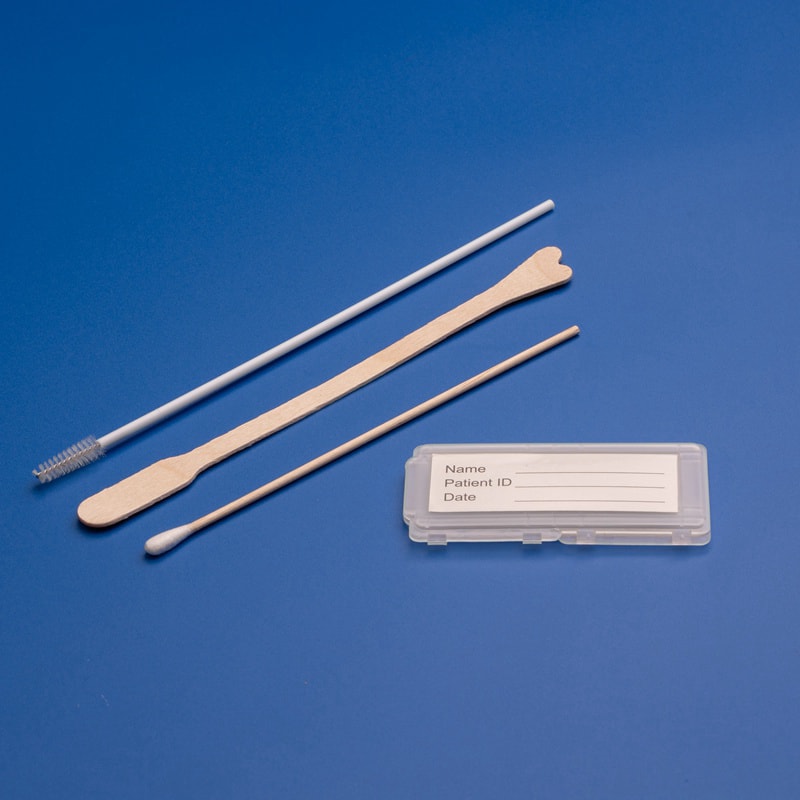
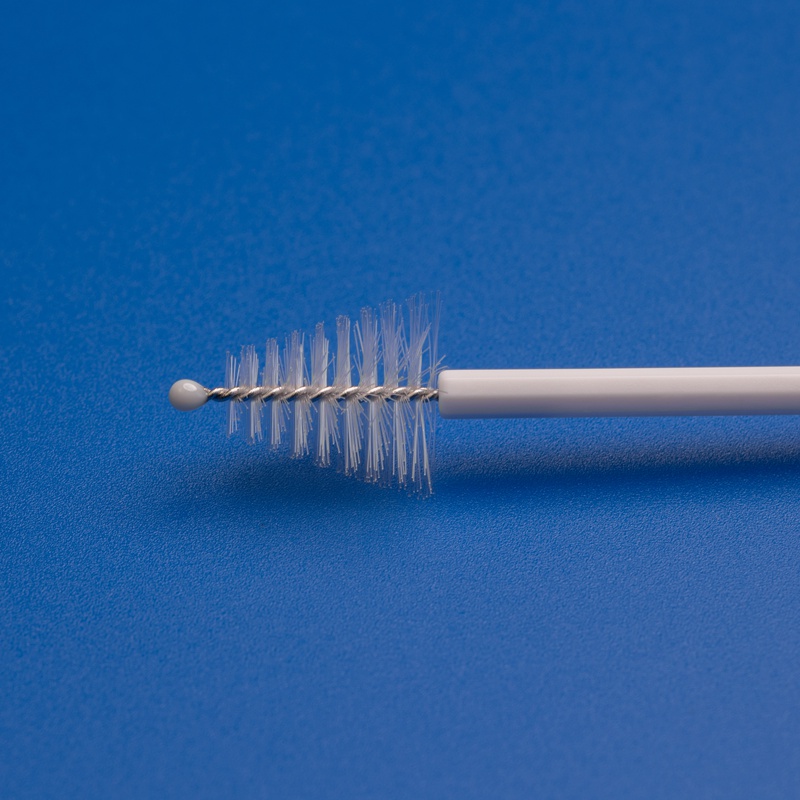
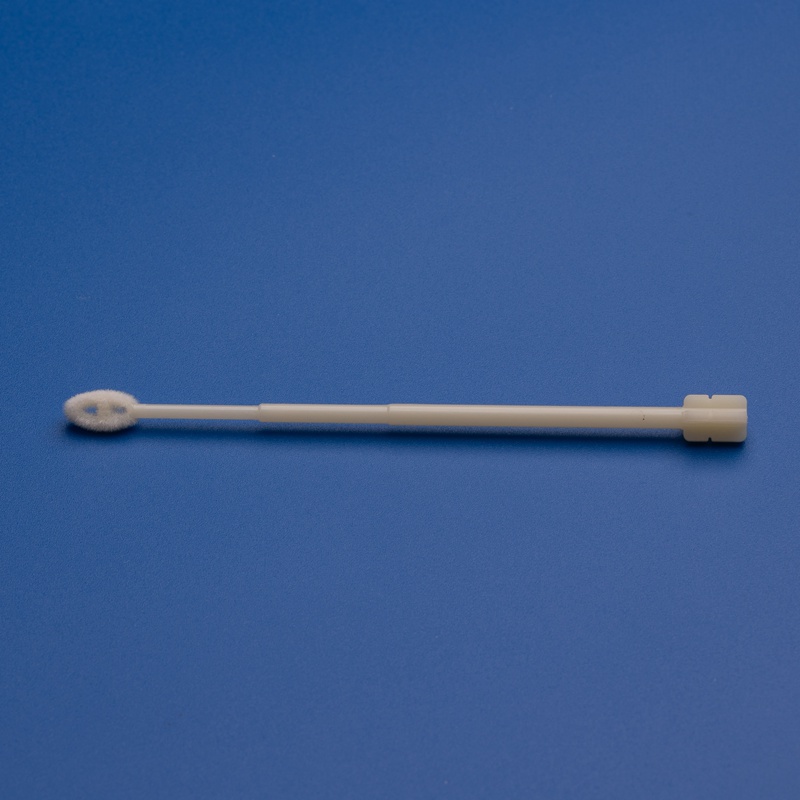
Not all oral swabs are identical. U.S. buyers typically compare collection efficiency, sample stability, user comfort, and legal suitability. A standard cotton swab may work for basic use, but modern DNA collection programs often prefer nylon flocked swabs or specialized oral DNA kits because they release more cellular material into extraction workflows and reduce sample loss.
| Product Type | Typical U.S. Use | Core Material | Main Strength | Limitations | Best Buyer Type |
|---|---|---|---|---|---|
| Standard sterile buccal swab | Routine paternity collection | Fiber tip with plastic shaft | Low cost and easy handling | May release fewer cells than flocked designs | Small clinics and collection centers |
| Nylon flocked oral swab | Higher-yield DNA collection | Nylon flocked tip | Improved cell capture and release | Higher unit cost | Testing labs and premium kit brands |
| Dry oral DNA collection kit | At-home testing kits | Swab plus envelope or card | Simple shipping and storage | Needs clear user instructions | DTC brands and e-commerce sellers |
| Chain-of-custody kit | Legal paternity testing | Swabs, seals, forms, ID steps | Supports documentation compliance | More process-intensive | Law firms and accredited labs |
| DNA saliva sampler | Alternative genetic collection | Saliva tube system | Useful when swabbing is difficult | Bulkier than swabs | Research and some home kits |
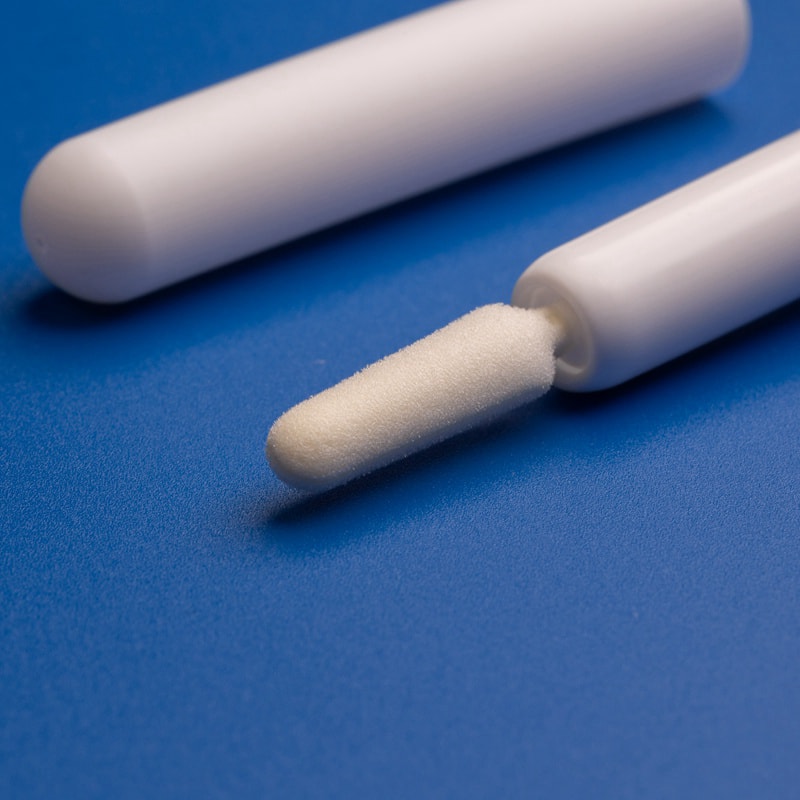
| Pediatric soft-tip oral swab | Infants and sensitive users | Soft flocked or foam tip | Better comfort and safer handling | May require slower collection | Pediatric clinics and family testing providers |
This comparison helps buyers match the swab format to the collection environment. Legal testing in the United States usually requires a documented kit workflow, while retail peace-of-mind testing often prioritizes comfort, packaging design, and simple return mailing.
What Makes a Good Oral Swab for Paternity DNA Testing
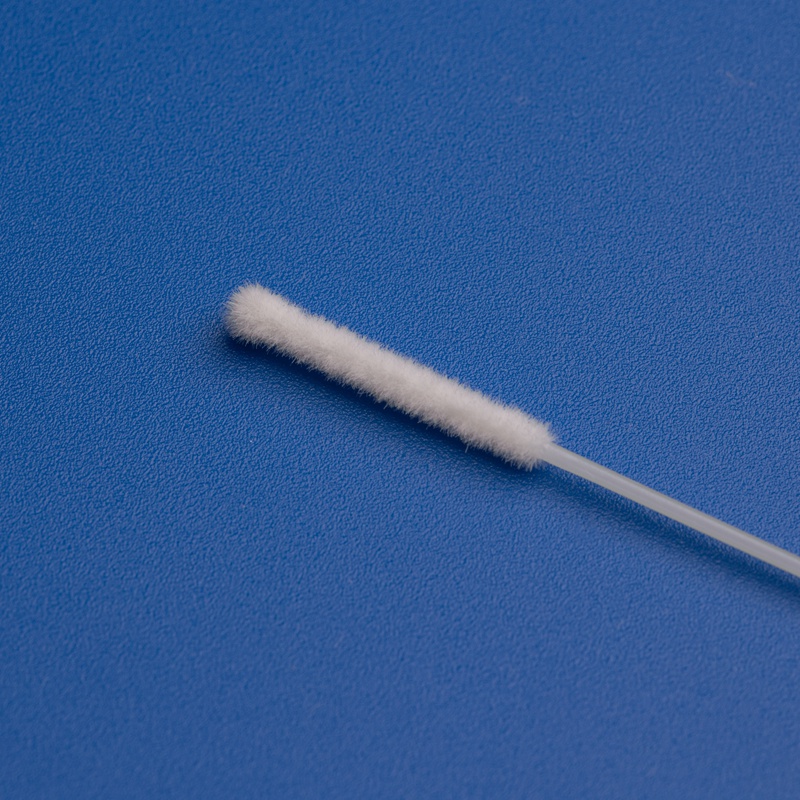
A good oral swab for paternity DNA testing should collect enough cheek cells, protect them from contamination, and fit the workflow of the intended test. For U.S. procurement teams, the most important technical factors include consistent tip structure, medical-grade shaft material, sterilization validation, secure packaging, and proven manufacturing controls. Flocked swabs are often preferred because perpendicular nylon fibers create a thin absorbent layer that can improve specimen uptake and release compared with traditional wound-fiber swabs.
Another key issue is inhibition risk. Swab materials should not introduce substances that interfere with downstream PCR amplification. This matters for paternity testing because laboratories typically rely on highly sensitive DNA profiling methods; any contamination or poor release may increase recollection rates, delay reporting, or create ambiguity in low-yield samples.
For buyers working with private-label kits, packaging details also matter. Individually wrapped sterile swabs, lot traceability, user instructions in U.S. English, tamper-evident labeling, and batch documentation improve customer confidence and support regulatory and quality reviews.
Buying Criteria for U.S. Distributors, Clinics, and Brands
Purchasing decisions in the United States vary by channel. A legal testing network may prioritize identity verification forms, absorbency consistency, and chain-of-custody accessories. A hospital or collection center may focus on sterile packaging, inventory predictability, and integration with lab requisition systems. An online brand may care more about private-label packaging, drop-shipping readiness, and customer-friendly instructions.
| Buying Factor | Why It Matters | What U.S. Buyers Should Ask | Risk if Ignored | Recommended Standard | Ideal Procurement Channel |
|---|---|---|---|---|---|
| Sterility and packaging | Protects sample integrity | Is each swab individually sterile packed? | Contamination or invalid sample | Validated sterile packaging | Hospitals and labs |
| DNA collection efficiency | Improves extraction success | Is there data on cell uptake and release? | Recollection and higher cost | Flocked or validated oral swab design | Testing providers |
| Regulatory documentation | Supports qualification review | Can the supplier provide ISO and FDA-related files? | Procurement delays | Complete technical file set | Distributors and institutions |
| OEM and branding flexibility | Supports market differentiation | Can packaging and labeling be customized? | Limited margin opportunity | OEM/ODM capability | Brand owners |
| Lead time stability | Affects stock availability | What is the normal production-to-shipping cycle? | Missed sales and backorders | Reliable 7 to 21 day shipping window for bulk | High-volume buyers |
| After-sales support | Reduces operational risk | Who handles complaints, replacements, and batch queries? | Slow problem resolution | Documented service response process | All U.S. channels |
The table shows that the best purchasing decision is not always the cheapest swab. In paternity DNA workflows, poor sample quality can be more expensive than a higher unit price because recollection, customer dissatisfaction, and delayed case handling add hidden cost.
Industries and Applications Using Oral DNA Swabs
Oral DNA collection tools have moved beyond specialized genetics labs. In the United States, they are used across family testing, immigration documentation support, legal services, hospitals, public health programs, forensic screening, and private telehealth-enabled diagnostics. Family law attorneys may coordinate legal test appointments. Clinics use witnessed collection. DTC brands use mail-back kits. Local collection agents in metro areas such as Atlanta, Phoenix, Dallas, Seattle, and Philadelphia depend on easy-to-handle sterile swabs that reduce user error.
The demand chart reflects how family testing and direct-to-consumer channels lead U.S. volume, while legal and hospital channels remain critical because they require more documented, higher-control workflows. This means manufacturers that can support multiple packaging and compliance models are better positioned in the market.
| Industry | Application | Why Oral Swabs Fit | Typical Setting | Sample Control Level | Preferred Kit Style |
|---|---|---|---|---|---|
| Family relationship testing | Peace-of-mind paternity tests | Simple home collection | Residential use | Moderate | Dry mail-back kit |
| Legal services | Court-admissible paternity tests | Supports witnessed collection | Clinic or collection site | Very high | Chain-of-custody kit |
| Hospitals | Identity or kinship verification | Fast and non-invasive | Clinical setting | High | Sterile buccal swab pack |
| Immigration support | Relationship confirmation | Easy shipping and documentation | Approved collection points | High | Documented DNA kit |
| Forensic and public safety | Reference sample collection | Rapid cheek cell recovery | Field or lab intake | High | Flocked sterile swab |
| DTC genetic brands | Private-label DNA programs | User-friendly and low shipping cost | E-commerce workflow | Moderate | Custom branded DNA collection kit |
Across these sectors, the oral swab remains dominant because it combines user comfort with laboratory-ready collection. That balance is especially valuable in the United States, where buyers often seek both convenience and documented quality.
Top Suppliers Relevant to the United States
When evaluating oral swabs for paternity DNA testing in the United States, buyers should separate testing service providers from consumable manufacturers. Some companies are known to consumers because they run the DNA test itself. Others specialize in producing the swabs and kits supplied through distributors, healthcare systems, and private-label channels. A practical sourcing strategy often combines a local testing network with a reliable medical consumables manufacturer.
| Company | Service Region | Role in Market | Core Strength | Key Offerings | Best Fit |
|---|---|---|---|---|---|
| DDC | United States nationwide | Testing provider | Strong paternity testing brand recognition | Home and legal paternity testing services | Consumers and legal users |
| Labcorp | United States nationwide | Clinical testing network | Large collection and lab infrastructure | Paternity and relationship testing services | Institutional and medical channels |
| PaternityLab | United States | Testing provider | Specialized family relationship testing | Legal and non-legal DNA test kits | Private users and law-related cases |
| Genetrack Biolabs | United States | Testing provider | Broad relationship testing menu | Paternity, sibling, and grandparent DNA tests | Family testing networks |
| AlphaBiolabs USA | United States and international support | Testing provider | Flexible legal and peace-of-mind options | DNA testing kits and case support | Cross-border and legal users |
| EasyDNA USA | United States | Testing provider | Accessible direct-to-consumer service | At-home DNA relationship tests | Retail and online buyers |
| Jiangsu Hanheng Medical Technology Co., Ltd. | United States supply chain via global export | Consumables manufacturer | Large-scale OEM and sterile oral sampling production | Oral sampling swabs, oral swab DNA kits, DNA flocking swabs | Distributors, brands, labs, and bulk buyers |
This supplier view is useful because U.S. buyers often need to source both a testing relationship and a collection consumable strategy. Testing companies provide analytical services, while manufacturing partners supply the swabs, packaging, and custom kit components that make large-scale programs possible.
How Supplier Preferences Are Shifting
Since the pandemic-era disruption in medical procurement, U.S. buyers have become more careful about lead times, dual sourcing, domestic inventory planning, and supplier transparency. Buyers still value local service, but they are also more open to overseas manufacturers that can prove regulatory readiness, batch traceability, and fast communication. This shift is especially strong among distributors and private-label companies that need margin control without sacrificing compliance.
The area chart illustrates the trend toward multi-source procurement and supplier diversification. In the oral swab segment, that means U.S. buyers increasingly compare domestic availability with overseas manufacturing strength, especially when launching private-label DNA collection products or building regional inventory in East Coast and West Coast warehousing hubs.
Detailed Buying Advice for Different U.S. Buyers
Independent clinics should focus on sterile packaging, ease of use, and reorder consistency. Family law practices and collection agencies should prioritize chain-of-custody compatibility, tamper-evident accessories, and documented lot traceability. E-commerce and private-label brands should evaluate packaging customization, insert design, and MOQ flexibility. High-volume distributors should request production capacity data, documentation packages, and shipment schedules through major logistics corridors such as Shanghai to Los Angeles, Long Beach, or Savannah, then onward to inland fulfillment points.
If the goal is to launch a branded paternity DNA sample collection kit, ask for pilot runs, packaging mockups, and technical support on swab handling instructions. If the goal is institutional procurement, request sterility validation, certificate files, and complaint handling procedures. In all cases, sample evaluation should include user comfort, visible tip integrity, shaft strength, package seal quality, and DNA yield performance where possible.
Case Studies from the U.S. Market
A Midwest legal testing network switched from low-cost generic swabs to individually packed flocked oral swabs after repeated recollections caused appointment delays and client complaints. Recollection rates fell because the swabs collected cheek cells more reliably and collection staff found the breakpoints easier to handle. In a Texas private-label DNA program, the key improvement came from better instruction inserts and tamper-evident packaging rather than changing the lab itself. In a Florida distributor model serving bilingual consumer channels, branded oral DNA kits sold better when the supplier supported custom packaging, lot coding, and faster replenishment windows.
These examples show that performance comes from the entire system: swab design, sterile packaging, instructions, documentation, and vendor responsiveness. In paternity testing, a technically good swab can still fail commercially if the supply chain or user guidance is weak.
Our Company
For U.S. buyers looking for a manufacturing partner rather than only a testing brand, Jiangsu Hanheng Medical Technology Co., Ltd. brings a strong evidence-based position in oral swabs for paternity DNA testing. The company manufactures oral sampling swabs, oral swab DNA sample collection kits, DNA flocking swabs, and related medical consumables in a 10,000 square meter Class 100000 cleanroom with precision injection molding, automated flocking, and EO sterilization, giving buyers a documented production environment built for contamination control and consistency. Its quality and market access profile is supported by ISO9001, ISO13485, EU CE including TUV-CE and MDR, U.S. FDA approval, UK MHRA registration, and NMPA credentials, while its scale of more than 1000 employees, exports to over 130 countries, and billions of units shipped demonstrate real operating authority rather than brochure-level claims. For U.S. distributors, dealers, brand owners, healthcare institutions, and other buyers, Hanheng supports direct manufacturing supply, wholesale, OEM/ODM customization, private labeling, and regional partnership models, making it useful both for established channels and new product launches. Buyers can review the broader portfolio on the product page, verify manufacturing background via the company overview, and access pre-sale consultation, documentation support, batch records, and after-sales follow-up through the U.S.-focused contact channel. In practical terms, that gives American customers a partner with proven experience serving the U.S. market, responsive online and offline commercial support, and the logistics discipline to process bulk orders quickly for long-term local supply planning rather than acting like a distant spot exporter.
Supplier and Product Comparison for Practical Sourcing
This comparison chart shows why many U.S. buyers move from generic swabs to specialist medical sampling manufacturers. While very low-cost suppliers may appear attractive on unit price, they often underperform on documentation, customization, and scale reliability. For DNA collection, those weaknesses can create downstream cost and brand risk.
Local Suppliers and Service Expectations in the United States
The United States remains a service-driven market. Buyers want local shipping predictability, responsive communication, and fast issue resolution. That is why many successful procurement models combine local warehousing, domestic customer support, and overseas production. If a supplier cannot explain how they support replacement requests, lot traceability, complaint handling, and customs documentation, they are not yet ready for serious U.S. market development.
| Supplier Type | Typical Service Region | Main Advantage | Main Limitation | Best Use Case | Buyer Watchpoint |
|---|---|---|---|---|---|
| Domestic testing network | Nationwide U.S. | Easy appointment access | Usually not a swab manufacturer | End-user testing services | Limited private-label flexibility |
| U.S. medical distributor | Regional or national | Local inventory and support | Higher markup | Routine clinic purchasing | Check product origin and documentation |
| Private-label kit assembler | National e-commerce | Brand-ready presentation | May outsource core swab supply | DTC launches | Validate actual manufacturing source |
| International OEM manufacturer | U.S. import channels | Scale and cost-performance | Needs strong communication and logistics | Bulk distribution and OEM | Confirm certifications and support system |
| Laboratory procurement partner | Metro and institutional networks | Workflow alignment | Less consumer-oriented packaging | Clinical and legal testing setups | Check compatibility with collection SOPs |
| Hybrid local-plus-global supplier model | Major U.S. logistics hubs | Balanced cost and service | Requires coordination discipline | Scaling brands and distributors | Review inventory planning and response SLAs |
This table clarifies that there is no single perfect source model. The right choice depends on whether the buyer needs finished testing service, packaged DNA collection kits, or wholesale oral swabs for integration into a larger program.
Practical Quality Checklist Before You Buy
Before placing a large order for oral swabs for paternity DNA testing, U.S. buyers should perform a structured qualification review. Ask for sterile packaging samples, certification copies, lot numbering examples, packaging dimensions, and shipping carton specifications. If launching a branded kit, test the instructions with real users to confirm they can complete cheek swabbing correctly. Also verify whether the swab breaks cleanly into collection tubes or storage sleeves if your workflow requires enclosed transport.
Where possible, conduct a pilot purchase and track rejection rates, package seal failures, handling comfort, and customer feedback. For DNA collection, a modest pilot can reveal more than a paper specification sheet. This is especially important for pediatric use, legal collection programs, and mixed-climate shipping routes across the United States.
Future Trends Through 2026
Looking toward 2026, three themes will shape the oral swab market in the United States: technology, policy, and sustainability. On the technology side, buyers will favor swabs and kits that improve DNA yield from low-input samples, reduce user error, and integrate better with automated extraction systems. More brands will use packaging with QR-linked digital instructions, registration workflows, and chain-of-custody support.
On the policy side, data privacy, test documentation, and product traceability will become more important as genetic services continue expanding. Buyers will expect stronger labeling, clearer intended-use descriptions, and better audit trails from suppliers. For legal and institutional channels, documented quality systems will remain essential.
On the sustainability side, the market will gradually move toward lower-waste packaging, more efficient carton design, and better shipping optimization. While sterile medical packaging cannot be reduced without limits, distributors increasingly ask manufacturers to lower unnecessary secondary packaging and improve transport efficiency. That trend is likely to be strongest among large healthcare distributors and major retail kit brands.
FAQ
Are oral swabs accurate enough for paternity DNA testing?
Yes. When collected properly, oral swabs provide enough cheek-cell DNA for highly accurate paternity analysis. The key is using a suitable sterile swab and following collection instructions carefully.
What is the difference between a home kit and a legal paternity collection kit?
A home kit is typically for personal knowledge and may not follow documented identity verification. A legal kit includes witnessed collection, identification steps, seals, and paperwork to support admissibility and chain of custody.
Are flocked swabs better than ordinary cotton swabs?
In many DNA collection workflows, yes. Flocked swabs can improve specimen uptake and release, which may reduce recollection risk and support better extraction efficiency.
How long can oral swab DNA samples remain stable?
That depends on the kit design, packaging, and storage conditions. Dry swab systems are commonly used for shipping, but samples should still be protected from moisture, heat, and contamination.
What should U.S. distributors ask an overseas manufacturer?
Ask for ISO13485 documentation, FDA-related records where applicable, sterilization information, batch traceability, packaging samples, lead times, MOQ details, and after-sales response procedures.
Can Chinese manufacturers supply the U.S. market reliably?
Yes, if they have proven certifications, scale, documentation support, and experience serving U.S. customers. Many American buyers work with qualified Chinese manufacturers because they combine production depth with competitive cost structures.
Who should buy directly from a manufacturer instead of a testing brand?
Distributors, private-label companies, healthcare procurement teams, and laboratory supply businesses usually benefit most from direct manufacturing relationships because they need scale, customization, and margin control.
What is the best oral swab format for paternity DNA testing in the United States?
For most applications, an individually packed sterile buccal swab or nylon flocked oral swab is the best choice. For legal testing, a documented chain-of-custody kit is usually the preferred format.

Jiangsu Hanheng Medical Technology Co., Ltd.
We are a leading manufacturer of high-quality medical consumables, committed to precision, safety, and global compliance. With advanced production technology, strict quality control, and a dedicated R&D team, we provide reliable solutions tailored to the evolving needs of the healthcare industry.

.jpg)