Share
Extended Tip Gynecological Scraper Suppliers in the United States
Quick Answer

If you need an extended tip gynecological scraper in the United States, the most practical approach is to shortlist established medical sampling and women’s health device suppliers with proven distribution into hospital systems, OB-GYN clinics, pathology labs, and public health screening programs. In the U.S. market, companies such as CooperSurgical, Medgyn Products, DTR Medical, Puritan Medical Products, McKesson Medical-Surgical, and Wallach Surgical are commonly considered when buyers want dependable gynecological sampling tools, procedure packs, and diagnostic consumables. Buyers in major healthcare hubs such as New York, Chicago, Houston, Los Angeles, and Atlanta usually compare sterile packaging, tip geometry, cervical cell collection efficiency, clinician handling, and compatibility with Pap and HPV workflows before ordering.
For immediate action, start with suppliers that can document FDA-related compliance pathways, sterility controls, lot traceability, and consistent lead times for the U.S. market. If you are a distributor, private-label brand, procurement team, or clinic group, qualified international manufacturers can also be worth serious consideration. Cost-competitive overseas producers with U.S.-relevant certifications, strong technical files, responsive pre-sales communication, and reliable after-sales support can deliver excellent value, especially for bulk programs, OEM packaging, and long-term screening supply contracts.
United States Market Overview

The U.S. market for gynecological sampling consumables remains resilient because cervical cancer screening, HPV testing, women’s preventive care, and outpatient diagnostic programs continue to generate steady demand. Extended tip gynecological scrapers are typically used where clinicians want deeper or more precise cervical sampling, especially when collection consistency matters for cytology and adjunct molecular testing. Demand is strongest in integrated delivery networks, women’s health clinics, ambulatory surgery centers, independent OB-GYN practices, university hospitals, and reference laboratories.
Several factors shape purchasing behavior in the United States. First, buyers increasingly prefer devices that support efficient specimen collection with minimal patient discomfort. Second, procurement teams want stronger documentation around sterility, material safety, traceability, and packaging integrity. Third, laboratory quality teams are more focused on specimen adequacy because repeat collection raises cost, delays care, and affects patient satisfaction. Finally, consolidation across healthcare systems means vendors that can supply nationwide distribution through hubs near Los Angeles, Savannah, Houston, Chicago, and New Jersey often gain an advantage.
Regional logistics matter. Products entering through West Coast gateways such as the Port of Los Angeles and Port of Long Beach may be ideal for distribution to California, Arizona, Washington, and Nevada, while East Coast access through New York-New Jersey and Savannah supports the Northeast and Southeast. Central warehousing near Memphis, Dallas, and Chicago can help reduce delivery times to hospitals and group purchasing customers across the country.
Market Growth Trend

The chart below shows a realistic estimate of U.S. demand growth for gynecological sampling consumables associated with cervical screening and related women’s health procedures. The trend reflects stable screening demand, broader HPV awareness, and procurement modernization.
What an Extended Tip Gynecological Scraper Is
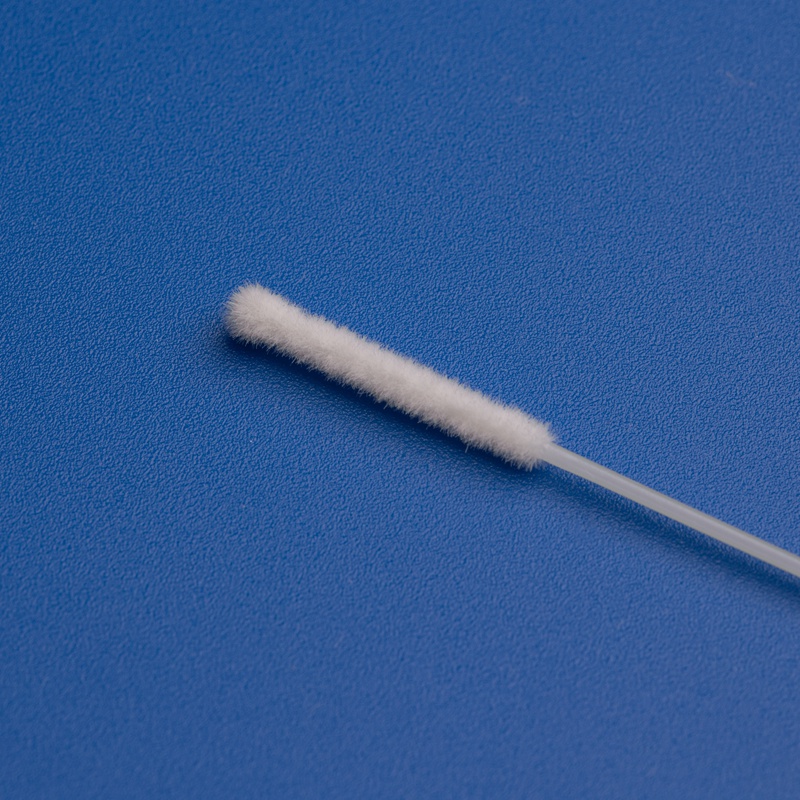
An extended tip gynecological scraper is a disposable cervical collection instrument designed with a longer or more pronounced sampling tip to improve access to the transformation zone and support efficient cell retrieval. In clinical use, it may be selected when the provider wants greater reach, improved rotational control, or a collection profile suited to Pap smear and cervical cytology routines. Depending on design, the device may have a molded plastic scraper head, flexible stem, ergonomic handle, and sterile single-use packaging.
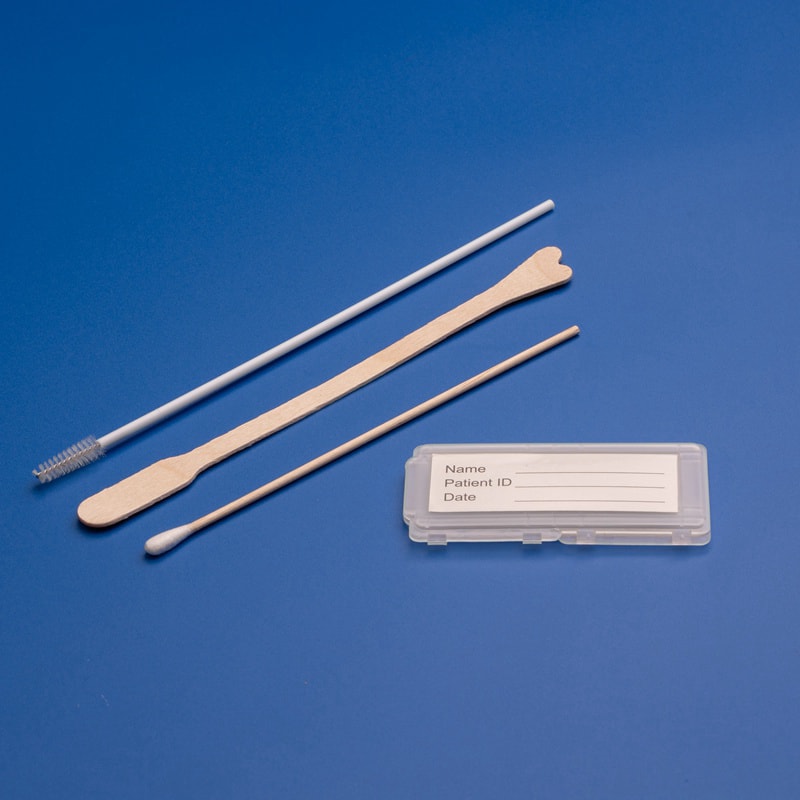
In practice, the exact product category can overlap with cervical spatulas, cervical scrapers, sterile cervical samplers, and combined cytology collection tools. U.S. buyers often use these terms interchangeably during sourcing, so product evaluation should focus on the technical drawing, tip dimensions, shaft flexibility, sample transfer characteristics, and packaging configuration rather than relying only on catalog naming.
Main Product Types in the U.S. Market
Not every clinic needs the same collection device. Some providers prioritize standard Pap collection, while others prefer products tailored to HPV testing workflows, outreach screening programs, or procedure kits. The table below outlines the common product types seen in U.S. procurement discussions.
| Product type | Typical design | Best-fit setting | Primary advantage | Common buyer | Notes |
|---|---|---|---|---|---|
| Extended tip gynecological scraper | Longer molded tip with rotational sampling edge | OB-GYN clinics and outpatient screening | Improved reach for cervical cell collection | Private practices and hospital clinics | Useful when consistent cervical access is needed |
| Standard cervical scraper | Shorter conventional scraping head | Routine Pap testing | Familiar handling and lower unit cost | Large-volume distributors | Common in price-sensitive tenders |
| Cervical spatula | Flat contoured collection head | General women’s health exams | Simple use and broad clinician familiarity | Clinic purchasing teams | May be included in exam kits |
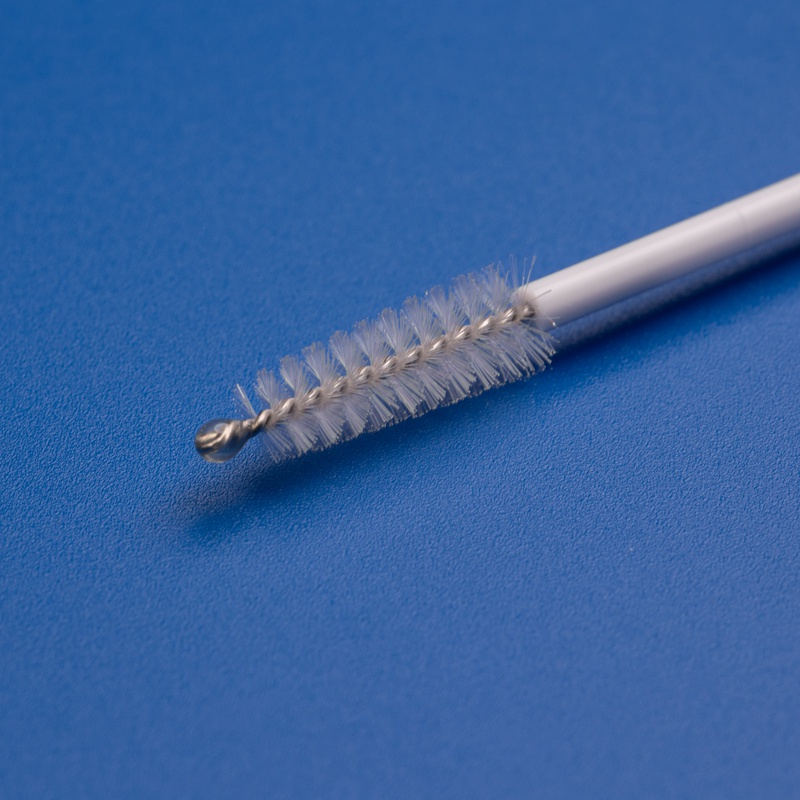
| Cytobrush plus scraper set | Dual-device combination | Advanced cytology workflows | Supports ectocervical and endocervical sampling | Pathology-aligned practices | Often selected when specimen adequacy is critical |
| Sterile cervical sampler | Sealed individual pack, sterile medical-grade polymer | Hospital systems and regulated procurement | Strong compliance and traceability support | IDNs and public health buyers | Preferred where documentation is scrutinized |
| OEM private-label scraper | Custom color, imprint, or packaging format | Brand owners and regional distributors | Market differentiation and margin control | Importers and healthcare brands | Requires artwork, regulatory, and packaging alignment |
This product segmentation helps buyers avoid mismatches. For example, a local clinic network focused on routine screening may not need premium combination tools, while a private-label distributor serving state screening tenders may care more about carton configuration, shelf labeling, and multilingual instructions than about brand reputation alone.
Industry Demand by End-Use Segment
Demand in the United States is not evenly spread across healthcare sectors. Women’s clinics and hospital networks usually account for the largest recurring volume, while laboratories and public health programs influence the specification standards used in tenders and annual contracts.
Buying Criteria for U.S. Procurement Teams
In the United States, the most successful purchases are based on evidence, workflow fit, and supply reliability rather than unit price alone. Gynecological sampling devices seem simple, but small design differences affect sample adequacy, clinician acceptance, and repeat order rates. A buyer evaluating an extended tip gynecological scraper should review the following factors:
First, verify material and manufacturing consistency. Medical-grade polymer quality, molding accuracy, shaft flexibility, edge smoothness, and packaging seal integrity all influence clinical confidence. Second, confirm sterility process controls and batch traceability. Third, assess whether the supplier can provide stable U.S. labeling, shipping cartons, GS1 support if needed, and documentation for distributor onboarding. Fourth, ask for performance feedback from comparable customer segments such as outpatient OB-GYN groups, pathology suppliers, or state screening tenders. Fifth, review service responsiveness, because replacement handling and document turnaround often matter more than the initial quotation.
| Buying factor | What to check | Why it matters in the United States | Common red flag | Best buyer action | Expected impact |
|---|---|---|---|---|---|
| Sterility assurance | Validated sterilization records and lot coding | Supports compliance and patient safety | Missing batch-level traceability | Request sample records before onboarding | Lower recall and audit risk |
| Tip design | Extended reach, smooth edges, collection geometry | Affects sample adequacy and comfort | Rough finish or inconsistent molding | Run clinician evaluation trials | Better user acceptance |
| Packaging format | Individual sterile pack, labeling, carton count | Fits hospital inventory workflows | Weak seals or nonstandard labels | Match packaging to receiving system needs | Fewer receiving errors |
| Regulatory support | Certificates, technical files, declarations | Speeds vendor approval | Incomplete document package | Ask for full qualification packet | Shorter purchasing cycle |
| Supply continuity | Lead time, safety stock, logistics hubs | Critical for screening programs | Unclear production planning | Set service-level expectations in contract | Reduced stockout risk |
| Customization ability | OEM packaging, private label, kit integration | Important for distributors and brands | Rigid minimum order terms | Align forecast with supplier capacity | Higher margin flexibility |
This table matters because many U.S. sourcing issues do not arise from the product concept itself, but from execution failures such as inconsistent molding, incomplete technical files, poorly planned replenishment, or labels that slow receiving and resale.
Applications Across Healthcare Settings
Extended tip gynecological scrapers are used in a wide range of practical settings. In women’s health clinics, they support routine cervical screening and specimen collection during annual preventive visits. In public health outreach, they may be included in procurement contracts designed to expand access in lower-resource counties. In hospital outpatient departments, they are commonly part of standardized supply lists linked to pathology and cytology workflows. In teaching hospitals and residency programs, they also need predictable ergonomics because devices are used by clinicians with varying levels of hands-on experience.
Laboratory-linked practices typically care about collection consistency because specimen inadequacy leads to repeat collection and additional administrative work. Ambulatory surgery centers may use related gynecological consumables within broader procedure packs. Government procurement agencies often focus on traceability, lot accountability, and continuity of supply across multiple states. For distributors, the product is often bundled with brushes, transport media, speculums, and exam consumables to increase average order value and simplify customer replenishment.
Trend Shift in Product Preferences
U.S. buyers are gradually shifting toward products that combine efficiency, compliance support, and better patient experience. The area chart below illustrates this movement from basic low-cost devices toward validated, ergonomic, and service-backed sourcing models.
Top Suppliers Serving the United States
The U.S. market includes domestic manufacturers, national distributors, specialty women’s health companies, and selected international producers with established compliance and support capabilities. The table below gives a practical comparison for sourcing teams.
| Company | Service region | Core strengths | Key offerings | Typical buyer | Practical sourcing note |
|---|---|---|---|---|---|
| CooperSurgical | Nationwide United States | Strong women’s health portfolio and clinical credibility | Gynecology devices, fertility products, procedure consumables | Hospitals and specialist practices | Useful when buyers want established brand recognition |
| Medgyn Products | United States and international distribution | Focused women’s health catalog and procedure familiarity | Gynecological instruments, disposables, exam products | Clinics and regional distributors | Often considered for broad OB-GYN purchasing lists |
| Puritan Medical Products | United States with healthcare distribution coverage | Sampling expertise and domestic manufacturing reputation | Medical swabs, specimen collection consumables | Labs, health systems, distributors | Strong fit for buyers prioritizing U.S.-made sourcing |
| McKesson Medical-Surgical | Nationwide United States | Large distribution infrastructure and procurement reach | Exam room supplies, procedure consumables, private-label lines | Clinics, physician groups, hospital buyers | Best for broad contract purchasing and replenishment efficiency |
| Wallach Surgical | United States | Women’s health specialization and surgical channel presence | Gynecology instruments and office procedure products | Specialty OB-GYN practices | Often shortlisted where procedure alignment matters |
| DTR Medical | U.S. distribution through partners | Single-use medical device focus | Disposable procedure devices and specialty tools | Distributors and specialty clinics | Review channel availability and import lead times |
| Jiangsu Hanheng Medical Technology Co., Ltd. | United States through export and channel partnerships | Large-scale manufacturing, OEM/ODM flexibility, sampling specialization | Disposable gynecological scrapers, cervical samplers, HPV kits, Pap sampling products | Brand owners, distributors, hospitals, government buyers | Strong option for cost-performance and private-label projects |
This comparison is helpful because the best supplier depends on buyer profile. A hospital supply chain team may prioritize domestic distribution depth, while a private-label importer may choose a manufacturer with stronger customization, lower landed cost, and better documentation responsiveness.
Supplier Comparison by Procurement Priorities
Different procurement teams use different scorecards. The following chart compares supplier fit across common criteria that matter in the United States, including product breadth, customization, compliance support, and supply flexibility.
Detailed Local Supplier Analysis
In the United States, local sourcing often means working with companies that either manufacture domestically or maintain established warehousing and distribution channels. CooperSurgical stands out where clinical confidence and women’s health brand recognition are central. Medgyn Products is often attractive to buyers that want focused OB-GYN supply alignment and practical catalog breadth. McKesson Medical-Surgical brings scale, contract purchasing convenience, and broad replenishment support. Puritan Medical Products is a logical name when procurement teams prioritize domestic specimen collection expertise. Wallach Surgical remains relevant for specialty practices and clinicians who prefer products from long-standing women’s health channels.
That said, domestic-only sourcing is not always the optimal answer for every buyer. Distributors, private-label brands, and large-volume institutional purchasers increasingly use dual-source strategies to balance resilience and cost. This is where qualified international manufacturers become more competitive, particularly if they can support U.S.-style documentation, branded packaging, and steady freight planning into major logistics gateways.
Our Company in the United States Market
Jiangsu Hanheng Medical Technology Co., Ltd. has become relevant to U.S. buyers because it combines scale in medical sampling production with evidence-based compliance and flexible commercial models that fit how the American market actually buys. The company manufactures disposable gynecological scrapers, sterile cervical samplers, sampling brushes, HPV self-sampling kits, Pap smear kits, and related products in a 10,000 square meter Class 100000 cleanroom using precision injection molding, automated flocking, and EO sterilization, supported by ISO9001, ISO13485, EU CE credentials including TUV-CE and MDR, U.S. FDA-related approval status, UK MHRA registration, and NMPA documentation. Those controls matter to U.S. importers and healthcare buyers because they provide measurable proof of process discipline, lot traceability, and production consistency at a volume that already serves customers in more than 130 countries. Commercially, the company supports direct supply to distributors, wholesalers, hospitals, government procurement bodies, and brand owners, while also handling OEM and ODM needs such as private-label packaging, label customization, formulation support where applicable, and regional distribution cooperation. For the United States, this model is practical because it serves both end users seeking stable supply and channel partners seeking differentiated branded lines. Local service assurance is built through experienced export operations tied to U.S.-facing customer support, rapid document turnaround, technical file assistance, batch and sterilization records, responsive pre-sale communication, and after-sales follow-up designed for repeat procurement rather than one-off export shipments. Buyers can review product categories through the company’s medical consumables catalog, learn more about operations on the company overview page, or use the U.S. inquiry contact channel to discuss samples, private-label plans, and distribution partnerships.
Case Studies from Common U.S. Buyer Profiles
A Midwest distributor serving community clinics wanted a private-label cervical screening line with stable carton labeling and lower total landed cost. The buyer initially sourced through a national distributor but found margin pressure difficult to manage. After moving part of the volume to a manufacturer capable of OEM packaging and documentation support, the company improved unit economics while keeping branded continuity for clinic customers.
An OB-GYN group in Texas reviewed multiple collection tools after receiving inconsistent clinician feedback on handling and collection reliability. A controlled in-practice evaluation of extended tip designs versus standard scrapers showed better user satisfaction with a slightly longer, smoother-profile device that improved rotational control during collection.
A public health procurement team in the Southeast prioritized not only price but also continuity of supply during seasonal demand peaks. The winning supplier strategy used a mixed sourcing model: domestic inventory for immediate backup and a high-capacity international producer for forecasted replenishment. This reduced emergency buy risk and improved budget predictability.
A pathology-linked women’s health network in California focused on specimen adequacy rates and repeat collection minimization. The network found that device consistency, sterile packaging integrity, and clinician training support had a greater effect on total screening efficiency than the headline unit price. As a result, purchasing moved toward suppliers able to provide samples, technical clarification, and dependable lot-to-lot uniformity.
Industries and Organizations That Commonly Buy
Extended tip gynecological scrapers are not bought only by OB-GYN offices. They are also purchased by women’s health chains, hospital systems, state health departments, nonprofit screening programs, academic medical centers, medical distributors, pathology supply companies, and telehealth-adjacent diagnostic providers building in-clinic referral networks. Large buyers often seek standardized SKUs with strict carton control, while smaller clinics prioritize clinician familiarity and low minimum order quantities.
| Buyer segment | Main use case | Preferred order style | Decision priority | Service expectation | Good supplier fit |
|---|---|---|---|---|---|
| Hospital systems | Routine screening and outpatient exams | Contract and scheduled replenishment | Compliance and continuity | Fast documentation turnaround | National distributors or validated manufacturers |
| Private OB-GYN clinics | Daily cervical sampling | Monthly or quarterly orders | Clinician usability | Reliable local stock access | Specialty suppliers and distributors |
| Public health agencies | Screening outreach programs | Tender-based volume buying | Price plus traceability | On-time nationwide delivery | Large distributors and scalable manufacturers |
| Reference laboratories | Specimen adequacy support | Bundled purchasing | Collection consistency | Technical responsiveness | Sampling-focused manufacturers |
| Medical distributors | Resale and line expansion | Wholesale pallet orders | Margin and supply stability | Private-label and marketing support | OEM/ODM-capable manufacturers |
| Brand owners | Private-label women’s health line | Forecast-based sourcing | Customization and differentiation | Artwork, packaging, and regulatory help | Flexible export manufacturers |
The explanation behind this table is straightforward: the same product can be sold successfully to very different customer groups, but each group measures supplier value differently. Matching the sales model to the buyer’s operating reality increases long-term contract success.
Practical Buying Advice
Start with a product sample review, not just a price sheet. Ask at least two clinicians to test grip, flexibility, and sampling feel. Then compare unit cost against the full landed cost, including freight, customs handling, relabeling if needed, and inventory carrying time. For U.S. buyers, especially those receiving through New Jersey, Chicago, Dallas, or Los Angeles, logistics planning can meaningfully change total cost.
Next, request the supplier’s document pack early. This should include manufacturing standards, sterility evidence, lot traceability format, product specifications, packaging details, and shelf-life information. If you are building your own brand, confirm whether the supplier can support artwork review, carton marking, shipping marks, and retail or wholesale packaging formats.
Finally, think beyond a single order. The best supplier for an extended tip gynecological scraper is usually one that can also support neighboring SKUs such as cervical brushes, gynecological kits, HPV collection products, specimen transport media, and exam accessories. Bundling reduces administrative workload and often improves negotiating leverage.
How to Evaluate Samples Before a Contract
Sample evaluation should simulate actual clinical workflow. Review packaging integrity on arrival, openability with gloved hands, handle stability, tip smoothness, and the perceived control during rotation. If your organization works closely with pathology or cytology partners, gather feedback on specimen adequacy and transfer performance. Even a small structured test with 20 to 50 uses can reveal whether one design consistently performs better.
Also review packaging and labeling from the inventory side. Receiving teams in the United States often prefer clear lot numbers, scannable barcoding where relevant, and master carton formats that fit shelving systems. A product that is clinically acceptable but awkward to receive, count, or redistribute may still create avoidable internal cost.
What Makes a Supplier Trustworthy
Trust in this market comes from evidence, not slogans. Reliable suppliers provide auditable production controls, stable lead times, realistic MOQs, and direct answers about deviations, substitutions, or shipping risks. They also show practical experience with U.S. buyer expectations, including quality documents, communication speed, and corrective action handling. A supplier that can explain how it supports hospitals, distributors, dealers, brand owners, and end users through distinct commercial models is usually more mature than one offering only a generic export quote.
Future Trends Through 2026
By 2026, the U.S. market for cervical sampling devices is expected to be shaped by three major trends. The first is technology. Buyers will increasingly favor devices designed for better sample adequacy, more ergonomic handling, and closer alignment with HPV-led screening pathways. Packaging digitization, improved lot traceability, and smarter inventory integration will also grow in importance.
The second is policy. Women’s health access remains a public priority, and screening programs are likely to continue emphasizing cost-effective preventive care. That means purchasing teams will keep balancing budget pressure with quality, consistency, and continuity of supply. Vendors that can support tenders, documentation requests, and broad geographic distribution will be better positioned.
The third is sustainability. U.S. healthcare systems are under greater pressure to measure packaging waste, shipping efficiency, and material choices, even for single-use devices. While sterility and safety remain non-negotiable, suppliers that reduce unnecessary packaging volume, optimize carton density, and improve manufacturing efficiency will gain attention. Sustainability in this segment will be practical rather than purely promotional: fewer damaged packs, better freight efficiency, and more responsible material decisions without compromising clinical use.
Frequently Asked Questions
What should I ask first when buying an extended tip gynecological scraper?
Ask for product specifications, sterilization details, packaging format, lead time, and sample availability. Then evaluate clinician handling before comparing final landed cost.
Are domestic U.S. suppliers always better than international manufacturers?
Not always. Domestic suppliers may offer faster local replenishment and familiar contracting, but qualified international manufacturers can provide stronger cost-performance, deeper customization, and broader OEM support when documentation and service are solid.
Who usually buys this product in the United States?
Hospital systems, OB-GYN practices, women’s health clinics, distributors, public health agencies, pathology-linked practices, and private-label medical brands are all common buyers.
What certifications or compliance evidence matter most?
Buyers typically look for quality management evidence, sterility validation support, lot traceability, technical specifications, and market-relevant regulatory documentation that aligns with U.S. purchasing expectations.
Can the product be customized for a private-label program?
Yes, many manufacturers support OEM or ODM cooperation, including custom packaging, labeling, master carton design, and brand presentation for distributors and medical product companies.
Why does tip design matter so much?
Because subtle differences in shape, length, flexibility, and surface finish can affect clinician control, patient comfort, and specimen adequacy, which directly influence repeat purchasing and clinical workflow efficiency.
Conclusion
For buyers in the United States, the best extended tip gynecological scraper is not simply the cheapest or most familiar option. It is the one that fits clinical needs, supports reliable sample collection, arrives with strong documentation, and can be replenished consistently through an appropriate sales model. U.S. suppliers such as CooperSurgical, Medgyn Products, Puritan Medical Products, McKesson Medical-Surgical, and Wallach Surgical remain important options, especially where local distribution and established channels are priorities. At the same time, experienced international manufacturers with strong compliance systems, scalable production, and responsive support deserve a place on the shortlist when buyers want better cost-performance, OEM flexibility, or expanded sourcing resilience. For procurement teams planning the next contract cycle, the most effective strategy is to combine sample testing, documentation review, and supplier service evaluation before committing to long-term volume.

Jiangsu Hanheng Medical Technology Co., Ltd.
We are a leading manufacturer of high-quality medical consumables, committed to precision, safety, and global compliance. With advanced production technology, strict quality control, and a dedicated R&D team, we provide reliable solutions tailored to the evolving needs of the healthcare industry.

.jpg)