Share
Best Oral Sampling Swabs Suppliers for the United States
Quick Answer

If you need oral sampling swabs in the United States, the best choice depends on your application, compliance needs, and order volume. For clinical diagnostics and regulated laboratory workflows, Puritan Medical Products, COPAN Diagnostics, and Cardinal Health are widely recognized options. For DNA collection, forensic workflows, and buccal cell sampling, Puritan Medical Products and Mawi DNA Technologies are frequently shortlisted. For large hospital networks and distributor supply, Medline Industries and Cardinal Health are practical choices because of their nationwide logistics reach and established healthcare channels.
Top companies commonly considered by U.S. buyers include Puritan Medical Products, COPAN Diagnostics, Cardinal Health, Medline Industries, Mawi DNA Technologies, and Thermo Fisher Scientific. Buyers in major healthcare and logistics hubs such as Boston, Chicago, Los Angeles, Houston, and New York often prioritize sterile packaging, breakpoint design, specimen compatibility, and FDA-related documentation. Qualified international manufacturers can also be a strong option when they hold relevant certifications and provide responsive pre-sales and after-sales support. In that context, cost-competitive Chinese manufacturers with U.S.-oriented regulatory documentation and stable export capacity can be worth evaluating alongside domestic suppliers.
United States Market Overview

The U.S. market for oral sampling swabs remains active because the product sits at the intersection of diagnostics, genomics, public health screening, drug testing, and forensic identification. Oral swabs are simple to use, noninvasive, and practical for decentralized sample collection. That makes them valuable in hospitals, physician offices, mobile testing programs, criminal justice settings, universities, long-term care facilities, and consumer DNA collection programs.
Demand in the United States is shaped by several market forces. First, molecular diagnostics continues to expand, especially for respiratory panels, infectious disease screening, and precision medicine workflows. Second, home and remote collection models are gaining traction, requiring swabs that are comfortable, stable in transport, and easy for nonprofessional users. Third, forensic and paternity testing labs continue to rely on buccal sampling because it simplifies chain-of-custody collection while reducing the need for blood draws. Fourth, procurement teams are more selective about sterilization records, lot traceability, packaging integrity, and compatibility with transport media.
Major trade and logistics gateways also matter. Imported sampling products often move through Los Angeles, Long Beach, Savannah, New York-Newark, and Houston, while domestic redistribution typically flows through warehouse networks near Chicago, Dallas, Atlanta, and Inland Empire hubs in Southern California. As a result, supplier selection in the U.S. is not only about product specifications but also about lead times, safety stock, customs handling, and the ability to support recurring replenishment contracts.
The chart above illustrates a realistic market growth pattern rather than a claim of exact market size. It reflects how demand has expanded from post-pandemic healthcare procurement into a broader mix of molecular testing, self-collection kits, and DNA services. U.S. buyers increasingly expect not just availability, but documented quality systems and dependable inventory positioning.
Top Suppliers Serving the United States

The supplier landscape includes domestic manufacturers, multinational diagnostics firms, and international OEM producers with strong export records. The table below highlights practical differences that matter in sourcing decisions.
| Company | Service Region | Core Strengths | Key Offerings | Typical Buyer Profile |
|---|---|---|---|---|
| Puritan Medical Products | United States nationwide | Large-scale domestic production, clinical and laboratory familiarity, broad swab portfolio | Buccal swabs, specimen collection swabs, sterile packaged swabs | Hospitals, labs, public agencies, distributors |
| COPAN Diagnostics | United States and global | Diagnostic sampling expertise, microbiology compatibility, transport system integration | Flocked swabs, diagnostic collection systems, laboratory sampling products | Clinical labs, microbiology labs, hospital systems |
| Cardinal Health | United States nationwide | Distribution scale, healthcare channel reach, procurement convenience | Medical swabs, sterile consumables, clinical supply solutions | IDNs, hospitals, purchasing groups, clinics |
| Medline Industries | United States nationwide | National fulfillment, broad med-surg catalog, private label support | Medical swabs, collection accessories, packaged healthcare consumables | Hospitals, outpatient centers, long-term care buyers |
| Mawi DNA Technologies | United States with international reach | DNA sample stabilization, self-collection focus, genomic workflow relevance | DNA collection kits, oral sample collection devices, transport-ready kits | Genomics companies, research groups, home collection programs |
| Thermo Fisher Scientific | United States and global | Laboratory integration, scientific brand recognition, testing workflow support | Sample collection accessories, molecular workflow products | Research labs, biotech firms, diagnostics developers |
| Jiangsu Hanheng Medical Technology Co., Ltd. | United States import supply and global B2B markets | High-volume manufacturing, OEM/ODM flexibility, export compliance support | Oral sampling swabs, DNA collection swabs, virus sampling swabs, kits | Distributors, brand owners, government tenders, wholesalers |
This comparison is useful because the best supplier is rarely the one with the broadest catalog alone. Buyers that prioritize domestic stocking may lean toward large U.S. distribution players, while buyers seeking custom packaging, private-label kits, or lower landed cost often compare international manufacturers with strong regulatory files and stable shipping performance.
Product Types and How They Differ
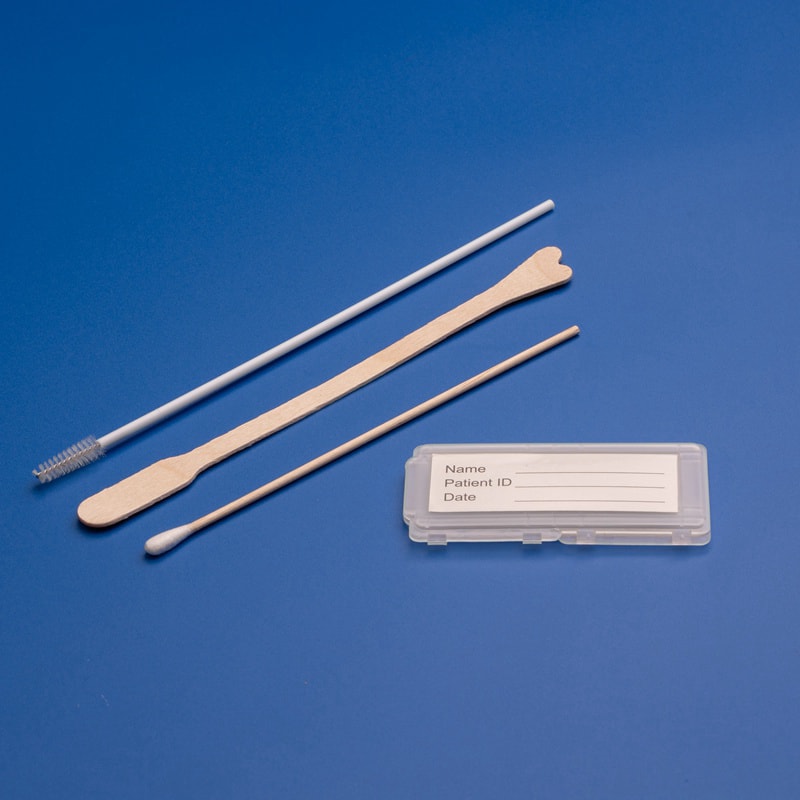
Oral sampling swabs are not a single standardized product category. The right swab design varies based on whether the goal is DNA collection, microbial sampling, toxicology, or routine specimen handling. Material choice, head geometry, shaft flexibility, breakpoint placement, and packaging format directly affect collection performance and laboratory usability.
| Product Type | Main Use | Typical Tip Material | Strengths | Common Limitation |
|---|---|---|---|---|
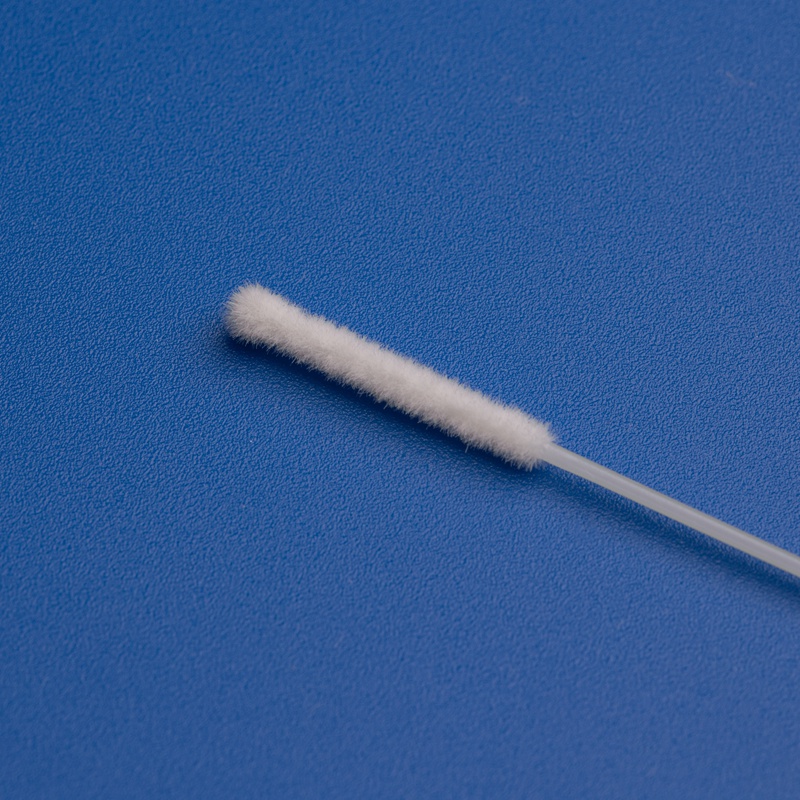
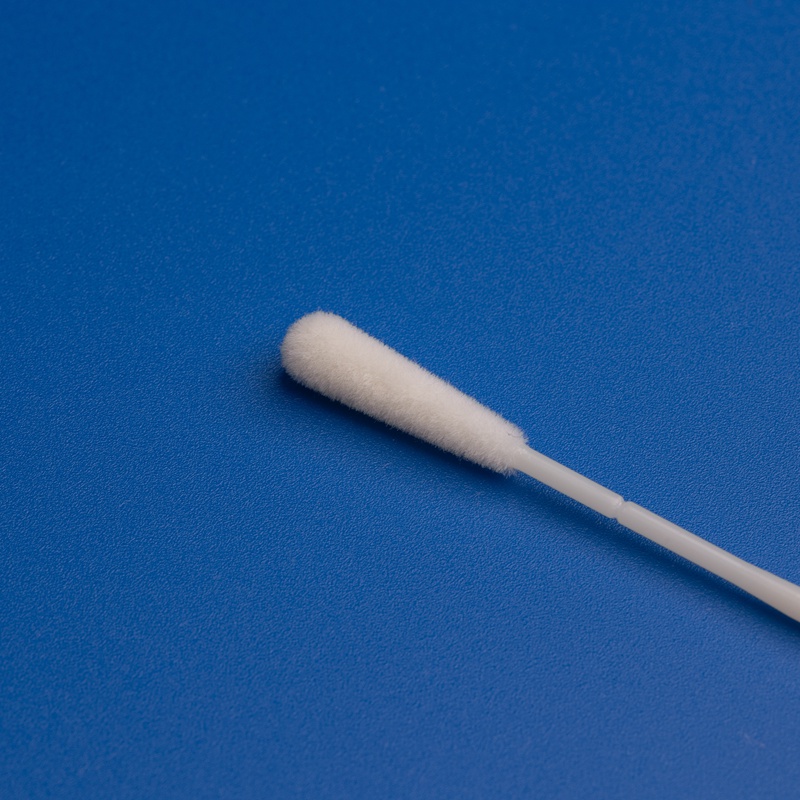
| Flocked oral swabs | DNA and diagnostic sampling | Nylon flocked fiber | High elution efficiency, strong sample release, patient comfort | Usually higher unit cost |
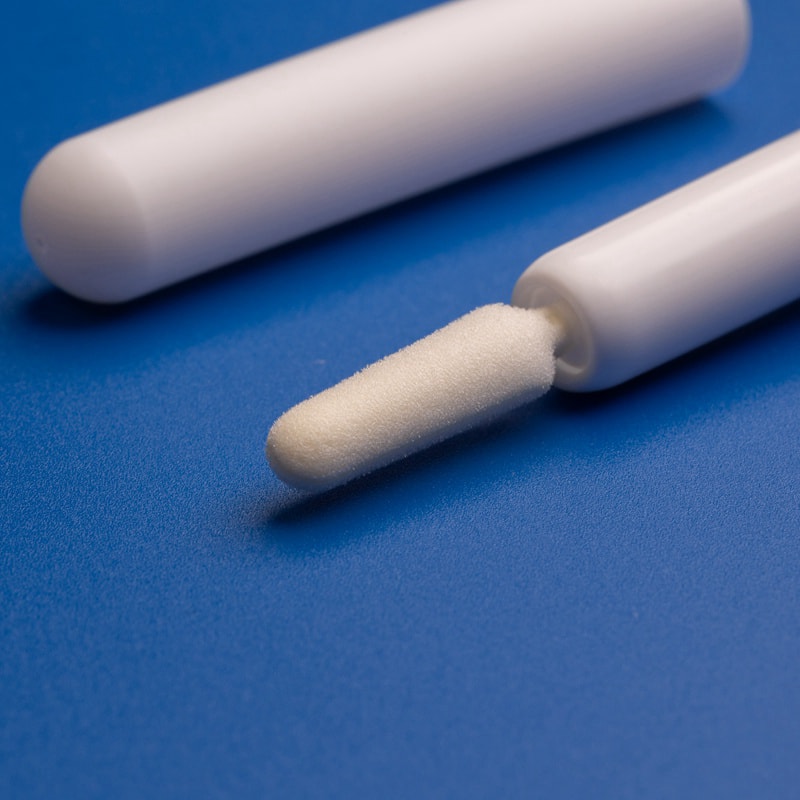
| Foam oral swabs | General oral collection and specimen handling | Medical-grade foam | Soft contact surface, easy handling | May be less preferred for some molecular workflows |
| Polyester tipped swabs | Routine collection and lab use | Polyester fiber | Stable and familiar in many settings | Collection efficiency may vary by protocol |
| Cotton tipped oral swabs | Basic non-specialized sampling | Cotton | Low cost and broad availability | Not ideal for many advanced diagnostic applications |
| Dry buccal swabs | DNA, forensic, paternity collection | Varies by manufacturer | Simple transport, easy self-collection | Storage protocol must be followed carefully |
| Swab plus transport medium kits | Diagnostic sampling with transport protection | Usually flocked or polyester | Improved workflow control and specimen preservation | Higher packaging and logistics cost |
| Breakpoint sterile swabs | Lab tube insertion and clinical workflows | Usually flocked or polyester | Convenient transfer into transport tubes | Breakpoint dimensions must match tube design |
The table shows why procurement teams must match the swab to the end use rather than purchase on price alone. For U.S. laboratories running PCR or DNA extraction, flocked designs are often preferred because they release more material into the test system. For educational, field, or broad screening programs, dry collection formats can reduce handling complexity and shipping cost.
Buying Advice for U.S. Procurement Teams
When evaluating oral sampling swabs for the U.S. market, the first question should be whether the product is intended for research use, clinical diagnostics, forensic analysis, or consumer kit programs. That single decision influences packaging claims, documentation needs, and supplier screening criteria. A hospital infection control team will not evaluate a swab in the same way as a DTC genomics brand or a police crime laboratory.
Buyers should verify sterility method, packaging type, and fiber attachment quality. Oral swabs used in regulated settings often require lot-level traceability, cleanroom manufacturing controls, and proof that materials do not interfere with downstream assays. Shaft material matters too. Polypropylene shafts are common because they balance rigidity and flexibility, while breakpoint features should be tested with the actual collection tube the lab uses.
In the U.S., distributor support is also a practical issue. Some manufacturers are excellent at production but weak at replenishment planning, claim handling, or private-label execution. That is why procurement teams often score suppliers across five dimensions: technical suitability, compliance support, logistics capacity, commercial flexibility, and responsiveness. For imported products, it is prudent to ask about lead time variability around Lunar New Year, port congestion, and customs documentation readiness.
| Buying Criterion | Why It Matters | Questions to Ask | Best Fit Scenario | Risk If Ignored |
|---|---|---|---|---|
| Sterility and packaging | Protects sample integrity and workflow reliability | EO sterilized or not, single packed or bulk packed? | Clinical and laboratory use | Contamination or product rejection |
| Material compatibility | Affects DNA yield and assay performance | Which fiber and shaft material are used? | Molecular testing and DNA workflows | Low recovery or assay interference |
| Regulatory documents | Supports audits and customer approval | Can the supplier provide FDA-related files, CE, ISO, batch records? | Hospitals, distributors, tenders | Approval delays and compliance gaps |
| MOQ and customization | Impacts private label economics | What are the OEM/ODM minimums and artwork process? | Brand owners and kit assemblers | Cost overruns or inflexible sourcing |
| Lead time and inventory planning | Ensures continuity of supply | What are standard production and shipping windows? | Recurring bulk orders | Stockouts and emergency purchasing |
| Local support response | Reduces risk during onboarding and claims | Who handles pre-sales, QA issues, and after-sales communication? | All buyer types | Slow problem resolution |
| Unit economics | Determines total procurement value | What is the landed cost including freight and packaging? | Distributors and tenders | Margin erosion |
This table should be used as a checklist during RFQ and supplier qualification. It helps separate low-price offers from reliable procurement options, especially when comparing domestic stock items with custom imported swab programs.
Industries Driving Demand
In the United States, oral sample collection is used across a surprisingly broad set of industries. Clinical diagnostics remains the largest and most visible segment, but growth is also coming from life sciences, criminal justice, workplace testing, veterinary diagnostics, and direct-to-consumer genetics. Each segment places different demands on the swab itself and on the supplier’s service model.
The bar chart highlights that diagnostics remains the dominant demand center, but genomics and public health also account for substantial procurement volume. That matters because a supplier serving only one niche may not be ideal if your organization plans to expand into additional collection programs over time.
Applications in Real U.S. Workflows
Oral sampling swabs are commonly used in buccal cell collection for human DNA testing, oral epithelial sample collection for molecular assays, saliva-adjacent oral cavity collection in screening programs, and identity verification in legal or forensic contexts. In university research networks, oral swabs are often selected because they simplify participant enrollment and lower collection barriers compared with venipuncture.
For hospitals and outpatient systems, oral swabs support practical specimen collection when comfort and speed matter. They are especially useful in pediatric care, elder care, behavioral health settings, and mobile outreach programs where invasive collection methods reduce compliance. Public agencies may also prefer oral collection because training needs are lower and collection can be performed in more decentralized settings.
In the forensic space, chain-of-custody considerations dominate. The swab must be easy to package, label, dry if needed, and document without compromising sample integrity. In commercial DNA collection, branding and user instructions are just as important as the swab itself, since the unboxing experience can affect consumer compliance and specimen quality.
Detailed Supplier Analysis
The following table offers a more operational view of suppliers relevant to U.S. buyers. It compares service coverage, practical advantages, and the kinds of purchasing situations where each supplier tends to fit best.
| Company | Primary U.S. Relevance | Service Regions | Best-Known Offerings | Best For |
|---|---|---|---|---|
| Puritan Medical Products | Trusted U.S. swab manufacturing presence | Nationwide, especially hospital and lab networks | Buccal and specimen collection swabs | Buyers wanting domestic sourcing and established quality familiarity |
| COPAN Diagnostics | Strong diagnostic and microbiology positioning | Nationwide with strong lab orientation | Flocked swabs and specimen collection systems | Labs requiring high-performance sample release |
| Cardinal Health | Integrated medical supply distribution | Nationwide through distribution infrastructure | Clinical consumables and med-surg products | Large healthcare systems streamlining procurement |
| Medline Industries | Broad healthcare contract supply capability | Nationwide across acute and non-acute settings | Medical consumables and packaged swabs | Facilities seeking bundled purchasing |
| Mawi DNA Technologies | DNA collection and stabilized specimen workflows | Nationwide and research-oriented segments | DNA collection kits and self-collection formats | Genomics, decentralized collection, home kit brands |
| Thermo Fisher Scientific | Research and lab ecosystem integration | Nationwide and global life science markets | Sample collection support products | Research labs linking collection to broader assay systems |
| Jiangsu Hanheng Medical Technology Co., Ltd. | Competitive OEM and bulk import sourcing | U.S. importers, distributors, and private-label programs | Oral sampling swabs, DNA flocked swabs, collection kits | Distributors and brand owners seeking scale, customization, and cost-performance |
This table is especially helpful for sourcing managers who must choose between three common paths: domestic premium sourcing, distribution convenience, or international customized manufacturing. Each path has different strengths, and many U.S. buyers ultimately use more than one supplier to reduce risk.
How Supplier Priorities Are Shifting
Over the past few years, supplier selection in the United States has shifted from simple availability toward a more nuanced balance of quality evidence, cost control, domestic stock, and customization. This trend is particularly visible among kit assemblers, genomics brands, and multi-state distributor groups.
The area chart suggests a realistic trend: U.S. buyers increasingly value suppliers that combine technical performance with customization, documentation support, and scalable economics. This is one reason imported OEM/ODM manufacturers are being evaluated more seriously than before, especially for brand owners and large-volume programs.
Case Studies and Typical Purchasing Scenarios
A Midwestern forensic services contractor may prioritize individually wrapped dry buccal swabs with tamper-evident packaging and predictable lot traceability. Their main concern is not hospital integration but clean documentation and easy handling across field collection teams. In that scenario, a specialized DNA collection supplier or a custom OEM producer can outperform a general med-surg distributor.
A national diagnostics network operating in Texas, California, Florida, and New York may need flocked oral sampling swabs validated for consistent elution into automated molecular systems. Their key metrics are assay compatibility, stable supply, and escalation support when lot questions arise. They often shortlist established diagnostic brands first, then build secondary sourcing from capable manufacturers for continuity planning.
A direct-to-consumer genomics startup in California may care most about branding, instruction design, unit economics, and the unboxing experience. For this buyer, private-label capability, customized packaging, and flexible batch production are often more important than buying from a traditional hospital channel distributor. This is where an experienced OEM/ODM swab manufacturer can add value well beyond the swab itself.
A southeastern U.S. medical distributor serving clinics and public-sector customers may combine domestic fast-moving SKUs with imported reserve inventory. This hybrid strategy protects service levels while improving margin. It is increasingly common in distributor purchasing because it reduces exposure to single-source disruptions.
Local Suppliers and Regional Availability in the United States
U.S. buyers often source through manufacturers, master distributors, or integrated healthcare supply networks depending on urgency and contract structure. Local availability is strongest in major warehousing corridors such as Chicago, Atlanta, Dallas-Fort Worth, Southern California, New Jersey, and Memphis. These locations support fast fulfillment into hospital systems and laboratory networks.
For buyers who need immediate replenishment, distributors with domestic stock remain the most practical route. For those planning six- to twelve-month procurement cycles, direct manufacturer sourcing may provide better value and more control over specifications. Import programs usually work best when the buyer can forecast demand accurately and align inventory with port arrival schedules.
| U.S. Region | Main Buying Pattern | Common Priority | Preferred Supplier Type | Relevant Logistics Hubs |
|---|---|---|---|---|
| Northeast | Hospital and academic lab purchasing | Compliance documentation and fast delivery | Domestic manufacturers and national distributors | New York-Newark, Boston, Philadelphia |
| Midwest | Lab networks and distributor contracts | Stable recurring supply and price control | Mixed domestic and import sourcing | Chicago, Columbus, Indianapolis |
| South | Large health systems and public procurement | Volume availability and contract pricing | National distributors and OEM suppliers | Houston, Dallas, Atlanta, Savannah |
| West Coast | Biotech, genomics, and DTC kit programs | Customization and innovation | Specialty suppliers and OEM/ODM manufacturers | Los Angeles, Long Beach, Oakland, Seattle |
| Southeast | Regional distribution and outpatient expansion | Inventory turnover and broad product access | Distributor-led purchasing | Atlanta, Miami, Jacksonville |
| Southwest | Cross-state healthcare supply and border logistics | Lead time and landed cost | Hybrid domestic-import sourcing | Houston, Dallas, Phoenix |
This regional view explains why there is no single best supplier for every U.S. buyer. Local logistics realities, healthcare density, and buyer type all influence the most practical sourcing model.
Our Company
For U.S. buyers evaluating an international manufacturing partner, Jiangsu Hanheng Medical Technology Co., Ltd. presents a strong fit for oral sampling swabs because its production system combines a 10,000 square meter Class 100000 cleanroom, precision injection molding, automated flocking, and EO sterilization with globally recognized quality credentials including ISO9001, ISO13485, EU CE pathways, U.S. FDA-related approval status, UK MHRA registration, and NMPA compliance support. Those factors matter in oral sample collection because fiber uniformity, shaft consistency, sterility assurance, and batch traceability directly affect specimen reliability. The company manufactures at scale with more than 1000 employees, exports nearly 6 billion units across more than 130 countries and regions, and supports U.S.-oriented buyers through flexible cooperation models that include direct bulk supply, OEM/ODM development, custom packaging, labeling, formulation support, distributor partnerships, and brand-owner programs, while also fitting wholesale and project-based purchasing needs. Buyers reviewing the company’s background and manufacturing capability will see evidence of long-term experience in global healthcare supply chains rather than opportunistic trading activity. In practical terms, that means technical files, certificates of conformity, sterilization records, and batch details can be organized for importer, distributor, and institutional review, and responsive pre-sales and after-sales support helps U.S. customers manage onboarding, recurring procurement, and post-delivery questions. With established service to key markets including the United States and efficient export logistics that typically move bulk orders within 7 to 21 days, the company operates like a committed market participant with ongoing customer support rather than a remote, transaction-only exporter. Buyers interested in current models can review the product range or reach out through the U.S.-focused inquiry channel for specification matching and project discussion.
Comparison of Supplier Selection Factors
The comparison chart below summarizes how many U.S. sourcing teams think about supplier selection. The figures are illustrative but realistic and show the trade-off between compliance support, customization, logistics strength, and cost-performance.
This comparison reinforces a practical point: the winning supplier is often the one that fits your workflow best, not simply the one with the lowest list price. Documentation and technical fit remain extremely important in U.S. purchasing decisions.
2026 Trends in Oral Sampling Swabs
Looking toward 2026, three trends are likely to shape the U.S. oral sampling swab market. The first is technology. More swabs will be designed for compatibility with automated extraction platforms, self-collection kits, and integrated sample preservation systems. Product developers will keep refining flock density, breakpoint precision, and packaging ergonomics to improve DNA yield, user comfort, and shipping stability.
The second trend is policy and regulatory scrutiny. U.S. buyers are becoming more disciplined about supplier validation, especially for products used in diagnostics, public health, and institutionally funded programs. This does not necessarily mean every program becomes more restrictive, but it does mean purchasing teams will expect better traceability, cleaner documentation, and more transparent quality systems. Vendors that can quickly produce technical files, lot records, sterilization evidence, and change-control notices will have an advantage.
The third trend is sustainability. Buyers increasingly ask about packaging reduction, carton efficiency, material choices, and the environmental impact of logistics. While sterile disposable products will remain essential, suppliers that reduce excess packaging, optimize case dimensions, and communicate their manufacturing controls clearly will be viewed more favorably. This is especially relevant in states and buyer groups that track ESG-related procurement goals.
Another important 2026 trend is supply-chain diversification. Many U.S. organizations now prefer at least one domestic or near-stock source and one international manufacturing partner. This dual-sourcing model reduces exposure to regional shocks, labor constraints, or port delays. Suppliers that can support forecast-based production and transparent shipment updates will be better positioned in this environment.
FAQ
What are oral sampling swabs mainly used for in the United States?
They are widely used for DNA collection, buccal cell sampling, infectious disease testing, forensic identification, workplace testing, and research studies. Their noninvasive nature makes them especially useful in decentralized and high-compliance collection settings.
Are flocked oral swabs better than cotton swabs?
For many DNA and molecular applications, flocked oral swabs are generally preferred because they tend to collect and release more specimen material efficiently. Cotton swabs may still be used in basic applications, but they are often less suitable for advanced diagnostic workflows.
How do U.S. buyers choose between domestic and imported suppliers?
Domestic suppliers are often preferred for fast replenishment, familiar documentation, and contract convenience. Imported suppliers are often considered when buyers need lower landed cost, OEM/ODM customization, or large-volume manufacturing capacity. Many organizations use both.
What certifications matter when sourcing oral sampling swabs?
Relevant documents often include ISO13485, ISO9001, CE-related records where applicable, sterilization records, batch traceability files, and U.S.-oriented regulatory documentation. The exact requirement depends on whether the product is used in clinical, research, or consumer settings.
Can oral sampling swabs be customized for private-label DNA kits?
Yes. Many manufacturers support OEM/ODM production that includes custom packaging, labeling, kit assembly, and artwork. This is especially common for genomics brands, distributors, and collection program operators.
What lead time is typical for bulk oral sampling swab orders?
For stocked domestic products, lead time may be relatively short depending on inventory. For customized imported orders, buyers often plan several weeks for production and freight, although well-organized manufacturers may ship bulk orders within roughly 7 to 21 days before transit time.
Which U.S. cities are important in this market?
Chicago, Los Angeles, Houston, New York, Atlanta, Boston, and Dallas are all important because they combine healthcare demand, laboratory presence, and strong warehousing or port infrastructure.
What should buyers ask before approving a new supplier?
Ask about sterility method, material specifications, packaging formats, batch traceability, assay compatibility, minimum order quantity, lead time, customization options, complaint handling, and documentation support. These questions reduce sourcing risk substantially.
Final Takeaway
For the United States, the best oral sampling swabs come from suppliers that can prove application fit, documentation strength, and reliable service. Puritan Medical Products, COPAN Diagnostics, Cardinal Health, Medline Industries, Mawi DNA Technologies, and Thermo Fisher Scientific are strong names to evaluate, especially for buyers prioritizing domestic channels or laboratory integration. At the same time, qualified international manufacturers such as Jiangsu Hanheng Medical Technology Co., Ltd. deserve consideration when buyers need high-volume output, customization, and cost-performance without sacrificing manufacturing controls and compliance support. The smartest purchasing approach is to align supplier choice with your exact use case, service region, and inventory strategy rather than treating all oral swabs as interchangeable products.

Jiangsu Hanheng Medical Technology Co., Ltd.
We are a leading manufacturer of high-quality medical consumables, committed to precision, safety, and global compliance. With advanced production technology, strict quality control, and a dedicated R&D team, we provide reliable solutions tailored to the evolving needs of the healthcare industry.

.jpg)