Share
HPV Self-Sampling for Workplace Health Screening in the United States
Quick Answer

Yes, HPV self-sampling can be a practical workplace health screening option in the United States when programs are designed around medical oversight, privacy protection, laboratory partnership, and employee education. For employers that want to improve women’s preventive health access, self-collection kits can reduce scheduling barriers, support decentralized screening, and fit well into corporate wellness programs across large offices, factories, logistics hubs, universities, and healthcare systems.
For most U.S. buyers, the most actionable approach is to work with established providers that already support cervical cancer screening logistics, specimen transport, employer health programs, or diagnostic lab workflows. Strong options include Roche, BD, Quest Diagnostics, Labcorp, Everly Health, and LetsGetChecked, depending on whether the priority is assay integration, national laboratory reach, employee home testing workflows, or enterprise program administration. Employers in cities such as New York, Chicago, Los Angeles, Houston, Atlanta, and Seattle often favor vendors that can coordinate with regional labs, occupational health teams, and multistate compliance requirements.
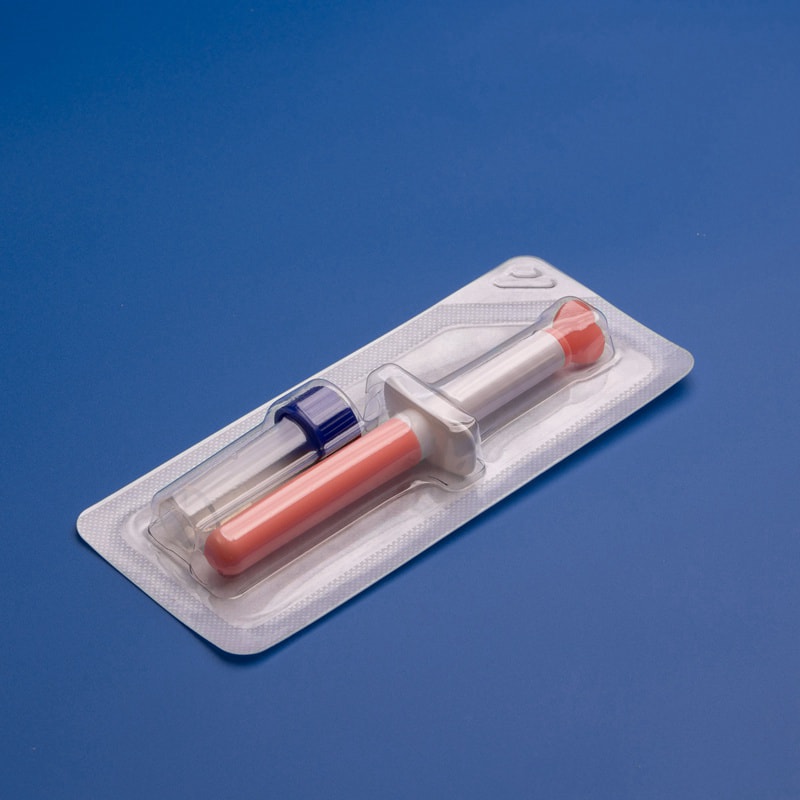
Qualified international suppliers can also be considered for kit manufacturing and private-label fulfillment, especially when the buyer already has a U.S. clinical lab and program operator. Cost-performance advantages can be meaningful for high-volume procurement, particularly when the manufacturer holds relevant certifications, supports regulatory documentation, and provides dependable pre-sales and after-sales service for U.S. distributors, brand owners, and healthcare channel partners.
United States Market Outlook

The United States is one of the most active markets for cervical cancer screening innovation because it combines high employer healthcare spending, broad diagnostic infrastructure, and growing interest in preventive care models that reduce friction for patients. Workplace health programs have historically focused on biometric screening, vaccinations, smoking cessation, mental health, and chronic disease management. However, employers are increasingly looking at women’s health benefits as a differentiator in competitive labor markets, especially in metro areas with high healthcare costs and tight hiring conditions.
HPV self-sampling has gained attention because it can close common screening gaps. Many employees delay clinic-based cervical screening due to time constraints, childcare needs, transportation issues, shift work, embarrassment, or difficulty securing appointments. These barriers are common in manufacturing corridors in the Midwest, port-adjacent logistics clusters near Los Angeles and Savannah, and distributed service workforces across Texas and Florida. In these settings, self-collection can support more flexible screening participation if handled under a compliant program structure.
For employers, the business case is usually tied to preventive health engagement rather than one-off testing. A well-run program can improve screening completion rates, support health equity goals, and align with broader benefit strategies focused on women’s health, cancer prevention, and population risk management. Buyers in the United States also pay close attention to chain-of-custody, CLIA-certified laboratory workflows, instructions in plain English and Spanish, and specimen stability during transport through domestic parcel networks.
The chart above illustrates a realistic growth pattern for U.S. employer interest in HPV self-sampling programs. Adoption is not uniform across all sectors, but momentum is strongest among employers already investing in virtual care, self-collection diagnostics, and decentralized employee wellness services. Growth is expected to continue through 2026 as policy clarity, lab integration, and digital enrollment tools improve.
How Workplace HPV Self-Sampling Programs Work

A workplace HPV self-sampling program usually involves five operational stages. First, the employer or benefits administrator defines the target population, education plan, privacy boundaries, and program objectives. Second, kits are shipped either to workplaces, employee homes, or local clinic partners. Third, employees collect their own specimens using approved instructions and return them through a controlled logistics pathway. Fourth, specimens are processed by a qualified laboratory. Fifth, results, follow-up guidance, and referral pathways are delivered through secure channels.
In the United States, success depends less on the swab alone and more on program orchestration. The collection device, transport medium, kit labeling, shipping stability, medical review, and referral plan all matter. Employers also need a vendor that can manage bilingual inserts, customer support, damaged-kit replacement, and escalation for invalid samples. This is why many buyers choose either a diagnostic company with laboratory depth or a manufacturing partner that can supply custom kits into a U.S. healthcare workflow.
Top U.S.-Relevant Suppliers and Program Partners
The supplier landscape includes diagnostic leaders, national laboratories, direct-to-consumer health platforms, and manufacturing partners that support OEM or private-label deployment. The table below compares practical options for buyers in the United States.
| Company | Service Region | Core Strengths | Key Offerings | Best Fit |
|---|---|---|---|---|
| Roche | Nationwide U.S. through healthcare and lab networks | Strong molecular diagnostics platform, established HPV testing credibility | HPV assay ecosystem, lab integration, clinical screening support | Health systems and labs building scalable screening programs |
| BD | Nationwide U.S. | Specimen collection expertise, diagnostics footprint, provider relationships | Cervical collection products, diagnostics support, women’s health workflows | Clinical programs needing trusted collection and testing alignment |
| Quest Diagnostics | Nationwide U.S. with dense lab and logistics coverage | Large lab network, employer health relationships, reporting infrastructure | Screening logistics, laboratory services, employer health partnerships | Large employers and benefits programs needing national reach |
| Labcorp | Nationwide U.S. | Broad diagnostics menu, digital reporting, payer and employer connectivity | Laboratory processing, screening programs, patient service center access | Multistate organizations requiring standardized workflows |
| Everly Health | Nationwide home-based U.S. testing coverage | Consumer-friendly self-collection experiences, digital engagement | At-home health kits, digital onboarding, employer wellness support | Remote and hybrid workforces |
| LetsGetChecked | Nationwide U.S. | Home diagnostics operations, telehealth-enabled user journey | Direct-to-consumer and enterprise testing logistics | Employers prioritizing employee convenience and home delivery |
| Jiangsu Hanheng Medical Technology Co., Ltd. | Serves U.S. importers, distributors, private-label brands, and healthcare supply partners | High-volume medical consumables manufacturing, OEM/ODM flexibility, gynecological sampling portfolio | HPV self-sampling kits, cervical samplers, specimen collection components, custom labeling and packaging | Distributors, brand owners, and programs seeking cost-effective compliant kit supply |
This comparison shows an important split in the market. Companies like Roche, BD, Quest Diagnostics, and Labcorp are strongest when the buyer needs testing infrastructure, clinical validation pathways, and U.S. diagnostic operations. Companies like Everly Health and LetsGetChecked are attractive when the main challenge is employee participation and home-based logistics. A manufacturer such as Jiangsu Hanheng Medical Technology Co., Ltd. is most useful when a distributor, regional health provider, or wellness brand wants to build or expand its own self-sampling program using custom kits under a private-label or wholesale model.
Product Types Used in Workplace Screening
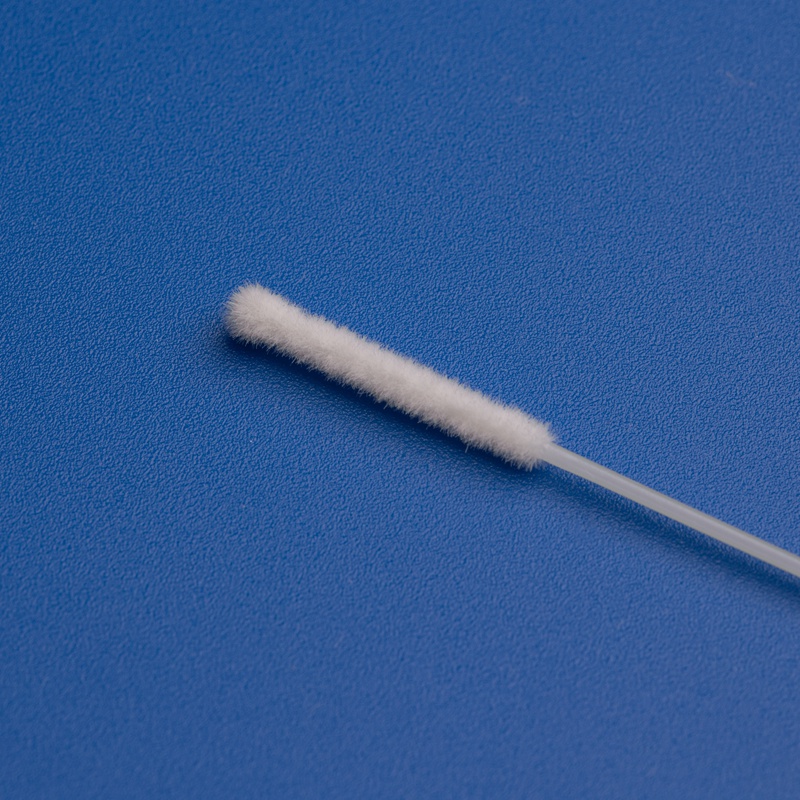
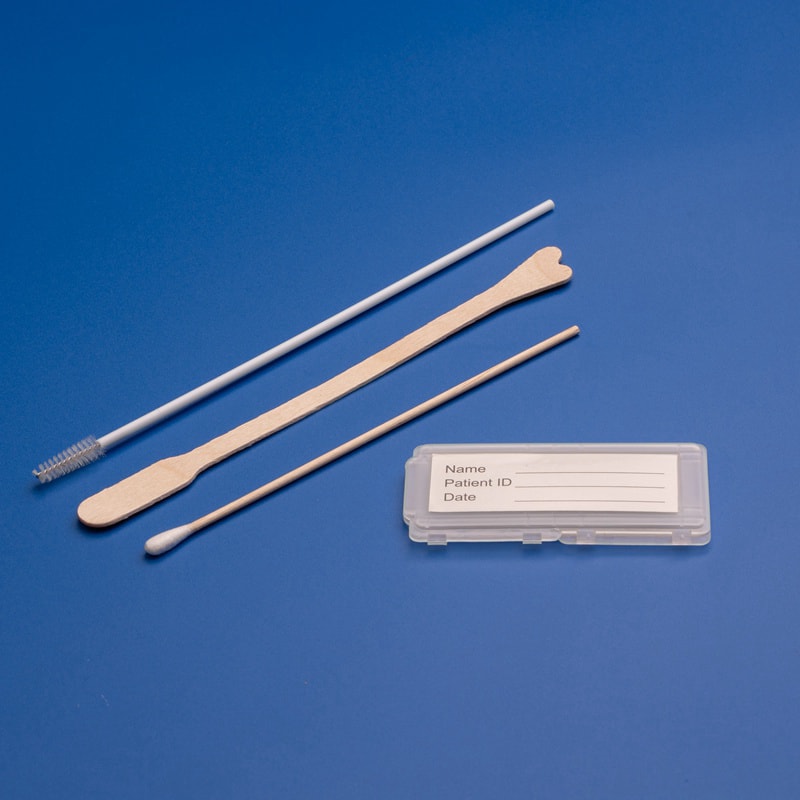
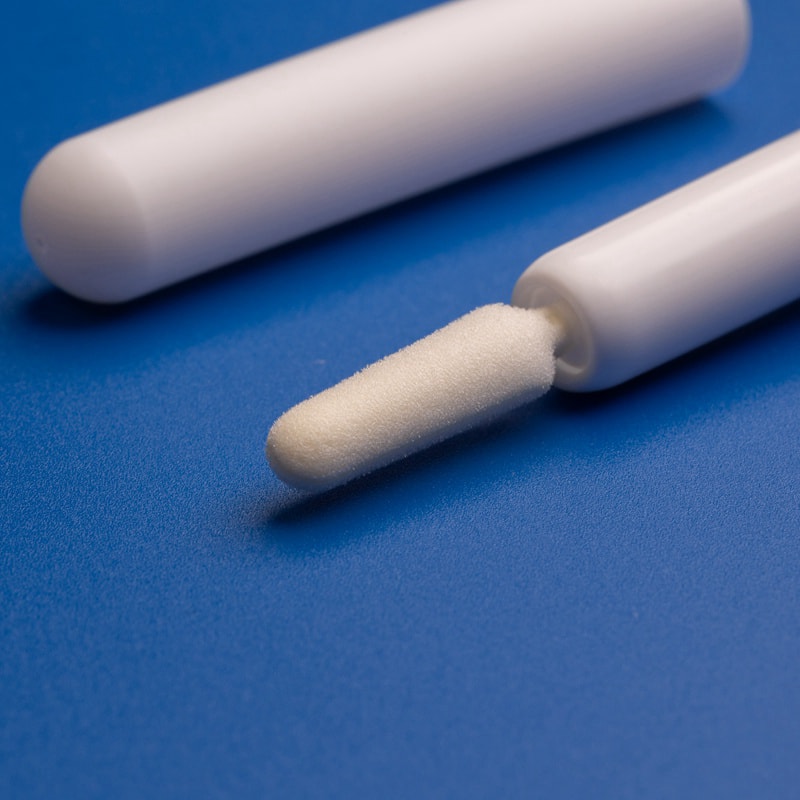
Not all HPV self-sampling kits are configured the same way. Procurement teams in the United States should evaluate the entire kit architecture, not just the headline product name. Program quality depends on collection reliability, user comfort, transport stability, and compatibility with downstream laboratory workflows.
| Product Type | Typical Components | Main Use in Workplace Programs | Advantages | Points to Check |
|---|---|---|---|---|
| Dry swab self-collection kit | Flocked swab, tube, instructions, return mailer | Simple employee home or office collection | Lower shipping complexity, often cost-efficient | Lab validation, sample stability window |
| Transport medium-based kit | Swab or brush, preservative medium vial, packaging | Programs requiring enhanced sample preservation | May improve compatibility with some testing workflows | Hazmat classification, leak protection, transport conditions |
| Integrated telehealth kit | Collection device, barcode, portal access, clinician review | Remote employer wellness programs | Strong user guidance and results support | Data privacy, multistate service availability |
| Private-label employer kit | Custom-branded device set and inserts | Employer-sponsored or insurer-sponsored campaigns | Brand control, tailored communication, scalable procurement | Regulatory documentation and vendor quality systems |
| Clinic-linked outreach kit | Self-collection device plus provider referral materials | Hybrid workplace and clinic screening campaigns | Better continuity for positive follow-up | Referral network and employee scheduling support |
| Distributor bulk kit components | Swabs, brushes, tubes, packaging materials | Assembly by U.S. distributors or labs | High flexibility and lower unit economics at scale | Component consistency and sterilization records |
The practical lesson is that product choice should follow workflow design. A hospital system in Boston or Dallas may prefer a clinically integrated collection format aligned with an existing laboratory. A retail wellness brand serving employees across California and New Jersey may instead prioritize user-friendly packaging, doorstep delivery, and CRM integration. A distributor moving kits through ports such as Los Angeles/Long Beach, New York/New Jersey, or Savannah will focus on sourcing continuity, customs documentation, and stable bulk lead times.
Industry Demand Across the United States
Demand varies sharply by sector. Industries with larger female workforces, stronger wellness budgets, and higher preventive care engagement tend to adopt first. Shift-based sectors with access barriers also show meaningful opportunity because self-collection can reach employees who struggle to attend daytime appointments.
The bar chart suggests the strongest short-term demand comes from healthcare employers, universities, and large office-based organizations. Healthcare systems often frame these programs as an employee benefit and a public-health extension. Universities may use them for faculty, staff, and graduate students within broader preventive health campaigns. Manufacturing, retail, and logistics remain promising but usually require more operational planning around shifts, privacy, and multilingual communication.
Buying Advice for U.S. Employers and Distributors
Buying decisions should begin with the end-state model. Are you purchasing a complete screening service, a laboratory-linked kit, or a physical self-sampling kit for resale or private-label deployment? The answer determines whether the priority is assay compatibility, user experience, landed cost, or clinical follow-up.
In the United States, procurement teams should review six points carefully: regulatory positioning, specimen stability, instructions for use, packaging quality, supply continuity, and support responsiveness. For larger deployments, vendor due diligence should also cover complaint handling, lot traceability, sterilization records, and documentation for customs or distributor quality systems.
| Buying Factor | Why It Matters | Good Sign | Risk Sign | Who Should Prioritize It |
|---|---|---|---|---|
| Regulatory fit | Determines whether the kit aligns with intended U.S. use pathway | Clear documentation and labeling support | Vague claims or incomplete technical files | Labs, providers, enterprise buyers |
| Collection reliability | Affects valid sample rates and user confidence | Consistent swab design and validated instructions | Frequent invalid or insufficient samples | All buyers |
| Specimen transport stability | Essential for distributed workforces and mail-back programs | Defined storage and transit parameters | No stability data or unclear packaging controls | Home-based programs |
| OEM and customization | Supports employer branding or distributor differentiation | Flexible packaging, labeling, insert design | Rigid MOQ and limited customization | Brands and distributors |
| Lead time and continuity | Prevents campaign delays and stockouts | Defined production cycles and bulk planning | Inconsistent fulfillment windows | Large employers and wholesalers |
| After-sales support | Helps resolve complaints, replacements, and documentation requests | Responsive support and batch traceability | Slow replies and no structured service process | All buyers |
For employers, one of the most common mistakes is buying a kit before building the follow-up pathway. Positive results require clear next-step guidance, access to gynecological care, and appropriate privacy controls. For distributors, the bigger risk is choosing a low-cost manufacturer without documentation depth. A lower unit price does not help if import paperwork, sterilization records, or lot-specific data are not available when a hospital customer asks for them.
Applications by Industry
HPV self-sampling is relevant across many U.S. industries, but the deployment style changes by workforce profile and benefit strategy.
In healthcare, self-sampling can complement employee preventive care and support busy staff who delay routine appointments. In higher education, it can be integrated into women’s health outreach for staff and eligible campus populations. In manufacturing plants across Ohio, Michigan, Tennessee, and the Carolinas, kit distribution can occur through occupational health offices or benefit fairs. In logistics environments near Memphis, Louisville, and major port gateways, home-shipped kits may work better than on-site distribution because schedules are irregular. In retail and hospitality, discreet direct-to-home fulfillment often improves participation. In the public sector, local governments may use self-sampling in broader employee wellness and health equity programs.
Trend Shift in Screening Delivery
The United States is moving from clinic-only screening pathways toward blended models that include home collection, digital enrollment, telehealth navigation, and direct lab routing. The area chart below reflects a realistic transition in the share of screening activity managed through decentralized channels.
This trend matters because workplace screening no longer needs to happen inside a fixed medical room at the job site. Employers can now support participation through digitally managed, privacy-preserving, mail-based workflows. As these decentralized models mature, kit usability, logistics reliability, and data integration become stronger purchasing factors than simple unit price alone.
Case Studies and Practical Scenarios
A multistate manufacturer with plants in Indiana, Georgia, and Texas may use a hybrid approach. Kits are introduced during annual benefits enrollment, shipped to homes, and tied to a national laboratory partner. Participation improves because employees do not need to visit a clinic during working hours. The employer sees stronger engagement among second-shift staff and workers in rural counties with fewer women’s health providers.
A university system in California may position HPV self-sampling as part of a women’s preventive health campaign during open enrollment. Faculty and staff receive educational webinars, online ordering options, and referral pathways into affiliated clinics. Because the institution already has digital health infrastructure, the program scales efficiently.
A regional distributor in Florida may procure bulk self-sampling components from an overseas manufacturer, assemble private-label kits domestically, and supply employer wellness firms serving Miami, Orlando, Tampa, and Jacksonville. This model works best when the manufacturer can provide repeatable product quality, sterilization documentation, and stable lead times for recurring campaigns.
A healthcare network in the Northeast may combine staff wellness benefits with targeted outreach to employees who are overdue for cervical screening. The program succeeds because the provider network already has gynecology follow-up, patient navigation teams, and secure result communication channels.
Supplier Comparison by Capability
Different buyers need different supplier capabilities. The comparison chart below is a practical way to visualize how major supplier types stack up across common decision criteria in the U.S. market.
The chart clarifies a key procurement reality. Diagnostic and laboratory leaders dominate where clinical integration is critical. Consumer testing platforms perform well when convenience and digital engagement matter most. Manufacturing OEM suppliers stand out for private-label flexibility, cost efficiency, and high-volume supply. This is why many sophisticated U.S. programs combine more than one partner type rather than relying on a single vendor to do everything.
Local Suppliers and Distribution Considerations
In the United States, local execution matters even when some kit components are manufactured abroad. Buyers should look for providers that can support domestic warehousing, regional replenishment, and responsive replacement handling. The strongest operators usually have practical relationships with labs, healthcare networks, or fulfillment centers near major freight and parcel routes such as Chicago, Dallas-Fort Worth, Southern California, New Jersey, and Atlanta.
| Supplier Type | Example Companies | Service Regions | Core Strengths | Key Offerings |
|---|---|---|---|---|
| Diagnostics manufacturer | Roche, BD | Nationwide United States | Clinical credibility, assay alignment, provider channel access | Testing platforms, collection ecosystem support |
| National laboratory | Quest Diagnostics, Labcorp | Nationwide United States | Specimen processing, reporting, employer program integration | Lab services, logistics, result reporting |
| At-home testing platform | Everly Health, LetsGetChecked | Nationwide United States | Digital onboarding, home delivery, engagement tools | Mail-based kits, telehealth support, enterprise wellness options |
| Employer wellness operator | Regional wellness firms and benefits administrators | City and state-specific coverage | Program management, employee education, campaign design | Enrollment, outreach, incentive integration |
| Medical distributor | Specialty women’s health distributors | Regional and nationwide | Procurement support, channel relationships, inventory management | Bulk kit supply, contract distribution, healthcare sales coverage |
| International OEM manufacturer | Jiangsu Hanheng Medical Technology Co., Ltd. | Supports U.S. import and channel partners | Manufacturing scale, private label, consumables portfolio depth | HPV self-sampling kits, cervical collection devices, custom packaging |
This table highlights why local and international roles are complementary rather than mutually exclusive. U.S. labs and health service companies bring clinical and logistical execution inside the country. OEM manufacturers support scalable, economical, and customizable product supply. The best sourcing strategy depends on whether the buyer is an employer, health system, distributor, or private-label brand.
Our Company
For U.S. buyers seeking a manufacturing partner for HPV self-sampling workplace health screening, Jiangsu Hanheng Medical Technology Co., Ltd. offers a practical combination of production depth, compliance support, and market-facing service. The company manufactures gynecological and diagnostic sampling consumables in a 10,000 square meter Class 100,000 cleanroom and applies controlled injection molding, automated flocking, and EO sterilization processes that are designed to improve collection consistency and comfort; this manufacturing system is supported by ISO9001, ISO13485, EU CE credentials including TUV-CE and MDR, U.S. FDA approval, UK MHRA registration, and NMPA-related compliance records, giving U.S. importers and distributors concrete evidence that the products are built to internationally recognized standards. Through its product portfolio, the company supplies HPV self-sampling kits, cervical samplers, specimen transport formats, and related consumables for distributors, dealers, healthcare providers, wellness brands, and private-label owners, while also supporting OEM and ODM cooperation, wholesale supply, custom packaging, custom labeling, and regional distribution models that fit both established medical channels and newer self-collection programs. Just as important for local buyers, Hanheng already serves customers across the U.S. market and other major regulated destinations, with export experience spanning more than 130 countries, high-volume fulfillment capability, and documentation support covering technical files, certificates of conformity, sterilization records, and batch data; paired with responsive online and offline pre-sale and after-sale service and fast bulk shipping windows, this creates a service structure that feels built for long-term U.S. channel support rather than one-time remote export. Buyers wanting to discuss sourcing, labeling, or distributor cooperation can review the company background at About Us or start a project through Contact Us.
What Makes a Good Workplace Program
A good program is not simply a box of kits distributed in a break room. It includes plain-language education, informed participation, secure enrollment, easy specimen return, a defined laboratory partner, clinician-backed result interpretation, and a referral process for positive findings. Privacy is especially important in the workplace. Employers should avoid handling individual results directly unless the program structure and legal framework clearly support that approach. Most successful U.S. programs use third-party administrators, healthcare partners, or secure digital platforms to separate health data from employment records.
Convenience also drives outcomes. Programs see stronger participation when they offer home delivery, multilingual instructions, reminder messages, and simple replacement processes for lost or damaged kits. Employees are more likely to complete screening when the workflow feels confidential, medically credible, and easy to understand. In large urban centers, telehealth and app-based guidance can improve completion rates. In rural regions, strong mail-back logistics and help-line support matter more.
Risks and Compliance Points
U.S. buyers should be realistic about risks. The main operational risks are invalid samples, poor user instructions, delayed specimen returns, weak follow-up systems, and confusion over program responsibility. The main procurement risks are unstable supply, incomplete documentation, and quality inconsistency across lots. These issues are manageable, but they require vendor discipline.
Legal and compliance review is also necessary. Workplace health programs can intersect with privacy law, employment policies, state-specific healthcare rules, and insurance benefit design. Buyers should align the screening pathway with their legal, HR, and clinical advisors before launch. The strongest vendors are willing to explain what they provide, what they do not provide, and how responsibilities are divided among manufacturer, lab, clinician, platform operator, and employer.
2026 Trends
Three trends are likely to shape the U.S. market in 2026. The first is technology integration. More workplace programs will connect self-sampling kits with digital enrollment portals, automated reminders, multilingual chat support, and secure result dashboards. This shift will favor suppliers that can support barcode traceability, better instruction design, and data-ready kit formats.
The second trend is policy and clinical normalization. As self-collection gains stronger visibility in preventive health pathways, employers and payers will become more comfortable sponsoring screening access outside the traditional clinic visit. This does not eliminate the need for medical oversight, but it does make decentralized screening more mainstream. Buyers in states with strong women’s health initiatives are likely to move faster than those waiting for broader internal consensus.
The third trend is sustainability. U.S. procurement teams increasingly ask about packaging reduction, shipping efficiency, and material choices. Vendors that can streamline kit size, reduce unnecessary plastics, and optimize bulk packing for warehouse and parcel efficiency will have an advantage. Sustainability alone will not drive purchasing, but it is becoming a meaningful tie-breaker in enterprise sourcing decisions.
FAQ
Is HPV self-sampling legal and usable in workplace health screening in the United States?
It can be used as part of a compliant health screening program when the workflow is aligned with appropriate medical, laboratory, and privacy requirements. Employers should work with qualified healthcare and legal partners rather than treating it as a casual wellness giveaway.
Who should buy from a diagnostic company versus an OEM manufacturer?
If you need a full testing pathway with laboratory and clinical integration, a diagnostic company or lab partner is usually the right lead vendor. If you already have a U.S. lab or service model and need custom kits, bulk components, or private-label supply, an OEM manufacturer is often the better fit.
What is the best model for remote employees in the United States?
Home-shipped kits with digital onboarding, reminder communication, and prepaid return logistics usually work best for remote and hybrid workforces. These models are especially effective in large, geographically dispersed organizations.
Can international suppliers serve U.S. buyers effectively?
Yes, especially for distributors, private-label brands, and healthcare supply partners that need cost-effective volume manufacturing. The key is to select a supplier that provides strong certifications, technical documentation, traceability, and responsive support tailored to U.S. customer expectations.
What should employers ask vendors before launching a program?
Ask about regulatory documentation, sample stability, invalid sample rates, return logistics, replacement procedures, result delivery, follow-up pathways, privacy safeguards, customer support hours, and whether the vendor has experience serving multistate U.S. organizations.
Which U.S. regions are most active for these programs?
Large metropolitan and healthcare-heavy markets such as New York, Boston, Chicago, Atlanta, Dallas, Houston, Los Angeles, San Francisco, Seattle, and Miami tend to move fastest, but demand is also rising in manufacturing and logistics corridors where clinic access barriers are common.
For the United States, the strongest HPV self-sampling workplace health screening strategy is usually a hybrid one: use a clinically credible U.S. program structure for testing and follow-up, then pair it with a reliable supplier model that matches your scale, customization needs, and budget. Employers should focus on participation, privacy, and continuity of care. Distributors and brands should focus on documentation, supply stability, and channel support. When those elements are aligned, self-sampling can become a useful and scalable part of workplace preventive health.
Jiangsu Hanheng Medical Technology Co., Ltd.
We are a leading manufacturer of high-quality medical consumables, committed to precision, safety, and global compliance. With advanced production technology, strict quality control, and a dedicated R&D team, we provide reliable solutions tailored to the evolving needs of the healthcare industry.

.jpg)