Share
HPV Self-Sampling After Treatment in the United States
Quick Answer

For post-treatment follow-up in the United States, HPV self-sampling kits can support patient monitoring programs when used within clinician-directed care pathways, especially for women who face barriers returning for repeat surveillance after treatment for cervical precancer. The most practical suppliers and program partners to review first are Roche, QIAGEN, BD, Hologic, Abbott, and Everlywell-linked collection program providers, because they already operate in the U.S. diagnostics ecosystem, support large laboratory networks, or integrate with molecular testing workflows commonly used by hospitals and reference labs.
For buyers comparing sourcing options, Roche and BD are usually strongest for established lab integration, QIAGEN is often favored for sample preparation and molecular workflow flexibility, Hologic remains highly relevant where women’s health screening infrastructure is already in place, and Abbott is important where broad U.S. laboratory placement and assay ecosystem compatibility matter. Buyers should also consider qualified international manufacturers that can support custom kits for U.S. programs. In particular, certified Chinese suppliers with FDA-related market experience, strong OEM capability, and responsive pre-sales and after-sales support can be attractive when cost-performance, packaging customization, and bulk fulfillment are priorities.
The immediate action step is simple: confirm whether the intended use is a laboratory-developed follow-up pathway, a public health access project, or a private-label collection kit program, then shortlist suppliers that can document specimen compatibility, transport stability, regulatory support, and U.S. fulfillment reliability.
Direct Answer for Clinics, Labs, and Distributors

HPV self-sampling kits are increasingly relevant for post-treatment follow-up care because many patients treated for CIN2, CIN3, or other cervical lesions still need repeat HPV-based surveillance but do not always return for in-clinic collection. In the United States, the strongest use case is not replacing specialist follow-up, but extending access, improving adherence, and capturing patients who might otherwise be lost to follow-up. For health systems in cities such as New York, Chicago, Los Angeles, Houston, Atlanta, and Miami, self-collection pathways are especially useful in outreach programs tied to women’s health clinics, community hospitals, academic centers, and telehealth-connected diagnostic networks.
In practical procurement terms, buyers should evaluate four things first: validated specimen collection design, transport media stability, laboratory compatibility, and fulfillment capacity. A gynecology network in California may prioritize patient-friendly packaging and multilingual instructions, while a large diagnostic distributor serving the Northeast may care more about carton configuration, lot traceability, and customs-ready export documentation. The right supplier is therefore not just the one with the lowest price, but the one that can support follow-up care protocols with dependable logistics, quality records, and scalable replenishment.
United States Market Overview

The United States market for HPV-related screening and follow-up products continues to expand as cervical cancer prevention shifts toward more flexible, risk-based, and patient-centered care models. Several forces are driving demand: persistent screening gaps, a growing emphasis on reaching under-screened populations, increased familiarity with mail-based specimen collection, and pressure on health systems to improve compliance after treatment. Post-treatment monitoring is a particularly important niche because women with a history of high-grade lesions often require tighter surveillance than the general screening population.
Demand is also shaped by regional infrastructure. Large metropolitan areas with major logistics gateways such as Los Angeles/Long Beach, New York/New Jersey, Savannah, Houston, and Seattle are attractive launch points for national kit distribution because they connect import flows, domestic warehousing, and laboratory networks. Public health systems in Texas, Florida, and California increasingly value outreach-ready models, while health systems in the Midwest often look for standardized kits compatible with existing central laboratories.
The chart below illustrates a realistic U.S. market growth scenario for HPV self-collection and related follow-up program demand.
Top Suppliers Serving the United States
The table below gives a practical buyer-facing view of suppliers and platform providers relevant to HPV self-sampling kit post-treatment follow-up workflows in the United States. Some are assay leaders, some are collection kit manufacturers, and some support integrated screening pathways. The point is to help buyers quickly distinguish where each company fits.
| Company | Service Region | Core Strength | Key Offerings | Best Fit |
|---|---|---|---|---|
| Roche | Nationwide United States | Strong molecular diagnostics presence and lab adoption | HPV testing ecosystem, lab integration, high-throughput workflows | Hospital labs and reference labs |
| BD | Nationwide United States | Specimen collection expertise and diagnostic workflow support | Collection devices, transport systems, diagnostic platforms | Health systems and distributor channels |
| QIAGEN | Nationwide United States | Molecular sample preparation and assay workflow flexibility | Extraction systems, molecular consumables, HPV workflow components | Labs customizing testing pathways |
| Hologic | Nationwide United States | Strong women’s health market footprint | Screening platforms, cervical health workflow support | OB-GYN networks and women’s health programs |
| Abbott | Nationwide United States | Broad diagnostics infrastructure and installed base | Molecular diagnostics, lab connectivity, assay ecosystem | Large integrated diagnostic networks |
| Everlywell and similar collection program firms | Selected U.S. states and telehealth-linked markets | Consumer-friendly kit logistics and at-home engagement | At-home collection workflows, patient instructions, return logistics | Outreach and direct-to-patient models |
| Jiangsu Hanheng Medical Technology Co., Ltd. | U.S.-serving import and B2B supply channels | OEM/ODM manufacturing scale for collection consumables | HPV self-sampling kits, cervical samplers, specimen transport components | Brand owners, distributors, and bulk buyers |
This supplier comparison is useful because post-treatment follow-up programs rarely buy on assay performance alone. They buy on a combination of patient usability, specimen integrity, packaging compliance, lead time, and support for documentation. A private-label women’s health brand may need custom labeling and carton design, while a state-level program may need consistent lot release records and repeatable replenishment timing.
Product Types Used in Post-Treatment Follow-Up
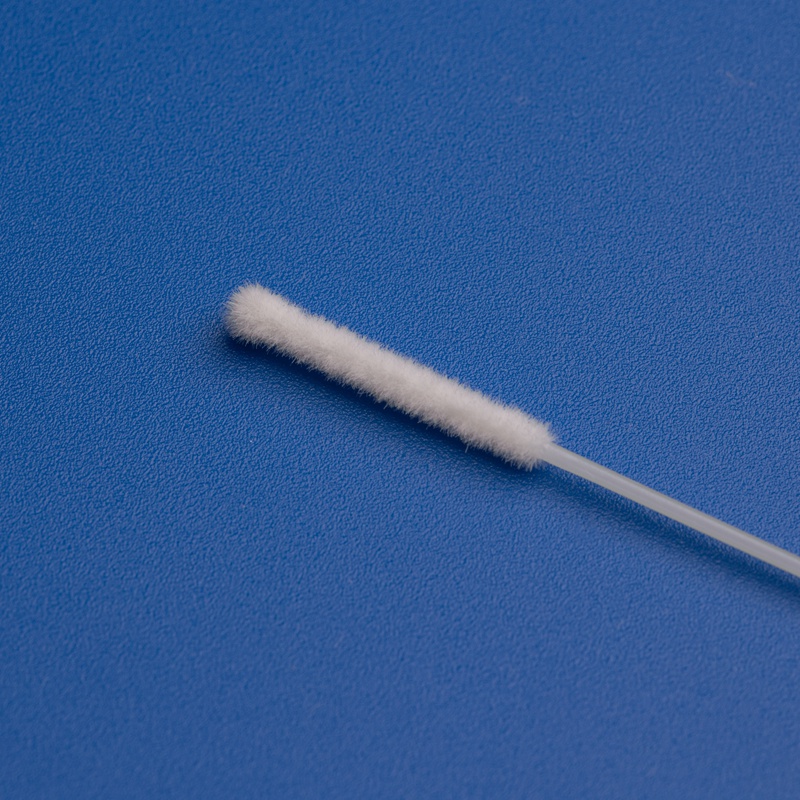
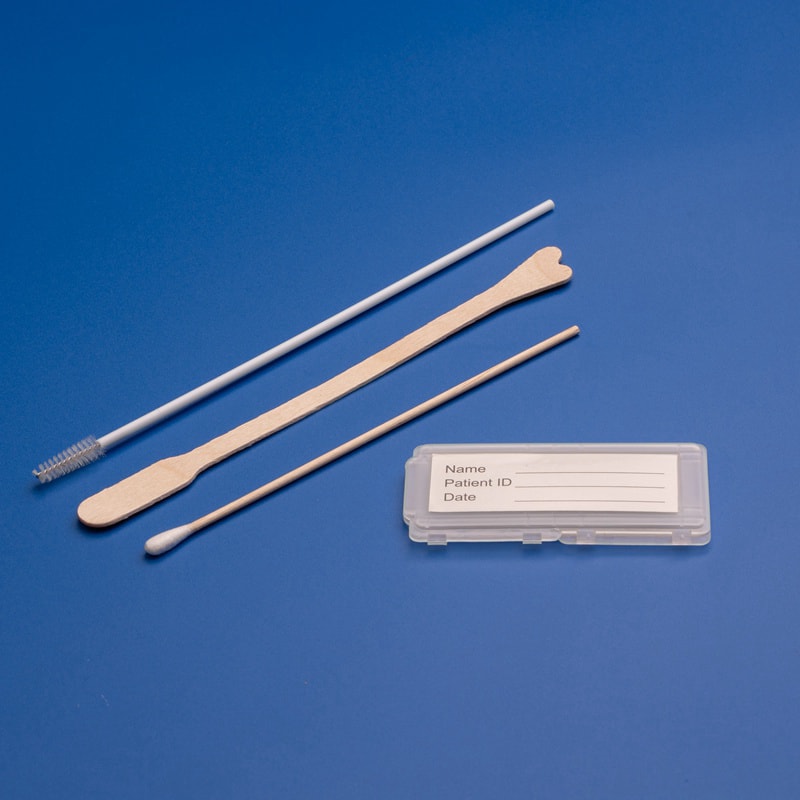
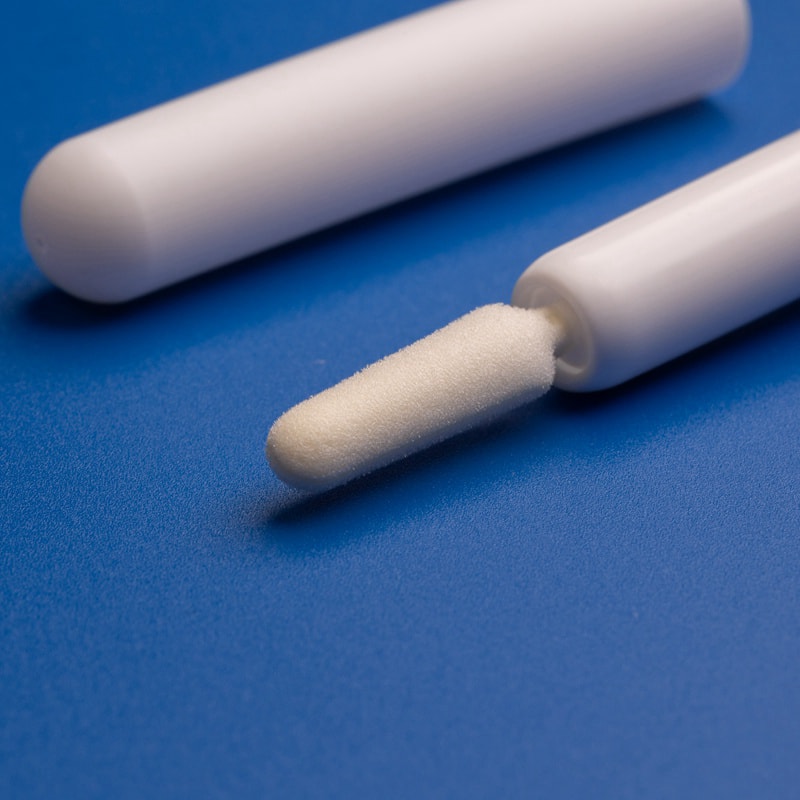
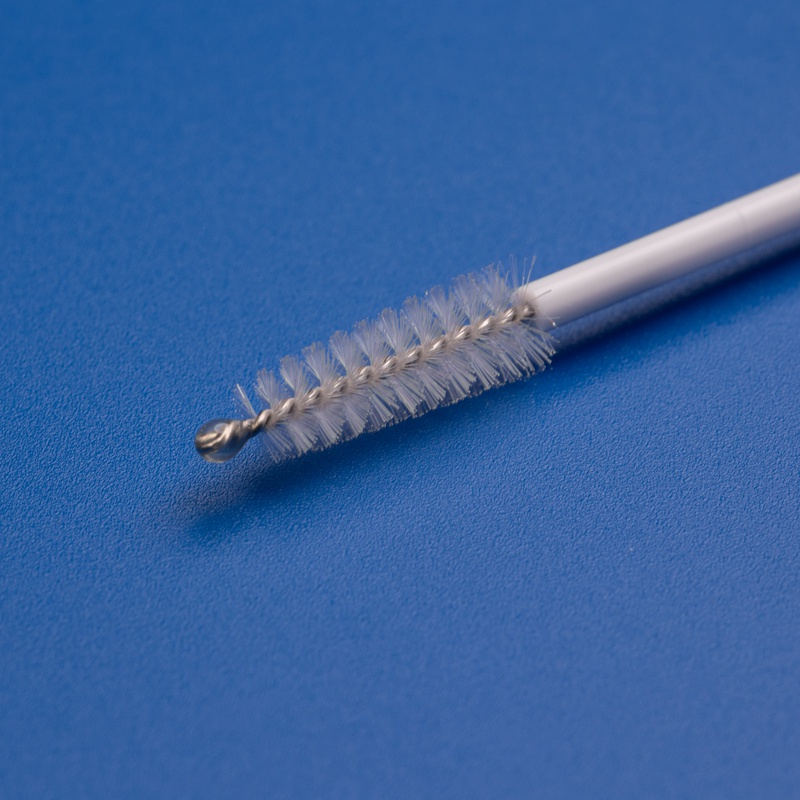
HPV self-sampling is not a single product category. Different kit formats support different collection channels, return methods, and lab workflows. In the United States, the most common distinctions involve the collection device, preservation approach, packaging design, and whether the kit is configured for centralized laboratory processing or decentralized outreach campaigns.
| Product Type | Typical Collection Method | Main Advantage | Limitation | Common U.S. Buyer |
|---|---|---|---|---|
| Dry flocked swab kit | Self-collected vaginal swab | Simple packaging and lower transport weight | Requires clear stability validation | Mail-based screening projects |
| Swab with transport medium | Self-collected swab into tube | Better specimen preservation for some workflows | Higher shipping complexity | Reference laboratories |
| Brush-based self-collection kit | Self-collected brush sample | Familiar sampling format for certain programs | Patient instructions must be precise | Women’s health clinics |
| Clinic-dispensed take-home kit | Patient collects at home after visit | Improves compliance after treatment consult | Needs return tracking system | Hospital outpatient departments |
| Telehealth-linked return mail kit | Home collection with prepaid return | Reaches rural and non-returning patients | Dependent on mailing turnaround | Digital health programs |
| Private-label OEM kit | Customized based on program design | Branding and workflow flexibility | Needs more project management | Distributors and brand owners |
This mix matters because post-treatment follow-up is more sensitive than general screening outreach. Patients may have undergone excision, ablation, or another intervention and may now be navigating a strict surveillance schedule. The kit therefore has to balance patient comfort with specimen reliability, while the provider must ensure escalation pathways are clear if HPV remains detectable or symptoms recur.
How Demand Differs by Industry
Demand for HPV self-sampling kits in the United States does not come from one buyer group. It is spread across hospital systems, public health programs, telemedicine platforms, diagnostic laboratories, brand owners, and distributors. Understanding this helps procurement teams build the right offer and inventory plan.
Reference laboratories and hospital systems usually generate the most consistent demand because they already manage repeat follow-up protocols. Public health programs can create sudden large-volume orders, especially when grants or statewide initiatives target under-screened populations. Telehealth and direct-to-patient channels are growing quickly, but they often need stronger coordination around packaging compliance, result routing, and follow-up scheduling.
Buying Advice for United States Procurement Teams
When purchasing HPV self-sampling kits for post-treatment follow-up, U.S. buyers should begin with intended clinical pathway. A kit for routine outreach after missed appointments is different from a kit used in a structured post-treatment monitoring program linked to a pathology or colposcopy service. The first may prioritize affordability and patient access, while the second must focus more heavily on consistency, transport integrity, and laboratory compatibility.
Buyers should also request a sample pack and evaluate the unboxing experience. If instructions are confusing, return packaging is awkward, or labels are not intuitive, compliance will drop. This is especially important for multilingual populations in cities such as Los Angeles, Phoenix, Houston, and Miami. Clear diagrams, plain-language instructions, and QR-linked support can materially improve return rates.
From a supply-chain perspective, ask suppliers about lead times, safety stock, sterilization records, lot traceability, and whether they can support staggered delivery to East Coast and West Coast distribution nodes. U.S. distributors often prefer suppliers that can align with fulfillment centers near New Jersey, Southern California, or Texas, minimizing inland delay and allowing more predictable replenishment.
| Buying Factor | Why It Matters | What to Ask | Risk If Ignored | Best Buyer Type |
|---|---|---|---|---|
| Specimen stability | Protects sample quality during transit | How long is the sample stable and under what conditions? | Invalid or delayed results | Labs and hospital systems |
| Regulatory documentation | Supports audits and market confidence | Can you provide certificates, batch data, and technical files? | Procurement delays | Distributors and institutions |
| Patient usability | Improves completion and return rates | Are instructions tested for first-time users? | Low adherence | Telehealth and public health buyers |
| OEM flexibility | Supports local branding and workflow fit | Can labels, inserts, and packaging be customized? | Weak brand differentiation | Brand owners and dealers |
| Fulfillment reliability | Prevents stockouts in surveillance programs | What are typical bulk order ship times and reorder terms? | Interrupted follow-up cycles | Distributors and large clinics |
| After-sales support | Reduces troubleshooting delays | Who handles complaint response and replacement coordination? | Operational disruption | All buyer groups |
This checklist works because post-treatment follow-up is operationally unforgiving. If kits are delayed or samples degrade, patients can miss surveillance windows that matter clinically. Procurement is therefore directly tied to care continuity.
Applications Across Clinical and Commercial Settings
HPV self-sampling kits for post-treatment follow-up are now relevant across several U.S. application settings. In hospital outpatient gynecology, they can be used to re-engage patients who miss repeat visits after treatment. In academic medical centers, they can support implementation studies or risk-based follow-up pathways. In telehealth-linked women’s health platforms, they help bridge distance and access barriers, especially in rural states or among patients balancing childcare, work schedules, and transportation limitations.
Commercially, distributors use them to supply laboratory networks and regional care groups, while private-label brands use them to build women’s health offerings with stronger patient engagement and education. Employer health pilots and payer-supported outreach programs are also emerging, especially where there is a clear financial incentive to reduce delayed follow-up and prevent progression to invasive disease.
Trend Shift in Follow-Up Pathways
The area chart below shows a realistic trend shift in the United States from clinic-only follow-up toward hybrid pathways that include at-home or take-home collection options. This does not mean clinic care disappears. It means the share of programs using mixed collection pathways is increasing.
The shift is being pushed by policy interest in improving screening equity, by technology improvements in collection design, and by stronger patient acceptance of home-based health management. In the post-treatment segment, hybrid models are especially attractive because they can supplement specialist follow-up without relying entirely on another in-person appointment.
Case Studies and Use Scenarios
A women’s health network in Southern California can use clinic-dispensed kits for patients who complete cervical treatment but are judged likely to miss their next surveillance interval. The patient receives a kit before discharge, collects at home at the instructed time, and returns the sample through a prepaid channel linked to a central laboratory. This model reduces drop-off between treatment and follow-up.
A public hospital group in Texas may choose a mixed inventory model: clinician-collected follow-up for high-risk cases, with self-sampling as a recovery pathway for missed appointments. This lets the system focus specialist capacity where it is most needed while still maintaining contact with harder-to-reach populations.
A distributor in New Jersey serving East Coast clinics might source private-label kits with bilingual instructions and branded inserts for a women’s health network extending services into community locations. Because the kits are linked to a central testing lab and customer service line, they function not merely as consumables but as an adherence support tool.
A telehealth-connected program in the Midwest may incorporate self-sampling for post-treatment reminders, especially for patients living far from colposcopy centers. The value here is not convenience alone. It is continuity of surveillance in geographies where missed follow-up can otherwise become common.
Local and Regional Supplier Comparison
The table below goes deeper into what U.S. buyers should compare when deciding among suppliers and manufacturing partners. It highlights service orientation, not just product type.
| Company | Primary U.S. Service Model | Strength in Post-Treatment Follow-Up | Customization Level | Typical Buyer |
|---|---|---|---|---|
| Roche | Direct diagnostics ecosystem support | High where lab standardization is critical | Low to moderate for kit branding | Reference labs |
| BD | Collection and diagnostics workflow support | High for specimen handling confidence | Moderate | Hospitals and distributors |
| QIAGEN | Molecular workflow component integration | High for flexible processing pathways | Moderate | Molecular labs |
| Hologic | Women’s health platform alignment | High in established gynecology networks | Low to moderate | OB-GYN systems |
| Abbott | Broad diagnostics network support | Moderate to high depending on lab pathway | Low | Integrated health systems |
| Jiangsu Hanheng Medical Technology Co., Ltd. | B2B manufacturing, OEM, ODM, and export supply | High for private-label and consumable kit builds | High | Distributors, brand owners, dealers |
This comparison matters because some buyers need a clinical ecosystem partner, while others need a manufacturer that can build the physical kit at scale. The latter group often includes U.S. distributors, catalog suppliers, public-sector contractors, and women’s health brands developing their own follow-up solutions.
Our Company
For U.S. buyers looking beyond off-the-shelf domestic supply, Jiangsu Hanheng Medical Technology Co., Ltd. stands out as a practical manufacturing partner for HPV self-sampling kits and related cervical collection consumables because its production platform combines ISO9001, ISO13485, EU CE including TUV-CE and MDR coverage, U.S. FDA approval, UK MHRA registration, and NMPA credentials with a large-scale operation built around a 10,000 square meter Class 100000 cleanroom, precision injection molding, automated flocking, and EO sterilization; this gives U.S. distributors and brand owners concrete evidence that material control, contamination prevention, and batch consistency are managed to international benchmarks rather than claimed in general terms. The company serves different customer types through flexible cooperation models including wholesale supply for hospitals and distributors, OEM and ODM programs for private-label brand owners, customized packaging and labeling for dealers, and scalable kit assembly for program operators needing cervical samplers, specimen transport media, and HPV self-sampling kit configurations aligned with local workflows. For buyers in the United States, its long-standing export experience to more than 130 countries, very high shipment volume, and established focus on major markets such as the U.S. support real market familiarity, while online and offline pre-sales consultation, after-sales response, regulatory document support, batch records, sterilization files, and predictable bulk shipment windows create the service assurance U.S. procurement teams expect from a partner committed to long-term supply continuity rather than one-off remote exporting. Buyers can review the company background at the company overview page, explore the wider consumables range through its product portfolio, and start a project discussion via the contact page.
Supplier and Product Comparison Chart
The comparison chart below shows a realistic scoring view of procurement priorities in the United States. It helps buyers visualize how established diagnostics brands and specialized manufacturers can differ by customization, supply flexibility, and workflow fit.
Industries That Benefit Most
Several industries and organizational types benefit directly from HPV self-sampling kit post-treatment follow-up solutions in the United States. Hospital systems benefit because they can improve surveillance adherence without overloading clinic schedules. Independent and national reference laboratories benefit because mailed or distributed collection programs expand specimen inflow from affiliated providers. Public health agencies benefit because self-collection helps reach women who historically miss follow-up after treatment. Women’s digital health brands benefit because they can extend services into structured care navigation rather than offering only one-time screening engagement.
Distributors also benefit because this product category crosses several existing portfolios: gynecology consumables, molecular testing supplies, telehealth kits, and specimen transport solutions. A distributor with warehouse access near Memphis, Chicago, or New Jersey can integrate HPV self-sampling kits into broader women’s health fulfillment programs and serve both institutional and private-label demand.
What Strong U.S. Buyers Ask Before Ordering
Sophisticated U.S. procurement teams usually ask whether the kit supports clinician-supervised follow-up scheduling, whether the sample format aligns with designated testing pathways, and whether the supplier can handle documentation requests from compliance, legal, and quality teams. They also ask if the supplier can support pilot batches before scaling to regional or national volumes. This is important because a post-treatment program may begin with one clinic group in Boston or Dallas and later expand across a multistate network.
Another common question is whether the supplier understands the communication burden around patient support. A technically sound kit can still fail commercially if collection instructions, helpline escalation, reorder timing, and replacement policy are weak. In the United States, where buyers often compare several vendors at once, operational simplicity can be the deciding factor.
Future Trends Through 2026
By 2026, the U.S. market is likely to see three major trend lines. The first is technology refinement. Collection devices will become more user-friendly, with improved ergonomic designs, clearer insertion guidance, and better compatibility with downstream molecular workflows. The second is policy and care pathway adaptation. More health systems and public health programs are likely to explore self-collection in guideline-aligned access models, especially for patients who face persistent barriers to repeat in-person follow-up. The third is sustainability. Buyers will increasingly ask about packaging reduction, optimized carton density, recyclable secondary materials, and lower-waste kit assembly, especially in California, Washington, and other states where environmental procurement expectations are rising.
Another 2026 development will be tighter integration with digital follow-up systems. Reminder messaging, QR-based instructions, telehealth interpretation, and automated return tracking will become standard parts of competitive kit programs. Suppliers that only sell a physical swab and tube may lose share to those that support a fuller patient completion journey.
For import-based supply models, resilience will matter more too. U.S. buyers increasingly want dual-node warehousing, flexible sea and air shipping plans, and stronger visibility into production timing. This is one reason manufacturers with scale, documented quality systems, and customization ability are becoming more relevant alongside major assay brands.
FAQ
Are HPV self-sampling kits acceptable for post-treatment follow-up in the United States?
They can be useful within clinician-directed follow-up pathways and access-focused programs, but buyers should align kit use with laboratory validation, clinical protocols, and current local practice requirements rather than assuming all use cases are identical.
Who should buy these kits?
Hospital systems, diagnostic labs, public health programs, women’s health brands, distributors, and telehealth operators are the main buyers. Each group values different features, from specimen stability to branding flexibility.
What makes a kit suitable for post-treatment use rather than general screening?
Post-treatment use demands stronger attention to return timing, traceability, patient instructions, and integration with surveillance pathways because missed or invalid samples can interrupt care continuity.
Should U.S. buyers only source from domestic companies?
No. Domestic providers are often strong for integrated diagnostics support, but qualified international manufacturers can offer compelling cost-performance, private-label flexibility, and bulk manufacturing capacity when they also provide the necessary certification and documentation package.
What is the biggest procurement mistake?
Choosing a kit based only on unit price. Low cost does not help if instructions confuse patients, transport stability is poorly documented, or the supplier cannot maintain consistent lead times.
How important is OEM or ODM support?
It is very important for distributors, dealers, and brand owners launching local programs. OEM and ODM support allows customized inserts, labeling, packaging, and kit composition tailored to U.S. market channels.
Which U.S. regions show strong opportunity?
California, Texas, Florida, New York, and Illinois are particularly attractive due to large populations, major healthcare networks, logistics hubs, and broad women’s health outreach demand.
What should a buyer request in the first supplier meeting?
Ask for sample kits, certifications, sterilization and batch documents, lead time ranges, customization options, and a clear explanation of how the supplier supports pre-sales training and after-sales issue resolution.
Final Takeaway
In the United States, HPV self-sampling kits for post-treatment follow-up care are most valuable when they are treated as part of a structured surveillance workflow rather than a standalone consumer product. The strongest suppliers are those that can document compatibility, maintain reliable fulfillment, support patient usability, and adapt to the needs of laboratories, clinics, public health programs, and private-label brands. For buyers wanting established diagnostic infrastructure, major U.S.-active names such as Roche, BD, QIAGEN, Hologic, and Abbott remain central. For buyers prioritizing flexible kit manufacturing, customization, and cost-performance at scale, experienced international producers such as Jiangsu Hanheng Medical Technology Co., Ltd. are also worth serious consideration.

Jiangsu Hanheng Medical Technology Co., Ltd.
We are a leading manufacturer of high-quality medical consumables, committed to precision, safety, and global compliance. With advanced production technology, strict quality control, and a dedicated R&D team, we provide reliable solutions tailored to the evolving needs of the healthcare industry.

.jpg)