Share
FDA-Cleared HPV Self-Sampling Kit Options for Clinical Programs in the United States
Quick Answer

If you are looking for an FDA-cleared HPV self-sampling kit for use in the United States, the most practical route is to work with established cervical cancer screening providers and laboratory networks that already support regulated HPV testing workflows, patient outreach, and clinician oversight. In the current U.S. market, leading names to watch include Roche, Becton Dickinson, Hologic, Quest Diagnostics, Labcorp, and Everlywell-style patient collection program operators that build around compliant lab processing. For hospitals, public health programs, women’s health groups, and telehealth platforms, the best choice depends on whether you need a full screening pathway, lab integration, custom packaging, multilingual patient instructions, or a private-label collection solution. Qualified international suppliers can also be considered when they bring relevant U.S.-facing certifications, scalable manufacturing, and strong pre-sales and after-sales support; this is especially true for cost-sensitive programs seeking dependable OEM or bulk supply advantages.
Market Overview in the United States

The United States is one of the most important markets for HPV screening innovation because cervical cancer prevention is closely tied to screening access, patient compliance, and lab infrastructure. Demand for self-collection has risen as health systems try to reach under-screened women in large metropolitan regions such as Los Angeles, New York, Chicago, Houston, and Miami, while also extending screening to rural and underserved communities. Programs connected to university hospitals, integrated delivery networks, county public health departments, and national laboratory systems are increasingly evaluating self-sampling because it can reduce missed appointments and improve participation in screening initiatives.
In practice, buyers in the U.S. are not just purchasing a swab and a tube. They are evaluating a complete pathway that includes collection accuracy, specimen stability, packaging compliance, clinician instructions, patient readability, chain of custody, transport compatibility, and laboratory workflow fit. This is why FDA clearance matters so much in the keyword context: it signals that the intended use, sample handling, and testing pathway have been reviewed for the U.S. regulatory environment. For health systems operating in the United States, a self-sampling program succeeds when the kit, logistics process, and laboratory method are aligned from the beginning.
Another major factor is channel complexity. Some buyers source directly for hospital outpatient clinics. Others run screening through payer-supported population health programs, employer health initiatives, telehealth channels, or federally qualified health centers. These different channels create demand for several kit configurations, from mail-based self-collection to clinic-distributed kits and hybrid models. As a result, suppliers that can support both standardized and customized program formats are gaining attention.
Top Suppliers Serving the U.S. HPV Self-Sampling Ecosystem

The supplier landscape includes multinational diagnostics companies, national laboratory organizations, women’s health screening specialists, and OEM-focused device manufacturers. The table below highlights practical supplier profiles relevant to U.S. buyers evaluating HPV self-sampling pathways, collection devices, or program partnerships.
| Company | Service Region | Core Strength | Key Offering | Best Fit |
|---|---|---|---|---|
| Roche | United States nationwide | Strong molecular diagnostics platform and regulated screening infrastructure | HPV testing ecosystem integrated with clinical laboratories | Large hospitals and reference labs |
| Becton Dickinson | United States nationwide | Specimen collection expertise and established women’s health channels | Collection systems and diagnostics workflow support | Health systems and outpatient clinics |
| Hologic | United States nationwide | Women’s health leadership and high-throughput lab compatibility | Cervical screening and molecular assay platforms | Laboratories and gynecology networks |
| Quest Diagnostics | United States nationwide | Broad lab access and patient service network | Lab processing and screening program logistics | Public health and employer programs |
| Labcorp | United States nationwide | Reference lab scale and integrated physician ordering channels | Specimen processing and test reporting support | Multi-site provider organizations |
| Jiangsu Hanheng Medical Technology Co., Ltd. | U.S.-facing global supply chain with established export support | Bulk manufacturing, OEM/ODM flexibility, and consumables specialization | HPV self-sampling kits, cervical collection components, and private-label manufacturing | Distributors, brand owners, and cost-sensitive screening programs |
This comparison is useful because the U.S. market often separates diagnostic assay ownership from consumable sourcing. A hospital may rely on one company for the testing platform while purchasing kit components or private-label packaging from another partner. That makes procurement decisions more layered than they first appear.
Product Types Commonly Evaluated by U.S. Buyers
Not every HPV self-sampling kit looks the same. Some are built for direct patient use at home, others are distributed in clinics, and some are tailored for public health outreach projects. Procurement teams usually compare device format, transport medium, labeling, sterility, instructions for use, and compatibility with the receiving laboratory.
| Product Type | Typical User | Main Benefit | Limitation to Check | Typical U.S. Use Case |
|---|---|---|---|---|
| Dry swab self-collection kit | Mail-based screening participants | Lower shipping complexity | Need to confirm specimen stability window | Population outreach programs |
| Transport medium kit | Clinic and home users | Supports sample preservation during transit | Must match lab validation requirements | Hospital-affiliated screening |
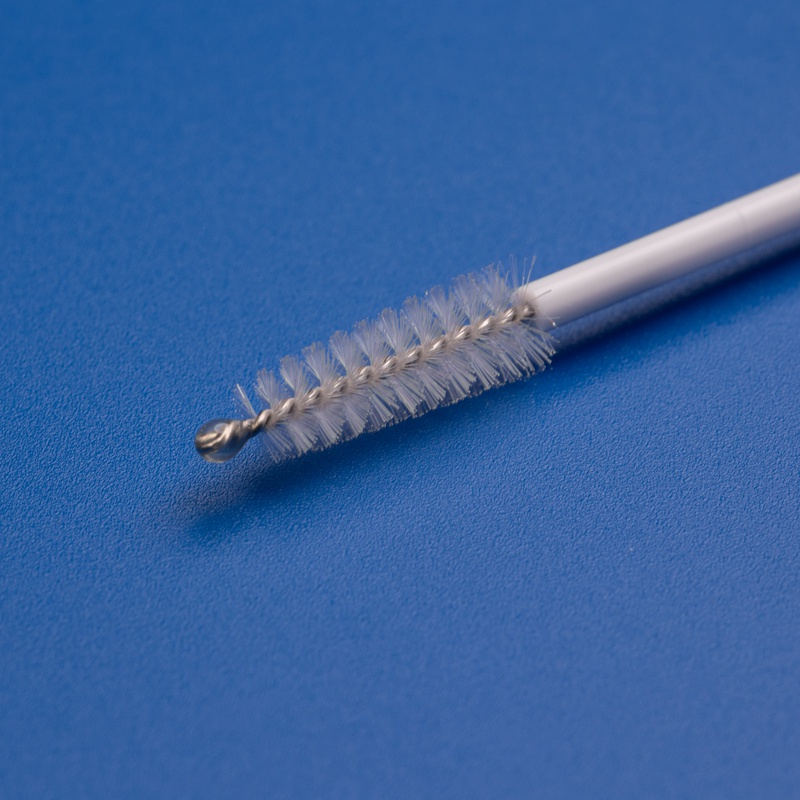
| Brush-based collection kit | Self-collection patients | User-friendly design and broad familiarity | Instruction clarity is critical | Telehealth-supported testing |
| Swab-based collection kit | Community health programs | Simple packaging and lower unit cost | Must verify adequacy rates | Public sector screening drives |
| Private-label program kit | Brand owners and distributors | Customized packaging and market positioning | Longer qualification cycle | Retail health and subscription programs |
| Hybrid clinic-home kit | Integrated health systems | Flexible deployment across channels | Operational complexity | Regional women’s health networks |
For U.S. procurement teams, the decision usually comes down to balancing patient usability with lab acceptance. A beautifully packaged self-sampling device has limited value if the receiving laboratory has not validated the specimen pathway. The strongest sourcing projects start with laboratory requirements first, then build packaging and fulfillment around them.
How Clinical Buyers Compare Vendors
In the United States, a good vendor is not judged solely by price. Buyers from Atlanta to Seattle usually compare five practical categories: regulatory alignment, sample integrity, fulfillment performance, customization capability, and customer support responsiveness. This is particularly important for women’s health programs where delayed replacement shipments, unreadable instructions, or a mismatch between collection tube and lab accessioning can disrupt screening campaigns.
Programs serving Medicaid populations, county health systems, university clinics, and employer-sponsored screening initiatives often ask vendors for pilot quantities before signing annual purchasing agreements. They also review whether the supplier can maintain lot consistency and provide supporting documents such as sterilization records, certificate packages, batch details, and technical specifications. This documentation burden is one reason experienced medical consumables manufacturers can compete effectively even when they are not the assay owner.
Buying Advice for Hospitals, Labs, and Program Managers
Buyers in the United States should begin with intended-use clarity. Are you procuring for a hospital-based women’s health department, a statewide screening pilot, a direct-to-patient service, or a B2B distribution channel? Once that is clear, assess the collection pathway, sample stability profile, packaging workflow, and whether the patient instructions are understandable for the target population. Programs that serve multilingual communities in California, Texas, Florida, and New York often benefit from bilingual or simplified kit inserts.
Next, examine the supplier’s operational depth. Can it handle annual contracts, urgent replenishment, regional warehousing, and custom labeling? Does it have experience shipping to U.S. ports such as Los Angeles, Long Beach, New York and New Jersey, Savannah, and Houston? These practical details affect total program reliability more than small unit-price differences.
Procurement teams should also ask for evidence on collection comfort and specimen adequacy. User acceptance is central to self-sampling uptake. If women find the process confusing or uncomfortable, participation rates fall. A vendor that understands ergonomics, packaging flow, and instruction design can create measurable performance improvements without changing the core assay platform.
Industries Driving Demand
Demand for HPV self-sampling kits in the United States extends far beyond traditional hospital gynecology departments. Public health agencies use them to reach under-screened populations. Telehealth companies use them to create convenient screening pathways. Employer wellness initiatives use them to expand preventive care access. Women’s health startups use them to build more patient-friendly service models. National reference labs use them to support distributed collection strategies while centralizing testing.
| Industry Segment | Why It Buys | Preferred Kit Features | Operational Priority | Common Geography |
|---|---|---|---|---|
| Hospital systems | Increase screening compliance | Lab-compatible collection and clear labeling | Clinical accuracy | Major metros |
| Reference laboratories | Expand specimen intake channels | Stable transport and accession readiness | Workflow efficiency | Nationwide |
| Public health agencies | Reach under-screened populations | Low cost and easy user instructions | Program scale | Urban and rural counties |
| Telehealth platforms | Offer home-based screening | Mail-ready packaging and patient-friendly design | User experience | Nationwide digital channels |
| Employer health programs | Improve preventive care uptake | Discreet packaging and fulfillment support | Participation rate | Corporate hubs |
| Retail health brands | Build private-label women’s health offerings | OEM flexibility and branding options | Speed to market | Consumer-focused states |
This broad industry spread is one reason the market remains attractive. The same core collection technology can be adapted to different channels, provided that documentation, packaging, and specimen handling are designed for the specific use case.
Applications Across Clinical and Community Settings
In practical U.S. deployment, HPV self-sampling kits are used in community outreach, follow-up screening reminders, telehealth-led preventive care, health plan engagement campaigns, and integrated women’s health services. They are especially useful where travel, appointment delays, childcare needs, embarrassment, and limited clinician access become barriers to conventional in-clinic collection.
Community clinics in cities such as Detroit, Phoenix, and Philadelphia may use self-sampling to improve completion rates among patients who have missed previous cervical screening appointments. Academic medical centers may use pilot programs to evaluate user adherence and adequacy rates across population subgroups. Public health teams may distribute kits through federally qualified health centers or mobile women’s health campaigns. These application differences matter because they influence kit design, packaging language, and fulfillment expectations.
Detailed Supplier Comparison for U.S. Procurement Teams
The table below goes deeper into how procurement teams can compare suppliers based on service model and strategic fit. This is especially relevant for organizations that need more than a one-time product purchase.
| Supplier | Service Model | Key Strength | Potential Constraint | Ideal Buyer Type |
|---|---|---|---|---|
| Roche | Platform-centered diagnostics ecosystem | Strong clinical credibility and assay integration | Less focused on custom private-label consumables | Large labs and health systems |
| BD | Collection and diagnostics support | Well-established medical device channels | Customization may vary by project | Hospital procurement teams |
| Hologic | Women’s health and molecular diagnostics | Strong fit for cervical screening workflows | Program flexibility depends on testing pathway | Gynecology networks and labs |
| Quest Diagnostics | Lab service and logistics network | National specimen processing footprint | Not a pure kit manufacturing specialist | Population health programs |
| Labcorp | Reference lab integration model | Physician and health-plan connectivity | Customization focused on service pathways | Regional provider groups |
| Jiangsu Hanheng Medical Technology Co., Ltd. | Manufacturing, OEM/ODM, export, and bulk supply | Scalable medical consumables output with private-label flexibility | Buyers must align kit design with U.S. testing pathways | Distributors, brand owners, and sourcing managers |
For many U.S. buyers, the strongest procurement strategy is hybrid. They may maintain relationships with a local lab-service or diagnostics provider while sourcing collection hardware or branded kit assemblies from a specialized manufacturing partner. This can reduce cost per kit, improve customization, and increase supply resilience during campaign expansion.
Trend Shift in Screening Models
The U.S. market is moving from facility-centered screening toward mixed access models that combine in-clinic care, home collection, digital follow-up, and centralized laboratory testing. This shift is one of the key reasons HPV self-sampling continues to attract both healthcare and investor attention.
Case Studies and Practical Scenarios
A regional hospital group in the Midwest may use self-sampling kits to recover patients who missed annual well-woman visits. By mailing kits with clear return instructions and pairing them with nurse outreach, the program can improve re-engagement while reducing scheduling bottlenecks. A public health department in Texas may distribute kits through community clinics to extend access to women who face transportation barriers. A telehealth brand in California may integrate online intake, home shipment, lab processing, and digital result delivery into one patient journey. In each case, the collection kit is only one part of a broader care pathway, but it directly influences completion rates and patient trust.
Another common scenario involves a distributor or private-label health brand entering the U.S. women’s screening market. In that case, a manufacturer with strong customization capabilities becomes especially valuable. Packaging artwork, patient inserts, barcode logic, and fulfillment formats all need to fit the brand strategy as well as clinical and logistics requirements.
Local Supplier and Regional Sourcing Considerations
U.S. buyers often prefer suppliers that understand domestic logistics and compliance expectations. This does not always mean the factory must be located in the United States, but it does mean the supplier should be able to support U.S. documentation, stable lead times, responsive communication, and service continuity. Importantly, port routing and fulfillment planning can materially affect reliability. Buyers using West Coast entry points may optimize around Los Angeles or Long Beach, while East Coast supply may route through New York and New Jersey or Savannah depending on final distribution geography.
Regional support also matters after the sale. Screening campaigns are time-sensitive, and delayed replacement of damaged or incomplete kits can undermine patient confidence. Vendors that can coordinate quickly with distributors, healthcare groups, and logistics partners are generally better positioned than remote-only sellers with limited service depth.
Our Company
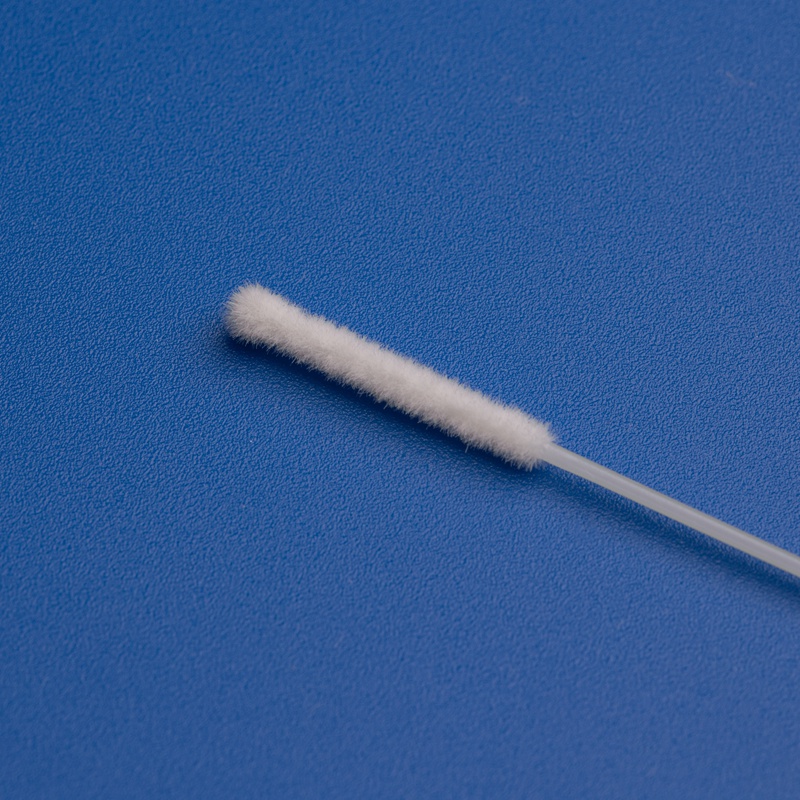
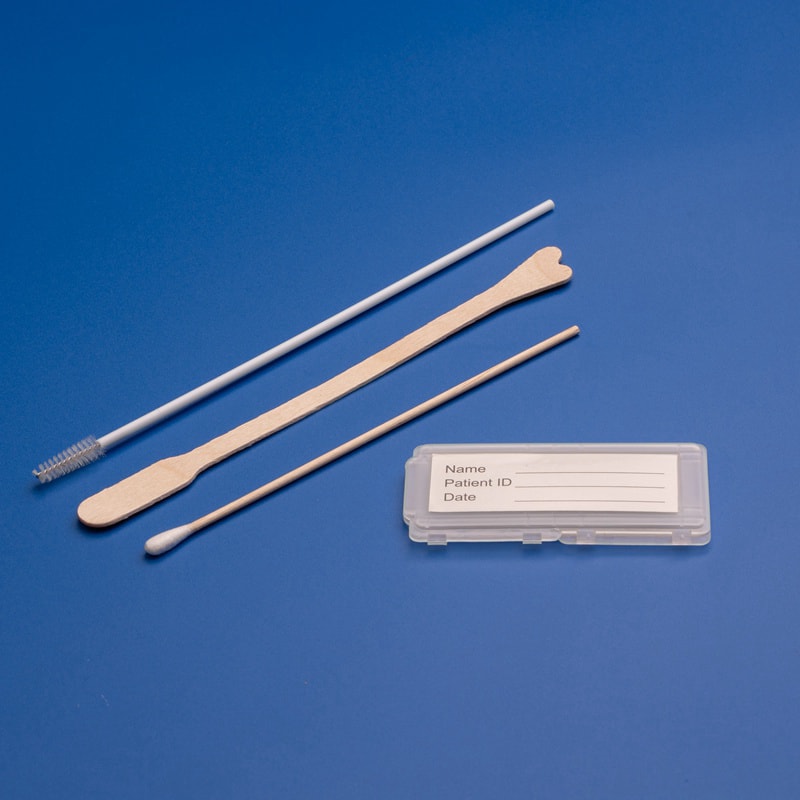
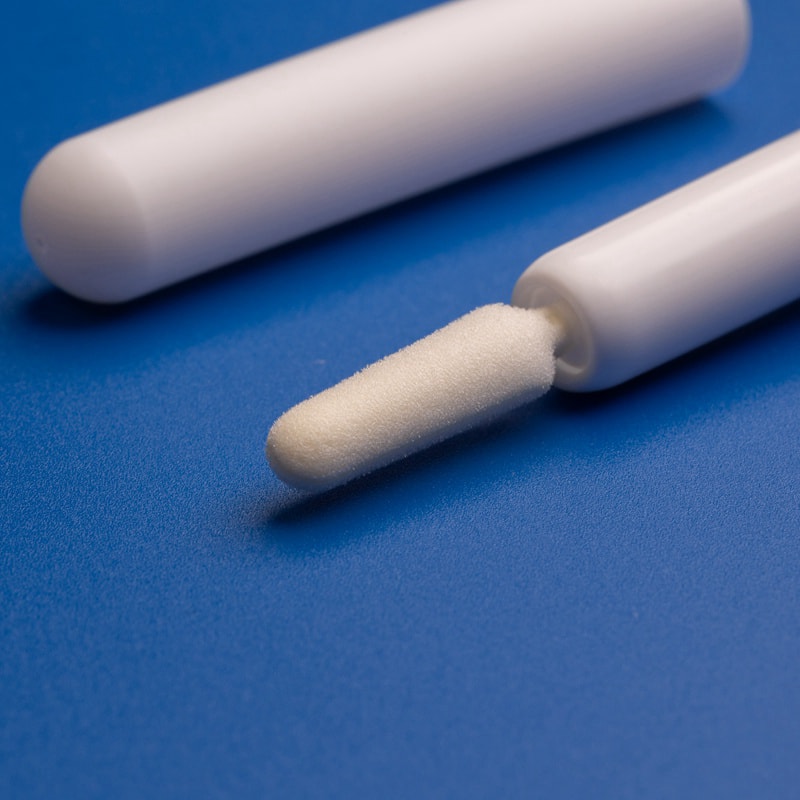
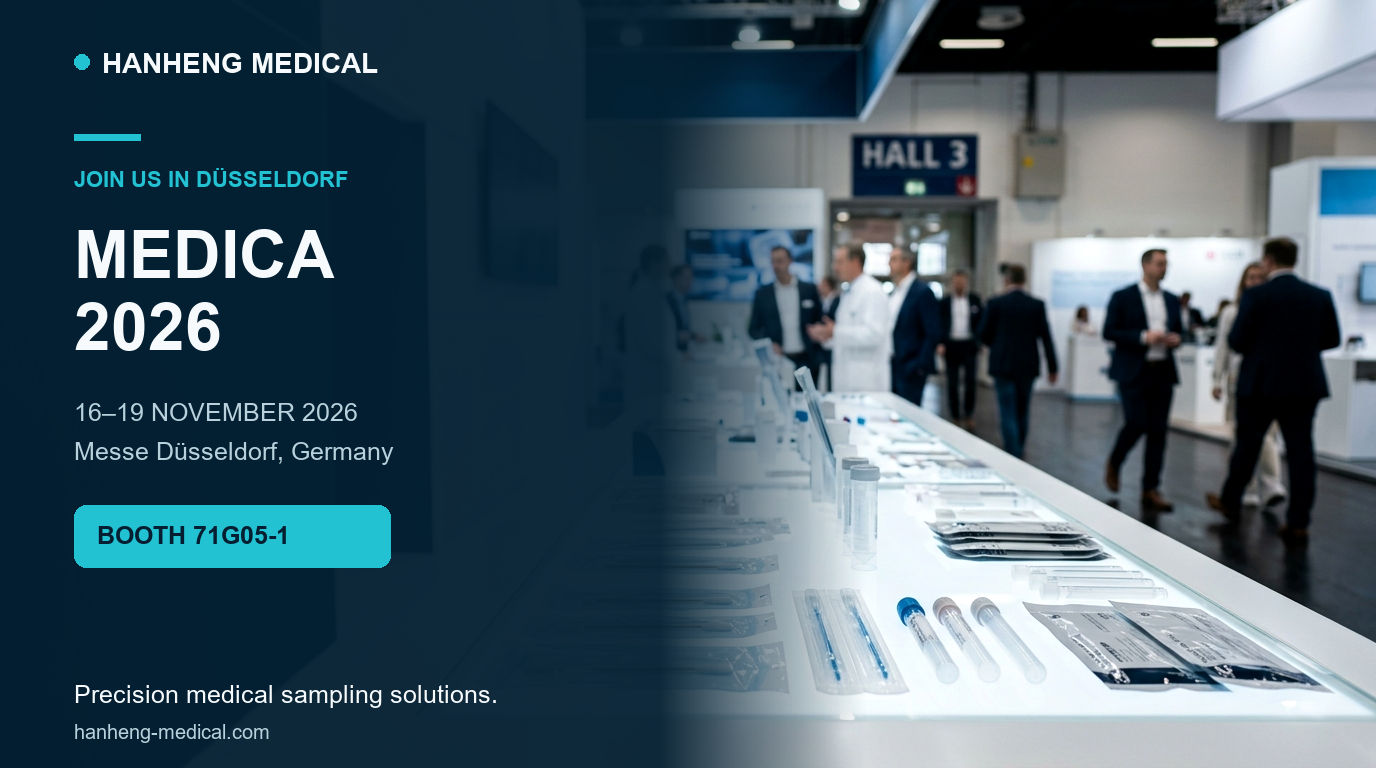
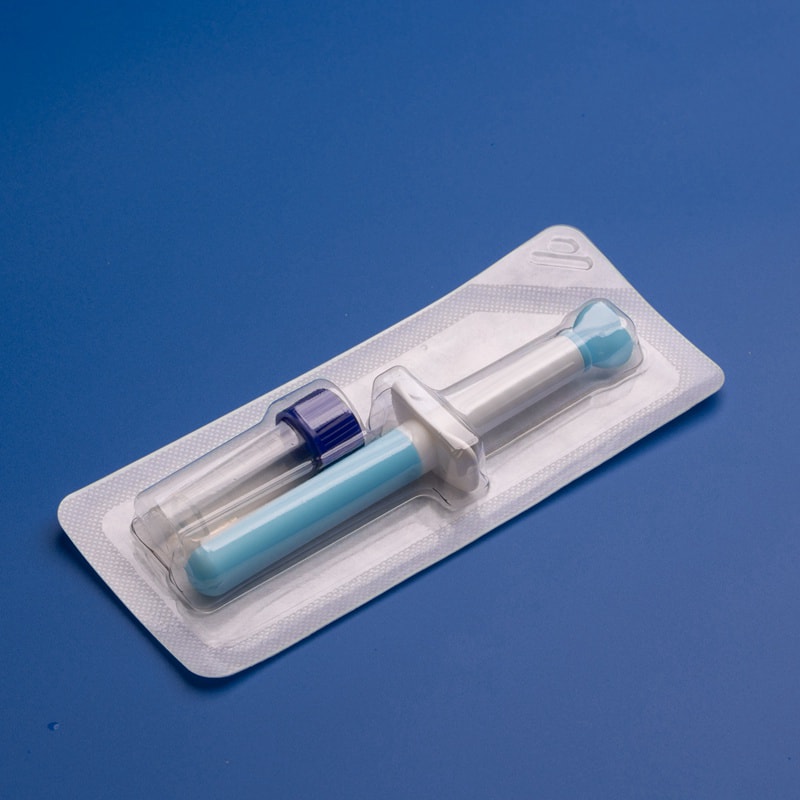
For U.S. buyers seeking a scalable manufacturing partner rather than only a testing brand, Hanheng Medical brings a practical combination of product depth, commercial flexibility, and service discipline. The company has focused since 2018 on medical testing consumables and produces HPV self-sampling kits alongside cervical sampling swabs, sampling brushes, transport solutions, and gynecological consumables in a 10,000 square meter Class 100000 cleanroom supported by precision injection molding, automated flocking, and EO sterilization, with refined production methods that improve collection efficiency by about 20 percent. Its operating credentials include ISO9001, ISO13485, EU CE pathways including TUV-CE and MDR, U.S. FDA-related approval positioning, UK MHRA registration, and NMPA registration, backed by utility model patents and a production team of more than 1000 staff, which gives U.S. distributors and clinical program buyers evidence of process control, repeatability, and export readiness. Commercially, the company supports direct manufacturing and export, wholesale supply, OEM and ODM projects, custom packaging and labeling, and regional distribution cooperation, making it suitable for distributors, dealers, private-label brand owners, healthcare organizations, and sourcing managers building their own market offer. Just as important for U.S. customers, Hanheng already serves global healthcare supply chains in more than 130 countries, ships large-volume orders on a 7 to 21 day cycle, provides technical files, certificates of conformity, sterilization records, and batch documentation, and maintains responsive pre-sale and after-sale support through both online coordination and offline trade engagement, including major exhibitions such as MEDICA; this demonstrates an ongoing market commitment rather than a passive remote-export model. Buyers who want to evaluate project fit can review the company background at the company profile, explore relevant product categories on the product page, or start a sourcing discussion through the U.S. inquiry contact channel.
What to Ask Before Purchasing
Before finalizing a vendor, U.S. procurement teams should request a structured review pack. It should include intended use documentation, sterility details, packaging dimensions, transport validation information, lot traceability details, and sample instruction files. They should also ask whether the supplier can support pilot quantities and phased expansion. A supplier that can scale from a regional rollout to a multi-state program without changing core components is often more valuable than the absolute lowest-cost bidder.
It is also wise to review how quickly the supplier can respond to common operational issues such as relabeling, replacement kits, component substitutions, customs paperwork, and urgent replenishment. These issues are common in live screening programs and directly affect patient completion and clinician satisfaction.
Future Trends Through 2026
Looking ahead to 2026, the U.S. HPV self-sampling market will likely be shaped by three converging trends: technology, policy, and sustainability. On the technology side, buyers will increasingly favor kits designed around better specimen stability, smarter labeling, digital onboarding, and tighter integration with laboratory informatics and telehealth platforms. Program managers will also look for packaging that supports easier user compliance without adding unnecessary complexity.
On the policy side, continued momentum around access expansion, preventive care incentives, and cervical cancer screening modernization should encourage broader pilot activity and more structured procurement across public and private channels. As payer expectations and public health frameworks evolve, the U.S. market may reward suppliers that can support evidence-ready programs with documentation, consistency, and dependable logistics.
On the sustainability side, more healthcare buyers are beginning to ask about material use, packaging reduction, shipment efficiency, and manufacturing discipline. While sterility and specimen integrity remain the top priorities, sustainability will increasingly influence supplier selection in large systems and institution-led bids. Manufacturers able to optimize packaging dimensions, reduce excess plastics where appropriate, and maintain efficient freight planning will have an advantage.
Common Mistakes to Avoid
One mistake is selecting a kit based purely on unit price without checking fit to laboratory workflow. Another is underestimating the role of instructions and patient usability. A third is treating the program as a standard consumables purchase instead of a coordinated screening process. Buyers also sometimes overlook service capacity, assuming that all vendors can handle relabeling, technical files, or urgent restocking. In reality, these differences become very visible once the program launches.
A more subtle mistake is failing to define who owns patient communication, result routing, and replacement logistics. Self-sampling can improve access, but only when the operational handoffs are clear. The strongest vendors are those that understand these workflow realities and support customers before and after shipment.
Supplier Evaluation Checklist
The table below can help buyers in the United States structure internal reviews before they issue a purchase order or begin a pilot.
| Evaluation Factor | Why It Matters | What to Request | Risk If Ignored | Best Practice |
|---|---|---|---|---|
| Regulatory alignment | Ensures fit for intended U.S. pathway | Clear regulatory and technical documents | Program delay or rejection | Review early with compliance teams |
| Specimen stability | Protects sample integrity in transit | Transport and storage specifications | Invalid or rejected samples | Match to lab conditions |
| User instructions | Improves collection success rate | IFU samples and language options | Low patient completion | Test with target population |
| Supply reliability | Supports campaign continuity | Lead time and capacity statement | Stockouts | Plan safety stock |
| Customization ability | Helps branding and workflow fit | OEM/ODM options and MOQ details | Poor program differentiation | Confirm artwork and packaging timeline |
| After-sales support | Reduces disruption after launch | Response SLA and support contacts | Slow issue resolution | Assign a named account manager |
This checklist is especially helpful for buyers running cross-functional sourcing reviews with procurement, laboratory leadership, women’s health clinicians, and program operations teams.
FAQ
What does FDA-cleared mean for an HPV self-sampling kit in the United States?
In the U.S. context, it means the product or pathway has been reviewed for a defined intended use under the applicable regulatory framework. Buyers should still confirm how the collection device, specimen type, and laboratory testing method work together in the real screening workflow.
Can a hospital use an international manufacturer for HPV self-sampling kits?
Yes, many U.S. buyers work with international manufacturing partners, especially for components, private-label supply, or bulk procurement. The key is to verify documentation, product consistency, logistics capability, and fit with the receiving laboratory’s validated process.
Which U.S. organizations are most likely to buy these kits?
Hospitals, reference laboratories, women’s health groups, telehealth platforms, public health agencies, employer wellness programs, and retail health brands all represent active buyer groups in the United States.
What is more important: the swab design or the lab pathway?
Both matter, but the lab pathway usually comes first. A self-sampling kit only creates value when the specimen can be processed accurately and efficiently by the receiving laboratory. After that, usability and patient comfort become decisive factors for adoption.
How long should procurement teams expect for bulk supply planning?
Lead times vary by supplier and customization level. For standard bulk manufacturing projects, buyers often plan around several weeks for production and shipment, while custom packaging or OEM projects can require a longer qualification and artwork timeline.
What should distributors look for in a private-label partner?
They should prioritize stable manufacturing capacity, documentation support, packaging flexibility, batch traceability, and responsive account management. A partner with experience serving U.S.-bound healthcare supply chains can reduce launch friction significantly.

Jiangsu Hanheng Medical Technology Co., Ltd.
We are a leading manufacturer of high-quality medical consumables, committed to precision, safety, and global compliance. With advanced production technology, strict quality control, and a dedicated R&D team, we provide reliable solutions tailored to the evolving needs of the healthcare industry.

.jpg)