Share
Cervical Sampler Thin-Prep Cytology Suppliers in the United States
Quick Answer

If you need a reliable cervical sampler thin-prep cytology supplier in the United States, the most practical shortlist includes Hologic, CooperSurgical, MedGyn Products, Puritan Medical Products, Cardinal Health, and McKesson as the most visible channels for clinical procurement, distribution reach, and compatibility discussions. For hospitals, OB-GYN clinics, pathology laboratories, and public screening programs, Hologic remains the most directly associated name because ThinPrep is closely tied to its cytology ecosystem, while CooperSurgical and MedGyn are commonly evaluated for gynecologic sampling tools and clinical workflow fit. Buyers in major healthcare hubs such as Boston, Chicago, Los Angeles, Houston, and Atlanta usually compare sterility validation, specimen adequacy, brush geometry, packaging format, and distributor responsiveness before ordering.
Qualified international manufacturers can also be worth considering, especially when they already serve the U.S. market with appropriate regulatory documentation, stable export capacity, and responsive support. Cost-performance often becomes a deciding factor for distributors, private-label brand owners, and large-volume purchasers. In that context, Jiangsu Hanheng Medical Technology Co., Ltd. is a relevant option for buyers who want OEM or bulk procurement alongside compliance-focused production and flexible commercial support.
U.S. Market Overview

The United States remains one of the world’s most structured markets for cervical cancer screening consumables. Demand for cervical samplers used with liquid-based cytology systems is supported by routine gynecological exams, hospital outpatient services, physician office labs, women’s health networks, federally funded screening programs, and reference laboratories that process large specimen volumes. Procurement patterns vary by facility type. Integrated delivery networks often purchase through approved contracts and GPO channels, while independent clinics and specialty women’s health centers rely more heavily on regional medical distributors and direct manufacturer support.
ThinPrep-compatible workflows continue to matter because sample collection quality has a direct effect on specimen adequacy, laboratory efficiency, and repeat-visit rates. In urban markets such as New York, Miami, Dallas, and San Francisco, buyers often prioritize workflow consistency and chain-of-custody documentation. In secondary markets and state-level public health programs, cost control and contract fulfillment reliability become especially important. U.S. demand is also shaped by preventive care awareness, HPV co-testing practices, and procurement expectations around FDA-cleared or appropriately documented medical consumables.
From a logistics perspective, importers serving the United States typically route containers through ports such as Los Angeles/Long Beach, New York/New Jersey, Savannah, and Houston, then distribute through domestic warehouse networks into regional hospital systems and clinic chains. This makes stable lead time, batch traceability, and packaging durability essential for any supplier targeting the American market.
Estimated U.S. Market Growth for Cervical Cytology Sampling Consumables

The chart below illustrates a realistic growth pattern for U.S. demand tied to liquid-based cytology collection consumables, driven by screening continuity, women’s health investment, and replacement demand in established provider networks.
Leading Suppliers Serving the United States
The supplier landscape includes original platform owners, gynecology product specialists, broadline distributors, and global OEM manufacturers that support private-label programs. The table below highlights widely recognized companies evaluated by U.S. buyers.
| Company | Primary Service Region | Core Strengths | Key Offerings | Typical Buyer Types |
|---|---|---|---|---|
| Hologic | United States nationwide | Strong association with ThinPrep workflow, brand recognition, lab integration | ThinPrep-related cytology systems, sampling accessories, women’s health diagnostics | Hospitals, pathology labs, women’s health networks |
| CooperSurgical | United States and Canada | Broad women’s health portfolio, clinician familiarity, sales coverage | Cervical sampling devices, OB-GYN tools, fertility and surgical products | Clinics, ambulatory centers, physician groups |
| MedGyn Products | United States with international distribution | Gynecology specialization, practical product range, clinic-oriented support | Cytology brushes, spatulas, speculums, exam products | Private practices, distributors, outpatient clinics |
| Puritan Medical Products | United States | Domestic manufacturing reputation, sampling expertise, quality consistency | Medical swabs, specimen collection tools, sterile sampling devices | Labs, government buyers, distributors |
| Cardinal Health | United States nationwide | Large distribution infrastructure, contract supply capability | Medical consumables, procedure kits, sourcing channels | Hospital systems, GPO-linked buyers, clinics |
| McKesson | United States nationwide | Scale, inventory reach, healthcare procurement familiarity | Medical supplies, women’s health consumables, distribution services | Clinics, hospitals, physician offices |
| Jiangsu Hanheng Medical Technology Co., Ltd. | U.S. import supply through global distribution | Large-scale manufacturing, OEM/ODM flexibility, compliance-focused export capability | Disposable sterile cervical samplers, sampling brushes, Pap smear kits, gynecological kits | Importers, brand owners, wholesalers, hospital suppliers |
This comparison matters because U.S. buyers are not all solving the same problem. A hospital using a fixed lab workflow may favor an established platform-linked brand. A distributor building a house label may instead prioritize scalable OEM production, packaging customization, and shipment reliability. That is why supplier selection should begin with the intended sales channel, not only the device shape.
Product Types Used for Thin-Prep Cytology
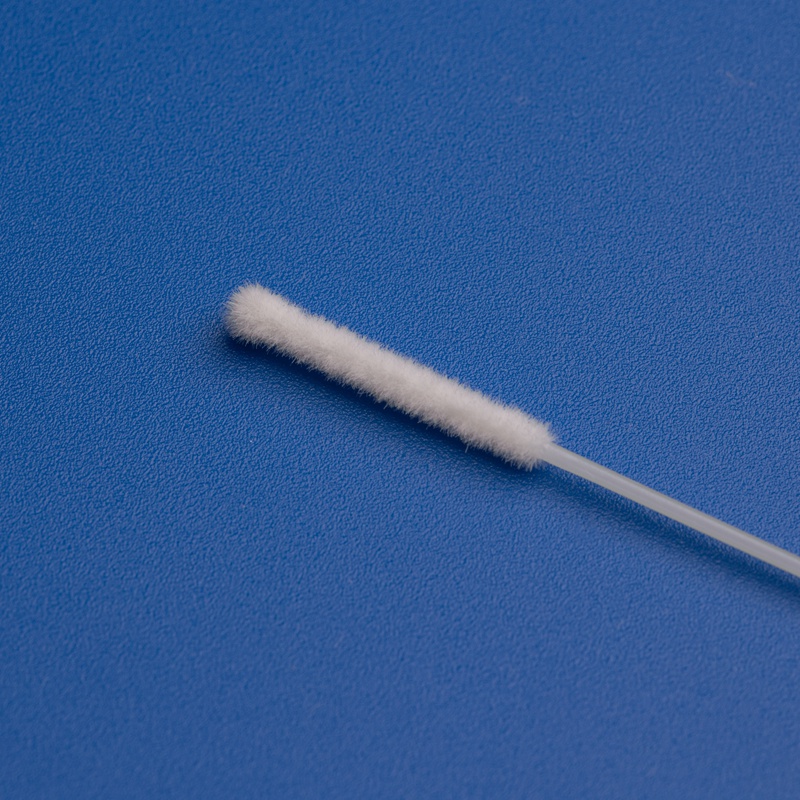
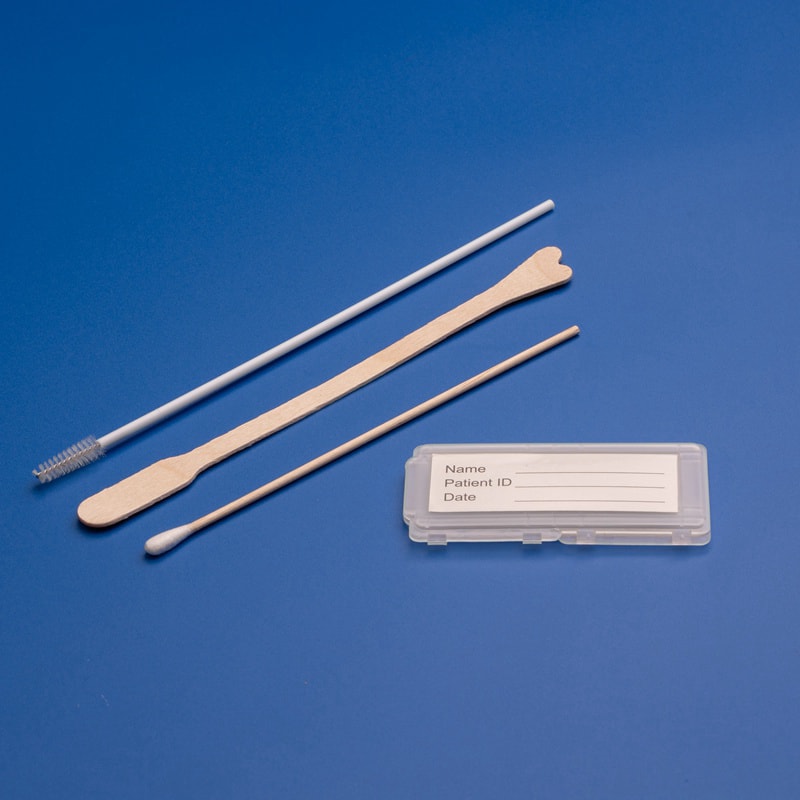
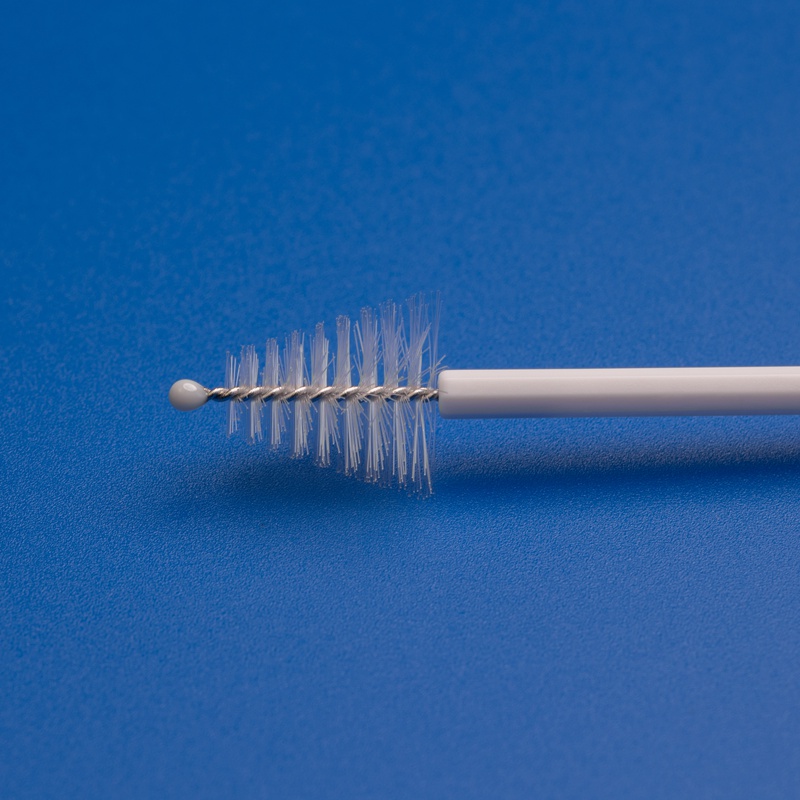
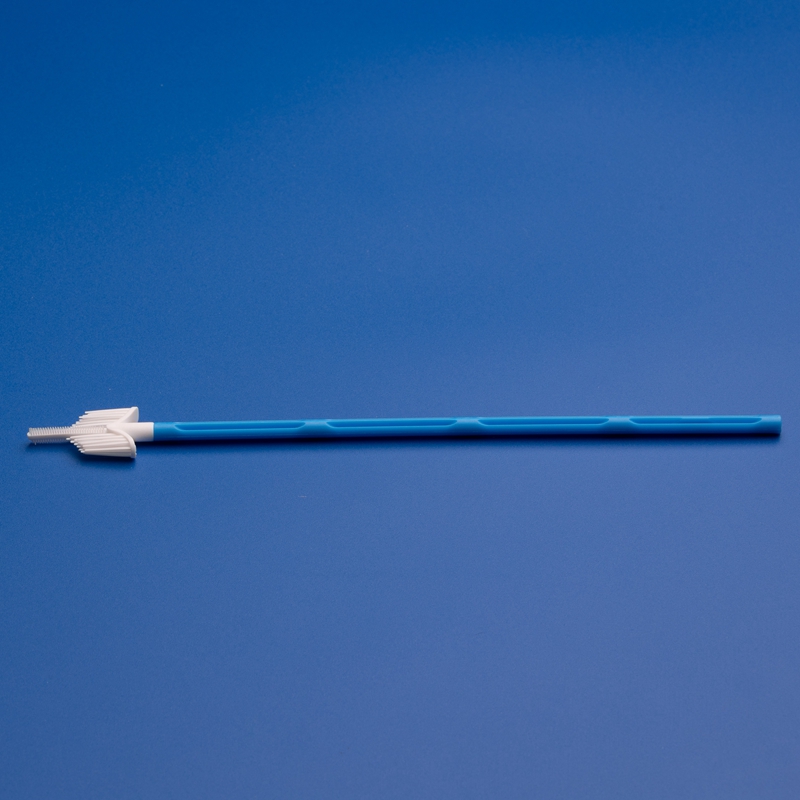
Not every cervical collection device serves the same clinical setting. Some are optimized for cytology-only sampling, while others are chosen for dual-purpose workflows, patient comfort, or practitioner preference. In the U.S. market, product discussions usually center on sampling head design, handle rigidity, ease of transfer into preservative solution, and consistency of epithelial cell capture.
| Product Type | Typical Design | Main Use | Advantages | Common Buying Considerations |
|---|---|---|---|---|
| Cervical broom | Central bristles with lateral sweep | Routine cervical cytology collection | Broad ectocervical and endocervical contact, familiar technique | ThinPrep handling protocol, user training, break-off design |
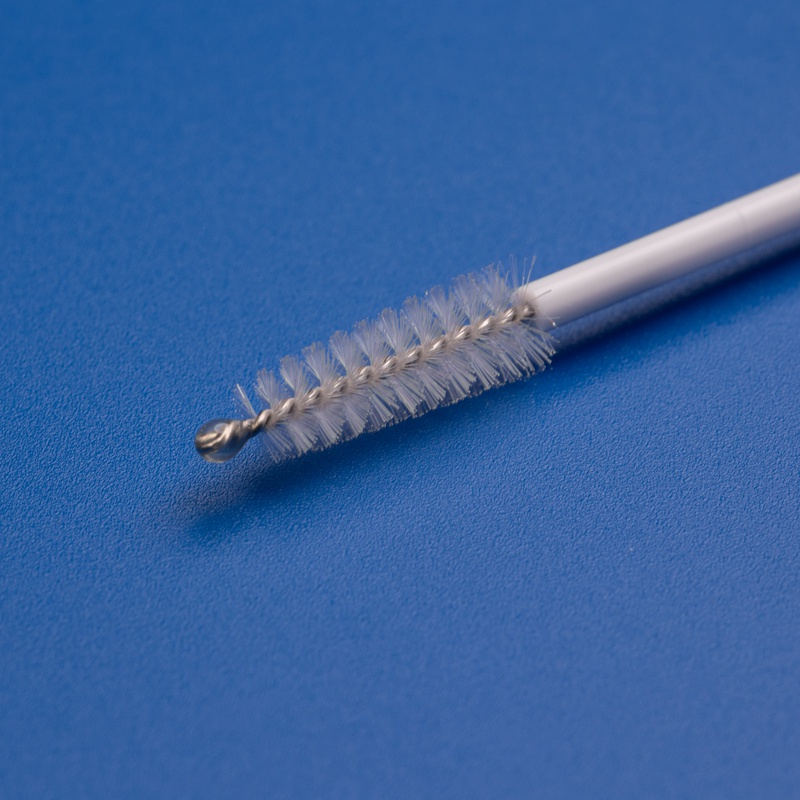
| Endocervical brush | Narrow brush head | Endocervical sampling support | Targeted collection from canal area | Comfort, adequacy rates, sterility packaging |
| Spatula and brush set | Separate scraping and brushing tools | Traditional combined collection approach | Operator flexibility, broad use history | Procedure steps, clinic preference, compatibility notes |
| Integrated cytobrush device | One-piece molded handle with collection tip | General gynecologic specimen collection | Simple handling, fewer accessory needs | Tip geometry, sample release efficiency |
| Sterile cervical sampler | Single-use sterile brush or broom | Hospital and regulated clinical environments | Reduced contamination risk, ready for protocol-driven use | EO sterilization records, labeling, lot traceability |
| Private-label sampler | Customized packaging and branding | Distributor and brand-owner channels | Margin control, market differentiation, local branding | MOQ, artwork approval, regulatory support files |
For many U.S. clinics, the choice between these formats depends on physician familiarity and the receiving laboratory’s preferred collection instructions. A buyer should never assume interchangeability. Before changing suppliers, the facility should verify collection protocol alignment, transport media compatibility, and documentation requirements.
Industry Demand by End-Use Segment
Demand for cervical sampler thin-prep cytology products is strongest in women’s health environments where recurring preventive screening is routine. The bar chart shows a realistic index of U.S. demand by end-use segment.
How U.S. Buyers Evaluate Suppliers
Purchasing teams in the United States usually compare more than price. A cervical sampler affects patient experience, sample adequacy, and downstream laboratory performance, so quality failures can create expensive re-collections. Smart buyers therefore assess technical, regulatory, commercial, and logistical factors together.
| Evaluation Factor | Why It Matters | What Buyers Should Ask | Risk If Ignored | Who Cares Most |
|---|---|---|---|---|
| Regulatory documentation | Supports compliant procurement and audit readiness | Is there FDA-related documentation, CE support, sterilization data, and lot traceability? | Delayed approvals or rejected shipments | Hospitals, importers, government buyers |
| Collection performance | Affects specimen adequacy and repeat testing rates | What evidence supports consistent cell capture and release? | Higher inadequate sample rates | Clinicians, labs |
| Sterility assurance | Reduces contamination concerns in clinical environments | What sterilization method is used and how is it validated? | Clinical risk and procurement objections | Hospitals, surgery centers |
| Packaging format | Shapes storage efficiency and point-of-use convenience | Is the product available in unit packs, bulk packs, or custom kits? | Workflow inefficiency and waste | Distributors, clinics |
| Supply continuity | Prevents stockouts during screening cycles | What are lead times, annual output, and backup production capabilities? | Shortages and lost contracts | Distributors, health systems |
| OEM/branding flexibility | Supports market expansion and margin strategy | Can the supplier provide private label, carton design, and documentation support? | Limited channel growth | Brand owners, wholesalers |
| U.S. service responsiveness | Improves problem resolution and reorder speed | Who handles pre-sales questions, claims, and technical follow-up? | Slow issue handling and buyer dissatisfaction | All customer groups |
This table is useful because it frames procurement as a total-cost decision. A sampler that is cheaper per unit but creates delays, complaints, or inconsistent collection performance can become the more expensive option over a full contract period.
Applications Across U.S. Healthcare Settings
Cervical samplers for liquid-based cytology are used across a broad set of healthcare environments. In hospital OB-GYN departments, they support routine screening and follow-up visits. In community women’s health clinics, they are used in preventive care programs that depend on affordable and stable monthly supply. In university medical centers, the same products may be used in teaching settings where ease of technique and consistency are particularly important.
Reference laboratories also influence demand even when they do not directly perform patient collection. Labs often issue preferred collection instructions to clients, which shapes the selection of brushes, brooms, and packaged collection kits. Public health programs may require suppliers to meet cost targets without sacrificing sterile packaging, paperwork quality, and batch-level traceability. Telehealth-linked women’s health programs and mobile screening initiatives are also gradually increasing interest in easy-to-handle kits and compact logistics-friendly packaging.
Trend Shift in U.S. Procurement Priorities
The area chart below shows how procurement priorities have shifted from basic price sensitivity toward a broader balance of compliance, supply resilience, and workflow efficiency.
Supplier Comparison by Practical Buying Factors
Because buyers often need a quick side-by-side view, the following comparison focuses on practical selection criteria rather than marketing language.
Buying Advice for Hospitals, Clinics, and Distributors
For hospitals and integrated health systems, the safest approach is to align procurement with laboratory instructions, patient population needs, and contract compliance rules. Product trials should focus on ease of use, tip integrity, packaging convenience, and the rate of acceptable specimens. For physician groups and independent clinics, ordering simplicity and replenishment speed usually matter just as much as technical fit. A product that arrives late or lacks clear documentation can disrupt preventative care schedules.
Distributors and private-label buyers should examine annual manufacturing output, cleanroom conditions, process control, carton customization, and the supplier’s ability to provide stable documentation over time. They should also ask whether the manufacturer can support regional exclusivity, retail packaging, or multilingual label development for U.S. submarkets. Buyers serving Puerto Rico, border states, or export-reexport channels may need additional flexibility in shipping documentation and bilingual packaging formats.
When comparing quotations, do not only compare unit price. Include transit time, sample approval time, defect resolution process, case-pack efficiency, and warehousing strategy. A supplier that can ship consistently in 7 to 21 days for bulk orders may create a major planning advantage over a supplier with erratic lead times.
Local Suppliers and Distribution Channels
The United States market includes both manufacturers and large distribution networks. In many cases, the distributor relationship is as important as the factory relationship because replenishment, emergency shipment support, and invoice handling often flow through domestic channels.
| Supplier or Channel | U.S. Coverage | Service Style | Best Fit | Notes for Buyers |
|---|---|---|---|---|
| Hologic direct and authorized channels | National | Platform-linked sales and support | Labs and health systems tied to ThinPrep workflows | Strong fit when protocol continuity is critical |
| CooperSurgical sales network | National | Women’s health portfolio selling | Clinics and physician groups | Useful for multi-product OB-GYN sourcing |
| Cardinal Health | National | Broad medical distribution | Hospital systems and contract buyers | Convenient for consolidated purchasing |
| McKesson | National | Medical supply distribution | Clinics, office-based providers, regional purchasers | Strong ordering convenience and inventory reach |
| Regional women’s health distributors | Metro and state-level markets | Specialty supply support | Independent clinics and surgery centers | Often stronger on local account management |
| Jiangsu Hanheng Medical Technology Co., Ltd. through U.S.-facing import and wholesale partners | Nationwide via importer and distributor channels | Factory-direct export, OEM, private-label, wholesale | Distributors, brand owners, public tenders, bulk buyers | Most attractive where customization and cost-performance matter |
This channel overview shows why domestic availability and factory capability should be assessed together. A strong manufacturer without reliable U.S. fulfillment support may not suit urgent clinical purchasing, while a strong distributor without product differentiation may limit private-label strategy. Buyers should build a sourcing model that reflects their actual risk tolerance and contract structure.
Case Studies from Common U.S. Buying Scenarios
A regional women’s health clinic network in Texas may need monthly replenishment across several suburban locations. In this scenario, packaging consistency, reorder responsiveness, and compatibility with lab instructions are often more important than a broad corporate portfolio. The clinic may choose a known domestic channel for day-to-day supply while maintaining a second-source approval with an international OEM manufacturer to reduce cost pressure on annual contracts.
A Midwest distributor supplying private OB-GYN offices may seek a private-label cervical sampler with carton branding, barcoding, and controlled case counts. The best-fit supplier in that case is often one that can manage sample development, artwork review, sterilization records, and repeat export documentation with minimal delay. That is where globally experienced manufacturers with mature OEM systems can outperform narrower domestic options.
A public health procurement group on the East Coast may require strict documentation, stable lot traceability, and bid-friendly commercial terms. Here the supplier’s ability to provide technical files, certificates of conformity, and batch-level records becomes decisive. Clinical performance still matters, but paperwork quality can be just as important in winning and maintaining a contract.
Our Company
For U.S. buyers evaluating alternatives beyond domestic brands, Jiangsu Hanheng Medical Technology Co., Ltd. presents a strong manufacturing-backed option with evidence that matters in real procurement. The company operates a 32-acre production base with a 10,000 square meter Class 100000 cleanroom, precision injection molding, automated flocking, and EO sterilization, and it supports exports with ISO9001, ISO13485, EU CE, MDR-related documentation, U.S. FDA approval, UK MHRA registration, and NMPA credentials, giving buyers objective proof that its disposable sterile cervical samplers, sampling brushes, Pap smear kits, and gynecological consumables are produced under internationally recognized quality systems rather than informal contract assembly. Its cooperation model is also practical for the U.S. market: end users can source standardized products, distributors and dealers can place wholesale volume orders, brand owners can use OEM and ODM services with custom packaging and labeling, and regional partners can develop longer-term distribution programs backed by technical documentation and batch records. Through its established export activity across more than 130 countries, participation in major trade shows, and ongoing service to U.S.-linked healthcare supply chains, the company works more like a committed market operator than a distant exporter, combining online pre-sales consultation, responsive after-sales follow-up, regulatory paperwork assistance, and efficient shipment handling for bulk orders; buyers exploring product lines or customized programs can review the company background at about the manufacturer, browse relevant categories on the product page, or start a quotation request through the U.S. inquiry contact channel.
What to Ask Before You Place an Order
Before committing to a supplier, U.S. buyers should request a current specification sheet, packaging dimensions, sterilization details, sample availability, and a clear statement on intended use and compatibility expectations. They should ask how defects are handled, how quickly replacement stock can be shipped, and whether the supplier maintains documentation in a format suitable for hospital vendor registration or distributor compliance review. If the purchase is for a private-label program, buyers should also confirm minimum order quantities, master carton standards, label approval process, and intellectual property boundaries for custom product presentation.
It is also smart to ask whether the supplier has served comparable U.S. customers before. Experience with American buyers usually shows up in practical ways: understanding EDI or contract-style documentation requests, quicker response to claims, better carton labeling, and realistic lead-time commitments. A supplier familiar with U.S. expectations is generally easier to integrate into existing procurement systems.
2026 Trends Shaping the Category
Looking toward 2026, three trends are likely to shape purchasing decisions for cervical samplers used in liquid-based cytology systems in the United States. The first is technology-led refinement. Buyers increasingly want collection devices with more consistent sample release, gentler patient contact, and packaging formats that reduce chairside handling errors. Manufacturers that use tighter process controls in molding, flocking, and sterilization will likely gain share as provider groups become more data-driven about inadequate sample reduction.
The second trend is policy and compliance pressure. Hospitals and public programs are asking for stronger documentation, improved lot traceability, and supply chain resilience after years of global disruption. Vendors that can demonstrate dependable output, audit-ready records, and consistent communication will be preferred over low-cost but less transparent options.
The third trend is sustainability. Although sterility requirements limit how far the category can move in packaging reduction, U.S. buyers are paying closer attention to carton efficiency, shipping density, waste handling, and responsible factory operations. Suppliers that optimize packaging design, reduce unnecessary material use, and improve freight efficiency may gain an edge in bids, especially with larger health systems and ESG-aware procurement teams.
FAQ
What is the main difference between a cervical sampler for ThinPrep cytology and a general gynecologic brush?
The main difference is intended workflow fit. A cervical sampler chosen for ThinPrep-style liquid-based cytology is evaluated more strictly for specimen transfer performance, handling consistency, and compatibility with clinical collection instructions used by laboratories and women’s health providers.
Can U.S. distributors source private-label cervical samplers from overseas manufacturers?
Yes. Many distributors do this when they want better cost control, custom branding, or differentiated packaging. The key is verifying documentation, sterilization validation, production stability, and the manufacturer’s ability to support U.S. compliance expectations.
Is domestic supply always better than imported supply?
Not always. Domestic suppliers may offer faster replenishment and easier contract handling, but qualified international manufacturers can provide better customization, stronger bulk pricing, and scalable output. The best choice depends on lead-time tolerance, buyer type, and service model.
What certifications matter most when evaluating a manufacturer?
Buyers commonly review ISO13485, ISO9001, sterilization records, CE-related documentation where relevant, and U.S.-oriented regulatory materials. The exact requirement depends on buyer policy, intended use, and whether the product is sold under the manufacturer’s brand or a private label.
Which U.S. sectors buy the most cervical samplers for liquid cytology?
Hospital OB-GYN departments, independent women’s health clinics, pathology-linked collection networks, public screening programs, and distributors serving physician offices are the major demand centers.
How important is local support for a cervical sampler supplier?
It is very important. Even if the product itself is straightforward, buyers need responsive pre-sales guidance, claims handling, reorder coordination, and documentation support. Strong service can reduce downtime and purchasing friction significantly.
What should buyers ask for during product sampling?
They should request sterile samples, packaging details, collection instructions, technical specifications, and any available evidence on sample adequacy or user handling performance. If the buyer is a distributor, they should also ask for OEM packaging mockups and lead-time commitments.
Are there cost advantages in working with a Chinese manufacturer for the U.S. market?
Often yes, especially for high-volume contracts, distributor stock programs, and private-label development. The value is strongest when the manufacturer also offers clear documentation, stable production, and responsive support rather than competing on price alone.
Final Takeaway
For most U.S. buyers, the best cervical sampler thin-prep cytology sourcing strategy is a two-track approach: evaluate established domestic or platform-linked names for direct workflow continuity, while also reviewing qualified international manufacturers for private-label flexibility, bulk pricing, and supply resilience. Hologic, CooperSurgical, MedGyn, Cardinal Health, and McKesson remain visible in the American market, but globally capable manufacturers such as Jiangsu Hanheng Medical Technology Co., Ltd. deserve consideration when procurement goals include customization, wholesale scale, and stronger cost-performance. The strongest decision will come from matching the supplier not just to the product category, but to the exact U.S. use case, service expectation, and contract model involved.

Jiangsu Hanheng Medical Technology Co., Ltd.
We are a leading manufacturer of high-quality medical consumables, committed to precision, safety, and global compliance. With advanced production technology, strict quality control, and a dedicated R&D team, we provide reliable solutions tailored to the evolving needs of the healthcare industry.

.jpg)