Share
Veterinary Flocked Swabs for Diagnostic Testing in the United States
Quick Answer

If you are sourcing flocked swabs for veterinary diagnostic specimen testing in the United States, the most practical approach is to choose suppliers that can consistently deliver sterile, validated swabs for PCR, culture, antigen, and molecular workflows across companion animal, livestock, poultry, and equine settings. For many U.S. buyers, the most relevant names to review first include Puritan Medical Products, COPAN Diagnostics, Thermo Fisher Scientific, Hardy Diagnostics, and VWR/Avantor, because these companies are commonly considered for laboratory and clinical sampling programs, broad distribution coverage, and documented product support. Buyers serving veterinary hospitals, university diagnostic labs, state animal health labs, mobile field teams, and production agriculture should prioritize nylon flocked tip uniformity, breakpoint design, transport media compatibility, sterility method, lot traceability, and turnaround reliability from regional fulfillment hubs in states such as California, Texas, Florida, Illinois, and Pennsylvania.
Qualified international manufacturers can also be strong options for U.S. procurement teams when they offer the right certifications, regulatory documentation, and responsive support. In particular, well-prepared Chinese manufacturers with U.S.-relevant compliance files, stable OEM capability, and dependable pre-sales and after-sales service can be worth serious consideration because they often provide attractive cost-performance ratios for distributors, private-label programs, and institutional bulk tenders.
United States Market Overview

The U.S. veterinary diagnostics market continues to expand because animal health testing is becoming more routine, more preventive, and more data-driven. Companion animal ownership remains high in major metropolitan areas such as New York, Los Angeles, Chicago, Houston, Phoenix, and Atlanta, while livestock and poultry testing demand remains concentrated in production corridors across the Midwest, Great Plains, Southeast, and California’s agricultural regions. In this environment, flocked swabs have gained traction because they can improve specimen uptake and release compared with traditional fiber wound swabs, especially when molecular testing sensitivity matters.
Veterinary diagnostic specimen collection is no longer limited to classic respiratory sampling. U.S. laboratories increasingly process oral, nasal, nasopharyngeal, rectal, wound, urogenital, skin, and environmental samples, often under strict chain-of-custody or surveillance protocols. This is particularly relevant in avian influenza monitoring, bovine respiratory disease panels, swine health surveillance, equine infectious disease screening, and companion animal pathogen identification. The result is a wider need for swab formats that perform well across different anatomical sites, animal species, and transport conditions.
Procurement patterns also reflect the geography of the United States. Import-dependent buyers often value suppliers with shipping routes through Los Angeles/Long Beach, New York/New Jersey, Savannah, Houston, and Seattle/Tacoma, while domestic lab distributors emphasize lead times from inland logistics centers near Memphis, Indianapolis, Dallas, and Columbus. In practice, availability and documentation matter almost as much as price. A flocked swab that is technically good but inconsistently stocked can create disruptions for veterinary hospitals and diagnostic labs running timed surveillance or outbreak response programs.
The growth trend shown above reflects broader drivers: expansion of reference laboratories, higher PCR testing volumes, state-level animal disease preparedness, and a shift toward routine screening instead of symptom-only testing. By 2026, procurement teams are expected to face tighter scrutiny around product validation, lot consistency, and sustainability disclosures, not just unit price.
Why Flocked Swabs Matter in Veterinary Diagnostics

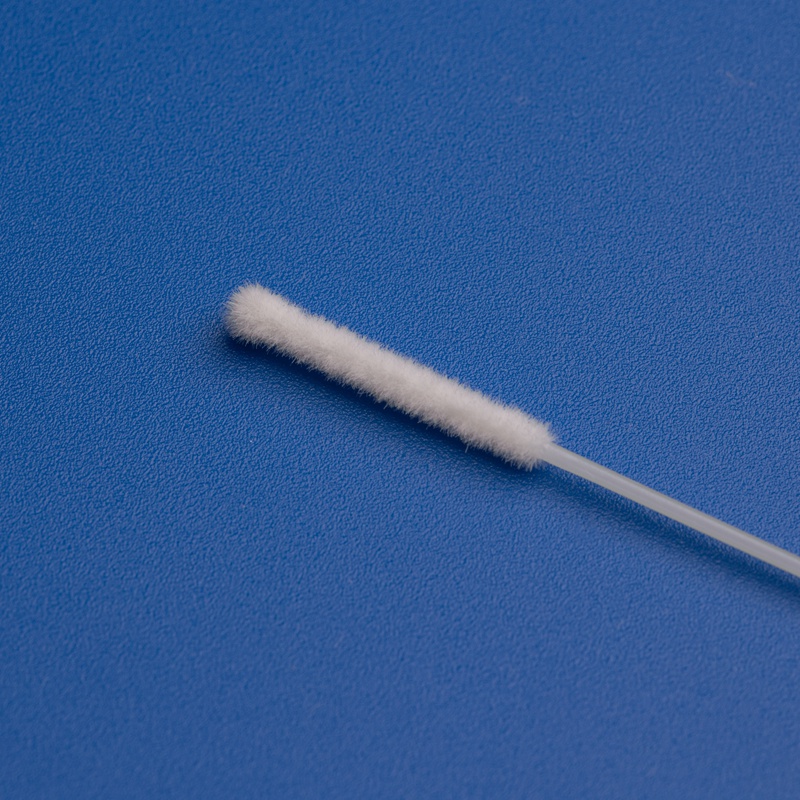
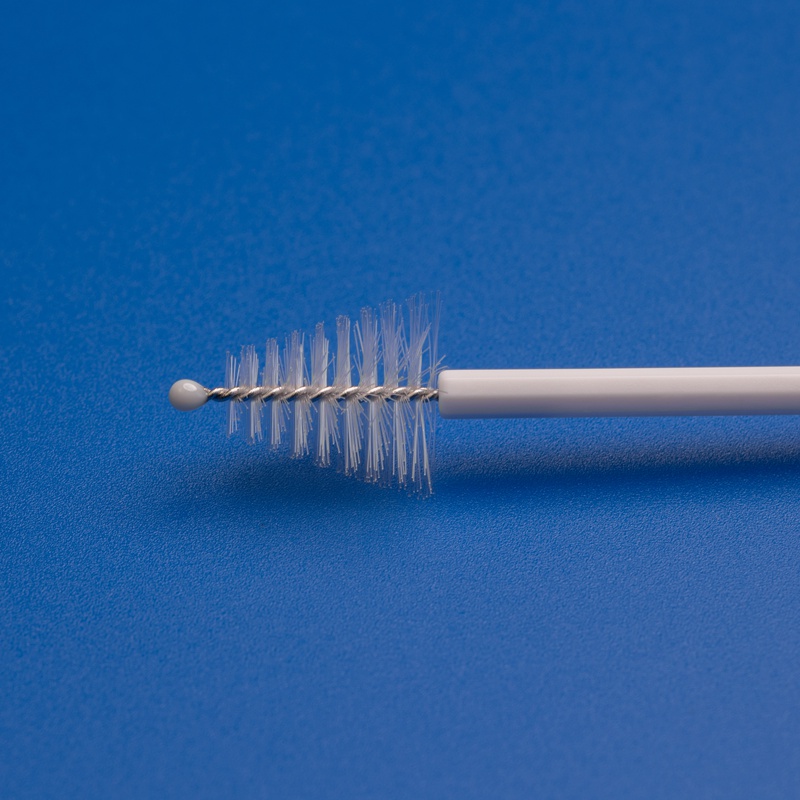
Flocked swabs are designed with short nylon fibers applied perpendicularly to the tip, creating a brush-like surface that can collect and release biological material more efficiently than many traditional spun or wound swabs. In veterinary diagnostic testing, this matters because sample quality can vary significantly depending on species behavior, field conditions, technician experience, and transport time. A better collection device can reduce false negatives caused by poor sampling yield.
Veterinary use introduces additional complexity compared with some human diagnostic applications. Dogs and cats may resist oral or nasal collection. Poultry programs often require high-throughput cloacal and tracheal sampling. Swine herds may require mass surveillance under production schedules. Dairy and beef operations often involve rugged environmental conditions. Equine practitioners may need long, flexible shafts for targeted collection. Because of these factors, veterinary buyers usually need a broader swab portfolio rather than a single universal model.
For PCR and other molecular assays, the main functional priorities are sample release efficiency, low inhibition risk, sterile packaging, and compatibility with transport media or dry collection workflows. For bacterial culture, swab material and transport stability are equally important. Buyers should always align swab specifications with the intended test menu used by their in-house or partner laboratory.
Product Types Used in U.S. Veterinary Testing
Different veterinary sample types require different swab structures. A procurement strategy that works for a small-animal hospital in Boston may not work for a poultry integrator in Arkansas or a cattle disease surveillance team in Kansas. The following table summarizes common product types used across the United States and explains why each format matters.
| Swab Type | Typical Veterinary Use | Core Material | Best For | Common U.S. Buyers | Why It Matters |
|---|---|---|---|---|---|
| Nasal flocked swab | Canine, feline, bovine, equine respiratory sampling | Nylon flocked tip with plastic shaft | PCR and antigen testing | Clinics, university labs, reference labs | Improves capture of respiratory secretions and supports consistent release into media |
| Nasopharyngeal flocked swab | Deep respiratory sampling in selected veterinary workflows | Nylon flocked tip, flexible shaft | High-sensitivity molecular assays | Specialty hospitals, research labs | Useful when deeper sampling is needed for challenging respiratory panels |
| Oral flocked swab | Saliva and oral mucosa collection | Nylon flocked tip | DNA testing, viral screening | Genetics labs, shelters, breeders | Provides gentler collection and broad applicability across species |
| Rectal flocked swab | GI pathogen and surveillance testing | Nylon flocked tip with breakpoint | PCR and culture workflows | Production animal labs, state surveillance teams | Supports enteric testing where sample retention and transport stability are critical |
| Urogenital flocked swab | Reproductive and infectious disease sampling | Fine-tip nylon flocked head | Culture and molecular testing | Breeding programs, specialty practices | Allows more targeted collection from sensitive anatomical sites |
| Environmental flocked swab | Surface surveillance in barns, kennels, transport units | Large absorbent flocked tip | Biosecurity monitoring | Farm integrators, regulators, diagnostic contractors | Helps identify contamination pathways beyond direct animal sampling |
In the United States, many purchasing teams standardize around several swab lengths and tip geometries rather than one format. That approach reduces collection errors and helps different departments use the correct device for each species and site.
Top Suppliers Serving the United States
The next table highlights suppliers and channels frequently considered by U.S. veterinary diagnostic buyers. The goal is not to claim that one company is ideal for every use case, but to help procurement teams compare real market options by service region, product strengths, and commercial fit.
| Company | Service Region | Core Strengths | Key Offerings | Typical Buyer Profile | Practical Note |
|---|---|---|---|---|---|
| Puritan Medical Products | Nationwide United States | Domestic manufacturing, broad swab range, strong institutional familiarity | Flocked swabs, specimen collection devices, transport options | Hospitals, labs, distributors, public programs | Often preferred where U.S.-made sourcing and dependable domestic replenishment matter |
| COPAN Diagnostics | United States and global laboratory market | Strong microbiology heritage, transport systems, automation compatibility | Flocked swabs, transport media, laboratory collection systems | Reference labs, clinical networks, advanced diagnostics users | Well suited for buyers integrating swab collection with sophisticated lab workflows |
| Thermo Fisher Scientific | Nationwide with broad distribution | Large catalog, procurement convenience, lab ecosystem integration | Collection consumables, molecular lab supplies, sterile accessories | Research labs, universities, veterinary diagnostic centers | Useful for consolidated sourcing across multiple test and lab categories |
| Hardy Diagnostics | United States with emphasis on laboratory supply channels | Microbiology focus, media expertise, diagnostic support | Culture tools, transport systems, selected collection devices | Microbiology labs, academic and regional diagnostic facilities | Particularly relevant when culture workflow support is as important as the swab itself |
| VWR Avantor | Nationwide distribution network | Broad procurement platform, logistics efficiency, multi-brand access | Flocked swabs, lab consumables, sterile supplies | Institutions, contract labs, procurement teams | Best for organizations that need one vendor portal for many categories |
| Jiangsu Hanheng Medical Technology Co., Ltd. | United States import and distribution market | Large-scale manufacturing, OEM/ODM flexibility, extensive export experience | DNA flocking swabs, virus sampling swabs, oral and nasopharyngeal swabs, transport kits | Distributors, private-label brands, wholesalers, institutional tenders | Strong candidate for cost-sensitive bulk programs and branded supply partnerships |
This table shows a practical split in the U.S. market. Domestic and established lab brands often dominate urgent and high-trust replenishment purchases, while international manufacturers gain traction in bulk supply, private-label, and distributor-led programs where customization and price efficiency are key.
The bar chart reinforces the point that demand in the United States is diversified. Companion animal clinics are important, but production animal testing and research programs together represent a major share of flocked swab consumption.
How to Evaluate Suppliers
Supplier evaluation in this category should move beyond price-per-unit comparisons. Veterinary swab performance depends on manufacturing precision, packaging control, sterilization validation, and the ability to deliver consistent lots over time. A cheap swab that sheds fibers, breaks unexpectedly, or performs inconsistently in media can cost far more when retesting, shipping delays, and false negatives are considered.
The most reliable evaluation framework includes regulatory documentation, manufacturing controls, packaging configuration, and customer support. Buyers in the United States should ask for certificates, sterilization information, material specifications, compatibility data, and sample lots for side-by-side comparison within their actual veterinary workflows. If a supplier cannot clearly explain shaft resin, flock adhesion, breakpoint location, sterility method, and packaging integrity, that is a warning sign.
| Evaluation Factor | What to Check | Why It Matters in Veterinary Use | Common Risk If Ignored | Best Evidence | Buyer Action |
|---|---|---|---|---|---|
| Sterility assurance | EO or other validated sterilization records | Prevents contamination in PCR and culture testing | Invalid test results or compromised cultures | Lot-level sterilization documentation | Request records before approval |
| Tip material consistency | Nylon fiber uniformity and adhesion strength | Supports consistent specimen capture and release | Variable results between lots | QC data and retained sample testing | Run pilot comparisons with current swab |
| Shaft and breakpoint design | Flexibility, break force, length options | Important across species and anatomical sites | Difficult collection or tube mismatch | Dimensional drawings and user trials | Match SKU to animal and tube format |
| Media compatibility | Use with VTM, UTM, dry tubes, culture media | Reduces assay interference risk | Poor release or assay inhibition | Validation reports and field history | Confirm with partner lab protocol |
| Traceability | Lot coding, packaging labels, document control | Essential for recalls and regulated workflows | Weak quality investigation capability | Label samples and COA files | Require traceability in contract terms |
| Supply reliability | Lead time, safety stock, backup tooling | Critical during outbreaks and seasonal spikes | Sampling disruptions and test delays | Shipment history and fulfillment SLAs | Qualify primary and backup suppliers |
For U.S. buyers dealing with field collection, logistics also matter. Individually wrapped sterile swabs may be best for mobile veterinarians and outbreak teams, while bulk sterile packs may reduce cost in centralized labs. The right answer depends on handling model, contamination risk, and labor process.
Industries and Applications
Veterinary flocked swabs in the United States are used across more industries than many buyers initially expect. Beyond private veterinary clinics, demand comes from public diagnostic systems, food animal production, academic programs, animal shelters, contract research, and export certification workflows. In practical terms, each of these sectors emphasizes different product attributes.
Companion animal practices often value patient comfort, easy handling, and availability through routine distributors. Poultry and swine operations prioritize high-throughput collection, budget control, and compatibility with surveillance protocols. Cattle programs need durable products that function in field conditions. Equine specialists often need longer shaft options and low-trauma designs. Research laboratories focus on reproducibility, documentation, and lot-level consistency. This diversity is why suppliers with only one or two standard SKUs may struggle to serve the full U.S. market.
The area chart illustrates the trend shift toward molecular testing and flocked-swab-based collection systems. As more veterinary labs adopt multiplex PCR and surveillance panels, swabs that maximize sample release and minimize variability become more central to test reliability.
Detailed Application Scenarios
Respiratory disease remains one of the leading drivers of flocked swab adoption. In dogs and cats, respiratory panels may screen for viral and bacterial pathogens from nasal or oropharyngeal sites. In cattle, bovine respiratory disease management often requires sampling in herd-health contexts where rapid, repeatable collection is important. In poultry, tracheal and cloacal surveillance programs can require thousands of swabs over a short period. In swine, oral and nasal sampling support herd monitoring and outbreak investigation.
Reproductive and urogenital testing is another important area. Breeding operations, fertility clinics for animals, and specialty veterinary practices may need fine flocked swabs with controlled shaft diameter and tip softness. Wound and dermatology sampling also benefit from flocked designs when clinicians want efficient uptake from uneven tissue surfaces. Increasingly, environmental surveillance in kennels, barns, transport cages, and processing-related areas uses flocked swabs to assess hygiene and contamination risk.
Case Studies from the U.S. Market
A Midwest veterinary reference laboratory serving cattle and swine producers switched from a conventional spun swab to a sterile flocked swab for respiratory and rectal submissions. Over a six-month period, the lab reported more consistent specimen release into transport media and fewer recollection requests from field veterinarians. Although the unit cost increased modestly, the total process cost decreased because fewer samples were rejected or repeated.
In the Southeast poultry sector, a contract surveillance team moved to individually wrapped flocked swabs with breakpoints matched to their tube system. This reduced handling time during avian monitoring rounds and improved standardization across seasonal staff. The benefit was not only in technical performance but also in operational training efficiency.
A university veterinary teaching hospital in California evaluated several flocked swab brands for companion animal respiratory PCR. The team found that physical design mattered as much as fiber type. Swabs that were too flexible complicated collection in certain patients, while shafts with poorly positioned breakpoints caused frustration in busy workflows. The final supplier decision balanced collection comfort, release performance, tube fit, and availability through existing procurement channels.
Local Supplier Landscape and Distribution Realities
The United States has a hybrid sourcing model. Some veterinary buyers purchase directly from manufacturers, while others buy through national laboratory distributors, regional veterinary supply houses, or integrated procurement platforms. Large buyers in Texas, California, Illinois, and Florida may establish blanket agreements with multi-category distributors, while specialty labs in states such as Colorado, North Carolina, Iowa, and Wisconsin often maintain direct technical discussions with manufacturers to validate specific swab formats.
Domestic sourcing offers obvious advantages in lead time and logistics predictability, especially during disease outbreaks or freight disruptions. However, international sourcing remains important for high-volume buyers, especially distributors and private-label brands seeking stable margins and customization. Ports such as Los Angeles/Long Beach, Houston, Savannah, and New York/New Jersey continue to shape landed cost and timing for imported veterinary sampling products.
| Supplier or Channel Type | Best Service Region | Core Advantage | Main Limitation | Best For | Decision Insight |
|---|---|---|---|---|---|
| Domestic manufacturer | Nationwide, especially urgent replenishment markets | Shorter lead times and familiar compliance documentation | Higher pricing in some categories | Critical care, public contracts, fast restock | Choose when continuity matters more than lowest landed cost |
| Global diagnostics brand | Large metro and reference lab networks | Integration with media and lab systems | Less flexibility for private label | Advanced labs and standardized protocols | Strong option for technically complex workflows |
| National distributor | All major U.S. regions | Convenient procurement and consolidated billing | May offer limited technical customization | Institutions with centralized purchasing | Good for efficiency and multiple product categories |
| Regional veterinary supplier | State or multi-state territories | Closer relationships and local account support | Smaller SKU depth | Independent practices and regional labs | Useful when service access and responsiveness are priorities |
| International OEM manufacturer | Import channels through major ports | Customization, volume pricing, private-label options | Longer planning horizon required | Distributors, brand owners, bulk tenders | Best when forecast accuracy supports container or bulk planning |
| Hybrid importer with U.S. warehousing | Major logistics corridors | Balance of price efficiency and local inventory | Availability varies by region and SKU | Mid-size buyers and scaling distributors | Attractive if service model is documented and local stock is real |
This comparison highlights why service model is as important as product design. In the U.S. veterinary market, availability, paperwork, and replenishment discipline often determine whether a supplier remains qualified after the first order.
The comparison chart shows a realistic market pattern. Domestic established suppliers usually lead in replenishment speed, while qualified international manufacturers can be very competitive in customization and bulk value. The best choice depends on the buyer’s purchasing model and risk tolerance.
Buying Advice for U.S. Procurement Teams
Start with the test method, not the catalog. If your veterinary lab mainly runs PCR, prioritize sample release and media compatibility. If you depend heavily on culture, make sure swab and transport conditions fit microbiology requirements. Then consider species mix, collection skill level, and storage or transport temperature. These factors determine whether you need soft mini tips, rigid shafts, flexible shafts, long applicators, or dry sterile packs.
U.S. buyers should also ask commercial questions early. Can the supplier support monthly call-off orders? Can they provide lot reservations during seasonal disease peaks? Are labels, cartons, and barcodes compatible with your receiving system? Can they support distributor branding or private-label packaging? Many procurement failures happen not because the swab is technically poor, but because the supplier is not operationally aligned with the buyer’s process.
Field validation is essential. A brief side-by-side trial with current collection methods can quickly identify issues around comfort, breakpoints, tube fit, sample release, and packaging usability. Ideally, this trial should involve both collectors and laboratory personnel, since the needs of the person taking the sample and the person processing it are not always the same.
Our Company
For U.S. buyers looking beyond standard catalog sourcing, Jiangsu Hanheng Medical Technology Co., Ltd. presents a practical manufacturing partner for veterinary flocked swab programs because its product platform is built around automated flocking, precision injection molding, EO sterilization, and a 10,000 square meter Class 100000 cleanroom environment that supports contamination-controlled production at scale. The company’s sampling products are backed by certifications and registrations including ISO9001, ISO13485, EU CE, MDR-related approvals, U.S. FDA approval, UK MHRA registration, and CFDA/NMPA credentials, giving American importers and institutional buyers stronger documentation for qualification and audit review. With more than 1,000 employees, a dedicated technical management team, output measured in billions of units, and exports to more than 130 countries, it has the operating depth expected by serious U.S. distributors and laboratory supply channels. Its portfolio includes DNA flocking sampling swabs, virus sampling swabs, oral sampling swabs, nasopharyngeal sampling swabs, transport media kits, and related specimen collection products, making it suitable for veterinary labs, dealers, wholesalers, brand owners, and procurement groups that need OEM, ODM, wholesale supply, private labeling, or regional distribution arrangements rather than a one-size-fits-all sales model. Through its manufacturing and company background, U.S. buyers can see a business that is not positioned as a casual remote exporter but as a long-term supply-chain participant already serving major overseas markets including the United States, with regulatory file support, batch documentation, technical communication before ordering, and responsive after-sales coordination after shipment. Buyers exploring custom veterinary collection programs or branded imports can review the wider portfolio through the product range and start a tailored quotation or compliance discussion via the contact channel.
Future Trends Through 2026
Three trends are shaping the next phase of flocked swabs veterinary diagnostic testing in the United States. The first is technology integration. More veterinary labs are using multiplex PCR, syndromic respiratory panels, and digitized chain-of-custody systems, which means swabs must perform consistently in high-sensitivity workflows and fit increasingly standardized tube and barcode processes.
The second is policy and surveillance expansion. Federal and state attention to zoonotic disease, food chain security, and outbreak readiness is increasing. This affects poultry, dairy, swine, and wildlife-related testing in particular. Buyers should expect stronger emphasis on documentation, traceability, and rapid deployability for emergency stock programs.
The third trend is sustainability. U.S. institutions are beginning to ask more detailed questions about packaging reduction, carton efficiency, sterilization impact, and material waste. While sterility and performance still come first, sustainable packaging formats and efficient logistics will become more important in supplier reviews through 2026. International and domestic suppliers alike will need to show not only product performance but also credible environmental progress.
FAQ
What is the biggest advantage of flocked swabs in veterinary diagnostics?
The biggest advantage is usually better specimen collection and release, which helps improve test reliability in PCR, antigen, and some culture workflows.
Are flocked swabs suitable for all animal species?
They are suitable for many species, but the swab shape, shaft length, flexibility, and packaging should be matched to the species and sampling site.
Can U.S. buyers use imported flocked swabs for veterinary testing?
Yes, if the supplier can provide the necessary quality documentation, regulatory support, consistent manufacturing, and dependable logistics for the intended use.
Should veterinary clinics buy directly or through distributors?
Small and mid-size clinics often prefer distributors for convenience, while labs, groups, and brand owners may benefit from direct purchasing or OEM programs when volume is high.
What documents should buyers request before approving a supplier?
Common requests include sterilization records, quality certificates, product specifications, lot traceability details, packaging data, and any available compatibility or validation information.
Why is U.S. warehousing important?
Local stock reduces replenishment risk, especially during outbreaks, seasonal spikes, or port delays. It can also simplify service and returns.
How should a buyer compare suppliers fairly?
Use side-by-side testing with the same specimen type, test method, transport media, and user group. Compare not only price but also release performance, handling, breakpoints, and lot consistency.
Final Takeaway
For flocked swabs veterinary diagnostic testing in the United States, the strongest buying strategy is to match the swab format and supplier model to the real testing workflow. Domestic brands remain highly valuable for speed, familiarity, and institutional support, while qualified international manufacturers can provide excellent bulk economics, customization, and scalable OEM options when compliance and service are properly documented. Whether you buy for a veterinary clinic in Seattle, a university lab in Davis, a poultry operation in Georgia, or a cattle surveillance program in Kansas City, the right supplier is the one that combines verified product performance, dependable logistics, and practical support for your exact diagnostic process.

Jiangsu Hanheng Medical Technology Co., Ltd.
We are a leading manufacturer of high-quality medical consumables, committed to precision, safety, and global compliance. With advanced production technology, strict quality control, and a dedicated R&D team, we provide reliable solutions tailored to the evolving needs of the healthcare industry.

.jpg)