Share
How to Improve Cell Adequacy With Gynecological Scrapers in the United States
Quick Answer

To improve cell adequacy rates with a gynecological scraper in the United States, buyers should focus on five practical factors: tip geometry that captures both ectocervical and transformation-zone cells, consistent medical-grade material quality, sterile packaging integrity, clinician-friendly handle control, and validated compatibility with Pap smear and HPV workflows. For immediate procurement benchmarking, established names active in the U.S. market such as CooperSurgical, MedGyn Products, Rovers Medical Devices, Thomas Medical, Puritan Medical Products, and Cardinal Health are commonly reviewed by hospitals, physician groups, and distributors because they offer recognizable product lines, broad regional access, and dependable documentation. Qualified international manufacturers can also be strong options when they hold relevant certifications, understand U.S. compliance expectations, and provide responsive pre-sale and after-sale support; this is especially true for cost-performance-focused sourcing programs that need private labeling, bulk supply stability, and flexible packaging.
Why Cell Adequacy Matters in the United States

In the United States, cervical cancer screening quality is judged not only by test coverage but also by whether the collected sample is adequate for cytology or molecular analysis. A poor specimen can trigger repeat visits, delayed diagnosis, lower patient satisfaction, and extra cost for clinics, laboratories, and health systems. From major women’s health networks in New York, Chicago, Los Angeles, Houston, and Atlanta to community OB-GYN practices across the Midwest and Southeast, procurement teams increasingly evaluate collection devices through the lens of specimen adequacy rather than unit price alone.
Cell adequacy depends on several linked variables: provider technique, patient anatomy, timing of collection, transport media choice, slide preparation or liquid-based cytology method, and the design of the sampling device itself. A well-designed disposable gynecological scraper can improve consistency by helping clinicians reach the transformation zone more reliably, reduce under-sampling, and transfer material efficiently into the chosen diagnostic system. This is particularly relevant in high-throughput environments where staff turnover, multi-site operations, and variable user experience can affect collection outcomes.
The U.S. market also places strong weight on risk management. Providers want lot traceability, sterilization records, packaging validation, and clear product documentation for accreditation and purchasing review. When a scraper supports smoother workflows and fewer inadequate samples, the benefit reaches beyond the exam room. Laboratories see more analyzable specimens, payers avoid repeated procedures, and patients face less inconvenience.
U.S. Market Overview for Gynecological Scrapers

The United States remains one of the most mature markets for women’s health sampling devices, yet demand continues to evolve. Growth is supported by preventive screening programs, expanded HPV testing strategies, outpatient women’s clinics, telehealth-linked self-collection discussions, and purchasing consolidation by IDNs, GPOs, and large distributor networks. Ports and trade hubs such as Los Angeles, Long Beach, Savannah, Houston, and New York/New Jersey play a practical role in supply chain planning for imported disposable medical devices, while domestic warehousing in states such as California, Texas, Illinois, Georgia, and Pennsylvania affects lead times and emergency replenishment.
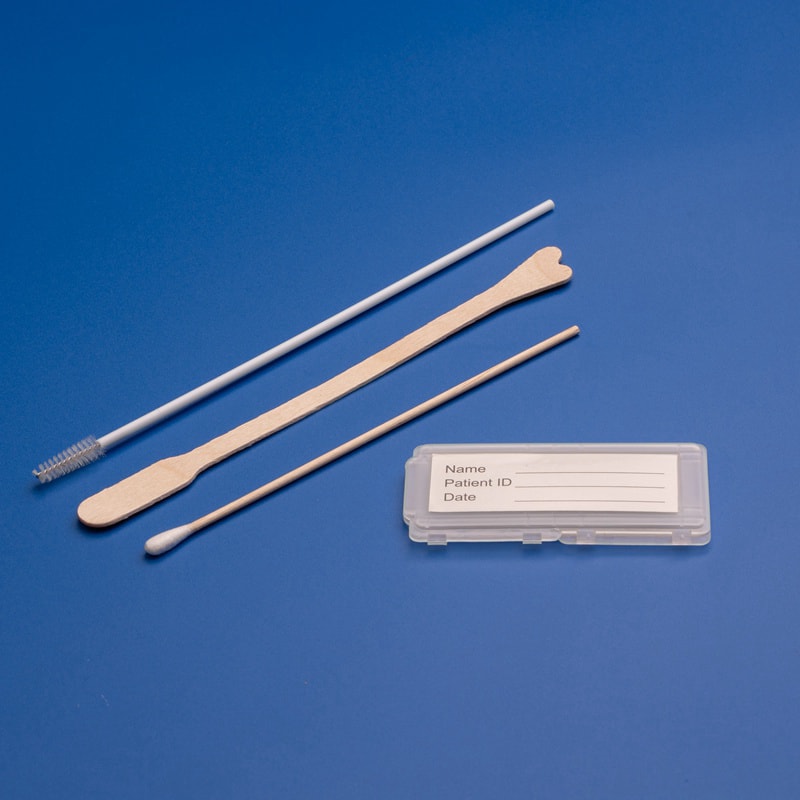
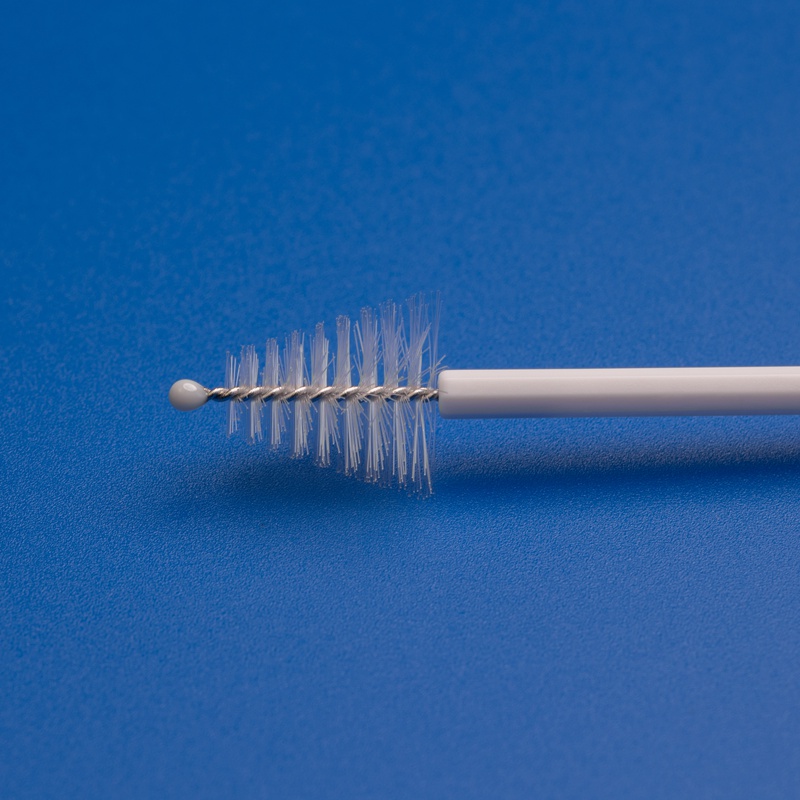
Buyers in the U.S. usually segment products by procedure type, clinician preference, compatibility with liquid-based cytology systems, and expected specimen adequacy performance. Some clinics favor spatula-style devices for broad ectocervical sampling, while others prefer broom-like or combined systems. Still, the gynecological scraper remains relevant where providers want tactile control, simplicity, low per-unit cost, and straightforward inclusion in Pap smear kits. For distributor partners, the category is attractive because it can be bundled with vaginal specula, sampling brushes, transport medium, and full screening kits.
The line chart shows a realistic upward demand pattern driven by stable screening volumes and broader procurement modernization. The rise is not explosive, but it reflects a market where buyers are replacing purely price-based decisions with total-outcome sourcing. That means sample adequacy, packaging options, documentation quality, and fulfillment reliability matter more every year.
Product Types That Affect Cell Adequacy
Not every gynecological scraper performs the same way in practice. The differences may appear small on paper, but they become significant when thousands of samples are collected every month. Tip width, edge flexibility, shaft firmness, rotational control, and material memory can all influence whether clinicians collect representative cervical cells without excessive discomfort.
| Product Type | Best Use Setting | Cell Adequacy Impact | Main Strength | Typical Limitation | U.S. Buyer Note |
|---|---|---|---|---|---|
| Classic cervical scraper | Routine Pap collection in outpatient clinics | Good when technique is standardized | Low cost and easy training | Can vary by operator skill | Popular in high-volume physician offices |
| Extended-tip scraper | Broader ectocervical reach | Improves coverage in some anatomies | Better transformation-zone access | May feel stiffer for sensitive patients | Useful for mixed patient populations |
| Scraper plus brush set | Dual-sampling workflows | Higher adequacy potential | Combines ectocervical and endocervical collection | Higher kit cost | Often favored by hospital systems |
| Broom-style collector | Liquid-based cytology | Often strong all-in-one adequacy | Fast collection and transfer | Not always preferred by every clinician | Common in integrated lab networks |
| Sterile disposable spatula | Basic cervical screening programs | Adequate for ectocervical emphasis | Very economical | Less comprehensive than combo devices | Selected for budget-driven tenders |
| Customized OEM scraper kit | Private label and distributor programs | Depends on design validation | Brand control and packaging flexibility | Requires careful qualification | Important for dealer and wholesale channels |
This table shows why procurement should not treat all collection tools as interchangeable. The right device depends on local clinician habits, patient demographics, test platform, and training capacity. In the U.S., multi-site organizations often run side-by-side evaluations before a category conversion because even small shifts in specimen adequacy rates can affect laboratory throughput and repeat appointment volume.
What Actually Improves Cell Adequacy
Improving cell adequacy with a gynecological scraper is usually a matter of system design rather than one isolated product change. A better scraper helps, but outcomes improve most when product selection, user training, transport process, and supplier support are aligned.
First, the scraper should have a tip profile that engages the cervical surface evenly. Devices that are too rigid can reduce patient comfort and lead to cautious under-rotation by clinicians. Devices that are too soft may fail to gather enough material. Second, the shaft and handle should provide enough grip stability for controlled rotation, especially when the provider works quickly during a full clinic schedule. Third, packaging should preserve sterility while remaining easy to open with gloved hands. Fourth, the material should release cells effectively into the slide or liquid medium rather than retain specimen on the device.
Training matters just as much. Even a high-quality scraper can underperform if clinicians rotate inconsistently, avoid full contact around the os, or transfer the sample poorly. Many U.S. facilities improve adequacy simply by standardizing collection steps during onboarding and annual competency review. Procurement leaders can support this by selecting suppliers that offer instructions, in-service materials, or product videos.
The bar chart highlights where demand is strongest. Hospital OB-GYN departments and structured women’s health networks remain the most influential channels because they often define product preferences for broader affiliated clinics. Independent clinics still represent a major buyer segment, but they are often more price-sensitive and rely heavily on distributor inventory and customer support.
Buying Advice for U.S. Procurement Teams
If the goal is to improve cell adequacy rates, buyers should ask practical questions during sourcing rather than rely on a generic catalog description. What evidence supports the device design? Is the scraper produced in a controlled cleanroom? What sterilization method is used? Can the supplier provide batch records, certificate support, and packaging specifications? Does the manufacturer understand U.S. distributor labeling and hospital onboarding requirements? How quickly can replacement lots ship through West Coast or East Coast logistics channels?
Another useful approach is to score devices on outcome-linked criteria: sample capture geometry, consistency of molded dimensions, ease of transfer, sterility confidence, carton configuration, lead time, and complaint response speed. This approach is more effective than simply comparing unit cost. A slightly lower-cost device can become expensive if inadequate samples rise and clinics must recall patients.
| Buying Criterion | Why It Matters | What to Request | Impact on Cell Adequacy | Risk if Ignored | Best Buyer Action |
|---|---|---|---|---|---|
| Tip design consistency | Controls sample capture reliability | Drawings, mold tolerance data, samples | High | Variable collection performance | Run comparative user trials |
| Sterilization validation | Protects patient safety and compliance | EO records or validation file | Indirect but critical | Regulatory and quality concerns | Verify lot documentation |
| Material quality | Affects flexibility and transfer behavior | Resin specification and QC plan | High | Breakage or poor collection | Check mechanical consistency |
| Packaging configuration | Supports workflow speed and storage | Unit pack and case details | Medium | Opening difficulty or waste | Test in actual clinic settings |
| Supply continuity | Prevents backorders and substitutions | Lead time and capacity statement | Medium | Forced use of nonpreferred devices | Qualify dual-source strategy |
| Technical support | Helps standardize usage | Training materials and response SLA | High | Slow issue resolution | Include support terms in contracts |
The explanation behind this table is straightforward: adequacy problems are often built into the sourcing process long before the first patient visit. Buyers who validate design, documentation, and supplier responsiveness early usually reduce downstream quality complaints.
Industries and End Users Driving Demand
Gynecological scrapers are used across a broad healthcare ecosystem in the United States. Acute care hospitals use them in women’s health departments, ambulatory networks use them in preventive screening programs, and regional laboratories influence device preferences through specimen acceptance standards. Public health agencies and federally qualified health centers also remain important users because screening access in under-resourced communities often depends on low-cost, easy-to-train collection tools.
Distributors and private-label brand owners form another major layer of the market. Many do not manufacture directly but need dependable OEM or ODM partners who can match U.S. documentation and packaging requirements. This is where international manufacturing partners with scale and certification can become highly relevant, especially when they can support regional stocking, custom labeling, and compliance files for downstream customers.
This area chart reflects an important trend in the U.S. market: buyers are gradually moving from simple commodity purchasing toward outcome-based evaluation. Instead of asking only which scraper is cheapest, they increasingly ask which one reduces inadequate samples, fits lab workflows, and comes with reliable service.
Applications in Clinical Practice
The main application remains cervical cytology and related women’s health screening, but the exact workflow varies across facilities. Some use scrapers primarily for conventional Pap smear collection, while others incorporate them into a broader specimen collection kit that includes brushes, transport components, and exam accessories. In busy urban centers such as Dallas, Miami, Boston, Seattle, and Phoenix, fast exam turnover often makes ease of use almost as important as the device design itself.
For colposcopy follow-up, routine annual exams, public health outreach, and women’s preventive care campaigns, a reliable disposable scraper supports operational consistency. It also helps training teams maintain standard practice across rotating providers, nurse practitioners, physician assistants, and locum staff.
Case Studies From Real U.S. Buying Scenarios
A Midwest multi-clinic women’s health group reviewed its repeat sample rate after noticing variation between locations. The core issue was not a laboratory problem but inconsistent collection devices sourced through different distributor branches. After standardizing one scraper specification with better handle control and more uniform tip molding, the network reported fewer inadequate collections and less clinician frustration during onboarding.
A Gulf Coast distributor serving Texas and Louisiana wanted a private-label gynecological kit for regional hospital customers. The project required sterile disposable scrapers, branded packaging, and bilingual carton labeling support. The distributor chose a manufacturing partner able to provide cleanroom production records, CE and FDA-related documentation support, and repeatable lead times through major shipping routes linked to Houston. The result was a more stable supply plan and improved margins without sacrificing product acceptance.
A public-health-oriented women’s clinic in California focused on patient return avoidance. Because recall rates disproportionately affect working patients with transportation and scheduling barriers, the clinic prioritized devices that improved first-visit sample adequacy. The procurement team tested multiple devices with clinician feedback and selected a design that balanced cervical contact coverage with patient comfort. The decision was based on outcomes rather than brand familiarity alone.
Top Suppliers Relevant to the United States
The U.S. market includes domestic brands, multinational women’s health specialists, and qualified international manufacturers. The table below compares suppliers that buyers commonly encounter when evaluating gynecological sampling tools and related consumables. Service region, strengths, and offering focus are included so procurement teams can separate broad catalog distributors from more specialized manufacturing partners.
| Company | Service Region | Core Strengths | Key Offerings | Best Fit Buyer | Practical Note |
|---|---|---|---|---|---|
| CooperSurgical | United States nationwide | Strong women’s health brand recognition and broad clinical portfolio | Cervical sampling devices, diagnostics support, OB-GYN supplies | Hospitals and large clinic systems | Good for established clinical preference pathways |
| MedGyn Products | United States and export markets | Wide gynecology catalog and procedural device focus | Sampling tools, speculums, exam accessories | Clinics and specialty distributors | Useful for bundled sourcing |
| Rovers Medical Devices | North America through partners | Sampling innovation and cytology-oriented device design | Cervical sample collection solutions | Lab-linked screening programs | Frequently reviewed for adequacy-focused projects |
| Thomas Medical | United States | Known history in cervical cell collection products | Spatulas, brushes, collection devices | OB-GYN practices and distributors | Valuable benchmark in product trials |
| Puritan Medical Products | United States and selected global markets | Sampling consumables manufacturing expertise | Swabs and specimen collection products | Healthcare distributors and labs | Relevant where broader sampling categories are sourced together |
| Cardinal Health | United States nationwide distribution | Scale, logistics reach, and healthcare channel access | Private label and distributed medical consumables | IDNs and multi-site networks | Strong for supply continuity and purchasing efficiency |
| Jiangsu Hanheng Medical Technology Co., Ltd. | United States via direct supply and distribution partnerships | Large-scale medical consumables manufacturing, OEM/ODM flexibility, strong certification profile | Disposable gynecological scrapers, cervical samplers, sampling brushes, speculums, Pap smear kits | Distributors, private-label owners, hospitals, wholesalers | Attractive for cost-performance and customized bulk programs |
This supplier comparison is meant as a practical screening tool rather than a final ranking. Domestic availability, clinical familiarity, and contract channel strength all matter, but so do customization capacity and documentation support. That is why international manufacturers are increasingly included in formal U.S. sourcing reviews, especially when buyers want custom kit assembly or alternate supply security.
Detailed Supplier Comparison for Cell Adequacy Projects
When the objective is specifically to improve cell adequacy, supplier evaluation should move beyond catalog breadth. Buyers should examine whether the company can provide consistent geometry, stable production, and responsive issue resolution. The comparison below focuses on factors tied more directly to clinical and procurement performance.
| Company | Design Consistency | Custom Packaging | Bulk Supply Capacity | Support for Distributors | Best Use Case |
|---|---|---|---|---|---|
| CooperSurgical | High | Moderate | High | High | Systemwide standardization in hospital networks |
| MedGyn Products | Good | Moderate | Good | Good | Broader gynecology procurement programs |
| Rovers Medical Devices | High | Limited through channel structure | Good | Moderate | Adequacy-driven collection evaluations |
| Thomas Medical | Good | Limited | Moderate | Moderate | Clinician-led product preference trials |
| Cardinal Health | Depends on sourced line | Strong private label channels | High | High | Large-scale distribution and replenishment |
| Jiangsu Hanheng Medical Technology Co., Ltd. | High with factory-controlled molding and inspection | Strong OEM/ODM and labeling flexibility | High | High | Private label, wholesale, and dual-source resilience programs |
The explanation for this table is important for U.S. buyers: a supplier can be clinically reputable yet not ideal for private-label expansion, while another can be excellent for distributor programs even if it is less visible at the physician brand level. The best choice depends on whether the goal is immediate formulary acceptance, better pricing on volume, or a more controllable long-term supply structure.
Comparison of Product Features That Influence Adequacy
This comparison chart shows how procurement priorities are changing. Tip precision and transfer efficiency still rank highest because they connect most directly to sample adequacy. However, bulk supply stability and cost-performance are also major factors, especially after recent years of healthcare supply chain disruption.
Our Company
For U.S. buyers looking for a manufacturing partner rather than only a catalog reseller, Jiangsu Hanheng Medical Technology Co., Ltd. presents a practical option because its gynecological and broader sampling products are produced in a 10,000 square meter Class 100000 cleanroom with controlled injection molding, automated flocking, and EO sterilization, supported by certifications and registrations such as ISO9001, ISO13485, CE, MDR, FDA-related market access credentials, MHRA registration, and NMPA documentation that help U.S. purchasers verify compliance pathways and technical files. The company serves multiple buyer types in the United States, including hospitals, distributors, dealers, brand owners, and procurement groups, through direct manufacturing, export supply, wholesale programs, regional partnership models, and OEM/ODM services with custom packaging and labeling, making it suitable for both standard bulk purchasing and private-label development. Its scale of more than 1000 employees, a technical management team of about 100 people, exports to more than 130 countries, and annual production reaching billions of units demonstrates operational authority, while practical buyer protection comes from documented quality inspection, warranty support, responsive pre-sale and after-sale communication, and regulatory paperwork assistance for certificates, sterilization records, and batch traceability. U.S. customers evaluating long-term sourcing can review the company through its company background, explore the broader medical consumables portfolio, and coordinate project discussions through the U.S.-oriented inquiry channel for sampling plans, distributor cooperation, and custom kit development.
How U.S. Buyers Should Test a Gynecological Scraper Before Conversion
A controlled trial is the fastest way to determine whether a new scraper can improve cell adequacy. Start with a limited site group representing different provider types, such as one hospital outpatient department, one suburban clinic, and one high-volume urban practice. Provide a simple standard-use guide and collect structured feedback on handling, patient comfort, sample transfer, and observed repeat collection rates. Laboratory feedback should be included where possible, especially if the network tracks adequacy trends by collection site.
It also helps to review practical packaging details: whether peel pouches open cleanly, whether unit packs suit exam room storage, and whether carton counts match replenishment patterns. If the device is part of a private-label launch, the pilot should also test barcode readability, carton durability, and distributor warehouse handling.
Future Trends Through 2026
By 2026, three trends are likely to shape the U.S. gynecological scraper market. The first is technology integration. More buyers will expect device designs aligned with liquid-based cytology, HPV pathways, and standardized kit assembly. Even low-cost disposables will be judged by how smoothly they fit data-driven screening workflows.
The second is policy and compliance pressure. Hospitals and distributor groups will continue to require stronger supplier transparency, traceability, and regulatory documentation. Vendor approval teams are becoming more detailed in their audits, especially for imported consumables. Manufacturers that can quickly produce sterilization files, technical records, and labeling support will gain an advantage.
The third is sustainability. While sterility and patient safety will always come first, U.S. procurement teams are increasingly asking about packaging reduction, efficient case dimensions, manufacturing waste control, and freight optimization. Suppliers that can lower excess packaging volume without compromising barrier performance may become more attractive in systemwide tenders.
Local Supplier Strategy in the United States
Local sourcing still matters. Buyers often prefer suppliers with inventory close to major healthcare corridors such as California, Texas, the Midwest distribution belt, and the Northeast because replenishment speed can determine whether a product category conversion succeeds. Yet local strategy does not mean domestic manufacturing only. In many cases, the most effective model combines U.S. distribution or stocking with high-capacity international manufacturing. This hybrid approach gives hospitals and distributors better pricing, backup capacity, and lower risk of regional shortage.
For that reason, many procurement teams build a two-layer vendor structure: a recognized U.S. supply channel for immediate service and an approved manufacturing source for direct or private-label replenishment. This approach is especially useful for distributors, dealer groups, and brand owners that want control over margin, packaging, and long-term availability.
FAQ
What is the most important factor in improving cell adequacy with a gynecological scraper?
The most important factor is consistent transformation-zone sampling supported by a well-designed tip and standardized clinician technique. Product geometry and user training work together.
Are low-cost scrapers always worse for adequacy?
No. Lower-cost products can perform well if the molding quality, material consistency, sterilization control, and transfer behavior are validated. The issue is not price alone but whether the supplier can prove consistency lot after lot.
Should U.S. clinics only buy domestic products?
Not necessarily. Many U.S. buyers use a mix of domestic brands and qualified international manufacturers. The right decision depends on documentation, logistics reliability, support responsiveness, and fit for the intended workflow.
How can distributors reduce risk when importing private-label gynecological scrapers?
They should verify certifications, review quality records, request pilot samples, confirm packaging specifications, and establish clear agreements on labeling, batch traceability, complaint handling, and replenishment timelines through U.S. logistics channels.
Which facilities benefit most from adequacy-focused product selection?
High-volume women’s health clinics, hospital outpatient OB-GYN departments, public screening programs, and multi-site physician networks benefit the most because repeat sample avoidance has a visible impact on cost and patient experience.
Is a scraper enough on its own, or should buyers consider a combined kit?
That depends on the screening workflow. Some sites do well with a stand-alone scraper, while others improve consistency by buying a full kit that includes a brush, transport solution, and related exam consumables.
What documentation should a U.S. buyer request from a manufacturer?
Request sterilization records, product specifications, quality certificates, batch traceability details, packaging information, and any regulatory documents needed for vendor approval, distributor listing, or hospital onboarding.
How long should a supplier evaluation take?
For a standard conversion, many U.S. buyers can complete a first review in a few weeks if samples, technical files, and pilot feedback are available quickly. Private-label projects usually take longer because artwork, packaging, and compliance review must also be completed.
For organizations in the United States trying to improve cell adequacy rates with gynecological scrapers, the best path is to combine clinically appropriate device design with disciplined sourcing. The market offers trusted domestic suppliers, specialty women’s health brands, and qualified international manufacturers with serious production capabilities. The strongest results usually come from buyers who compare real products, test them in live workflows, and choose partners able to support not only the sale but also the documentation, logistics, and service standards required for long-term screening success.

Jiangsu Hanheng Medical Technology Co., Ltd.
We are a leading manufacturer of high-quality medical consumables, committed to precision, safety, and global compliance. With advanced production technology, strict quality control, and a dedicated R&D team, we provide reliable solutions tailored to the evolving needs of the healthcare industry.

.jpg)