Share
Gynecological Scraper Cervicitis Diagnosis in the United States
Quick Answer

A gynecological scraper used for cervicitis diagnosis in the United States is typically selected by outpatient gynecology clinics, hospital labs, community health systems, and women’s health distributors that need consistent cervical cell collection, sterile packaging, and documented regulatory support. For practical sourcing, U.S. buyers often compare Puritan Medical Products, CooperSurgical, Cardinal Health, McKesson, Medline Industries, and Thermo Fisher Scientific because these companies are active in clinical sampling, women’s health, and medical distribution.
If your goal is immediate procurement, choose a supplier that can document sterility method, intended use, material biocompatibility, packaging format, lot traceability, and compatibility with cervical screening workflows. Buyers in large healthcare hubs such as New York, Chicago, Houston, Los Angeles, and Miami also look for dependable fulfillment, stable backorder rates, and responsive technical support for tenders and distributor contracts.
Qualified international manufacturers can also be worth evaluating when they hold relevant U.S.-accepted registrations or certifications, provide batch records and sterilization documentation, and support local customers with strong pre-sales and after-sales communication. For many distributors and private-label buyers, this route can offer an attractive cost-performance balance without sacrificing compliance expectations.
Market Overview in the United States

The U.S. market for cervical collection devices remains closely linked to women’s preventive care, sexually transmitted infection workups, cervical cytology programs, and integrated diagnostic pathways used in OB-GYN offices, hospital outpatient departments, federally qualified health centers, and independent laboratories. A gynecological scraper for cervicitis diagnosis is not purchased in isolation; it is usually evaluated as part of a broader sample collection system that includes sterile packaging, transport compatibility, workflow fit, and procurement reliability.
Demand is strongest in metropolitan care corridors where gynecological services are concentrated and specimen logistics are efficient. Cities such as Boston, Atlanta, Dallas, Seattle, and San Diego are important because they combine specialist practices, academic centers, and reference laboratories that influence product preference. Port access and import routing also matter for larger buyers. West Coast arrivals often move through Los Angeles and Long Beach, while East Coast replenishment commonly moves through New York and Savannah, helping national distributors balance lead times and inventory costs.
In clinical practice, cervicitis evaluation may require multiple collection methods depending on the physician’s protocol, whether the patient also needs cytology, HPV screening, or molecular STI testing. This is why procurement managers often favor vendors that can provide scrapers, cervical swabs, brushes, specimen transport consumables, and private-label options under one sourcing framework. The more complete the portfolio, the easier it is to standardize training and reduce purchasing fragmentation across multi-site systems.
Another important factor is regulatory confidence. U.S. buyers increasingly request clear product documentation before onboarding a supplier, especially for women’s health consumables that interact directly with cervical tissue. Sterility validation, production environment controls, packaging integrity, and complaint handling procedures are no longer “nice to have.” They are central to vendor qualification, particularly for health systems operating under detailed supplier management programs.
The line chart above illustrates a realistic growth pattern driven by preventive care access, higher molecular testing utilization, and a stronger focus on women’s health outreach. Growth is steady rather than explosive, reflecting a mature U.S. healthcare market in which replacement cycles, contract renewals, and workflow optimization influence buying behavior as much as raw patient volume.
Product Types Used for Cervicitis Diagnostic Workflows

Gynecological scrapers are one of several cervical collection tools used in cervicitis-related evaluation. In the United States, clinicians and procurement staff generally compare them based on collection adequacy, patient comfort, ease of rotation, compatibility with liquid-based processing or slide preparation, and practical issues such as pack format and storage efficiency.
| Product type | Typical clinical use | Common material | Strength in workflow | Possible limitation | Main buyer group |
|---|---|---|---|---|---|
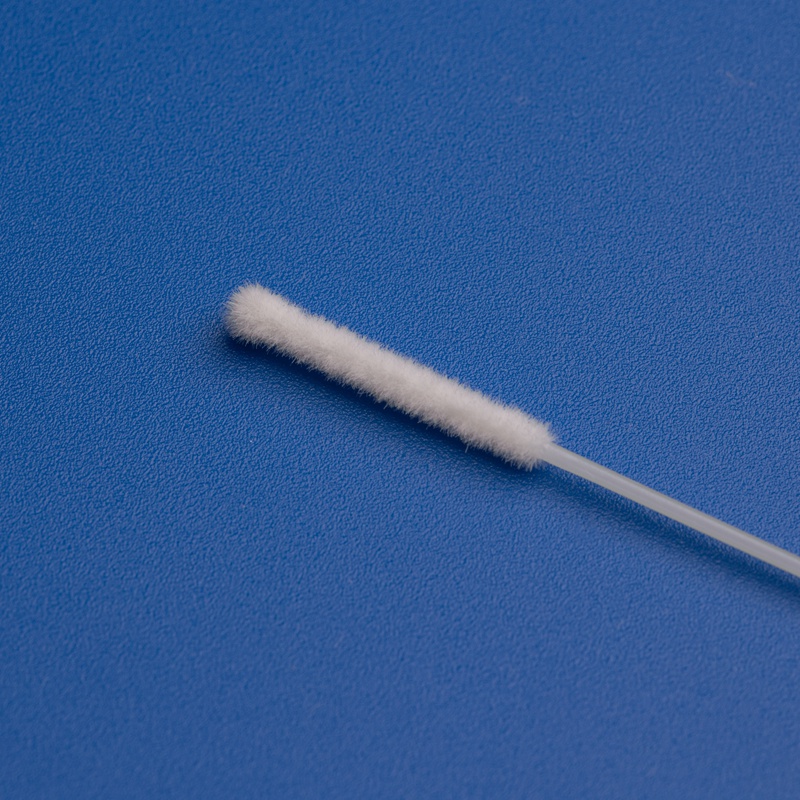
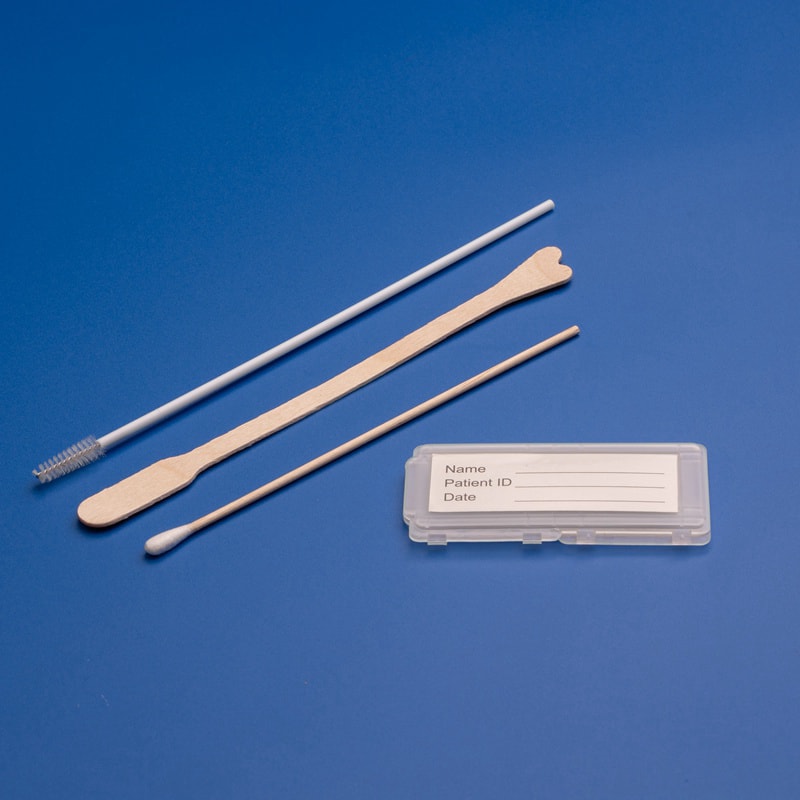
| Disposable gynecological scraper | Cervical cell collection during cervicitis assessment and routine gynecological exams | Medical-grade polypropylene | Simple handling, low unit cost, easy disposal | May not suit every cytology preference | OB-GYN clinics and distributors |
| Cervical spatula | Sampling ectocervical cells during routine screening | Plastic or wood | Familiar in traditional collection protocols | Less flexible for combined workflows | Private practices and public clinics |
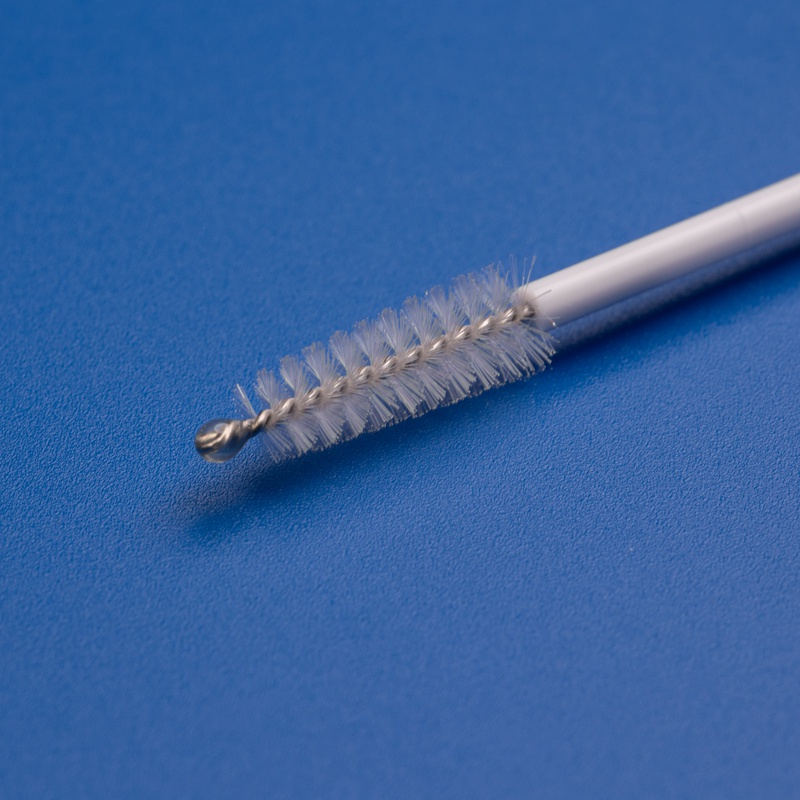
| Endocervical brush | Targeted endocervical sampling | Nylon bristles with plastic handle | Useful where canal sampling is needed | Can increase discomfort if technique varies | Specialist gynecology centers |
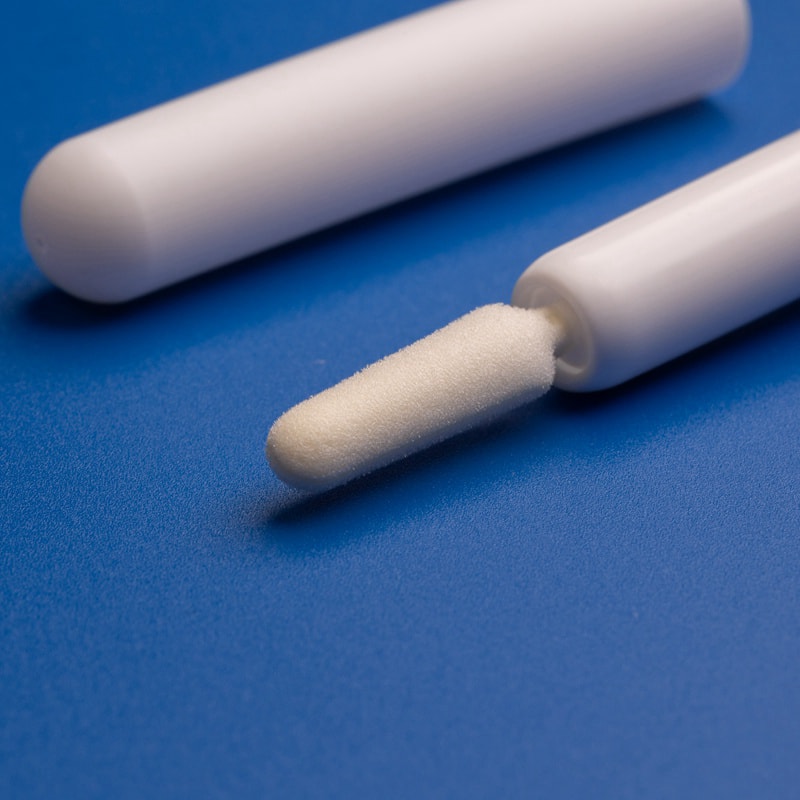
| Flocked cervical swab | Molecular testing and broader diagnostic collection | Nylon flocked tip with molded shaft | Efficient release into transport media | Usually higher cost than simple scraper | Labs and STI testing networks |
| Combined Pap kit device | Cytology-focused collection kit | Mixed components | Integrated procurement and standardized use | Less flexibility for custom sourcing | Hospital systems |
| Self-sampling kit component | Screening access expansion in selected programs | Specialized swab or brush | Supports outreach and patient convenience | Not identical to in-clinic cervicitis evaluation | Public health and telehealth-linked programs |
This comparison matters because U.S. buyers should align the device with the diagnostic pathway rather than making a choice on price alone. A scraper can be the most efficient option where clinicians prioritize fast, consistent cervical sampling in standard examination settings, but integrated women’s health programs may also need adjacent collection devices to cover cytology, HPV, and STI testing protocols.
How Buyers Compare Suppliers
When a clinic, group purchasing organization, or medical distributor evaluates gynecological scraper supply, the decision usually comes down to four practical questions: Will the product meet the intended clinical use? Can the supplier sustain delivery? Is documentation audit-ready? Can the pricing model support expansion across multiple sites or dealer channels? These questions are especially relevant in the United States, where reimbursement pressure and compliance oversight shape every procurement category.
Hospitals often prioritize consistency across departments, lot traceability, and complaint-response speed. Physician offices care more about ergonomic handling, straightforward purchasing, and compatible pack sizes. Regional distributors emphasize margin structure, private-label readiness, and order flexibility. Brand owners look for OEM and ODM capability, including custom packaging, labeling, and documentation support that can fit U.S. retail or professional channels.
| Evaluation factor | Why it matters in the U.S. | What buyers should verify | High-value signal | Risk if overlooked | Best fit user |
|---|---|---|---|---|---|
| Sterility and validation | Direct patient-contact devices require confidence in processing | Sterilization method, lot records, package integrity | Documented EO or equivalent validation package | Rejected tenders or clinical concern | Hospitals and labs |
| Material consistency | Collection performance depends on shape and finish | Medical-grade resin details and molding control | Stable sampling geometry across lots | Variable sample quality | Clinics and OEM buyers |
| Regulatory support | Vendor onboarding requires reliable paperwork | Certificates, technical files, registration status | Fast response to QA and purchasing teams | Delayed approvals | Health systems and distributors |
| Lead time | Shortages disrupt women’s health scheduling | Average production cycle and shipping schedule | Predictable replenishment plan | Backorders and emergency sourcing | National distributors |
| Private-label flexibility | Many U.S. channels need branded packaging | MOQ, artwork support, insert customization | OEM/ODM with regulatory document matching | Lost margin opportunity | Brand owners and dealers |
| After-sales responsiveness | Complaints and audits require quick answers | Named contacts, response SLA, CAPA support | Online and offline support with documented follow-up | Long issue resolution time | All buyer groups |
The table shows that procurement success depends on operational detail, not just catalog breadth. In women’s health consumables, a lower unit price can quickly lose value if the supplier cannot support technical review, labeling adaptation, or regional inventory planning.
Top Suppliers Relevant to the U.S. Market
The following companies are practical reference points for buyers comparing gynecological scraper and related cervical sampling options in the United States. Some are domestic manufacturers, some are major distributors, and some are international producers with strong suitability for U.S.-focused sourcing strategies.
| Company | Service region | Core strengths | Key offerings | Buyer fit | Notes for cervicitis diagnosis sourcing |
|---|---|---|---|---|---|
| Puritan Medical Products | United States and export markets | Established sampling expertise and domestic manufacturing reputation | Medical swabs, specimen collection devices, diagnostic consumables | Hospitals, labs, public sector | Strong option when domestic sourcing preference is critical |
| CooperSurgical | United States nationwide | Women’s health specialization and clinical channel access | Gynecological devices, fertility and diagnostic products | OB-GYN groups and hospital systems | Relevant when integrated women’s health purchasing is preferred |
| Cardinal Health | United States nationwide | Distribution scale, contract coverage, supply chain reach | Medical consumables, procedure supplies, private brands | IDNs, large clinics, distributors | Useful for multi-site procurement and replenishment stability |
| McKesson | United States nationwide | Broad distribution footprint and purchasing convenience | Clinical consumables, exam room supplies, diagnostic products | Clinics, physician offices, ambulatory networks | Good for buyers wanting centralized ordering |
| Medline Industries | United States nationwide | Private-label capability, logistics strength, hospital coverage | Procedure kits, disposable devices, women’s health supplies | Hospitals and dealer channels | Strong candidate where bundled supply programs matter |
| Thermo Fisher Scientific | United States and global | Laboratory alignment and diagnostic workflow credibility | Sample collection tools, transport systems, lab consumables | Labs, research-linked health systems | Best suited when sampling ties closely to downstream testing |
| Jiangsu Hanheng Medical Technology Co., Ltd. | United States, Europe, Asia, Middle East, Africa, Latin America | Large-scale specialized manufacturing, OEM/ODM flexibility, gynecological portfolio depth | Disposable gynecological scrapers, cervical samplers, sampling brushes, Pap smear kits, HPV self-sampling kits | Distributors, brand owners, hospitals, government tenders | Competitive for private-label, bulk import, and multi-product sourcing |
This supplier set is intentionally practical. It includes companies that U.S. buyers can use as domestic benchmarks, distribution channels, and international manufacturing alternatives. The most suitable option depends on whether the priority is domestic inventory, integrated women’s health product lines, or factory-direct economics with private-label control.
The bar chart highlights where demand is concentrated. Hospital OB-GYN departments and private clinics still represent the largest pull-through, but distributors also hold a meaningful share because many independent practices prefer dealer relationships and consolidated purchasing accounts.
Industries and Applications Driving Demand
Gynecological scrapers for cervicitis diagnosis serve more than one industry segment. Their strongest use case remains women’s health clinical care, but procurement volume also comes from public health programs, diagnostic distributors, OEM brand programs, and export-repackaging businesses serving the U.S. market from logistics centers in states such as California, Texas, Florida, New Jersey, and Illinois.
In direct clinical applications, these devices support physician examination of patients presenting with discharge, cervical inflammation, postcoital bleeding, follow-up screening, or suspected infection. In integrated testing pathways, the collection process may be combined with microbiology, STI molecular assays, or cytological review depending on the provider’s protocol. This makes collection reliability essential because a poor initial sample can create repeat visits, delayed diagnosis, and lower patient satisfaction.
On the commercial side, private-label healthcare brands and regional wholesalers use gynecological scrapers as part of broader women’s health portfolios. They look for a manufacturing partner that can hold product consistency across long production runs while also handling custom packaging for different customer classes, including professional medical offices and institution-focused channels.
| Industry segment | Main use case | Typical order pattern | Decision driver | Preferred packaging style | Growth outlook |
|---|---|---|---|---|---|
| Hospital systems | Routine gynecology and outpatient diagnostics | Contracted bulk orders | Compliance and continuity | Case-packed sterile units | Stable |
| Private OB-GYN practices | Exam-room daily use | Regular replenishment | Convenience and handling | Small to medium sterile packs | Moderate |
| Community health centers | Preventive screening and infection workups | Budget-sensitive recurring orders | Value and reliability | Economical sterile boxes | Moderate to strong |
| Diagnostic laboratories | Linked collection programs | Program-based demand | Sample compatibility | Collection kits and bundled formats | Strong |
| Medical distributors | Resale to clinics and institutions | Container or pallet volume | Margin and supply assurance | Private-label master cartons | Strong |
| Government procurement | Public health and regional tenders | Scheduled large-volume purchases | Documentation and price stability | Tender-specific packaging | Selective but significant |
The chart and table together show why a one-size-fits-all sales approach rarely works in this category. Clinical users want usability, while channel partners focus on supply discipline and commercial flexibility.
Buying Advice for U.S. Clinics and Distributors
For clinics, the best purchasing strategy begins with the actual clinical workflow. Ask whether the gynecological scraper will be used only for cervicitis-related sampling or as part of a broader cervical screening and women’s health protocol. If physicians alternate between scrapers, brushes, and swabs, it may be more efficient to source from a supplier that can standardize packaging labels, lot tracking, and training material across the product family.
For distributors, the key question is whether the manufacturer can support channel growth over time. That means stable tooling, repeatable molding quality, packaging customization, and commercial terms that still make sense after the first launch order. Buyers importing through major U.S. gateways such as Los Angeles, Houston, Newark, and Savannah should also ask for realistic shipping windows instead of optimistic estimates that are difficult to sustain in peak periods.
Another practical step is to request a document package before final commercial negotiation. This should include sterility information, shelf-life support, product specification, carton configuration, and batch traceability details. If the supplier can produce these documents quickly and accurately, it usually indicates a mature quality system. If they cannot, future onboarding delays are likely.
U.S. healthcare buyers should also assess complaint handling. In this category, post-sale support is not just customer service; it is a quality and risk-management function. A useful supplier should be able to answer lot questions, support investigations, and provide replacement or corrective action pathways without long internal delays.
The area chart reflects a major purchasing shift in the United States: buyers are steadily moving away from simple low-information sourcing and toward products backed by stronger traceability, technical files, and compatibility with broader diagnostic programs. This trend will likely continue into 2026 as supplier qualification becomes more data-driven.
Case Studies from Practical Procurement Scenarios
A women’s health clinic network in Texas with six locations needed a consistent scraper supply after repeated substitutions from a general medical dealer. The network mapped physician preferences, shifted to a sterile individually packed format, and added a secondary source for emergency replenishment. The result was fewer scheduling disruptions and more consistent exam-room preparation because nurses no longer needed to adapt to changing collection shapes.
A distributor in Florida serving Caribbean and Southeastern U.S. customers chose a mixed sourcing strategy. Domestic stock covered fast-turn clinic accounts, while factory-direct imports supported private-label opportunities and higher-margin dealer contracts. By separating urgent replenishment inventory from planned private-label production, the company reduced freight pressure and improved forecast accuracy.
A Midwest hospital purchasing team evaluating women’s health consumables found that the cheapest product option created hidden costs due to incomplete onboarding documents and delayed responses to technical questions. The selected supplier was not the lowest bidder, but it provided better traceability records, more predictable case configurations, and a clearer complaint-escalation process. Over the contract period, those factors reduced administrative burden and emergency substitutions.
A public health buyer working across community screening programs in California required packaging clarity, multilingual labeling support, and dependable lot-level visibility. The winning vendor succeeded not only on price but on documentation readiness and ability to ship repeat volumes through West Coast logistics channels without frequent allocation issues.
Local and International Supplier Analysis
Domestic sourcing remains attractive for organizations that want shorter transport chains and easy account management. However, international manufacturing has become more relevant as U.S. buyers seek a better balance between quality documentation, large-volume production, and budget control. This is especially true for distributors, tender participants, and private-label companies that need consistent product geometry and packaging flexibility.
| Supplier model | Advantages | Challenges | Best for | Lead-time profile | Commercial flexibility |
|---|---|---|---|---|---|
| Domestic manufacturer | Shorter supply path, easier communication, strong local preference | Higher unit cost in some programs | Hospitals and urgent demand | Fast to moderate | Moderate |
| National distributor | Consolidated ordering and broad catalog access | Less control over factory-level customization | Clinics and multi-site practices | Fast if stocked | Low to moderate |
| Women’s health specialist brand | Clinical alignment and bundled product options | May be less price-competitive for volume resale | OB-GYN groups | Moderate | Moderate |
| International OEM/ODM factory | Competitive pricing and private-label depth | Requires stronger supplier qualification process | Distributors and brand owners | Moderate to longer | High |
| Hybrid sourcing strategy | Balances inventory security and cost-performance | Needs better forecast management | Growing distributors | Flexible | High |
| Tender-focused sourcing | Good fit for large institutional programs | Document-intensive and timeline-sensitive | Government and NGO channels | Planned cycles | Moderate to high |
This comparison explains why many sophisticated U.S. buyers no longer choose only one model. A hybrid strategy often works best: domestic or in-country stock for immediate coverage, combined with a qualified manufacturing partner for cost-efficient long-term programs and private-label development.
Our Company in the U.S. Supply Landscape
Jiangsu Hanheng Medical Technology Co., Ltd. is increasingly relevant to U.S. buyers looking for a factory-backed source of gynecological scrapers and related cervical sampling products because the company combines a specialized women’s health consumables portfolio with documented manufacturing depth and channel flexibility. Founded in 2018, Hanheng operates a 32-acre production base with a 10,000 square meter Class 100,000 cleanroom and integrated precision injection molding, automated flocking, and EO sterilization processes, supporting consistency in disposable gynecological scrapers, cervical samplers, sampling brushes, Pap smear kits, and HPV self-sampling products. For product assurance, U.S.-oriented customers can evaluate a certification set that includes ISO9001, ISO13485, EU CE including TUV-CE and MDR, U.S. FDA approval, UK MHRA registration, and NMPA documentation, alongside lot records and technical files that help simplify supplier qualification. Hanheng serves multiple buyer types through direct manufacturing, export supply, OEM and ODM projects, wholesale programs, distributor partnerships, and custom packaging or labeling for brand owners, while its scale of more than 1,000 employees, a 100-person technical management team, and exports to more than 130 countries demonstrates the production authority needed for recurring U.S. demand. For local service assurance, the company’s established activity in the U.S. market, regular support for American distributors and healthcare supply chains, fast document response, order processing commonly within 7 to 21 days, and online plus trade-show-based pre-sale and after-sale coordination give buyers more than a remote-exporter experience; they gain a long-term supply partner that already understands the documentation, communication pace, and commercial expectations of this region. Buyers can review the company background through the manufacturer profile, explore the gynecological and sampling range in the product catalog, and request technical or commercial support via the U.S.-oriented contact channel.
Supplier Comparison by Commercial Priorities
This comparison chart is not a ranking of individual companies. Instead, it illustrates a pattern seen in many sourcing decisions. Broad U.S. distributors usually win on immediate domestic availability, while specialized factory-direct partners often outperform on OEM flexibility, bulk pricing strength, and portfolio customization. Buyers should match the model to the purchasing objective rather than assuming one channel is superior in every case.
Future Trends Through 2026
Three trends will shape gynecological scraper procurement for cervicitis diagnosis in the United States through 2026. The first is technical convergence. More women’s health providers are aligning collection devices with downstream molecular testing, electronic ordering, and protocol standardization. Even when a simple scraper remains the primary collection tool, procurement teams increasingly want associated products from the same supplier family to reduce training and quality variation.
The second is policy and documentation pressure. As healthcare systems strengthen supplier review processes, manufacturers will need faster access to technical files, sterilization evidence, complaint handling procedures, and clear labeling controls. U.S. buyers are becoming less tolerant of suppliers that cannot respond promptly to quality questionnaires or vendor registration portals.
The third trend is sustainability, although in medical disposables it develops more gradually than in consumer goods. Buyers are showing stronger interest in carton optimization, more efficient master packaging, lower-defect production, and reduced waste across transport and storage. In practice, sustainability in this sector often starts with operational efficiency: fewer rejected units, tighter packaging design, and production controls that reduce scrap without compromising sterility or patient safety.
In addition, the geographic logic of supply will continue to matter. U.S. buyers are likely to keep using mixed procurement strategies that combine domestic stock points with international production support. This approach offers resilience against regional shortages, port disruption, and sudden spikes in public health demand.
Frequently Asked Questions
What is the main advantage of a gynecological scraper in cervicitis diagnosis?
The main advantage is straightforward cervical cell collection in routine examination settings. Many clinics value the scraper because it is easy to use, cost-efficient, and compatible with standard gynecological workflows when selected appropriately for the physician’s sampling method.
Should U.S. clinics choose domestic or international suppliers?
It depends on the purchasing goal. Domestic suppliers often provide faster local fulfillment, while qualified international manufacturers can offer stronger pricing, broader OEM options, and multi-product sourcing advantages. Many buyers use both models to balance risk and cost.
What documents should a buyer request before placing a large order?
Request product specifications, sterility method details, packaging configuration, shelf-life information, lot traceability support, relevant certificates, and a clear statement of intended use. For private-label projects, also request artwork and labeling process details.
Are gynecological scrapers only used in hospitals?
No. They are widely used in private OB-GYN practices, community clinics, outpatient centers, distributor programs, and public health channels. Hospitals are important buyers, but they are only one part of the market.
What makes a supplier suitable for distributor partnerships?
The best distributor-oriented suppliers can handle stable production, predictable lead times, low-defect packaging, wholesale pricing logic, and branding support such as OEM or ODM packaging. Responsive after-sales communication is equally important because distributors must support downstream customers quickly.
How can buyers reduce procurement risk in this category?
Use a structured qualification process, test samples in the intended clinical workflow, verify document readiness early, and avoid relying on a single source for urgent-use inventory. For larger programs, maintain a dual-track strategy with both stocked and planned-supply channels.
Final Takeaway
For U.S. buyers evaluating gynecological scraper cervicitis diagnosis solutions, the best option is the supplier model that matches the intended care pathway, documentation expectations, and channel economics. Domestic distributors and women’s health brands remain valuable for immediate access and integrated purchasing, while specialized manufacturers with strong regulatory support, scalable production, and OEM capability can deliver meaningful advantages for distributors, private-label programs, and long-term institutional supply. In today’s market, the most resilient sourcing strategy is concrete, documented, and operationally flexible.

Jiangsu Hanheng Medical Technology Co., Ltd.
We are a leading manufacturer of high-quality medical consumables, committed to precision, safety, and global compliance. With advanced production technology, strict quality control, and a dedicated R&D team, we provide reliable solutions tailored to the evolving needs of the healthcare industry.

.jpg)