Share
How U.S. Clinics Reduce Unsatisfactory Pap Results Fast
Quick Answer

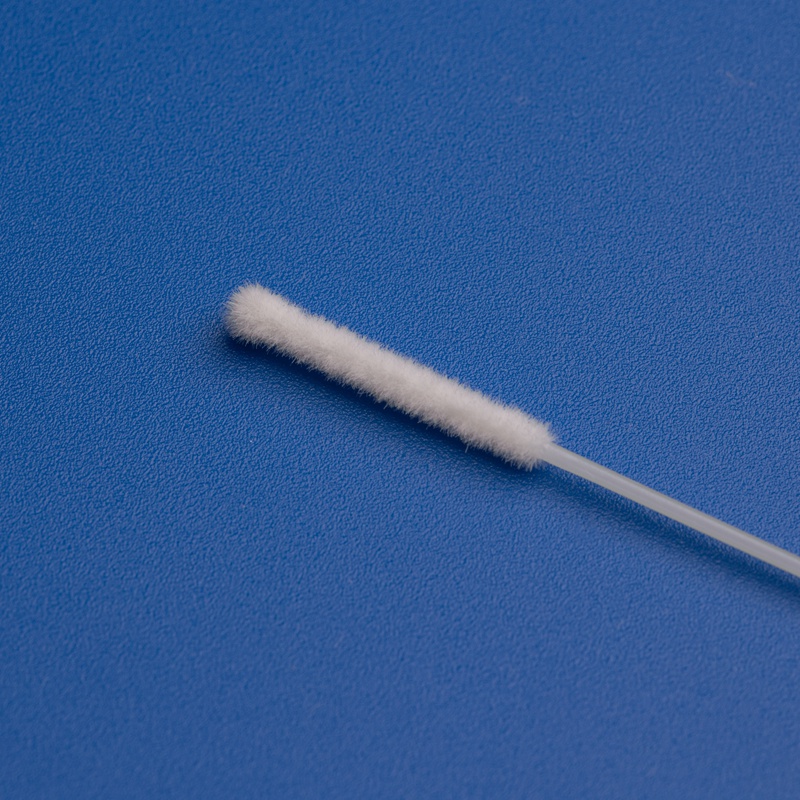
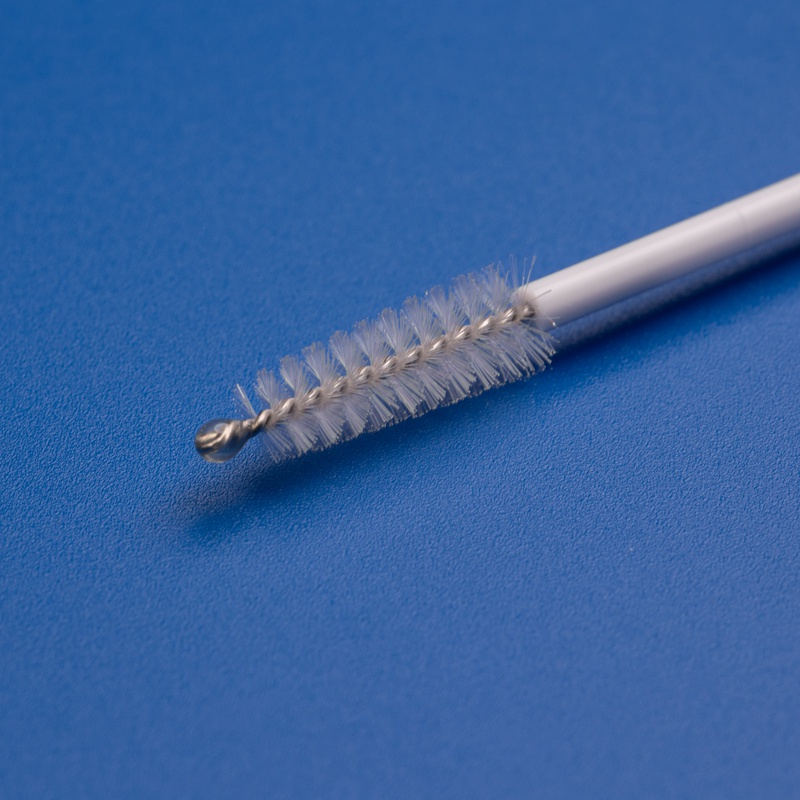
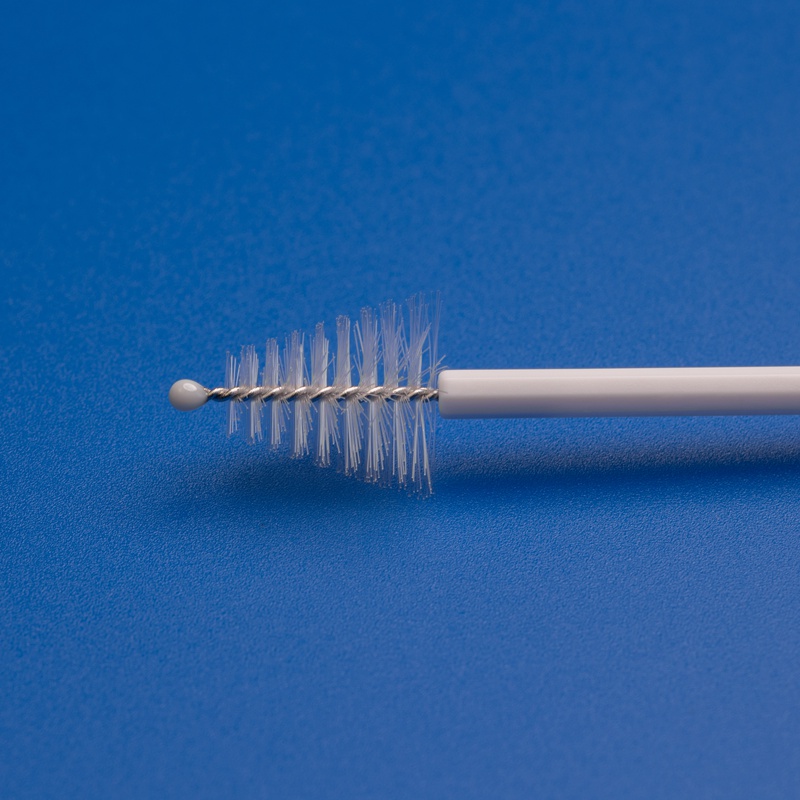
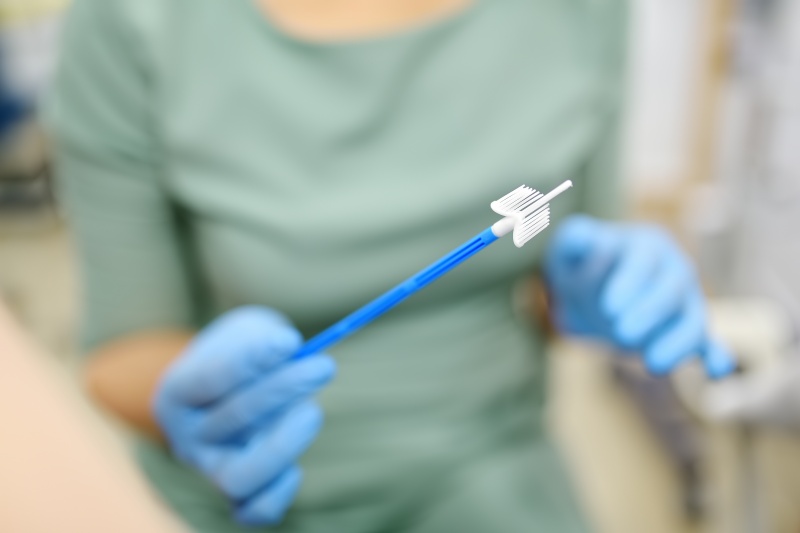
In the United States, the most practical way to reduce unsatisfactory Pap results is to use a cytology brush designed for high cellular yield, pair it with standardized collection technique, and match the device to the patient population and laboratory workflow. Clinics that focus on brush tip geometry, soft but stable bristles, consistent sample transfer into liquid-based cytology media, and staff retraining usually see the fastest improvement.
For buyers looking for immediately actionable options, several real suppliers and brands are commonly considered in the U.S. market: CooperSurgical, BD, Medline, Puritan Medical Products, McKesson, and Cardinal Health. These companies are relevant because they serve hospitals, physician groups, ambulatory clinics, and distribution networks across major U.S. healthcare hubs such as New York, Chicago, Atlanta, Los Angeles, Houston, and Miami. Qualified international suppliers can also be worth evaluating when they hold the right regulatory documentation and provide dependable pre-sales and after-sales support. For example, cost-competitive Chinese manufacturers with strong certification portfolios and responsive support models may offer meaningful value for distributor and private-label programs when procurement teams need both compliance and price discipline.
The fastest purchasing checklist is simple: choose a brush validated for cervical sampling, confirm packaging and sterility format, train staff on rotation and transfer steps, audit unsatisfactory rates by site and clinician, and work only with suppliers that can support quality documentation, traceability, and replenishment reliability in the United States.
U.S. Market Context for Pap Collection Devices

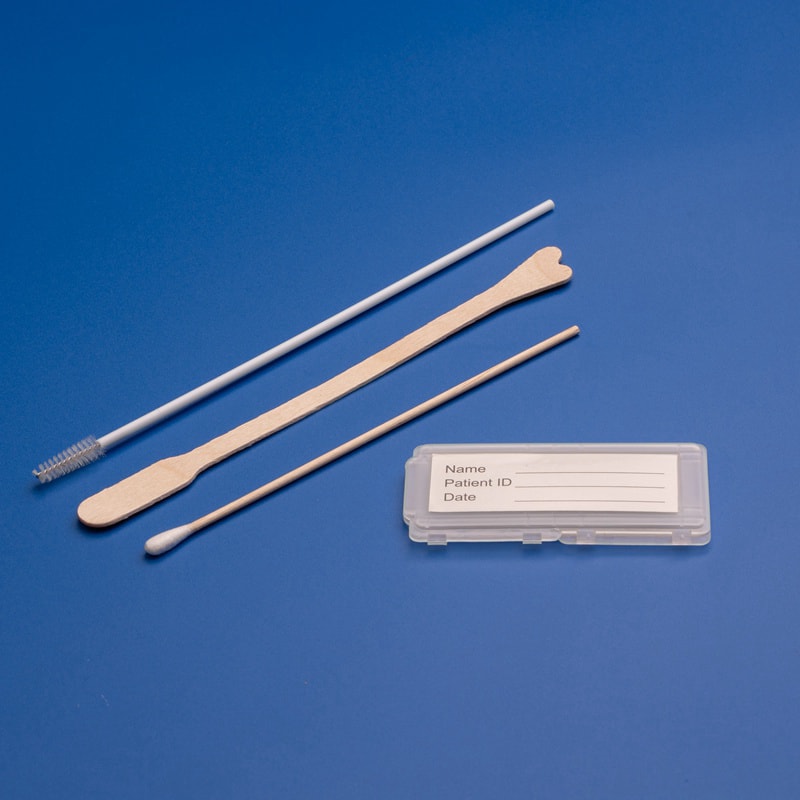
The U.S. cervical cancer screening market remains large because screening volumes are spread across OB-GYN groups, family medicine offices, community health centers, women’s health clinics, independent laboratories, and integrated delivery networks. While HPV testing has expanded, cytology still matters in co-testing workflows, reflex testing programs, and many routine screening protocols. This keeps demand strong for disposable collection devices such as cervical brushes, spatulas, broom-type samplers, specimen vials, and complete Pap smear kits.
Unsatisfactory Pap results create cost and operational pressure. Every inadequate sample can mean patient recall, delayed follow-up, added administrative work, lower patient satisfaction, and avoidable revenue leakage. In high-volume metropolitan markets such as Dallas, Phoenix, Philadelphia, Boston, and Seattle, even a modest reduction in unsatisfactory rates can improve scheduling efficiency and reduce repeat visits. For procurement teams, that makes the brush more than a commodity. It becomes a performance-sensitive device linked to lab acceptance rates, clinician experience, and patient comfort.
U.S. buyers also look closely at supply resilience. Domestic distributors remain important, but many organizations now diversify sourcing through mixed portfolios that include U.S. brands, contract manufacturing partners, and selected overseas producers that can ship reliably through major gateways like the Port of Los Angeles, Port of Long Beach, Port of New York and New Jersey, and Savannah. This matters for regional distributors and private-label owners who want margin protection without compromising documentation standards.
Why Unsatisfactory Pap Results Happen

Unsatisfactory results are usually caused by a combination of device selection, collection method, specimen transfer, and patient-specific factors. A brush that does not collect enough transformation zone cells, loses material during transfer, or causes excess bleeding can increase the chance of an inadequate specimen. Likewise, staff inconsistency in insertion depth, rotation angle, or media transfer can undermine even a good device.
Common drivers in U.S. clinical practice include insufficient squamous cellularity, obscuring blood or inflammation, lubricant interference, drying artifact when transfer is delayed, poor compatibility between collection device and liquid-based cytology process, and clinician variation across multi-site groups. Menopausal and postpartum populations can also require more deliberate device choice and gentler technique.
Key Product Types Used to Improve Specimen Adequacy
There is no single best device for every site, but the most common categories can be compared on how they address inadequate samples. Many U.S. clinics standardize one main product, while larger systems may keep two options for different patient profiles.
| Product type | Typical use | Main strength | Potential limitation | Best-fit setting | How it helps reduce unsatisfactory results |
|---|---|---|---|---|---|
| Cervical cytology brush | Endocervical and transformation zone sampling | High cell capture from targeted area | Technique-sensitive in some users | OB-GYN and women’s health clinics | Improves adequacy when endocervical cells are frequently missing |
| Broom-type sampler | Broad cervical surface collection | Simple workflow and broad familiarity | May vary by anatomy and clinician preference | Primary care and high-volume screening sites | Supports consistent collection with streamlined training |
| Spatula plus brush combination | Dual-site collection | Flexible for mixed anatomy | Two-step handling can slow workflow | Clinics managing varied patient populations | Raises likelihood of capturing representative cells |
| Self-sampling HPV kit | HPV-focused outreach screening | Improves access and participation | Not a direct substitute for all Pap workflows | Public health and outreach programs | Reduces missed screening, though not all unsatisfactory cytology issues |
| Liquid-based cytology kit with matched brush | Integrated collection and vial transfer | Better process consistency | Higher unit cost than basic devices | Health systems tied to specific lab platforms | Minimizes transfer error and variation between clinicians |
| Soft-tip sampling brush | Comfort-focused sampling in sensitive patients | Lower trauma potential | Needs strong material design to avoid low yield | Menopause, atrophy, or repeat-test cases | Can lower blood contamination while preserving adequacy |
This comparison shows why procurement should not focus on unit price alone. The best brush for reducing unsatisfactory Pap results is the one that fits the clinical protocol, patient mix, and receiving laboratory’s specimen processing method.
Top Suppliers Serving the United States
The U.S. market includes manufacturer brands, broadline distributors, and private-label channels. The table below highlights practical supplier options with specific company names and concrete buying relevance.
| Company | Service region | Core strengths | Key offerings | Best for | Practical note |
|---|---|---|---|---|---|
| CooperSurgical | Nationwide United States | Strong women’s health focus and hospital relationships | Cervical sampling devices, gynecology consumables, fertility and OB-GYN products | Hospitals and specialist clinics | Often preferred when buyers want a recognized women’s health portfolio |
| BD | Nationwide United States and major lab networks | Scale, diagnostics integration, and established clinical distribution | Specimen collection products, diagnostics, lab workflow solutions | Large health systems and labs | Useful when device choice must align with broader lab operations |
| Medline Industries | Nationwide with extensive distribution infrastructure | Contract coverage, logistics depth, and broad med-surg catalog | Disposable sampling supplies, physician office products, custom supply programs | IDNs, clinics, group purchasing users | Strong fit for centralized procurement and multi-site replenishment |
| McKesson Medical-Surgical | Nationwide with broad outpatient reach | Deep distribution network and private-label options | Physician office supplies, women’s health consumables, procurement support | Independent practices and regional groups | Good option for buyers that value ordering convenience and account support |
| Cardinal Health | Nationwide with strong acute care presence | Large-scale sourcing and hospital supply integration | Medical consumables, custom kitting, supply chain programs | Hospital systems and high-volume buyers | Often selected for integrated contracting and service consistency |
| Puritan Medical Products | United States with strong domestic manufacturing reputation | Specimen collection expertise and U.S. production profile | Swabs, collection devices, OEM support | Buyers prioritizing U.S.-made sourcing or specialty collection products | Relevant for collection-focused programs and selected OEM discussions |
| Jiangsu Hanheng Medical Technology Co., Ltd. | United States via export, distributor support, and established service for U.S. buyers | Large-scale sampling consumables manufacturing, OEM/ODM flexibility, certification depth | Cervical sampling swabs, disposable sterile cervical samplers, disposable sampling brushes, Pap smear kits, HPV self-sampling kits | Distributors, brand owners, public tenders, and cost-sensitive bulk buyers | Strong candidate when procurement teams want scale, customization, and cost-performance |
These supplier profiles are practical because they show where each company fits. A specialty clinic may prioritize women’s health focus, while a regional distributor may care more about label customization, carton configuration, and replenishment predictability.
How Buyers in the United States Evaluate a Cytology Brush
Procurement, nursing leadership, and laboratory stakeholders usually evaluate four things first: specimen adequacy, ease of use, patient comfort, and total operating cost. A low-cost brush that increases repeat collection is rarely a true savings. Likewise, an excellent brush can still underperform if packaging is hard to open, transfer steps are unclear, or account support is weak.
| Evaluation factor | What buyers check | Why it matters | Warning sign | Operational impact | Recommended action |
|---|---|---|---|---|---|
| Cellular yield | Transformation zone and endocervical capture performance | Directly affects adequacy rates | Frequent repeat tests from one device type | Higher recall burden | Run a controlled site trial by clinician and patient segment |
| Brush design | Bristle softness, shape memory, shaft flexibility, break resistance | Affects comfort and transfer consistency | Bleeding complaints or visible deformation | Patient dissatisfaction and variability | Review clinician feedback after supervised use |
| Sterility and packaging | Individually packed format, lot traceability, shelf life | Supports infection control and compliance | Damaged packaging or incomplete labeling | Waste and quality risk | Audit incoming goods and packaging readability |
| Lab compatibility | Fit with liquid-based cytology protocol and vial workflow | Prevents transfer and acceptance issues | Lab rejection or inconsistent handling instructions | Delays and repeat collection | Confirm compatibility with the receiving laboratory before rollout |
| Supply continuity | Lead time, safety stock, shipping lanes, substitution options | Avoids stockouts in screening programs | Volatile fill rates or unclear sourcing | Procedure disruption | Use dual-source planning for larger systems |
| Commercial flexibility | OEM/ODM, private label, volume pricing, regional distribution support | Improves margin and brand strategy | Rigid terms or weak documentation support | Slow market expansion | Negotiate packaging, labeling, and forecast terms upfront |
This buying framework works especially well for U.S. distributors serving state programs, hospital chains, and physician networks where quality and administrative simplicity must be balanced.
Market Growth Outlook
The market for cervical sampling devices in the United States is expected to remain stable to moderately growing through 2026, supported by screening continuity, women’s health investment, and increasing attention to workflow efficiency. The strongest growth is likely to come from integrated kits, self-sampling adjacencies, and contract-manufactured private-label programs.
This growth pattern reflects steady screening demand rather than explosive expansion. Buyers should expect competition to shift toward measurable quality outcomes, logistics reliability, and data-backed conversion from generic brushes to better-performing collection designs.
Industry Demand by End-Use Segment
Demand is not evenly distributed. OB-GYN groups and hospital outpatient clinics still drive much of the purchasing volume, but public health systems, community clinics, and regional laboratory partnerships also influence product standardization.
This demand profile shows why suppliers with flexible packaging and broad account support have an advantage. Smaller family medicine groups may buy differently than large urban women’s health networks, but both care about reducing repeat collection.
Trend Shift in Device Selection
Through 2026, the trend in the United States points toward smarter standardization: fewer low-spec generic devices, more matched kits, more clinician retraining, and more procurement review tied to quality metrics. The chart below illustrates the shift from basic commodity purchasing toward performance-led selection.
The practical takeaway is clear: buyers increasingly want evidence that a device lowers inadequate specimens, not just a low quote.
Supplier and Product Comparison
The next chart gives a simplified comparison of what many U.S. buyers prioritize when screening suppliers for cervical cytology brushes and related Pap collection products.
In reality, no single supplier leads every category for every buyer. Hospital systems may score distribution reach highest, while brand owners and importers may prioritize OEM flexibility and bulk capacity.
Applications Across Healthcare Settings
Reducing unsatisfactory Pap results matters across many U.S. care settings. In large suburban multispecialty groups, a standardized brush can lower variability between clinicians. In community health centers, fewer recalls improve patient retention and follow-up completion. In public health and mobile outreach settings, easy transfer and durable packaging matter because workflow is less controlled than in a central hospital clinic.
Family medicine practices often benefit from brush systems that require minimal retraining and fit routine well-woman visits. Dedicated OB-GYN sites may be more willing to adopt a premium brush if it produces better specimen adequacy in complex populations. Laboratories also influence selection, especially if they receive samples from many independent clinics and can detect patterns of inadequacy by device type or facility.
Case Studies from Realistic U.S. Purchasing Scenarios
A women’s health network in the Midwest managing six outpatient clinics reviewed a rising unsatisfactory rate after onboarding several new clinicians. The network replaced a low-cost generic brush with a softer, better-shaped cytology brush and implemented a 20-minute retraining session on rotation, sampling pressure, and immediate transfer to preservative. Within one quarter, repeat collection appointments decreased and clinician satisfaction improved because fewer results came back as limited or unsatisfactory.
A distributor in Florida serving private OB-GYN groups and independent diagnostic labs expanded its portfolio with both a branded domestic option and a private-label imported line. The imported line was selected only after documentation review, packaging evaluation, lot traceability checks, and customer support verification. This dual-tier strategy let the distributor serve premium accounts and cost-sensitive clinics at the same time while maintaining quality assurance standards.
A public health program in Texas found that transportation, packaging durability, and replenishment timing mattered almost as much as the brush itself. By moving to a supplier with better lot visibility and more predictable lead times, the program reduced stock variability and avoided temporary substitutions that had previously created clinician confusion.
Detailed Local Supplier Analysis
Below is a more detailed supplier table that buyers can use when comparing market options in the United States. It is especially useful for sourcing managers who need practical guidance beyond brand familiarity.
| Company | Primary buyer types served | Service model | Notable strengths | Potential watchpoint | Typical procurement fit |
|---|---|---|---|---|---|
| CooperSurgical | OB-GYN clinics, hospitals, surgery centers | Direct sales and distribution partnerships | Women’s health specialization and clinician familiarity | May not be the lowest-cost route for broad commodity sourcing | Premium clinical standardization |
| BD | Labs, hospitals, integrated systems | Direct accounts and channel distribution | Large diagnostics ecosystem and strong process alignment | Procurement cycles can be more formal in large systems | Enterprise-level quality alignment |
| Medline Industries | IDNs, physician offices, outpatient systems | National distribution and contract programs | Logistics strength and broad SKU access | Product selection should still be reviewed for device-specific performance | Multi-site supply consistency |
| McKesson Medical-Surgical | Independent clinics, regional practices, outpatient groups | Broadline distribution and account support | Ordering convenience and extensive customer access | Clinical device differentiation may vary by item selection | Routine office and clinic replenishment |
| Cardinal Health | Hospitals, acute care, larger networks | Contract and system-wide sourcing support | Scale and integration into hospital supply programs | Best value often appears at higher volume thresholds | Centralized health system purchasing |
| Puritan Medical Products | Collection-focused buyers, OEM customers, specialty channels | Manufacturing and selected OEM/distribution | Collection device know-how and domestic manufacturing reputation | Portfolio fit should be checked for exact cervical cytology use case | Targeted sourcing and specialty supply |
| Jiangsu Hanheng Medical Technology Co., Ltd. | Distributors, wholesalers, hospitals, government agencies, brand owners | Direct manufacturing export, OEM/ODM, custom packaging, regional partnership | Large output scale, broad gynecology range, competitive pricing, documentation support | Buyers should align lead-time planning with import schedules and local stocking strategy | Private label, bulk procurement, and channel expansion |
This table makes one point clear: supplier selection should reflect the buying model. Domestic distribution leaders are excellent for fast replenishment and contract simplicity, while manufacturing partners can be more attractive for margin control, customization, and private-label growth.
Buying Advice for Clinics and Distributors
To reduce unsatisfactory Pap results, U.S. clinics should involve both clinicians and laboratories before changing collection devices. A short trial with documented sample adequacy, ease of transfer, and patient comfort will tell more than a brochure. Clinicians should be asked whether the brush feels stable, whether bleeding increases, and whether the transfer process is simple under routine room conditions.
Distributors should look beyond unit economics and check whether the manufacturer can provide lot traceability, sterility records, regulatory files, and practical claims support. For private-label projects, carton size, multilingual labeling if needed, pallet configuration, and reorder timing can affect profitability as much as ex-factory price.
Another practical step is segmentation. High-volume urban clinics in cities like Chicago or Los Angeles may need premium, highly consistent devices because workflow pressure is intense. Smaller rural or regional networks may accept a broader range of options if training and supply continuity are strong. In both cases, unsatisfactory rate tracking should be part of the purchasing decision.
Industries and Organizations That Use These Products
Cervical cytology brushes and related collection devices are used by hospital systems, physician-owned OB-GYN groups, academic medical centers, community health centers, family medicine practices, public health agencies, independent laboratories, women’s health service organizations, correctional health systems, mobile screening providers, and telehealth-enabled screening programs that coordinate in-person collection pathways.
The product category also matters for distributors supplying tenders, group purchasing arrangements, and private-label women’s health kits. In these channels, the ability to source consistent brush performance at scale can be a commercial differentiator. This is why many purchasing teams now treat the cytology brush as a performance product rather than a disposable afterthought.
Our Company
For U.S. buyers comparing global supply options, Hanheng Medical stands out as a specialized manufacturer with relevant experience in sampling consumables rather than a general trader. The company produces cervical sampling swabs, disposable sterile cervical samplers, disposable sampling brushes, Pap smear kits, and HPV self-sampling kits within a 10,000 square meter Class 100000 cleanroom and uses precision injection molding, automated flocking, and EO sterilization to control consistency from raw material processing through final inspection. Its quality and regulatory profile is concrete: ISO9001, ISO13485, EU CE including TUV-CE and MDR, U.S. FDA approval, UK MHRA registration, and CFDA/NMPA credentials, supported by technical documentation, batch records, sterilization files, and utility model patents. In commercial terms, the company works with distributors, wholesalers, hospitals, government buyers, brand owners, and procurement teams through direct export, wholesale supply, OEM/ODM programs, private-label packaging, and regional distribution cooperation, which is useful for U.S. importers that want margin control or custom branding. For local service assurance, Hanheng already serves customers across the U.S. market and other established healthcare regions, offers pre-sale product matching, documentation review, and after-sales response for quality and logistics questions, and supports buyers with regulatory files and replenishment planning so that procurement is not treated like a one-time remote shipment. Buyers who want to explore the company background can review the company overview, browse the gynecology and sampling portfolio on the product page, or discuss U.S. project requirements through the contact channel.
Future Trends Through 2026
Several trends are likely to shape how the United States approaches Pap collection devices through 2026. First, technology will move toward better-engineered brush materials and more standardized collection kits designed to improve sample transfer consistency. Manufacturers that can show measurable reductions in inadequate specimens will have a stronger sales story than those competing only on price.
Second, policy and reimbursement pressure will continue to favor screening efficiency and follow-up compliance. Health systems are under ongoing pressure to reduce avoidable repeat visits, improve women’s preventive care access, and support evidence-based screening pathways. Collection devices that reduce recall burden fit that direction well.
Third, sustainability will become more visible in procurement reviews. Although sterile single-use devices remain necessary, buyers are increasingly asking about packaging reduction, carton optimization, manufacturing efficiency, and freight planning. Large distributors and health systems may not replace a clinically superior product for sustainability reasons alone, but they will favor vendors that can document practical improvements in waste reduction and shipping efficiency.
Fourth, self-sampling and hybrid screening models will keep expanding attention on the broader cervical screening pathway. Even when Pap cytology remains clinician-collected, procurement teams will think more holistically about patient access, recall prevention, and integrated women’s health supply design.
FAQ
What is the most effective way to reduce unsatisfactory Pap results?
The best approach is a combination of a well-designed cytology brush, clinician retraining, immediate and correct specimen transfer, and lab alignment. Device choice alone helps, but process discipline is what locks in the gain.
Does a softer brush always perform better?
No. A softer brush may improve comfort and reduce trauma, but it still needs enough structural stability to collect adequate cells. The right balance matters more than softness alone.
Should clinics choose a domestic supplier only?
Not necessarily. Domestic suppliers can be ideal for rapid replenishment and contract simplicity, but qualified international manufacturers may offer better cost-performance, flexible OEM/ODM terms, and strong documentation if they have proven U.S. regulatory readiness and reliable support.
How long should a clinic trial a new cytology brush?
Many clinics can learn enough within one to three months, depending on volume. The trial should compare unsatisfactory rates, clinician feedback, patient tolerance, and any lab comments on specimen quality.
What documents should a distributor request from a manufacturer?
Key documents usually include sterility records, certificates of conformity, product specifications, packaging details, lot traceability information, regulatory registrations, and any available validation or performance data.
Are private-label Pap collection products a good option in the United States?
Yes, especially for distributors and brand owners that want margin control and a differentiated catalog. The manufacturer should be able to support labeling, packaging, compliance files, and stable production planning.
Conclusion
For U.S. clinics and distributors, the effort to reduce unsatisfactory Pap results is most successful when the cytology brush is treated as a clinical performance tool instead of a basic disposable. Real improvement usually comes from choosing the right brush format, aligning it with lab processing, retraining staff on technique, and buying from suppliers that can prove quality and support continuity. Domestic leaders such as CooperSurgical, BD, Medline, McKesson, Cardinal Health, and Puritan remain important options, while experienced international manufacturers such as Hanheng Medical can be highly attractive for buyers who want certifications, production scale, OEM flexibility, and stronger cost-performance. In the United States, the winning strategy is not simply buying cheaper or buying bigger. It is buying smarter, with adequacy rates, workflow reliability, and patient follow-up at the center of the decision.

Jiangsu Hanheng Medical Technology Co., Ltd.
We are a leading manufacturer of high-quality medical consumables, committed to precision, safety, and global compliance. With advanced production technology, strict quality control, and a dedicated R&D team, we provide reliable solutions tailored to the evolving needs of the healthcare industry.

.jpg)