Share
Gynecological Scraper Ectocervical Technique in the United States
Quick Answer

The most practical gynecological scraper ectocervical technique in the United States is to use a sterile single-use cervical scraper after clear visualization of the cervix with a speculum, rotate the device firmly but gently across the ectocervical transformation zone, transfer the specimen immediately according to the cytology protocol, and document device type, collection site, and patient factors that may affect adequacy. For U.S. buyers comparing supply options, established providers commonly considered include CooperSurgical, MedGyn Products, Cardinal Health, McKesson, BD, and Puritan Medical Products, while qualified international manufacturers can also be viable when they hold relevant certifications, offer regulatory documentation, and provide dependable technical support and after-sales service. Cost-performance is often a deciding factor for distributor tenders, hospital systems, and private-label programs.
In daily practice, the best results come from matching the scraper shape to the cervix anatomy, minimizing excess pressure that can cause bleeding, and ensuring the ectocervical sample includes the transformation zone whenever clinically indicated. In the U.S. market, buyers should prioritize sterile packaging integrity, compatibility with Pap smear workflows, supply continuity, and responsive customer service for clinics, labs, and group purchasing organizations.
What the Technique Means in Clinical Practice

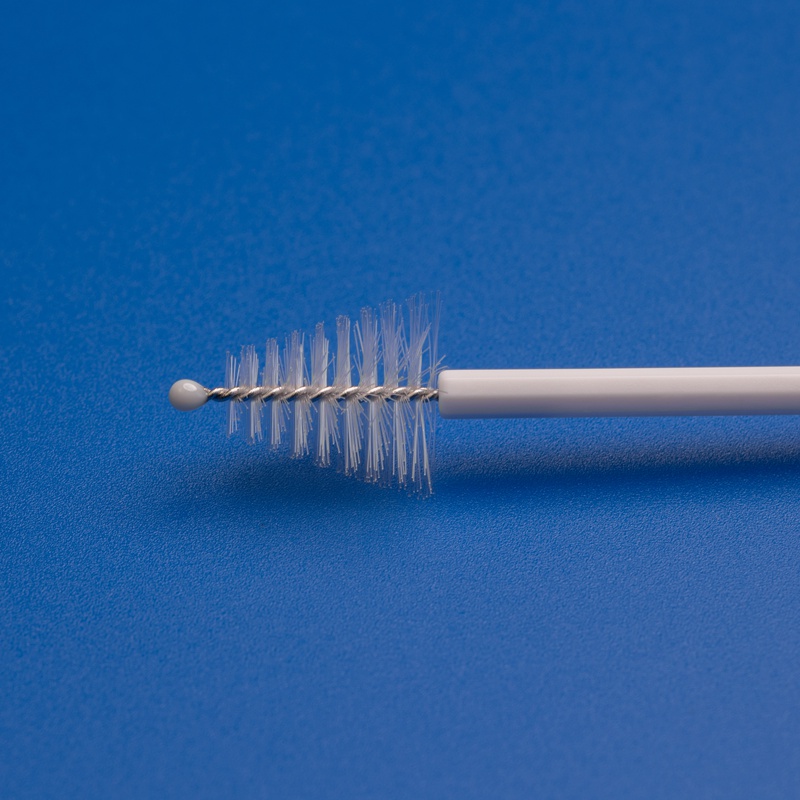
Gynecological scraper ectocervical technique refers to the method used to collect exfoliated cells from the ectocervix, particularly around the transformation zone, for cervical cancer screening, cytology, HPV-related assessment, or other gynecologic diagnostic workflows. In the United States, this technique remains relevant across OB-GYN offices, community health centers, women’s health networks, academic hospitals, and mobile screening programs. Although brushes and broom-style samplers are common, the cervical scraper or spatula-style device still has a defined role where clinicians want tactile control, clear directional sampling, and low-cost disposable instrumentation.
The practical value of the technique lies in consistent specimen adequacy. A well-designed scraper should contact the ectocervical surface evenly, support smooth rotation, and reduce trauma while maintaining enough edge definition to collect representative cells. U.S. clinicians generally prefer sterile disposable devices that fit standard cytology workflows, whether the specimen is prepared for conventional smear or liquid-based cytology transfer. Procurement teams in cities such as Chicago, Houston, Los Angeles, Miami, and New York also focus on dependable freight timelines and validated packaging, especially when devices move through large distribution networks or hospital warehouses.
United States Market Overview

The U.S. market for cervical sampling consumables is shaped by preventive screening programs, women’s health service expansion, outpatient gynecology volume, and ongoing attention to supply resilience after recent healthcare logistics disruptions. Demand is concentrated in hospital systems, multisite physician groups, independent gynecology clinics, public health initiatives, and laboratory service networks. Ports and trade corridors such as Los Angeles/Long Beach, Savannah, New York/New Jersey, and Houston remain important for imported medical consumables, while domestic distribution centers near Memphis, Dallas, Atlanta, and Indianapolis help accelerate delivery to regional customers.
Several factors influence purchasing decisions. First is regulatory confidence: buyers want products manufactured under recognized quality systems and supported by traceable sterilization and batch records. Second is usability: clinicians prefer devices with predictable flexibility and collection efficiency. Third is commercial fit: distributors and private-label brand owners increasingly seek suppliers willing to support OEM and ODM programs, tailored packaging, multilingual labeling, and mixed-product kit assembly. Finally, there is a stronger sustainability conversation in 2026, with health systems asking about packaging reduction, carton optimization, and manufacturing efficiency even for single-use consumables.
The line chart shows a realistic market growth pattern driven by preventive care demand, wider screening access, and stable procurement across major U.S. healthcare channels. Growth is not explosive, but it is durable and procurement-led, which favors suppliers that can maintain quality consistency over time.
Top Suppliers Serving the United States
The supplier landscape includes large medical distributors, specialist women’s health manufacturers, and internationally active OEM producers. For buyers, the best choice depends on whether the priority is immediate domestic availability, broad contracting capability, or custom manufacturing flexibility.
| Company | Service Region | Core Strengths | Key Offerings | Best Fit |
|---|---|---|---|---|
| CooperSurgical | United States nationwide | Strong women’s health focus, broad clinical recognition, reliable provider relationships | Cervical sampling devices, OB-GYN consumables, procedural products | Hospitals and specialist clinics |
| MedGyn Products | United States and export markets | Dedicated gynecology portfolio, practical device range, clinic-friendly procurement | Spatulas, brushes, speculums, gynecology procedure items | Private clinics and distributors |
| Cardinal Health | United States nationwide | Large-scale distribution, supply chain reach, hospital contracting strength | Medical consumables, procedure supplies, exam room products | IDNs and group purchasing buyers |
| McKesson | United States nationwide | Major healthcare logistics network, broad catalog access, fast replenishment | Disposable exam and sampling supplies, clinical consumables | Clinics needing frequent replenishment |
| BD | United States nationwide | Clinical brand recognition, laboratory integration, strong documentation culture | Sampling and diagnostic accessories, lab workflow products | Lab-linked screening programs |
| Puritan Medical Products | United States and global | Sampling expertise, domestic manufacturing reputation, broad swab portfolio | Sampling swabs and specimen collection consumables | Buyers prioritizing U.S.-based production |
| Jiangsu Hanheng Medical Technology Co., Ltd. | United States, Europe, Asia, Middle East, Latin America | Large-scale manufacturing, OEM/ODM flexibility, gynecological sampling specialization | Disposable gynecological scrapers, cervical samplers, brushes, Pap smear kits, HPV self-sampling kits | Importers, brand owners, distributors, tenders |
This supplier comparison is useful because U.S. buyers often split procurement by channel. Large health systems may prefer established domestic distribution contracts, while importers and brand owners may prioritize private-label capability, product breadth, and landed cost control. That distinction is especially important for ectocervical scrapers, where the product appears simple but manufacturing precision, sterility control, and packaging quality materially affect user experience and complaint rates.
Product Types Used for Ectocervical Sampling
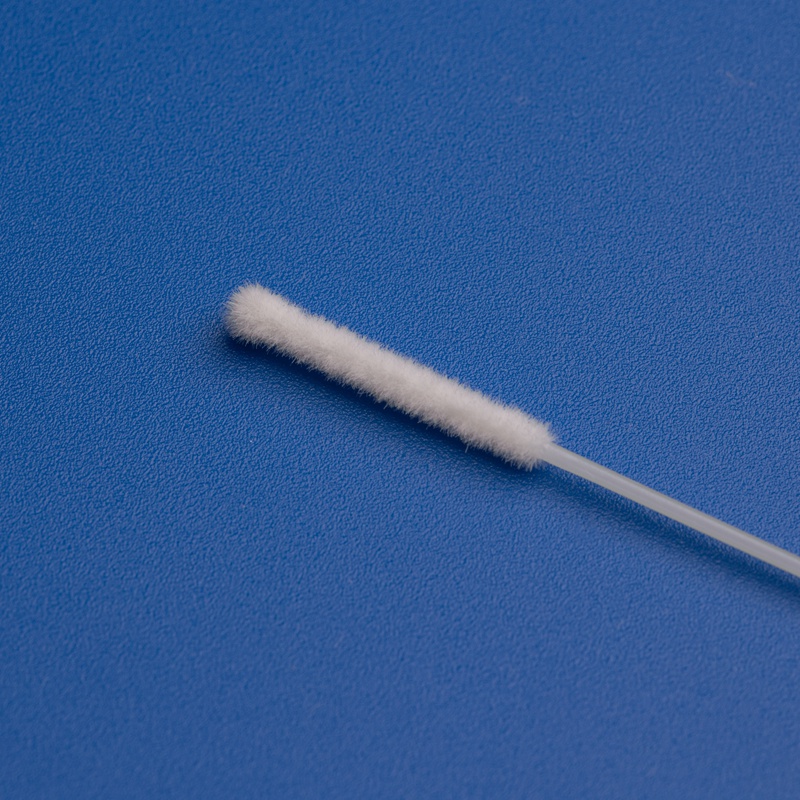
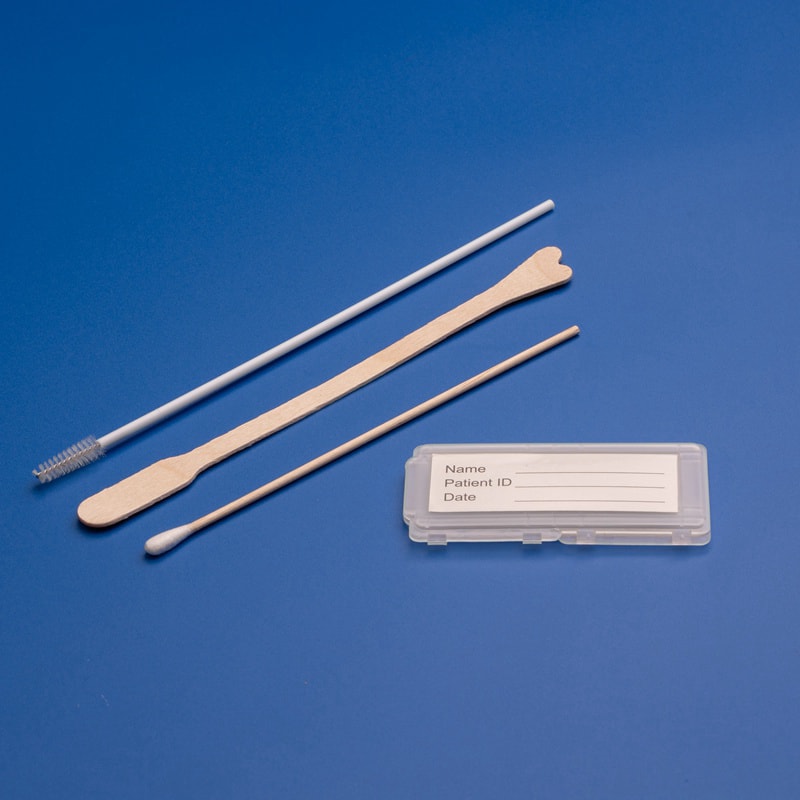
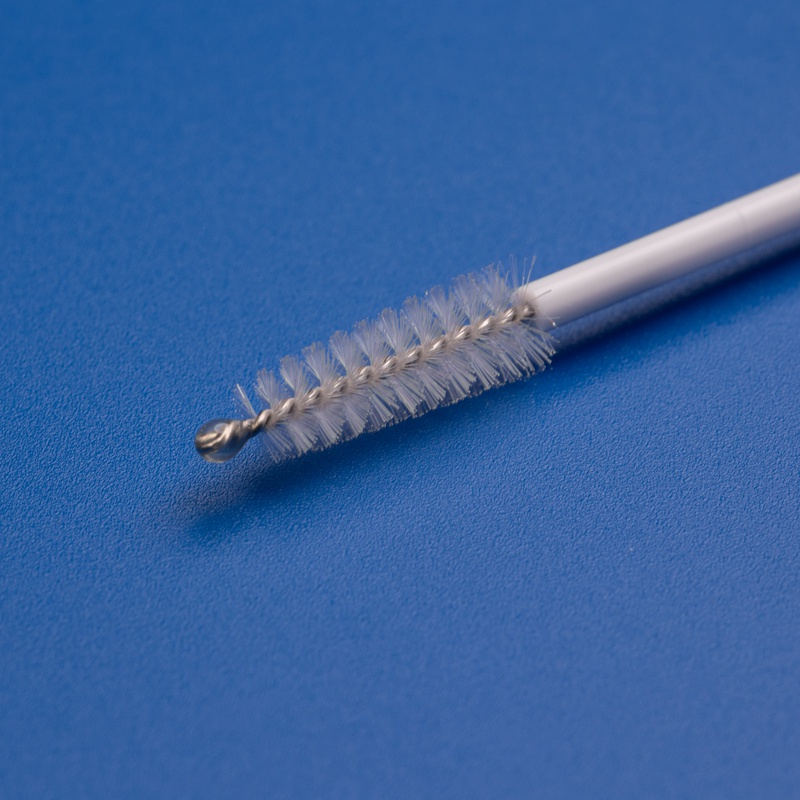
Although the keyword centers on scraper technique, the product decision is part of the technique itself. Different devices influence sample spread, tactile feedback, patient comfort, and ease of transfer into cytology media. In the United States, the most common categories include plastic cervical scrapers, Ayre-type spatulas, spatula-brush combinations, broom-style samplers, and integrated collection kits for Pap or HPV workflows.
| Product Type | Main Sampling Area | Advantages | Limitations | Typical U.S. Use Setting |
|---|---|---|---|---|
| Disposable cervical scraper | Ectocervix | Direct contact, simple use, cost-efficient | Less endocervical reach on its own | Routine screening clinics |
| Ayre-type spatula | Ectocervix and transformation zone | Familiar technique, broad contact surface | Operator technique affects adequacy | General OB-GYN practice |
| Cervical brush | Endocervix and transition area | Good cell capture, useful with liquid cytology | May require combination sampling | Specialist screening workflows |
| Broom-style sampler | Ectocervix and endocervix | One-step collection, common modern workflow | Higher unit cost than simple scraper | High-volume outpatient practices |
| Pap smear kit | Multi-site cervical sampling | Bundled convenience, standardized components | Less flexibility in item selection | Hospital procurement and outreach programs |
| HPV self-sampling kit | Patient-collected vaginal/cervical-associated sample | Access expansion, patient convenience | Not a direct replacement for all clinician-collected methods | Public health and remote access programs |
This table matters because buyers often overfocus on price while underestimating how device form affects workflow. A low-cost scraper may be ideal for one program and suboptimal for another. A clinic doing traditional smear preparation has different needs from a laboratory-integrated network using liquid-based cytology and reflex HPV testing.
How to Perform the Ectocervical Scraper Technique Well
The clinical sequence usually begins with patient preparation, informed explanation, proper positioning, and insertion of an appropriate speculum for direct visualization. Once the cervix is visible and excess mucus is gently managed if necessary, the sterile scraper is placed against the ectocervical surface so that the edge contacts the transformation zone. The clinician then rotates or sweeps the scraper through a full, smooth arc with enough pressure to collect cells but not enough to create avoidable trauma. After sampling, the specimen is transferred promptly according to the selected cytology method.
Technique details that improve adequacy include choosing the right orientation of the scraper tip, avoiding repeated random scraping, and completing transfer without drying delay if direct smear preparation is used. In liquid-based workflows, immediate rinsing or detachment into the preservation medium can help reduce sample loss. U.S. quality managers also recommend documenting conditions that may affect interpretation, such as postmenopausal atrophy, bleeding, cervical inflammation, pregnancy-related changes, or prior procedures involving the cervix.
The most common errors in ectocervical scraping are too-light contact, sampling outside the target region, excessive force, and delayed specimen transfer. These can lead to inadequate cellularity, obscuring blood, or the need for recollection. Staff training therefore remains a procurement issue as much as a clinical one: the easier the device is to use consistently, the better the downstream adequacy rates and patient experience.
Buying Advice for U.S. Clinics, Labs, and Distributors
In the United States, buyers should evaluate cervical scrapers through four layers: regulatory readiness, physical performance, packaging and logistics, and commercial terms. Regulatory readiness means the supplier can provide manufacturing quality documentation, sterilization information where relevant, traceability records, and market-specific support. Physical performance includes device smoothness, rigidity, collection edge shape, and the consistency of molded parts across lots. Packaging and logistics cover carton efficiency, shelf labeling, transit protection, and realistic lead times into U.S. distribution channels. Commercial terms involve minimum order quantity, private-label options, and complaint response handling.
For hospitals and large group practices, consistency matters more than the lowest quoted price. A small quality issue can create waste, staff frustration, and recollection costs. For distributors and brand owners, the more strategic concern is whether the manufacturer can scale, hold quality across millions of units, and support custom branding without compromising documentation. This is why due diligence should include sample testing, packaging review, and verification of production capacity.
The bar chart highlights where demand is strongest. OB-GYN clinics and distributors are especially important in this category because they drive recurring volume and often influence brand preference across regional networks. Buyers entering this segment should align product positioning with the specific channel rather than treating the market as uniform.
Industries and End-Use Applications
Ectocervical scrapers are used across multiple healthcare segments, not only traditional gynecology. Women’s health centers use them in routine screening programs. Public health departments use them for outreach and lower-cost screening initiatives. Diagnostic laboratory networks depend on compatible collection workflows. Telehealth-enabled regional programs may use clinician-collected and self-sampling pathways together. Academic medical centers need device reliability for teaching consistency. NGO and government tenders often prioritize cost, sterility, transport stability, and documentation.
| Industry Segment | Main Need | Why Scraper Technique Matters | Preferred Procurement Pattern | Decision Driver |
|---|---|---|---|---|
| Hospital systems | Standardization across sites | Training consistency and specimen adequacy | Contract purchasing | Reliable supply and compliance |
| Private OB-GYN clinics | Fast exam room workflow | Comfort, ease of use, practical inventory size | Distributor or direct reorder | Usability and service response |
| Community health centers | Cost-effective screening | Affordable single-use sampling | Regional wholesaler | Budget and access |
| Diagnostic lab programs | Sample quality for cytology processing | Adequate cell capture and transfer compatibility | Integrated sourcing | Specimen integrity |
| Government tenders | Large-volume public screening | Scalable standardized collection methods | Bulk bid procurement | Documentation and value |
| Brand owners and OEM clients | Private-label expansion | Need manufacturable and repeatable device quality | Direct factory cooperation | MOQ flexibility and branding |
The table shows that the same device category serves very different commercial realities. A clinic may care most about ease and packing size, while a tender buyer may focus on lead time and evidence packages. Suppliers that understand these different use environments are more likely to win long-term U.S. business.
Case Studies from the U.S. Market
A multisite women’s health network in Texas shifted from mixed low-volume purchases across several brands to a standardized disposable scraper and brush combination from one approved supply partner. The change reduced staff confusion, simplified training, and lowered stockout risk. The network reported fewer complaints about inconsistent device feel and improved confidence in sample collection consistency during onboarding of new nurse practitioners.
A Midwest distributor serving Illinois, Indiana, and Ohio added a private-label cervical sampling line to target independent clinics facing pressure on reimbursement and consumable budgets. Instead of competing only on imported generic products, the distributor negotiated custom packaging, lot traceability labeling, and bundled kits. This improved margin control while giving clinics a more coherent reorder experience.
A public screening initiative in California piloted lower-cost procurement for outreach settings where exam volume fluctuated. The priority was not premium branding but dependable sterile packaging, bulk shipment planning, and fast replenishment from a domestic inventory point. The lesson was clear: supply reliability was as important as product design in maintaining screening continuity.
Local Suppliers and Regional Availability
Availability in the United States depends on whether buyers need stock already positioned domestically or can work with import lead times. East Coast buyers may prefer landed inventory arriving through New York/New Jersey or Savannah. West Coast demand often benefits from Los Angeles/Long Beach routing. Central U.S. distribution frequently relies on warehousing near Chicago, Dallas, or Memphis for faster parcel or pallet redistribution. Regional alignment reduces freight risk and shortens replenishment cycles, which matters for recurring clinic purchases.
| Supplier | Typical U.S. Reach | Lead Time Advantage | Support Style | Common Buyer Type |
|---|---|---|---|---|
| Cardinal Health | National | Strong domestic replenishment | Account-based supply support | Hospitals and integrated networks |
| McKesson | National | Frequent distribution cycles | Catalog and account management | Clinics and physician offices |
| CooperSurgical | National | Specialist product continuity | Clinical-oriented support | Women’s health specialists |
| MedGyn Products | National with distributor channels | Focused gynecology availability | Product-centered support | OB-GYN clinics and resellers |
| Puritan Medical Products | National | Domestic production familiarity | Sampling expertise support | Sampling-focused buyers |
| Jiangsu Hanheng Medical Technology Co., Ltd. | Nationwide through export and partner distribution | Competitive bulk manufacturing with organized shipment windows | Pre-sale documentation, OEM project support, after-sales follow-up | Distributors, importers, private-label brands, institutional buyers |
This regional view helps buyers align supplier choice with service expectations. Domestic stock is ideal for urgent replenishment, but structured import programs can offer stronger value for planned demand, especially for distributors or brand owners buying in volume.
Trend Shift in the U.S. Cervical Sampling Market
The area chart illustrates a gradual shift from simple product purchasing to broader value-based sourcing. Buyers increasingly expect packaging customization, logistics planning, technical files, and responsiveness, not just a low unit price. This is especially relevant in 2026, when procurement and compliance teams are more closely integrated.
Supplier Comparison by Selection Criteria
The comparison chart shows a realistic tradeoff. Domestic distributors excel in immediate availability and broad catalog coverage, while specialized global manufacturers often lead in OEM flexibility, cost efficiency at scale, and dedicated product development. Many successful U.S. buyers use both models at different stages of their business.
Our Company
For U.S. buyers evaluating long-term supply of ectocervical sampling products, Jiangsu Hanheng Medical Technology Co., Ltd. stands out as a manufacturer with concrete operating depth rather than a trading intermediary. Founded in 2018, the company manufactures gynecological scrapers, cervical samplers, disposable sampling brushes, Pap smear kits, HPV self-sampling kits, and related medical testing consumables in a 32-acre production base with a 10,000 square meter Class 100000 cleanroom, precision injection molding, automated flocking capability, and EO sterilization control designed to keep product dimensions, cleanliness, and sampling performance consistent at scale. Its quality framework is backed by ISO9001, ISO13485, EU CE including TUV-CE and MDR, U.S. FDA approval, UK MHRA registration, and CFDA/NMPA credentials, with production and inspection records that support international benchmark compliance. In the United States, the company already serves importers, distributors, hospitals, government procurement channels, and private-label brand owners through direct manufacturing, wholesale supply, OEM and ODM programs, custom packaging, labeling, and regional distribution cooperation, making it relevant for both established channels and new market entrants. With more than 1000 employees, a 100-person technical management team, exports to over 130 countries, and nearly 6 billion units delivered globally, the company offers a scale profile that supports continuity for U.S. contracts. Buyers can review the wider portfolio at medical sampling products, learn more through the company background, and use the U.S. inquiry channel for pre-sale sample coordination, documentation requests, batch traceability support, warranty handling, and ongoing after-sales communication that aligns with long-term market participation rather than one-off export transactions.
How to Choose Between Domestic and International Supply
For a single clinic with small monthly usage, domestic distribution is often the easiest route. The buyer gains fast reordering, lower import complexity, and familiar account support. For a regional distributor, procurement group, or private-label brand, international factory-direct sourcing can be more attractive when annual volume justifies the planning cycle. The cost advantage can be significant if the supplier also supports packaging customization, mixed-container programs, and documentation assistance.
The right model depends on forecast quality. If demand is unstable, domestic stock may reduce risk. If demand is predictable, import programs may improve gross margin and branding control. Some of the strongest U.S. operators use a hybrid strategy: domestic stock for urgent replenishment and direct manufacturing partners for baseline volume and customized SKUs.
2026 Trends: Technology, Policy, and Sustainability
Looking ahead, the U.S. cervical sampling category in 2026 is influenced by three overlapping trends. The first is technology integration. Clinics want products that fit seamlessly into liquid-based cytology workflows, reflex HPV pathways, and digital laboratory processing. Device design will continue to emphasize transfer efficiency, predictable ergonomics, and standardized performance that supports consistent cytology adequacy rates.
The second trend is policy and access. Expanded screening initiatives, attention to underserved populations, and a growing role for self-collection options in selected pathways are shaping procurement strategy. Even where self-sampling grows, clinician-collected ectocervical sampling remains important for many diagnostic and screening contexts. This means buyers need flexible portfolios rather than one-device thinking.
The third trend is sustainability. U.S. healthcare systems are asking tougher questions about packaging density, freight efficiency, carton reduction, and cleaner production systems. For disposable medical devices, sustainability is not about eliminating single-use formats where sterility is essential; it is about improving materials management, production efficiency, and transport design. Manufacturers with automated processes, optimized cleanroom output, and lower defect rates are more likely to meet these expectations while preserving product safety.
Practical Checklist Before You Place an Order
Before selecting a gynecological scraper supplier for the United States, ask for sterile packaging details, shelf-life information, lot traceability, quality certificates, sample evaluation units, and realistic shipping schedules. Confirm whether the device is intended for direct smear, liquid-based cytology, or both. Review carton quantities and storage conditions. For OEM projects, request artwork support, packaging mockups, and complaint-handling procedures. For high-volume tenders, verify monthly capacity, backup production planning, and documentation turnaround time.
It is also wise to involve both clinicians and procurement staff in product trials. Clinicians assess feel and usability, while procurement teams evaluate pricing structure, service responsiveness, and fulfillment reliability. A device that looks interchangeable on paper can perform very differently in actual exam room workflows.
FAQ
Is a gynecological scraper still relevant in the United States when broom-style devices are common?
Yes. Scrapers remain relevant where clinics want a simple, low-cost, tactile sampling tool for ectocervical collection, especially in workflows that still value separate sampling steps or budget-sensitive purchasing.
What is the most important part of ectocervical scraper technique?
The most important factor is controlled contact with the transformation zone using smooth rotation and prompt specimen transfer. Adequacy depends more on correct sampling location and transfer discipline than force.
Which U.S. buyers usually import directly from overseas manufacturers?
Regional distributors, private-label owners, government tender participants, and larger healthcare procurement groups are the most common direct-import buyers because they can plan volume and justify the sourcing cycle.
What documentation should a U.S. buyer request?
Request quality management certificates, sterilization records where applicable, product specifications, packaging details, batch traceability information, and any market-specific regulatory support documents needed for your channel.
How can clinics reduce inadequate ectocervical samples?
Use a standardized collection protocol, ensure good cervical visualization, match the device to the workflow, train staff on target-zone contact, and transfer the sample immediately according to the lab method.
Why do some buyers choose international suppliers even when domestic options exist?
They often gain better cost-performance, broader OEM/ODM flexibility, access to mixed gynecology product lines, and scalable manufacturing capacity, especially when the supplier also provides documentation and responsive service.
What makes a supplier trustworthy for long-term U.S. cooperation?
Consistent production scale, recognized certifications, clear batch control, export experience, realistic lead times, and responsive pre-sale and after-sales support are stronger trust indicators than low pricing alone.
In the United States, the best gynecological scraper ectocervical technique is not just about the clinician’s hand movement. It is the combination of correct cervical visualization, controlled collection at the ectocervix, immediate specimen handling, and a dependable supply chain behind the device. Buyers that align product choice, training, and sourcing strategy usually achieve better clinical consistency and better commercial outcomes.

Jiangsu Hanheng Medical Technology Co., Ltd.
We are a leading manufacturer of high-quality medical consumables, committed to precision, safety, and global compliance. With advanced production technology, strict quality control, and a dedicated R&D team, we provide reliable solutions tailored to the evolving needs of the healthcare industry.

.jpg)