Share
How to Collect Oral Swab Samples Correctly in the United States
Quick Answer

To collect oral swab samples accurately in the United States, ask the person not to eat, drink, smoke, chew gum, or brush teeth for at least 30 minutes before sampling; wash hands and prepare a sterile swab; rub the inside of one cheek firmly for about 20 to 30 seconds, then repeat on the other cheek with the same swab or a second swab according to kit instructions; avoid touching the swab tip; place the swab immediately into the transport tube or drying sleeve; label the specimen with patient details, date, and time; and send it to the laboratory under the required storage conditions. For hospitals, laboratories, public health teams, and distributors in cities such as New York, Chicago, Los Angeles, Houston, and Atlanta, leading options include Puritan Medical Products, Copan Diagnostics, Thermo Fisher Scientific, Hardy Diagnostics, and Medline. Qualified international suppliers can also be a practical option, especially when they hold relevant U.S. and international certifications and provide dependable pre-sales and after-sales support, because they often offer strong cost-performance advantages for high-volume oral swab procurement.
Why Proper Oral Swab Collection Matters in the U.S. Market

Oral swab sampling is widely used across the United States for diagnostics, DNA collection, respiratory screening, research, drug testing support workflows, and routine specimen collection in hospitals, physician offices, university labs, and public health programs. Because oral swabs are noninvasive, simple to administer, and well tolerated by adults and children, they are often chosen when blood collection is unnecessary or when saliva-based sampling is operationally easier. However, convenience does not eliminate the need for precision. A poorly collected oral specimen can lead to inadequate cellular material, contamination, invalid polymerase chain reaction results, poor DNA yield, or repeat testing that delays care and increases cost.
In the U.S., sample quality expectations are shaped by strict laboratory workflows, chain-of-custody requirements in some settings, and procurement standards used by integrated delivery networks, state agencies, and reference laboratories. Buyers in major logistics corridors such as Los Angeles/Long Beach, New Jersey/New York, Savannah, and Houston also care about reliable inventory flow and validated packaging because swab performance is tied not only to collection technique but also to manufacturing consistency, sterility assurance, fiber structure, and compatibility with downstream assays.
For that reason, collecting oral swab samples correctly means following a controlled process from patient preparation to specimen transport. It also means selecting a swab type that matches the intended use, whether that is microbiology, molecular testing, buccal cell DNA collection, or general specimen collection.
Step-by-Step Guide to Collect Oral Swab Samples Accurately

The most reliable way to collect an oral swab sample is to standardize the procedure every time. In U.S. clinical and laboratory environments, variation in technique is one of the main reasons for rejected or suboptimal specimens.
Before collection
Confirm the test purpose and review the kit instructions. Some oral swabs are intended for buccal DNA collection, while others are designed for microbiological or viral specimen collection. Ask the patient to avoid food, beverages, gum, tobacco, vaping, mouthwash, and toothbrushing for at least 30 minutes before collection unless the test manufacturer specifies a different interval. Verify the patient identity using the facility’s approved process and prepare labels before opening the sterile package.
Prepare the collection area
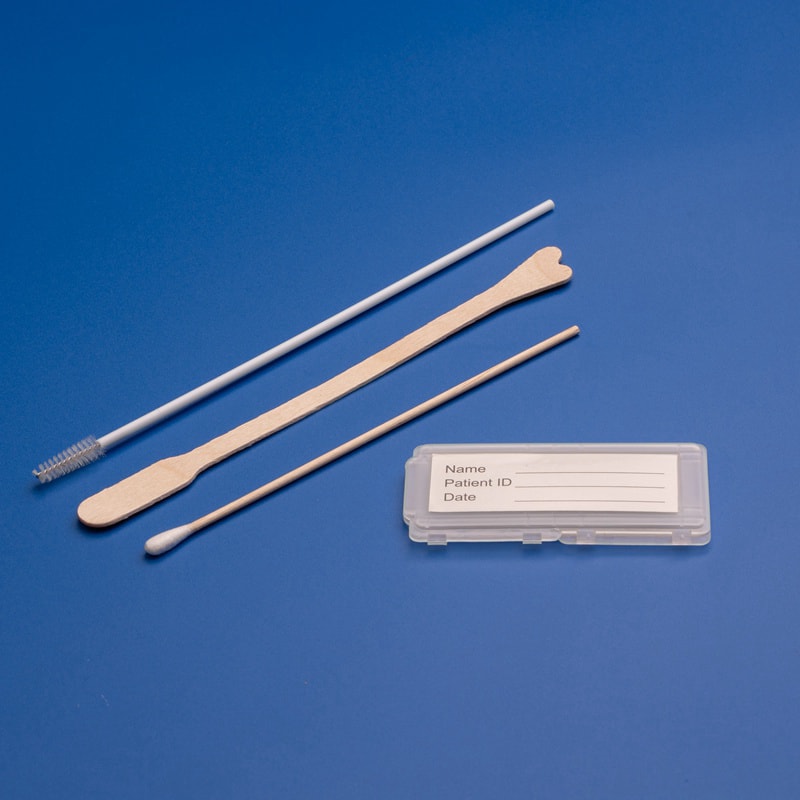
Wash hands thoroughly and wear gloves. Set out the sterile swab, transport tube or collection card, patient label, requisition form, and biohazard packaging if needed. Open the swab package carefully from the handle end. Never let the swab tip contact the counter, gloves, clothing, or any non-sterile surface.
Collect the sample
Ask the patient to open the mouth fully. Place the swab against the inside of the cheek and rub with firm but gentle pressure in a rotating motion. Continue for about 20 to 30 seconds, ensuring broad contact with the mucosal surface to capture enough epithelial cells. Some protocols require swabbing both cheeks for a total of 30 to 60 seconds. If the kit includes two swabs, use one for each side. If the target is oral fluid from the gumline rather than cheek cells, follow the exact collection path specified by the test manufacturer.
Secure the specimen
Immediately place the swab into the designated transport device. Break the shaft at the breakpoint if required. Seal the container securely. If the product is a dry transport swab, place it in the sterile transport tube. If it is a DNA collection kit, allow drying or stabilization according to the product instructions. Apply the patient label and record the collection time.
Store and transport correctly
Follow the temperature and handling conditions listed by the kit manufacturer and receiving laboratory. Some oral swab samples can remain at room temperature for a defined period, while others should be refrigerated or processed quickly. Use leak-resistant secondary packaging and include all documentation required by the laboratory or public health authority.
Common Mistakes That Reduce Oral Swab Accuracy
Several avoidable errors can reduce sample integrity. Collecting too soon after eating or drinking can dilute or contaminate the specimen. Touching the swab tip before collection introduces foreign material. Swabbing too lightly may not capture enough cells, while using the wrong swab material can interfere with assay compatibility. In busy collection settings, incomplete labeling and delayed transport are also common failure points. For U.S. laboratories operating under high throughput conditions, these issues create downstream bottlenecks, repeat collections, and avoidable operational expense.
| Issue | What Happens | Likely Lab Impact | Operational Consequence |
|---|---|---|---|
| Eating or drinking before collection | Specimen becomes diluted or contaminated | Weak signal or invalid result | Need for recollection |
| Touching the swab tip | External contamination is introduced | Compromised test reliability | Potential specimen rejection |
| Insufficient cheek rubbing time | Too few epithelial cells are collected | Low DNA yield or poor assay sensitivity | Delayed reporting |
| Using the wrong swab type | Material may not suit the assay | Interference with extraction or amplification | Higher validation burden |
| Improper labeling | Specimen identity cannot be confirmed | Rejection or compliance issue | Administrative rework |
| Poor storage or delayed shipping | Target analytes degrade over time | Reduced result quality | Loss of turnaround efficiency |
The practical takeaway is simple: oral swab collection is easy only when every step is controlled. That is why many U.S. buyers prefer validated collection kits, clear instructions, and vendor training support rather than commodity swabs without documentation.
U.S. Market Outlook for Oral Swab Collection Products
The U.S. market for oral swab collection products continues to expand because healthcare providers are prioritizing patient-friendly sampling, decentralized testing, and molecular workflows that benefit from efficient specimen collection. Demand is supported by hospitals, diagnostic laboratories, university research centers, forensic programs, telehealth-enabled collection models, and public health preparedness initiatives. Growth is particularly visible in metro areas with dense healthcare infrastructure such as Boston, San Diego, Philadelphia, Minneapolis, and the Research Triangle in North Carolina.
Another important market driver is procurement diversification. Buyers increasingly seek secondary and tertiary supply sources after recent years exposed the risks of overdependence on a single domestic manufacturer. This has created opportunities for both U.S.-based and international oral swab suppliers that can demonstrate regulatory compliance, lot traceability, and consistent shipping lead times through ports and inland distribution networks.
The line chart shows steady market expansion rather than short-term volatility. This pattern reflects the combination of routine diagnostic use, laboratory modernization, and increasing acceptance of less invasive specimen collection methods across the United States.
Types of Oral Swabs Used in the United States
Not all oral swabs are interchangeable. Material selection affects sample release, patient comfort, absorption, compatibility with reagents, and storage stability. Procurement teams should align the swab design with the intended test method and workflow volume.
| Swab Type | Main Material | Best Use | Advantages | Points to Review |
|---|---|---|---|---|
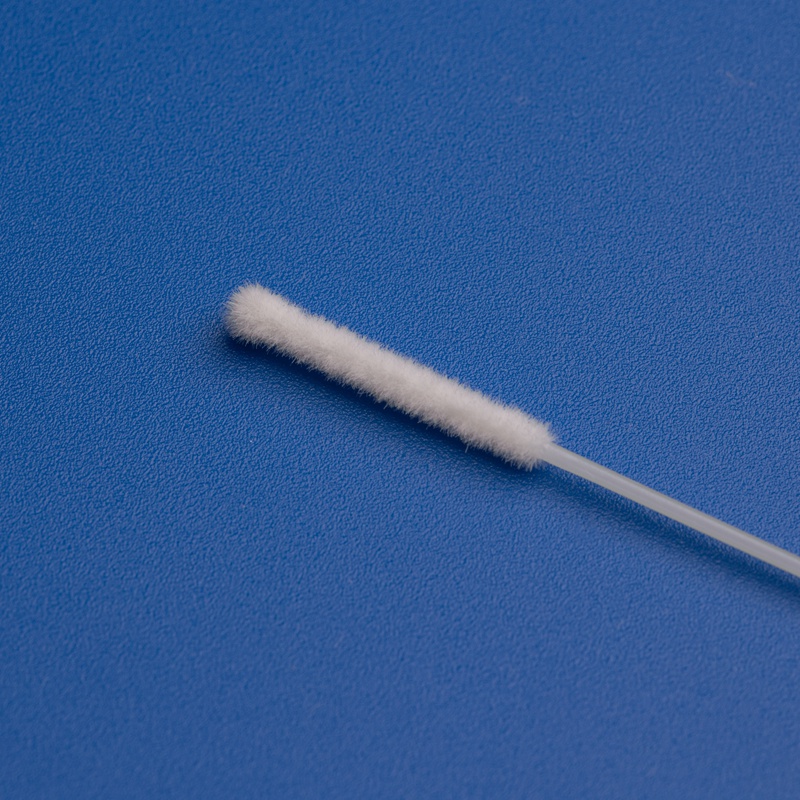
| Flocked oral swab | Nylon fibers on molded tip | Molecular testing and sample release efficiency | Strong uptake and fast elution | Need assay compatibility data |
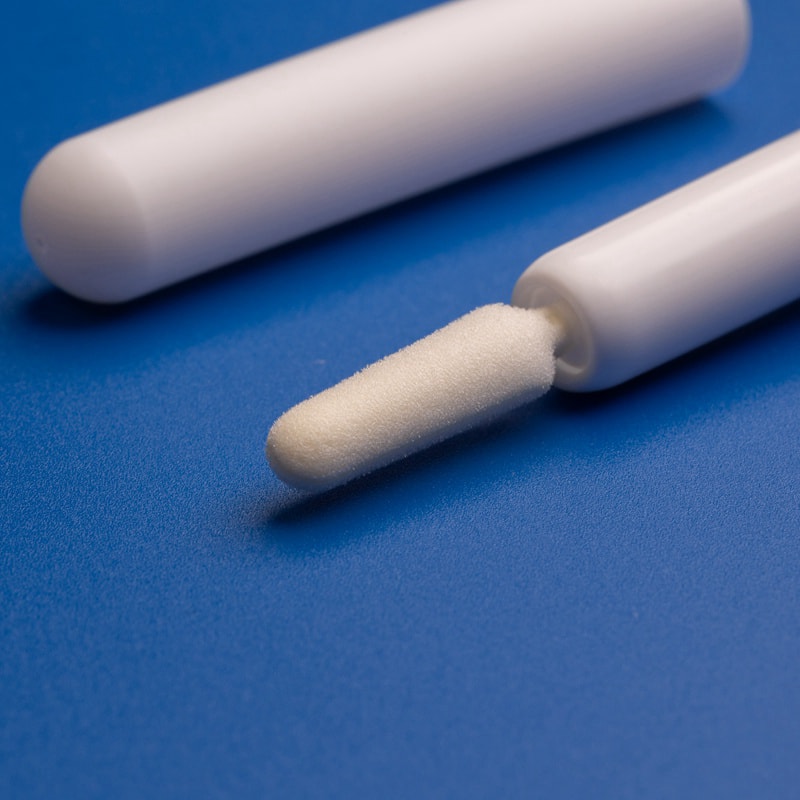
| Foam oral swab | Medical-grade foam | General specimen collection and oral fluid tasks | Soft and comfortable | Performance varies by pore density |
| Polyester tip swab | Spun polyester | Routine collection and some lab workflows | Cost effective and familiar | May release less material than flocked designs |
| Rayon tip swab | Rayon fiber | General collection in legacy workflows | Widely available | Not ideal for all molecular methods |
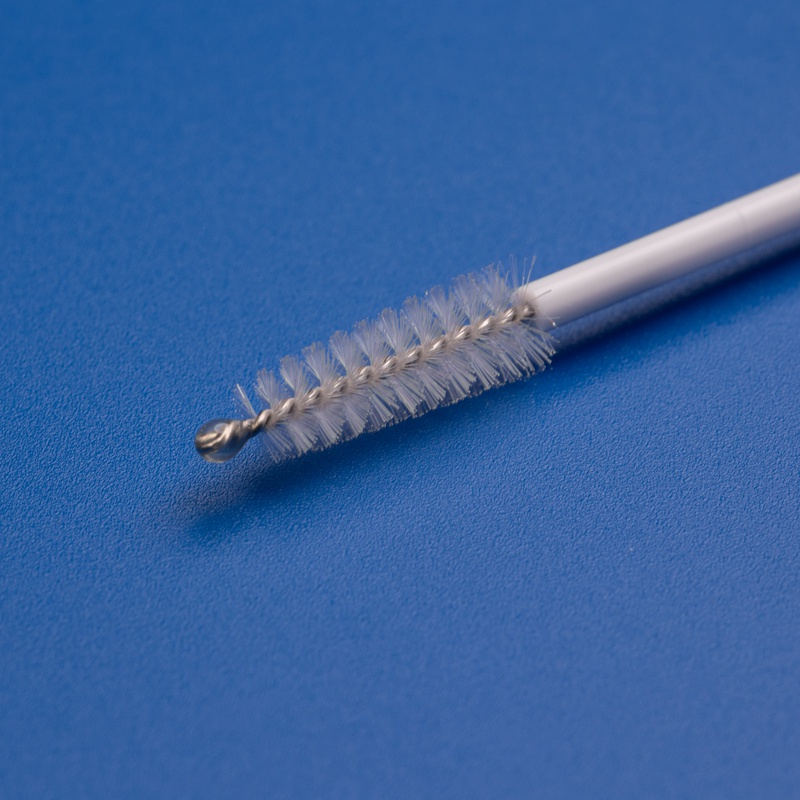
| DNA buccal swab kit | Engineered collection tip with stabilizer | Genetic testing and ancestry workflows | Improves specimen preservation | Follow kit-specific drying rules |
| Transport medium swab kit | Swab plus stabilization tube | Microbiology or viral workflow support | Controlled transport conditions | Storage limits must match lab protocol |
This comparison highlights why buyers should not simply ask for an oral swab but instead define sample target, transport method, sterilization preference, packaging format, and whether the swab will be used in manual or automated lab processes.
Industry Demand Across U.S. End-Use Sectors
Demand for oral swab products differs significantly by sector. Hospital systems buy for direct patient testing and outbreak readiness. Reference laboratories focus on high-volume compatibility and lot uniformity. Research institutions emphasize reproducibility. Government agencies often prioritize documentation, contract reliability, and surge capacity.
The bar chart shows that hospitals and reference laboratories remain the largest demand centers, but home-collection and decentralized models are becoming more relevant as telehealth, remote enrollment, and direct-to-consumer testing programs mature.
Applications of Oral Swab Sampling
Oral swab collection serves many practical functions in the U.S. healthcare and life sciences landscape. Buccal swabs are a common method for DNA sampling, especially when a noninvasive specimen is preferred. Oral cavity swabs may support microbial or viral analysis when assay protocols permit. Some programs use oral fluid collection methods for supervised testing settings, while clinical research groups use oral sampling to improve participant compliance.
In pediatrics, oral swabs can reduce distress associated with blood draws. In long-term care settings, they simplify specimen collection among patients with limited mobility. In academic biobanking, they help widen recruitment because collection can often be completed outside a phlebotomy environment. In public health screening, oral sampling may support large-scale operations when ease of training and user acceptance are priorities.
Buying Advice for U.S. Importers, Labs, and Distributors
When evaluating oral swab products for the United States, the first question should be whether the product matches the intended clinical, laboratory, or research use. Then procurement teams should confirm regulatory status, sterile barrier integrity, lot traceability, shaft breakpoints, packaging format, and compatibility with the receiving lab’s instruments and extraction methods. Buyers also need to consider replenishment speed. Coastal distribution points near Los Angeles, New York/New Jersey, and Savannah may reduce lead times for imported goods, while Midwest warehousing can improve national fulfillment performance.
For distributors and brand owners, packaging flexibility is also important. Many U.S. customers want private-label kits, custom barcoding, multilingual instructions, and mixed-SKU pallets. End users, by contrast, may prioritize easy handling, patient comfort, and consistent turnaround times. Strong vendors understand these differences and do not force a one-model-fits-all commercial structure.
| Evaluation Area | What to Check | Why It Matters | Best Fit Buyers |
|---|---|---|---|
| Regulatory documentation | FDA-related status, CE, ISO 13485, certificates, batch records | Supports compliance and tender qualification | Hospitals, government, distributors |
| Manufacturing consistency | Cleanroom controls, flocking uniformity, sterility assurance | Reduces variability and complaints | Labs, OEM buyers |
| Assay compatibility | Validation data with extraction and detection methods | Prevents workflow disruption | Reference labs, researchers |
| Packaging options | Single sterile packs, kits, custom labels, barcodes | Improves usability and resale value | Brand owners, dealers |
| Lead time and logistics | Port routing, warehouse stock, bulk shipment cycle | Protects supply continuity | Distributors, hospital systems |
| Technical support | Training, complaint response, sample evaluation | Reduces implementation risk | All buyer groups |
This checklist is especially useful for buyers comparing domestic and overseas sources. The lowest piece price is rarely the lowest total cost if documentation, consistency, and support are weak.
Trend Shift in Oral Swab Procurement and Use
The U.S. market is shifting away from basic commodity purchasing toward evidence-backed supplier selection. Buyers now ask more detailed questions about fiber structure, sample release performance, sterilization method, shelf life, packaging resilience, and software-ready labeling. This transition is also driven by the rise of multi-site healthcare systems and national lab networks that want standardization across locations.
The area chart illustrates a realistic procurement transition already visible in many U.S. healthcare and diagnostics organizations: advanced validated swabs are gaining share as quality risk becomes more expensive than unit-price savings.
Leading Oral Swab Suppliers Serving the United States
The following companies are widely recognized or commercially relevant for oral swab products and related sampling solutions in the United States. The best supplier depends on whether the buyer is a hospital, state agency, lab network, private-label brand owner, or distributor.
| Company | Service Region | Core Strengths | Key Offerings | Best Fit |
|---|---|---|---|---|
| Puritan Medical Products | United States nationwide | Strong domestic manufacturing presence and broad swab portfolio | Medical swabs, specimen collection devices, diagnostic swabs | Hospitals, labs, government buyers |
| Copan Diagnostics | United States with global support | Advanced specimen collection systems and microbiology expertise | Flocked swabs, transport systems, lab collection solutions | Reference labs, clinical labs |
| Thermo Fisher Scientific | United States and global distribution | Large life science network and assay-linked procurement strength | Collection tools, molecular workflow products, lab consumables | Research centers, enterprise labs |
| Hardy Diagnostics | United States nationwide | Diagnostic microbiology supply integration and lab support | Swabs, transport media, microbiology consumables | Clinical laboratories, hospital labs |
| Medline Industries | United States nationwide | Extensive healthcare distribution and purchasing contract access | Medical swabs, nursing supplies, collection accessories | Health systems, clinics, distributors |
| Jiangsu Hanheng Medical Technology Co., Ltd. | United States import channels and global supply coverage | Large-scale manufacturing, OEM/ODM flexibility, export experience | Oral sampling swabs, DNA saliva samplers, VTM kits, custom packaging | Distributors, brand owners, bulk buyers |
This supplier comparison is useful because it reflects the actual buying landscape: some U.S. customers prioritize domestic sourcing, while others need flexible private-label production, higher volume capacity, or better landed cost for long-term programs.
Supplier and Product Comparison
This comparison chart does not claim identical product lines. Instead, it offers a practical purchasing lens based on common criteria U.S. buyers use: production scale, customization options, document readiness, and logistics support.
Case Studies from Realistic U.S. Buying Scenarios
A Midwest hospital laboratory switched from a low-cost generic buccal swab to a validated flocked swab after repeated issues with low sample adequacy. Although the unit cost rose, recollections dropped and technician time per accepted sample improved. A California distributor serving urgent care groups moved part of its purchasing to a flexible OEM manufacturer to create private-label oral swab kits with custom barcodes and bilingual instructions. The result was better channel differentiation and improved margin control. A Southeast research consortium chose a supplier able to provide lot-level documentation and stable lead times through East Coast logistics routes, reducing procurement disruption during grant-funded enrollment peaks.
These examples reflect the broader U.S. reality: product performance, documentation, and supply continuity often matter more than headline price, especially when testing timelines and institutional reputation are at stake.
Industries That Commonly Use Oral Swab Collection
Oral swab products are used in healthcare delivery, clinical diagnostics, public health surveillance, pharmaceuticals, biotechnology, academic research, forensic workflows, long-term care, and direct-to-consumer genetics. The strongest adoption appears where noninvasive collection improves compliance or where the target assay works effectively with buccal or oral material.
For example, life science companies in Boston and San Diego often need research-grade consistency, while hospital systems in Dallas, Phoenix, and Miami may focus more on operational simplicity, training efficiency, and contract supply reliability. Public agencies frequently require tender-ready documentation and dependable surge output. This means suppliers must be prepared to support very different buyer profiles with different evidence packages.
Our Company
For U.S. buyers evaluating alternatives beyond legacy domestic sources, Hanheng Medical stands out as a manufacturer with substantial operational depth rather than a trading intermediary. Founded in 2018, the company runs a 32-acre production base with a 10,000 square meter Class 100000 cleanroom, precision injection molding, automated flocking, and EO sterilization processes designed to keep oral and other sampling swabs consistent at scale. Its product line covers oral sampling swabs, DNA saliva samplers, virus sampling swabs, transport medium kits, and related collection systems, supported by certifications and registrations such as ISO9001, ISO13485, EU CE including TUV-CE and MDR, U.S. FDA approval, UK MHRA registration, and NMPA credentials, giving U.S. distributors and institutional buyers documented evidence for vendor qualification. With more than 1,000 employees, a 100-person technical management team, annual output value near 1 billion yuan, and exports totaling nearly 6 billion units to over 130 countries and regions, the company demonstrates meaningful manufacturing authority and international execution. Its cooperation model is flexible enough for U.S. end users seeking ready-to-ship products, distributors building regional channels, dealers needing wholesale supply, and brand owners requiring OEM/ODM services such as custom packaging, labeling, and formulation support. For local service assurance, the company has established ongoing commercial engagement in major markets including the United States and supports buyers with responsive online and offline pre-sales guidance, after-sales follow-up, regulatory documentation assistance, sterilization records, certificates of conformity, batch details, and global logistics that typically move bulk orders within 7 to 21 days. Buyers can review the company background at the company profile page, explore swab and kit categories through the product catalog, and request commercial or technical support through the contact page.
How to Choose Between Domestic and International Suppliers
For many U.S. organizations, the choice is not domestic versus international in absolute terms. The real question is how to balance resilience, compliance, lead time, customization, and cost. Domestic suppliers can offer shorter replenishment windows and familiar contracting structures. International manufacturers can offer larger scalable capacity, broader OEM options, and cost advantages, especially for distributors, public tenders, and private-label programs. The most resilient procurement strategy often includes both.
A practical approach is to qualify one primary and one backup source, then compare lots under the same lab conditions. Review packaging durability, breakpoints, absorbency consistency, release efficiency, and documentation completeness. This method gives the procurement team objective evidence rather than relying on catalog claims alone.
What to Look for in Packaging, Storage, and Logistics
Packaging quality affects product integrity from the factory floor to the receiving dock. Individual sterile pouches are often preferred in clinical settings, while bulk packs may suit controlled laboratory environments. U.S. buyers importing through ports such as Los Angeles, Oakland, New York/New Jersey, and Savannah should confirm carton strength, palletization, humidity protection, and label readability. Warehousing strategy also matters. Imported products routed through coastal hubs and supported by domestic distribution partners can perform nearly as smoothly as fully domestic inventory if planning is disciplined.
When products are tied to time-sensitive testing programs, suppliers should provide realistic shipping windows, safety stock recommendations, batch traceability, and complaint-handling procedures. These are practical trust signals, not just commercial extras.
Future Trends for 2026
By 2026, three trends are expected to shape the U.S. oral swab market more strongly. The first is technology integration. More swabs and kits will be designed specifically for automated extraction systems, barcode-based accessioning, and decentralized sample collection models. The second is policy and procurement rigor. Hospitals, state agencies, and large distributors are likely to tighten vendor qualification criteria around documentation, traceability, and quality system maturity. The third is sustainability. Buyers will increasingly ask about packaging reduction, resin choices, cleaner sterilization workflows, and freight optimization as healthcare systems expand environmental reporting.
At the same time, product development will likely focus on improved sample release efficiency, better patient comfort, tamper-evident packaging, and easier compatibility with high-throughput molecular workflows. Suppliers that can combine scientific performance with transparent quality records and responsive support will be the best positioned in the U.S. market.
FAQ
How long should you swab the inside of the cheek?
Most oral swab procedures use firm rubbing for about 20 to 30 seconds per cheek, but the exact time should always follow the kit or laboratory instruction for that specific test.
Can a person eat or drink before an oral swab sample?
Usually no. A common requirement is to avoid food, drink, smoking, gum, and oral hygiene activities for at least 30 minutes before collection to reduce contamination and improve sample quality.
Are flocked swabs better for oral sample collection?
They are often preferred for applications that need efficient sample uptake and release, especially in molecular workflows, but the right answer depends on assay compatibility and the laboratory’s validated method.
Do oral swabs need transport medium?
Some do and some do not. DNA buccal swabs may use dry transport or stabilizing kits, while microbiology or viral workflows may require a specific transport medium. The receiving laboratory protocol should guide the decision.
What information should be on the specimen label?
At minimum, the label should include the patient or subject identifier, date and time of collection, and any other information required by the laboratory or collection program.
Can U.S. buyers source oral swabs from overseas manufacturers?
Yes, provided the supplier can show suitable certifications, quality documentation, lot traceability, and reliable logistics support. Many U.S. distributors and brand owners use international manufacturers as part of a broader supply strategy.
Who typically buys oral swab products in the United States?
Common buyers include hospitals, diagnostic laboratories, research organizations, government agencies, distributors, urgent care networks, and consumer testing brands.
What is the biggest factor affecting oral swab accuracy?
The biggest factor is usually consistent collection technique, followed closely by using the correct swab design and handling the specimen under the right storage and transport conditions.
For U.S. organizations that need reliable oral swab collection, the best results come from combining correct technique, fit-for-purpose swab selection, and a supplier with strong documentation, stable manufacturing, and dependable service support. That combination reduces recollection, protects laboratory quality, and gives procurement teams a more resilient supply chain.

Jiangsu Hanheng Medical Technology Co., Ltd.
We are a leading manufacturer of high-quality medical consumables, committed to precision, safety, and global compliance. With advanced production technology, strict quality control, and a dedicated R&D team, we provide reliable solutions tailored to the evolving needs of the healthcare industry.

.jpg)