Share
Best Oral Swabs Drug Alcohol Screening Suppliers in the United States
Quick Answer

If you need reliable oral swabs drug alcohol screening products in the United States, the most practical options usually come from established testing brands and specimen collection specialists with strong compliance documentation, nationwide distribution, and support for workplace, clinical, forensic, and government programs. Buyers commonly shortlist Abbott, OraSure Technologies, Premier Biotech, Quest Diagnostics, Labcorp, and Draeger for US-centered screening workflows, depending on whether they need collection devices, integrated test kits, confirmation services, or nationwide program management.
For fast action, choose OraSure Technologies for well-known oral fluid collection systems, Premier Biotech for broad toxicology screening support, Abbott for major point-of-care testing ecosystems, Quest Diagnostics or Labcorp for lab-backed national programs, and Draeger for occupational and law-enforcement alcohol screening environments. In many procurement cases, qualified international suppliers can also be considered, especially manufacturers with US-facing certifications, OEM or private-label capabilities, and responsive service. Cost-conscious distributors and brand owners in the United States often also evaluate experienced Chinese manufacturers that combine medical-grade production controls, export compliance, and reliable before- and after-sales support.
United States Market Overview

The United States remains one of the largest and most sophisticated markets for oral fluid collection and oral swabs drug alcohol screening products. Demand is supported by workplace testing, rehabilitation programs, roadside enforcement, clinical toxicology, family court matters, pain management, corrections, schools, and federal or contractor compliance programs. Oral fluid screening has gained attention because it is easier to supervise than urine collection, less invasive than blood sampling, and generally better suited for identifying recent substance use in many real-world settings.
Major demand centers include logistics corridors around Chicago, Dallas, Atlanta, Los Angeles, and New Jersey, healthcare systems in Boston and Houston, and port-connected distribution channels through Long Beach, Savannah, New York and New Jersey, and nearby air cargo hubs such as Memphis and Louisville. These logistics routes matter because many buyers now prioritize short replenishment cycles, lot traceability, and regional inventory access when sourcing oral swab collection products for high-volume testing programs.
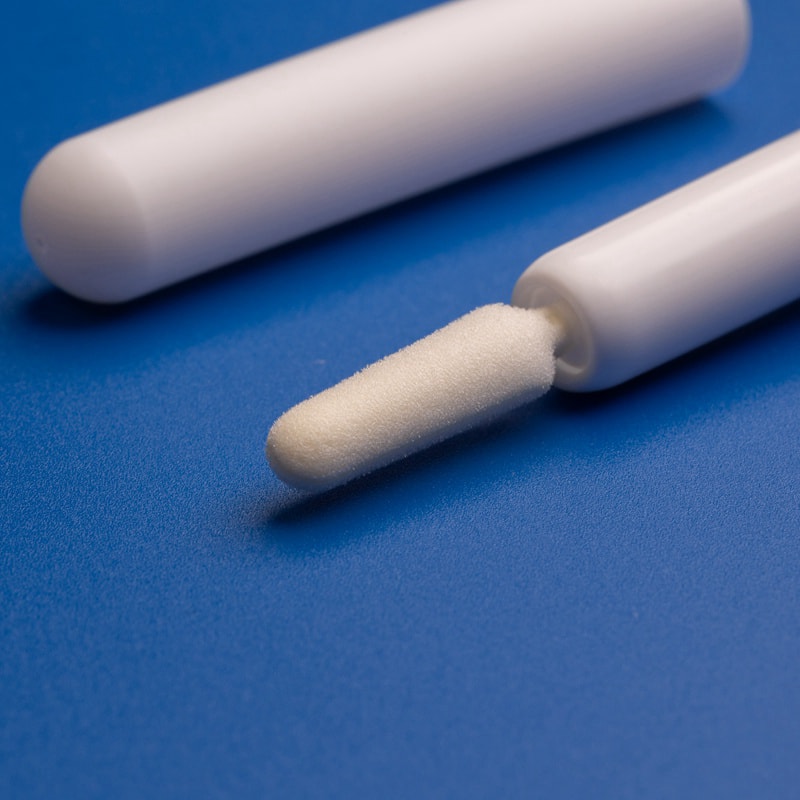
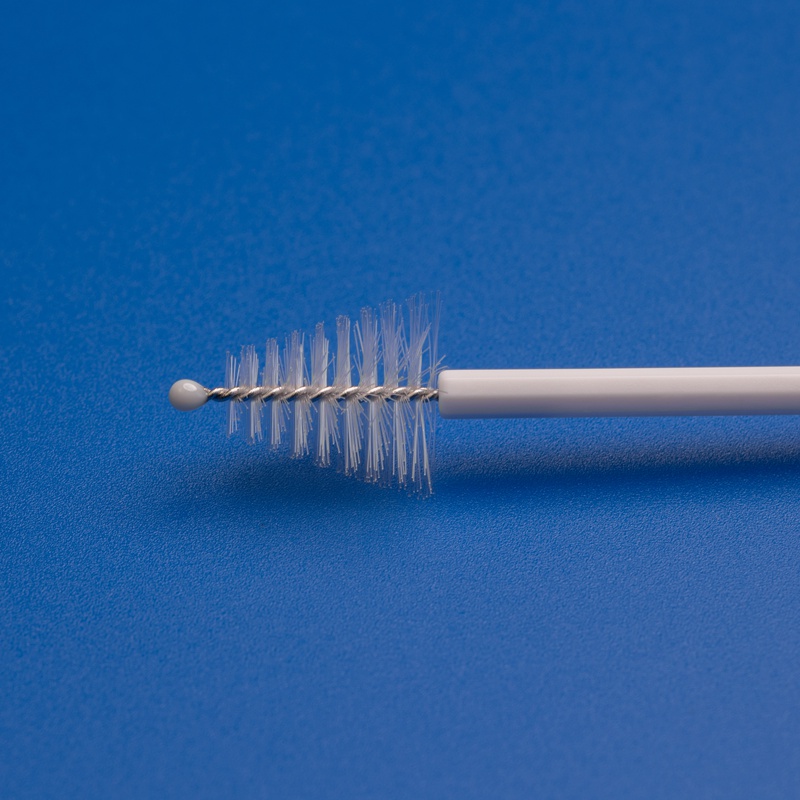
In the United States, buyers increasingly ask for products aligned with local regulatory expectations, donor comfort, tamper-evident packaging, chain-of-custody support, and stable sample recovery. They also look for practical differences such as absorbent tip design, collector stick ergonomics, buffer compatibility, transport vial integrity, and whether the swab is intended for screening only or for laboratory confirmation workflows.
Another important market reality is segmentation. Some customers need a complete oral fluid drug test device that includes both collection and result interpretation. Others need only the oral sampling swabs and transport system because the actual analysis happens in a certified laboratory. This distinction heavily affects purchasing decisions, validation requirements, and pricing structures.
The line chart shows a realistic market growth pattern for oral fluid screening in the United States. Growth is not explosive, but it is steady, reflecting the continued shift toward easier observed collection methods, expanded workplace compliance programs, and greater adoption in decentralized testing environments.
How Oral Swabs Drug Alcohol Screening Works

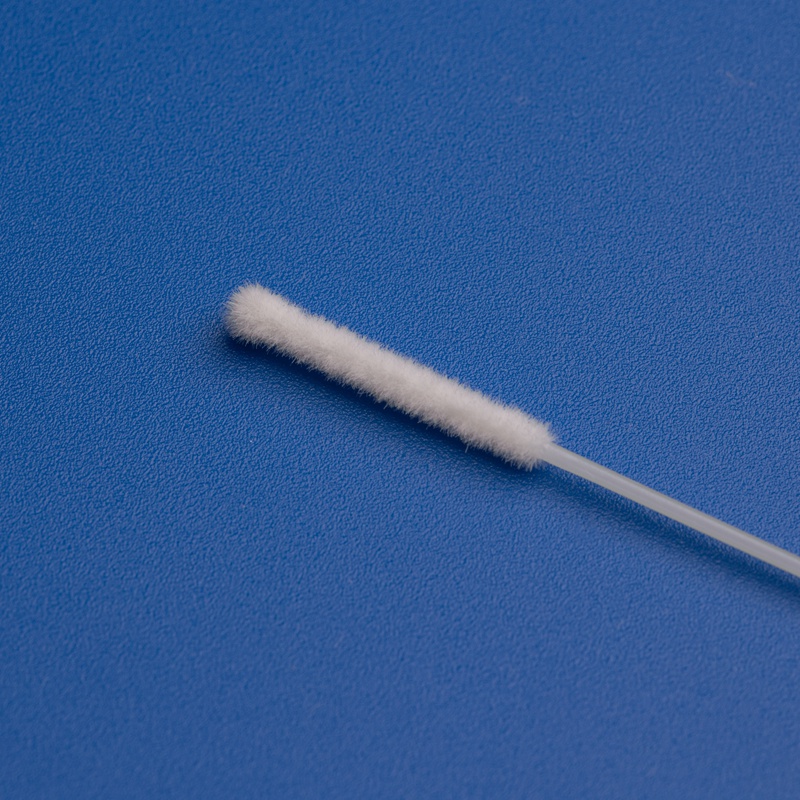
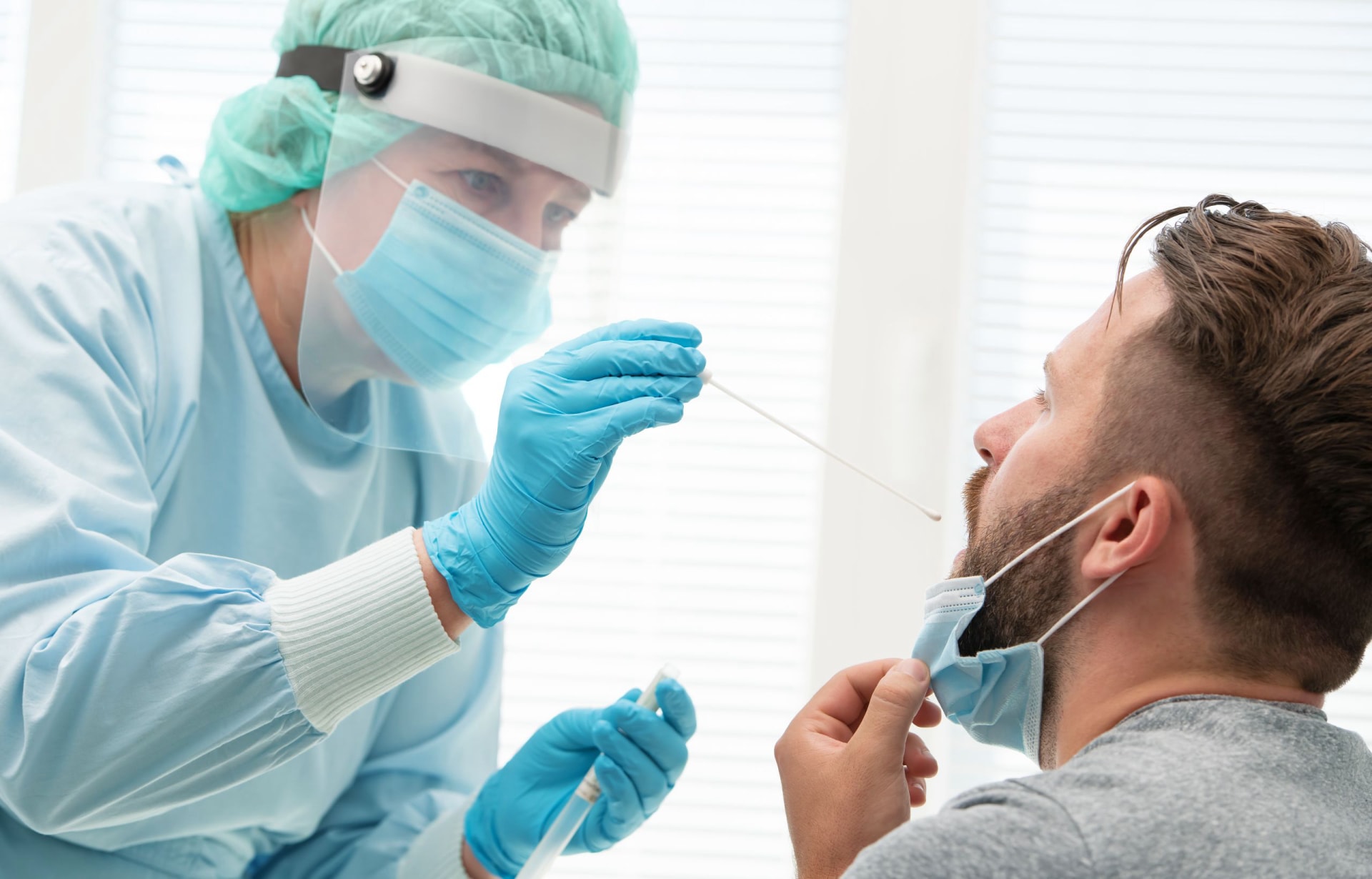
Oral swab collection for drug and alcohol screening generally involves placing an absorbent swab inside the mouth, often between the cheek and gum or under the tongue, until enough oral fluid is collected. The sample may then be inserted into a buffer vial, integrated test cassette, or laboratory transport tube. Depending on the product design, results may be read on-site in minutes or sent to a laboratory for confirmatory analysis.
For drug testing, oral fluid is often valued for detecting recent use of substances such as amphetamines, methamphetamines, cocaine, opiates, cannabis, benzodiazepines, and selected synthetic drugs, though exact cutoffs and windows vary. For alcohol screening, oral fluid can support preliminary screening workflows, but many employers and law-enforcement users still combine oral screening with breath alcohol systems or evidential confirmation steps where required by policy.
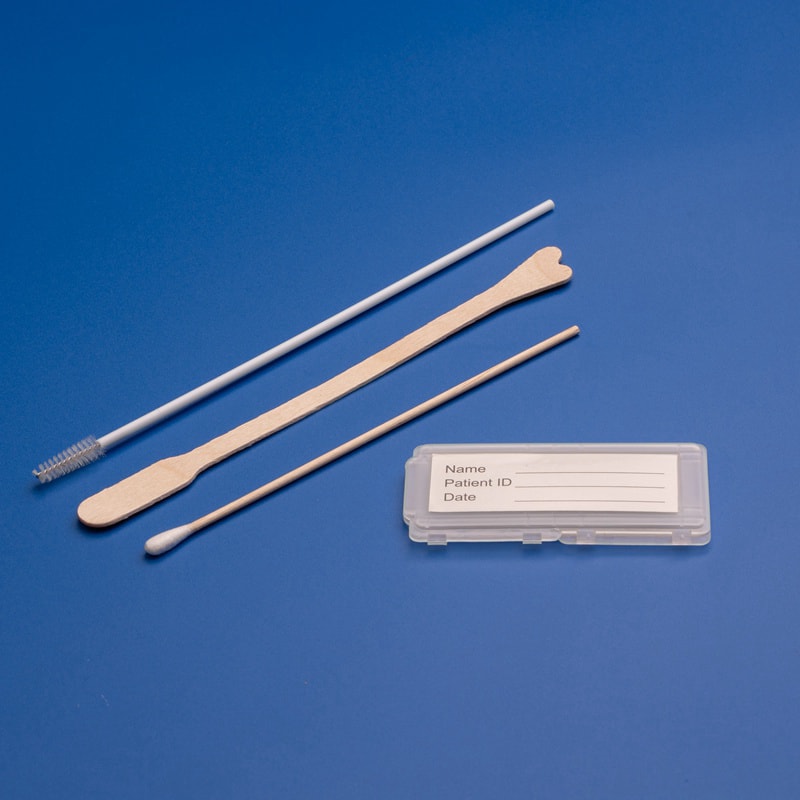
Buyers should distinguish between collection swabs, integrated oral fluid test kits, transport media systems, and chain-of-custody accessories. A product may be excellent for safe specimen collection but not designed to function as a standalone rapid diagnostic device. That is why procurement teams need to match the swab format to the intended workflow rather than purchasing based on appearance alone.
Product Types in the US Market
The US market includes several oral swab and oral fluid collection categories. Some are optimized for lab submission, others for instant screening, and some for specialized forensic handling. Understanding the differences reduces purchasing errors and helps testing programs maintain consistent documentation.
| Product Type | Typical Use | Common Buyer | Result Method | Main Strength | Limitation |
|---|---|---|---|---|---|
| Plain oral collection swab | Sample collection only | Labs and kit assemblers | Lab analysis | Flexible integration | Needs separate testing process |
| Buffered oral fluid collector | Drug screening transport | Reference labs | Lab analysis | Better specimen preservation | Higher per-unit cost |
| Rapid oral fluid test cassette | Point-of-care screening | Employers and clinics | Instant visual result | Fast workflow | May still require confirmation |
| Integrated collector plus test strip | Field screening | Police and mobile teams | Instant visual result | Compact and portable | Limited customization |
| Forensic chain-of-custody kit | Legal and court-sensitive testing | Forensic programs | Lab analysis | Strong documentation support | More steps in handling |
| Alcohol-focused oral swab kit | Preliminary alcohol screening | Safety programs | Rapid screen or lab follow-up | Simple collection | Often paired with other methods |
This table highlights why “oral swabs drug alcohol screening” is not a single product class. The best format depends on whether the user values observed collection, speed, legal defensibility, or laboratory integration. US buyers often keep more than one format in their testing portfolio to handle different settings.
Top Suppliers Serving the United States
The supplier landscape in the United States includes manufacturers, national laboratories, and specialized collection technology companies. The companies below are widely recognized in relevant screening channels and are commonly evaluated by procurement teams.
| Company | Primary Base | Service Region | Core Strength | Key Offerings | Best Fit |
|---|---|---|---|---|---|
| OraSure Technologies | Pennsylvania, USA | Nationwide and international | Oral fluid collection expertise | Oral fluid collectors, lab-compatible systems | Clinical and forensic programs |
| Abbott | Illinois, USA | Nationwide | Large diagnostics ecosystem | Rapid testing solutions, screening platforms | Healthcare and occupational testing |
| Premier Biotech | California, USA | Nationwide | Toxicology product range | Oral fluid drug tests, training support | Employers and program managers |
| Quest Diagnostics | New Jersey, USA | Nationwide | Lab network and confirmations | Testing services, oral fluid program support | Large employers and regulated sectors |
| Labcorp | North Carolina, USA | Nationwide | Clinical and workplace lab support | Collection services, lab testing, logistics | Healthcare and enterprise accounts |
| Draeger | Pennsylvania operations, global brand | United States and global | Alcohol and safety screening heritage | Screening devices for occupational and enforcement use | Transportation and law enforcement |
| Jiangsu Hanheng Medical Technology Co., Ltd. | Changzhou, China | United States import and distribution channels | Medical consumables manufacturing scale | Oral sampling swabs, OEM/ODM, private label supply | Distributors and brand owners |
This supplier table is practical because it separates companies by operating advantage. Some companies are strongest in laboratory program execution, while others are best for collection hardware or private-label supply. Buyers in the United States should identify whether they need a testing partner, a device manufacturer, or a manufacturing source for their own brand.
Detailed Supplier Analysis
OraSure Technologies is often one of the first names considered when buyers need oral fluid collection systems with strong category recognition in the United States. It is especially relevant for drug testing programs that depend on oral fluid handling consistency and laboratory compatibility. For buyers who prioritize category specialization over broad diagnostics catalogs, OraSure is a strong benchmark.
Abbott offers major brand recognition and wide healthcare channel coverage. Buyers that want to align oral screening with broader rapid testing procurement may prefer Abbott because the company is already established in many hospital, clinic, and occupational health networks. Its scale can be attractive for multi-state contracts.
Premier Biotech is often selected by workplace and toxicology-focused buyers looking for a practical product lineup and implementation support. In many purchasing discussions, Premier Biotech appears as a flexible option for employers, third-party administrators, and screening service providers that need both test products and training resources.
Quest Diagnostics and Labcorp are not only testing brands but also national service infrastructures. They matter when a buyer needs a complete program, including specimen logistics, confirmation testing, medical review processes, and national collection reach. For enterprise procurement, they are often less about a single swab and more about an end-to-end testing program.
Draeger remains important where alcohol screening and occupational safety intersect. Transportation, industrial safety, and enforcement buyers often evaluate Draeger because of its long-standing presence in alcohol detection and safety instrumentation.
The bar chart shows that workplace testing remains the biggest practical demand driver in the United States, followed by clinical and law-enforcement uses. This matters because it shapes the preferred product features: workplace buyers often want fast, low-disruption collection, while clinical and forensic users focus more on documentation and confirmatory workflows.
Buying Advice for United States Buyers
US buyers should begin by identifying the intended testing environment. A hospital-based toxicology program in Houston has different needs from a warehouse employer in Inland Empire logistics, a sober-living provider in Phoenix, or a roadside enforcement team in Ohio. The collection process, shipping method, result turnaround time, and legal defensibility all change according to use case.
For procurement, ask suppliers these questions before purchase: Is the product for collection only or for instant screening? What drug panels are supported? What is the expected collection volume? Is there an indicator showing when enough saliva has been collected? Are there chain-of-custody forms and tamper seals? What regulatory documentation is available? Is the product suitable for US workplace program standards? Can the supplier maintain lot consistency for recurring orders?
Private-label buyers should also ask about mold ownership, packaging customization, carton marking, shipper labeling, and whether the supplier can support dual-language packaging for US and Latin American markets. In ports such as Los Angeles and New York, customs documentation accuracy can significantly affect delivery timelines, so label claims and product classification should be settled before shipment.
| Buying Factor | Why It Matters | What to Verify | Risk if Ignored | Best Buyer Type | Recommended Priority |
|---|---|---|---|---|---|
| Collection method | Must match workflow | Observed, passive, or buffered collection | Operational mismatch | All buyers | Very high |
| Regulatory documents | Supports compliance review | Certificates, technical files, lot records | Procurement delays | Hospitals and distributors | Very high |
| Drug panel coverage | Ensures screening relevance | Target substances and cutoffs | Incomplete testing | Employers and labs | Very high |
| Packaging options | Improves channel fit | Bulk, retail, private label, kits | Repacking costs | Brand owners | High |
| Lead time | Affects continuity | Stock plan and shipping cycle | Program interruption | Distributors | High |
| After-sales support | Reduces operational issues | Training, complaint handling, replacements | Low adoption and claims | All buyers | High |
This buying table converts abstract procurement advice into practical checkpoints. In the United States, many purchase failures happen not because the swab itself is poor, but because the collection format, documents, and support model do not fit the buyer’s actual testing program.
Industries Using Oral Swab Screening
Oral swabs drug alcohol screening products are used across a broad set of industries in the United States. Transportation and logistics firms use them to support safety-sensitive workforce programs. Hospitals and urgent care centers use them when oral fluid collection offers workflow advantages. Rehabilitation and behavioral health centers use oral swabs because collection is less invasive and easier to observe. Law enforcement may rely on oral fluid screening for roadside or intake procedures, while schools and juvenile programs use them selectively based on local policy and parental consent frameworks.
Construction, warehousing, manufacturing, oil and gas, and municipal operations also generate demand. In these sectors, on-site collection reduces downtime compared with off-site urine testing, especially in distributed operations near major freight routes or remote projects. Employers in ports, airports, and rail-linked hubs often prefer procedures that can be completed quickly without extensive privacy infrastructure.
The area chart reflects the trend shift from traditional sample collection models toward oral fluid collection in the United States. This shift is driven by easier supervision, shorter collection time, and increasing comfort with oral fluid as a valid screening matrix in many operational settings.
Applications and Use Cases
Pre-employment testing remains a major application, especially where employers want a less intrusive collection method. Reasonable suspicion screening is another strong use case, since oral fluid may align better with recent use assessment. Post-incident testing benefits from the ability to collect a sample promptly on site. Random testing programs also value oral swabs because collection is less disruptive to operations, especially in warehouses, distribution centers, and public works fleets.
In healthcare, oral fluid collection can help when a patient cannot provide a urine specimen quickly or when observed collection is needed. In rehabilitation settings, the donor-friendly nature of oral swab collection improves cooperation and reduces collection stress. In forensic and family-law contexts, documented oral fluid collection may be preferred when immediate specimen integrity is a concern.
| Application | Typical Setting | Main Screening Goal | Preferred Product Format | Turnaround Need | Key Purchase Concern |
|---|---|---|---|---|---|
| Pre-employment | HR and occupational clinics | Hiring compliance | Rapid kit or lab collector | Same day to 48 hours | Program consistency |
| Random workforce testing | Factories and logistics hubs | Safety assurance | Rapid kit | Immediate | Fast collection workflow |
| Post-incident testing | Industrial and transport sites | Recent use review | Observed oral collector | Immediate to 24 hours | Chain of custody |
| Rehabilitation monitoring | Treatment centers | Recovery compliance | Lab-compatible collector | Same day to 72 hours | Patient acceptance |
| Roadside screening | Law enforcement | Preliminary impairment screen | Integrated field kit | Immediate | Portability |
| Clinical toxicology | Hospitals and urgent care | Diagnostic support | Buffered transport collector | Fast lab turnaround | Analytical compatibility |
This application table helps buyers match specific operational settings to the right product type. Screening goals vary significantly between employment, healthcare, and law enforcement, so the most suitable oral swab format also changes.
Case Studies from the US Market
A regional logistics employer in Dallas adopted oral swabs for random testing across multiple warehouse sites because the company needed a collection method that minimized time away from the floor. The shift reduced scheduling bottlenecks and improved compliance participation, especially for overnight shifts. The buyer chose a rapid format for screening but retained laboratory confirmation for non-negative results.
A behavioral health network in Southern California moved part of its monitoring program to oral fluid collection for outpatient participants who had difficulty attending fixed collection centers. Staff found that observed oral collection reduced appointment friction and was easier to standardize across clinics. The network prioritized swabs with clear collection adequacy indicators and tamper-evident sealing.
A distributor serving occupational health providers in the Midwest built a private-label oral sampling line to address customer demand for branded packaging and mid-volume orders. The distributor needed consistent dimensions, sterile handling, export-grade documentation, and scalable supply. In that case, a manufacturing partner with OEM and documentation experience became more important than a consumer-facing test brand.
A municipal safety department in the Southeast evaluated oral fluid screening for post-incident response where immediate sample capture was operationally critical. The program found that oral collection reduced delays compared with sending employees off site, though confirmatory procedures remained essential for disciplinary decisions.
Local Suppliers and Regional Purchasing Channels
Buyers in the United States typically source through one of four channels: direct from US manufacturers, national diagnostics distributors, laboratory service contracts, or import-based private-label programs. Local purchasing hubs are concentrated around Chicago, New Jersey, Atlanta, Southern California, and Texas because these areas combine healthcare distribution, freight access, and workforce testing demand.
Distributors near the ports of Los Angeles and Long Beach often focus on high-volume import programs and private-label packaging. New Jersey and Pennsylvania are strong for lab-connected procurement because of established diagnostics infrastructure. Chicago remains central for national redistribution, while Houston and Dallas serve energy, manufacturing, and transportation buyers across the South.
The comparison chart is not a regulatory ranking; it is a sourcing-oriented view of supplier fit across flexibility, product access, and practical deployment potential in the United States. It shows why many buyers keep both domestic and international supply options in consideration.
Our Company
For United States buyers looking beyond standard catalog sourcing, Jiangsu Hanheng Medical Technology Co., Ltd. offers a manufacturer-oriented option for oral sampling swabs and related specimen collection consumables with capabilities that align well with distributor, brand-owner, and institutional procurement needs. The company operates a 32-acre production base with a 10000 square meter Class 100000 cleanroom, automated flocking, precision injection molding, and EO sterilization, and it supports quality assurance through internationally recognized systems and registrations including ISO9001, ISO13485, CE pathways, US FDA-related approval positioning, UK MHRA registration, and NMPA compliance records. Those credentials matter because US buyers increasingly expect objective evidence that materials, manufacturing controls, and batch traceability meet global medical standards rather than relying on generic quality claims. From a cooperation standpoint, Hanheng is structured to serve multiple local customer types through bulk manufacturing, OEM and ODM development, custom packaging and labeling, and supply arrangements suitable for distributors, dealers, healthcare organizations, private-label brand owners, and even smaller specialty buyers seeking scalable replenishment. Its export experience across more than 130 countries and high-volume annual output gives buyers confidence in continuity planning, while its practical support model includes pre-sales technical communication, regulatory documentation packs, conformity files, sterilization records, batch information, warranty handling, and responsive after-sales follow-up. For the US market, that means buyers are working with a supplier that already understands long-cycle procurement, compliance review, and repeat-order execution rather than an unstructured remote exporter. Companies evaluating the brand can review its company background, browse the broader medical consumables portfolio, or use the US inquiry channel to discuss private-label oral swabs drug alcohol screening projects, bulk imports, and regional distribution opportunities.
What Makes a Good Oral Swab Supplier
A good supplier in this category does more than ship a swab. It understands specimen integrity, collector usability, transport packaging, and the operational realities of workplace and clinical testing in the United States. Reliable suppliers can explain absorbent material choices, sterility methods, packaging shelf life, carton configuration, and the difference between test device claims and collection device claims.
They also manage documentation well. That includes lot traceability, certificate availability, complaint response processes, and production consistency. For distributors and resellers, supply continuity is often just as important as unit price. An inexpensive swab that changes dimensions from one lot to the next can create downstream compatibility problems with tubes, caps, or reader devices.
Support speed matters too. In practical procurement, buyers often need artwork confirmation, sample shipments, technical sheets, and packaging revisions quickly. Suppliers that handle these requests efficiently are easier to scale with, especially for United States customers managing multiple customer segments and regional inventory points.
Pricing Considerations
Pricing in the United States varies based on whether the buyer is purchasing a simple sterile oral swab, a buffered collection kit, or a fully integrated screening device. Domestic branded kits usually command a premium for recognition, validation history, and local sales support. Import-based private-label programs may reduce per-unit cost but often require higher minimum order quantities, longer lead time planning, and more active specification management.
For distributors, total cost of ownership is more relevant than initial unit cost. Factors such as packaging damage rates, shelf-life clarity, customs documentation quality, lot consistency, and complaint replacement policies can significantly affect margins. Buyers should compare landed cost, not just ex-factory or ex-warehouse price.
Compliance and Documentation Expectations
United States buyers should request clear documentation aligned with the intended market channel. Hospitals and government-linked programs may expect formal quality certificates, product specifications, sterilization validation records where applicable, shelf-life evidence, and labeling review support. Distributors may additionally need marketing-neutral technical sheets, carton dimensions, harmonized shipping details, and batch traceability documents.
In oral swabs drug alcohol screening procurement, confusion often occurs when collection devices are mistaken for cleared diagnostic kits or vice versa. Buyers should insist on precise product positioning in all paperwork. This reduces legal and commercial risk and makes internal quality approval easier.
2026 Trends in Oral Swabs Drug Alcohol Screening
Looking into 2026, three trends are likely to shape the United States market. The first is technology refinement. More products will focus on improved absorbent materials, clearer sample adequacy indicators, reduced collection time, and stronger compatibility with laboratory automation. This is especially relevant for high-throughput programs in large urban centers and national employer networks.
The second trend is policy and program standardization. As more organizations evaluate oral fluid collection, procurement teams will ask for better documentation, stronger chain-of-custody features, and more explicit fit with workplace policies and confirmatory pathways. Buyers will increasingly favor suppliers that can provide compliance support, not just inventory.
The third trend is sustainability. Even in regulated consumables, US buyers are starting to compare packaging efficiency, carton optimization, transport footprint, and waste reduction measures. Suppliers that can reduce excess plastic in secondary packaging, improve case-pack efficiency, and support smarter logistics may gain an advantage, especially in healthcare systems and large corporate procurement.
Another trend worth watching is channel diversification. More distributors are expected to build their own private-label specimen collection lines, especially in states with large occupational health demand. This creates new opportunities for manufacturers that can combine quality systems with brand customization and stable export execution.
How to Shortlist the Right Partner
A practical shortlist should include at least one nationally recognized US testing company, one laboratory-service provider if confirmation and program management matter, and one manufacturing-focused supplier if cost control or private labeling is important. Start with sample evaluation, documentation review, and lead time comparison. Then assess support responsiveness. In many cases, the fastest technical response during evaluation predicts the best long-term service.
US buyers should also compare how each supplier handles adverse events, nonconforming lots, and emergency replenishment. A polished catalog is not enough. What matters is whether the supplier can support your actual distribution or testing model during routine orders and unexpected problems alike.
FAQ
Are oral swabs accurate for drug screening?
They can be highly useful when matched to the right workflow. Oral fluid screening is especially valued for detecting recent substance use and for observed collection. However, screening products and lab confirmation methods should always be selected based on policy, target panel, and intended use.
Can oral swabs be used for alcohol testing?
Yes, oral swabs can support alcohol screening programs, but many organizations still pair them with breath-based systems or additional confirmation procedures depending on legal, workplace, or enforcement requirements.
What is the main advantage of oral swabs over urine tests?
The biggest advantages are easier observed collection, reduced invasiveness, and faster on-site workflow. This is why oral swabs are increasingly used in workplaces, clinics, and field programs across the United States.
Who are the best known suppliers in the United States?
Commonly evaluated names include OraSure Technologies, Abbott, Premier Biotech, Quest Diagnostics, Labcorp, and Draeger. The best choice depends on whether you need collection devices, rapid kits, lab services, or a broader compliance program.
When should a buyer consider an international manufacturer?
International manufacturers are worth considering when the buyer needs competitive pricing, OEM or ODM customization, private-label packaging, or large-volume supply. This is especially true if the supplier already has relevant certifications, export experience, and strong technical support for US buyers.
What documents should I request before ordering?
Request product specifications, quality certificates, lot traceability details, sterilization information where relevant, labeling information, packaging details, and any technical or regulatory documents needed for your intended market channel.
Are oral sampling swabs and oral fluid test kits the same thing?
No. An oral sampling swab may be only a specimen collection component, while an oral fluid test kit may include collection, reagents, and a result-reading system. Buyers should verify exactly what is included before purchasing.
What matters most for distributors in the United States?
Distributors usually prioritize lot consistency, documentation quality, carton efficiency, dependable lead times, private-label support, and responsive complaint handling. Supply stability often matters more than the lowest unit price.
Final Takeaway
For oral swabs drug alcohol screening in the United States, the smartest buying decision depends on the intended use, not just the brand name. US-centered programs often favor trusted companies such as OraSure Technologies, Abbott, Premier Biotech, Quest Diagnostics, Labcorp, and Draeger for their recognized market presence and service coverage. At the same time, distributors, dealers, and brand owners that need stronger cost-performance, flexible packaging, and OEM or ODM support should also review qualified manufacturing partners with proven certifications, cleanroom production, and export discipline. The most successful procurement strategies combine local compliance confidence with supply-chain flexibility, ensuring that the chosen oral swab solution works not only in the lab or on paper, but also in real operational settings across the United States.
Jiangsu Hanheng Medical Technology Co., Ltd.
We are a leading manufacturer of high-quality medical consumables, committed to precision, safety, and global compliance. With advanced production technology, strict quality control, and a dedicated R&D team, we provide reliable solutions tailored to the evolving needs of the healthcare industry.

.jpg)