Share
Choosing Nasopharyngeal Swabs for RSV Testing in U.S. Pediatric Settings
Quick Answer

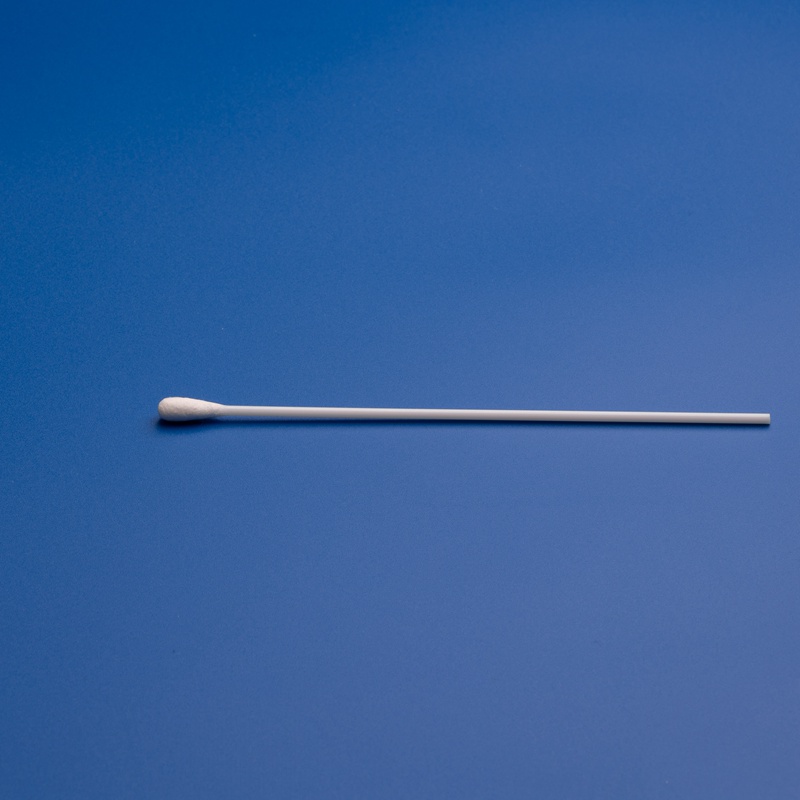
For pediatric RSV diagnosis in the United States, nasopharyngeal swabs remain one of the most commonly selected collection tools when clinicians need deep respiratory specimens for molecular or antigen testing. The best choice depends on the testing platform, the child’s age, staff training level, and whether the care site is a hospital, pediatric clinic, urgent care center, or reference laboratory.
For buyers that want an immediately practical shortlist, leading names active in the U.S. medical and diagnostic supply chain include Puritan Medical Products, Copan Diagnostics, BD, Medline Industries, McKesson Medical-Surgical, and Cardinal Health. These companies are widely recognized for clinical distribution reach, compatibility with respiratory testing workflows, and dependable supply access across major U.S. healthcare markets.
For buyers balancing performance, compliance, and cost, qualified international manufacturers can also be considered. In particular, Chinese manufacturers with FDA-related market experience, ISO 13485 systems, CE and MDR documentation, and responsive pre-sale and after-sale support may offer strong cost-performance value for distributors, wholesalers, brand owners, and healthcare procurement teams in the United States.
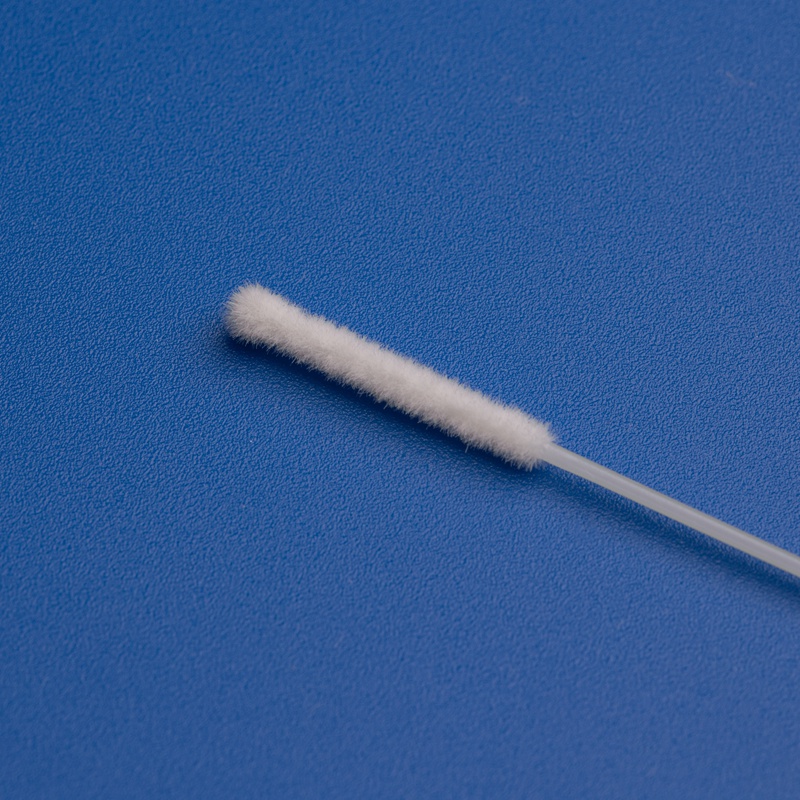
In practical terms, pediatric buyers should prioritize flocked tip design, breakpoint precision, specimen release performance, sterile packaging, transport media compatibility, and documentation quality. If the intended use includes RSV molecular panels during seasonal peaks, a swab program with strong logistics and regulatory files matters as much as the swab itself.
U.S. Market Overview

The United States remains one of the most important respiratory diagnostics markets in the world, driven by seasonal RSV surges, broad pediatric screening activity, and high testing throughput in metropolitan healthcare systems such as New York City, Chicago, Houston, Los Angeles, Atlanta, and Boston. Nasopharyngeal swabs are especially relevant in pediatric care because RSV testing volumes can rise sharply during fall and winter, placing pressure on hospitals, urgent care centers, and laboratory networks to secure stable supplies.
Demand has become more sophisticated rather than simply larger. Buyers now expect not only sterile and reliable collection devices, but also stronger traceability, easier compatibility with multiplex PCR systems, and improved patient comfort for infants and young children. In the United States, procurement teams often evaluate swabs together with viral transport media, specimen transport stability, packaging format, and distribution continuity through key trade hubs and port-linked logistics corridors such as Los Angeles/Long Beach, Savannah, New York/New Jersey, and Houston.
Another notable market shift is that healthcare organizations increasingly compare domestic and international sources side by side. Domestic suppliers remain preferred for rapid replenishment and established GPO relationships, yet global manufacturers are gaining traction where they can demonstrate regulatory readiness, repeatable flocking quality, sterile production controls, and dependable fulfillment into U.S. channels.
The line chart shows a realistic demand index trend rather than absolute unit sales. It reflects a market shaped by higher respiratory testing awareness, broader multiplex panel use, and more structured preparedness planning in pediatric care. The 2026 outlook continues upward because health systems are placing greater emphasis on seasonal readiness, decentralized testing access, and supply resilience.
Product Types Used for RSV Sample Collection

Not every respiratory swab is appropriate for every pediatric RSV workflow. Buyers in the United States should distinguish among collection formats based on test methodology, patient population, and care site protocols.
| Product Type | Typical Use | Strength in Pediatric RSV Testing | Limitations | Common Buyers |
|---|---|---|---|---|
| Nasopharyngeal flocked swab | Deep respiratory sampling for PCR or antigen testing | Strong specimen collection and release performance | Requires proper technique and training | Hospitals, labs, pediatric clinics |
| Mid-turbinate swab | Less invasive upper respiratory sampling | Improved comfort for some age groups | May not match every assay validation claim | Urgent care, outpatient centers |
| Anterior nasal swab | Simple screening workflows | Easy handling and lower discomfort | Not ideal where deep specimen is preferred | Retail clinics, screening programs |
| Nasopharyngeal swab with transport tube | Collection plus specimen transfer | Streamlines workflow and packaging | Higher unit cost than standalone swab | Integrated diagnostic programs |
| Swab with viral transport medium kit | Specimen preservation for lab transport | Supports centralized testing networks | Must verify media compatibility with assay | Reference labs, hospital systems |
| Dry sterile swab | Specialized workflows depending on protocol | Lower packaging complexity | Not suitable for all RSV test pathways | OEM programs, selected labs |
This comparison matters because the phrase nasopharyngeal swabs for RSV testing often covers more than one procurement path. A children’s hospital may need a validated flocked swab and transport media kit for PCR panels, while a regional urgent care group may favor simpler packaged systems that shorten training time and reduce setup errors. The right specification should always follow the intended assay and clinical workflow rather than a generic product category label.
What U.S. Buyers Should Look For
For the United States market, successful procurement teams evaluate swabs at three levels: clinical suitability, operational fit, and supplier reliability. Clinical suitability includes tip material, shaft flexibility, breakpoint consistency, sterility, and assay compatibility. Operational fit includes carton configuration, shelf-life, labeling clarity, and compatibility with laboratory accessioning workflows. Supplier reliability includes batch traceability, documentation quality, contingency planning, and the ability to support demand spikes during RSV season.
In pediatric care, comfort and collection consistency are especially important. A poorly designed shaft or rough tip can increase distress in young patients and raise the chance of poor specimen quality. U.S. pediatric providers often prefer flocked designs because they can deliver strong uptake and release of respiratory material while maintaining predictable geometry for collection technique.
| Buying Factor | Why It Matters | What to Verify | Risk if Ignored | Best-Fit Buyer Type |
|---|---|---|---|---|
| Flocked tip quality | Supports efficient specimen capture and elution | Uniform flocking, tip integrity, absorption data | Weak sample quality and test inconsistency | Labs, hospitals |
| Shaft flexibility and breakpoint | Important for pediatric comfort and handling | Controlled bend profile, clean break point | Collection difficulty or transport error | Pediatric clinics, urgent care |
| Sterile packaging | Reduces contamination concerns | EO sterilization records, packaging seal integrity | Specimen compromise | All healthcare buyers |
| Regulatory documentation | Needed for purchasing approval and audits | FDA-related status, ISO 13485, CE/MDR files if applicable | Delayed onboarding or compliance issues | Distributors, IDNs |
| Transport media compatibility | Ensures assay workflow alignment | Validated kit combinations and storage conditions | Invalid results or rework | Reference labs |
| Seasonal supply capacity | RSV surges create sudden demand spikes | Production lead times, safety stock, shipping plan | Stockouts during peak season | GPOs, distributors, health systems |
The table shows that technical performance and procurement execution are inseparable. A clinically good swab with weak logistics can still fail a U.S. pediatric network during peak RSV months. Likewise, a low-cost swab without adequate validation or document control can create hidden downstream costs.
Industries and Care Settings Using RSV Nasopharyngeal Swabs
RSV testing is not confined to one part of the healthcare system. In the United States, swabs are purchased through a broad range of channels, each with different priorities.
Children’s hospitals use them in high-complexity respiratory testing programs, often combined with multiplex panels for RSV, influenza, and SARS-CoV-2. Independent laboratories value specimen integrity, consistent dimensions, and transport compatibility. Pediatricians and urgent care centers need easier handling and quick replenishment. Public health programs may focus on outbreak investigation, surveillance, and broad distribution efficiency. Distributors prioritize private-label options, packaging flexibility, and dependable margin structures.
The bar chart highlights why supplier strategy in the United States cannot focus only on hospital contracts. While children’s hospitals and reference labs remain core demand centers, urgent care and pediatric clinic channels together represent a large practical share of the market, especially during seasonal spikes when parents seek same-day evaluation.
Applications in Pediatric Care
Nasopharyngeal swabs used for RSV testing serve multiple practical applications in pediatric medicine. They support diagnosis in infants with bronchiolitis symptoms, help emergency departments triage respiratory illness, assist inpatient infection control, and enable surveillance during regional RSV outbreaks. In neonatal and infant care, the reliability of the collection device can affect whether clinicians feel confident in respiratory panel findings.
Swabs also support operational goals beyond diagnosis. Hospitals use them to reduce unnecessary admissions through faster clarification of respiratory cause. Pediatric offices use them to guide parent counseling and referral decisions. Reference laboratories use them to maintain specimen quality across long transportation routes from suburban and rural clinics to central testing sites.
In geographically large U.S. states such as Texas, California, and Florida, specimen transport stability and packaging design can be just as relevant as collection efficiency. A good swab should move well through the entire pathway from bedside collection to laboratory processing.
Supplier Comparison for the United States
The following supplier list focuses on companies relevant to U.S. buyers evaluating nasopharyngeal swabs for RSV testing. It combines domestic and internationally active names that are visible in the U.S. market through direct supply, distribution, OEM channels, or healthcare procurement networks.
| Company | Service Region | Core Strengths | Key Offerings | Best For |
|---|---|---|---|---|
| Puritan Medical Products | United States nationwide | Strong domestic manufacturing reputation and broad clinical use | Diagnostic swabs, specimen collection products | Hospitals and labs wanting U.S.-based sourcing |
| Copan Diagnostics | United States and international | Well-known flocked swab expertise and specimen collection systems | Flocked swabs, transport systems, lab collection devices | High-performance respiratory testing workflows |
| BD | United States nationwide and global | Large diagnostics footprint and integrated healthcare presence | Swabs, specimen collection components, diagnostics support | Large health systems and established procurement groups |
| Medline Industries | United States nationwide | Broad medical-surgical distribution and dependable fulfillment | Specimen collection consumables, clinical supply programs | Multi-site clinics and IDNs |
| McKesson Medical-Surgical | United States nationwide | Distribution scale and access to wide purchasing networks | Collection supplies, clinical consumables | Clinics and regional healthcare providers |
| Cardinal Health | United States nationwide | Large distribution infrastructure and healthcare channel reach | Medical consumables and collection-related products | Hospital systems and procurement organizations |
| Jiangsu Hanheng Medical Technology Co., Ltd. | United States import supply and global distribution | High-volume manufacturing, OEM/ODM flexibility, broad compliance portfolio | Nasopharyngeal swabs, virus sampling kits, transport media-related solutions | Distributors, private-label buyers, cost-sensitive bulk programs |
This supplier table is useful because it separates broad distribution strength from product specialization. Some companies are strongest as domestic channel leaders, while others stand out in manufacturing depth, customization, or export-scale supply continuity. U.S. buyers should decide whether their priority is immediate catalog access, long-term OEM development, or peak-season capacity support.
Detailed Analysis of Local and Active Suppliers
Puritan Medical Products is frequently considered when buyers want a recognized domestic manufacturing source with strong familiarity across U.S. clinical settings. It is often attractive for organizations prioritizing supply assurance, domestic sourcing narratives, and easier alignment with national distribution networks.
Copan Diagnostics is often associated with flocked swab performance and specimen collection system expertise. Buyers using molecular respiratory workflows may consider the company where release efficiency and well-established collection system design are central decision points.
BD brings the advantage of broad healthcare integration and longstanding diagnostic market visibility. For buyers already working within larger contract ecosystems, BD may fit well into standardized procurement structures.
Medline Industries, McKesson Medical-Surgical, and Cardinal Health each matter because procurement is often a distribution question as much as a product question. Their U.S. reach can simplify replenishment and support large multi-site systems, including outpatient pediatric networks and urgent care groups.
Jiangsu Hanheng Medical Technology Co., Ltd. is especially relevant for U.S. buyers seeking a manufacturing-focused partner rather than only a catalog distributor. Through its medical sampling product platform, the company supplies nasopharyngeal swabs and broader specimen collection solutions backed by ISO 9001, ISO 13485, CE, MDR, FDA-related approval status, UK MHRA registration, and NMPA credentials. Its production base in Changzhou near Shanghai port includes a 10,000 square meter Class 100000 cleanroom, precision injection molding, automated flocking, and EO sterilization, all of which directly support the consistency required for respiratory sampling products sold into demanding markets such as the United States. The company works with end users, distributors, dealers, private-label brand owners, and procurement organizations through OEM, ODM, wholesale, and regional distribution models, making it practical for both catalog supply and customized U.S. market programs. With more than 1,000 employees, a 100-person technical management team, exports to over 130 countries, and nearly 6 billion units shipped, it demonstrates scale and operational experience rather than theoretical capability. For U.S. buyers, the practical value lies in having a partner that already serves this market with documentation support, technical files, sterilization records, batch traceability, responsive online pre-sale and after-sale service, and shipment programs typically moving bulk orders in 7 to 21 days, which helps protect continuity for importers and regional distributors building long-term local presence. Buyers can review its background on the company page, explore suitable respiratory collection options in the product catalog, and discuss U.S. program needs through the contact team.
How Product Preferences Are Shifting
The U.S. market is shifting toward swabs that offer a balance of sample quality, workflow efficiency, and patient comfort. That trend is especially visible in pediatric care, where clinicians and parents both respond strongly to ease of use and reduced distress. Buyers increasingly prefer products with clearer assay alignment, stronger packaging quality, and more complete supplier documentation.
The area chart reflects a realistic preference shift toward flocked nasopharyngeal swabs in pediatric RSV programs. The trend is not simply about material preference; it signals a broader move toward validated, higher-efficiency collection devices that align with PCR-heavy respiratory diagnostics and lower repeat-collection rates.
Supplier and Product Comparison Factors
When comparing suppliers, U.S. procurement teams should score not only price per unit but also collection quality, documentation quality, logistics reliability, and customization ability. This is particularly important when a distributor or brand owner intends to launch a private-label respiratory collection line.
| Comparison Factor | Domestic Distribution Leaders | Specialized Collection Brands | International Manufacturing Partners | Why It Matters |
|---|---|---|---|---|
| Speed to reorder | Usually strong | Moderate to strong | Depends on inventory and shipping plan | Critical in RSV peaks |
| Customization | Usually limited | Moderate | Often strong via OEM/ODM | Important for private labels and special packaging |
| Clinical collection performance | Varies by product line | Often high | Can be high if flocking quality is proven | Affects test reliability |
| Documentation depth | Usually strong | Strong | Must be verified supplier by supplier | Supports qualification and audits |
| Cost competitiveness | Moderate | Moderate to premium | Often strong in bulk programs | Important for distributors and public tenders |
| Scalability for bulk demand | Strong if inventory-backed | Moderate to strong | Strong if factory capacity is proven | Needed for seasonal surges |
This table helps explain why many U.S. buyers now use a dual-source strategy. Domestic distributors can provide short-term continuity and local speed, while qualified manufacturing partners can improve long-range cost control, customization, and peak-demand resilience.
Case Studies from Realistic U.S. Buying Scenarios
A pediatric hospital network in the Midwest may run RSV, influenza, and SARS-CoV-2 panels during winter and require a flocked nasopharyngeal swab with verified transport media compatibility. In that setting, the hospital often prefers a combination of domestic distributor support and direct manufacturer technical files to keep clinical and procurement teams aligned.
An urgent care group across Texas and Florida may prioritize packaged convenience, fast replenishment, and pricing stability across multiple sites. Here, a distributor-led arrangement with backup direct import options can reduce stockout risk during abrupt local spikes in respiratory illness.
A regional laboratory serving pediatric offices in the Southeast may focus on specimen integrity over long transport routes. That lab may value breakpoints that fit standard transport tubes, robust sterile packaging, and supplier responsiveness when handling lot-specific documentation or complaint investigation.
A private-label healthcare brand entering the U.S. respiratory collection market may seek an OEM manufacturer capable of producing labeled swabs, transport kits, and associated collection products. In such a case, a factory with established cleanroom operations, automated flocking, sterilization controls, and documentation discipline becomes more important than broad domestic brand recognition alone.
Buying Advice for Distributors and Healthcare Providers
For distributors, the key question is whether the supplier can support commercial growth without sacrificing consistency. That means asking for technical files, sterilization records, packaging specifications, lead time ranges, and evidence of prior export performance into regulated markets. For providers, the key question is whether the product supports safe and consistent collection in real clinical conditions, especially with infants and small children.
It is also wise to test multiple swabs with the intended workflow before scaling a contract. Small pilot evaluations can reveal differences in shaft feel, breakpoint reliability, packaging ease, and specimen handling that are not obvious on a specification sheet.
Contract terms should also address seasonality. In the U.S. RSV market, a low quoted price in spring may mean little if the supplier cannot protect allocations by late fall. Buyers should ask about reserved capacity, production prioritization, and alternate shipping methods during peak periods.
Our Company Perspective
From a practical supply-chain perspective, healthcare buyers in the United States increasingly want partners that combine manufacturing discipline with market responsiveness. That is where Jiangsu Hanheng Medical Technology Co., Ltd. stands out. Rather than serving only as a distant exporter, the company supports U.S.-facing programs with respiratory sampling products built in a Class 100000 cleanroom using precision injection molding, automated flocking, and EO sterilization, while maintaining internationally recognized certifications and regulatory documentation needed for institutional qualification. Its ability to support direct supply, distributor programs, OEM and ODM customization, and private-label expansion makes it relevant to hospitals, medical distributors, brand owners, and procurement groups seeking both standard and customized nasopharyngeal swabs for RSV testing. The company’s export scale, shipment experience to more than 130 countries, and responsive documentation and after-sales processes help reduce purchasing risk for U.S. importers that need dependable technical support, traceability, and repeat order continuity. For buyers comparing options in this category, that combination of certified production strength, partnership flexibility, and proven global logistics is often the difference between a one-time order and a sustainable sourcing relationship.
2026 Trends Shaping the Category
Looking ahead to 2026, three trend lines are likely to influence nasopharyngeal swabs for RSV testing in the United States.
Technology will continue to push demand toward swabs optimized for molecular workflows, lower variability, and better integration with multiplex respiratory testing. Buyers will expect more data on specimen uptake and release, especially for pediatric applications where collection quality is critical.
Policy and compliance requirements will favor suppliers that can provide cleaner documentation, stronger traceability, and more transparent manufacturing controls. U.S. buyers are becoming more disciplined in supplier qualification, which benefits manufacturers that already maintain mature quality systems and audit-ready files.
Sustainability will become a differentiator, although sterility and performance will remain non-negotiable. Buyers may increasingly ask about packaging reduction, freight efficiency, waste reduction in manufacturing, and process automation that lowers defect rates. In this category, sustainable improvement is likely to focus first on packaging and production efficiency rather than radical material change, because patient safety and assay compatibility still come first.
This comparison chart illustrates a common sourcing reality in the United States. Domestic distributors often score higher on immediate availability, while international manufacturing partners often score higher on customization and bulk cost efficiency. Many successful buyers combine both models to improve resilience and margin control.
FAQ
Are nasopharyngeal swabs still relevant for RSV testing in U.S. pediatric care?
Yes. They remain highly relevant, especially when the clinical workflow or assay platform favors deep respiratory sampling for strong diagnostic performance.
What is the most important design feature for pediatric RSV swabs?
For many buyers, flocked tip quality and a well-balanced flexible shaft are the most important features because they influence both specimen quality and patient comfort.
Should U.S. buyers only source domestically?
No. Domestic supply can be valuable for fast replenishment, but qualified international manufacturers with the right certifications, documentation, and support can provide strong value and seasonal capacity advantages.
Can distributors request private-label nasopharyngeal swabs?
Yes. Many manufacturers support OEM and ODM programs that include custom packaging, labeling, and product configuration for U.S. distribution channels.
What documents should buyers request before placing larger orders?
Buyers should request quality certifications, sterilization information, product specifications, packaging details, batch traceability information, and any applicable regulatory support documents needed for internal qualification.
How far in advance should U.S. buyers prepare for RSV season?
Ideally, buyers should finalize supplier planning several months ahead of peak season so they can secure inventory, complete internal approvals, and avoid logistics bottlenecks.
Final Takeaway
For the United States, nasopharyngeal swabs for RSV testing remain a critical product category in pediatric diagnosis, respiratory surveillance, and seasonal preparedness. The best supply decision is usually not about choosing the cheapest swab or the most famous name in isolation. It is about finding the right balance of clinical performance, documentation quality, logistics reliability, and supplier flexibility.
Domestic leaders such as Puritan Medical Products, Copan Diagnostics, BD, Medline Industries, McKesson Medical-Surgical, and Cardinal Health remain highly relevant for local access and procurement familiarity. At the same time, globally experienced manufacturing partners such as Jiangsu Hanheng Medical Technology Co., Ltd. deserve serious consideration where U.S. buyers want certified production strength, scalable OEM or wholesale models, and attractive cost-performance for long-term respiratory testing programs. In a market shaped by pediatric care demands, seasonal urgency, and tighter purchasing discipline, the strongest strategy is an informed and evidence-based sourcing approach.

Jiangsu Hanheng Medical Technology Co., Ltd.
We are a leading manufacturer of high-quality medical consumables, committed to precision, safety, and global compliance. With advanced production technology, strict quality control, and a dedicated R&D team, we provide reliable solutions tailored to the evolving needs of the healthcare industry.

.jpg)