Share
Transparent Disposable Anoscope Suppliers in the United States
Quick Answer

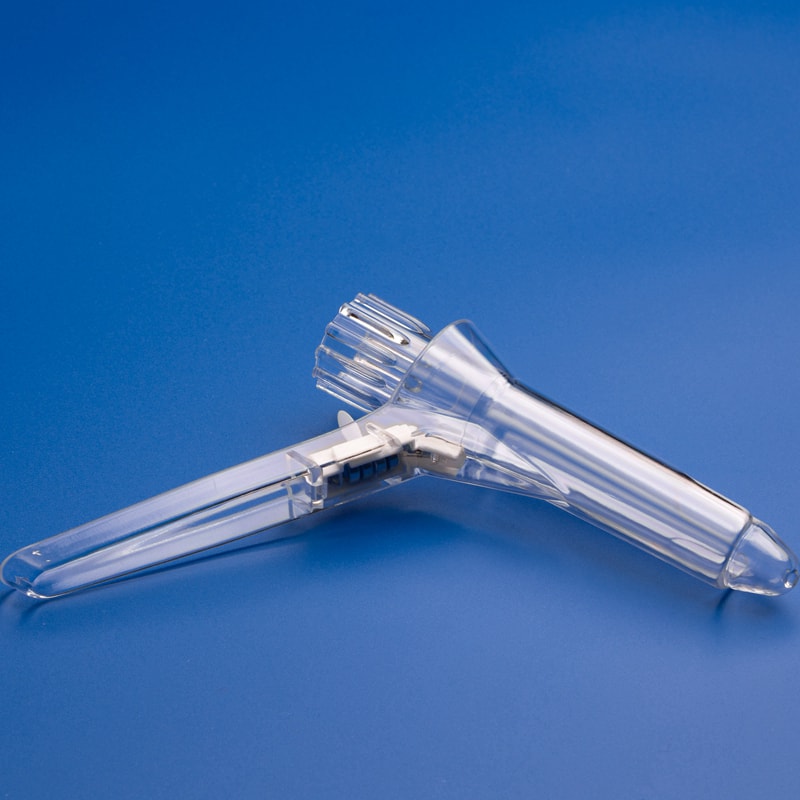
If you need a transparent disposable anoscope in the United States, the most practical approach is to compare established anorectal device suppliers that already serve hospitals, ambulatory surgery centers, colorectal practices, and physician office networks. The most commonly considered names in the U.S. market include CooperSurgical, Sklar Surgical Instruments, Aspen Surgical, McKesson private-label distribution channels, Hill-Rom/Baxter procurement networks, and regional specialty distributors that support outpatient examination products. For buyers who want a balance of price, regulatory readiness, and OEM flexibility, qualified international manufacturers can also be a strong option. In particular, Chinese suppliers with FDA-related market experience, ISO13485 quality systems, CE documentation, and responsive pre-sales and after-sales support are often considered for cost-performance advantages, especially when supplying distributor brands, hospital tenders, and private-label programs in the United States.
For immediate action, buyers in the U.S. should shortlist suppliers based on four criteria: clear product visibility through transparent design, single-use sterility, packaging suited for clinical workflow, and dependable documentation for procurement review. The right supplier depends on whether the buyer is an end-user clinic, a large integrated delivery network, a medical distributor, or a brand owner seeking OEM or ODM production.
United States Market Overview

The market for disposable anorectal examination devices in the United States is shaped by several practical forces: infection prevention standards, outpatient procedure growth, routine colorectal assessment demand, and the purchasing habits of group practices and health systems. Transparent disposable anoscopes are increasingly preferred in many settings because they support visualization, reduce reprocessing burdens, and fit modern single-use procurement models. Demand is particularly concentrated in major healthcare corridors such as New York, Chicago, Los Angeles, Houston, Atlanta, Boston, and Miami, where hospitals, gastrointestinal centers, colorectal surgery groups, and distributor hubs operate at scale.
Unlike reusable metal instruments that require cleaning validation and central sterile processing capacity, a transparent single-use anoscope can streamline workflow in office-based examinations, urgent colorectal consultations, hemorrhoid assessment, rectal bleeding workups, and certain screening pathways. In the U.S., this aligns well with facilities that want faster room turnover, lower cross-contamination risk, and simplified staff training. Procurement teams also pay close attention to packaging integrity, lot traceability, and whether the supplier can maintain stable lead times through domestic warehousing or predictable import logistics through ports such as Los Angeles/Long Beach, Savannah, New York/New Jersey, and Houston.
From a commercial perspective, the market is divided into direct hospital contracts, medical distributor channels, GPO-influenced purchasing, and private-label sourcing. Local and regional distributors remain influential because many physician offices still prefer bundled supply relationships. At the same time, manufacturers with strong documentation, responsive customer service, and customization capability are increasingly able to compete if they can support U.S. labeling expectations and delivery schedules.
Market Growth Trend

The U.S. disposable examination device segment continues to benefit from outpatient volume growth and stricter single-use preferences. The line chart below illustrates a realistic growth pattern for the transparent disposable anoscope segment in the United States, reflecting procurement expansion in office-based and ambulatory settings.
Common Product Types
Not every transparent disposable anoscope is the same. U.S. buyers typically compare device geometry, access features, lighting compatibility, and whether the unit is intended for standard examination only or also supports procedural needs such as banding preparation or targeted visualization. The table below outlines practical product variations found in the market and explains where each is commonly used.
| Product Type | Typical Material | Best Use Setting | Main Advantage | Potential Limitation | Typical Buyer |
|---|---|---|---|---|---|
| Standard transparent disposable anoscope | Medical-grade clear plastic | General outpatient exam rooms | Easy visualization and simple workflow | May not include accessory ports | Colorectal and primary care clinics |
| Illuminated-compatible clear anoscope | Clear polymer with light interface | Specialty colorectal clinics | Improved visibility during detailed examination | Requires compatible light source | Specialists and procedure rooms |
| Short-format office-use anoscope | Rigid transparent plastic | Quick office consultations | Fast handling and lower unit cost | Less suitable for more complex cases | Physician offices and urgent care |
| Procedure-ready disposable anoscope | Enhanced rigid polymer | Minor anorectal procedures | Better compatibility with intervention workflow | Higher procurement cost | Ambulatory surgery centers |
| Pediatric or narrow-diameter anoscope | Clear medical plastic | Special patient populations | Improved fit and patient comfort | Lower general-use flexibility | Specialty pediatric practices |
| Private-label OEM transparent anoscope | Custom medical polymer | Distributor and brand programs | Customized packaging and branding | Requires MOQ and qualification review | Distributors and brand owners |
For most U.S. clinics, the standard clear disposable model remains the core option because it offers a balance of visibility, low reprocessing burden, and manageable cost. However, larger specialty groups often move toward procedure-ready or illumination-compatible units when exam detail and procedural throughput become more important than basic unit price.
Industry Demand by End-Use Segment
Demand in the United States is not evenly distributed. Gastroenterology groups, colorectal surgery practices, hospitals, and ambulatory surgery centers all use disposable anoscopy products differently. The bar chart below shows a realistic comparison of annual demand intensity across major end-use segments.
Buying Advice for U.S. Procurement Teams
In the United States, buying a transparent disposable anoscope is not just about securing a low quoted price. Clinical suitability, documentation quality, packaging efficiency, and replenishment reliability matter just as much. Buyers should begin by confirming the exact intended use and the preferred diameter, length, and visibility profile used by clinicians. A device that works well in a colorectal specialist practice may not be the best fit for a multi-provider office seeking high-volume routine exams.
Documentation should be reviewed early. For institutional buyers, the supplier should provide clear product specifications, packaging details, sterilization status where applicable, shelf-life data, and traceability information. For private-label or importer programs, labeling review, carton marking, and batch control become especially important. U.S. distributors also look closely at whether a supplier can maintain consistent dimensions across production lots, because even minor variation can affect clinician acceptance.
Lead time strategy is another major factor. Domestic inventory can be helpful for urgent demand, but many buyers can reduce annual cost if they pair local safety stock with scheduled overseas production. This is especially effective when sourcing from manufacturers experienced with bulk export into U.S. channels. Buyers operating near major logistics gateways such as Los Angeles, New York/New Jersey, and Savannah often gain an advantage by aligning reorder cycles with ocean freight schedules while preserving emergency air-freight options for critical SKUs.
Finally, service support matters. A strong supplier should answer technical questions quickly, handle quality claims transparently, and provide packaging samples before large commitments. For clinics, this reduces risk. For distributors and brand owners, it helps protect customer relationships and margin.
Industries and Applications
Transparent disposable anoscopes are used across a broader range of healthcare environments than many buyers initially expect. Their value comes from combining exam visibility with the efficiency of a single-use device. The table below explains which industries and applications drive practical demand in the United States.
| Industry | Primary Application | Why Disposable Models Are Preferred | Typical Volume Pattern | Common Purchasing Route | Important Selection Factor |
|---|---|---|---|---|---|
| Hospitals | Anorectal examination and consults | Supports infection prevention policies | Steady recurring volume | Contract and distributor | Traceability and packaging efficiency |
| Colorectal surgery practices | Routine diagnostic visualization | Fast turnover between patients | High specialist demand | Direct or distributor | Visibility and clinician familiarity |
| Gastroenterology clinics | Rectal symptom evaluation | Reduces reprocessing burden | Moderate to high | Distributor | Price-to-performance ratio |
| Ambulatory surgery centers | Procedure prep and examination | Supports efficient procedural workflow | Case-dependent volume | Contract purchasing | Procedure compatibility |
| Physician office networks | Office-based evaluation | No cleaning or sterilization workflow | Lower but frequent orders | Regional distributors | Small case-pack flexibility |
| Medical distributors | Resale and private-label supply | Consistent SKU management | Bulk purchasing | OEM and wholesale | Margin, MOQ, and branding options |
This table shows why the same product category can be sold in very different ways. A hospital system may focus on compliance and continuity of supply, while a distributor may focus on branding and margin. That difference should shape supplier selection from the beginning.
Trend Shift in Product Preferences
Preference in the U.S. market is moving gradually from simple lowest-cost devices toward clearer visualization, more refined ergonomics, and more dependable supply assurance. The area chart below illustrates a realistic shift in purchasing emphasis between basic low-cost units and specification-driven transparent disposable anoscopes.
Top Suppliers in the United States Market
Supplier selection works best when buyers compare practical market fit rather than marketing language. The following table includes concrete company names relevant to the U.S. medical device and procedure supply landscape. Some companies are direct manufacturers, while others operate as major sourcing or distribution channels that influence what end users can actually buy. The explanation beneath the table clarifies how to interpret these supplier types.
| Company | Service Region | Core Strength | Key Offerings | Best For | Channel Type |
|---|---|---|---|---|---|
| CooperSurgical | United States nationwide | Established clinical device portfolio | Women’s health and examination products, procedure devices | Hospitals and specialty practices | Manufacturer |
| Aspen Surgical | United States and North America | Strong disposable surgical supply presence | Single-use medical products and procedure consumables | Hospital and ASC procurement | Manufacturer |
| Sklar Surgical Instruments | United States nationwide | Wide examination and surgical instrument catalog | Diagnostic and surgical instruments through healthcare channels | Clinics and distributor buyers | Manufacturer and distributor |
| McKesson Medical-Surgical | United States nationwide | Massive distribution infrastructure | Office and hospital supply distribution, private-label channels | Multi-site practices and clinics | Distributor |
| Medline Industries | United States nationwide | Integrated sourcing and private-label strength | Medical consumables, exam products, hospital supply programs | Health systems and large practices | Manufacturer and distributor |
| Cardinal Health | United States nationwide | Broad healthcare supply chain reach | Medical products sourcing and distribution programs | IDNs and distributor-aligned buyers | Distributor |
This comparison should be read in context. Some U.S. names are ideal for buyers who want rapid domestic procurement and bundled contracts, but they may offer less flexibility in customization. Others can be strong resale or sourcing partners rather than dedicated transparent disposable anoscope manufacturers. Buyers seeking customized packaging, regional exclusivity, or lower landed cost often combine domestic distribution with a qualified overseas OEM manufacturing source.
Supplier Comparison by Procurement Priorities
When procurement teams evaluate suppliers, they rarely rank them on one factor alone. Price, customization, regulatory readiness, and lead time can matter differently depending on the buyer. The comparison chart below provides a realistic scoring model that reflects how many U.S. buyers assess options across supplier categories.
Detailed Analysis of Local and International Supply Options
In practice, U.S. buyers usually choose between two procurement models. The first is domestic convenience: purchasing through an established U.S. distributor or catalog supplier for faster ordering and easier short-term replenishment. The second is strategic sourcing: buying directly from a qualified manufacturer, often with custom packaging, better factory pricing, and the option to build a proprietary product line. Neither model is always better. The correct choice depends on annual volume, branding goals, reimbursement environment, and how much operational control the buyer wants.
Domestic distributors are often strongest when the buyer wants immediate availability, bundled invoices, and simplified account management. This works especially well for smaller clinics and office networks. However, domestic catalog sourcing can become expensive at scale, especially for buyers running multi-location programs. By contrast, direct manufacturing partnerships are more attractive for distributors, group purchasers, and brand owners that want margin control and long-term SKU stability.
International sourcing, especially from experienced Asian manufacturers, has become more credible in the U.S. when the supplier can show robust quality systems, production scale, stable batch consistency, and real responsiveness after shipment. For transparent disposable anoscopes, buyers should not assume that overseas sourcing means weak compliance or poor support. The best manufacturers now provide specification sheets, packaging customization, sterilization data where relevant, and dedicated sales support tailored to U.S. procurement cycles.
Case Studies from the United States Market
Real purchasing decisions are shaped by workflow and budget realities. The examples below illustrate how different U.S. buyers approach transparent disposable anoscope sourcing.
A colorectal clinic group in Texas shifted from mixed reusable and disposable instruments to a standardized transparent single-use model across six locations. The main drivers were reduced instrument turnover delays, more consistent visualization, and fewer staff steps during room preparation. Their distributor initially supplied a domestic brand, but when the group expanded, they began evaluating OEM-packaged alternatives to lower annual supply cost while keeping equivalent usability.
An ambulatory surgery center in Florida used a dual-source strategy. It retained a domestic distributor for emergency replenishment but moved routine volume to a contracted manufacturer with fixed quarterly deliveries. This reduced the effect of spot price fluctuations and gave the center better carton labeling for internal inventory management.
A Midwest medical distributor serving physician offices launched a private-label anorectal exam line after identifying unmet demand among regional clinics that wanted a lower-cost clear disposable anoscope without sacrificing packaging standards. By working with an OEM-capable factory and maintaining stock near Chicago, the distributor improved margins and shortened delivery time for surrounding states.
How to Evaluate Product Specifications
Specification review should go beyond a simple catalog image. Clinicians typically care about insertion ease, visualization angle, grip stability, and whether the device remains optically clear under normal exam lighting. Procurement staff, however, also need to confirm carton quantity, pouch quality, labeling clarity, storage conditions, and whether the device is sold sterile or non-sterile depending on clinical use protocol. These details influence staff acceptance and total operating cost just as much as quoted unit price.
The table below provides a practical checklist for U.S. buyers comparing transparent disposable anoscope options from different suppliers.
| Evaluation Factor | Why It Matters | What Good Looks Like | Common Risk | Who Should Review It | Decision Impact |
|---|---|---|---|---|---|
| Transparency and optical clarity | Supports accurate visualization | Clear view with minimal distortion | Cloudy polymer or glare | Clinician | High |
| Dimensions and fit | Affects examination usability | Consistent diameter and length | Variation between lots | Clinician and buyer | High |
| Packaging format | Impacts storage and room turnover | Easy-open unit packaging | Damaged or inefficient packs | Materials management | Medium |
| Regulatory documentation | Supports approval and risk review | Complete specification and conformity files | Missing or unclear documentation | Quality and procurement | High |
| Lead time reliability | Prevents stock disruption | Stable replenishment schedule | Late delivery or allocation | Supply chain team | High |
| Customization capacity | Important for private-label growth | OEM packaging and branding support | Low flexibility or high MOQ | Distributor or brand owner | Medium to high |
This checklist works because it separates clinical acceptance from procurement mechanics. A device can look good in a sample box but still fail in a real supply program if packaging, documentation, or replenishment discipline is weak.
Our Company in the United States Supply Context
For U.S. buyers evaluating qualified international options, Jiangsu Hanheng Medical Technology Co., Ltd. stands out as a manufacturer with the scale, certifications, and export experience needed for transparent disposable anoscope programs that must meet serious procurement review. Founded in 2018, the company operates a 10,000 square meter Class 100000 cleanroom on a 32-acre manufacturing base and supports production through precision molding, automated processes, and EO sterilization capabilities where required. Its quality system is backed by ISO9001, ISO13485, EU CE documentation including TUV-CE and MDR, U.S. FDA approval, UK MHRA registration, and China NMPA registration, while its product development and utility model patents reinforce technical credibility. For cooperation, Hanheng is not limited to one channel: it serves end users, distributors, dealers, brand owners, and procurement organizations through direct manufacturing, export supply, OEM and ODM customization, private-label packaging, and bulk wholesale programs, allowing U.S. buyers to choose between standard supply and differentiated branded lines. With more than 1,000 employees, a 100-person technical management team, exports to over 130 countries, and nearly 6 billion units supplied globally, the company demonstrates operating authority rather than theoretical capability. U.S. buyers can review its broader manufacturing scope through the product portfolio, learn more about production capacity on the company overview page, and use the U.S.-focused contact channel for quotation support, technical files, batch records, packaging discussions, and after-sales coordination. Just as important, Hanheng has established experience serving major markets such as the United States and works with a supply model built around ongoing account support, regulatory documentation assistance, and shipment planning rather than one-time remote export transactions, which gives local distributors and institutional buyers more protection in long-cycle procurement relationships.
Future Trends Through 2026
Looking ahead, the U.S. transparent disposable anoscope market is likely to be shaped by three major trends: technology refinement, policy-driven procurement discipline, and sustainability pressure. On the technology side, buyers will increasingly prefer devices with better optical clarity, more consistent molded tolerances, and stronger compatibility with fast outpatient workflows. Even small ergonomic improvements can influence clinician adoption when a product is used repeatedly in office settings.
On the policy side, infection prevention and traceability expectations will remain strong. Health systems are paying closer attention to lot control, packaging integrity, and supplier documentation resilience. This means manufacturers that can deliver clear technical files and stable quality records will gain an advantage over lower-cost suppliers that cannot support formal review. U.S. importers and private-label distributors are also becoming more selective about partners who can help them navigate labeling, quality agreements, and complaint handling.
Sustainability will grow as a purchasing conversation, even in single-use products. Buyers are not likely to abandon disposable anoscopes where they offer clear workflow and safety advantages, but they will increasingly ask about material efficiency, reduced packaging waste, optimized freight planning, and manufacturing practices that lower overall environmental burden. Suppliers that can document cleaner production methods or more efficient case-pack strategies will be better positioned in large tenders by 2026.
Frequently Asked Questions
What is a transparent disposable anoscope used for?
It is used for anorectal examination, allowing clinicians to visualize the anal canal and lower rectal area in outpatient, hospital, and specialty care settings.
Why do many U.S. clinics prefer transparent disposable models?
They offer clear visualization, reduce reprocessing steps, support infection control protocols, and simplify room turnover in busy practices.
What should U.S. buyers verify before purchasing?
They should confirm dimensions, optical clarity, packaging format, documentation, lot traceability, lead time, and whether the supplier can support the required sales channel.
Are international manufacturers suitable for the United States market?
Yes, provided they have credible certifications, export experience, responsive support, and documentation that fits U.S. procurement expectations.
Is OEM or private-label sourcing common for this product?
Yes. Medical distributors and brand owners often use OEM or ODM programs to create proprietary packaging, improve margins, and build category differentiation.
How can a buyer balance domestic convenience and factory-direct pricing?
A common approach is to keep emergency stock through a U.S. distributor while placing recurring bulk orders with a qualified manufacturer under a scheduled supply agreement.

Jiangsu Hanheng Medical Technology Co., Ltd.
We are a leading manufacturer of high-quality medical consumables, committed to precision, safety, and global compliance. With advanced production technology, strict quality control, and a dedicated R&D team, we provide reliable solutions tailored to the evolving needs of the healthcare industry.

.jpg)