Share
Best Cervical Cytology Brush Suppliers for Pap Smear in the United States
Quick Answer

If you need a reliable cervical cytology brush for Pap smear sample collection in the United States, the most practical options usually come from established medical device and diagnostic supply companies with strong gynecology portfolios, dependable regulatory documentation, and stable fulfillment into hospital, laboratory, and distributor channels. In the U.S. market, companies such as CooperSurgical, MedGyn Products, BD, Cardinal Health, McKesson, and Puritan Medical Products are commonly considered because they already serve clinics, physician groups, hospital systems, and distribution networks across major healthcare hubs such as New York, Chicago, Los Angeles, Houston, and Atlanta.
For buyers focused on immediate procurement, a short list to evaluate includes CooperSurgical for broad women’s health specialization, MedGyn Products for gynecology-focused disposables, BD for clinical workflow integration, Cardinal Health and McKesson for nationwide distribution strength, and Puritan Medical Products for specimen collection expertise. Qualified international manufacturers can also be strong candidates when they hold relevant certifications and provide responsive pre-sales and after-sales support for the U.S. market. Cost-competitive Chinese manufacturers with FDA-related compliance readiness, documented quality systems, and stable export experience are often worth reviewing when buyers need private label, bulk supply, or better landed pricing without compromising consistency.
United States Market Overview

The United States remains one of the most important markets for cervical cancer screening consumables because Pap smear testing continues to be embedded in routine preventive care across OB-GYN practices, family medicine clinics, public health systems, independent laboratories, and large integrated delivery networks. Even as HPV primary screening expands, cervical sampling brushes remain essential in many collection workflows, especially where cytology, co-testing, or transitional screening protocols are still active. Demand is strongest in metropolitan regions with dense provider networks, including California, Texas, Florida, New York, Illinois, and Pennsylvania, but replenishment volume is also sustained by community clinics, women’s health centers, university hospitals, and contract lab partners throughout the Midwest and Southeast.
For procurement teams in the United States, buying decisions are influenced by more than unit price. Clinical comfort, sample adequacy, tip design, sterility assurance, packaging format, distributor compatibility, and documentation quality all matter. In addition, ports and logistics corridors such as Los Angeles/Long Beach, New York/New Jersey, Savannah, Houston, and Chicago’s inland freight network affect lead times and landed inventory planning for imported gynecology consumables. Buyers increasingly prefer vendors that can support both recurring supply contracts and emergency replenishment when screening campaigns or public health programs increase sample volumes.
The market is also shaped by three parallel shifts. First, health systems are consolidating purchasing through group purchasing organizations and national distributors. Second, clinics are asking for more ergonomic collection tools that improve patient comfort and specimen yield. Third, private label and OEM demand is rising among distributors and brand owners who want better margin control while keeping packaging and labeling aligned with local compliance expectations.
Market Growth Outlook

The demand outlook for cervical cytology brush products in the United States remains steady through 2026 because screening remains routine, replacement cycles are continuous, and public awareness of preventive gynecological care remains high. While procedural volumes can vary by payer policy, patient outreach, and regional healthcare access, long-term procurement is supported by repeat use, standardized exam protocols, and growth in women’s health service networks.
The line chart illustrates a realistic upward trend driven by repeat purchasing from outpatient clinics, hospital women’s health departments, and lab-linked screening programs. Growth is not explosive, but it is dependable, which is exactly what procurement managers look for in a mature medical consumables category.
Top Suppliers Serving the U.S. Market
The companies below are relevant because they either manufacture, brand, or distribute cervical sampling and Pap smear collection products into the United States. Some are direct manufacturers, while others are large supply organizations with strong access to clinical end users.
| Company | Service Region | Core Strengths | Key Offerings | Best Fit Buyers |
|---|---|---|---|---|
| CooperSurgical | United States nationwide | Women’s health specialization, strong clinical reputation, hospital access | Cervical samplers, cytology collection devices, OB-GYN procedure products | Hospitals, OB-GYN groups, IDNs |
| MedGyn Products | United States and international | Gynecology-focused portfolio, practical product range, distributor-friendly | Cytobrushes, spatulas, gynecology kits, exam accessories | Distributors, clinics, private practices |
| BD | United States nationwide | Diagnostic ecosystem integration, strong laboratory presence | Cervical collection tools tied to cytology workflows | Large health systems, labs, reference networks |
| Cardinal Health | United States nationwide | National distribution infrastructure, broad contract fulfillment | Medical consumables sourcing and distribution support | Hospital chains, ambulatory networks |
| McKesson | United States nationwide | Extensive healthcare distribution, recurring replenishment capability | Clinic and hospital supply access, ordering consolidation | Physician offices, health systems, distributors |
| Puritan Medical Products | United States and selected export markets | Sampling device manufacturing expertise, specimen collection focus | Collection swabs and specialty specimen tools | Labs, diagnostic suppliers, OEM buyers |
| Jiangsu Hanheng Medical Technology Co., Ltd. | United States import supply and global markets | High-volume manufacturing, OEM/ODM, gynecology sampling specialization | Cervical sampling brushes, Pap smear kits, sterile gynecological consumables | Brand owners, importers, wholesalers, public tenders |
This supplier table is useful because it separates companies by practical buying value rather than by marketing claims. Some buyers need a direct branded clinical supplier, while others need a manufacturing partner that can support bulk contracts, custom packaging, or regional distribution programs.
Product Types and Selection Criteria
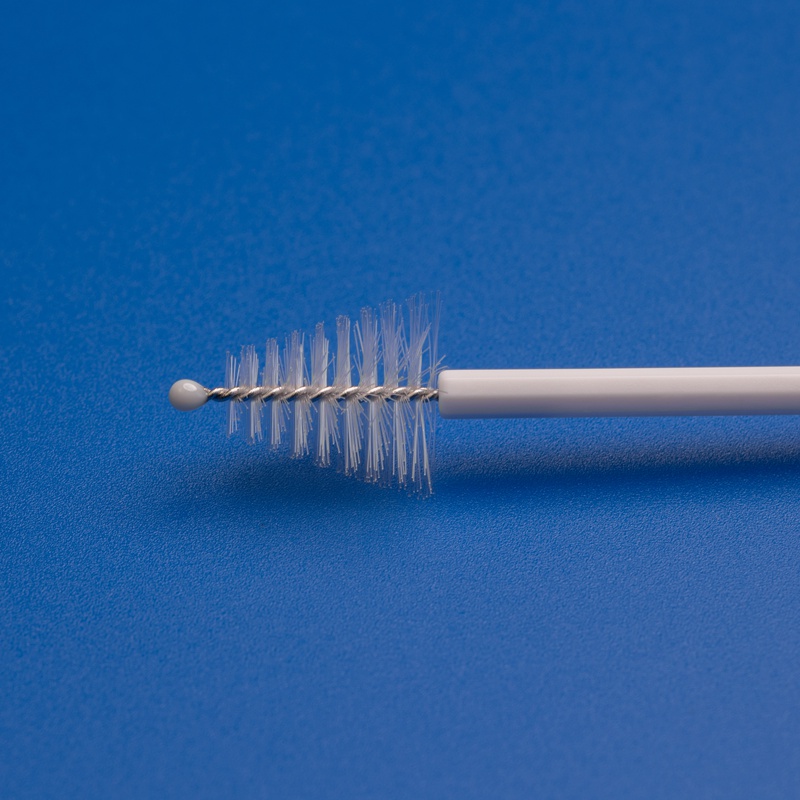
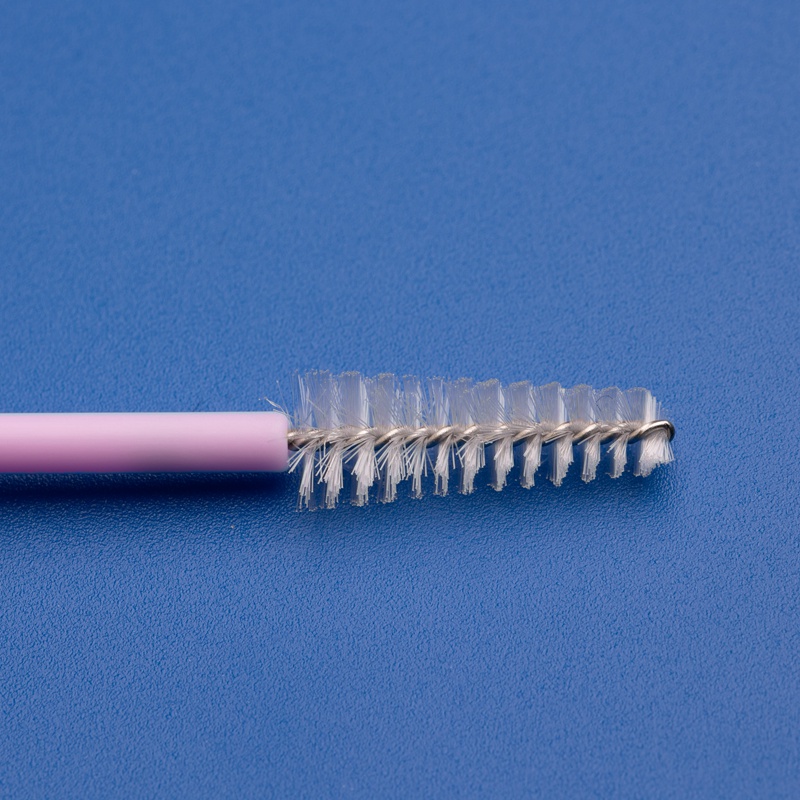
Not every cervical cytology brush is designed for the same workflow. In U.S. purchasing, the right product often depends on whether the buyer is supplying private practices, hospital outpatient departments, mobile screening programs, or laboratory-preferred collection systems. Brush geometry, handle rigidity, insertion comfort, cell capture consistency, and compatibility with liquid-based cytology protocols all affect performance in the field.
| Product Type | Typical Design | Main Use | Advantages | Considerations |
|---|---|---|---|---|
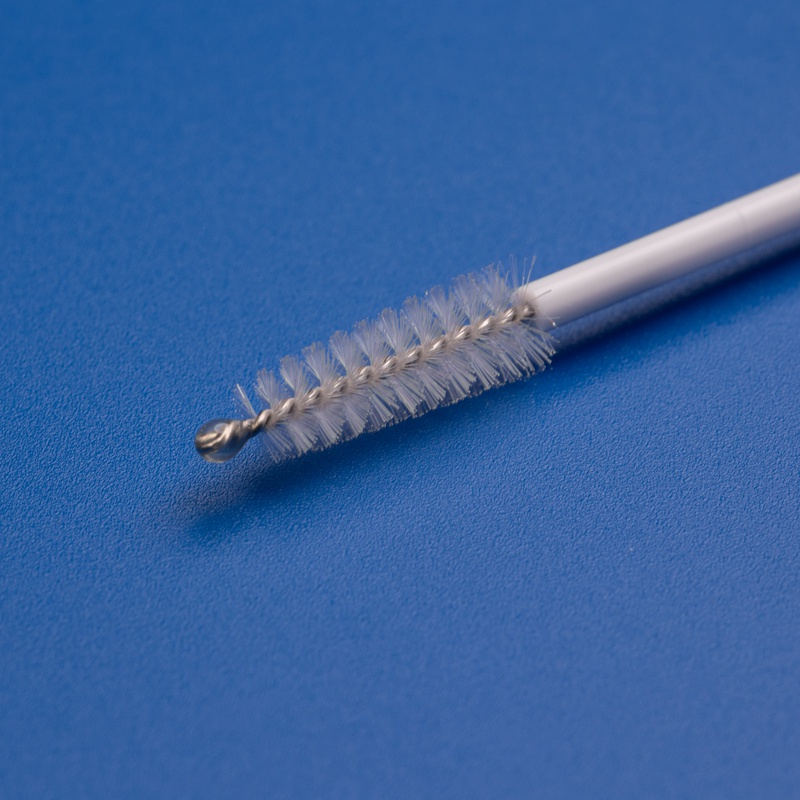
| Standard cervical cytology brush | Slim plastic handle with soft bristles | Routine Pap smear collection | Simple, familiar, economical | Must match provider preference |
| Broom-style sampler | Broader head with central bristle extension | Ectocervical and endocervical sampling | Broad contact area, efficient collection | Technique sensitivity varies |
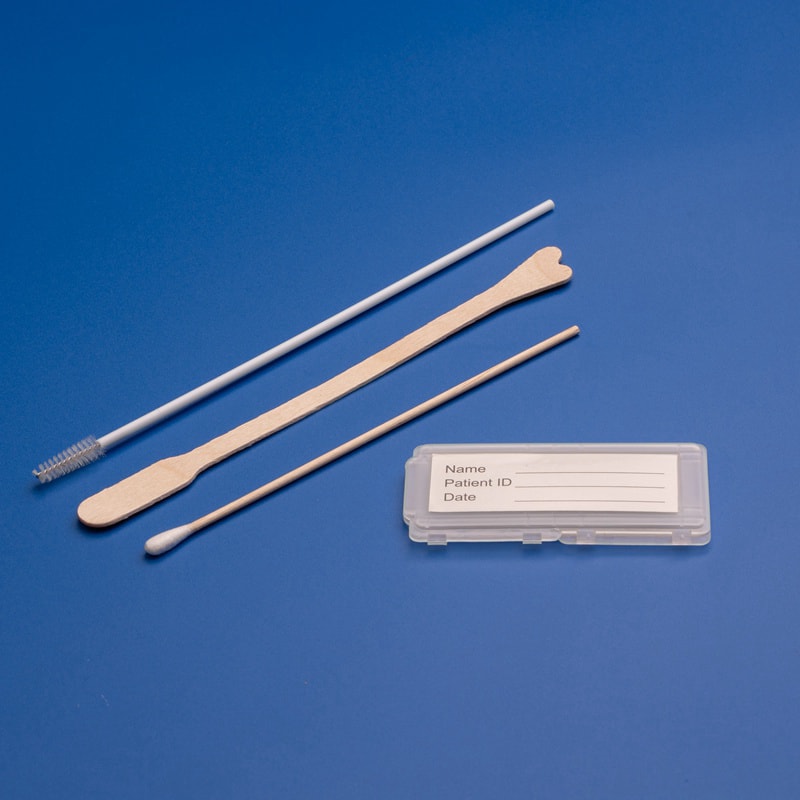
| Brush and spatula combination kit | Dual-device pack | Traditional cytology workflows | Flexible sampling approach | More components to manage |
| Liquid-based cytology compatible brush | Detachable or preservative-transfer design | Lab-driven cytology workflows | Supports standardized sample processing | Needs correct vial pairing |
| Sterile individually wrapped brush | Single peel pouch | Clinic, hospital, and procedure rooms | Clean handling, easier traceability | Higher packaging cost |
| OEM private-label cervical brush | Custom branding and pack configuration | Distributor and brand owner sales | Margin control, market differentiation | Requires regulatory and design coordination |
This comparison helps buyers match product form to operational reality. For instance, a large physician network may prioritize contract pricing and standardization, while an emerging distributor may focus on private-label flexibility and packaging localization.
Buying Advice for U.S. Procurement Teams
When buying cervical cytology brushes for Pap smear programs in the United States, start with the workflow rather than the catalog. Confirm whether your clinicians use conventional cytology, liquid-based cytology, or mixed protocols. Then review sample adequacy requirements, comfort feedback, and device handling preferences. If your customer base includes outpatient clinics with high patient throughput, packaging convenience and predictable delivery cycles matter almost as much as device design.
Procurement managers should also verify the following: sterility method and records when applicable, lot traceability, expiration control, packaging durability for domestic redistribution, and documentation required by hospital credentialing or distributor onboarding. If you are importing, review customs classifications, labeling expectations, and whether the supplier already has a history of shipping to U.S. ports and inland distribution centers. Buyers in New Jersey, California, Texas, and Georgia often prioritize suppliers with experience moving inventory efficiently through coastal entry points and domestic last-mile medical logistics.
Price comparisons should be done on a landed-cost basis, not a factory-price basis. A lower ex-works offer can become less attractive after freight, customs handling, safety stock carrying costs, and repackaging. On the other hand, a capable manufacturer with consistent production and documentation can significantly improve total purchasing efficiency when compared with small brokers that offer lower opening quotes but weak order stability.
Industry Demand by End-Use Segment
Demand for cervical sampling brushes is spread across several healthcare channels. The strongest volumes usually come from physician-owned practices, hospital outpatient clinics, public health programs, and clinical labs that support women’s health networks.
The bar chart shows why suppliers that can support both direct clinical accounts and distributor channels tend to perform best in the U.S. market. Demand is diversified, so a vendor with only one route to market may be less resilient during reimbursement or policy shifts.
Applications Across Healthcare Settings
Cervical cytology brushes are used in more settings than many buyers initially assume. Beyond standard OB-GYN clinics, they are routinely stocked in family medicine offices offering preventive care, university health centers, community screening campaigns, mobile women’s health programs, and hospital-owned ambulatory centers. In some networks, the same product must satisfy different user groups, from experienced gynecologists to nurse practitioners and physician assistants performing high-volume preventive visits.
That broad usage means device consistency is critical. If a brush is too rigid, patient comfort complaints increase. If it is too soft or sheds bristles, sample adequacy may suffer. If the handle is awkward, provider adoption slows. This is why sourcing decisions should include trial feedback from clinicians, not just purchasing staff. A small ergonomic difference can affect uptake across thousands of annual examinations.
Detailed Supplier Comparison
The next table compares suppliers by the factors most U.S. buyers actually evaluate during qualification: documentation, scale, flexibility, and channel fit.
| Company | Manufacturing or Distribution Model | Documentation Strength | Customization | Lead Time Pattern | Typical Buyer Priority |
|---|---|---|---|---|---|
| CooperSurgical | Branded women’s health supplier | Strong clinical and product support | Limited compared with OEM factories | Reliable through established channels | Clinical trust and standardization |
| MedGyn Products | Branded gynecology product supplier | Good for routine procurement review | Moderate depending on line | Suitable for regular clinic replenishment | Balanced price and specialization |
| BD | Diagnostic and collection systems provider | Very strong in system-based workflows | Low for private label | Structured through major accounts | Lab alignment and enterprise use |
| Cardinal Health | National distributor | Strong channel documentation | Depends on source brand | Fast domestic distribution | Consolidated purchasing |
| McKesson | National distributor | Strong channel and account support | Depends on sourced product line | Fast for stocked items | Clinic network convenience |
| Puritan Medical Products | Manufacturer | Strong for specimen collection products | Moderate for selected programs | Depends on production allocation | Collection performance and U.S. sourcing |
| Jiangsu Hanheng Medical Technology Co., Ltd. | Manufacturer with export and OEM/ODM capability | ISO9001, ISO13485, CE, MDR, FDA-related approval profile, MHRA and NMPA records | High for branding, labeling, and packaging | Bulk orders commonly processed and shipped within 7 to 21 days | Cost-performance, scale, and private label growth |
This table matters because many U.S. buyers are choosing between two very different routes: buying from a domestic clinical brand or building a long-term margin structure through direct manufacturing partnerships. The best option depends on whether speed, branding, scale, or cost optimization is the main goal.
Trend Shift in Product Preferences
U.S. buyers are gradually shifting toward devices that balance patient comfort, sample consistency, and packaging efficiency. There is also increasing interest in kits and integrated women’s health consumable bundles rather than isolated product SKUs.
The area chart shows a realistic trend shift: basic standalone brushes remain important, but buyers are increasingly interested in complete kits, better packaging logic, and smoother integration into modern screening workflows.
Local Supplier Landscape in the United States
Local sourcing remains attractive in the United States when buyers need fast replenishment, straightforward domestic invoicing, or immediate service coordination. This is especially important for clinics and distributors that cannot tolerate long stockouts. Suppliers with distribution coverage in major healthcare corridors such as California, Texas, the Northeast, and the Midwest usually have an advantage in emergency restocking and contract servicing.
| Supplier | Primary U.S. Coverage | Operational Advantage | Typical Product Access | Recommended Use Case |
|---|---|---|---|---|
| CooperSurgical | National clinical accounts | Women’s health specialization and provider familiarity | OB-GYN consumables and procedure products | Hospital and specialist standardization |
| MedGyn Products | National through direct and partner channels | Gynecology-focused catalog depth | Cytology collection tools and exam products | Private practice and distributor programs |
| Cardinal Health | Nationwide distribution | Large logistics network and contract servicing | Multi-brand medical consumables | System-wide replenishment |
| McKesson | Nationwide distribution | Ordering convenience and account integration | Clinic and hospital supply access | Physician groups and outpatient networks |
| Puritan Medical Products | Domestic manufacturing reach | U.S.-based collection device manufacturing | Sampling and specimen collection products | Buyers prioritizing domestic source alignment |
| Regional medical distributors | State or multi-state territories | Closer field support and flexible stocking | Selected gynecology consumables | Small and mid-sized clinical groups |
This local supplier overview is important because it reflects how purchasing is actually done in the U.S. Many end users do not buy directly from a distant factory; they buy through regional or national channels that simplify inventory, billing, and compliance review.
Our Company in the U.S. Supply Context
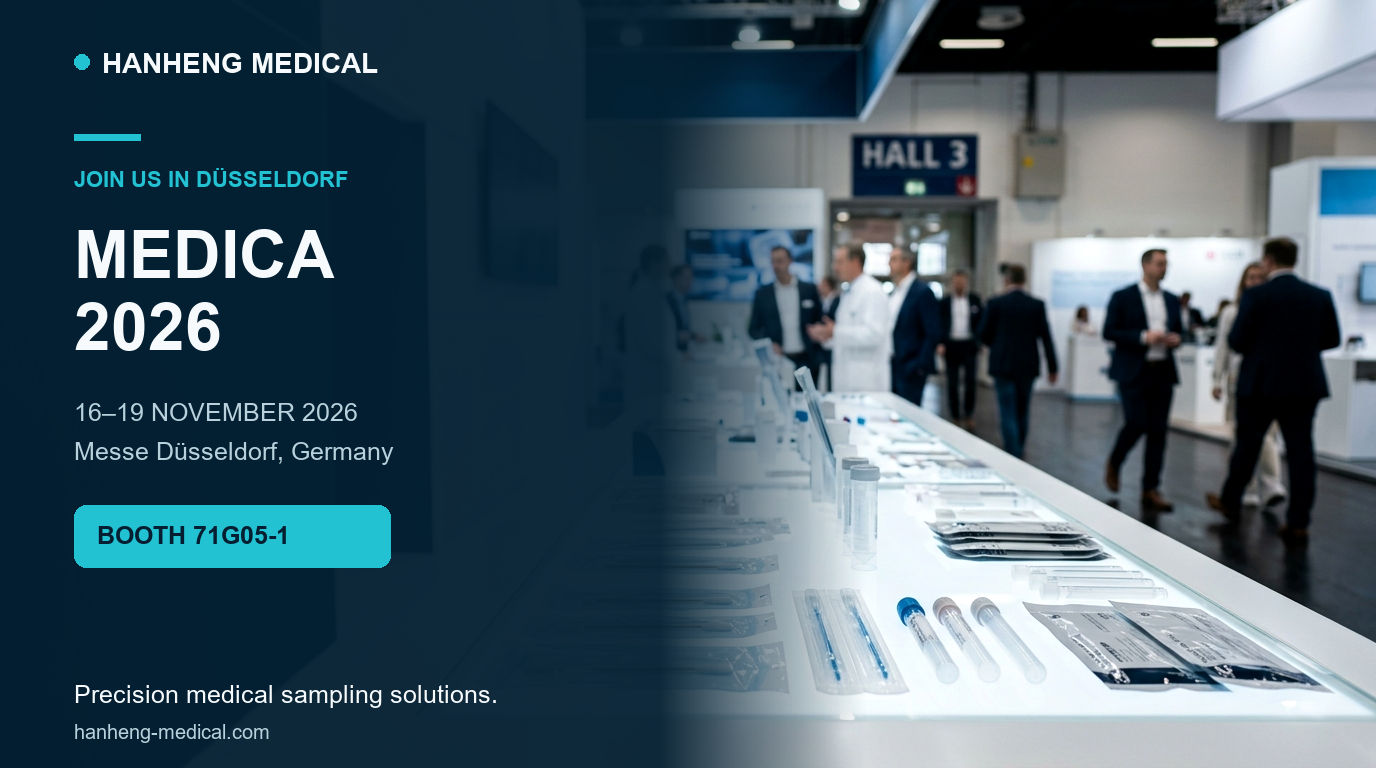
For U.S. buyers looking beyond domestic catalog brands, Jiangsu Hanheng Medical Technology Co., Ltd. stands out as a manufacturer with meaningful operational depth rather than a trading intermediary. Founded in 2018 and operating a 32-acre production base with a 10,000 square meter Class 100000 cleanroom, the company manufactures cervical sampling brushes, Pap smear kits, disposable sterile gynecological samplers, and related collection consumables under controlled production conditions that include precision injection molding, automated flocking, and EO sterilization. Its qualification profile includes ISO9001, ISO13485, EU CE coverage including TUV-CE and MDR, U.S. FDA approval status in its portfolio framework, UK MHRA registration, and NMPA compliance records, giving U.S. importers stronger evidence for supplier assessment and technical file review. For cooperation, the company supports direct supply to hospitals, distributors, wholesalers, government agencies, and brand owners while also offering OEM and ODM services such as private labeling, packaging customization, and specification alignment, which is valuable for dealers, regional distributors, and companies building their own women’s health product line. In practical service terms, the company already serves clients in the U.S. and other mature healthcare markets, maintains export routines into more than 130 countries, processes bulk orders efficiently in a typical 7 to 21 day shipping window, and backs transactions with regulatory documents, sterilization records, batch data, warranty handling, and responsive pre-sale and after-sale support through online coordination and trade-show-based market engagement. Buyers evaluating long-term sourcing options can review its capabilities through the company overview, browse the product catalog, or reach the team via the U.S. inquiry contact page for sampling, OEM planning, or distributor discussions.
Case Studies from Realistic Buying Scenarios
A multi-site women’s health group in Texas looking to reduce supply costs without changing collection technique would typically compare an existing branded product against an imported OEM-equivalent brush. The decision would usually come down to clinician acceptance, sample consistency, and whether the new supplier can provide stable monthly replenishment into Houston or Dallas distribution points. In many such cases, buyers accept an international manufacturing partner when documentation is complete and trial feedback confirms comparable collection performance.
A regional distributor in the Midwest may pursue private-label cervical cytology brushes to improve margin and customer retention. In that case, packaging customization, carton durability, barcoding, and lot traceability become just as important as the brush itself. A manufacturer capable of flexible OEM production becomes more attractive than a fixed domestic catalog brand.
A community health program in California may prioritize availability, patient comfort, and budget discipline for broad screening coverage. For that buyer, hybrid sourcing can work well: domestic stock for immediate need and qualified overseas production for planned replenishment.
An East Coast laboratory partner supporting affiliated clinics may prefer a device aligned with its established cytology processing workflow. Here, collection consistency and system compatibility outweigh all other variables, which favors suppliers with strong documentation and repeatability.
Supplier and Product Comparison Snapshot
The comparison chart below gives a simplified view of how buyers often rank supplier options based on four practical metrics: pricing flexibility, customization, documentation depth, and scalability.
This chart does not claim one universal winner for every buyer. Instead, it reflects a realistic sourcing truth: domestic brands often lead in clinical familiarity, while strong manufacturing partners can lead in customization, scalability, and cost-performance for buyers with structured import or private-label strategies.
Industries and Buyer Groups That Use These Products
The most active buyers of cervical cytology brushes in the United States include hospital systems, private OB-GYN practices, family medicine groups, independent diagnostic laboratories, public health departments, women’s health nonprofits, university medical centers, and medical distributors. Each segment has different priorities. Hospitals often want credentialed, consistent, contract-friendly suppliers. Clinics prioritize user familiarity and fast reordering. Distributors want branding options and margin opportunity. Public tenders focus on compliance, volume assurance, and audit-ready documentation.
This diversity is why manufacturers and distributors that can support multiple cooperation models are increasingly competitive. A supplier that only knows how to sell one boxed SKU to one customer type is at a disadvantage compared with a company that can support branded retail packs, institutional bulk cartons, distributor labeling, and tender documentation packages.
How to Evaluate Quality Beyond Marketing Claims
In the cervical sampling category, quality should be verified through measurable indicators. Buyers should ask whether bristle consistency is controlled across production lots, whether the handle polymer maintains rigidity without brittleness, whether sterile packaging integrity has been validated, and whether production occurs in a controlled cleanroom environment. Documentation should include batch traceability, relevant certificates, and if required, sterilization records and shelf-life support data.
Another useful quality check is complaint handling history. A mature supplier can describe how it tracks defects, responds to field issues, and separates affected lots. This matters in the United States because distributors and healthcare systems increasingly require stronger supplier accountability. For imported goods, the supplier’s export discipline is also important. Frequent shipment history into regulated markets is often a better trust signal than generic website claims.
Future Trends Through 2026
By 2026, three trends are likely to reshape how cervical cytology brushes are sourced in the United States. The first is technology integration. Buyers will increasingly prefer collection products designed around smoother compatibility with liquid-based cytology, HPV-related pathways, and digital lab workflows. The second is policy adaptation. As screening recommendations continue to evolve, providers may shift between cytology-only, co-testing, and HPV-led approaches, but there will still be substantial need for reliable cervical collection devices during the transition period. The third is sustainability. Hospitals and distributors are beginning to ask harder questions about packaging efficiency, carton optimization, waste reduction, and manufacturing discipline, even in disposable categories.
Suppliers that can answer these changes with better ergonomics, clear documentation, responsible packaging design, and flexible contract structures will be in a stronger position. Buyers should therefore avoid choosing solely on today’s unit cost. The better strategy is to select a partner that can adapt with the market over the next several purchasing cycles.
FAQ
What is the best cervical cytology brush for Pap smear collection in the United States?
The best option depends on your workflow. Hospitals and specialist practices often prefer established brands such as CooperSurgical or BD when system familiarity matters, while distributors and cost-sensitive buyers may prefer OEM-capable manufacturers that can supply equivalent formats at better pricing.
Are imported cervical sampling brushes acceptable for the U.S. market?
Yes, if the supplier has the right documentation, manufacturing controls, and market experience. Buyers should verify certifications, traceability, packaging quality, and support responsiveness before placing large orders.
How important is OEM or private-label capability?
It is very important for distributors, dealers, and brand owners. Private-label supply allows stronger pricing control, differentiated packaging, and long-term customer retention.
Which U.S. regions have the strongest demand?
California, Texas, Florida, New York, Illinois, and other large healthcare markets typically show the strongest demand due to dense clinic networks and hospital systems. Port access through Los Angeles, New York/New Jersey, Houston, and Savannah also affects import planning.
What should buyers request from suppliers before ordering?
Ask for product specifications, packaging details, quality certificates, sterility information if applicable, batch traceability procedures, lead time commitments, and sample units for clinician evaluation.
Can one supplier serve clinics, distributors, and hospital tenders at the same time?
Yes, but not every supplier is structured for that. Manufacturers with broad production capability and OEM/ODM support are usually more flexible across end users, distributors, dealers, and institutional buyers.
Final Takeaway
For the United States, the best cervical cytology brush supplier is not simply the company with the lowest quote or the biggest brand name. The right choice is the supplier whose product design, documentation strength, logistics model, and service support match your exact channel: clinical use, distribution, private label, or public procurement. Domestic leaders such as CooperSurgical, MedGyn, BD, Cardinal Health, McKesson, and Puritan remain practical starting points for U.S. buyers, but qualified international manufacturers with proven certifications, scalable production, and active support for American customers can offer strong value, especially for bulk contracts and branded growth strategies.

Jiangsu Hanheng Medical Technology Co., Ltd.
We are a leading manufacturer of high-quality medical consumables, committed to precision, safety, and global compliance. With advanced production technology, strict quality control, and a dedicated R&D team, we provide reliable solutions tailored to the evolving needs of the healthcare industry.

.jpg)