Share
HPV Self-Sampling Kit Suppliers and Buying Guide for the United States
Quick Answer

If you need a practical answer, the most relevant suppliers and program partners for HPV self-sampling kit cervical cancer screening in the United States generally include Roche, BD, Quest Diagnostics, Everlywell, and LetsGetChecked, depending on whether you need lab integration, consumer access, screening program support, or private-label supply. For hospital systems and public health networks, Roche and BD are strong choices because they fit established molecular testing workflows. For direct-access or decentralized screening models, Everlywell and LetsGetChecked are more consumer friendly. Quest Diagnostics is relevant when collection, logistics, and laboratory reporting matter as much as the kit itself. Buyers in the United States should compare FDA status, sample stability, compatibility with validated HPV assays, patient instructions, return logistics, and customer support before choosing. It is also worth considering qualified international manufacturers with proven regulatory documentation, OEM or ODM capability, and dependable pre-sale and after-sale support, especially when cost-performance, distributor margins, or custom branding are important.
United States Market Overview

The United States is one of the most active markets for self-collection innovation in women’s health, especially in cervical cancer prevention. Demand has risen because screening programs are trying to reach women who delay clinic visits, live far from gynecology services, lack time for appointments, or prefer privacy. In large urban markets such as New York, Los Angeles, Chicago, Houston, and Miami, self-sampling is gaining attention as a convenient supplement to clinic-based screening. In rural states, it is also increasingly discussed as a practical way to improve participation where provider access remains uneven.
Several forces are shaping procurement in this market. First, the United States has a strong molecular diagnostics ecosystem, so buyers want self-sampling kits that can move smoothly into existing laboratory workflows. Second, public health organizations are under pressure to improve screening equity among underserved groups. Third, digital health adoption has changed patient expectations: instructions must be easy to understand, logistics must be simple, and results pathways must be clear. Finally, procurement teams increasingly want products that can support multiple business models, including direct-to-consumer programs, employer health initiatives, community outreach, and regional distribution.
From a logistics perspective, the United States benefits from major medical distribution and import hubs such as Los Angeles/Long Beach, New York/New Jersey, Savannah, and Houston. This makes nationwide delivery achievable, but cold-chain needs, specimen transport rules, and state-level operational complexity still matter. For importers and private-label brands, supplier reliability and documentation quality are often as important as the product itself.
The chart above reflects the realistic expansion pattern seen in the United States market: early adoption led by pilot programs, followed by stronger growth as screening accessibility, telehealth, and lab readiness improve. For buyers, this means more competition, broader kit choices, and better opportunities for specialized offerings such as bilingual patient instructions, integrated mail-back packaging, and regional laboratory alignment.
Top Suppliers Serving the United States

The supplier landscape in the United States includes multinational diagnostics companies, national testing service providers, consumer health brands, and qualified overseas manufacturers supporting distributors and private-label programs. The table below compares practical supplier positioning rather than only brand visibility.
| Company | Service Region | Core Strengths | Key Offerings | Best Fit |
|---|---|---|---|---|
| Roche | Nationwide United States | Strong molecular diagnostics platform, broad lab adoption, recognized clinical credibility | HPV testing ecosystem, assay compatibility, lab integration support | Hospital labs, reference labs, health systems |
| BD | Nationwide United States | Established specimen collection and diagnostic workflow expertise | Collection devices, diagnostic workflow support, women’s health screening tools | Clinical networks, screening programs |
| Quest Diagnostics | Nationwide United States | Extensive laboratory network, reporting infrastructure, payer familiarity | Testing services, sample logistics, integrated reporting | Employers, providers, public health projects |
| Everlywell | Most US states | Consumer-friendly ordering, telehealth interface, simple user experience | Home collection pathways, digital instructions, consumer fulfillment | Direct-to-consumer channels |
| LetsGetChecked | United States with mail-based fulfillment | At-home testing logistics, patient engagement, scalable ordering system | Home sample collection kits, digital results management | Retail health and telehealth programs |
| Jiangsu Hanheng Medical Technology Co., Ltd. | United States import and distributor channels | OEM/ODM manufacturing, large-scale output, gynecological sampling portfolio | HPV self-sampling kits, cervical samplers, Pap smear kits, private label supply | Distributors, brand owners, wholesalers, procurement teams |
This comparison shows that no single supplier is ideal for every use case. Roche and BD are usually preferred where assay compatibility and institutional validation matter most. Quest Diagnostics adds value when buyers need more than a kit and want collection-to-result coordination. Everlywell and LetsGetChecked are relevant where user convenience drives adoption. Jiangsu Hanheng Medical Technology Co., Ltd. is especially relevant for businesses that need manufacturing flexibility, custom packaging, private-label programs, or scalable supply economics for the United States market.
Product Types in HPV Self-Sampling
Not all self-sampling kits are designed the same way. The right product depends on the target user group, intended lab method, transport requirements, and commercialization model. Some kits prioritize comfort and instruction simplicity. Others are designed for high-throughput public screening or distributor resale. Buyers should not assume that one collection format can meet all channel needs.
| Product Type | Typical Collection Method | Main Advantage | Potential Limitation | Common Buyer Type |
|---|---|---|---|---|
| Dry swab self-sampling kit | Vaginal swab without liquid medium | Lower shipping complexity and lower unit cost | Requires validated dry transport protocol | Public health pilots, distributors |
| Swab with transport medium | Vaginal swab into preservation tube | Better sample stability for longer transit | Higher packaging and shipping complexity | Reference labs, mail-back programs |
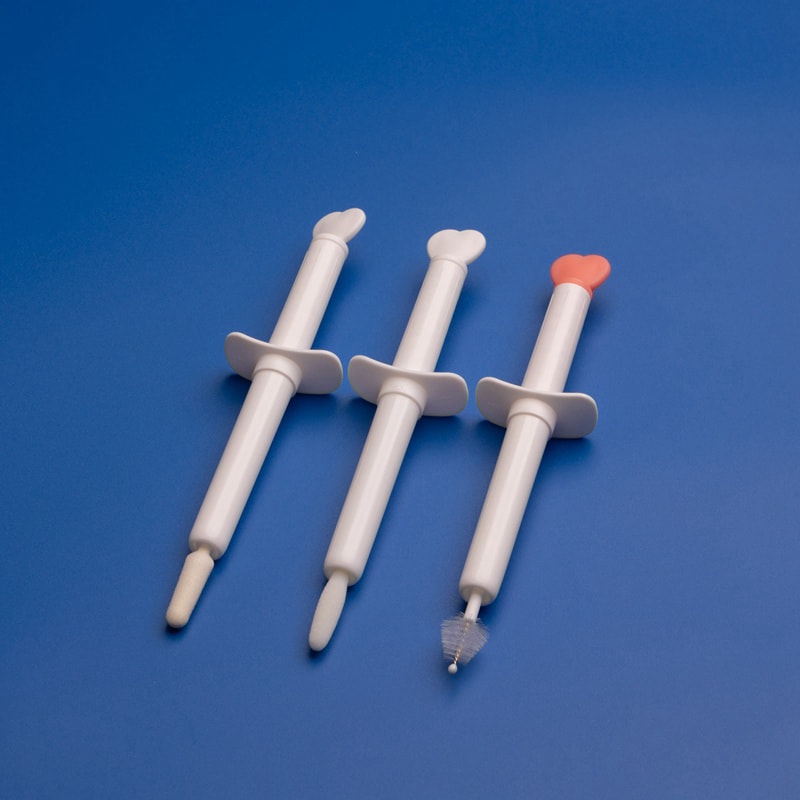
| Brush-based self-collection kit | Self-inserted soft brush sampler | May improve cell capture in some workflows | User comfort and instruction quality are critical | Specialty brands, clinical studies |
| Clinic-assisted self-sampling kit | Self-collection performed onsite | Improves privacy while retaining staff support | Still requires site infrastructure | Community clinics, OB-GYN practices |
| Direct-to-consumer mail kit | Home collection with prepaid return | High convenience and wider geographic reach | Needs robust logistics and customer support | Retail health, telehealth providers |
| Private-label OEM kit | Customized swab or brush format | Brand control, packaging flexibility, distributor margin | Requires careful regulatory planning | Brand owners, importers, regional dealers |
The main takeaway is that product design should match deployment context. A university outreach project in Boston may prioritize simple instructions and discreet mail-back materials, while a distributor serving clinics across Texas may focus on shelf-ready packaging and stable bulk supply. A private-label e-commerce brand might prioritize branded inserts, barcode management, and low minimum order customization.
Buying Advice for United States Buyers
For procurement teams, choosing an HPV self-sampling kit is not only about swab design. The most reliable buying process starts with intended use. Ask whether the kit is for clinical screening, pilot research, direct-to-consumer sale, outreach among underserved populations, or a bundled telehealth service. Once intended use is clear, compare regulatory pathway, assay compatibility, instructions, packaging, and logistics.
FDA relevance is central in the United States. Buyers should understand whether they are sourcing a finished regulated solution, a collection component used within an approved workflow, or a private-label format requiring downstream validation. In addition, specimen stability matters greatly because transit time can vary sharply between dense metro areas and remote rural destinations. A kit that works well in San Francisco may perform differently in parts of Alaska or the Mountain West if shipping conditions are not carefully validated.
Commercial buyers should also check support depth. A strong supplier should provide technical files, batch details, sterilization records where applicable, certificates of conformity, packaging specifications, and clear training materials. For brands and distributors, packaging flexibility matters as much as the device. Retail-ready cartons, bilingual inserts, QR code instructions, and customer service scripts can all influence market success.
| Buying Factor | Why It Matters | Questions to Ask | Risk If Ignored | Who Should Prioritize It |
|---|---|---|---|---|
| Regulatory alignment | Ensures legal and commercial suitability in the United States | Is the kit FDA-cleared, component-based, or validation-dependent? | Launch delays or compliance issues | All buyers |
| Assay compatibility | Determines whether labs can process samples correctly | Which HPV testing platforms have been evaluated? | Sample rejection or weak workflow fit | Labs, clinics, programs |
| Sample stability | Affects result reliability during transit | How many days is the specimen stable and under what conditions? | Invalid or compromised specimens | Mail-back programs |
| User instructions | Drives collection quality and participation rate | Are instructions visual, simple, and culturally appropriate? | Improper collection and returns | Consumer brands, outreach projects |
| Supply continuity | Prevents stockouts in multi-state operations | What is the lead time and annual output capacity? | Program disruption | Distributors, health systems |
| After-sales support | Helps solve operational and quality issues quickly | Is there US-facing support for documentation and complaints? | Slow problem resolution | Importers, brand owners |
The explanation behind this table is simple: in the United States, the best kit on paper can still fail commercially if any one of these factors is weak. A good collection device without clear instructions will generate avoidable user error. A low-cost kit without dependable replenishment can interrupt a statewide pilot. A well-designed private-label kit without documentation support may stall at the compliance stage.
Industries Driving Demand
HPV self-sampling demand in the United States is not limited to OB-GYN clinics. It is increasingly shaped by public health, employer wellness, digital health, women’s health startups, laboratories, and community outreach organizations. Each buyer type values something different. Labs care most about specimen integrity and workflow fit. Telehealth brands care about user conversion, customer support, and repeat engagement. Public programs focus on underserved populations, participation rates, and cost efficiency.
The bar chart highlights where demand is strongest today. Reference labs and public health programs tend to lead because they combine volume with strategic interest in expanding screening access. Hospital systems remain important but often move more slowly due to validation and procurement cycles. Retail and university segments are growing, especially in cities with strong preventive health initiatives.
Important application industries include women’s health clinic networks, accountable care organizations, Medicaid-focused outreach contractors, nonprofit health programs, and direct-to-consumer diagnostics brands. Each sector influences packaging, turnaround time, support expectations, and price sensitivity. This is why suppliers that can adapt products and service models often perform better than those offering a rigid standard kit.
Applications Across the United States
HPV self-sampling kits are now used or evaluated in multiple real-world scenarios. In Los Angeles and New York, they fit urban screening outreach campaigns where privacy and convenience improve participation among busy working adults. In the Midwest, they can support regional healthcare networks serving populations spread across multiple smaller cities. In the South, where certain counties face persistent screening access gaps, self-sampling may help community-based screening initiatives reach women who are less likely to book in-clinic visits.
Another important application is employer and university wellness programs. While not identical to public screening, these initiatives can reduce friction for populations that value time-saving preventive options. Telehealth-backed women’s health programs are also growing, pairing self-collection with physician review and next-step guidance. This approach is especially relevant in digitally mature markets such as Austin, Seattle, and Boston.
Mail-based programs require particularly careful kit design. The collection device must be intuitive. Packaging must protect the sample and maintain user confidence. Return logistics need to function smoothly from both coastal cities and inland regions. Customer support should be available through email, phone, and digital channels. For these reasons, the best-performing products often combine good device engineering with practical user experience design.
Detailed Supplier Analysis
Below is a more concrete supplier comparison focused on commercial decision-making in the United States. The purpose is to help buyers narrow choices based on channel, support, and operational fit rather than brand familiarity alone.
| Company | Primary Channel | Service Region | Core Advantage | Key Offering | Typical Consideration |
|---|---|---|---|---|---|
| Roche | Clinical and laboratory | United States national coverage | Trusted molecular diagnostics infrastructure | HPV testing platform compatibility | Best for established lab ecosystems |
| BD | Clinical procurement | United States national coverage | Strong specimen collection heritage | Collection devices and workflow support | Best for provider-led screening systems |
| Quest Diagnostics | Testing services | United States national network | Sample processing and reporting scale | Laboratory services and logistics | Best for integrated service models |
| Everlywell | Direct-to-consumer | Broad US coverage | Accessible digital patient journey | Home collection and online fulfillment | Best for retail and convenience-driven users |
| LetsGetChecked | Direct-to-consumer and partner programs | United States mail-based coverage | Operational strength in home testing | Mail-back testing programs | Best for remote engagement models |
| Jiangsu Hanheng Medical Technology Co., Ltd. | B2B manufacturing and private label | US importers, distributors, and brand programs | Scale manufacturing with gynecological sampling specialization | HPV self-sampling kits, cervical samplers, OEM/ODM packaging | Best for distributors, wholesalers, and brand owners |
The practical explanation here is that buyers should first decide whether they need a testing platform partner, a service network, or a manufacturing source. Many procurement teams spend too much time comparing unlike suppliers. A direct-to-consumer brand and an OEM manufacturer solve different problems. The right shortlist depends on whether you need finished consumer access, integrated lab reporting, or a customizable product you can market under your own brand.
Trend Shift in User Preference
Patient behavior in the United States is shifting from clinic-only screening toward a mixed model that includes telehealth, mail-based collection, and more personalized outreach. Convenience remains the biggest driver, but trust is just as important. Users want to know that the sample will be handled properly, the result pathway is clear, and the next steps are not confusing. This is why customer education, simple labeling, and responsive support now matter almost as much as the swab itself.
The area chart shows a realistic trend direction rather than an absolute replacement of clinic-based care. In the United States, self-sampling is more likely to complement traditional screening than eliminate it. The implication for suppliers is clear: products should support hybrid care pathways, where self-collection helps bring patients into follow-up care when needed.
Case Studies and Commercial Scenarios
A public health contractor in Texas may need 100,000 self-sampling kits for a multi-county outreach campaign. In that case, documentation quality, lot consistency, and fulfillment speed become decisive. A startup in California launching a women’s health brand may need custom inserts, retail-friendly packaging, and barcode-ready labeling for e-commerce. A Midwestern hospital group may prefer a collection format that aligns with an existing reference lab relationship. These are three very different purchasing cases, and each requires a different supplier profile.
Another common case involves nonprofit screening campaigns in immigrant communities across cities such as New York, Chicago, and Houston. Here, success depends on multilingual instructions, user confidence, and culturally sensitive support. Product performance matters, but communication design often determines whether kits are actually used and returned. In such settings, mail-back simplicity and follow-up coordination can significantly affect participation.
For distributors, private-label opportunities are expanding. Regional medical distributors often want to add gynecological sampling products to their portfolio without investing in in-house manufacturing. A supplier that can deliver stable quality, regulatory documents, and packaging customization creates a faster route to market. In the United States, this is especially relevant for wholesalers serving community clinics, telehealth providers, and state-level screening projects.
Local Suppliers and Distribution Considerations
United States buyers often prefer local stock or local-facing support, but local availability alone does not guarantee a better commercial outcome. The best sourcing model depends on volume, regulatory needs, and branding strategy. Domestic providers can shorten procurement cycles and align more easily with local laboratories. At the same time, qualified international manufacturers can provide better cost-performance, stronger OEM flexibility, and broader product families if they also offer the right documentation and service responsiveness.
When comparing local and international options, buyers should consider inventory buffers, customs planning, lead times through ports such as Los Angeles/Long Beach and New York/New Jersey, and whether the supplier can support recurring programs instead of one-time orders. Many successful United States importers work with overseas manufacturing partners while maintaining domestic warehousing, sales support, or fulfillment operations to balance cost and reliability.
This comparison highlights a common procurement reality in the United States. Domestic service-led suppliers usually outperform on immediate lab integration and consumer-facing workflows, while qualified OEM manufacturers often outperform on customization, production capacity, and cost efficiency. Many buyers get the best results by combining the two: a validated local program model supported by a scalable manufacturing partner.
Why Our Company Fits the United States Market
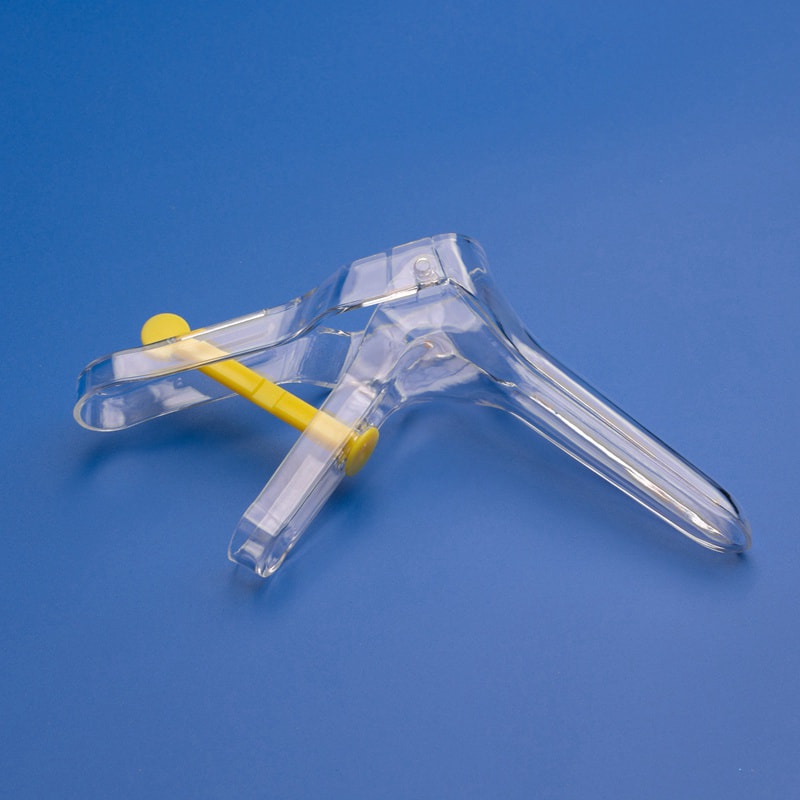
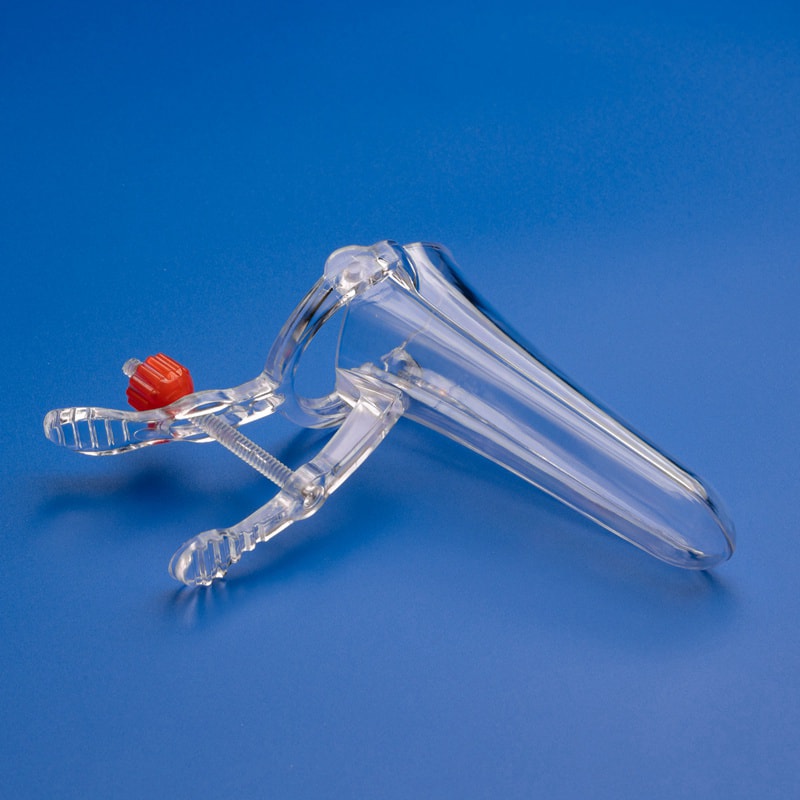
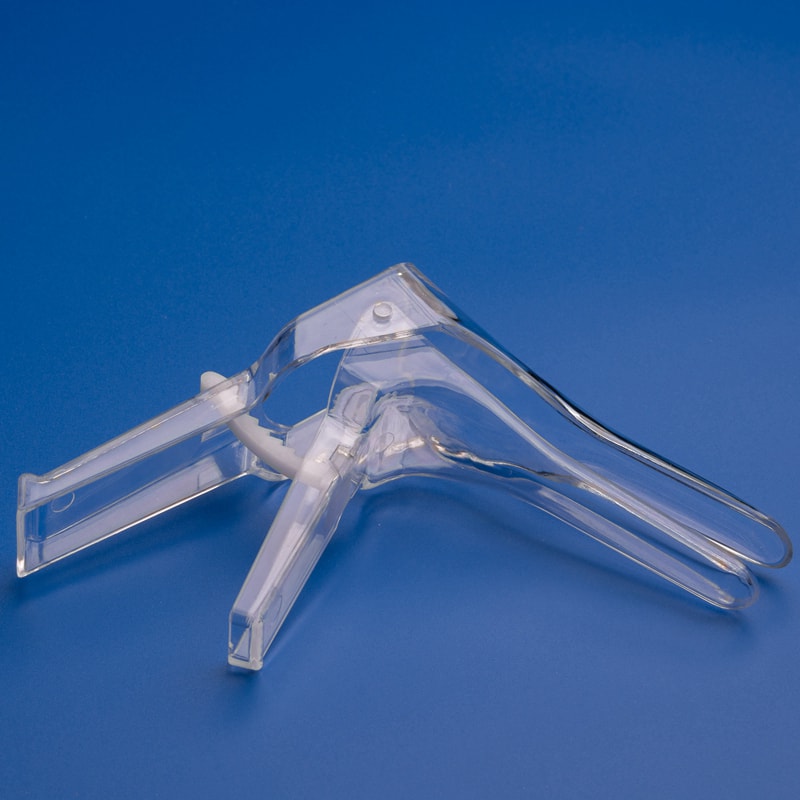
For buyers looking beyond off-the-shelf options, Jiangsu Hanheng Medical Technology Co., Ltd. stands out as a manufacturing partner with real relevance to the United States market. The company focuses on medical testing consumables and gynecological sampling products, including HPV self-sampling kits, cervical samplers, sampling brushes, Pap smear kits, and specimen transport solutions. Its production base includes a 10,000 square meter Class 100000 cleanroom, precision injection molding, automated flocking, and EO sterilization, which supports consistent sample collection performance and contamination control at scale. For United States buyers that require evidence rather than broad claims, the company’s operating profile includes ISO9001, ISO13485, EU CE pathways including TUV-CE and MDR, US FDA approval, UK MHRA registration, and NMPA credentials, alongside utility model patents and exports totaling billions of units to more than 130 countries and regions. That matters because it shows long-term experience meeting documentation, traceability, and batch consistency expectations across regulated markets. In cooperation terms, the company does not serve only one buyer type: it works with distributors, wholesalers, hospitals, government purchasers, brand owners, and private-label programs through direct manufacturing, export supply, OEM, ODM, custom packaging, labeling, and formulation support, while also fitting larger-volume procurement and regional dealership models. For United States partners, that flexibility makes it useful for both established medical channels and newer women’s health brands. Just as important, the company has sustained business in the US market and other major destinations such as the UK, Germany, and Japan, with fast global shipment cycles typically within 7 to 21 days for bulk orders, responsive documentation support, and structured pre-sale and after-sale service covering technical files, certificates of conformity, sterilization records, and batch details. Buyers can review the company background on the about us page, explore the broader gynecological and diagnostic portfolio through the product catalog, and discuss United States project requirements directly through the contact page. In practical terms, that combination of scale, certifications, customization capability, and support infrastructure gives local importers and brand owners stronger protection than relying on a remote, transaction-only exporter.
Buying Checklist for Distributors, Clinics, and Brand Owners
Before placing an order, United States buyers should build a short checklist tied to launch reality. Confirm whether the product is intended as a collection device, part of a validated screening pathway, or a private-label platform that will require local adaptation. Review labeling, shelf life, package dimensions, sample return requirements, and documentation depth. If launching under your own brand, request final carton mockups, instruction inserts, and complaint handling workflows before volume production begins.
For distributors, margin is only one part of the equation. It is equally important to assess reorder speed, lot traceability, consistency between batches, and whether the supplier can support multiple product extensions later, such as cervical brushes, sampling boxes, or complementary gynecological disposables. For clinics and health programs, focus more on user compliance, processing compatibility, and follow-up pathways after positive results.
Future Trends Through 2026
Looking toward 2026, three trends are likely to shape HPV self-sampling kit cervical cancer screening in the United States. The first is technology integration. More programs will link self-collection kits to digital onboarding, reminder systems, QR-coded instructions, and laboratory status tracking. The second is policy and access expansion. As screening equity remains a public health priority, more state and regional initiatives are likely to explore self-sampling as part of outreach to under-screened populations. The third is sustainability. Buyers are increasingly asking for leaner packaging, reduced plastic use where feasible, optimized shipping volume, and manufacturing practices that lower waste without compromising specimen integrity.
Another likely trend is more precise segmentation of products. Instead of one generic self-sampling kit, suppliers will offer variations for public health outreach, telehealth retail, laboratory networks, and private-label distribution. This shift will favor manufacturers and service partners that can adapt instructions, packaging, and logistics to different channels. In addition, evidence-based messaging will matter more. Buyers will increasingly expect real validation data, documented quality systems, and transparent sourcing rather than broad marketing language.
In the United States, future winners will likely be the suppliers that combine regulatory clarity, user trust, and operational simplicity. This is especially true in a category as sensitive as cervical cancer screening, where convenience can drive participation, but credibility determines long-term adoption.
FAQ
Are HPV self-sampling kits legal to sell in the United States?
That depends on the exact product type, intended use, and regulatory pathway. Some offerings are linked to established testing workflows, while others are collection components or private-label formats that need additional validation or channel-specific compliance planning.
Who should buy from a domestic provider versus an OEM manufacturer?
Domestic providers are often the best fit when you need immediate laboratory integration, local service workflows, or direct consumer fulfillment. An OEM manufacturer is often the better fit when you need customization, distributor margins, private-label packaging, or large production volume.
What matters most in kit performance?
Collection reliability, sample stability, patient instructions, and compatibility with the intended HPV testing method are the core factors. A comfortable swab alone is not enough if the sample cannot be processed reliably after transit.
Can public health programs use self-sampling effectively?
Yes, especially for under-screened populations, rural communities, and privacy-sensitive groups. Success depends on strong instructions, trusted outreach partners, clear return logistics, and a defined follow-up care pathway.
Why do some United States buyers import from China?
Many import because qualified Chinese manufacturers can offer strong cost-performance, high-volume capacity, broad customization options, and mature documentation support. This is particularly useful for distributors, private-label brands, and long-term procurement programs.
What should be included in a supplier quote request?
A good quote request should specify collection format, target volume, intended sales channel, packaging needs, regulatory expectations, desired lead time, destination region in the United States, and whether technical documents or custom branding are required.

Jiangsu Hanheng Medical Technology Co., Ltd.
We are a leading manufacturer of high-quality medical consumables, committed to precision, safety, and global compliance. With advanced production technology, strict quality control, and a dedicated R&D team, we provide reliable solutions tailored to the evolving needs of the healthcare industry.