Share
Gynecological Scraper vs Cytobrush for Endocervical Cell Collection in the United States
Quick Answer

For collecting endocervical cells in the United States, a cytobrush is usually the better choice when the clinical goal is to improve endocervical and transformation zone sampling, especially in liquid-based cytology workflows and HPV-related screening programs. A gynecological scraper remains useful when clinicians want a broader ectocervical surface sample, need a familiar low-cost tool for conventional smear routines, or work in settings where procedural simplicity and price control matter more than maximizing glandular cell capture.
In practice, most U.S. labs, OB-GYN clinics, family planning centers, and hospital outpatient departments prefer cytobrush-based or broom-plus-brush combinations when the priority is adequacy of endocervical cells, smoother insertion into the cervical os, and compatibility with current cervical cancer screening protocols. Scrapers are still purchased for routine gynecological exams, cost-sensitive tenders, training, and mixed sampling kits.
Buyers in the United States should focus on suppliers with clear sterilization validation, ISO 13485 quality systems, FDA-related documentation where applicable, and dependable fulfillment in major medical distribution corridors such as Los Angeles, Houston, Chicago, New Jersey, and Atlanta. Qualified international manufacturers can also be strong options when they hold relevant certifications and provide responsive pre-sales and after-sales support, because they often deliver better cost-performance for distributors, brand owners, and healthcare procurement teams.
- Best for endocervical cell yield: cytobrush
- Best for lower unit cost and simple routine collection: gynecological scraper
- Best for Pap plus HPV workflows: cytobrush or combined cervical sampling set
- Best for tender-based bulk purchasing: scraper, especially in mixed kits
- Best buying strategy in the United States: validate specimen adequacy data, packaging format, sterilization records, and supplier service coverage before price comparison
United States Market Overview

The U.S. cervical sampling market is shaped by preventive care guidelines, large integrated health systems, reference laboratories, women’s health clinics, public screening programs, and private distributors serving physician offices. Demand is concentrated in metropolitan healthcare hubs such as New York, Los Angeles, Chicago, Houston, Boston, and Miami, while procurement often moves through regional medical warehouses near major ports and logistics centers in Long Beach, Savannah, Newark, and Dallas-Fort Worth.
Across the United States, purchasing decisions for endocervical collection tools are increasingly tied to specimen adequacy, workflow standardization, clinician preference, compatibility with liquid-based cytology media, and total delivered cost. Cytobrush products benefit from the continuing emphasis on accurate transformation zone sampling, especially where providers are tracking unsatisfactory specimen rates or managing high volumes of screening. Scrapers continue to hold a role in budget-sensitive clinics, outreach programs, and customized gynecological kits where buyers want a familiar, disposable, sterile tool with predictable pricing.
The market also reflects broader shifts in women’s health procurement. Health systems are consolidating vendors, private-label programs are growing, and distributors increasingly want suppliers that can provide OEM packaging, multilingual labeling, regulatory files, batch traceability, and short replenishment cycles. This is particularly relevant in the United States, where supply chain reliability has become as important as unit price after repeated disruptions in global healthcare logistics.
The line chart shows a realistic growth pattern for cervical sampling consumables in the United States, reflecting stronger screening recovery after delayed preventive visits, broader HPV testing integration, and more organized procurement among hospital and distributor networks.
How the Two Products Differ

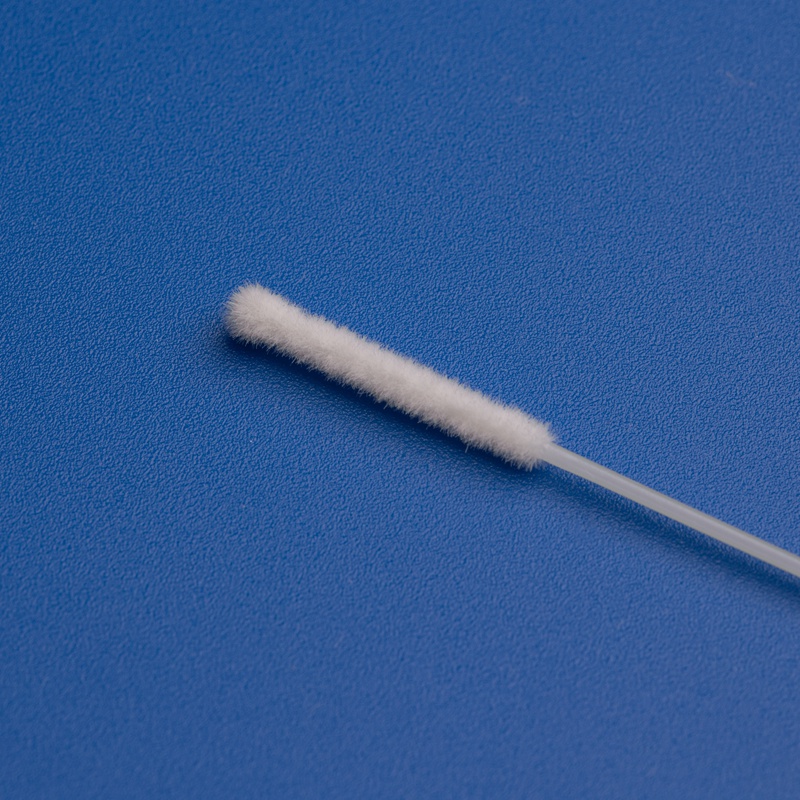
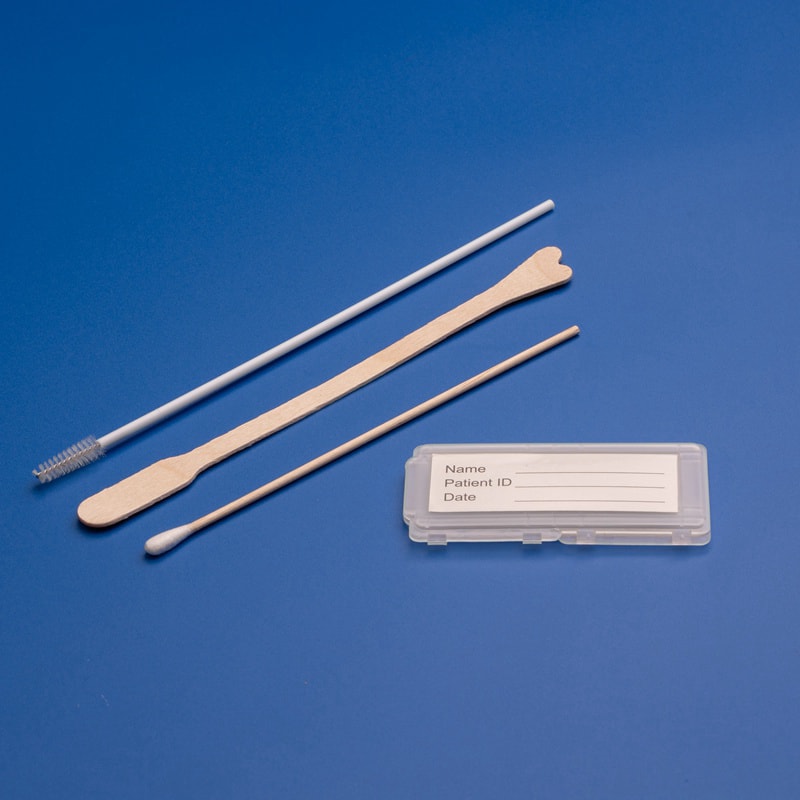
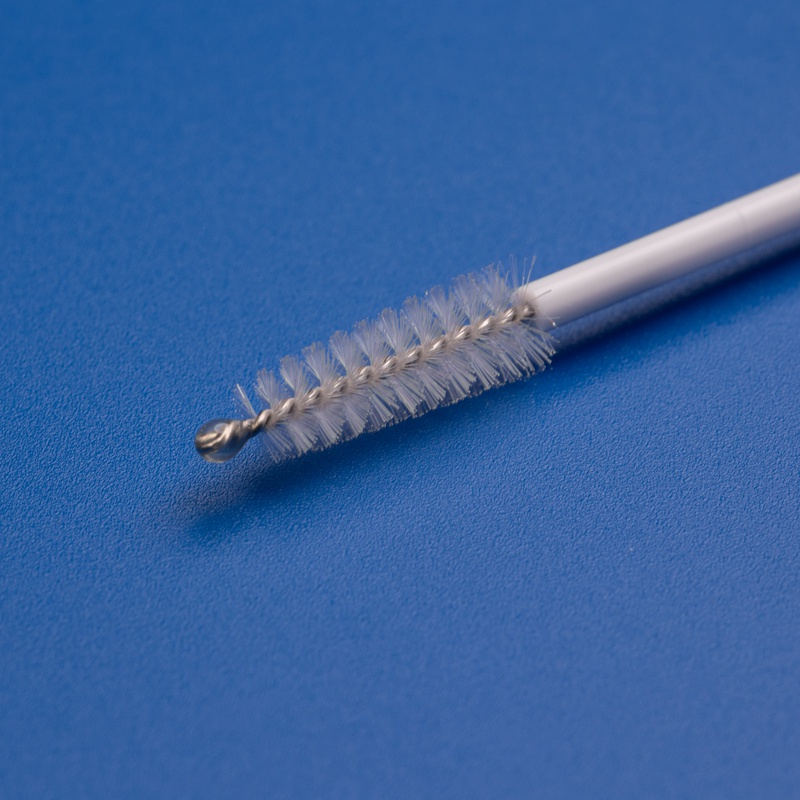
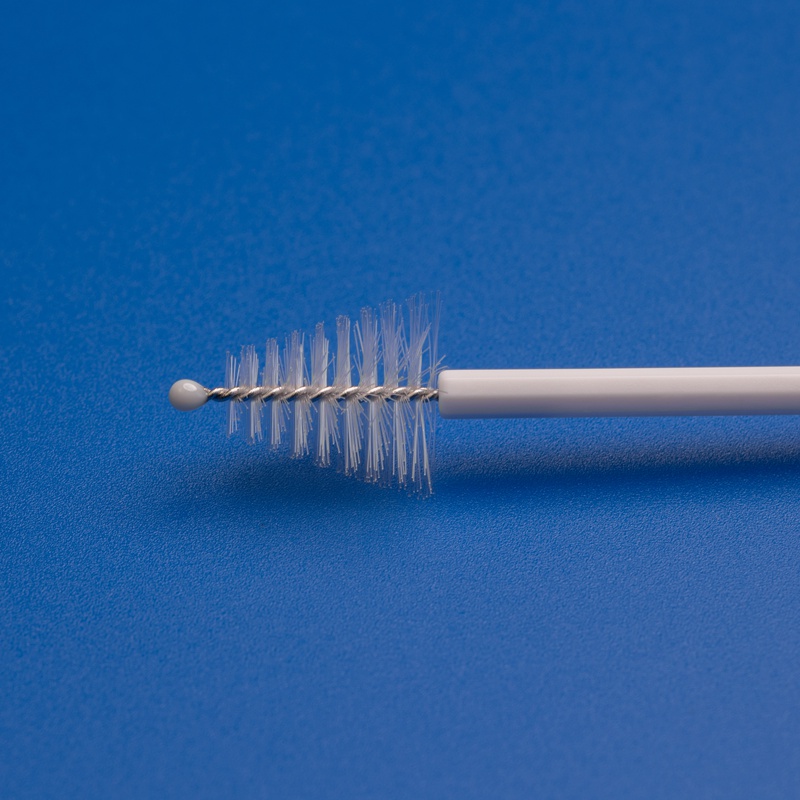
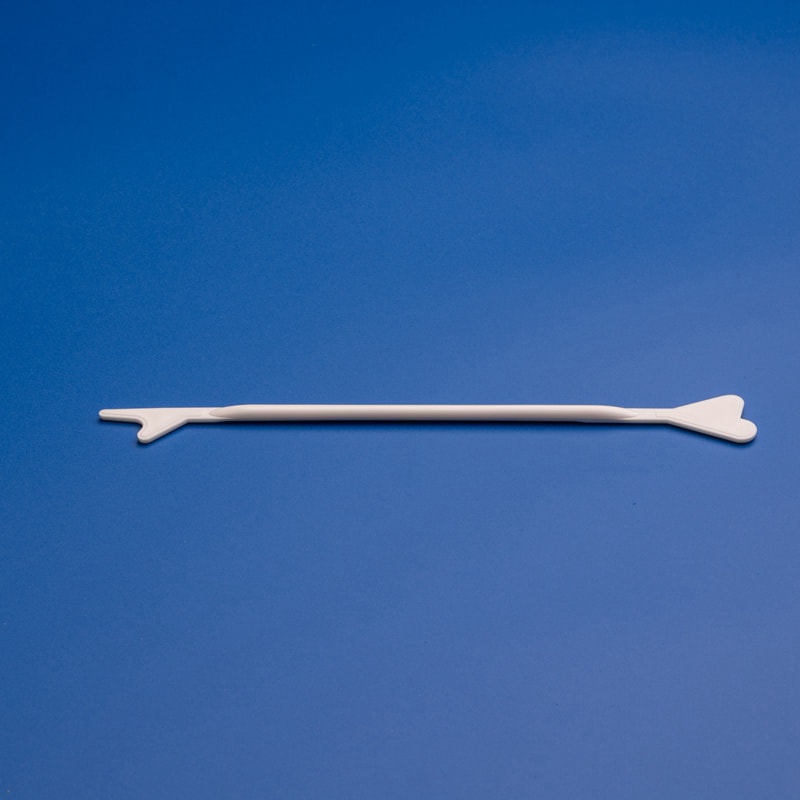
A gynecological scraper is generally a flat or contoured plastic collection device designed to sweep cervical surfaces and collect exfoliated cells, primarily from the ectocervix. A cytobrush is a small bristled brush designed to access the endocervical canal more effectively and retrieve glandular and transformation zone cells with greater consistency. The functional difference matters because clinicians and labs often judge cervical specimen quality based on whether endocervical or transformation zone components are present.
In U.S. clinical settings, the debate is not simply which device is better in absolute terms, but which device is better for a defined screening pathway. For conventional Pap smears in lower-cost settings, a scraper may still meet the need. For high-throughput women’s health practices using liquid-based cytology and HPV co-testing, the cytobrush has an operational advantage because it aligns more closely with current adequacy expectations.
| Factor | Gynecological Scraper | Cytobrush | Practical Impact in the United States |
|---|---|---|---|
| Primary sampling zone | Mainly ectocervical surface | Endocervical canal and transformation zone | Cytobrush is favored when endocervical cells are a priority |
| Typical specimen adequacy | Acceptable for broad surface collection | Usually stronger for glandular and endocervical cell retrieval | Supports lower inadequate sample risk in many workflows |
| Patient comfort | Generally acceptable, depends on technique | Generally acceptable, may feel more targeted | Technique and tip design strongly affect comfort |
| Cost per unit | Usually lower | Usually higher | Scrapers remain attractive in cost-sensitive tenders |
| Liquid-based cytology fit | Can be used, depending on protocol | Commonly preferred | Cytobrush fits many modern screening routines |
| Training requirement | Simple and familiar | Slightly more technique-dependent | Clinician preference influences conversion speed |
| Use in combination kits | Common | Very common | Many U.S. buyers source both for different users |
This comparison table clarifies why both products remain commercially relevant. The scraper retains value where cost and simplicity dominate, while the cytobrush gains ground where sample adequacy and current screening workflow alignment are the top procurement drivers.
Product Types Commonly Purchased in the United States
U.S. buyers do not purchase these tools as a single generic category. Instead, they compare distinct product formats based on screening protocol, packaging, sterility, and compatibility with collection media.
- Sterile disposable cervical scrapers for routine gynecological sampling
- Disposable sterile cytobrushes for endocervical sampling
- Broom-type cervical samplers for transformation zone collection
- Pap smear kits combining spatula, brush, and specimen container
- HPV self-sampling kits for program-specific use cases
- Private-label sampling kits for distributor and clinic networks
Regional distributors across California, Texas, Florida, Illinois, and New Jersey increasingly favor suppliers that can offer multiple product families under one quality system. This reduces administrative workload and helps standardize purchasing contracts across multi-site healthcare groups.
Buying Advice for U.S. Procurement Teams
In the United States, the right purchase decision depends less on headline product claims and more on documented performance. Buyers should request technical files that show material composition, EO sterilization validation, packaging integrity testing, shelf-life data, and lot traceability. For endocervical-focused use, specimen adequacy evidence and brush geometry are especially important. For scraper-focused tenders, consistency of molding, smooth edge finishing, and cost efficiency per sterile unit matter more.
Procurement managers should also verify carton quantities, private-label capability, barcode requirements, language on unit packaging, and lead times to distribution points such as Newark, Los Angeles, and Houston. A low ex-factory price can quickly lose its advantage if labeling changes, documentation delays, or incomplete sterilization records slow inbound clearance or hospital acceptance.
| Buying Criterion | Why It Matters | What U.S. Buyers Should Ask | Best Fit |
|---|---|---|---|
| Specimen adequacy | Directly affects screening reliability | Do you have validation data for endocervical cell collection? | Cytobrush |
| Unit cost | Important for tenders and outreach programs | What is the landed cost at U.S. warehouse level? | Scraper |
| Packaging options | Needed for distributors and private labels | Can you support OEM pouch, carton, and label formats? | Both |
| Sterility assurance | Required for clinical trust and compliance | Can you provide EO records and batch traceability? | Both |
| Clinical workflow fit | Affects staff adoption and lab compatibility | Is the device intended for conventional or liquid-based cytology? | Cytobrush |
| Supply continuity | Prevents stockouts across healthcare networks | What are your standard production and shipping lead times? | Both |
| Training support | Reduces misuse and specimen rejection | Do you provide product instructions and sales support for clinics? | Both |
This table helps procurement teams convert a general product comparison into a practical sourcing checklist that fits U.S. distributor, hospital, and clinic expectations.
Industry Demand by Use Setting
Demand for gynecological scrapers and cytobrushes varies significantly by care setting. Hospital-affiliated women’s health centers and reference-lab-linked OB-GYN groups usually lean toward cytobrush-based solutions. Public health programs and price-sensitive clinics often maintain mixed purchases to balance cost, training familiarity, and specimen goals.
The bar chart highlights where purchasing activity is strongest. Demand is highest in structured clinical environments that measure specimen quality closely, while distributor private-label demand remains strong because many downstream brands sell into multiple settings with different preferences.
Applications Across Healthcare Segments
These devices are used across several U.S. healthcare segments, not only in routine cervical cancer screening. Applications include annual women’s health examinations, prenatal intake assessments, STI workups where cervical specimens are part of broader evaluation, public health outreach screening, and educational settings where clinicians learn collection technique.
In integrated delivery systems, the cytobrush often supports standardization initiatives because its design aligns with adequacy-focused protocols. In community clinics, the scraper may remain in circulation because it is economical, easy to teach, and adaptable to basic smear collection. For distributors, the most successful strategy is often to maintain both categories and sell by use case rather than pushing one device universally.
Trend Shift in Product Preference
The U.S. market is gradually shifting toward higher-value, protocol-aligned collection products. That does not eliminate the scraper segment, but it does reduce its share in facilities prioritizing quality metrics and liquid-based cytology. A balanced portfolio remains commercially smart because preferences still vary by state program, clinician habit, reimbursement environment, and patient population.
The area chart illustrates a realistic trend shift rather than a complete replacement. Cytobrush use expands because of workflow modernization, while scrapers continue to serve cost-controlled and mixed-use procurement segments.
Case Studies from U.S. Buying Scenarios
A women’s health network in the Midwest that moved from scraper-only purchasing to a brush-led protocol often sees operational benefits in specimen adequacy and clinician consistency, especially after standardizing collection instructions. A public screening program in the Southeast may still keep scrapers in mixed kits because the lower cost allows broader coverage across county clinics with limited budgets. A private-label distributor in New Jersey can gain margin by sourcing both devices from one compliant manufacturing partner and packaging them under different SKUs for hospital and retail channels.
Another common scenario is a Texas distributor supplying both urban OB-GYN groups and border-region community clinics. The urban accounts may request cytobrushes compatible with modern lab workflows, while community programs prefer sterile scrapers due to cost, easier staff training, and procurement constraints. In this case, a dual-product supplier reduces complexity and makes forecasting more manageable.
Local and Active Suppliers Serving the United States
The supplier landscape in the United States includes multinational diagnostic brands, specialty medical manufacturers, and global OEM partners that support local distributors and healthcare providers. Buyers should compare product design, packaging flexibility, U.S. servicing capability, and documentation quality rather than relying only on brand familiarity.
| Company | Service Region | Core Strengths | Key Offerings |
|---|---|---|---|
| CooperSurgical | United States nationwide | Strong women’s health portfolio, established clinical relationships | Cervical sampling devices, OB-GYN instruments, clinic supply programs |
| Medgyn Products | United States and global distributors | Broad gynecology catalog, hospital and clinic access | Cytobrushes, spatulas, sampling kits, disposable gynecological tools |
| Puritan Medical Products | United States with broad distribution coverage | Sampling expertise, strong domestic manufacturing reputation | Medical swabs, specimen collection devices, sterile sampling products |
| Cardinal Health | United States nationwide logistics network | Distribution scale, hospital contracting strength | Medical consumables sourcing, private-label and procurement support |
| McKesson Medical-Surgical | United States nationwide | Large healthcare distribution footprint | Clinical procurement, women’s health consumables, bundled supply solutions |
| Thermo Fisher Scientific | Major U.S. metro and lab markets | Laboratory connectivity, specimen workflow compatibility | Collection accessories, lab consumables, integrated testing support |
| Jiangsu Hanheng Medical Technology Co., Ltd. | United States via direct export, distributor support, OEM channels | Large-scale medical consumables manufacturing, private-label flexibility, strong regulatory file support | Disposable gynecological scrapers, sterile sampling brushes, Pap smear kits, HPV self-sampling kits |
This supplier table is useful because it distinguishes between brand-led clinical suppliers, broad-line medical distributors, and manufacturing partners that support customized U.S. market programs. For many buyers, the right supplier type depends on whether they need direct hospital contracting, domestic redistribution, or OEM/private-label production.
Detailed Supplier Comparison
U.S. buyers often need a more practical view of supplier fit. The comparison below focuses on how each company aligns with common procurement priorities in the United States.
| Company | Best For | Private Label Capability | Operational Advantage |
|---|---|---|---|
| CooperSurgical | Hospital and specialist women’s health networks | Limited compared with dedicated OEM factories | Strong clinical credibility and established account penetration |
| Medgyn Products | Clinics and gynecology-focused distributors | Moderate | Specialized product range for women’s health purchasing |
| Puritan Medical Products | Buyers prioritizing U.S. manufacturing alignment | Moderate | Sampling-device expertise and domestic reputation |
| Cardinal Health | Integrated health systems and high-volume procurement | Program dependent | National warehousing and consolidated sourcing |
| McKesson Medical-Surgical | Distributor-based replenishment and multi-site care networks | Program dependent | Extensive logistics reach across the U.S. market |
| Thermo Fisher Scientific | Lab-connected clinical environments | Low for this category | Workflow compatibility and broad laboratory relationships |
| Jiangsu Hanheng Medical Technology Co., Ltd. | Distributors, brand owners, tenders, OEM/ODM buyers, and cost-performance focused healthcare supply chains | High | Large manufacturing scale, flexible customization, fast bulk order handling, and broad export experience |
This table shows that not every supplier serves the same purchasing model. Large distributors excel at fulfillment, while specialized manufacturers can offer better flexibility in packaging, branding, and cost structure for private-label and regional distribution programs.
Supplier and Product Comparison Chart
The comparison chart helps explain why many U.S. buyers keep both products in their catalog. Scraper programs are usually stronger on cost efficiency and OEM flexibility, while cytobrush programs score higher on clinical fit for endocervical-focused sampling pathways.
Our Company in the United States Market
Jiangsu Hanheng Medical Technology Co., Ltd. has become a practical supply partner for U.S. buyers looking for gynecological scrapers, sterile sampling brushes, Pap smear kits, and related cervical sampling products with strong compliance backing and dependable volume capacity. Founded in 2018, the company operates a 32-acre manufacturing base with a 10,000 square meter Class 100000 cleanroom and integrated injection molding, automated flocking, and EO sterilization processes, which helps maintain dimensional consistency, contamination control, and validated sterile output across large production runs. For American importers and healthcare distributors, the most relevant proof points are its ISO9001 and ISO13485 systems, EU CE and MDR-related compliance, FDA approval status referenced in its export documentation profile, and its ability to provide technical files, certificates of conformity, sterilization records, and batch details needed for purchasing review. The company serves multiple U.S. customer types through direct manufacturing export, bulk wholesale, OEM and ODM private-label projects, and regional distributor partnerships, which makes it suitable not only for established medical distributors and brand owners but also for hospitals, dealers, and specialized procurement programs seeking custom packaging and labeling. With more than 1,000 employees, a 100-person technical management team, export experience across over 130 countries, and typical bulk order processing cycles in the 7 to 21 day range, Hanheng offers scale that supports stable replenishment into U.S. logistics corridors. Its regular presence in global trade exhibitions and active service in major markets such as the United States indicate sustained market commitment, while online consultation, responsive pre-sale coordination, after-sales follow-up, and documentation assistance give local buyers practical safeguards beyond a simple remote export transaction. Buyers evaluating supply options can review the company background on the about us page, explore cervical and gynecological categories in the product catalog, and discuss private-label or bulk procurement needs through the U.S.-focused contact channel.
How to Choose Between Scraper and Cytobrush
If your main objective is collecting endocervical cells with higher consistency, the cytobrush is usually the better purchasing decision. If your objective is lowering procurement cost while keeping a basic sterile disposable option for routine cervical sampling, a gynecological scraper may deliver a better return. The most effective approach for U.S. distributors is often category segmentation:
- Sell cytobrushes to hospital systems, specialist OB-GYN groups, and lab-aligned clinics
- Sell scrapers to public programs, value-focused clinics, and mixed screening kits
- Offer combined kits for accounts that want flexibility at the point of care
- Use private-label packaging for regional distributor differentiation
- Maintain SKU-level documentation for each device format to speed customer approval
Industries and End Users Driving Demand
The end-user base extends beyond gynecology departments. Demand comes from women’s health centers, ambulatory surgery support providers, medical distributors, public health agencies, nonprofit screening programs, academic hospitals, university health centers, and contract brands developing private-label exam kits. This broad demand base is why manufacturers that can supply both standard sterile devices and customized branded kits have a commercial advantage in the United States.
Ports and trade hubs matter here. Many imported medical consumables enter through Los Angeles and Long Beach on the West Coast or Newark and Savannah on the East Coast, then move into national distribution channels. Suppliers with experience shipping efficiently into these gateways are often better positioned to support contract timelines and replenishment stability.
What to Watch in 2026
By 2026, three trends are likely to shape the U.S. market for gynecological scrapers and cytobrushes. First, technology will continue pushing toward better specimen consistency, including more ergonomic handles, optimized brush geometry, and integrated collection kits designed for liquid-based cytology and molecular testing. Second, policy and purchasing behavior will continue favoring traceable, documented, and audit-ready supply chains, especially as large healthcare systems tighten vendor qualification standards. Third, sustainability will become more visible in packaging design, carton efficiency, and production transparency, even though sterile disposable devices must still meet strict infection-control expectations.
For buyers, this means future supplier evaluation will increasingly include not only price and specimen performance, but also packaging reduction strategies, warehouse efficiency, lot traceability, and the ability to document responsible manufacturing. Suppliers that combine compliance discipline with practical cost control will be in the strongest position.
Frequently Asked Questions
Is a cytobrush always better than a gynecological scraper?
No. A cytobrush is usually better for endocervical cell collection, but a gynecological scraper can still be the right choice for lower-cost routine screening, conventional smear workflows, and broad ectocervical sampling needs.
Why do many U.S. clinics prefer cytobrush products?
Many clinics prefer them because they are better suited to collecting endocervical or transformation zone cells, which supports specimen adequacy in modern cervical screening workflows.
Are scrapers still sold in the United States?
Yes. Scrapers remain relevant in community clinics, public health tenders, training settings, and mixed gynecological kits where buyers prioritize simplicity and cost control.
What documents should a U.S. buyer request from an overseas supplier?
Ask for ISO 13485 certification, sterilization records, batch traceability, packaging specifications, material information, shelf-life data, and any FDA-related registration or approval documentation applicable to the product category.
Can one supplier provide both scrapers and cytobrushes under a private label?
Yes. Many OEM and ODM manufacturers support this model, which is attractive for U.S. distributors and brand owners that want a full cervical sampling line with unified packaging and sourcing.
What is the biggest procurement mistake to avoid?
The biggest mistake is buying on unit price alone without checking specimen adequacy fit, documentation quality, shipping reliability, and compatibility with the intended clinical workflow.
Final Takeaway
For most endocervical-focused use cases in the United States, the cytobrush is the stronger clinical choice because it is better aligned with current screening expectations and specimen adequacy goals. The gynecological scraper still has a clear place in the market where cost efficiency, familiarity, and routine cervical surface collection remain priorities. The best U.S. purchasing strategy is not to treat the two products as interchangeable, but to match each device to a defined care setting, reimbursement reality, and distributor model. Suppliers that can provide documented compliance, reliable logistics into major U.S. hubs, and flexible product packaging will be best positioned to win long-term business.

Jiangsu Hanheng Medical Technology Co., Ltd.
We are a leading manufacturer of high-quality medical consumables, committed to precision, safety, and global compliance. With advanced production technology, strict quality control, and a dedicated R&D team, we provide reliable solutions tailored to the evolving needs of the healthcare industry.

.jpg)